
Lösch für Freunde occupies a historic address at Hauptstrasse 19 in Hornbach, a small Rhineland-Palatinate town better known for its medieval monastery than its hotel stock. Carrying a MICHELIN Selected designation for 2025, the property sits in a niche tier of intimate, character-driven German stays that trade grand-hotel scale for a more considered sense of place.
Pearl is the En Primeur Club membership app — saves, bookings, and concierge access live there. Same editors, same standards.
- Address
- Hauptstraße 19-21, 66500 Hornbach, Germany
- Phone
- +49 6338 91010200
- Website
- loesch-fuer-freunde.de
- Directions
- Get directions
 Saves & bookings on Pearl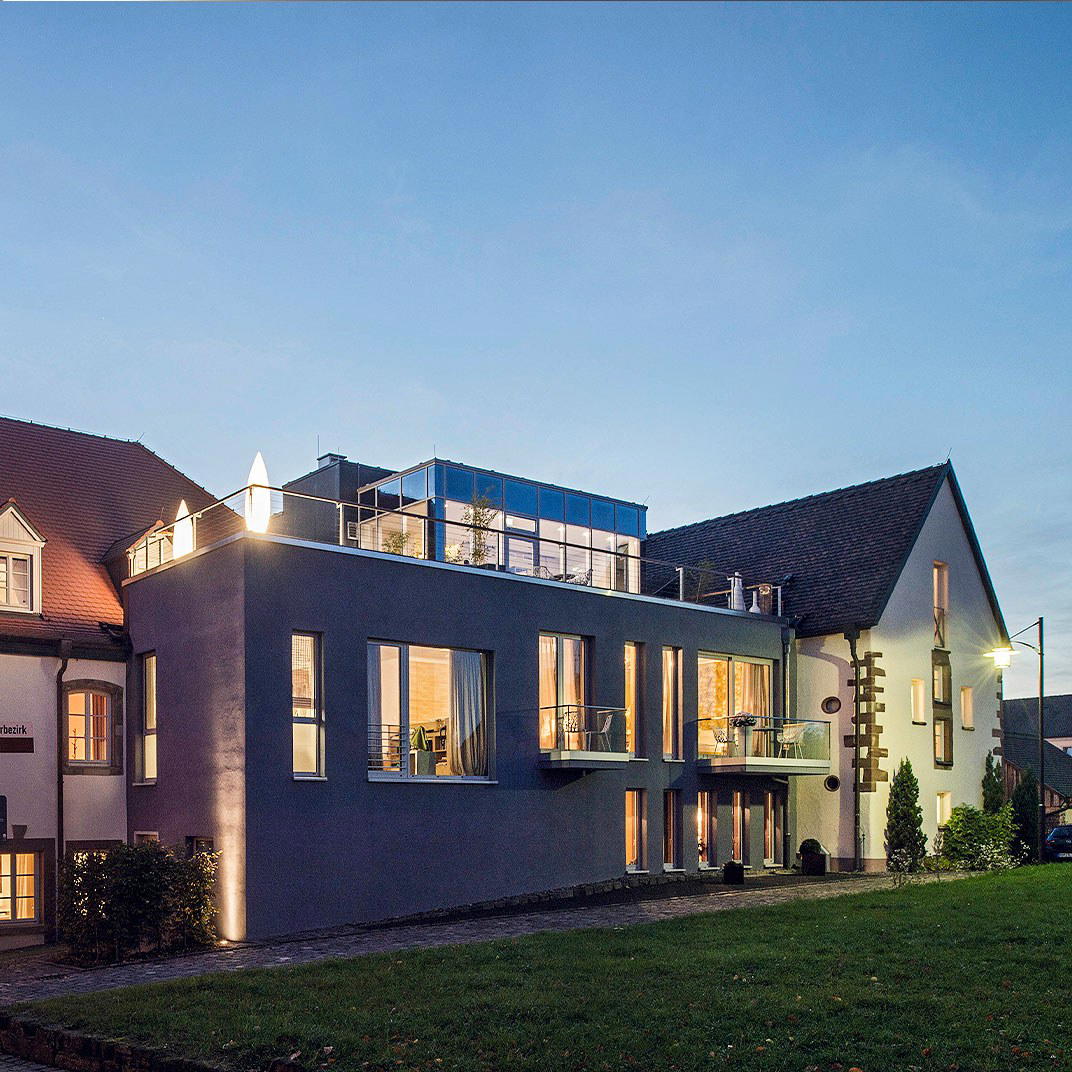
A Small Town with a Specific Kind of Staying Power
Hornbach is not a city that accumulates hotel options. The Rhineland-Palatinate town, tucked into the southwestern corner of Germany near the French border, draws visitors primarily because of the Kloster Hornbach, a monastery complex whose origins stretch back to the eighth century. Against that backdrop, the handful of serious places to stay in the area carry more weight than their modest scale suggests. Lösch für Freunde, at Hauptstraße 19-21 on the town's main street, is one of them.
Earning a MICHELIN Selected designation in the 2025 Michelin Hotels guide places the property within a recognised tier of European hospitality: not a grand palace hotel, not an anonymous roadside stop, but a considered smaller property that the guide's inspectors found worth flagging for travellers who care about where they sleep as much as where they eat. For context, MICHELIN Selected hotels are evaluated on atmosphere, welcome, and quality of facilities relative to their category. Inclusion is competitive, particularly in a country where the guide reviews thousands of properties annually.
Architecture as Argument: What the Building Says Before You Check In
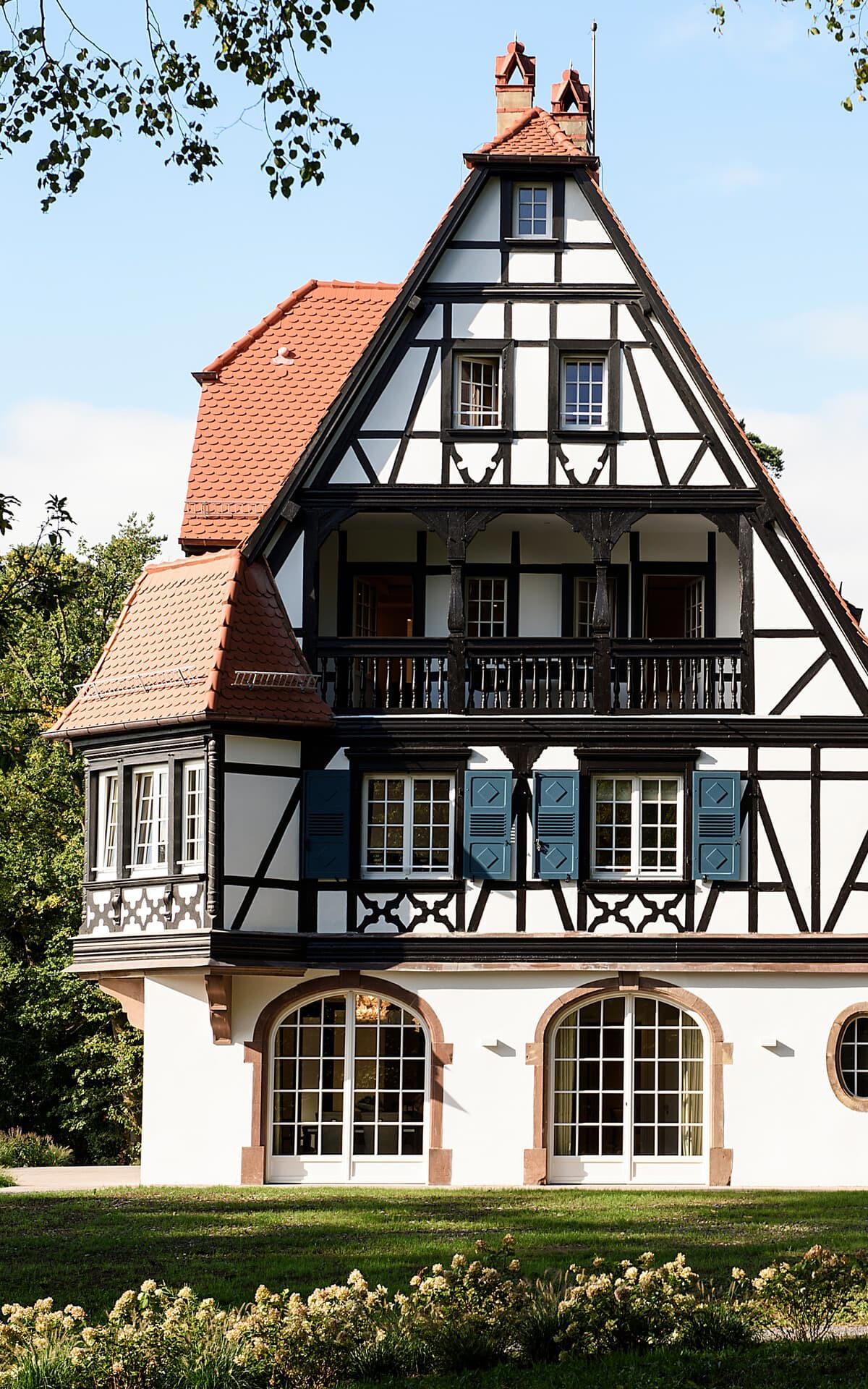
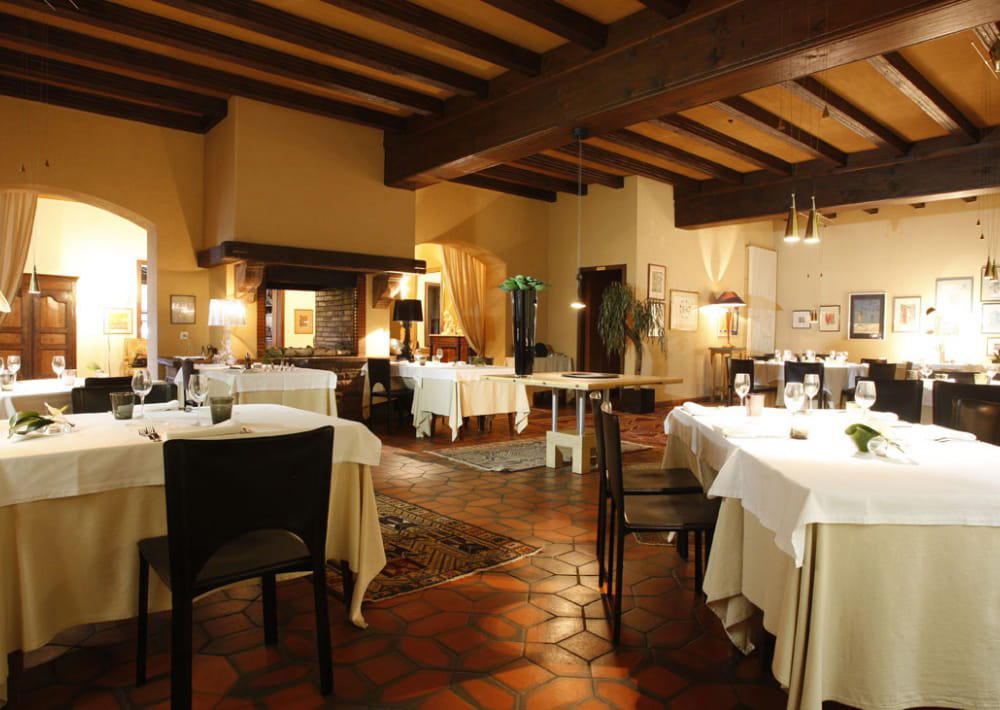
German small-town hotel design tends toward one of two modes: the heavily timbered gasthaus aesthetic, or the functionally modern renovation that strips a historic shell back to bare walls and poured concrete. Lösch für Freunde's position on Hornbach's Hauptstrasse places it squarely within the older urban fabric of the town. A main-street address in a place this size means the building is almost certainly a repurposed burgher's house or commercial property, the kind of structure where the street façade is narrow but the interior runs deeper than expected.
That kind of vernacular architecture, common across the Rhineland-Palatinate's market towns, rewards properties that work with the original spatial logic rather than against it. Where larger German hotels in this region, such as Hotel Traube Tonbach in Baiersbronn or Gut Steinbach Hotel Chalets Spa in Reit im Winkl, have the land and scale to build outward, a town-centre property like this one makes its case through interior decisions: how rooms are configured within old walls, how much original material is preserved, and whether the communal spaces feel like they belong to the building or were imposed on it.
What the MICHELIN selection does confirm is that the atmosphere passed scrutiny from inspectors trained to distinguish genuine character from decorative effort.
Where Lösch für Freunde Sits in the German Boutique Hotel Conversation
Germany's boutique and design-led hotel market has matured considerably over the past decade. At the premium end, properties like Telegraphenamt in Berlin have shown that adaptive reuse of significant historic structures can command serious rates and critical attention. Elsewhere, the conversation has expanded beyond the obvious city addresses: Weissenhaus Private Nature Luxury Resort in Schleswig-Holstein and Villa Contessa in Bad Saarow represent a strand of rural and semi-rural luxury that draws on landscape and seclusion as primary assets.
The hotel operates in a different register. It is neither a resort nor a city-centre design statement. It is a small-town property in a historically resonant location, and its competitive set is other MICHELIN Selected properties of similar scale across the German southwest rather than the grand-hotel circuit. For comparison, the Saarland and Rhineland-Palatinate corridor includes recognised properties like Esplanade Saarbrücken, LA MAISON in Saarlouis, and Seezeitlodge Hotel & Spa in Gonnesweiler. Within that peer group, a Hornbach address is especially historically specific.
Visiting Hornbach: Timing, Access, and Practical Framing
Hornbach sits roughly equidistant from Saarbrücken and Kaiserslautern, both accessible by regional rail, though the town itself is not on a major train line. Driving is the practical approach for most visitors arriving from Frankfurt, Strasbourg, or Luxembourg. The proximity to the French border makes the area genuinely bicultural in character: menus and conversations in this corner of Germany often carry Alsatian and Lorraine influence, and a visit to Hornbach frequently pairs with cross-border movement.
The strongest seasons for the region are late spring through early autumn, when the Palatinate countryside is at its most accessible and the monastery grounds adjacent to the town are in better condition for walking. Winter visits are quieter and more atmospheric for those interested in the town's medieval texture, though the shorter daylight window limits the surrounding area's appeal.
Booking details, including rates and room categories, were not available at the time of writing. Given the property's scale and location, advance reservation is advisable rather than assumed to be necessary, though this will depend on time of year and local event calendars.
Comparable Stays for the Same Traveller
A guest choosing the hotel is likely prioritising proximity to the Kloster Hornbach, an interest in small-town German character, or a specific routing through the southwest. Those who want more activity infrastructure without leaving the region should consider Seezeitlodge Hotel & Spa in Gonnesweiler or the Luisenhöhe in Horben. Those who want a city base with equivalent Michelin-level recognition can look at Breidenbacher Hof in Düsseldorf, Excelsior Hotel Ernst in Cologne, or Fairmont Hotel Vier Jahreszeiten in Hamburg for full grand-hotel scale. For spa-led rural retreats at higher price points, Schloss Elmau Luxury Spa Retreat & Cultural Hideaway in Elmau and Das Kranzbach Hotel & Wellness Retreat in Kranzbach operate in an entirely different tier. Further afield, Söl'ring Hof in Sylt, BUDERSAND Hotel in Hörnum, and Althoff Seehotel Überfahrt in Rottach-Egern represent the resort end of German boutique hospitality. For international reference points in the same editorial frame, Badrutt's Palace Hotel in St. Moritz, Hôtel de Paris Monte-Carlo, and The Fifth Avenue Hotel in New York City show where the broader luxury conversation runs at its most formal. The hotel is none of those things, which is precisely the point of choosing it. Also worth bookmarking for a longer southwest Germany circuit: Sofitel Frankfurt Opera, Der Öschberghof in Donaueschingen, and Spa & Golf Hotel Weimarer Land in Blankenhain.
In Context: Similar Options
Comparable venues nearby, for context on price, style, and recognition.
| Venue | Cuisine | Price | Awards | Notes |
|---|---|---|---|---|
| Lösch für FreundeThis venue — the venue you are viewing | Distinctive country house with themed accommodations connected to historic monastery. | $$$ | Not listed | Not listed |
| Kloster Hornbach | Historic monastery with modern accents | $$$ | Michelin 1 Key | Hornbach |
| 25hours Hotel The Trip | Trendy design hotel blending travel themes with urban creativity | $$$ | Not listed | Goethehaus |
| Prize by Radisson, Berlin | Affordable high‑design, midscale lifestyle hotel integrated into a mixed‑use urban development in Prenzlauer Berg. | $$ | Not listed | Prenzlauer Berg |
| Romantik Hotel Landhaus Bärenmühle | Romantik country house in a historic mill with spacious suites featuring panoramic views and rustic elegance. | $$$ | Not listed | Frankenau-Ellershausen |
| Kimpton Main Frankfurt | Laid-back luxury lifestyle hotel with Bauhaus-inspired design in a repurposed historic building. | $$$$ | Not listed | Roemerberg |
Recognition history
Dated appearances from independent guides and award organizations, with the underlying list record or original source where available.
Michelin Selected
Michelin
Continue exploring
More in Hornbach
Hotels in Hornbach
Browse all →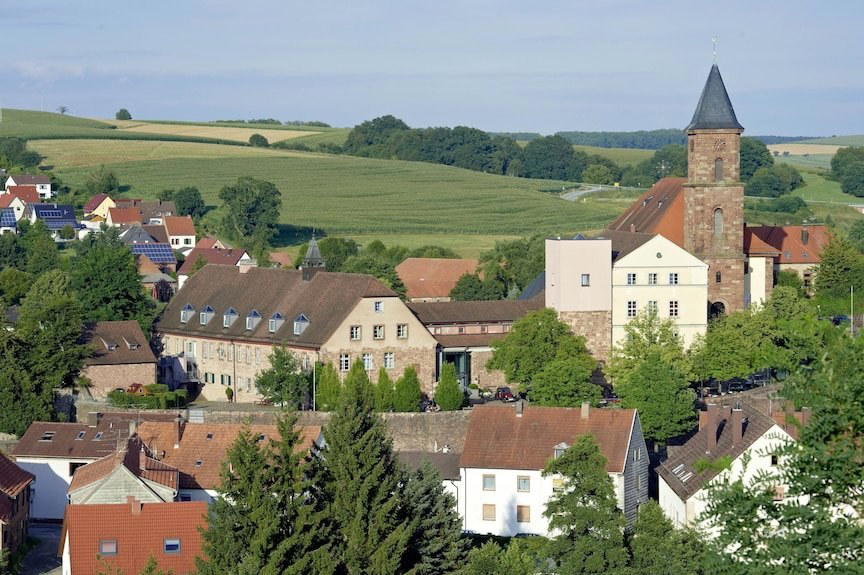
At a Glance
- Cozy
- Modern
- Intimate
- Quiet
- Romantic Getaway
- Weekend Escape
- Group Retreat
- Terrace
- Historic Building
- Spa
- Sauna
- Massage
- Wi Fi
- Room Service
- Concierge
- Bicycle Rental
- Elevator
- Spa
- Sauna
- Massage
- Wi Fi
- Room Service
- Concierge
- Bicycle Rental
- Elevator
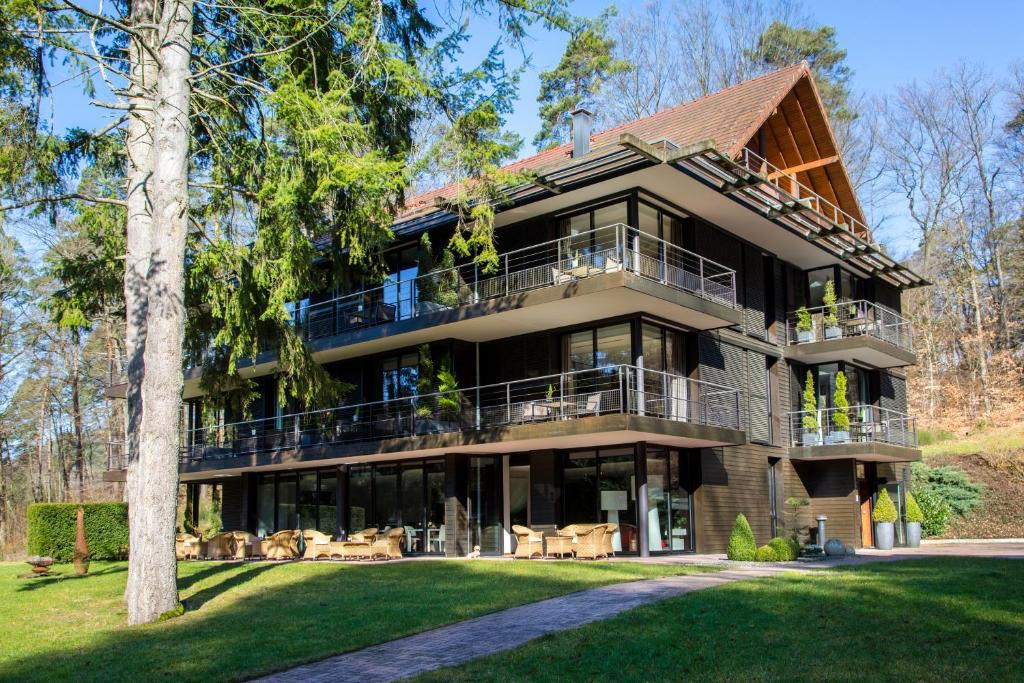
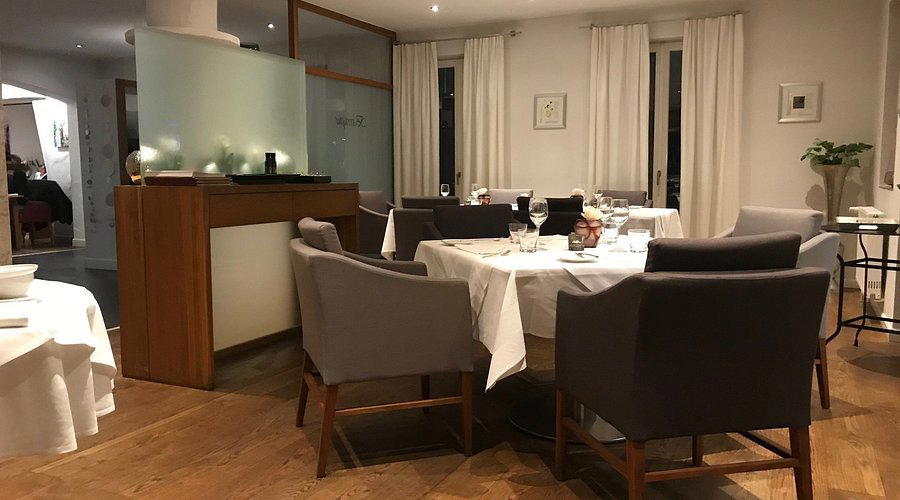
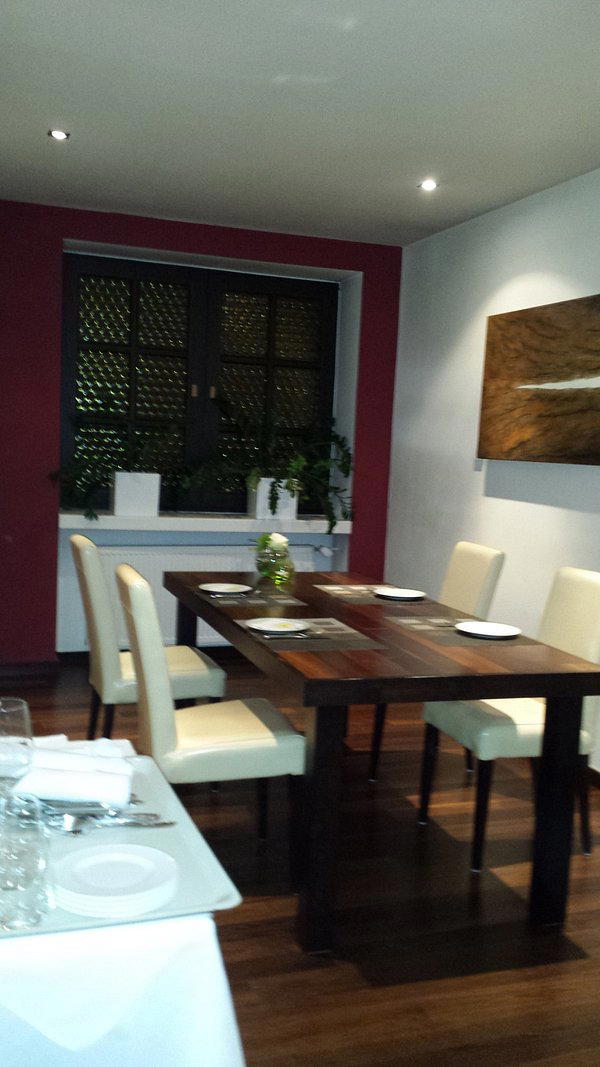
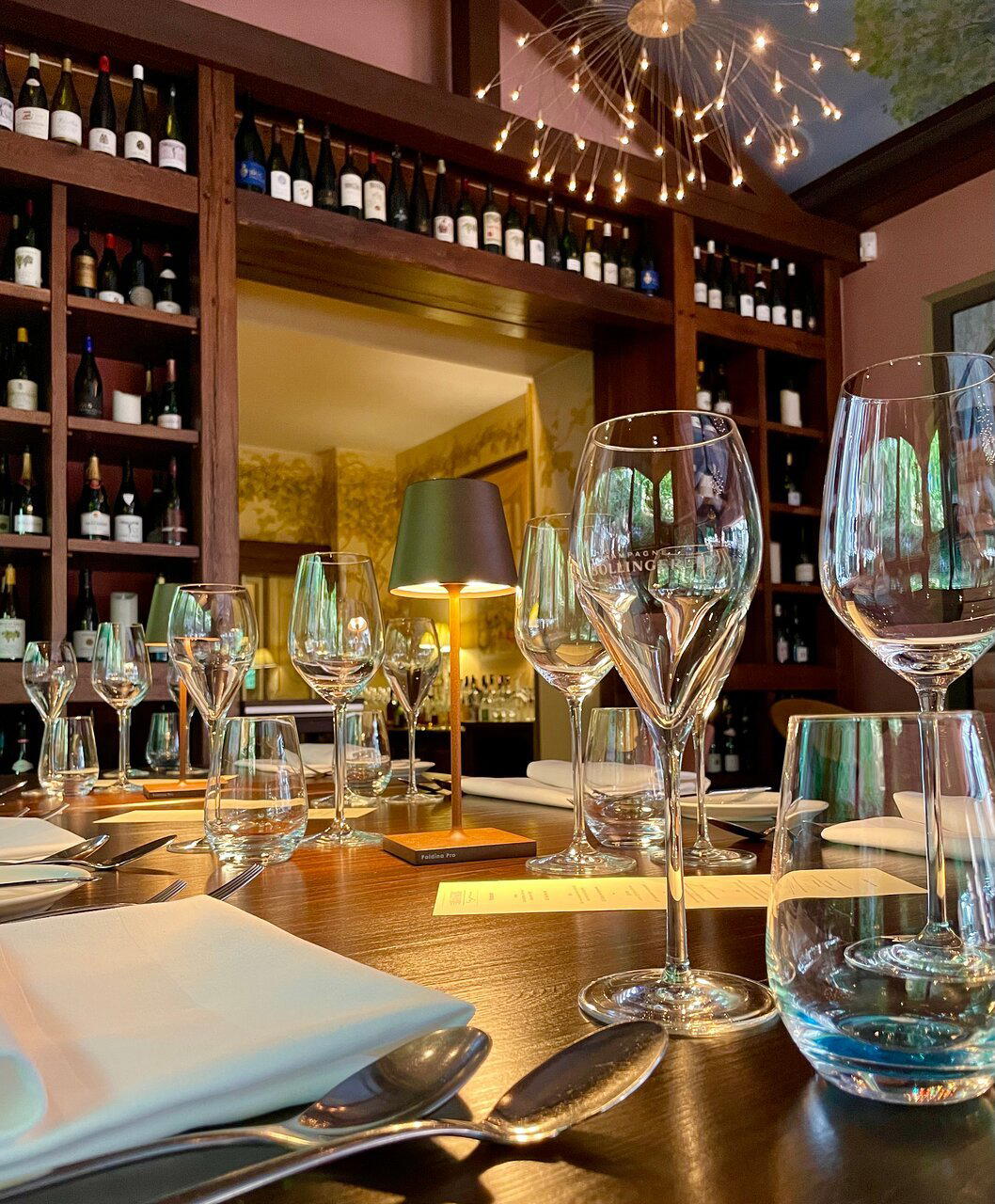
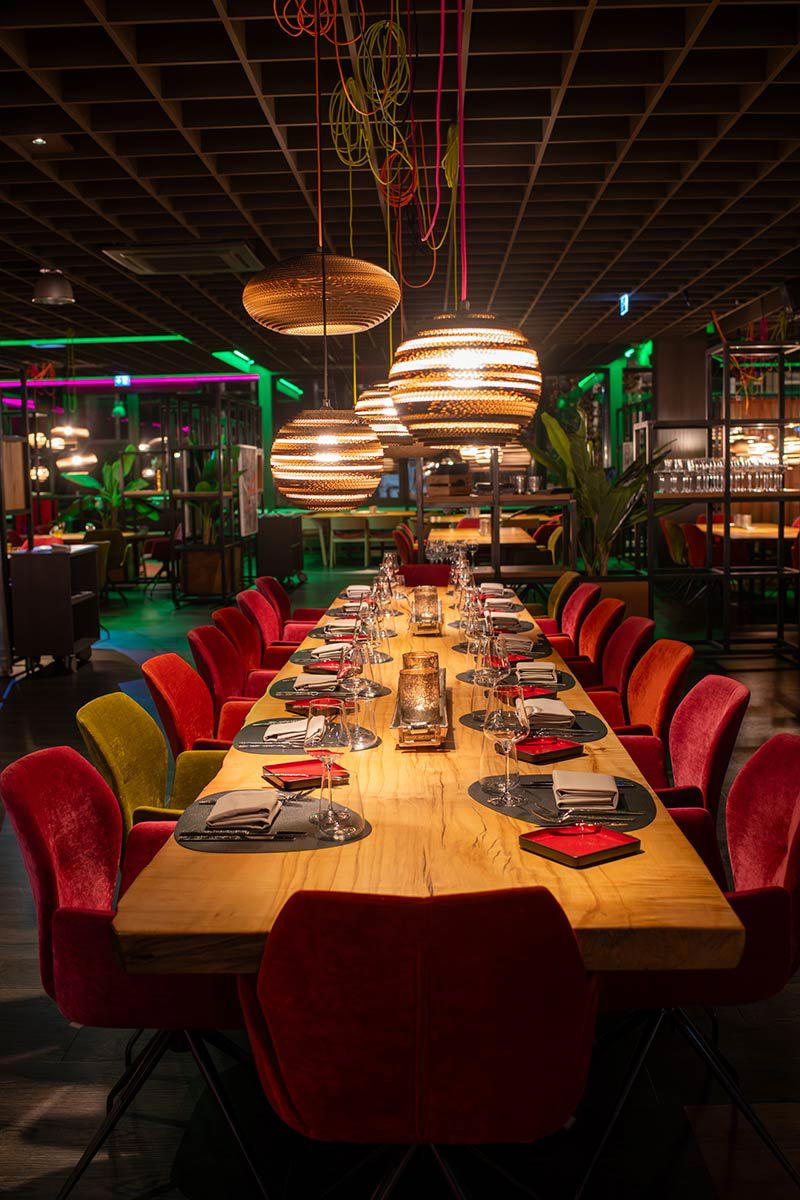
Warm, light-filled spaces with cozy lounge corners, modern furnishings, and relaxing wellness areas featuring saunas and steam baths.