Hämmerle's Restaurant

1 Michelin Star
Our verdict
A Michelin-starred address in the Saarland borderlands, Hämmerle's Restaurant has held its star continuously through 2024 and 2025, grounding Modern French technique in a region shaped by Franco-German agricultural exchange. The €€€€ format positions it at the upper tier of fine dining in the Blies valley, drawing guests from across the greater Saar-Lor-Lux region for cooking that treats provenance as a structural principle, not a garnish.

Pearl is the En Primeur Club membership app — saves, bookings, and concierge access live there. Same editors, same standards.
- Address
- Bliestalstraße 110A, 66440 Blieskastel, Germany
- Phone
- +49 6842 52142
- Hours
- Mon–Wed 11:30 AM–3 PMThu–Fri 11:30 AM–3 PM, 6:30–11 PMSat–Sun Closed
- Website
- haemmerles.de
- Directions
- Get directions
- Booking
- Book on OpenTable
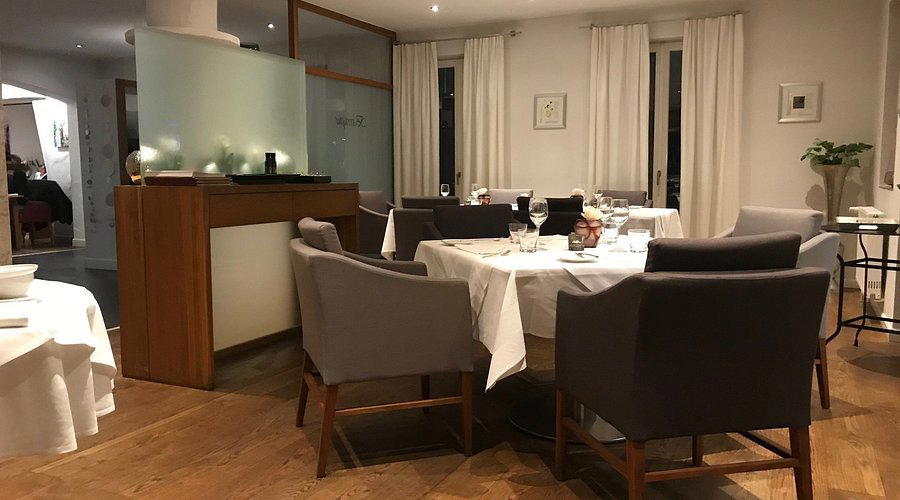
Where the Saarland Meets the French Kitchen
The Saar-Lor-Lux cross-border region has long operated as an informal culinary corridor between German produce culture and French kitchen discipline. The Blies valley, which runs through the biosphere reserve surrounding Blieskastel, sits at the geographic and agricultural centre of that exchange: river meadows, sandstone plateaus, and the proximity to Lorraine create a larder with a distinctly Franco-German character. Hämmerle's Restaurant, at Bliestalstraße 110A, arrives in that context with a format built around Modern French technique — not as an imported register, but as the natural language for ingredients grown within this particular borderland.
Reaching Blieskastel from Saarbrücken takes roughly 25 minutes by road; from the French side, Sarreguemines is closer still, which underscores how porous this border has always been for anyone who cooks or eats seriously. That geographical positioning matters for understanding why a one-Michelin-star kitchen operating at the €€€€ tier makes sense here: the region has both the agricultural depth to supply ambitious cooking and a guest base that routinely crosses into France for reference meals, returning with calibrated expectations.
The Argument for Terroir at This Price Point
Germany's one-star tier has diversified considerably over the past decade. Some kitchens within it have gravitated toward creative tasting formats with a strong local identity — ES:SENZ in Grassau and Schanz in Piesport both represent versions of that approach in different regional registers. Others have maintained classical French structures refreshed through sourcing precision. Hämmerle's belongs to the second tradition, where the frame is French and the evidence is the ingredient.
That distinction carries real implications for the guest. A kitchen committed to Modern French forms is making a bet on the quality and traceability of what arrives each morning. The Blies valley biosphere reserve, designated by UNESCO, provides a sourcing geography that justifies that bet. Agricultural land under conservation pressure tends to retain older farming practices and breed diversity that industrial supply chains have long since rationalised away. For a kitchen working at €€€€, that reserve functions as a credible backstory for every plate, not an abstract environmental credential.
Peer kitchens working comparable French-influenced territory at higher star counts include Schwarzwaldstube in Baiersbronn, which has long demonstrated how deeply rooted Black Forest sourcing can anchor classical French cooking, and Waldhotel Sonnora in Dreis, another rural southwest German address where French technique meets a specific regional larder. Hämmerle's sits one rung below that tier in Michelin terms, but occupies a cognate position: a destination restaurant in a landscape, rather than an urban address competing on spectacle.
Modern French in a Border Region: What That Actually Means
The label Modern French covers a wide range of practice in Germany's current fine dining scene. At the higher end of the spectrum, kitchens like Vendôme in Bergisch Gladbach and Victor's Fine Dining by Christian Bau in Perl, the latter another Saarland-adjacent address, have used French foundations as a platform for extremely precise, technique-heavy tasting menus. At the one-star level, the same vocabulary tends to manifest with more direct focus on product: less architectural plating, more attention to what the ingredient does when left partially alone.
What the Saarland borderland adds to this is a sourcing geography with credible French overlap. Lorraine agriculture, the mushrooms, the mirabelle plums, the river fish, is not a foreign ingredient category for a kitchen in Blieskastel; it is the adjacent field. That proximity means the Modern French register is not purely aesthetic here. The region's produce traditions genuinely track the French side, which gives a kitchen working in this mode a sourcing coherence that a comparable restaurant elsewhere in Germany would have to work harder to achieve.
For guests arriving from further afield, that distinction is worth understanding before booking. This is not the modernist-creative French cooking of Aqua in Wolfsburg or the dessert-led innovation of CODA Dessert Dining in Berlin. Nor does it share the metropolitan frame of Restaurant Haerlin in Hamburg or JAN in Munich. The proposition at Hämmerle's is quieter and more specific: French technique applied to a named place, in a room that does not compete with the landscape outside it.
Continuous Recognition and What the Star Retention Signals
Michelin awarded Hämmerle's its first star in 2024 and retained it in 2025. Star retention at the one-star level is a more meaningful signal than initial award, particularly in a region that does not have a dense fine dining cluster to draw inspector attention routinely. The Saarland carries fewer Michelin-starred addresses per square kilometre than Baden-Württemberg or Bavaria, which means each retained star reflects a kitchen maintaining standards without the competitive pressure, or the consistent inspector traffic, of a major city.
High volume with a high average score at a €€€€ price point in a small city suggests a guest profile that includes both regular regional visitors and destination diners who have travelled specifically for the meal and not left disappointed. That ratio is harder to sustain than it appears. Guests who drive to a Michelin-starred restaurant in a town of 20,000 people arrive with calibrated expectations and tend to review with corresponding precision.
Blieskastel as a Fine Dining Destination
Blieskastel itself is a small baroque town in the eastern Saarland, protected within the Bliesgau UNESCO Biosphere Reserve. It has no major fine dining cluster, Landgenuss represents the country cooking register in the area, operating at a different register and price point, which means Hämmerle's functions as a destination address rather than one node in a competitive local scene. Guests are not comparison-shopping across multiple tasting menus within the town; they are committing to the journey for this specific kitchen.
That dynamic shapes the experience in practical terms. In a major city, a Michelin-starred restaurant competes for the evening against five comparable alternatives. In Blieskastel, the evening is the destination. Guests tend to build the day around it, the biosphere reserve offers walking and cycling routes in warmer months that make the arrival feel earned rather than incidental. For those staying overnight, accommodation options in Blieskastel range from local guesthouses to regional hotels within easy reach of the restaurant.
For those planning a wider Saarland fine dining circuit, Blieskastel pairs logically with a visit to Perl in the west, where Victor's Fine Dining operates in an entirely different luxury register, or with exploration of the Moselle corridor. The full Blieskastel restaurants guide maps the broader local dining picture, and EP Club's guides to bars, wineries, and experiences in the area provide the supporting context for a multi-day visit.
Wine service at a kitchen working this register in the Saarland will typically draw on both German producers, the Saar's Rieslings sit in natural tension with French-inflected food, and Alsatian and Lorraine bottles that reflect the cross-border sourcing logic of the cooking itself. That pairing geography is one of the more compelling aspects of dining in this corridor, one that urban French-technique restaurants rarely replicate.
Planning a Visit
Hämmerle's Restaurant is at Bliestalstraße 110A in Blieskastel, approximately 25 minutes by car from Saarbrücken's city centre and accessible from the French side via Sarreguemines. The €€€€ price tier places the meal in the upper bracket of German fine dining, consistent with sustained Michelin recognition. Booking ahead is advisable; a kitchen of this standing in a small town operates with limited covers relative to demand from the regional guest base. For guests interested in the wider town, the Blieskastel experiences guide covers the biosphere reserve and surrounding attractions. For those comparing Modern French execution at the European level, Sketch, The Lecture Room and Library in London and Alex Dilling at Hotel Café Royal offer a useful calibration point for the style at a different scale and star count.
Frequently asked questions
What's the address for Hämmerle's Restaurant?
Hämmerle's Restaurant is located at Bliestalstraße 110A, 66440 Blieskastel, Germany, Blieskastel.
What distinctions does Hämmerle's Restaurant have?
Hämmerle's Restaurant has received recognition including: Michelin 1 Star (2025); Michelin 1 Star (2024).
What do people recommend at Hämmerle's Restaurant?
Guest feedback consistently highlights the kitchen's handling of seasonal and regional produce, a thread that runs through the Modern French format Hämmerle's has refined across two consecutive Michelin-starred years, 2024 and 2025. The price tier of €€€€ positions this as a full tasting-menu occasion rather than a casual stop, and reviewers appear to treat it accordingly. The Bliesgau Biosphere Reserve setting in eastern Saarland gives the kitchen access to a cross-border produce corridor that guests frequently cite as a distinguishing element of the meal.
What does dinner at Hämmerle's Restaurant typically cost?
Pricing at Hämmerle's Restaurant is listed as €€€€.
Is Hämmerle's Restaurant chef-led?
The chef associated with Hämmerle's Restaurant is Hämmerle's Restaurant.
Fast Comparison
| Venue | Cuisine | Awards |
|---|---|---|
| Hämmerle's RestaurantThis venue — the venue you are viewing | Modern Regional German Fine Dining | 1 Michelin Star |
| Schwarzwaldstube | French, Classic French | Michelin 3 Star |
| Aqua | Contemporary German, Italian/Japanese, Creative | Michelin 3 Star |
| CODA Dessert Dining | Creative | Michelin 2 Star |
| Tantris | Modern French, French Contemporary | Michelin 2 Star |
| Vendôme | Modern European, Creative | Michelin 2 Star |
Recognition history
Dated appearances from independent guides and award organizations, with the underlying list record or original source where available.
Michelin 1 Star
Michelin
Full recognition history (3 entries)
Michelin 1 Star
Michelin
Michelin 1 Star
Michelin
Continue exploring
More in Blieskastel
Restaurants in Blieskastel
Browse all →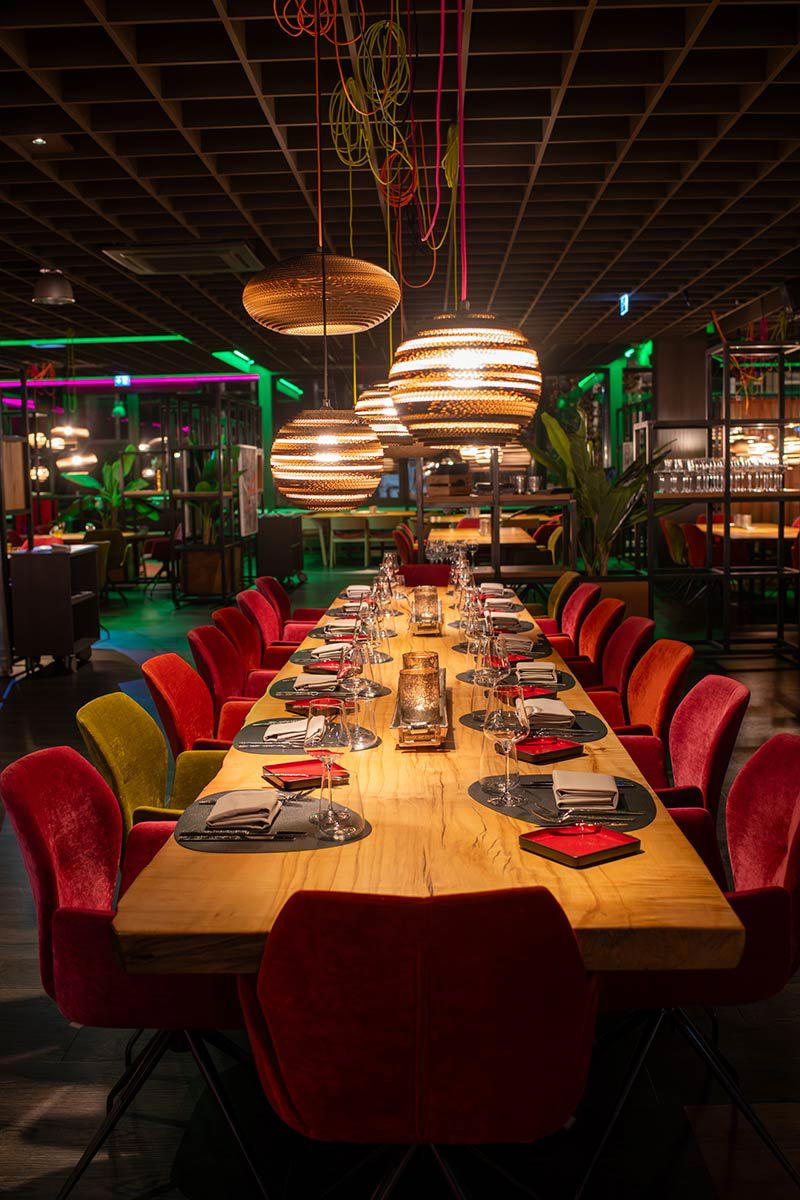
Bars in Blieskastel
Browse all →
Hotels in Blieskastel
Browse all →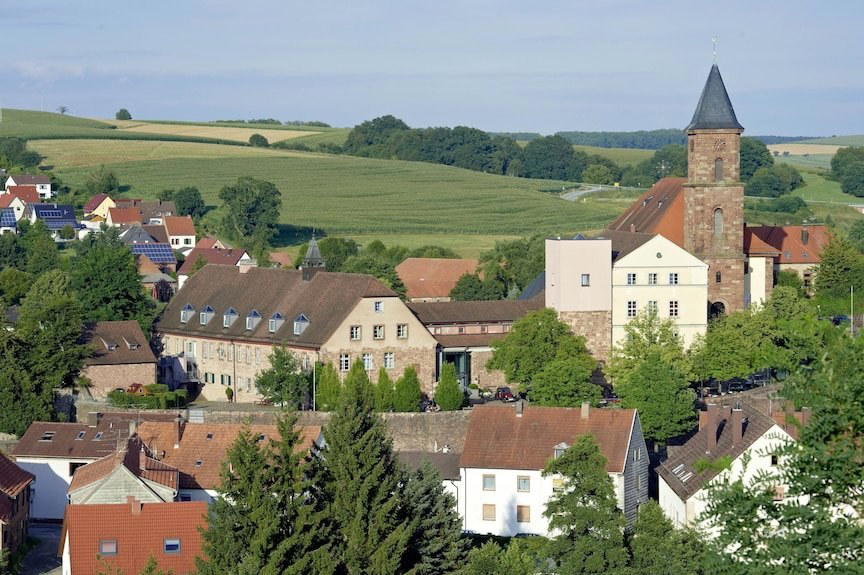
Wineries in Blieskastel
Browse all →
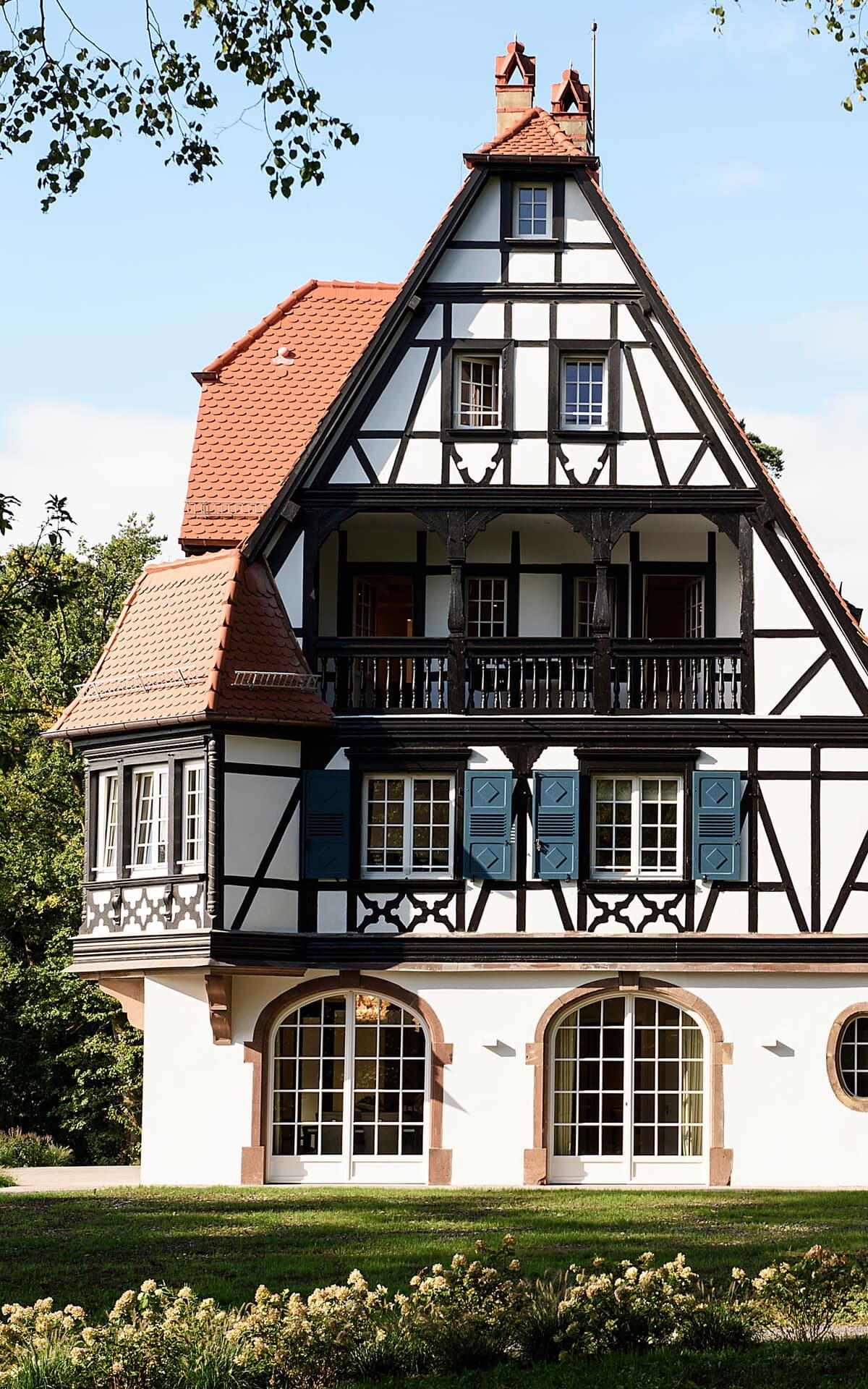
Hämmerle's Restaurant
The wine
- Wine program
- Curated wine list
- Extensive wine list
Details
- Elegant
- Cozy
- Intimate
- Sophisticated
- Special Occasion
- Date Night
- Celebration
- Chefs Counter
- Open Kitchen
- Terrace
- Extensive Wine List
- Local Sourcing
- Tasting Menu
- Set Menu
- A La Carte
- Vegetarian Friendly
Current opening hours
- Monday
- 11:30 AM–3 PM
- Tuesday
- 11:30 AM–3 PM
- Wednesday
- 11:30 AM–3 PM
- Thursday
- 11:30 AM–3 PM, 6:30–11 PM
- Friday
- 11:30 AM–3 PM, 6:30–11 PM
- Saturday
- Closed
- Sunday
- Closed
Hours can change for holidays and private events. Last verified .
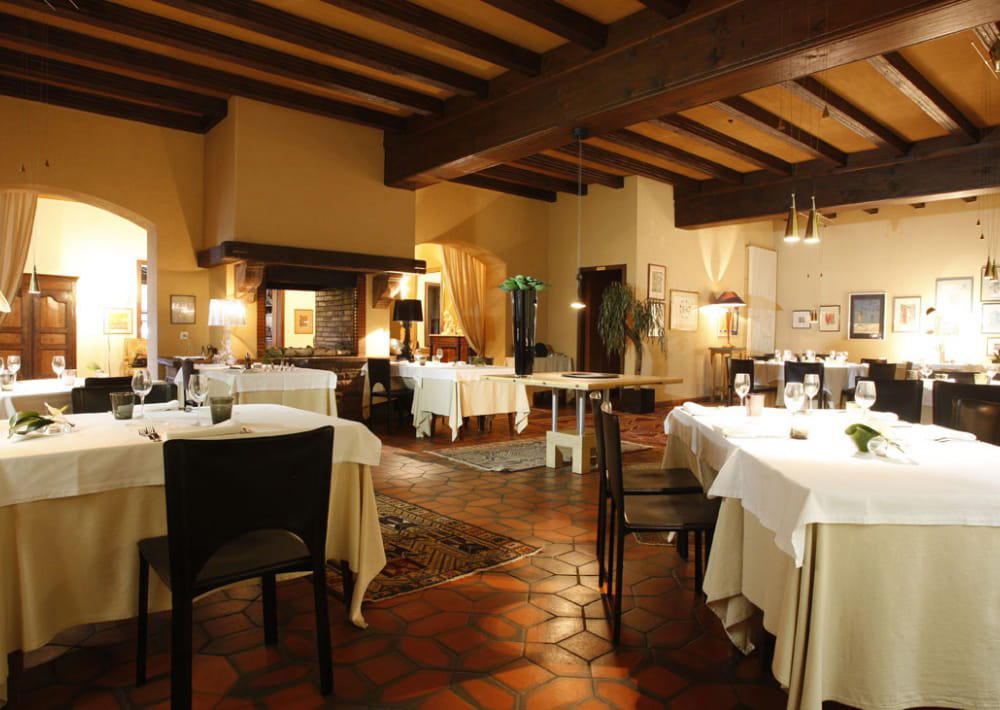
Tastefully modern with a charming, familial atmosphere, pleasant lighting, and relaxed yet elegant feel.