Savanna sits on Maistraße in Munich's Ludwigsvorstadt district, occupying a part of the city where neighbourhood restaurants carry more weight than their postcodes suggest. The address places it within walking distance of the Deutsches Museum and the broader Isarvorstadt eating scene, where sourcing credentials and kitchen consistency tend to define reputation more than formal recognition does.
Pearl is the En Primeur Club membership app — saves, bookings, and concierge access live there. Same editors, same standards.
- Address
- Maistraße 63, 80337 München, Germany
- Phone
- +498953906363
- Website
- savanna-munich.com
- Directions
- Get directions
 Saves & bookings on Pearl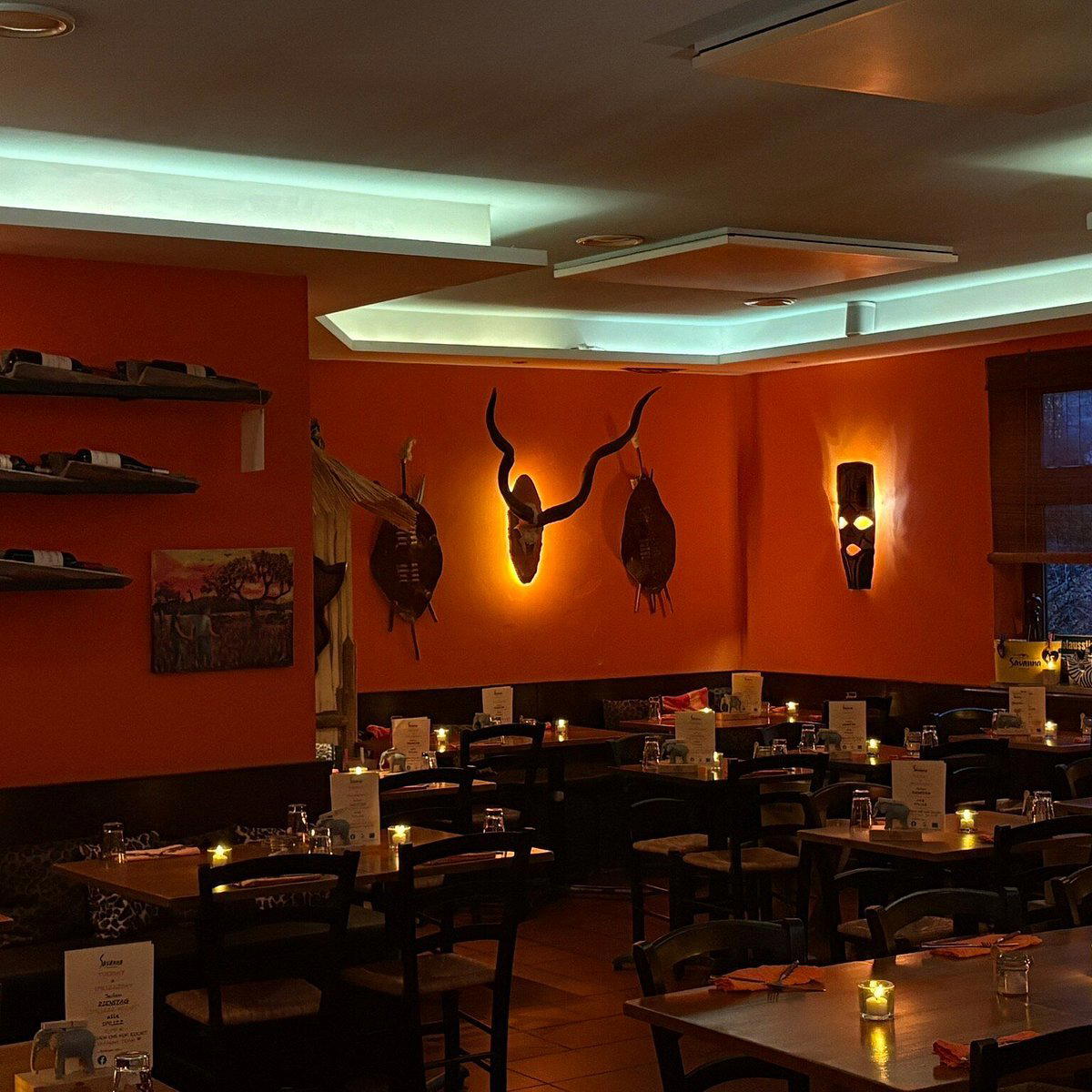
A Street Where Sourcing Talks Louder Than Stars
Maistraße 63, in the Ludwigsvorstadt district south of the old city centre, sits in a part of Munich where the second camp tends to dominate. Savanna operates in that context.
The street itself is a quiet residential artery connecting the Theresienwiese area to the museum quarter. Approaching from the U-Bahn at Goetheplatz or Sendlinger Tor, you pass the kind of low-key neighbourhood infrastructure, bakeries, wine shops, small delis, that signals an area feeding actual residents rather than curating an experience for visitors. That physical context matters when assessing what a restaurant like Savanna is doing and for whom.
The Sourcing Question in African and Continental-Influenced Kitchens
The name Savanna positions the restaurant within a culinary tradition that is still underrepresented in Munich's formal dining conversation.
Ingredient sourcing is particularly important in this culinary register. Kitchens working with African culinary frameworks face a more complex supply chain than those building around, say, Bavarian dairy or Alpine game. Spices, grains, and fermented ingredients central to many African cooking traditions require either specialist importers or significant substitution with European equivalents, and the choice between those two approaches shapes the character of the food on the plate in ways that matter to anyone eating seriously. Restaurants in this category that import directly, or that work with diaspora-run specialist suppliers, produce noticeably different results from those that adapt recipes to locally available pantry items.
Munich has a smaller infrastructure for this kind of sourcing than London, Paris, or even Frankfurt, where larger African diaspora communities have built more developed food import networks. That constraint makes the kitchen decisions at a restaurant like Savanna more consequential, not less. How much of the ingredient logic is preserved, and through what supply relationships, tells you more about the restaurant than any single dish description would.
Where Savanna Sits in Munich's Dining Map
Munich's most formally recognised restaurants cluster around a different price tier and culinary tradition. Tantris and Atelier represent the city's French-influenced fine dining peak, both operating at the €€€€ level with Michelin recognition that places them in a German national comparable set alongside Aqua in Wolfsburg and Schwarzwaldstube in Baiersbronn. JAN and Tohru in der Schreiberei occupy a creative-contemporary niche that crosses European and Asian culinary references. Alois at Dallmayr anchors the city's luxury-provenance tradition.
Savanna operates outside that formal recognition ladder, in a neighbourhood segment where the dining proposition is defined by neighbourhood relevance, price accessibility, and the specific cultural knowledge a kitchen brings to its ingredient choices. This is not a lesser category, particularly technically disciplined food in any city exists outside Michelin's coverage, but it requires a different evaluative frame. The question for a restaurant in this position is whether the food rewards attention paid to it, and whether the sourcing logic is coherent enough to justify the choices the kitchen is making.
Across Germany more broadly, the restaurants drawing critical attention outside the Michelin-starred tier tend to be those with clear culinary identity and supply chain transparency. CODA in Berlin built its reputation on a specific conceptual framework. ES:SENZ in Grassau and Schanz in Piesport anchor their identities in regional ingredient logic. The pattern holds: in the current German dining moment, clarity of sourcing intent is the variable that separates restaurants worth seeking out from those that are merely convenient.
What the Address Tells You About Timing and Expectations
Ludwigsvorstadt restaurants with strong neighbourhood followings tend to operate at a different rhythm from destination dining rooms. Tables at the city's Michelin-level addresses, Tantris books well in advance, as does Tohru, require planning that can extend months out. Neighbourhood restaurants in this district operate on shorter lead times, often with walk-in availability on quieter weekday evenings, though weekend service at well-regarded local spots fills faster than their low profile might suggest.
The proximity to Theresienwiese also means that during Oktoberfest, the area experiences significant pressure on every table in the district. Visitors planning a September or early October visit to Munich should account for compressed availability across the neighbourhood, not just at the headline venues. Outside that window, the Maistraße area functions as a genuine local dining corridor, more predictable in its rhythms and more accessible in its pricing than the city centre or Schwabing.
For readers building a Munich itinerary around serious eating, the Isarvorstadt and Ludwigsvorstadt neighbourhoods reward exploration beyond the restaurants appearing in standard guides. Comparisons to Germany's wider fine dining circuit, including Vendôme in Bergisch Gladbach, Victor's Fine Dining in Perl, Waldhotel Sonnora in Dreis, Restaurant Haerlin in Hamburg, and Bagatelle in Trier, underscore how much the Munich neighbourhood tier differs in format and aspiration from the destination dining rooms that define Germany's upper bracket.
Planning Your Visit
Address: Maistraße 63, 80337 München. Getting there: Goetheplatz (U3/U6) and Sendlinger Tor (U1/U2/U3/U6) are both within ten minutes on foot. Reservations: booking is recommended. Budget: about $35 per person.
Where It Fits
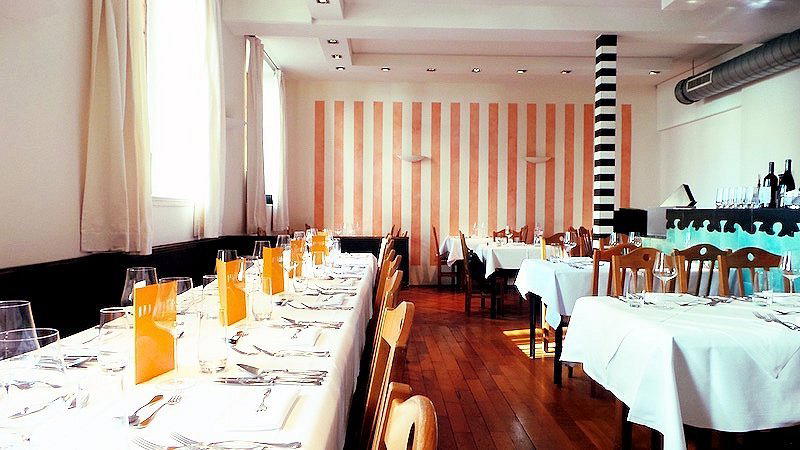
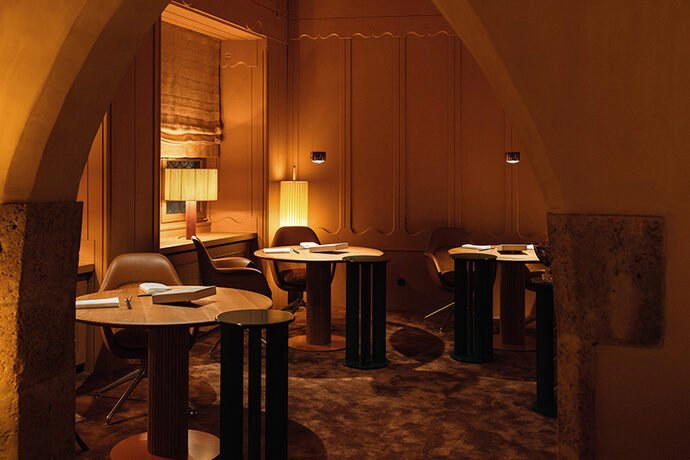
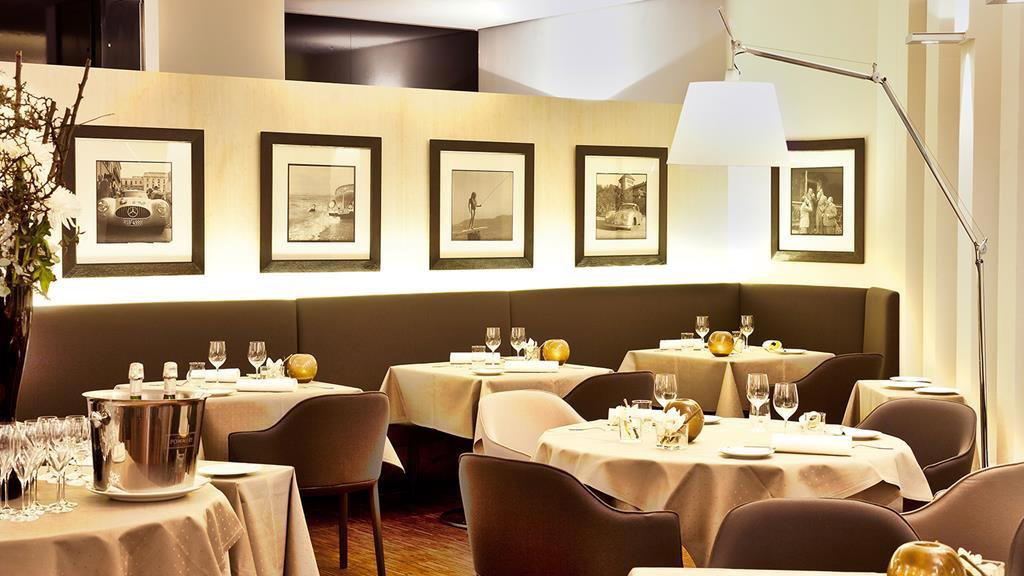
Comparable venues nearby, for context on price, style, and recognition.
At a Glance
- Rustic
- Cozy
- Trendy
- Group Dining
- Special Occasion
- Casual Hangout
- Open Kitchen
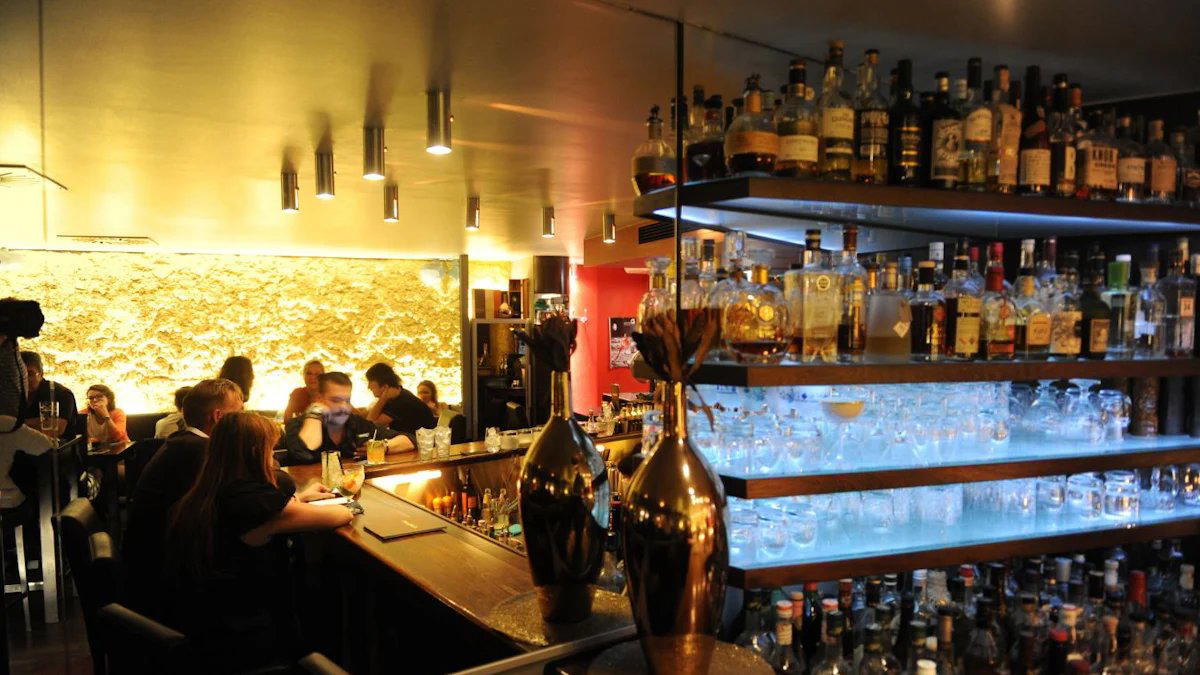
- Craft Cocktails
Current opening hours
- Monday
- Closed
- Tuesday
- 5–11 PM
- Wednesday
- 5–11 PM
- Thursday
- 5–11 PM
- Friday
- 5–11 PM
- Saturday
- 5–11 PM
- Sunday
- Closed
Hours can change for holidays and private events. Last verified .
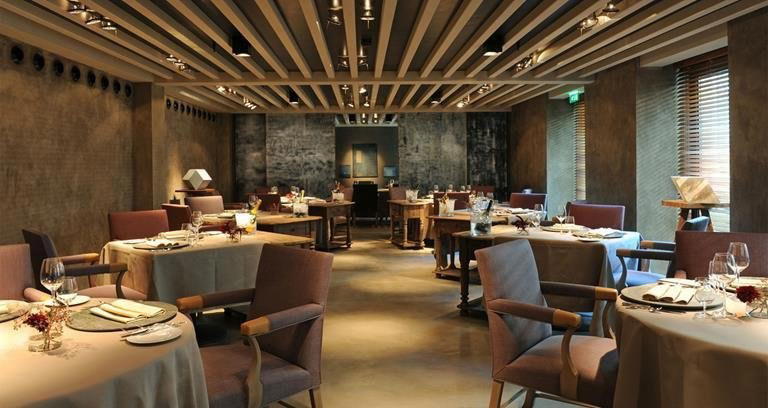
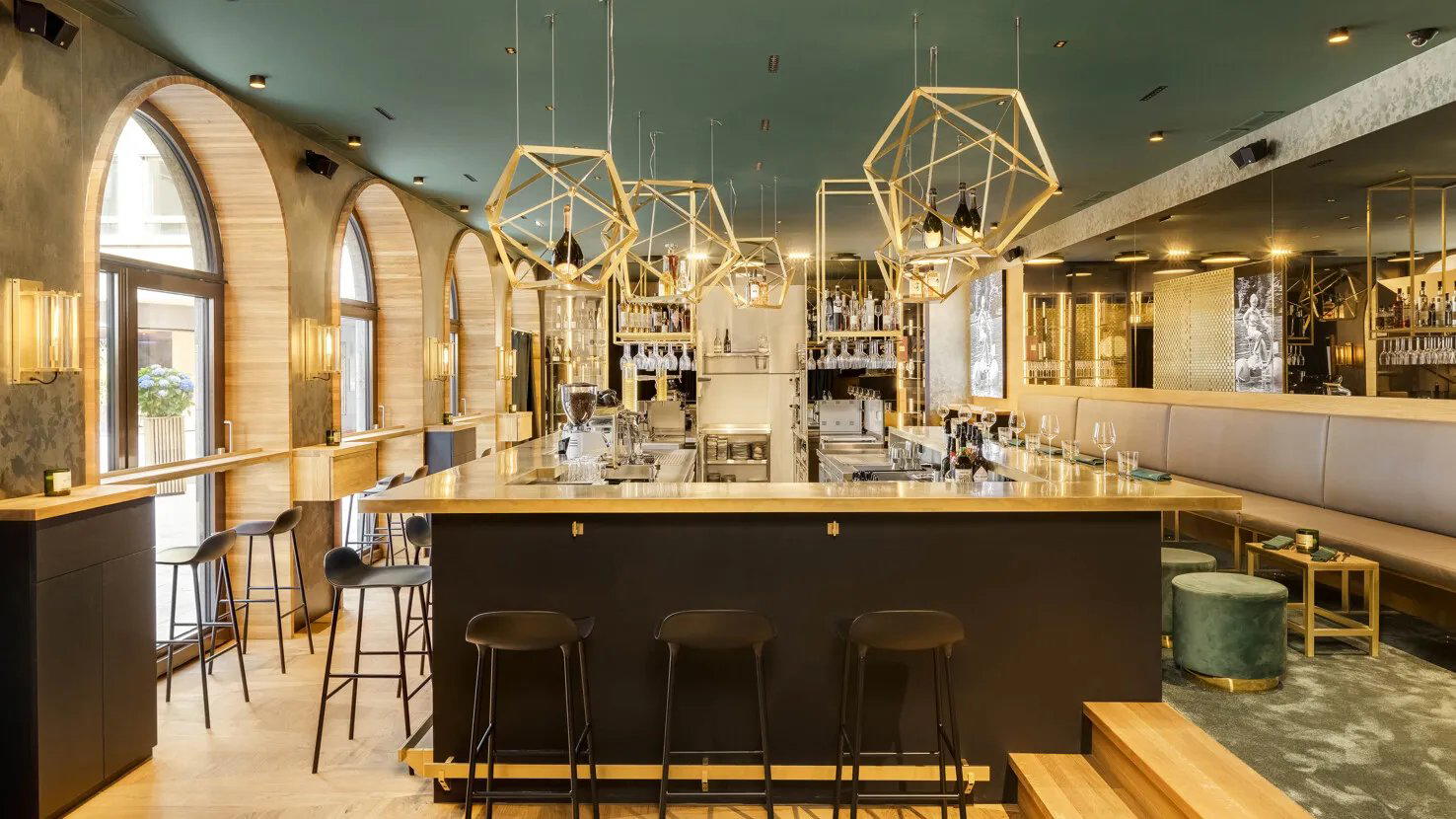
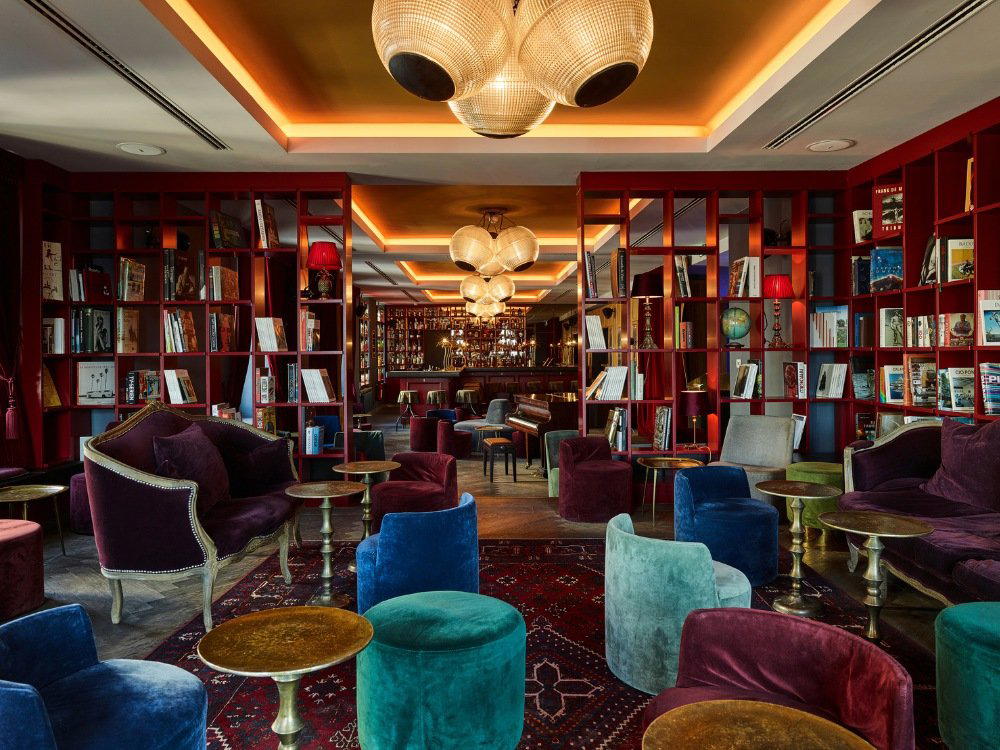
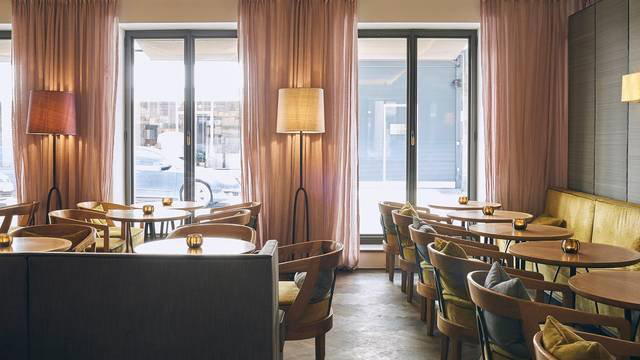
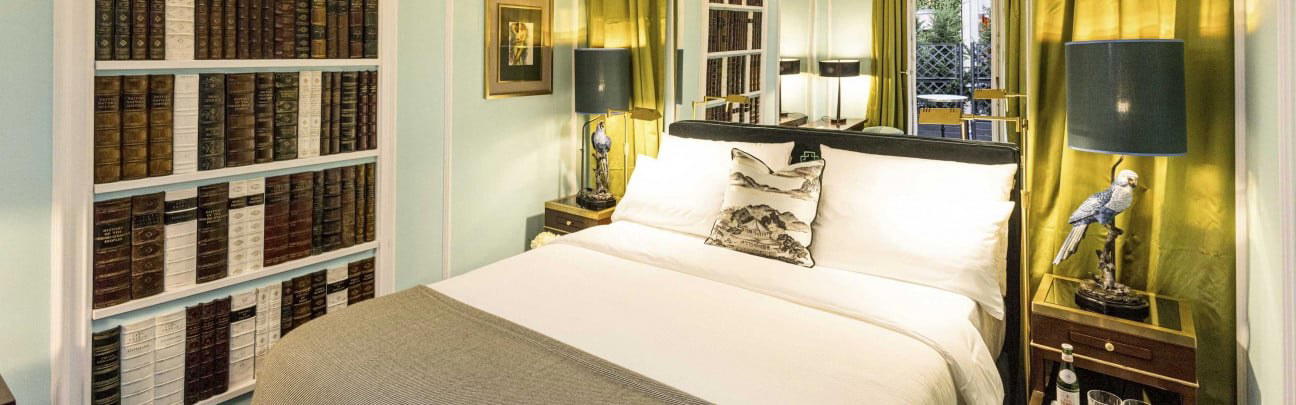
Warm, inviting, and authentically South African with a cozy, quirky savanna-inspired setting.