Makula occupies a address on Dreimühlenstraße in Munich's Isarvorstadt district, a neighbourhood whose dining scene has shifted decisively toward produce-led, sourcing-conscious cooking. The restaurant sits within a broader Munich movement that prizes direct supply chains and regional ingredient integrity over format prestige, making it a useful reference point for anyone tracking where the city's mid-to-upper dining tier is heading.
Pearl is the En Primeur Club membership app — saves, bookings, and concierge access live there. Same editors, same standards.
- Address
- Dreimühlenstraße 14, 80469 München, Germany
- Phone
- +491799422101
- Website
- restaurant-makula.de
- Directions
- Get directions
 Saves & bookings on Pearl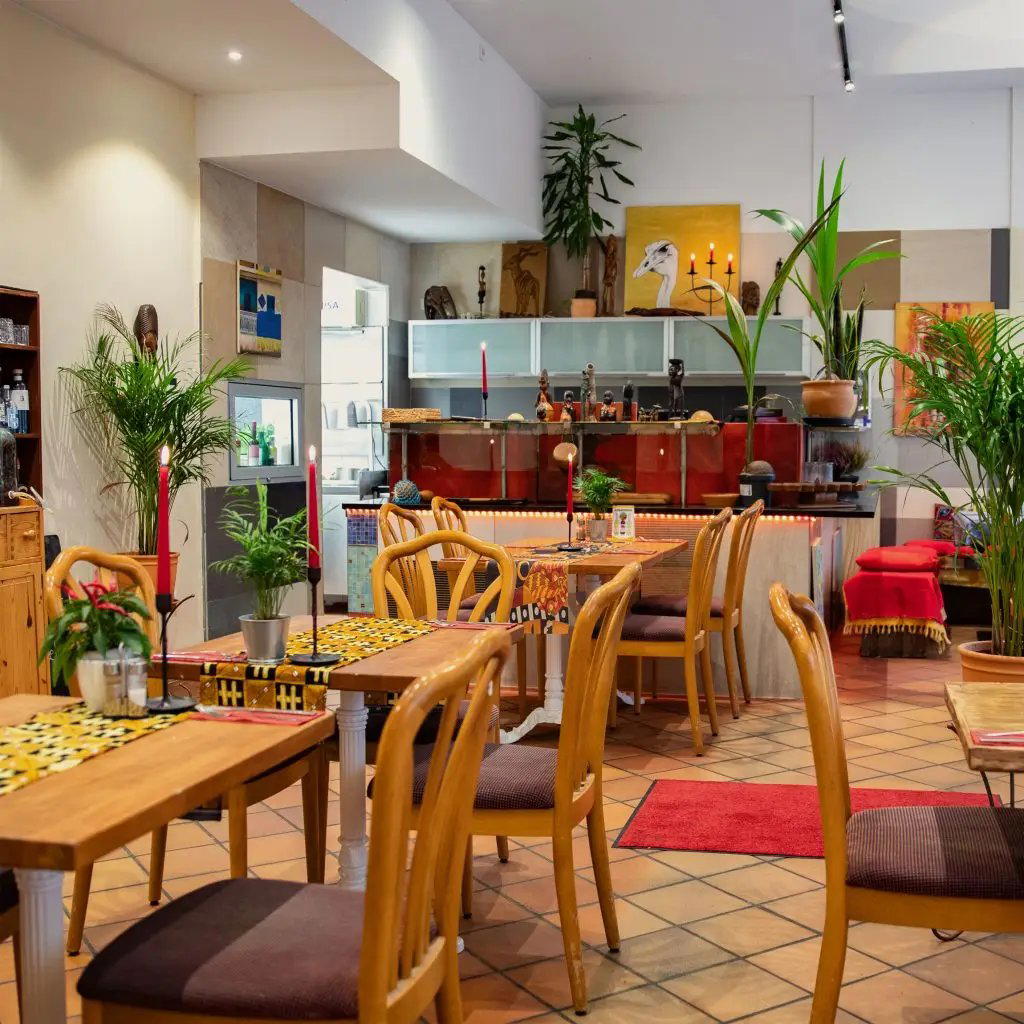
Where the Ingredient Is the Argument
Dreimühlenstraße runs through Isarvorstadt, one of Munich's most contested dining corridors, where old-guard Bavarian institutions and newer, sourcing-focused rooms compete for the same Tuesday-night reservation. The address at number 14 places Makula squarely in that tension. The street itself is not a destination in the way that the Maxvorstadt gallery quarter or the Glockenbachviertel bar strips are destinations. It requires a decision, a deliberate tram ride or a slow walk south from the Gärtnerplatz. That friction is part of the proposition. Restaurants that survive here tend to do so on the strength of a clear idea rather than on foot traffic.
Isarvorstadt's dining character has evolved away from the beer-hall-adjacent comfort cooking that still defines large parts of Munich's public self-image. What has replaced it, at the sharper end of the neighbourhood, is a cooking philosophy built around provenance: where the animal was raised, which farm the grain came from, how far the produce travelled before it reached the pass. Makula sits inside that movement, at an address that signals a certain kind of deliberateness, not the chandelier-and-tablecloth formality of Munich's hotel dining tier, but something closer to the sourcing-first ethos that has defined the city's most interesting newer openings.
The Sourcing Frame: Why Ingredient Origin Is a Munich Conversation
German fine dining has spent the past decade working through a productive identity crisis. For most of the late twentieth century, the country's leading rooms drew heavily on French technique, a tradition embodied at its most sustained by Tantris, which has held its position in Munich's upper dining tier through decades of French-inflected classicism. That influence is still present, but the more interesting argument in Munich now is about what German cooking looks like when it takes regional ingredient sourcing as its primary discipline rather than borrowed technique.
The counterpoint to that French inheritance is visible in rooms like Tohru in der Schreiberei, which fuses Japanese precision with Bavarian produce in a format that treats the ingredient's origin as an explicit part of the menu narrative. Makula operates in adjacent territory, restaurants that treat the supply chain as the story, where the sourcing decision precedes the cooking decision. This is not a niche affectation. Across Germany's serious dining scene, from Aqua in Wolfsburg to Schwarzwaldstube in Baiersbronn, particularly consistent kitchens are those with direct relationships to specific producers, relationships that constrain the menu but sharpen its identity.
Bavaria's agricultural geography supports this approach in ways that are not available to urban kitchens in Hamburg or Berlin. The Alpine foothills south of Munich produce dairy of a quality that rarely makes it beyond the region. Market gardens in the Inn valley and the Chiemgau supply a produce window that shifts noticeably between early spring, when white asparagus and ramps dominate, and late autumn, when game and root vegetables take over. A kitchen that commits to this regional cycle produces menus that are time-specific in a way that tasting-menu formats, designed to be photographed and repeated, typically are not.
Placing Makula in Munich's Broader Dining Tier
Munich's awarded dining tier clusters around a familiar set of names. Alois - Dallmayr Fine Dining operates within the historic delicatessen complex on Dienerstraße, carrying the weight of institutional reputation. Atelier at the Bayerischer Hof represents the hotel dining model, where the creative French framework is the lens. JAN occupies a more experimental creative register. These rooms share a price tier and a certain format discipline, but they approach the question of what Munich cooking should be from different angles.
Makula's position in Isarvorstadt places it outside that cluster geographically and, by implication, outside some of its assumptions about what a serious meal requires. The neighbourhood's dining rooms tend to work at a more direct register, fewer courses, less ceremony, but no less rigor in the sourcing decisions that precede service. This is a different kind of ambition from the tasting-menu format that dominates the Michelin tier, and it reflects a shift visible across European cities where particularly compelling new rooms are often those that have opted out of the prestige format entirely in favour of doing one thing with consistent precision.
For reference, Germany's sourcing-led rooms are producing some of the country's most discussed cooking, ES:SENZ in Grassau and Schanz in Piesport are among those that have built reputations on regional ingredient integrity rather than on classical technique borrowed from outside Germany. CODA Dessert Dining in Berlin represents a different kind of format discipline, a room that has taken a single culinary idea and built an entire experience around it. Makula's Isarvorstadt address suggests a similar willingness to commit to a clear proposition rather than hedge toward broad palatability.
Further afield, the comparison set extends to rooms like Vendôme in Bergisch Gladbach, Victor's Fine Dining by Christian Bau in Perl, Waldhotel Sonnora in Dreis, and Restaurant Haerlin in Hamburg, each of which has built a durable identity around a specific culinary argument rather than around format prestige alone. Internationally, the sourcing-first discipline is visible at rooms like Le Bernardin in New York City, where a single ingredient category, fish, has been the organising principle for decades, and Atomix in New York City, where Korean ingredient traditions are applied through a fine-dining lens with documentary rigour. Bagatelle in Trier offers a further regional German reference point. The thread connecting these rooms is not geography or cuisine type but a shared willingness to let the sourcing argument constrain and define the cooking.
Planning a Visit
Makula is at Dreimühlenstraße 14 in Munich's 80469 postcode, within walking distance of the Gärtnerplatz and accessible by tram along the Sendlinger-Tor axis. The Isarvorstadt location means parking is limited; public transport is the practical default for most visitors.
Reputation First
Comparable venues nearby, for context on price, style, and recognition.
| Venue | Cuisine | Price | Notes |
|---|---|---|---|
| MakulaThis venue — the venue you are viewing | West African | $$ | Not listed |
| Savanna | South African Steakhouse & Grill | $$ | Theresienwiese |
| Blue Nile One | Authentic Ethiopian | $$ | Schwabing |
| Kinky Slice | New York Style Pizza | $$ | Isarvorstadt |
| L'Osteria München Künstlerhaus | Italian Pizza and Pasta | $$ | Isarvorstadt |
| Deutsche Eiche | Modern Bavarian | $$ | Isarvorstadt |
At a Glance
- Cozy
- Intimate
- Group Dining
- Casual Hangout
- Family
- Open Kitchen
Current opening hours
- Monday
- 5–11:30 PM
- Tuesday
- Closed
- Wednesday
- 5–11:30 PM
- Thursday
- 5–11:30 PM
- Friday
- 5 PM–12 AM
- Saturday
- 5 PM–12 AM
- Sunday
- 5–11:30 PM
Hours can change for holidays and private events. Last verified .
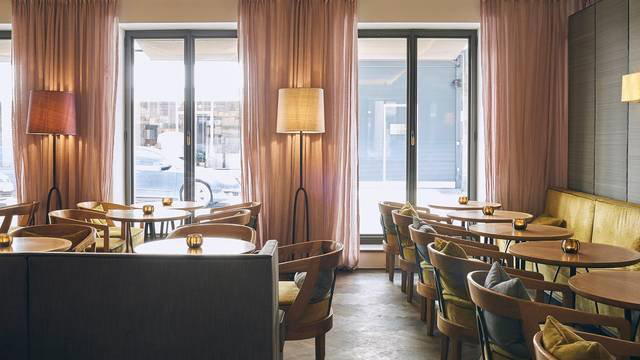
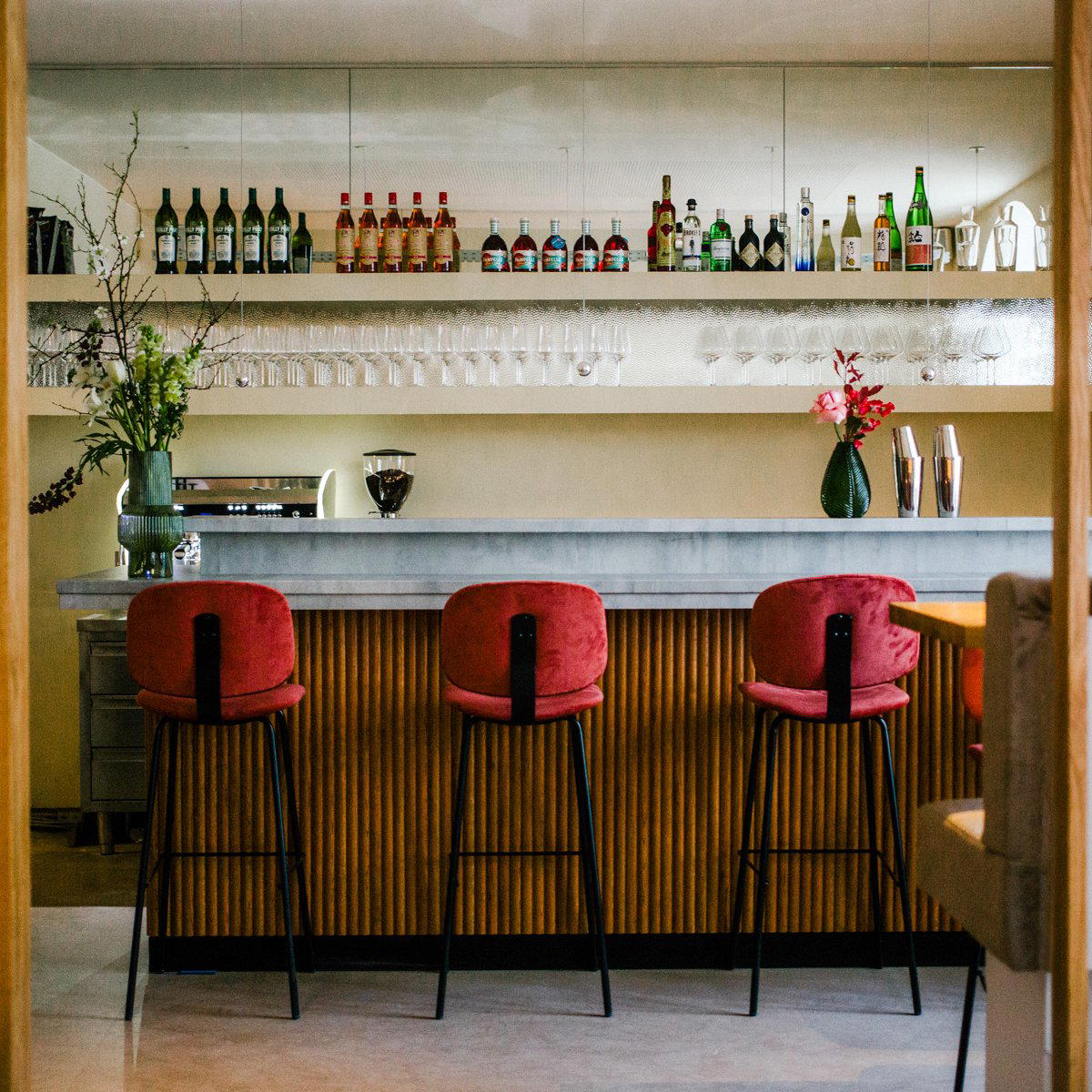
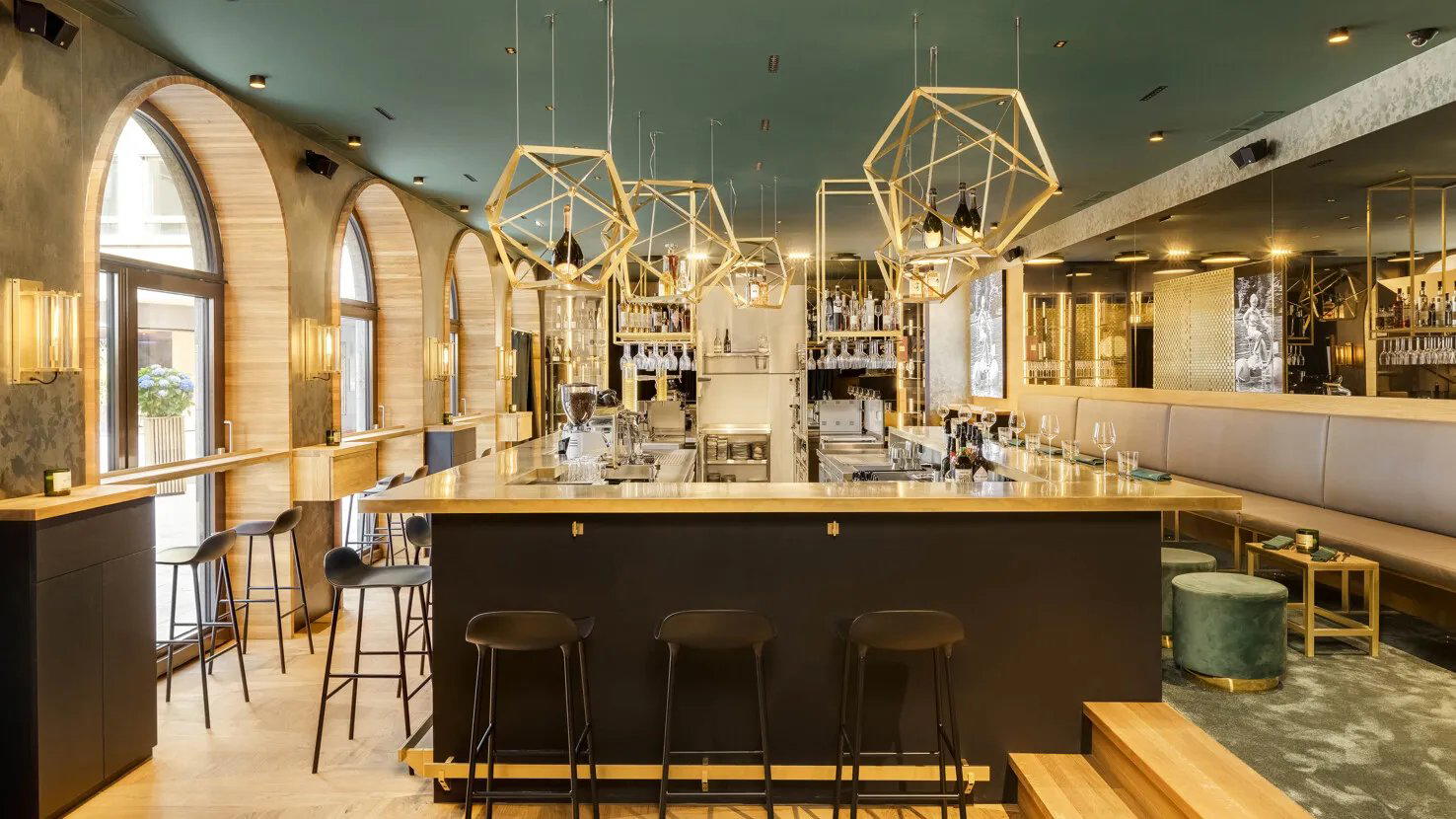
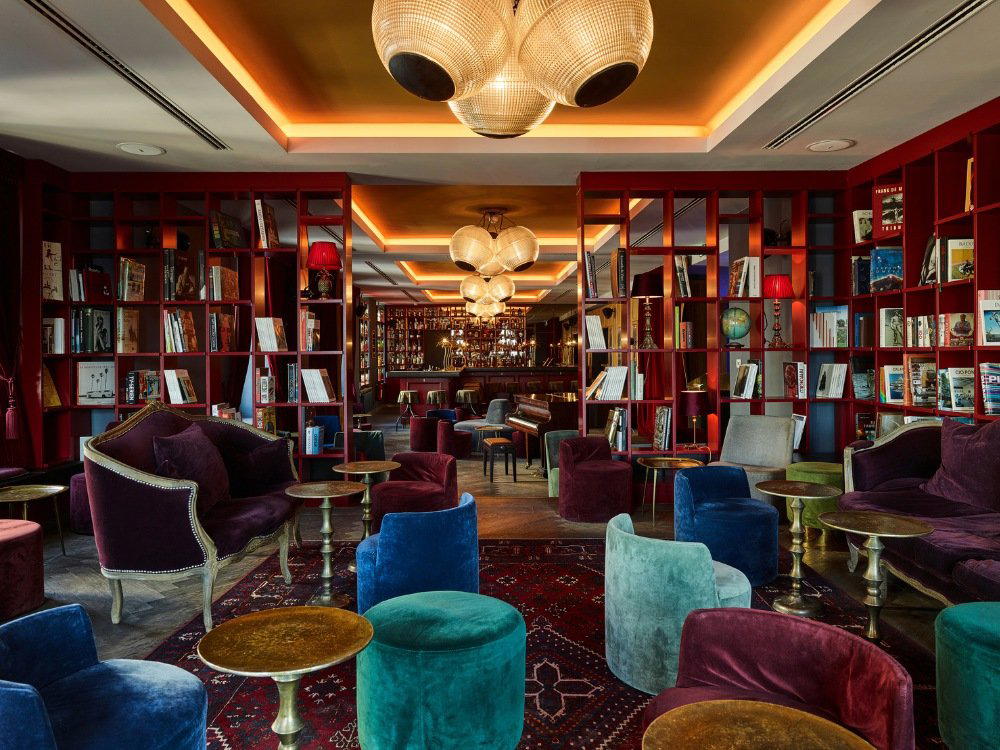
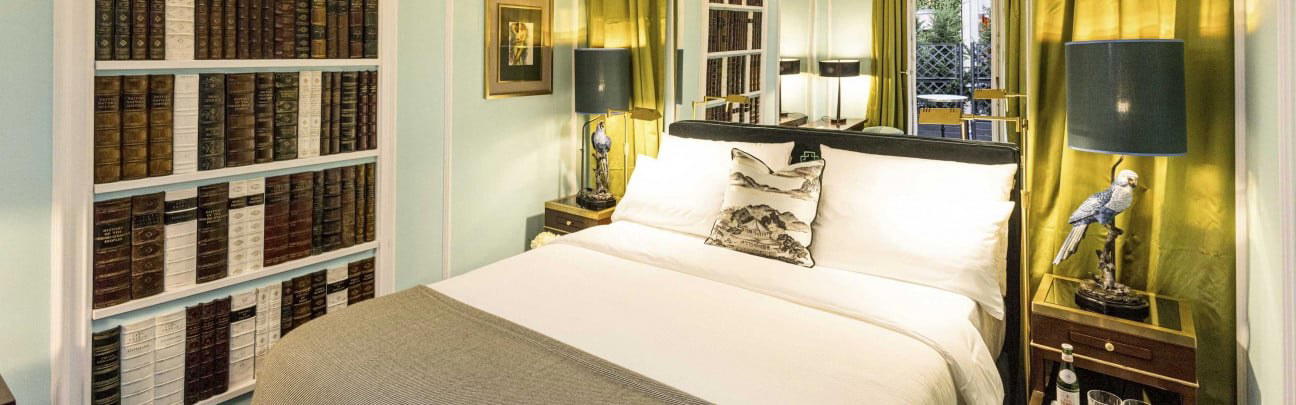
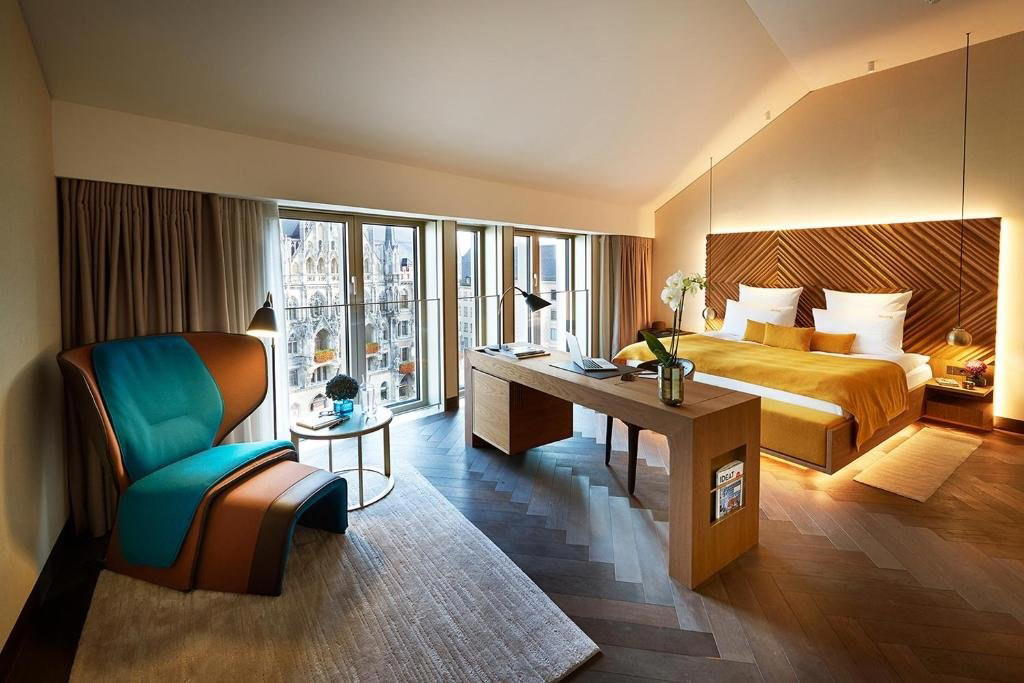
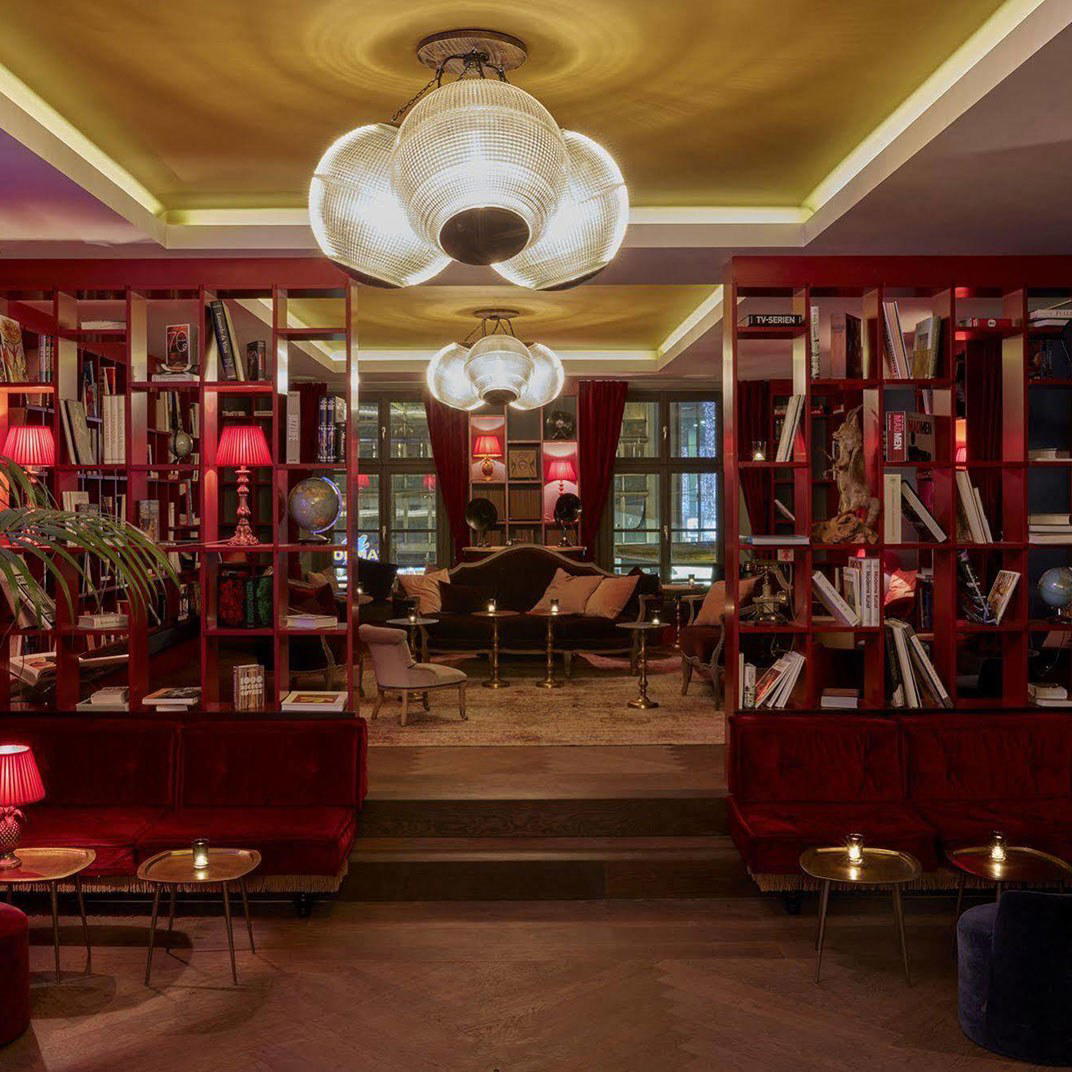
Cozy and inviting with a living-room feel, beautifully decorated, pleasant music volume, and warm hospitality.