
A station-area curry counter with a long local memory, Curry House Colombo belongs to Sapporo’s practical, high-turnover curry culture rather than its destination tasting-menu circuit. Its Tabelog Curry EAST 100 selections in 2019, 2020, 2023, and 2024 place it among Japan’s recognized curry specialists, with a compact counter format and a menu built for repeat ordering rather than ceremony.
Pearl is the En Primeur Club membership app — saves, bookings, and concierge access live there. Same editors, same standards.
- Address
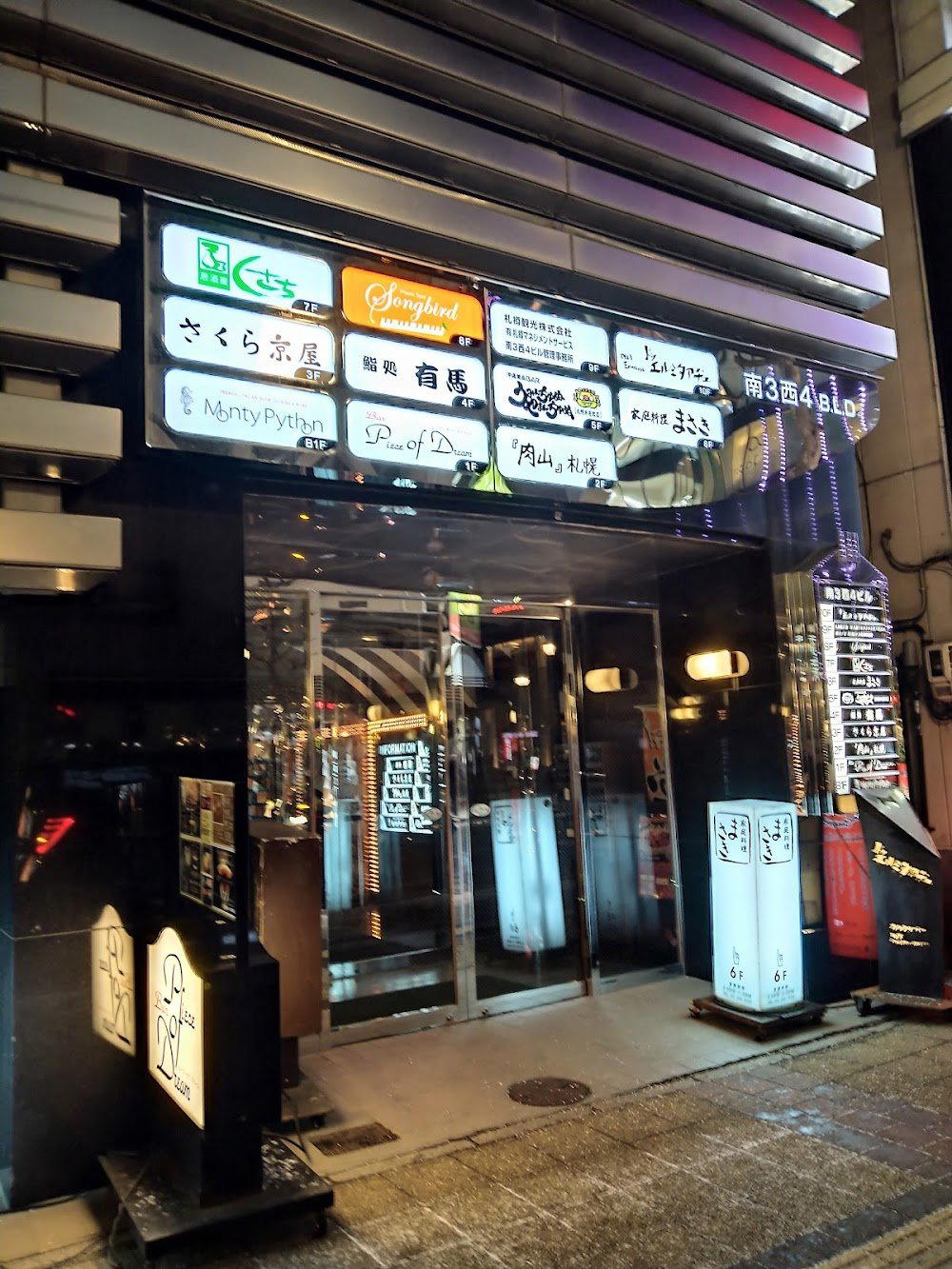
- Japan, 〒060-0004 Hokkaido, Sapporo, Chuo Ward, Kita 4 Jonishi, 4 Chome 札幌国際ビル B1F
- Phone
- +81 11-221-2028
- Website
- colombo1973.com
 Saves & bookings on Pearl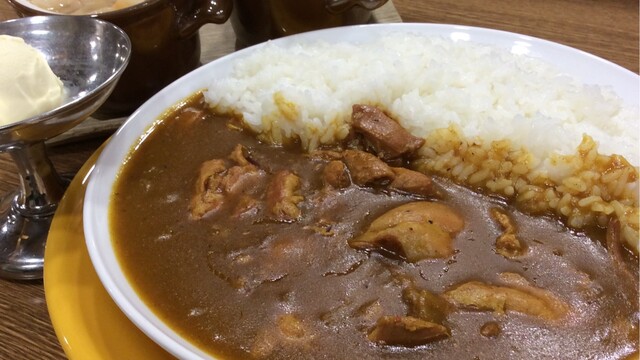
The approach is pure Sapporo station life: office towers, underground floors, commuter pace, then a curry counter embedded in the city’s everyday rhythm rather than its special-occasion circuit. Japanese curry often rewards repetition more than novelty, which is the useful frame for Curry House Colombo: a compact, counter-led room whose menu does not perform range so much as make a narrow format easy to revisit.
Sapporo is better known outside Hokkaido for miso ramen, seafood, and soup curry, but its curry culture has a split personality. Soup curry carries the local export story, shaped by broths, vegetables, and customizable heat. Station curry plays another role: quicker, denser, more lunch-counter than leisure meal, competing on rhythm and on how efficiently a kitchen delivers familiarity without flattening character. Within that category, Curry House Colombo has the signal that matters for a specialist shop: selection for Tabelog Curry EAST 100 in 2019, 2020, 2023, and 2024.
A compact curry menu built for repetition, not spectacle
The menu architecture tells the story. Curry shops with long local followings often work from a stable base rather than a constantly changing list, letting regulars choose by portion, topping, heat, or add-on instead of studying a tasting format. Here, the notable structural detail is sauce: one additional serving is included once, a small but revealing policy in a category where rice-to-curry balance defines the meal. Japanese curry is as much about pacing as flavor. A plate can begin neatly and end dry if sauce is rationed too tightly; a refill changes the final third.
The counter format reinforces that logic. This is not the Sapporo of hotel dining rooms such as Restaurant & Bar “SKY J,” SKY RESTAURANT “TANCHO,” or ミクニ サッポロ, where view, course structure, and length of stay shape the occasion. It is closer to the city’s specialist-counter pattern, the urban grammar that makes ramen and curry counters feel native around the station. Soup Curry Okushiba Shoten Ekimae souseiji is a useful comparison because both sit in the casual curry price tier, but the genres ask different questions. Soup curry prioritizes broth depth and ingredient assembly; station-style curry prioritizes continuity, speed, and sauce discipline.
That distinction is why the awards signal carries weight. Tabelog’s Curry EAST 100 is not a luxury list but a specialist one, relevant through consistency across a large field of curry shops. Curry House Colombo’s repeated selection places it in a narrower national conversation about curry as craft, not just an inexpensive meal. Its Tabelog score of 3.69 adds another measured signal, useful in Japan’s review culture, where high scores in casual categories move slowly and are earned through volume, repeat diners, and sustained local approval.
Where Sapporo curry sits between ramen, soup curry, and counter dining
For travelers, the interesting question is not whether this is a grand meal. It is not. The question is how to use it in a Sapporo itinerary. Around the station, eating compresses time: trains, weather, shopping floors, business lunches, and early dinners all push restaurants toward formats that absorb solo diners without ceremony. The restaurant fits that matrix cleanly. It belongs in the same planning tier as noodle and curry specialists, not sushi counters such as Sushi Tanabe, where reservation culture and meal duration create a different decision.
The city’s casual-dining map explains the appeal. A ramen stop such as 175°DENO Tantanmen Sapporo kitaguchi ten answers the spice-and-noodle craving near the station. Curry-focused alternatives such as [Curry Senmon Ten] Maruyama Kyoju., Ajanta Indo Curry Ten, and Ajanta Sohonke show how broad Sapporo’s curry conversation becomes beyond a single house style. Aigues Vives points elsewhere again, toward bakery and coastal-daytrip food culture. The restaurant’s value is its clarity within that spread: a central, counter-based curry stop with enough recognition to justify choosing it over a random station meal.
There is a useful hierarchy of expectations. Do not come for chef biography, plated drama, or a long drink program. Come for a category lesson. Japanese curry at this level is about how a shop handles a limited form over many years: base sauce, portion logic, counter turnover, and the small service details that make regular use possible. The 1973 opening date gives it historical weight in Sapporo’s casual dining memory, but longevity alone is not the argument. Stronger is that the format remains legible in a city where newer curry styles, especially soup curry, have drawn much outside attention.
How to place it in a Sapporo food day
The cleanest use is as a focused midday or early-evening meal around the station area, especially when a longer dinner is planned elsewhere. Its centrality suits transit-heavy days better than venues requiring a dedicated neighborhood detour. The absence of parking also points to the sensible approach: arrive by rail, subway, or on foot, and treat the meal as part of the station district rather than a taxi-led dining plan.
For broader planning, Our full Sapporo restaurants guide gives the restaurant context across categories, while Our full Sapporo hotels guide, Our full Sapporo bars guide, Our full Sapporo wineries guide, and Our full Sapporo experiences guide help place the meal within a complete trip. Readers mapping Japan more widely can compare other formats through -Grilled beef Sukiyaki- KAMAKURA TANUKIAN 鎌倉 たぬき庵 in Kamakura. 鮪と炭火焼き うお炭 秋葉原店 in Tokyo.cafe in Osaka.know in Kumamoto, (Shoku) Vietnam in Kawasaki, and [ki:] in Kyoto; outside Japan, Jōdo Saké Bar in Los Angeles and Onigiri Time in Pasadena show how Japanese casual formats translate abroad.
The editorial case is simple: the restaurant is not competing with Sapporo’s formal dining rooms. It belongs to the compact specialist tier, where recognition comes from repeatable craft, not theatrical service. In a Sapporo itinerary, that makes it useful in a way many grander meals are not: it captures a local counter tradition in one efficient sitting.
Peers in This Market
Comparable venues to calibrate price, style, and recognition.
| Venue | Cuisine | Price | Notes |
|---|---|---|---|
| Curry House ColomboThis venue — the venue you are viewing | Classic Japanese curry house near Sapporo Station | $ | Not listed |
| Menya Ozawa | Hokkaido Ramen | $ | Shiroishi |
| Sumire Sapporo susukino ten | Japanese Ramen | $ | Chūō |
| Hokkaido Meibutsu La-men Ebi Soba Ichigen Souhonten | Hokkaido shrimp ramen (ebisoba) | $ | Chūō |
| Ramen Gojogen Honten | Sapporo ramen shop famous for tonshio | $ | Chūō |
| Ajanta Indo Curry Ten | Japanese-Indian Curry / Soup Curry | $ | Chūō |
Recognition history
Dated appearances from independent guides and award organizations, with the underlying list record or original source where available.
Tabelog 100 #84 · No. 84
Tabelog · Tabelog 100 - Curry - EAST - 2024


At a Glance
- Classic
- Cozy
- Well Known
- Solo
- After Work
- Casual Hangout
- Standalone
Current opening hours
- Monday
- 11 AM–8:30 PM
- Tuesday
- 11 AM–8:30 PM
- Wednesday
- 11 AM–8:30 PM
- Thursday
- 11 AM–8:30 PM
- Friday
- 11 AM–8:30 PM
- Saturday
- 11 AM–7 PM
- Sunday
- 11 AM–7 PM
Hours can change for holidays and private events. Last verified .
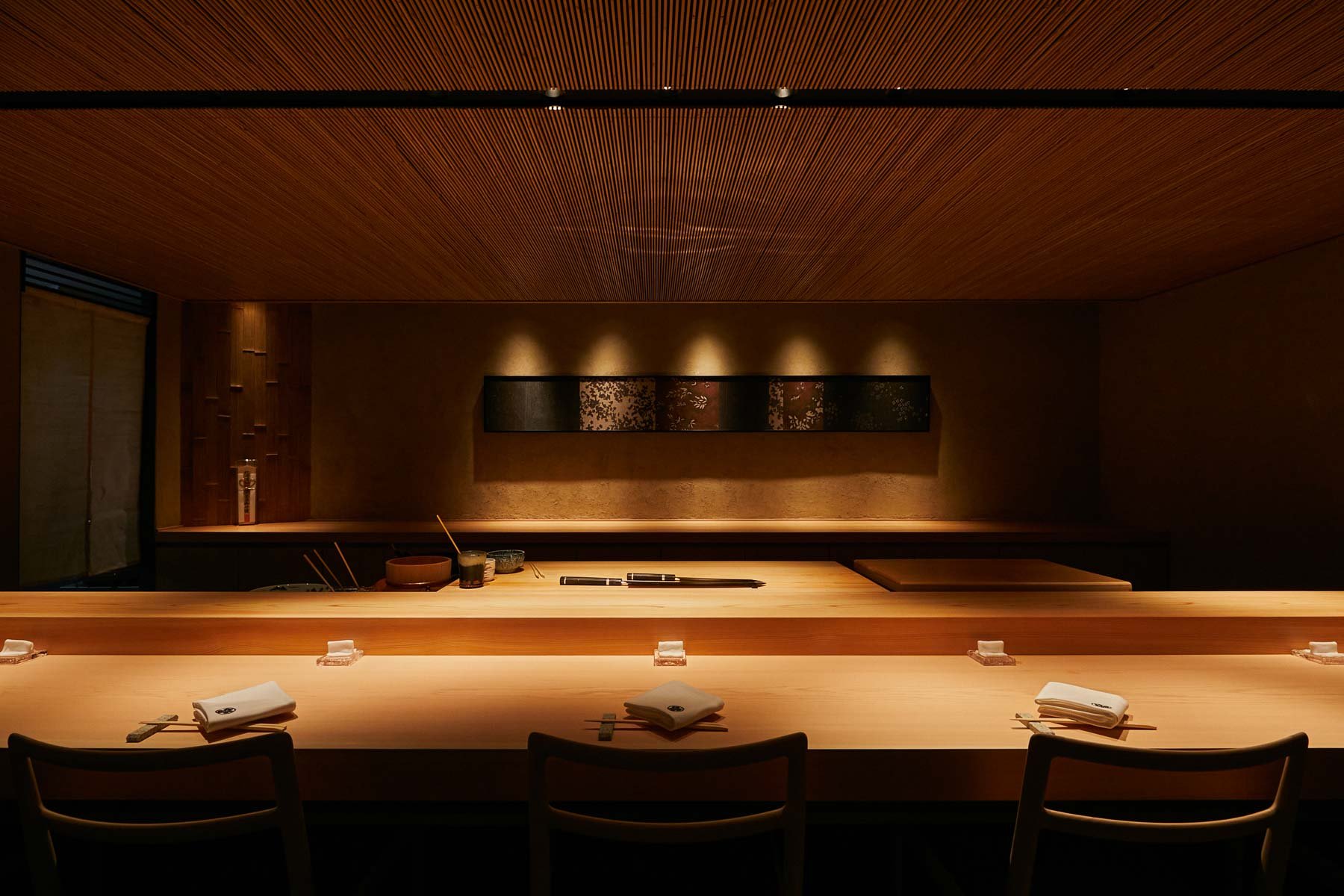
A small basement counter with a nostalgic, old-school feel, simple decor, and a casual, local atmosphere where most guests dine quickly and alone at the counter.