
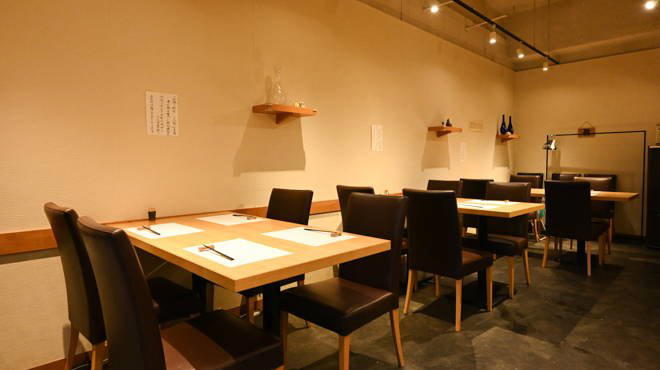
Coffee House sits in Sapporo’s soup-curry conversation at the small-room, everyday end of the spectrum: 18 seats, no private rooms, take-out available, and selection for Tabelog Curry EAST “Tabelog 100” in 2019, 2020, 2023, and 2024. The value lies in a serious curry address operating without luxury cues, closer to a local café rhythm than a destination dining script.
Pearl is the En Primeur Club membership app — saves, bookings, and concierge access live there. Same editors, same standards.
- Address
- 15 Chome-2-3 Minami 20 Jonishi, Chuo Ward, Sapporo, Hokkaido 064-0920, Japan
- Phone
- +81 11-561-9115
- Website
- japoncompany.business
 Saves & bookings on Pearl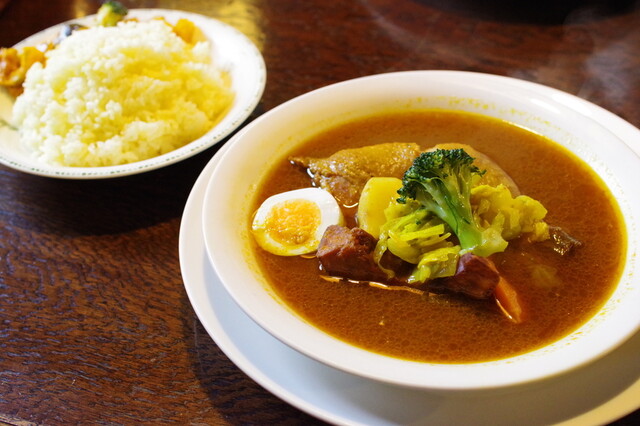
Approaching the Ropeway Iriguchi side of Chuo Ward, Sapporo shifts away from the station-front density into a calmer residential register: tram stops, low buildings, and the kind of small dining rooms where the city’s soup-curry culture often feels more grounded than theatrical. Coffee House belongs to that strain. The format is compact, the room is small, and the category is direct: soup curry and café cooking rather than a tasting-menu version of Hokkaido comfort food.
Sapporo’s soup-curry scene has always rewarded personality more than uniformity. The city’s bowls tend to sit somewhere between spice shop, neighborhood canteen, and café, with each address defining its own balance of broth, heat, vegetable presence, and rice. That makes value harder to measure than in ramen or sushi, where format often dictates expectation. Here, the sharper question is what level of attention a modest, casual curry room can deliver without pushing itself into a premium bracket.
Soup curry in Sapporo, stripped back to the small-room format
Coffee House is useful because it clarifies one end of the city’s curry spectrum. At one side are higher-spend curry rooms such as Curry Kong, where the budget sits well above the everyday tier. At another are Sapporo’s serious but accessible curry specialists, including Ajanta Indo Curry Ten and Ajanta Sohonke, both part of a broader local appetite for spice-led meals that do not need luxury dining grammar. Coffee House sits closer to the latter logic: a curry address whose appeal rests on category credibility, local repeatability, and a room small enough to feel personal without turning precious.
The Tabelog Curry EAST “Tabelog 100” selections in 2019, 2020, 2023, and 2024 matter because they place the restaurant inside a national curry conversation rather than a purely neighborhood one. Tabelog’s Hyakumeiten lists are not Michelin-style star systems, but in Japan they function as a strong signal of sustained category recognition. For travelers sorting Sapporo meals, that distinction is useful: this is not a hotel-concierge grand recommendation, nor a chef-counter splurge. It is a low-friction way to test one of the city’s defining casual food forms at a room with repeat external recognition.
That recognition also helps separate the address from generic café-curry territory. Sapporo has many rooms where curry is part of a broader casual menu; the more interesting places treat the genre as a craft of ratios: broth body, spice architecture, oil, vegetables, rice, and heat. Without naming dishes that are not formally listed here, the category itself tells the reader what to look for: soup curry should move like broth rather than stew, carry spice without flattening into heat, and leave the vegetables and rice as active parts of the meal rather than supporting decoration.
The value proposition is seriousness without ceremony
The strongest reason to put the restaurant on a Sapporo itinerary is not scarcity theatre. It is the arithmetic of a recognized curry room operating in an everyday register. In a city where travelers can spend heavily on crab, sushi, kaiseki, and cocktail bars, soup curry offers a different form of payoff: a meal tied closely to local identity, served without the cost structure or pacing of formal dining. That makes it especially useful for visitors building a day around tram-side neighborhoods, Mt. Moiwa, or a lower-key lunch before a more structured dinner.
The comparison set sharpens the point. Koku Ichiban Ramen Midoriya and Menya 169 occupy a similarly accessible spend tier in ramen, while Curry Kong moves into a higher curry bracket. MEDICINEMAN and Ajanta Indo Curry Ten sit in the middle range for Sapporo curry specialists. The restaurant’s appeal is that it gives the city’s soup-curry tradition a recognized, compact, casual expression rather than asking the diner to treat curry as an occasion restaurant. For a traveler, that is often the smarter allocation: save the long-form budget for a reservation-driven night and use lunch to understand a dish Sapporo made its own.
There is also a neighborhood advantage. Central Sapporo’s dining map often over-concentrates around Susukino, Odori, and Sapporo Station, which can flatten the city into a corridor of convenience. The Ropeway Iriguchi area changes the tempo. A meal here reads less like a box checked on a restaurant circuit and more like a practical insertion into a day spent beyond the obvious downtown grid. That matters in Sapporo, where tram geography and winter weather shape how meals are chosen as much as reputation does.
How to place it in a Sapporo food day
Use the restaurant as a category meal, not as the anchor for an elaborate evening. Its role is clearest when paired with other Sapporo specialties across a short stay: ramen on one day, soup curry on another, seafood or izakaya cooking at night. For readers building a wider map, Our full Sapporo restaurants guide is the natural starting point, with city context extending into Our full Sapporo hotels guide, Our full Sapporo bars guide, Our full Sapporo wineries guide, and Our full Sapporo experiences guide.
Travelers comparing casual Japanese meals across cities can also read this address against other concise formats: spice and noodle intensity at 175°DENO Tantanmen Sapporo kitaguchi ten, curry specialization at [Curry Senmon Ten] Maruyama Kyoju., bakery craft at Aigues Vives, and another Sapporo curry lineage through Ajanta Sohonke. Beyond Hokkaido, the same low-ceremony lens applies to -Grilled beef Sukiyaki- KAMAKURA TANUKIAN 鎌倉 たぬき庵 in Kamakura. 鮪と炭火焼き うお炭 秋葉原店 in Tokyo.cafe in Osaka.know in Kumamoto, (Shoku) Vietnam in Kawasaki, [ki:] in Kyoto, Jōdo Saké Bar in Los Angeles, and Onigiri Time in Pasadena.
The editorial read is simple: Sapporo rewards diners who leave room for modest addresses with category depth. The restaurant earns its place through repeated curry recognition, a compact café-scale format, and a value equation that favors substance over ceremony. In a city where cold weather and strong local food habits shape appetite, that combination carries more weight than decorative luxury.
Standing Among Peers
Side-by-side context: comparable cuisine and price.
| Venue | Cuisine | Price | Notes |
|---|---|---|---|
| Coffee HouseThis venue — the venue you are viewing | Japanese curry restaurant | $ | Not listed |
| Koku Ichiban Ramen Midoriya | Ramen shop | $ | Chūō |
| Ramen Shingetsu | Traditional Sapporo Ramen Shop | $ | Chūō |
| THIRTY FOUR | Soup curry restaurant | $ | Toyohira |
| Ramen Shinwa | Japanese Ramen | $ | Toyohira |
| Hachinoki | Classic Sapporo Ramen | $ | Nishi |
Recognition history
Dated appearances from independent guides and award organizations, with the underlying list record or original source where available.
Tabelog 100 #52 · No. 52
Tabelog · Tabelog 100 - Curry - EAST - 2024
At a Glance
Current opening hours
- Monday
- 11:30 AM–6:30 PM
- Tuesday
- 11:30 AM–6:30 PM
- Wednesday
- Closed
- Thursday
- 11:30 AM–6:30 PM
- Friday
- 11:30 AM–6:30 PM
- Saturday
- 11:30 AM–6:30 PM
- Sunday
- 11:30 AM–6:30 PM
Hours can change for holidays and private events. Last verified .