
Menya hide belongs to Sapporo’s disciplined ramen tier: small-room, counter-led, and judged by repeatability rather than theatrics. Its Tabelog Ramen HOKKAIDO “Tabelog 100” selections in 2024 and 2025 place it among the city’s serious noodle addresses, while the modest scale keeps the experience closer to local lunch culture than destination dining ceremony.
Pearl is the En Primeur Club membership app — saves, bookings, and concierge access live there. Same editors, same standards.
- Address
- 16 Chome-709 番地 8 Shinkawa 7 Jo, Kita Ward, Sapporo, Hokkaido 001-0927, Japan
- Phone
- +81 80-8287-8858
- Website
- tabelog.com
 Saves & bookings on Pearl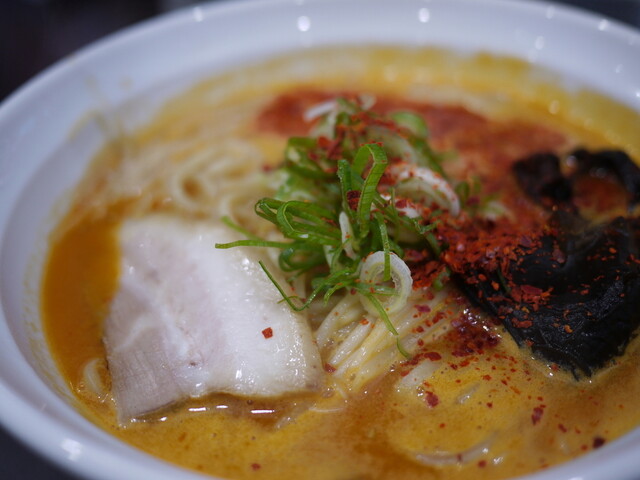
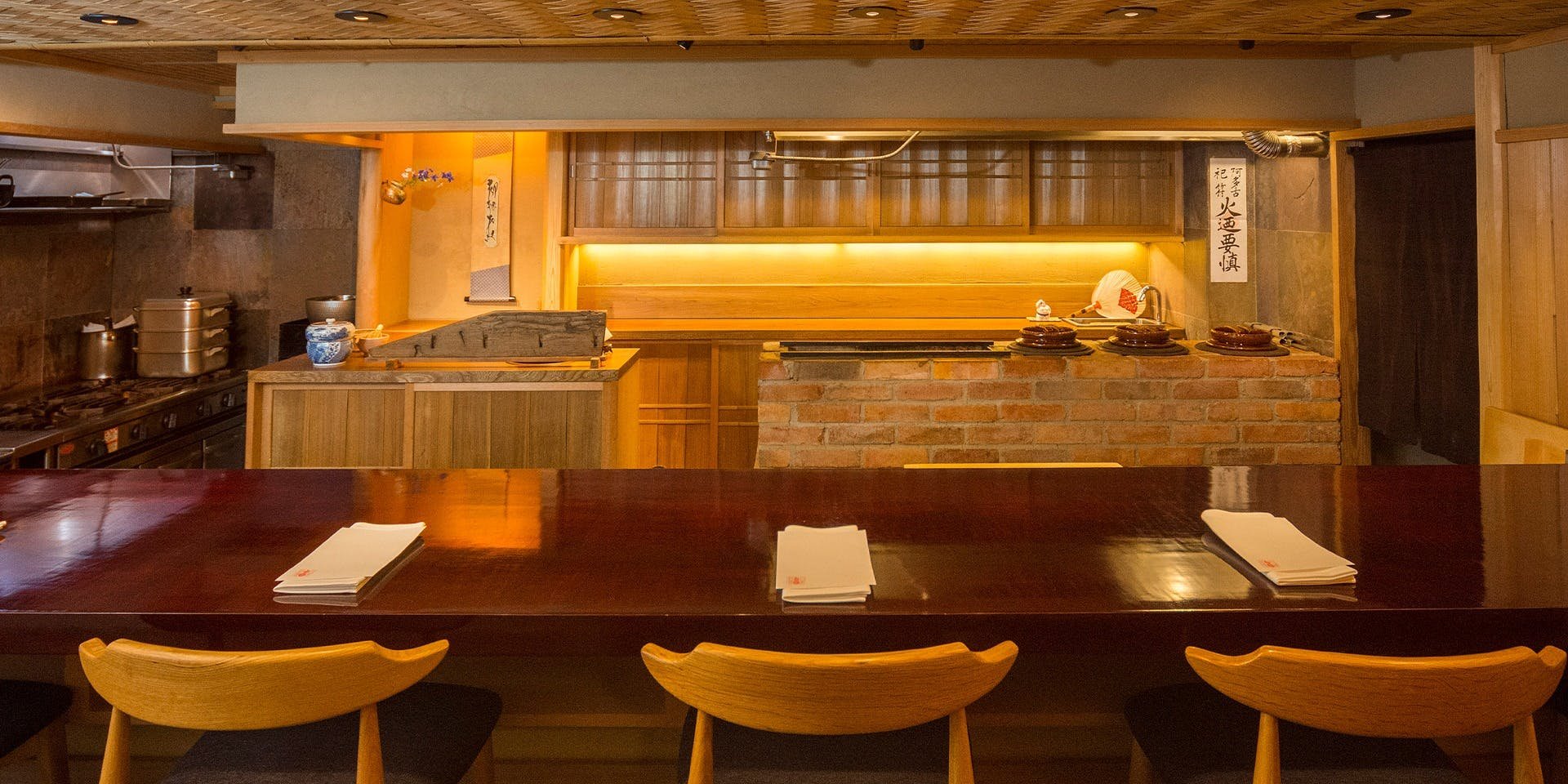
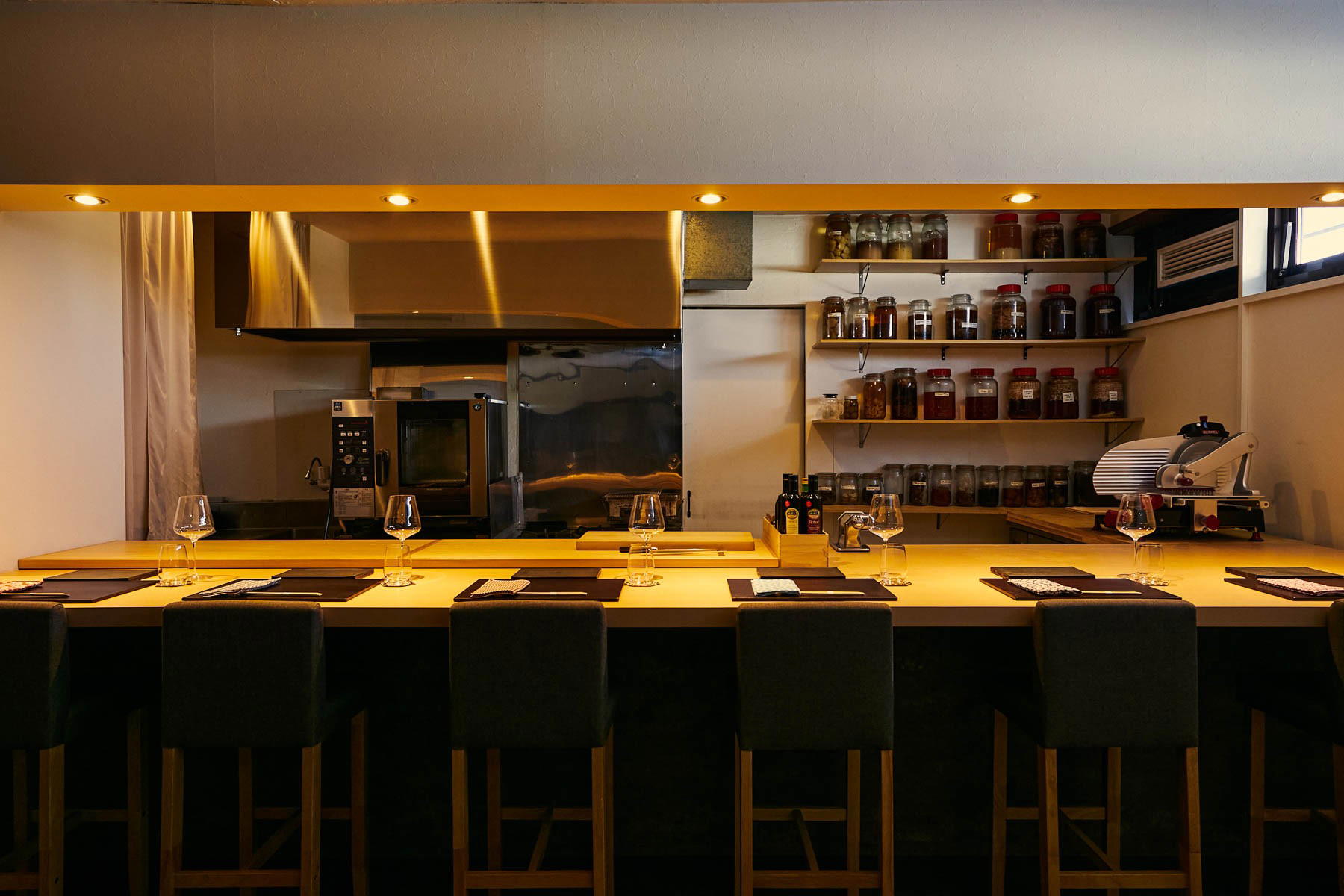
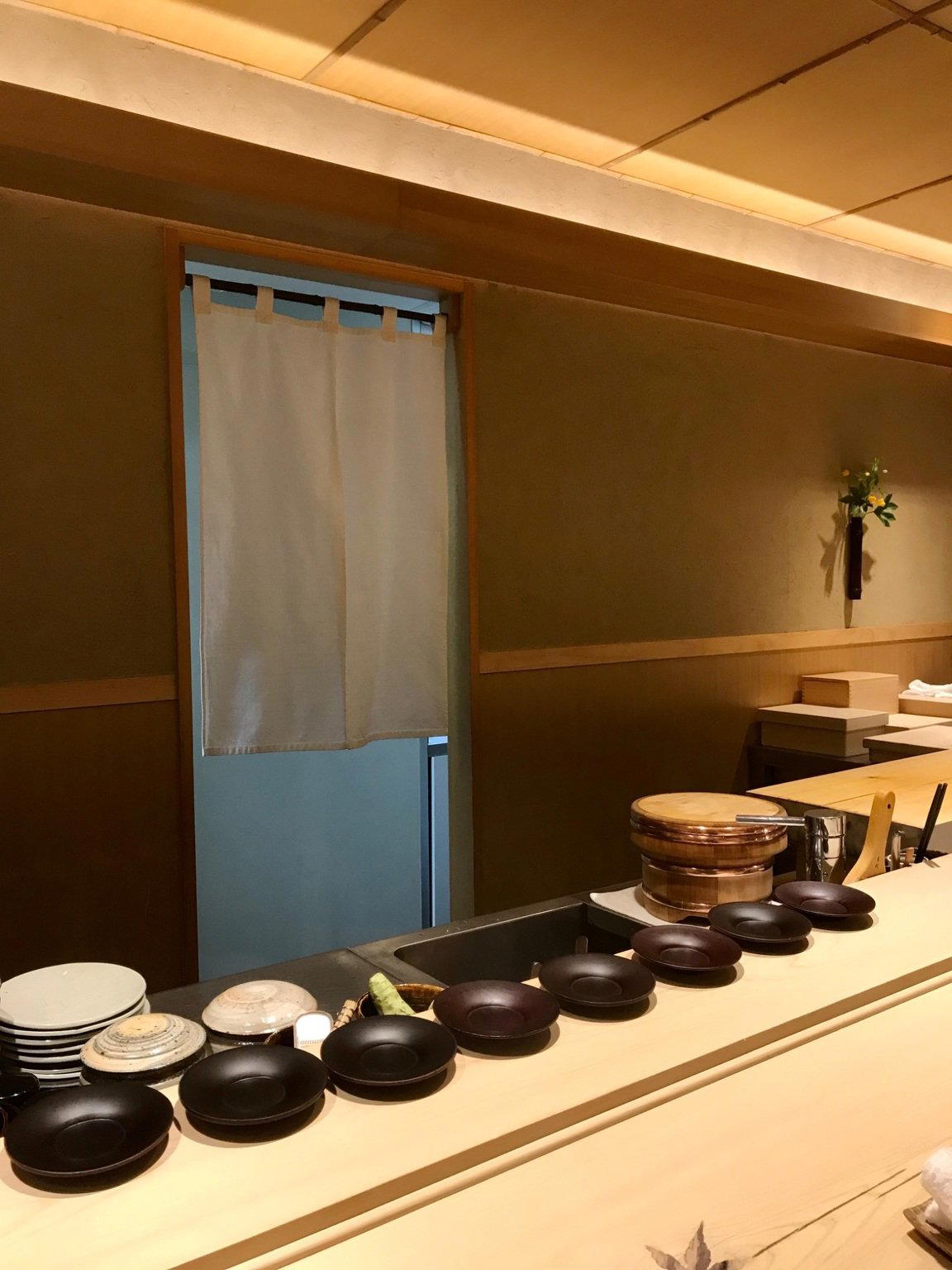
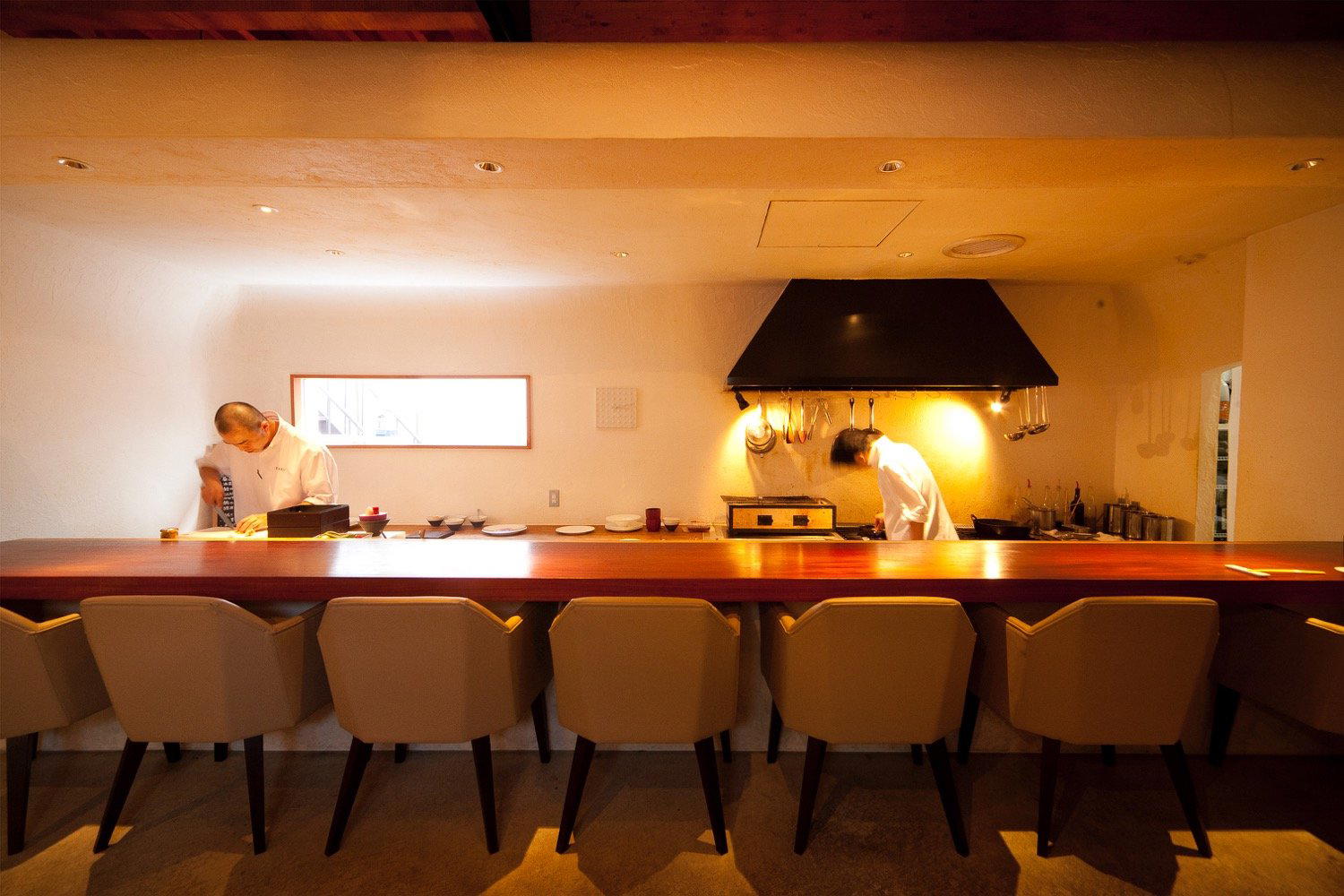
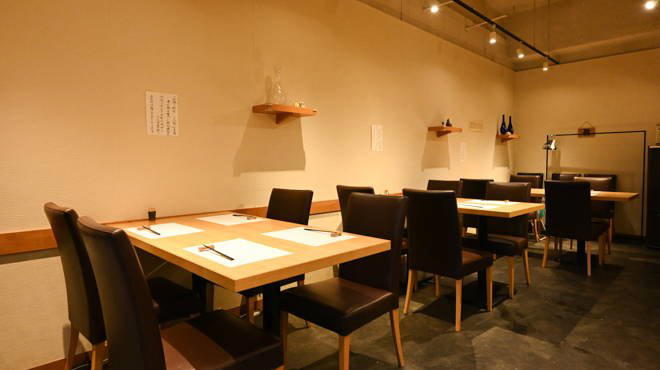
Approaching a Sapporo ramen room of this size, the first read is not luxury but tempo: a short threshold, steam in the air, a counter within view, and a dining rhythm built around quick turnover rather than lingering service. Menya hide fits that grammar. The room runs on a compact 14-seat format, with counter seats and raised-platform tables, which puts it in the local category where coordination matters: kitchen timing, seat flow, and the unspoken front-of-house choreography that keeps a bowl moving from order to table without turning the meal into performance.
Sapporo’s ramen reputation is often reduced outside Hokkaido to miso, butter, corn, and winter appetite. That shorthand misses how competitive the city’s ramen culture has become at the everyday end of the market. The stronger addresses are not necessarily expensive, nor do they need a tasting-menu logic. They compete through consistency, broth clarity or depth, noodle handling, and the ability to serve solo diners, families, and regulars with equal ease. Menya hide sits in that practical, high-scrutiny bracket, the kind of place where a narrow format exposes weakness quickly.
Small-room ramen, judged by repeat customers rather than ceremony
The useful way to read Menya hide is as part of Sapporo’s specialist ramen circuit, not as a chef-driven restaurant in the fine-dining sense. Chef biographies and personal manifestos matter less here than the team’s ability to repeat a bowl under pressure. In a 14-seat room, the division between kitchen and service is compressed: the cooking line sets the pace, the counter makes the work visible, and front-of-house timing determines whether the room feels controlled or congested. That team dynamic is the experience.
The recognition gives the address a measurable signal without overstating the format. The restaurant was selected for Tabelog Ramen HOKKAIDO “Tabelog 100” in 2024 and 2025, with a listed score of 3.60. In Japan’s ramen category, where small shops can carry serious local reputations without international awards, that kind of regional selection is a stronger clue than imported luxury language. It places the shop inside Hokkaido’s competitive ramen conversation while keeping expectations grounded: this is a focused noodle counter, not a destination built around ceremony.
Compared with Sapporo peers, the positioning is tight. Tokou An Shinkotoni and Sapporo Menya Mitsuba operate in a similarly modest price band, while Yondaime Mendokoro Yuji moves into a slightly higher everyday bracket. Hokuzan Ryu also sits near the accessible end of the ramen spectrum. The point is not that one format outranks another, but that Sapporo’s ramen scene gives serious attention to inexpensive meals, and small differences in broth, noodles, and room management become the basis for loyalty. For a wider city read, Our full Sapporo restaurants guide maps this noodle culture against curry shops, bakeries, and other local anchors.
Where Sapporo's casual dining strength becomes visible
Hokkaido’s dining identity is often discussed through seafood, dairy, lamb, and winter produce, but casual formats carry just as much cultural weight. Ramen and curry are two of the clearest examples: inexpensive, repeatable, and intensely local in preference. That makes the restaurant part of a broader Sapporo pattern also visible at 175°DENO Tantanmen Sapporo kitaguchi ten, where spice and noodle culture overlap, and at [Curry Senmon Ten] Maruyama Kyoju., Ajanta Indo Curry Ten, and Ajanta Sohonke, where Sapporo’s curry traditions show how deeply the city values everyday specialization.
That casual strength also explains why a small ramen shop can matter to a premium traveller. The value is not in rarity for its own sake. It is in seeing how a city defines quality when the meal is short, the spend is contained, and the room gives little cover for error. Sapporo does not need every serious meal to look formal. A ramen counter can be as revealing as a reserved dining room because it shows what locals reward repeatedly: pace, clarity, portion discipline, and a kitchen team able to deliver the same standard through a narrow service window.
The city’s broader food map helps sharpen the choice. Aigues Vives, reachable through Aigues Vives, points toward Hokkaido’s bakery and coastal-day-trip culture rather than ramen. Sumibi Yakiniku Horumon Nikushiki belongs to a higher-spend grilled-meat bracket. Those contrasts matter because they prevent Sapporo from being read as a single-dish city. Ramen is central, but it is one lane in a dining culture built from warmth, affordability, and specialization.
How to fold it into a Sapporo itinerary
The restaurant works well as a purposeful ramen stop within a day shaped around Kita Ward or the northwest side of the city, rather than as an isolated luxury detour. Its appeal lies in the compact format and the seriousness of the category: a recognized Hokkaido ramen address that keeps the meal direct. Travellers building a broader stay should pair the restaurant research with Our full Sapporo hotels guide, then use Our full Sapporo bars guide, Our full Sapporo wineries guide, and Our full Sapporo experiences guide to understand how the city changes after lunch service gives way to evening drinking and regional travel.
For readers comparing Japan through everyday formats, Sapporo’s ramen culture sits alongside other precise, casual food traditions across the country: sukiyaki-focused dining at -Grilled beef Sukiyaki- KAMAKURA TANUKIAN 鎌倉 たぬき庵 in Kamakura, tuna and charcoal cooking at. 鮪と炭火焼き うお炭 秋葉原店 in Tokyo, coffee-shop minimalism at.cafe in Osaka, and contemporary regional dining at.know in Kumamoto. The same comparative lens extends beyond Japan through (Shoku) Vietnam in Kawasaki, [ki:] in Kyoto, Jōdo Saké Bar in Los Angeles, and Onigiri Time in Pasadena, each showing how focused formats travel, adapt, and stay legible when the cooking has a clear point of view.
The editorial verdict is simple: the restaurant is for travellers who take ramen seriously enough to leave the central tourist grid and read Sapporo through its compact specialist rooms. The draw is not spectacle. It is the disciplined mechanics of a small team, a recognized Hokkaido ramen selection, and a format that makes local standards visible in under an hour.
A Tight Comparison
Side-by-side context: comparable cuisine and price.
| Venue | Cuisine | Price | Notes |
|---|---|---|---|
| Menya hideThis venue — the venue you are viewing | Kita, Sapporo ramen shop | $ | Not listed |
| Hokuzan Ryu | Kita, Ramen shop | $ | Not listed |
| CURRY ’OHANA | Higashi, Japanese Curry House | $ | Not listed |
| Hokkaido Meibutsu La-men Ebi Soba Ichigen Souhonten | Not listed | $ | Chūō, Hokkaido shrimp ramen (ebisoba) |
| Ajanta Indo Curry Ten | Not listed | $ | Chūō, Japanese-Indian Curry / Soup Curry |
| Ramenya Kirita Seimen | Chūō, Sapporo Ramen Counter | $ | Not listed |
Recognition history
Dated appearances from independent guides and award organizations, with the underlying list record or original source where available.
Tabelog 100 #31 · No. 31
Tabelog · Tabelog 100 - Ramen - HOKKAIDO - 2025

At a Glance
- Cozy
- Casual
- Solo
- Family
- Casual Hangout
- Standalone
Current opening hours
- Monday
- 11 AM–2:15 PM
- Tuesday
- 11 AM–2:15 PM
- Wednesday
- Closed
- Thursday
- 11 AM–2:15 PM
- Friday
- 11 AM–2:15 PM
- Saturday
- 11 AM–2:15 PM
- Sunday
- 11 AM–2:15 PM
Hours can change for holidays and private events. Last verified .
Compact, no-frills ramen shop with counter seating and simple raised tatami-style tables, focused on efficient service and the ramen rather than decor; atmosphere is casual and comfortable for solo diners and families at lunch.