Santlhof sits in Cortaccia sulla Strada del Vino, a South Tyrolean wine village where the Alto Adige's agricultural traditions run deep. The address alone signals proximity to some of northern Italy's most consequential vineyard land, placing it within a regional dining culture that treats ingredient provenance as a structural concern rather than a marketing note. Readers planning the broader region can consult our full Hofstatt restaurants guide for additional context.
Pearl is the En Primeur Club membership app — saves, bookings, and concierge access live there. Same editors, same standards.
- Address
- Hofstatt, 7, 39040 Cortaccia sulla Strada del Vino BZ, Italy
- Phone
- +39471880700
- Website
- santlhof.it
- Directions
- Get directions
 Saves & bookings on Pearl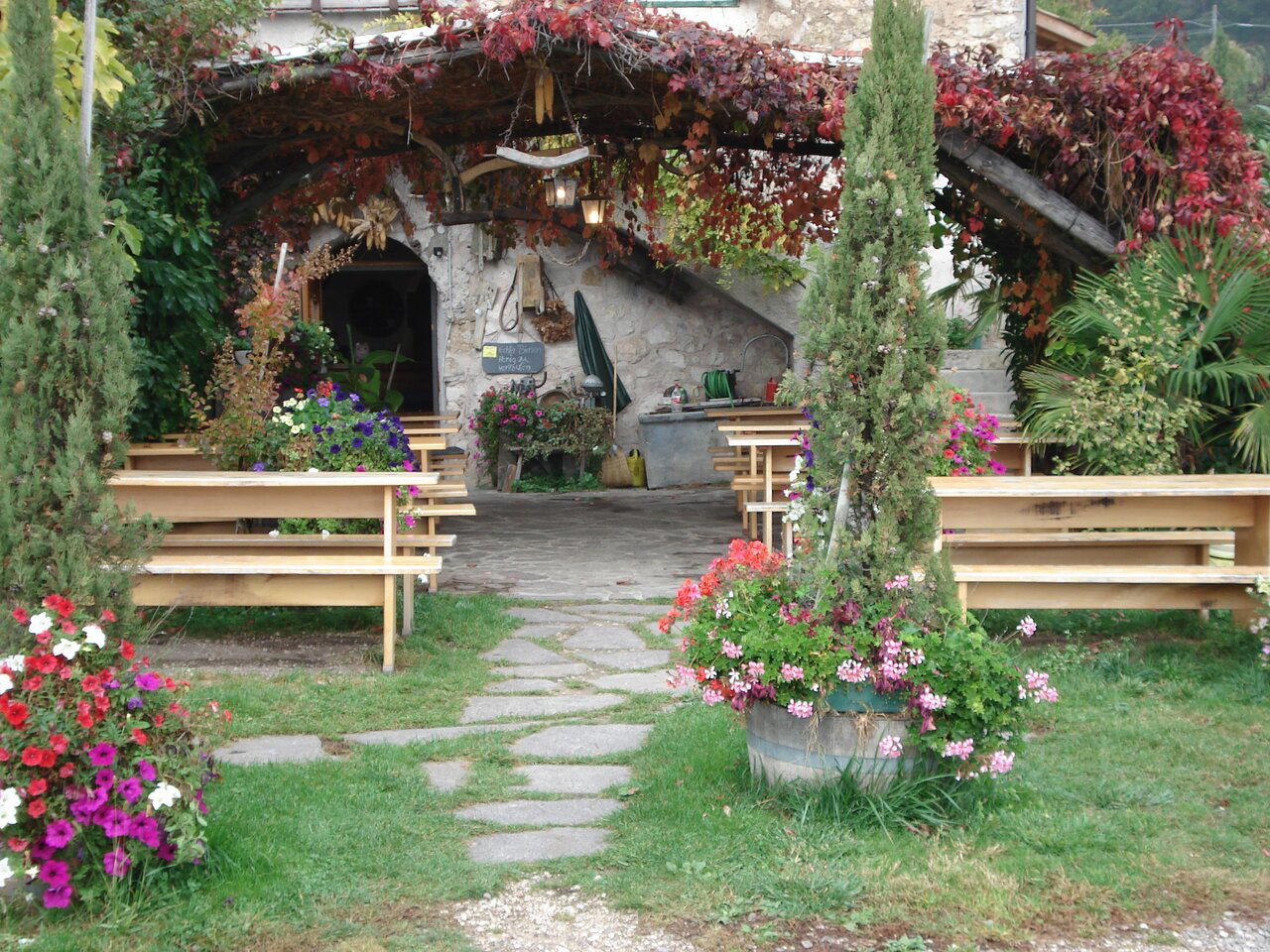
Where the Strada del Vino Shapes the Plate
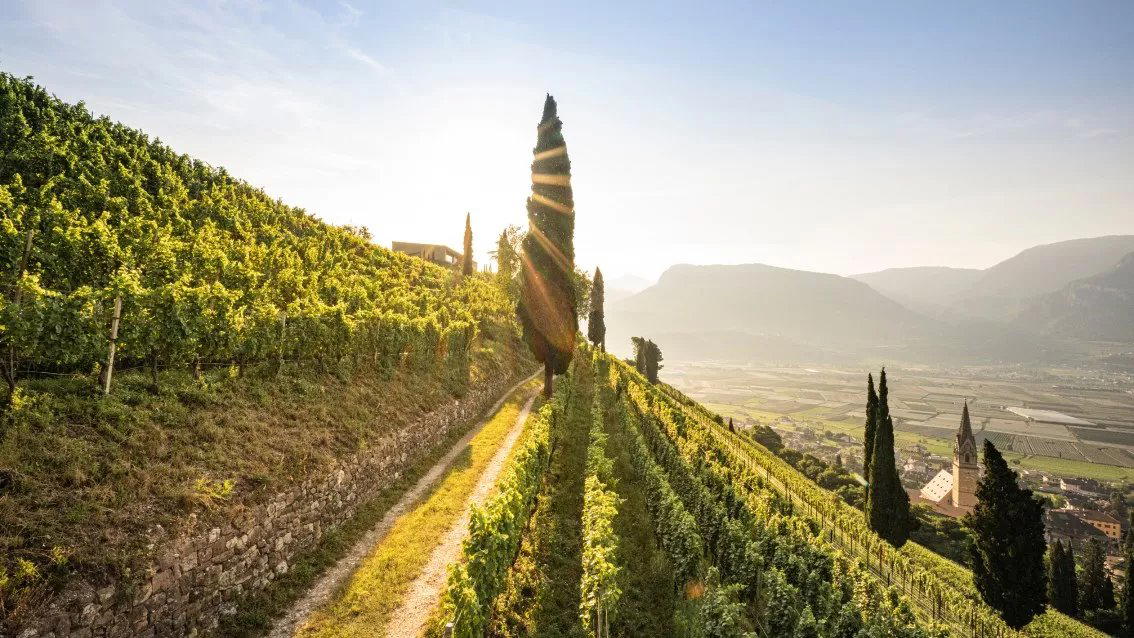
South Tyrol's wine road, the Strada del Vino, runs through among the more densely farmed stretches of northern Italy, threading between Pinot Grigio and Gewürztraminer vineyards, apple orchards, and small-hold farms that have supplied local tables for generations. Cortaccia, Kurtatsch in German, reflecting the region's bilingual character, sits near the road's southern arc, at an altitude where the thermal range between day and night concentrates flavour in both fruit and vegetable crops. Santlhof, addressed at Hofstatt 7 in this village of fewer than 2,500 residents, occupies that agricultural environment directly. The approach to the property is less an arrival at a restaurant than an arrival at a working piece of the South Tyrolean countryside.
That geographic fact matters more than it might in other Italian regions. Alto Adige's dining culture has long positioned itself around hyperlocal sourcing not as a trend but as a function of the terrain: the valley floors and lower slopes produce specific ingredients that do not travel well and are rarely encountered outside the province. Kitchens that can draw on this supply chain directly, rather than through distributors in Bolzano or Trento, occupy a different position from restaurants that import the same ingredients from further afield. Santlhof's Hofstatt address places it inside that direct-supply tier.
The Alto Adige Sourcing Framework
Understanding what makes South Tyrolean ingredient sourcing consequential requires some context about the region's agricultural structure. The province produces Speck Alto Adige IGP, one of Italy's most geographically protected cured meats, alongside a range of mountain cheeses, wild herbs from higher elevations, and stone fruit from the lower Adige valley that consistently outperforms comparable Italian production on sweetness-to-acid ratios. These are not interchangeable with generic Italian equivalents: the altitude, the snow-melt irrigation, and the dry föhn wind that periodically drops down from the Alps all contribute to flavour profiles that are specific to this corridor.
Restaurants operating at the serious end of this regional tradition, a peer group that includes, at its most decorated tier, Atelier Moessmer Norbert Niederkofler in Brunico, treat that specificity as a design constraint rather than an option. The season dictates the menu; the elevation dictates which season applies. Cortaccia's lower position on the wine road means an earlier growing season than mountain villages, which translates to a longer window for warm-weather crops. For a kitchen at Santlhof's address, that calendar is the primary editorial force on what appears at the table.
This approach to sourcing creates a meaningful contrast with the broader canon of Italian fine dining, where kitchens from Osteria Francescana in Modena to Enoteca Pinchiorri in Florence and Le Calandre in Rubano draw from national and international supply networks to support cuisine that operates at a conceptual or technical register. South Tyrolean kitchens trade some of that conceptual freedom for a tighter relationship with place. It is a different trade-off, not a lesser one.
The Wine Village as Context
Cortaccia's claim on serious wine attention is well established. The village sits at the heart of a Gewürztraminer production zone that has produced some of the grape's most expressive northern Italian examples, and its Pinot Nero vineyards have attracted increasing scrutiny from critics who follow Alto Adige's red wine programme. The Strada del Vino itself functions as an organising structure for wine tourism across the province, routing visitors through villages where producers offer direct tastings and where the relationship between vineyard and kitchen is geographically compressed.
For diners who have made the circuit through Italy's more southerly fine dining destinations, from Piazza Duomo in Alba to Dal Pescatore in Runate, or coastal addresses like Uliassi in Senigallia and Quattro Passi in Marina del Cantone, a property in the Strada del Vino corridor offers a substantially different register. The flavour references are Alpine rather than Mediterranean; the wine pairings are as likely to involve aromatic whites as they are the Sangiovese or Nebbiolo-anchored lists that dominate further south.
That geographical contrast extends to properties operating in entirely different culinary traditions. Le Bernardin in New York City and Atomix in New York City represent dining cultures that have absorbed influence from across Europe and Asia into metropolitan contexts; a village address in South Tyrol draws on a narrower but more specific set of references, and the trade is deliberate. Other Italian addresses worth comparing for their own regional intensity include Reale in Castel di Sangro and Villa Crespi in Orta San Giulio, both of which operate with strong regional identity in off-main-circuit locations.
Arriving and Planning
Cortaccia is accessible by train on the Bolzano-Trento Brenner rail line, with the Cortaccia station serving the village directly. By road, the A22 Autostrada del Brennero connects the village to Bolzano in under 30 minutes and to Trento in roughly 40. The wine road itself is driveable in either direction, making Cortaccia a logical midpoint stop on a broader Alto Adige itinerary that might include Kaltern, Termeno, and the northern vineyards around Bolzano. For anyone building a multi-day itinerary across northern Italy's serious dining addresses, adding stops at, say, Da Vittorio in Brusaporto, Enrico Bartolini in Milan, or Casa Perbellini 12 Apostoli in Verona, Cortaccia sits within a half-day's drive of Verona and under two hours from Milan. Further Italian reference points for planning a longer itinerary include La Pergola in Rome, Gambero Rosso in Marina di Gioiosa Ionica, and Enrico Bartolini in Milan.
In Context: Similar Options
Comparable venues nearby, for context on price, style, and recognition.
| Venue | Cuisine | Price | Notes |
|---|---|---|---|
| SantlhofThis venue — the venue you are viewing | South Tyrolean Italian-Austrian | $$ | Not listed |
| Soulfood | Modern Italian Pizzeria | $$ | Merano Centro |
| Tschafon hut | South Tyrolean Mountain Hut Cuisine | $$ | Tiers |
| Fronthof | South Tyrolean Farmhouse Tavern | $$ | Völs am Schlern |
| La Trave | Traditional Veneto Cuisine | $$ | Pagnano |
| Walther's | Italian Pizza with Tyrolean Influences | $$ | Piazza Walther |
Continue exploring
More in Hofstatt
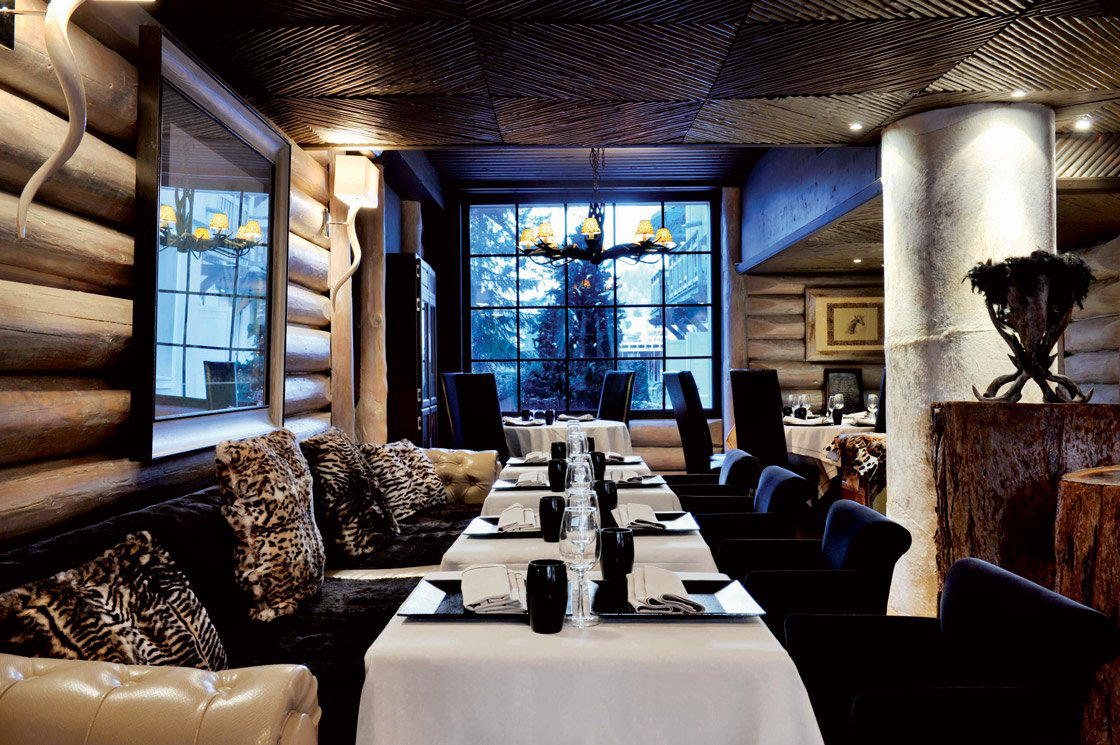
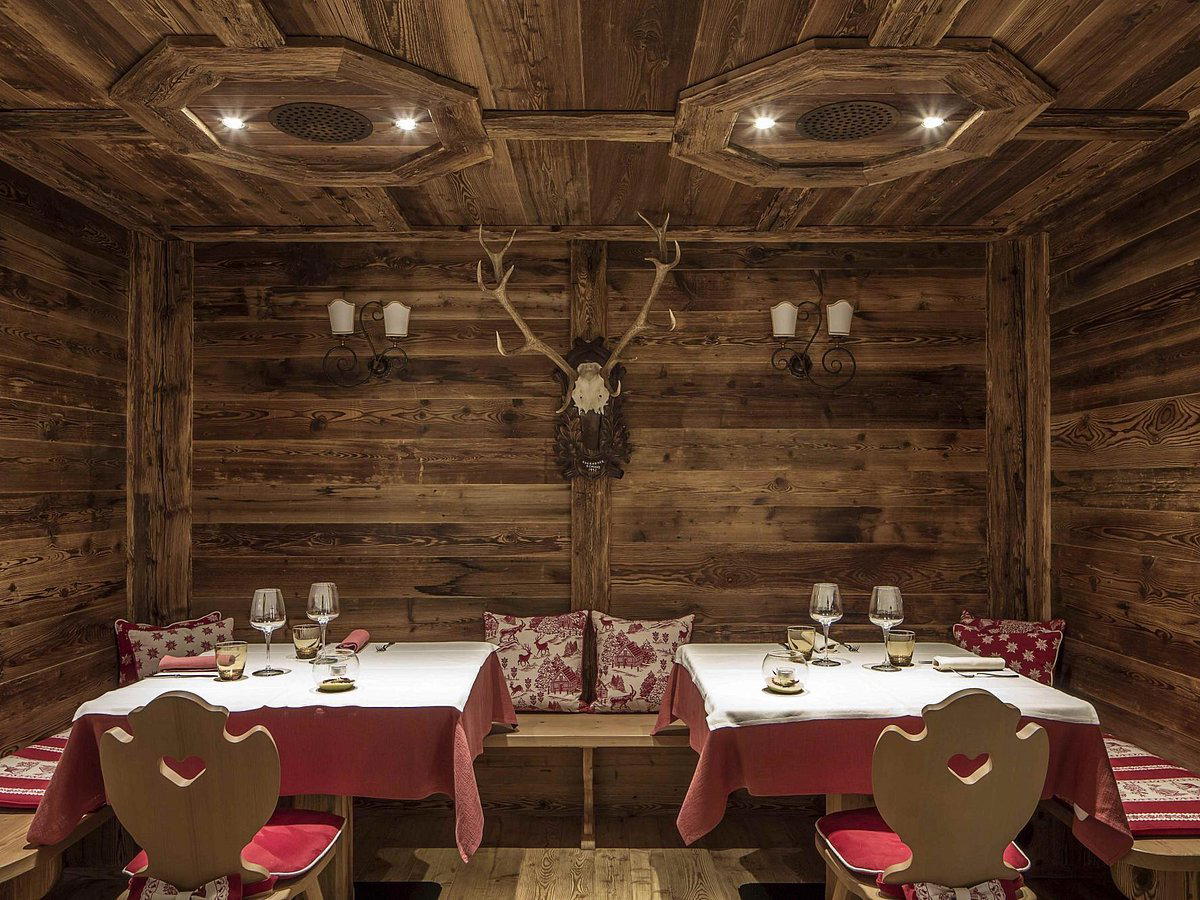
Restaurants in Hofstatt
Browse all →
Bars in Hofstatt
Browse all →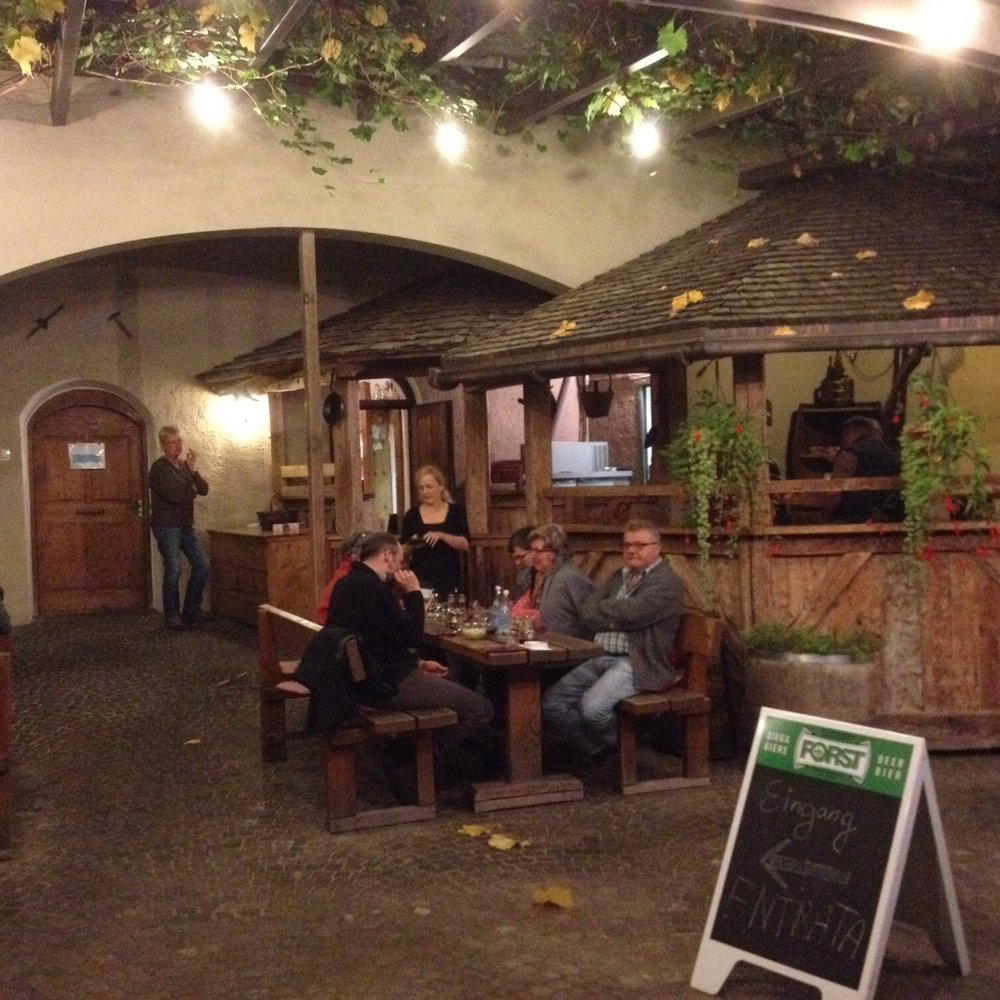
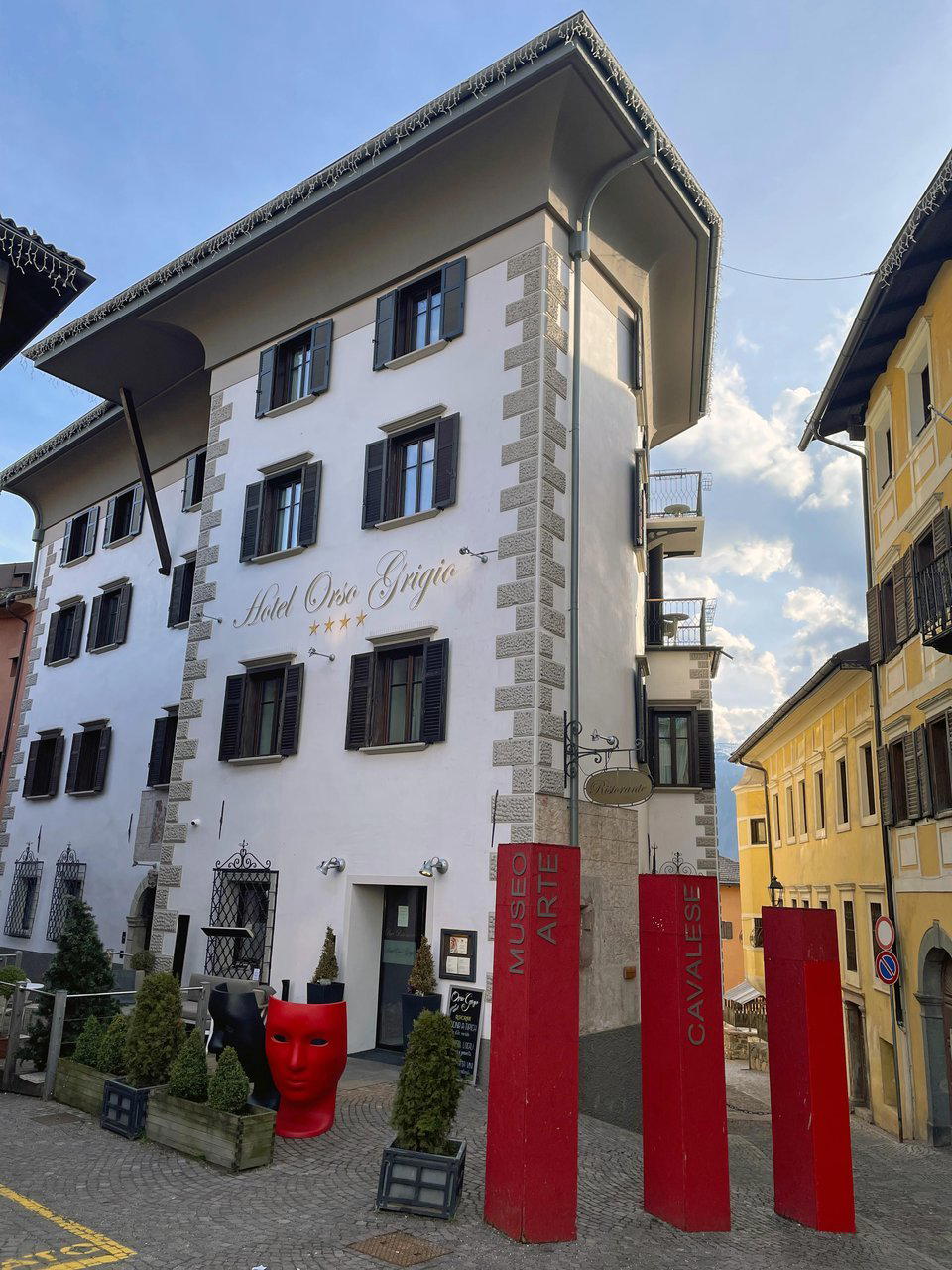
Hotels in Hofstatt
Browse all →
At a Glance
- Rustic
- Cozy
- Scenic
- Casual Hangout
- Family
- Historic Building
- Local Sourcing
- Vineyard
- Mountain
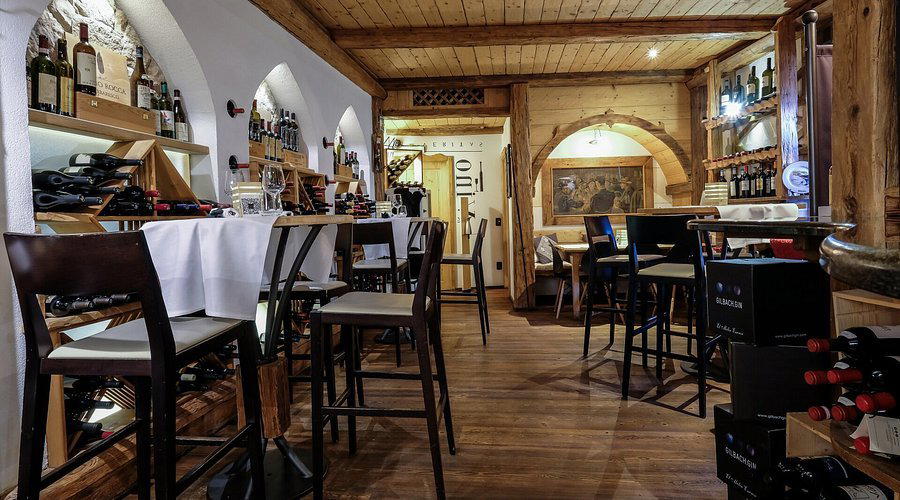
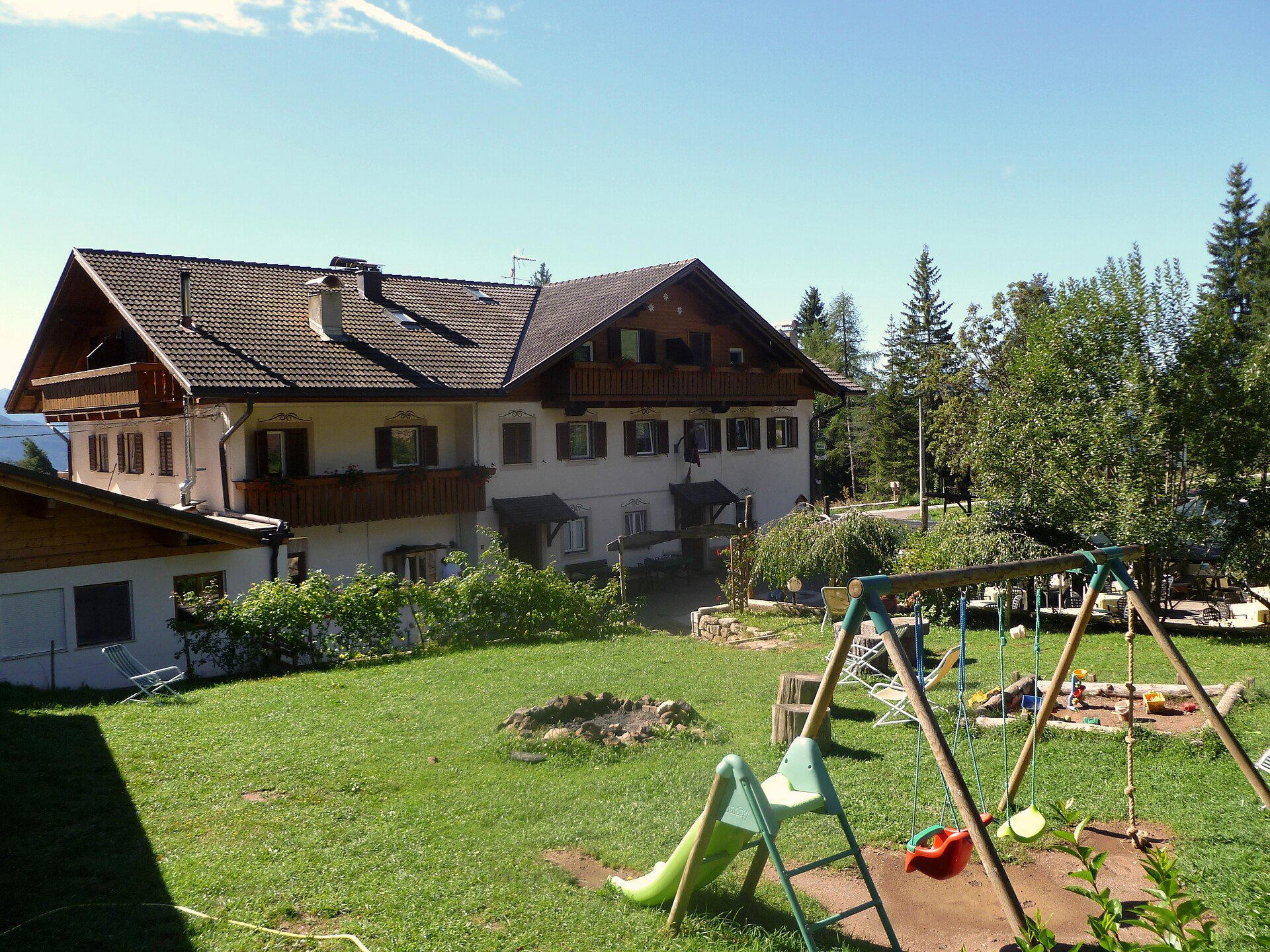
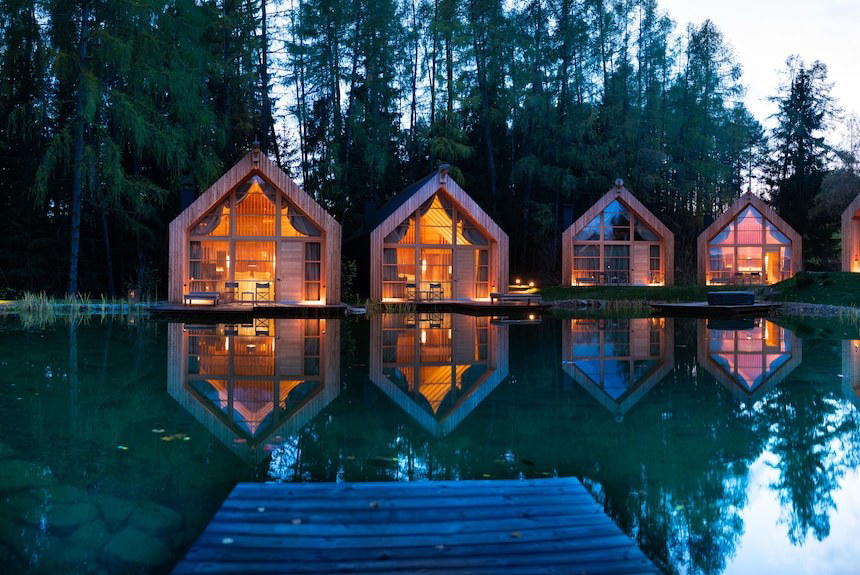
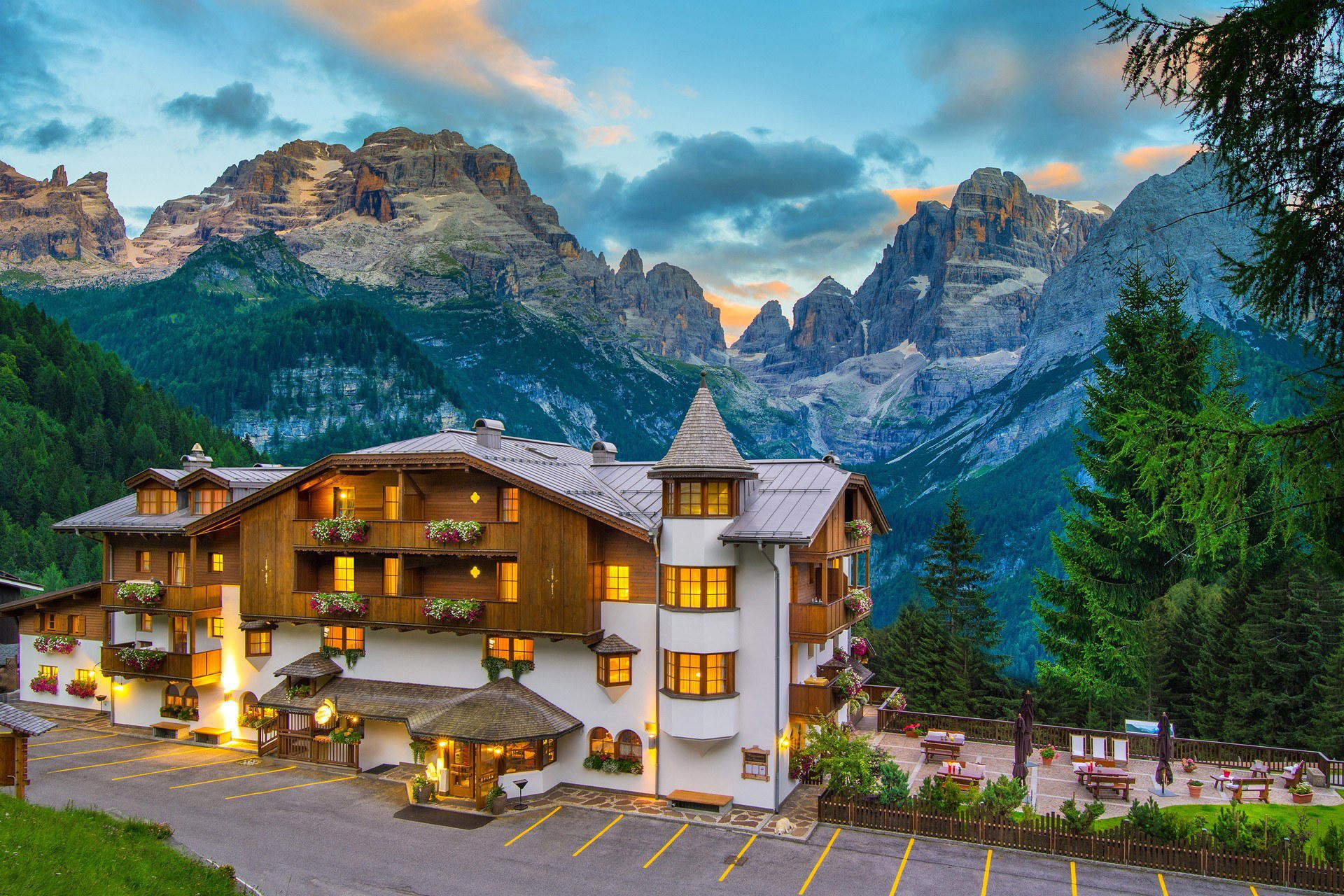
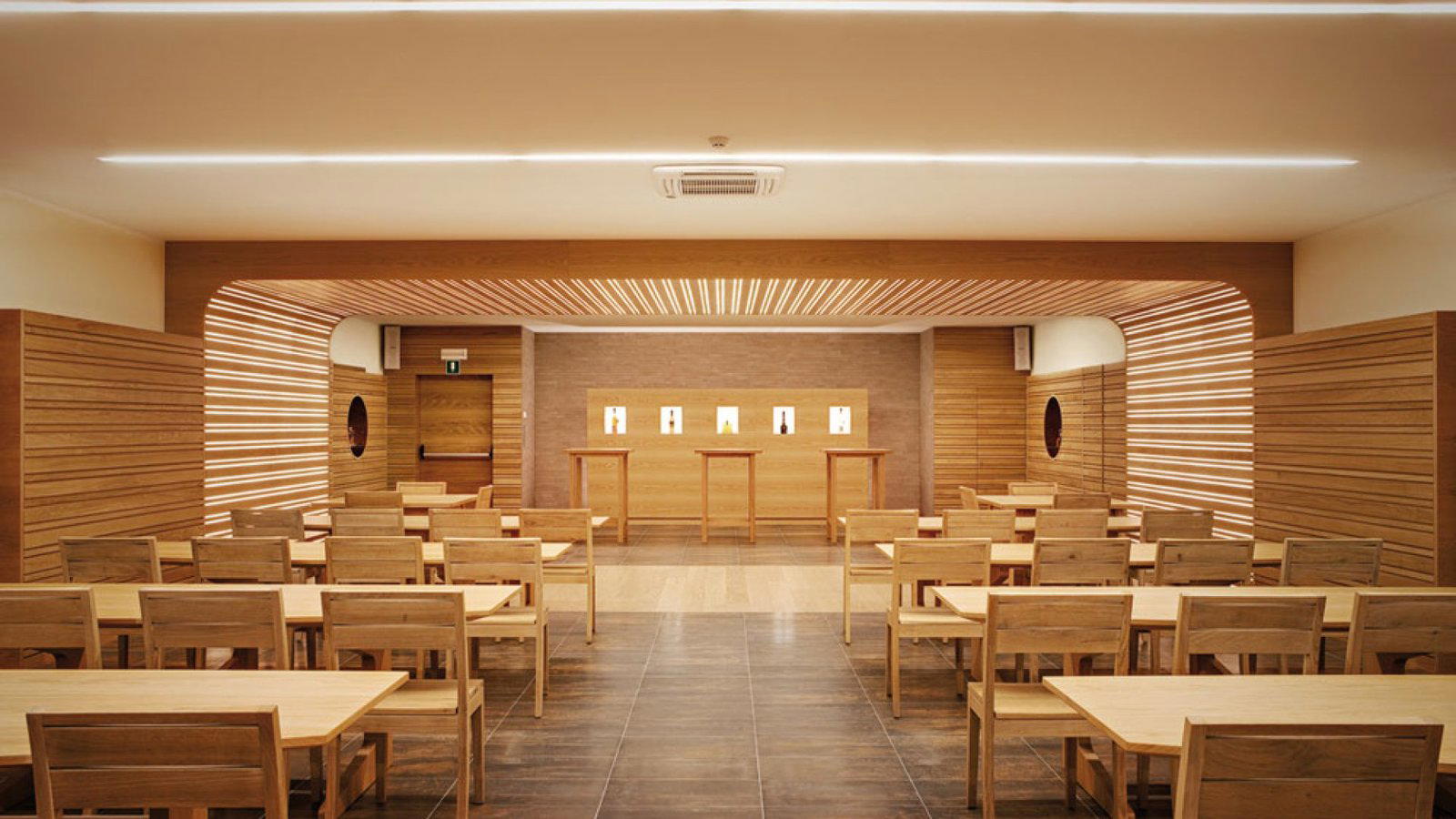
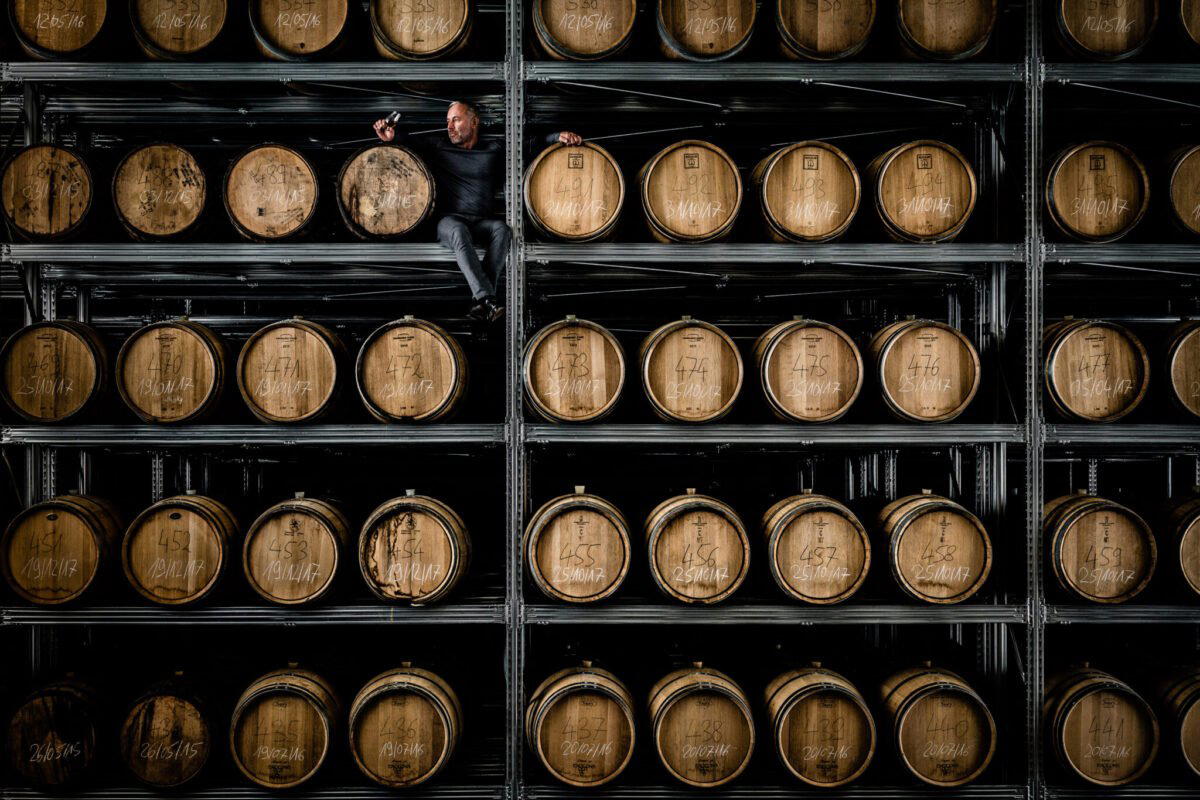
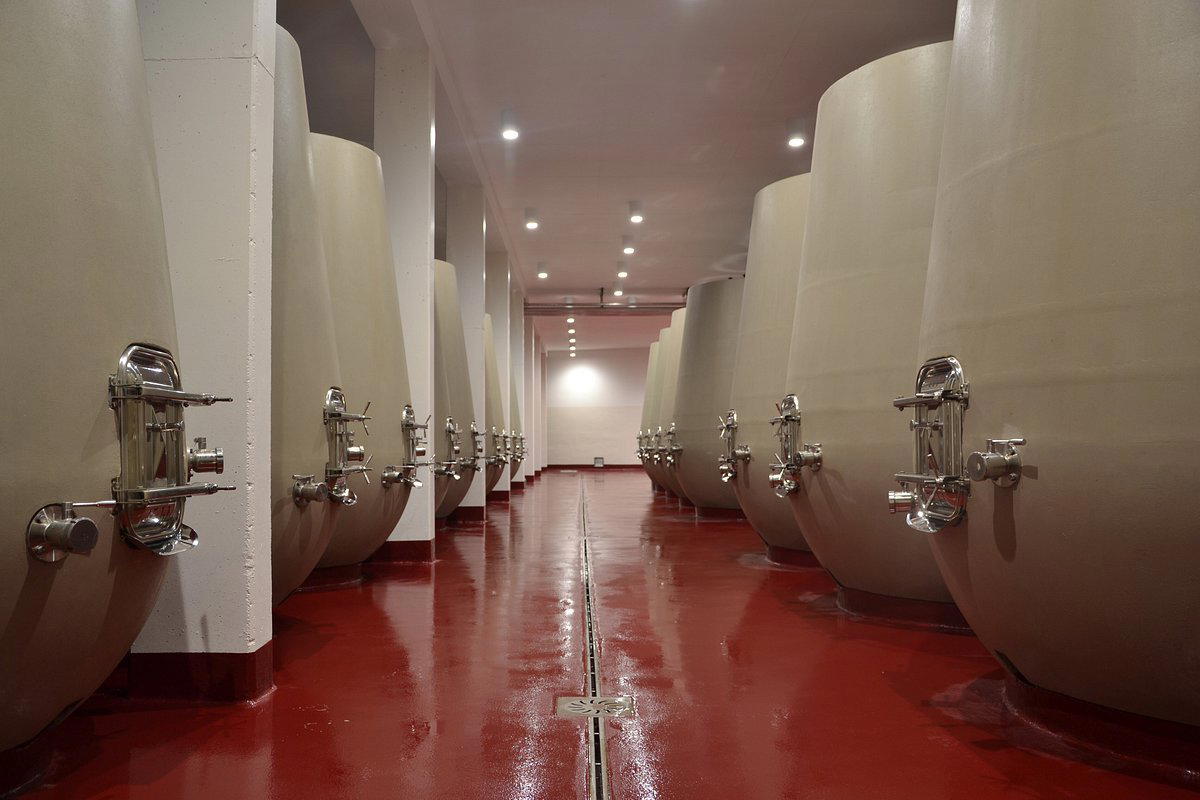
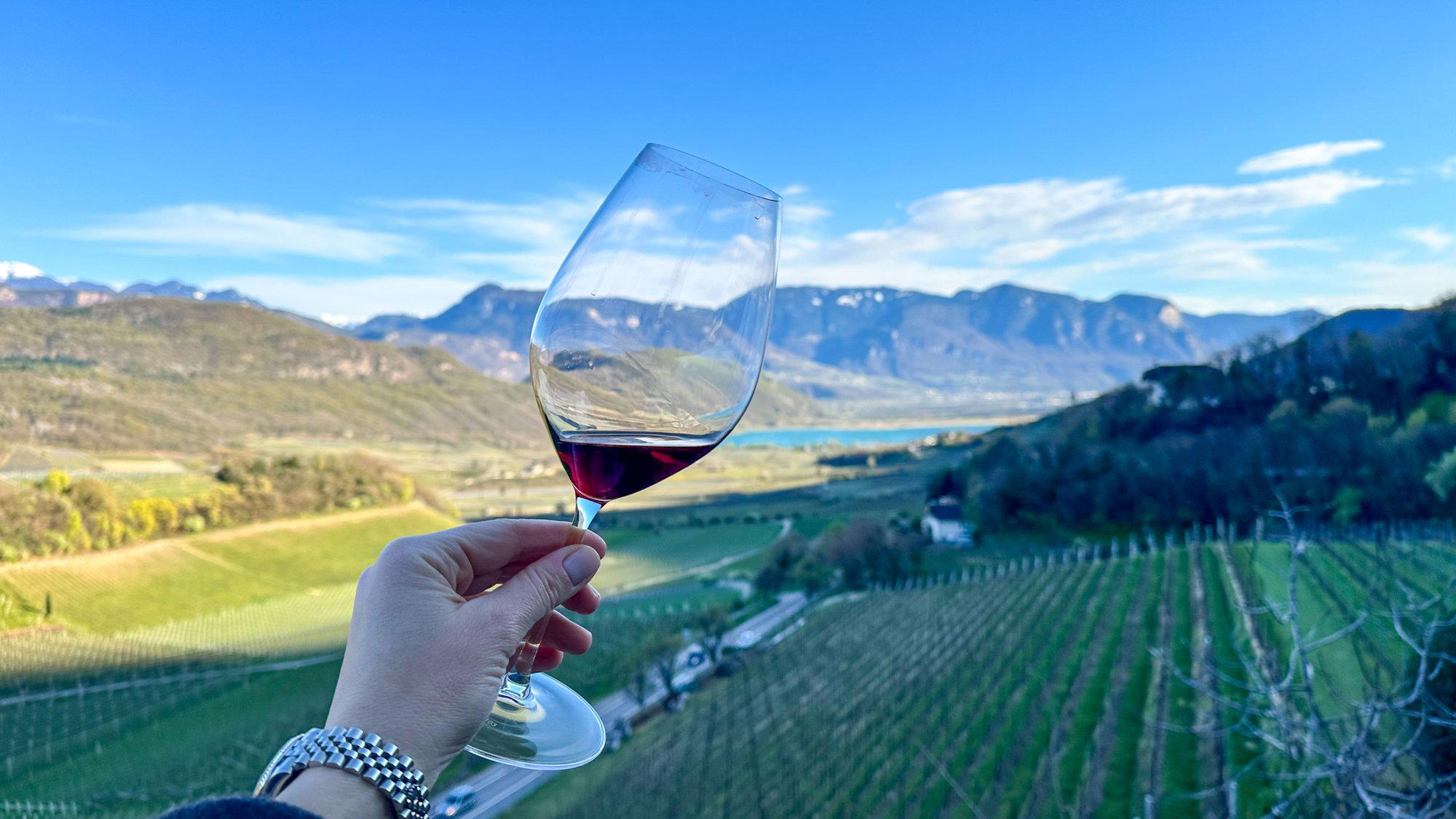
Rustic and cozy with impressive cellar vaults, wooden tables, and dramatic vineyard views from balconies.