Our verdict
La Trave occupies a countryside address in Pagnano, just outside the walled hill town of Asolo, where the Treviso foothills shape both the setting and the larder. The restaurant draws on the agricultural density of the Marca Trevigiana, a zone where radicchio, white asparagus, and small-farm proteins have long defined the table. For visitors making a circuit of the Veneto interior, it sits within a peer group of territory-anchored trattorias and modern osterie that take provincial sourcing seriously.

Pearl is the En Primeur Club membership app, where members save venues, book tables and use the concierge.
The menu
What to order
- Tagliatelle with radicchio and gorgonzola
- Seafood risotto
- Spaghetti alla scoglio
- Bigoli
- Sopa coada
- Costicine di agnello
- Filetto al pepo verde
Where the Treviso Countryside Comes to the Table
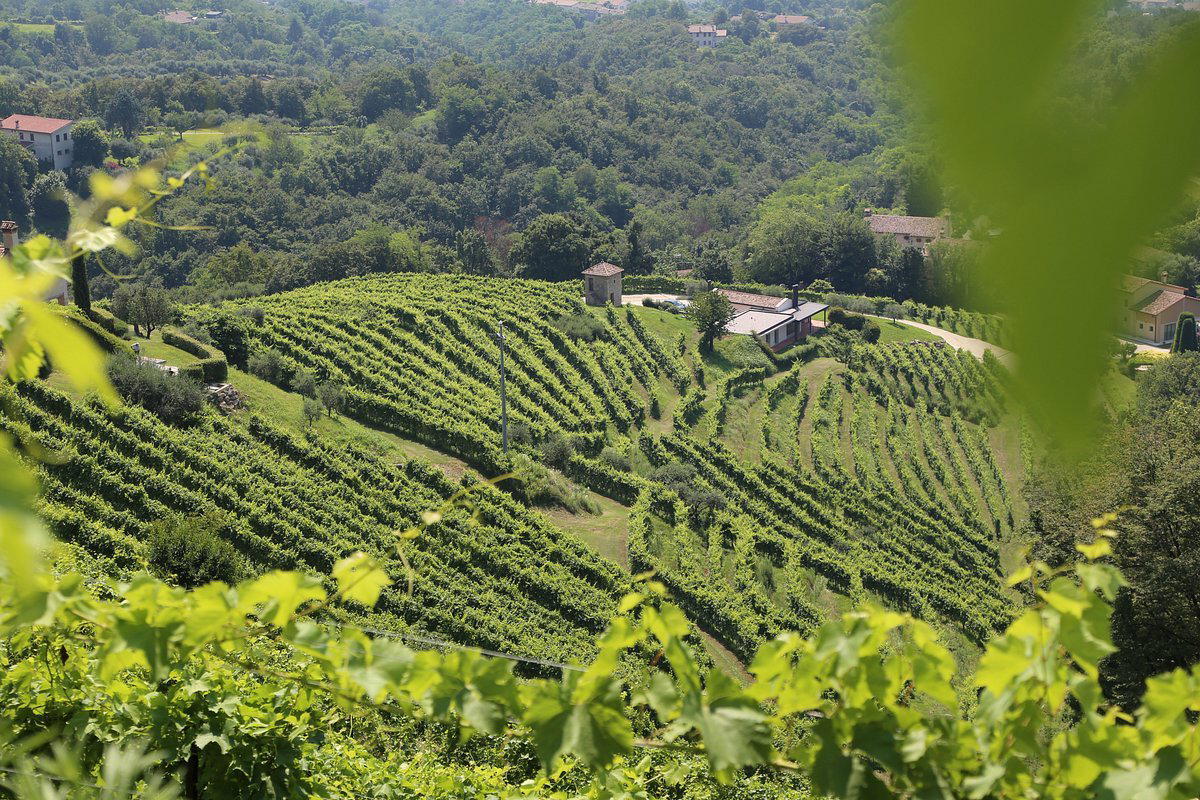
The road into Pagnano drops away from Asolo's medieval walls and into a quieter fold of the Marca Trevigiana, the broad agricultural zone that stretches between Treviso and the Dolomite foothills. This is farming country, and the farms are close. Radicchio di Treviso, white asparagus from Bassano, small-production cheesemakers, family-run butchers: the raw material that defines serious cooking in this part of the Veneto is rarely more than a short drive from any kitchen willing to use it. La Trave, at Contrada Bernardi 15 in Pagnano, sits inside that supply network by geography, which in northeastern Italian dining still counts for a great deal.
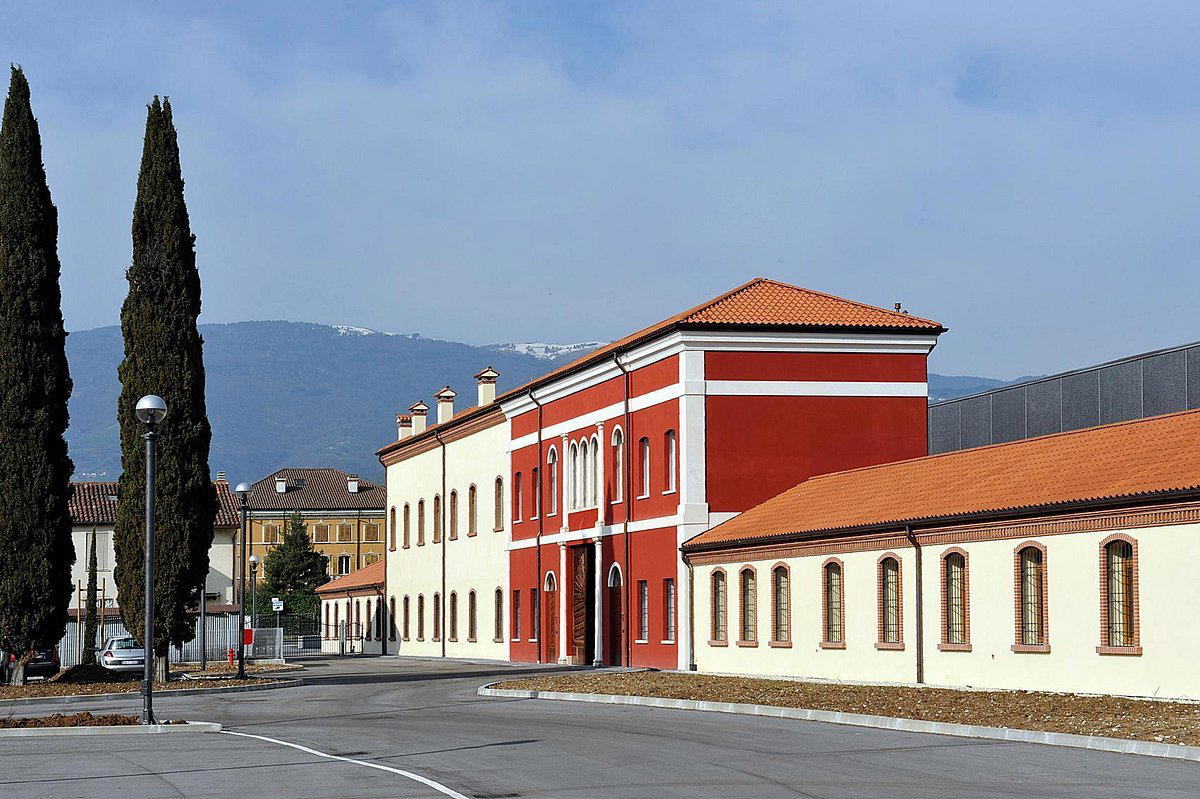
Arriving at the address, the immediate impression is of a building that belongs to the land rather than being placed on it. The Veneto interior is full of repurposed rural structures, farmhouses and wine cellars that have been converted into eating places without losing the grain of their original purpose. Whether La Trave occupies such a space in that tradition is part of the discovery, but the address alone, a contrada rather than a piazza, signals a place oriented toward the local rather than the visitor circuit.
Sourcing in the Marca Trevigiana: Why the Larder Matters Here
To understand what a restaurant in this corner of the Veneto is reaching for, it helps to understand the agricultural specificity of the region. The Marca Trevigiana produces ingredients with protected designation status precisely because the terroir and the traditional methods of cultivation produce results that differ measurably from elsewhere. Radicchio di Treviso Tardivo, harvested in winter after a forced-blanching process, has a bitterness and texture that cannot be replicated by generic chicory. White asparagus from Bassano del Grappa, harvested in spring and sold at prices that would surprise visitors expecting a humble vegetable, carries a sweetness and tenderness tied to the sandy soils of the Brenta flood plain.
Restaurants that actually source within this network operate differently from those that invoke regional identity as a marketing frame. The former have menus that shift with agricultural calendars, that feature lesser-known producers, and that build dishes around ingredient logic rather than imported technique. The latter offer a stable, crowd-pleasing menu with a regional vocabulary applied to commoditised inputs. Asolo's better tables, including La Terrazza and Locanda Baggio, occupy different points on that spectrum, with Locanda Baggio's price point (€€€) suggesting a more deliberate sourcing commitment than the mid-range options in town.
La Trave's position in this conversation is worth holding in mind as a visiting reader. Its Pagnano address places it outside the tourist concentration of Asolo's main square, which typically correlates with a kitchen more focused on a local clientele than on passing visitors. That correlation is not universal, but in the Veneto interior it holds more often than not.
Asolo's Dining Scene and Where La Trave Fits
Asolo itself is a small hill town of considerable aesthetic authority, known for its Caterina Cornaro connection, its views across the Treviso plain, and its position on the Strada del Prosecco. It is not a city with a deep restaurant culture in the way that Treviso or Verona are, and the number of tables at any serious level is modest. Bistrot and Due Mori represent the more accessible end of the local offer; La Terrazza and Locanda Baggio sit at the modern end. La Trave, in the village of Pagnano rather than in Asolo proper, operates slightly apart from that cluster, which gives it a distinct character.
For the wider Veneto dining circuit, the relevant comparisons are with restaurants that have made territory and sourcing central to their identity. Le Calandre in Rubano and Casa Perbellini 12 Apostoli in Verona represent the decorated end of Veneto fine dining, with the former holding three Michelin stars. La Trave operates in a different register, one that is less about culinary acrobatics and more about place-based honesty, at least in the model that its setting implies. Nationally, the conversation about ingredient-led Italian cooking at this kind of address connects to houses like Dal Pescatore in Runate and Reale in Castel di Sangro, both of which have made a specific geography the organising logic of the menu.
Planning a Visit
Pagnano sits just below Asolo on the southern approach to the hill town, making it a natural first or last stop for anyone driving in from Treviso or from the A27 motorway. The address at Contrada Bernardi 15 is specific enough to find with navigation, though rural Veneto addresses occasionally require patience with mapping software. Visiting without a reservation is a risk at any place with a loyal local following, and countryside restaurants in this region rarely keep the kind of capacity that absorbs walk-ins comfortably at peak meal times.
For those building a broader Veneto itinerary, the Asolo area combines naturally with visits to Bassano del Grappa to the north, and the Prosecco hills of Valdobbiadene and Conegliano to the northeast. The full picture of dining options in the area is covered in our full Asolo restaurants guide. Those wanting to anchor La Trave within a longer Italian fine dining circuit should note that the northeast remains less saturated with Michelin attention than Emilia-Romagna, where Osteria Francescana in Modena has shaped international expectations of what Italian restaurant cooking can be, or Piedmont, where Piazza Duomo in Alba holds three stars. That relative absence of decoration makes the region more interesting for certain kinds of travellers, not less.
Frequently asked questions
Would La Trave be comfortable with kids?
La Trave sits in Pagnano, a quiet agricultural village just below Asolo, which suggests a relaxed pace rather than a formal dining room. The rural setting in the Marca Trevigiana is generally unhurried, which tends to favour that kind of flexibility.
What should I expect atmosphere-wise at La Trave?
The address, Contrada Bernardi, 15 in Pagnano, places La Trave in a working agricultural fold of the Treviso countryside, away from the tourist circuit that concentrates on Asolo's hilltop. That geography typically produces rooms that are local in character and low on theatre. Expect something closer to a neighbourhood table than a destination dining room, though confirmed details on the interior are not available.
Is La Trave a good base for exploring the Asolo wine and food region?
Pagnano sits on the southern approach to Asolo, making La Trave a natural stopping point when travelling between Treviso and the hill town. The surrounding Marca Trevigiana connects directly to the Montello and Colli Asolani DOC wine zone, which runs along the same ridge. For anyone mapping a food and wine circuit through this corner of the Veneto, the location at Contrada Bernardi, 15 positions the restaurant as a practical and regionally grounded anchor.
What's the signature dish at La Trave?
What is clear is that La Trave operates in the Marca Trevigiana, a region whose larder includes radicchio di Treviso, white asparagus from Bassano del Grappa, and a strong tradition of braised and slow-cooked preparations. Any restaurant working seriously in this territory tends to anchor its cooking to those seasonal specifics.
Side-by-Side Snapshot
Comparable venues nearby, for context on price, style, and recognition.
| Venue | Cuisine | Price | Awards | Notes |
|---|---|---|---|---|
| La TraveThis venue (the venue you are viewing) | Traditional Veneto Cuisine | $50–100 | Not listed | Not listed |
| Bistrot | Veneto Bistro with Fresh Seafood | $50–100 | Relais Chateaux Award | Asolo |
| Due Mori | Modern Trattoria with Venetian Cuisine | $50–100 | Not listed | historic center |
| Locanda Baggio | Modern Regional Italian | Not listed | Michelin Plate | Asolo |
| La Terrazza | Modern Italian | $50–100 | Michelin Plate | Asolo historic center |
| Mela Cotogna | Traditional Italian Countryside | Not listed | Not listed | Codognè |
Continue exploring
More in Asolo
Restaurants in Asolo
All restaurants in Asolo →
Bars in Asolo
Browse all →

Details
- Rustic
- Cozy
- Romantic
- Classic
- Intimate
- Date Night
- Group Dining
- Family
- Casual Hangout
- Special Occasion
- Garden
- Historic Building
- Standalone
- Beer Program
- Farm To Table
- Local Sourcing
- A La Carte
- Family Style
- Local Wine
- Grappa
- Vegetarian Friendly
Current opening hours
- Monday
- Closed
- Tuesday
- Closed
- Wednesday
- 7:30–10 PM
- Thursday
- 12–2 PM, 7:30–10 PM
- Friday
- 12–2 PM, 7:30–10 PM
- Saturday
- 12–2 PM, 7:30–10 PM
- Sunday
- 12–2 PM
Hours can change for holidays and private events. Hours as of .
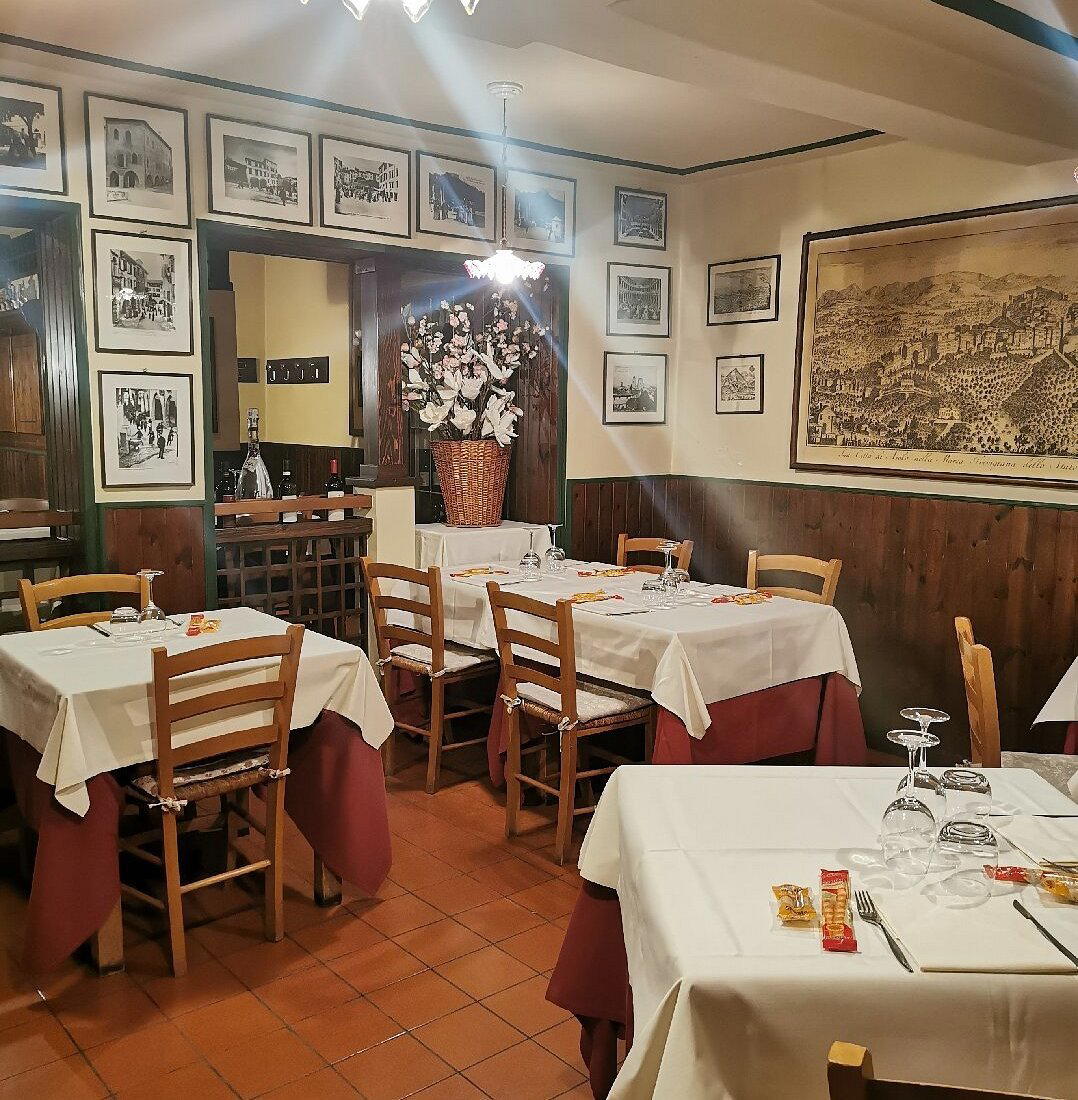
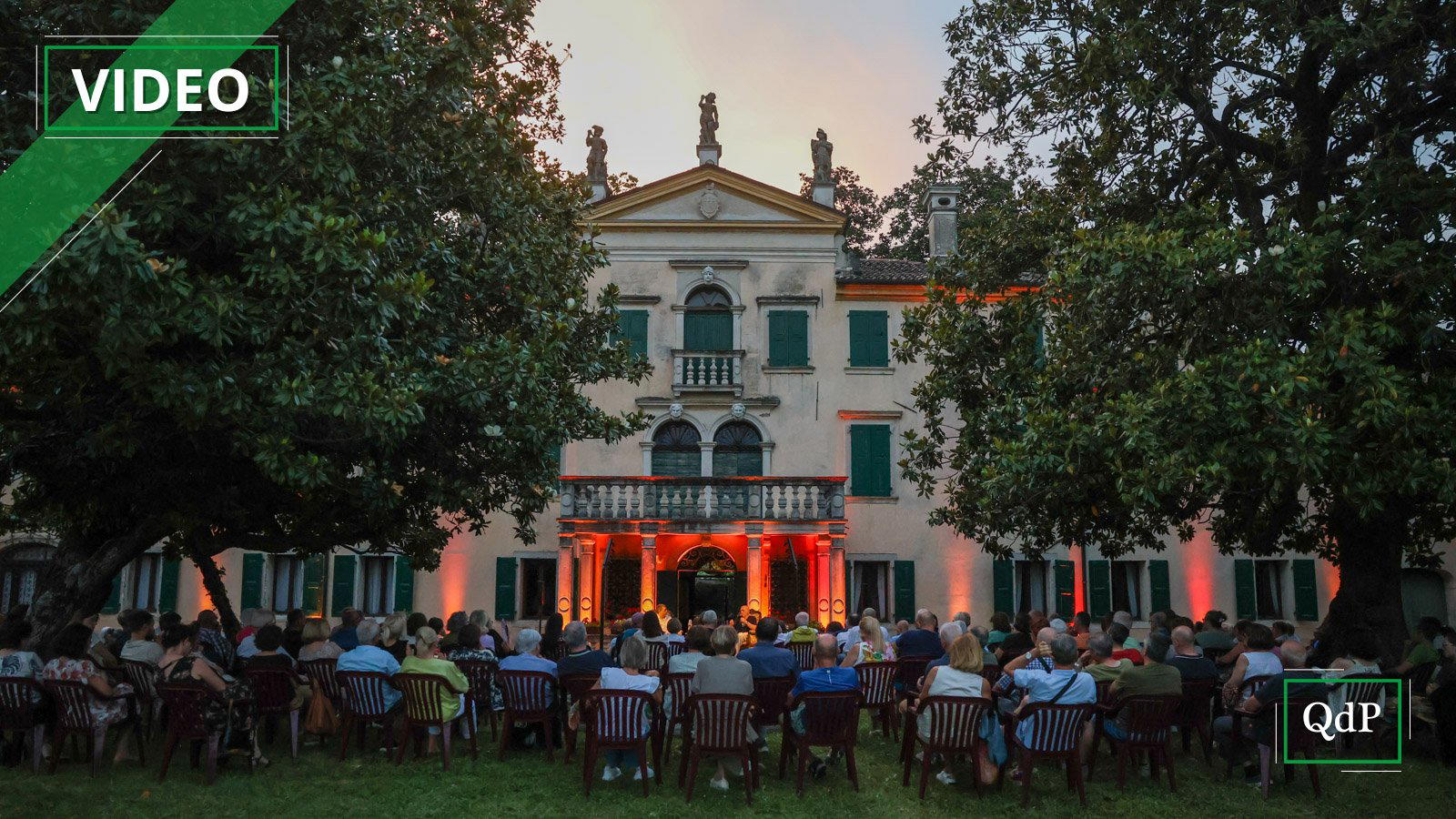
Warm and welcoming with a century-old character; the exterior appears modest and old-fashioned, but the interior extends into a lovely room with garden area, creating a peaceful and pleasant atmosphere with white tablecloth service.