San Marzano
San Marzano occupies a direct address on 2nd Avenue in the East Village, a neighbourhood where Italian-American dining traditions run deep and competition for the casual dinner dollar is fierce. Against that backdrop, the question worth asking is not whether it fits the block, but how it positions itself within a city that has long debated what Italian food in New York actually means.
Pearl is the En Primeur Club membership app — saves, bookings, and concierge access live there. Same editors, same standards.
- Address
- 117 2nd Ave, New York, NY 10003
- Phone
- +12127773600
- Website
- sanmarzanonyc.com
- Directions
- Get directions
 Saves & bookings on Pearl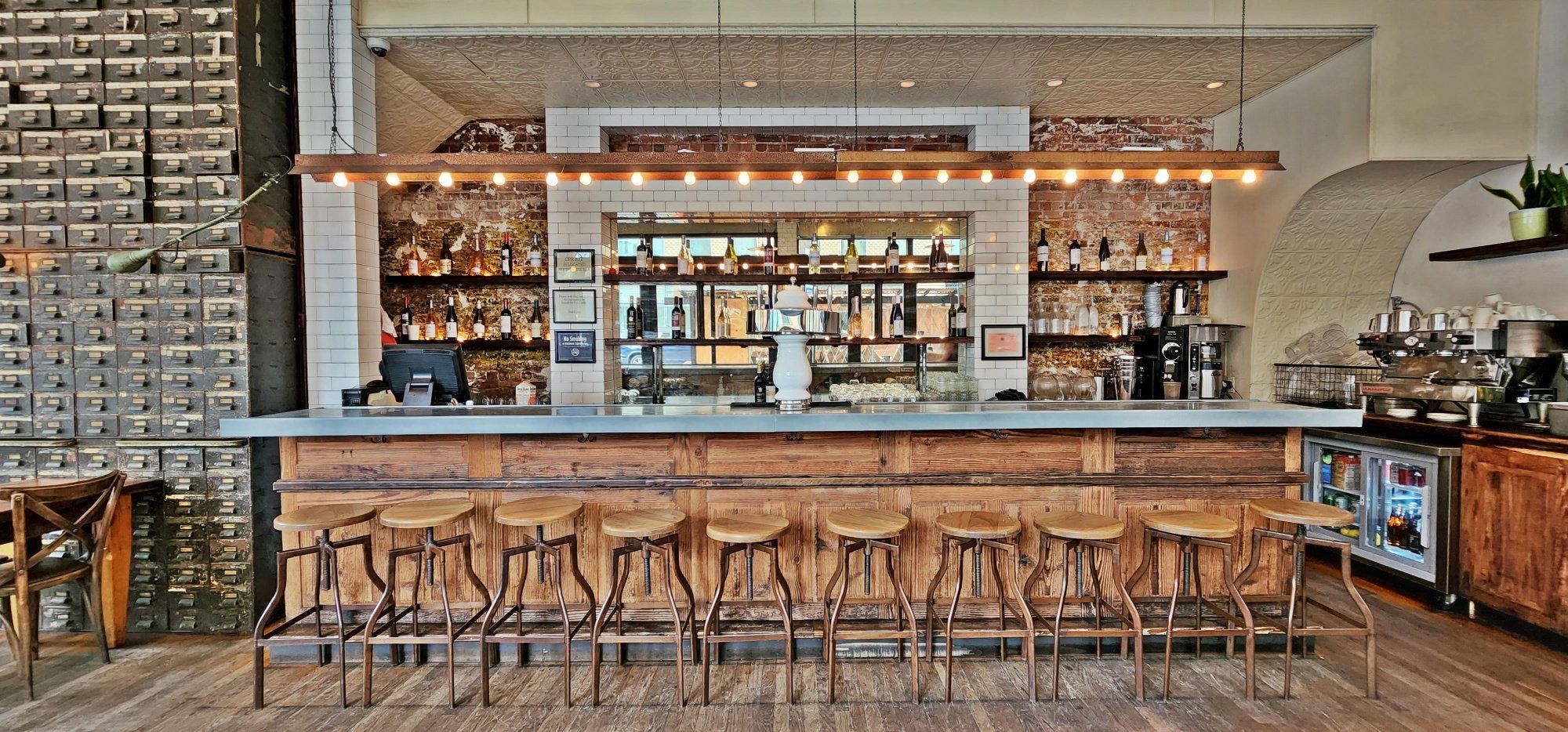
East Village Italian, Placed in Context
Second Avenue in the East Village carries more Italian-American dining history than most blocks in Manhattan. The stretch between St. Marks Place and Houston has hosted red-sauce institutions, neighbourhood trattorias, and a rotating cast of newer operators each trying to find a distinct position in one of New York's most contested casual-dining corridors. San Marzano, at 117 2nd Ave, sits inside that tradition rather than apart from it, a position that tells you something about how the Italian category in this city actually functions.
New York's Italian dining scene has long operated across two broadly separate tiers. At the upper end, rooms like Le Bernardin or Per Se signal their ambitions through Michelin credentials, prix-fixe formats, and kitchen lineages that read like a map of fine-dining Europe. At the neighbourhood end, the measure is different: consistency, value, the ability to serve a table of four on a Tuesday without a reservation and send them home satisfied. San Marzano operates in that second register, where the competitive set is defined less by awards and more by how well a kitchen executes the fundamentals night after night.
The Scene on 2nd Avenue
The East Village has been through several identities since its bohemian peak in the 1970s and 1980s. What it has retained, against the pressure of rising rents and changing demographics, is a density of independent restaurants that still functions as a real neighbourhood dining district rather than a tourist corridor. That density makes it harder, not easier, to maintain a stable position, diners in this part of the city have genuine options within a five-minute walk, and loyalty is earned incrementally rather than assumed.
Italian is the cuisine that has proved most durable in this environment. The reasons are partly cultural, the neighbourhood's historic immigrant layers, and partly practical: pasta-led menus offer a price-to-satisfaction ratio that holds up across economic cycles. The San Marzano tomato, for which the venue is named, is itself a marker of a particular kind of ambition: not luxury signalling, but an insistence on sourcing a specific ingredient associated with Neapolitan cooking tradition and a sauce character that is sweeter and less acidic than most domestic alternatives.
Service as a System, Not a Gesture
In Italian restaurants operating at the neighbourhood tier, the front-of-house dynamic tends to matter as much as the kitchen output. The editorial angle worth examining here is how collaboration between the team on the floor and the kitchen shapes the experience when the room is full and the pace is unforgiving. At venues like San Marzano, where the format is built around approachability rather than ceremony, the server's role is not to recite a script about provenance but to read the table accurately, to know when a couple wants to linger and when a group needs to turn the meal efficiently.
That kind of floor intelligence is harder to systematise than a tasting menu format. Places like Atomix or Masa operate with the counter or omakase format as a structural scaffold that almost pre-determines the guest interaction. A neighbourhood Italian room has no such scaffold. The team has to build the rhythm of each service from scratch, reading a dining room that might contain first-timers, regulars, and tourists in equal proportion. When that works well, it produces the kind of effortless-feeling service that is actually more difficult to achieve than the choreographed precision of a tasting counter.
The sommelier function at this tier is equally telling. At Jungsik New York, wine service is an extension of the kitchen's precision. At a 2nd Avenue Italian, the wine role is more likely about accessible guidance: steering a table toward a southern Italian red or white that suits the food without intimidating the guest. That approachability is its own discipline, and restaurants that get it right tend to have higher returning-guest rates than those that treat the list as a showcase.
Italian Dining in New York: The Wider Picture
The conversation about what Italian food in America should look like has been running for decades, and New York is where that argument is most visible. On one side are the operators pulling the cuisine toward regional specificity, Campanian, Sicilian, Venetian, with imported ingredients and menus that read more like research projects than dinner lists. On the other are the restaurants that have decided the red-sauce traditions of Italian-American cooking deserve serious treatment on their own terms, not as a lesser version of something happening in Naples or Rome.
That same tension plays out in cities across the country. Bacchanalia in Atlanta navigates a version of it through its farm-to-table frame. Blue Hill at Stone Barns in Tarrytown approaches ingredient sourcing as a structural argument. More dramatically technique-forward rooms like Alinea in Chicago or Lazy Bear in San Francisco have moved the argument about what a restaurant should do somewhere else entirely. None of those comparisons are meant to diminish the neighbourhood Italian format, they are meant to clarify that the format has its own logic, its own demands, and its own standard of success.
Internationally, the Italian fine-dining model has its own reference points: 8½ Otto e Mezzo Bombana in Hong Kong and Alain Ducasse at Louis XV in Monte Carlo represent what the category looks like when positioned against the upper tier of European fine dining. The restaurant is not in that conversation, nor does it need to be.
Planning Your Visit
Know Before You Go
- Address: 117 2nd Ave, New York, NY 10003
- Neighbourhood: East Village, Manhattan
- Format: Neighbourhood Italian dining
- Hours: Mon: 11 AM-11 PM; Tue: 11 AM-11 PM; Wed: 11 AM-11 PM; Thu: 11 AM-11 PM; Fri: 12-1 AM, 11 AM-1 AM; Sat: 11 AM-12 AM; Sun: 11 AM-11 PM
- Reservations: Recommended
The Minimal Set
Comparable venues nearby, for context on price, style, and recognition.
| Venue | Cuisine | Price | Notes |
|---|---|---|---|
| San MarzanoThis venue — the venue you are viewing | East Village, Italian Pasta | $$ | Not listed |
| Gelso & Grand | Not listed | $$ | SoHo-Little Italy-Hudson Square, Modern Italian |
| Piccola Cucina Osteria Siciliana | Not listed | $$ | SoHo-Little Italy-Hudson Square, Sicilian Osteria |
| Spunto | West Village, Thin Crust Pizza | $$ | Not listed |
| IL Punto | Not listed | $$ | Hell's Kitchen, Authentic Italian Trattoria |
| Pasta Lovers | Not listed | $$ | Midtown-Times Square, Casual Italian Trattoria |
Continue exploring
More in New York City
Restaurants in New York City
Browse all →
Bars in New York City
Browse all →
Hotels in New York City
Browse all →





At a Glance
- Cozy
- Rustic
- Casual Hangout
- Brunch
Current opening hours
- Monday
- 11 AM–11 PM
- Tuesday
- 11 AM–11 PM
- Wednesday
- 11 AM–11 PM
- Thursday
- 11 AM–11 PM
- Friday
- 12–1 AM, 11 AM–1 AM
- Saturday
- 11 AM–12 AM
- Sunday
- 11 AM–11 PM
Hours can change for holidays and private events. Last verified .
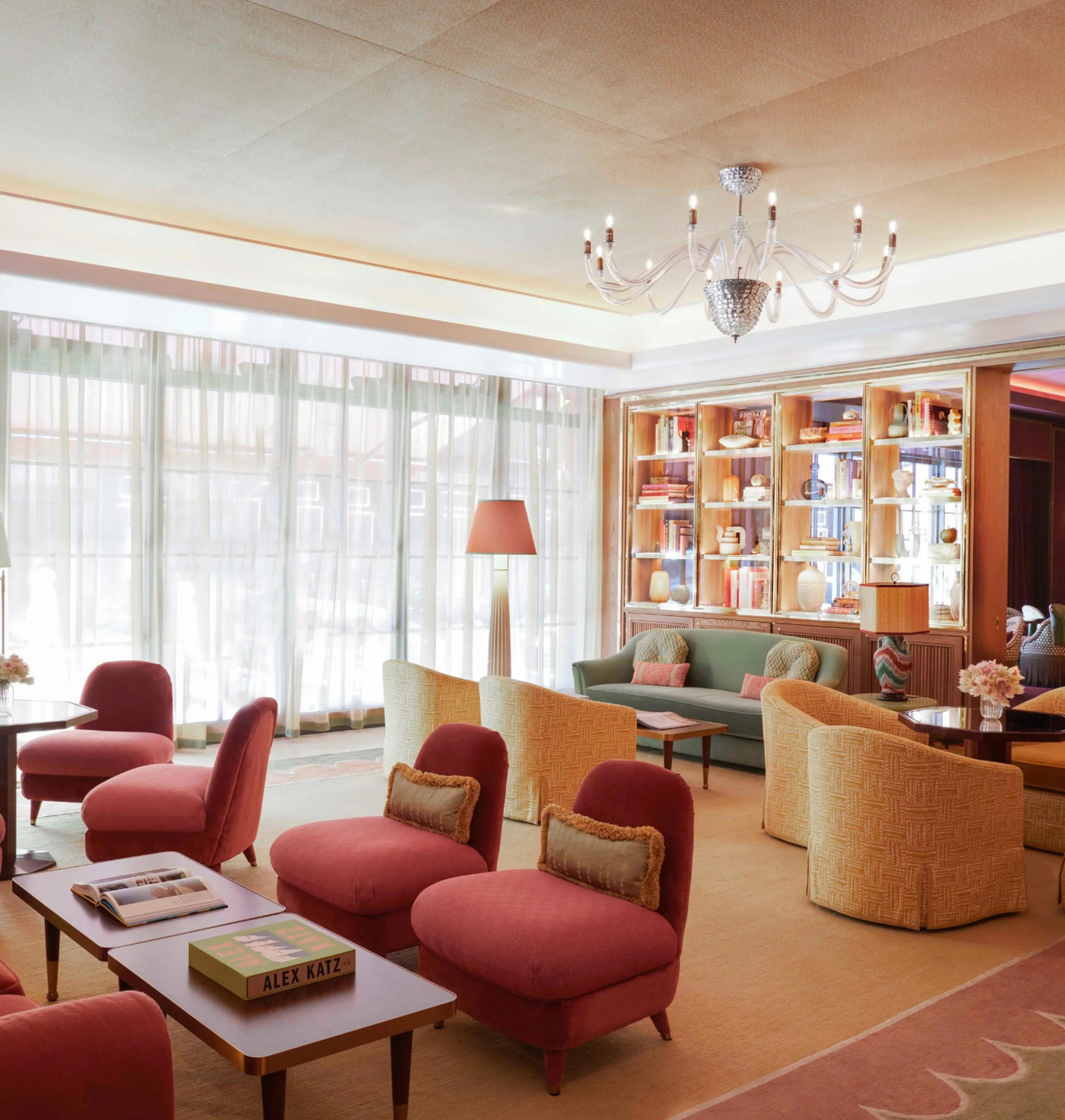
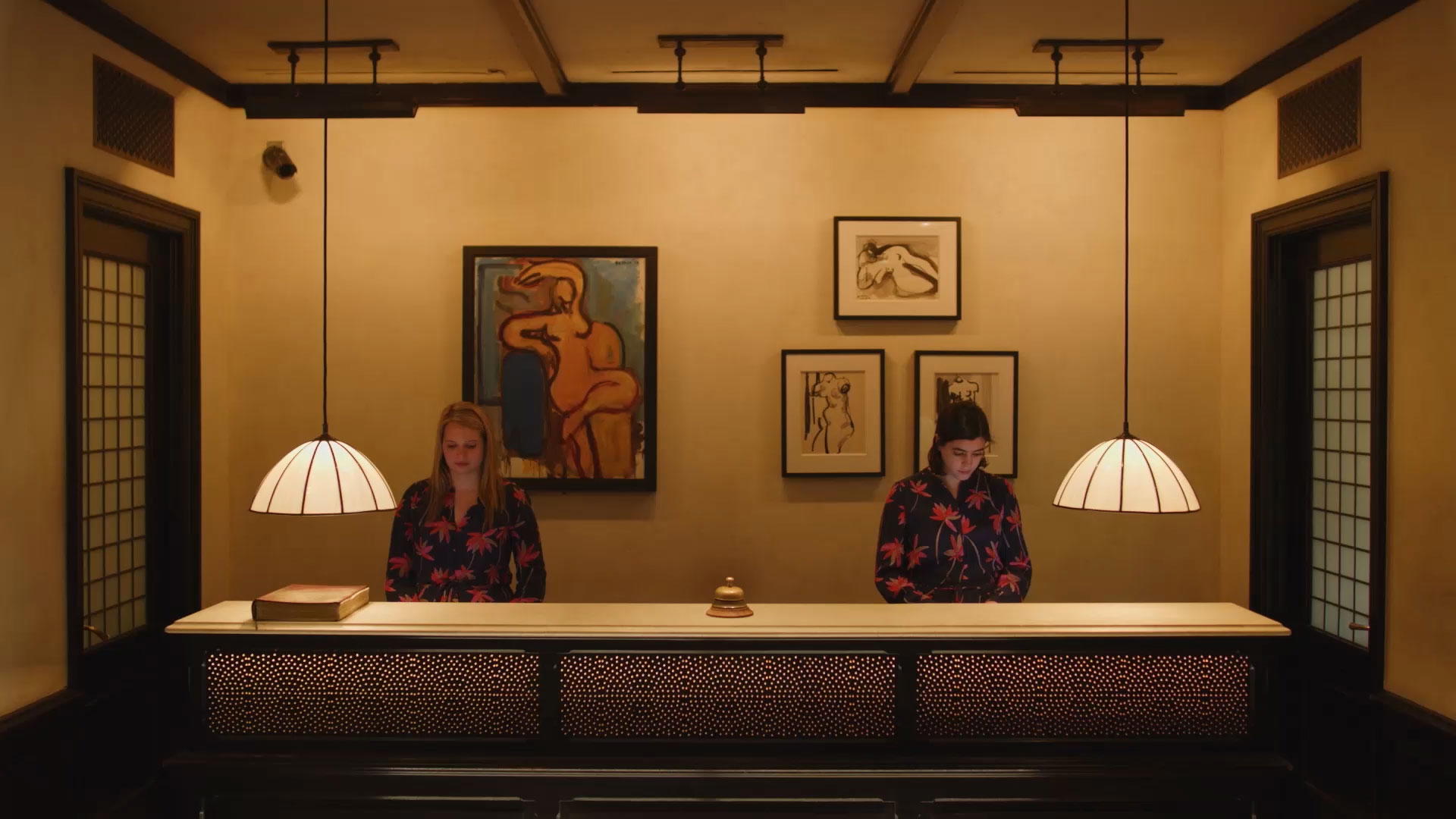
Cozy rustic atmosphere with nice vibe day and night.