Piccola Cucina Osteria Siciliana
Piccola Cucina Osteria Siciliana on Spring Street sits at the intersection of SoHo's neighbourhood dining culture and the regional Italian tradition that New York has long absorbed and reinterpreted. The osteria format, unhurried, communal, built around shared plates, places it in a distinct tier from the city's tasting-menu circuit, offering Sicilian cooking rooted in technique rather than spectacle.
Pearl is the En Primeur Club membership app — saves, bookings, and concierge access live there. Same editors, same standards.
- Address
- 196 Spring St, New York, NY 10012
- Phone
- +16464787488
- Website
- piccolacucinagroup.com
- Directions
- Get directions
 Saves & bookings on Pearl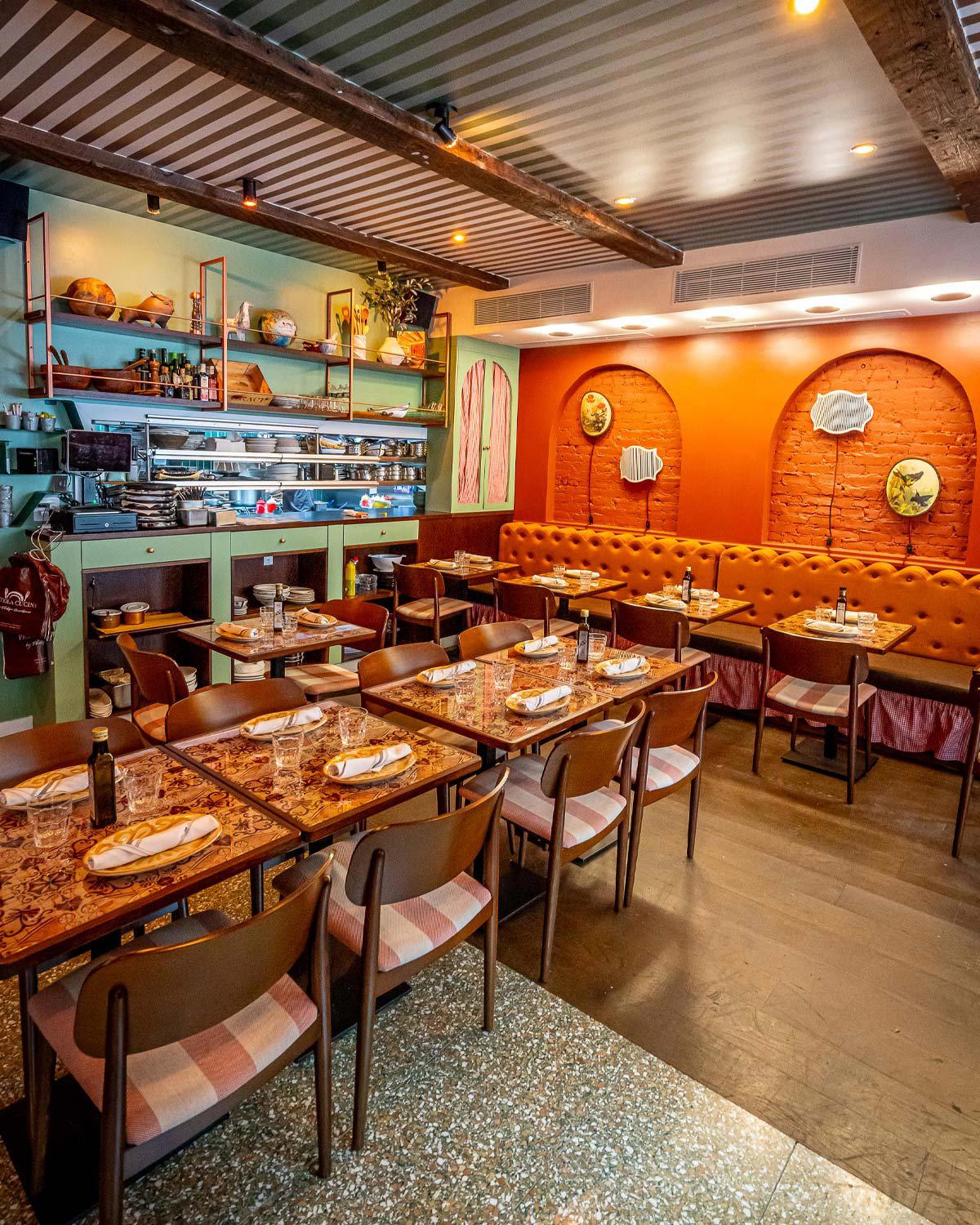
SoHo's Sicilian Anchor on Spring Street
Spring Street in SoHo has always occupied an interesting position in New York's dining order: too central for the neighbourhood-local regulars, too residential in character for the Midtown expense-account crowd. The restaurants that last here tend to find an audience that is neither tourist-dependent nor reliant on corporate dining. Piccola Cucina Osteria Siciliana is a Sicilian osteria at 196 Spring Street in SoHo, New York City.
The osteria as a dining category sits apart from both the trattoria and the ristorante in Italian culinary tradition. It carries a specific set of expectations: a compressed menu, a wine list that supports rather than dominates, and a pace that is set by the kitchen rather than by a clock. In a city where tasting-menu counters like Masa and Per Se define one extreme of the dining ritual, the osteria represents a deliberately different contract with the guest.
The Ritual of the Sicilian Table
Sicilian cooking follows a logic shaped by geography as much as by recipe. The island sits at a crossroads of Mediterranean influence, Arab, Norman, Greek, Spanish, and that layering shows in the kitchen's relationship with sweet-sour combinations, the use of almonds and citrus alongside tomato and anchovy, and the central role of seafood treated with restraint rather than elaboration. New York's Italian-American tradition has absorbed much of the southern Italian canon, but Sicilian specificity, the caponata, the sarde a beccafico, the arancini calibrated to regional style, tends to get diluted in the process.
What the osteria format demands, and what distinguishes it from the broader Italian-American dining scene, is a fidelity to the rhythm of the meal. Antipasti are not appetisers in the American sense; they are the opening of a structured sequence. Pasta courses hold a different register from the main. The pacing asks the table to commit to the format, and that commitment is what separates this style of dining from the grab-and-go Italian that dominates much of the city's delivery-first restaurant economy.
For those whose dining in New York runs primarily through the high-end tasting-menu circuit, venues like Atomix, Jungsik New York, or Le Bernardin, an osteria visit requires a conscious recalibration. There is no amuse-bouche sequence, no printed menu narrative, no sommelier pairing architecture. The intelligence is in the sourcing and the simplicity, which is a harder case to make to a guest expecting visible technical complexity.
Where It Sits in New York's Italian Dining Picture
New York's Italian restaurant scene has bifurcated sharply over the past decade. On one side: multi-room restaurant groups running red-sauce institutions and Italian steakhouses at volume. On the other: a smaller cohort of regionally specific operators whose menus reflect a particular province, producer network, or culinary lineage. Piccola Cucina Osteria Siciliana belongs to the latter group, positioning itself against a comparable set defined less by price tier than by specificity of reference.
That specificity matters more than it might appear. The difference between a generic southern Italian menu and a genuinely Sicilian one lies in the details of preparation and sourcing, the type of tuna, the variety of olive, the treatment of the eggplant. Across the broader US dining scene, similar questions of regional fidelity are being asked at properties as different as Emeril's in New Orleans and Bacchanalia in Atlanta. In each case, the argument for the restaurant rests on what its kitchen does with a specific tradition rather than on format innovation or theatrical presentation.
Internationally, the template for refined Italian regional cooking in a fine-dining context is set by addresses like 8½ Otto e Mezzo Bombana in Hong Kong and Alain Ducasse's Louis XV in Monte Carlo, where Italian and Mediterranean sourcing are presented at a price point that reflects their luxury positioning. SoHo's Piccola Cucina operates well below that tier, the osteria format is not a luxury vehicle, but the underlying argument about regional specificity is the same.
Planning a Visit
196 Spring Street is reachable from multiple subway lines, with the C/E at Spring Street and the 1 at Houston Street both within a short walk. SoHo's foot traffic patterns mean the room fills on weekend evenings from relatively early, and walk-in availability at those times is not guaranteed. Weekday lunches and early weekday dinners tend to offer more flexibility for those without a reservation. The address itself falls on the west side of SoHo, closer to the neighbourhood's residential character than its boutique-retail core, which shapes the room's pace and noise level accordingly.
Those building a broader New York dining itinerary across multiple registers should consult our full New York City restaurants guide for context on how venues at different price tiers and cuisine categories map across the five boroughs. For comparison with how farm-driven American tasting formats handle similar questions of regional sourcing, Blue Hill at Stone Barns in Tarrytown and Single Thread Farm in Healdsburg offer instructive contrasts in how a kitchen can anchor a menu to a specific agricultural and geographic identity.
Price and Recognition
Comparable venues nearby, for context on price, style, and recognition.
| Venue | Cuisine | Price | Notes |
|---|---|---|---|
| Piccola Cucina Osteria SicilianaThis venue — the venue you are viewing | Not listed | $$ | Not listed |
| Paulie Gee’s | Not listed | $$ | East Village, Wood-Fired Neapolitan Pizza |
| Organika Bar & Kitchen | West Village, Organic Italian | $$ | Not listed |
| Gelso & Grand | Not listed | $$ | SoHo-Little Italy-Hudson Square, Modern Italian |
| Cacio e Pepe | Not listed | $$ | East Village, Authentic Roman Italian Pasta |
| Nizza | Not listed | $$ | Hell's Kitchen, Ligurian Italian Trattoria |
Continue exploring
More in New York City
Restaurants in New York City
Browse all →


Bars in New York City
Browse all →
Hotels in New York City
Browse all →








At a Glance
- Rustic
- Cozy
- Intimate
- Date Night
- Casual Hangout
- Open Kitchen
Current opening hours
- Monday
- 11:30 AM–11 PM
- Tuesday
- 11:30 AM–11 PM
- Wednesday
- 11:30 AM–11 PM
- Thursday
- 11:30 AM–11 PM
- Friday
- 11:30 AM–11 PM
- Saturday
- 11:30 AM–11 PM
- Sunday
- 11:30 AM–11 PM
Hours can change for holidays and private events. Last verified .
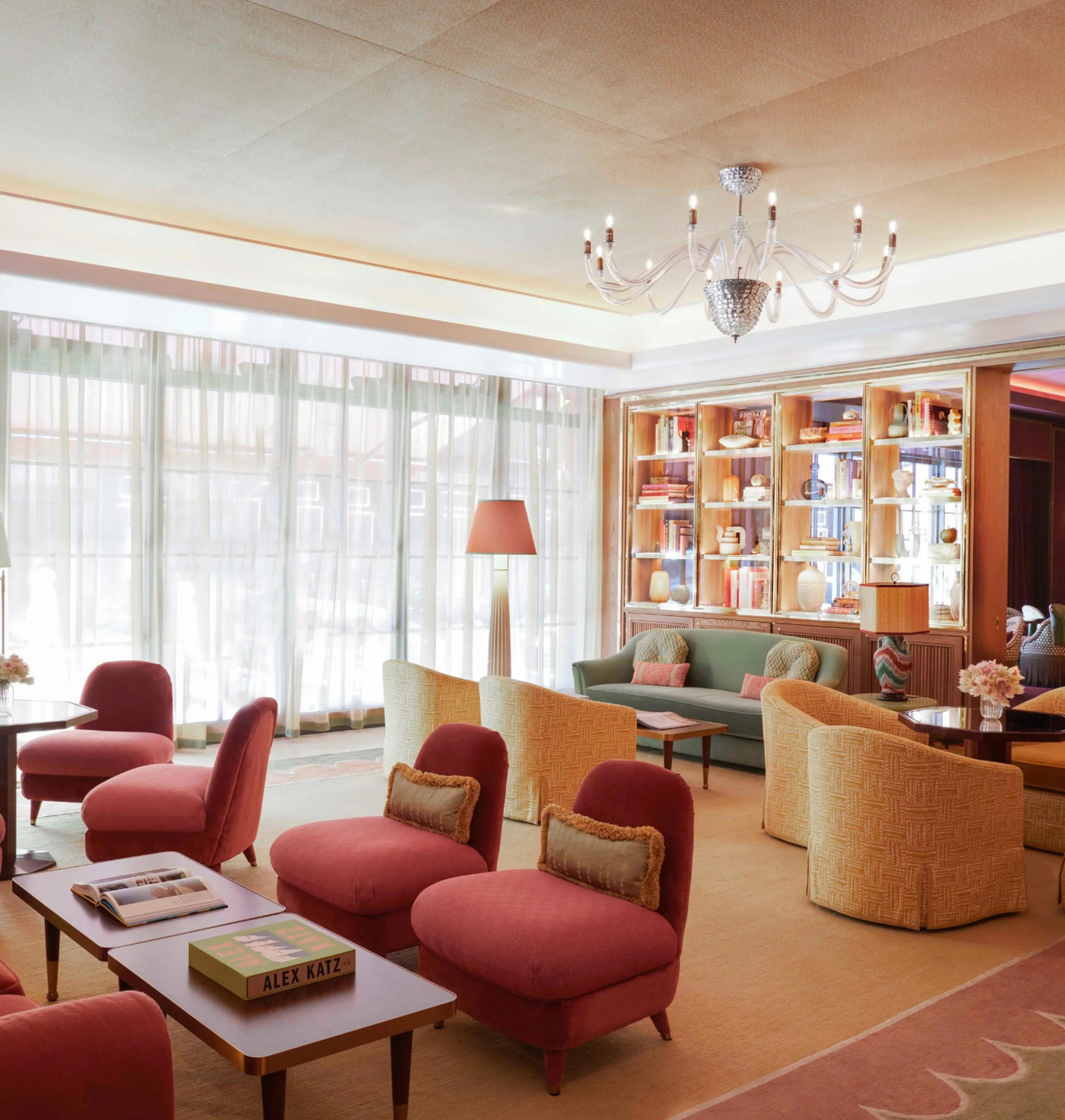
Cool, cozy ambiance with sunny and passionate service evoking the warmth of Sicily.