Salutteria occupies a Chamberí address on Calle de Francisco de Rojas, 13, in one of Madrid's most residential and least tourist-worn districts. The venue sits outside the high-wattage creative Spanish tier represented by DiverXO and Coque, pointing instead toward a more neighbourhood-scaled proposition. For visitors planning a Madrid dining itinerary, understanding where Salutteria fits in the city's broader spectrum is the starting point.
Pearl is the En Primeur Club membership app — saves, bookings, and concierge access live there. Same editors, same standards.
- Address
- C. de Francisco de Rojas, 13, Chamberí, 28010 Madrid, Spain
- Phone
- +34911170090
- Website
- salutteria.es
- Directions
- Get directions
 Saves & bookings on Pearl
Chamberí and the Case for Dining Off the Main Circuit
Madrid's fine-dining conversation tends to orbit a tight cluster of addresses: the tasting-menu flagships south of Castellana, the hotel dining rooms in Salamanca, the Michelin corridor that pulls visiting critics toward DiverXO (Progressive - Asian, Creative) and Coque (Spanish, Creative). Chamberí, by contrast, is a district that has built its dining identity on a different logic: neighbourhood density, repeat custom, and a preference for rooms that function as extensions of residential life rather than theatrical destinations. The barrio sits north of Malasaña and west of Alonso Martínez, and its streets support a restaurant ecology that skews toward the considered and the local rather than the maximalist.
Salutteria sits within that Chamberí register, on Calle de Francisco de Rojas, 13. The address alone signals something about format and intent. Francisco de Rojas is a short, quiet residential street, the kind that doesn't generate foot traffic from tourists working through a guidebook list. Getting to Salutteria requires a decision, not an accident of proximity to a major landmark. That quality of deliberate arrival is increasingly rare in central Madrid, and it shapes the experience before you enter the room.
Where Salutteria Sits in Madrid's Dining Spectrum
Spain's restaurant field has stratified considerably over the past decade. At one end, a group of multi-starred operations, including Deessa (Modern Spanish, Creative), DSTAgE (Modern Spanish, Creative), and Paco Roncero (Creative), competes for critical attention and international bookings with advance reservation windows that can stretch months. At the other end, casual tabernas and bodegas serve vermouth and croquetas to local regulars with no booking required at all. The middle of that spectrum, the tier occupied by neighbourhood-serious dining rooms with a genuine kitchen programme and no tasting-menu theatrics, is often where the most repeatable, context-appropriate meals happen.
Salutteria occupies territory within that middle register. Its Chamberí location and residential-street address point toward a local-anchored model rather than destination tourism. For visitors constructing a multi-day Madrid dining plan, Salutteria represents a counterweight to the city's high-production tasting rooms: a place where the logic is integration into neighbourhood life, not elevation above it.
For the full range of what Madrid's restaurant scene offers, from the neighbourhood tier to the Michelin-starred circuit, see our full Madrid restaurants guide.
Planning the Visit: Booking, Timing, and What to Know
Chamberí restaurants at this level of local esteem tend to fill on weekends without advance notice being possible, while midweek can offer more flexibility. Madrid's dining rhythm runs later than northern European or American defaults: lunch service typically begins at 2pm, with 3pm being the functional peak; dinner rarely starts before 9pm, with 10pm tables common among locals. Arriving at 8pm expecting a full room is a miscalibration that marks out the visitor. Building your visit around those rhythms matters more at a neighbourhood restaurant, where the room dynamic is set by returning local customers rather than a rotating international audience.
For restaurants in this Chamberí tier, booking two to four days in advance for weekday tables, and a week or more ahead for weekend evenings, is a reasonable baseline. The neighbourhood's growing reputation means that window has been tightening.
Spain's broader fine-dining infrastructure rewards advance planning at every level. The Michelin-starred tier, represented nationally by operations such as El Celler de Can Roca in Girona, Martin Berasategui in Lasarte-Oria, and Azurmendi in Larrabetzu, operates on booking windows of weeks or months. Neighbourhood venues like Salutteria sit below that threshold, but the principle of planning rather than walking in still applies, particularly if your travel dates are fixed.
Chamberí's Dining Character in Context
The district's food scene is worth understanding as a whole rather than as a set of individual addresses. Chamberí has a higher density of neighbourhood restaurants per capita than most Madrid barrios, with a local population that dines out frequently and returns to the same rooms across months and years. That dynamic rewards quality and consistency over spectacle. Kitchens that survive in Chamberí tend to do so because local regulars vote with their return visits, not because a review cycle sends a surge of first-timers.
That ecology is meaningfully different from the one sustaining the headline restaurants in Madrid's fine-dining tier. Places like Aponiente in El Puerto de Santa María, Mugaritz in Errenteria, or Arzak in San Sebastián draw a globally mobile dining audience; their business model is built on that. Chamberí restaurants like Salutteria work within a local-anchored model where the measure of success is occupancy across a full week, not a spike during a festival or awards cycle.
Comparable neighbourhood-anchored formats elsewhere in Spain, including Ricard Camarena in València and Cocina Hermanos Torres in Barcelona, demonstrate that the neighbourhood-serious model can coexist with significant critical recognition. Whether Salutteria sits on a similar trajectory is a question its current data does not yet answer definitively.
For international reference points at the neighbourhood-serious tier, Le Bernardin in New York City and Atomix in New York City illustrate how venues in residential-adjacent positions can command significant critical and commercial weight. The format logic differs, but the underlying principle, that consistent quality within a defined neighbourhood context sustains long-term relevance, translates across cities.
For visitors whose Spain itinerary extends beyond Madrid, Quique Dacosta in Dénia, Atrio in Cáceres, and Cocina Hermanos Torres in Barcelona represent regional anchors worth planning around.
Practical Reference
Address: Calle de Francisco de Rojas, 13, Chamberí, 28010 Madrid. Nearest metro stops for the Chamberí district include Iglesia and Alonso Cano on Line 1, and Bilbao on Lines 1 and 4. Madrid's dining rhythm runs lunch from approximately 2pm and dinner from 9pm; book two to seven days ahead depending on day of week and season.
How Salutteria Madrid compares with similar nearby venues.
| Venue | Cuisine | Price |
|---|---|---|
| Sisapo | Fusion | €€ |
Continue exploring
More in Madrid
Restaurants in Madrid
Browse all →
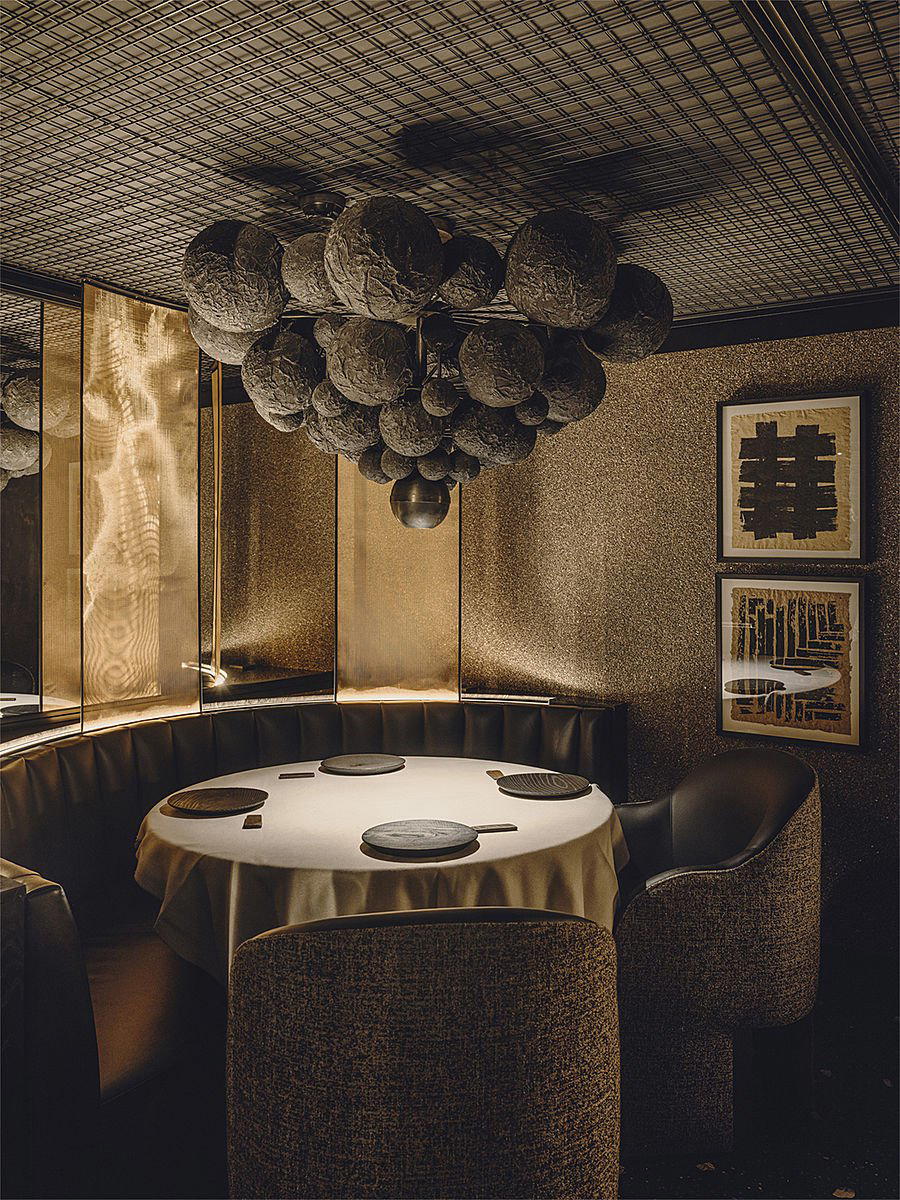
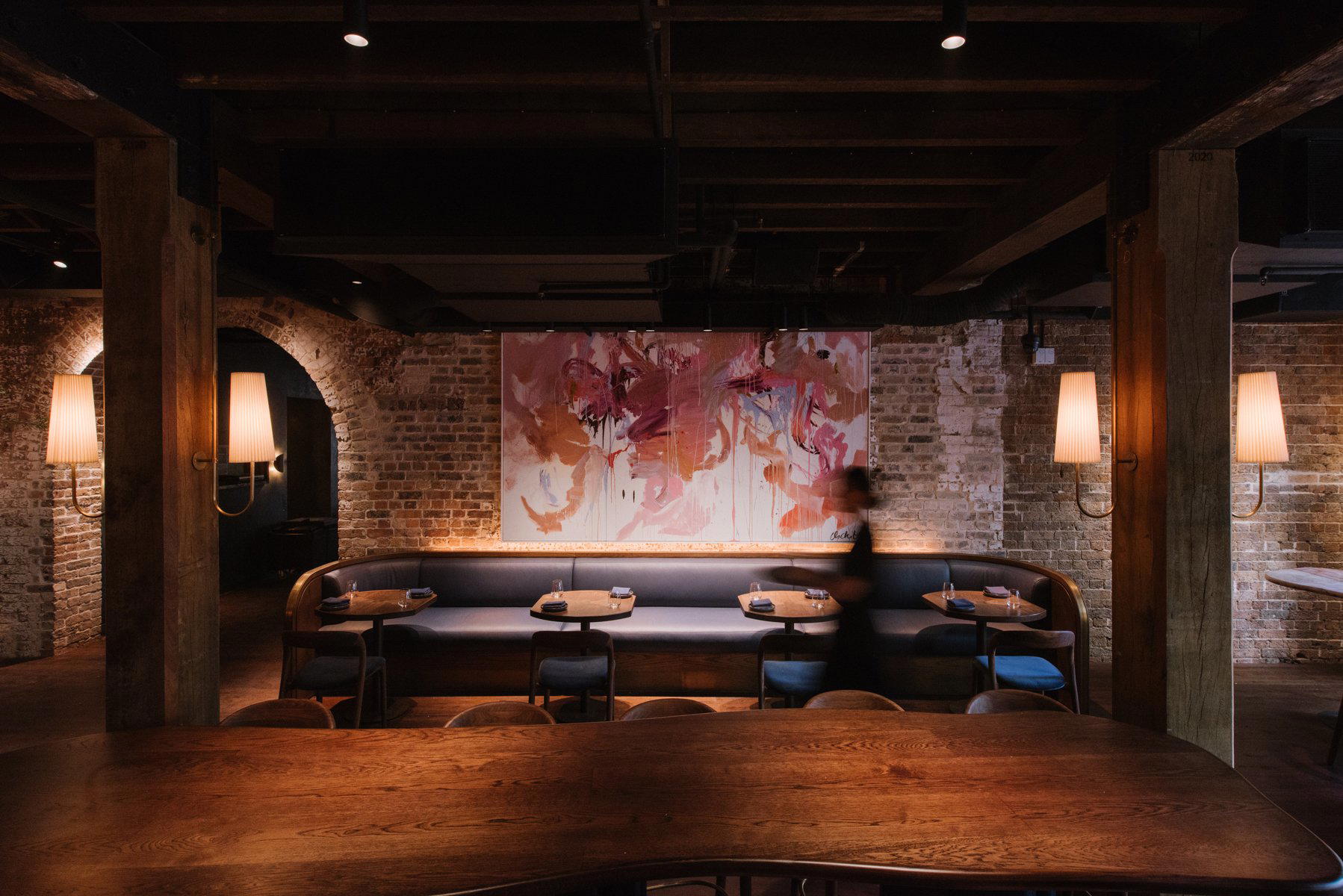
Bars in Madrid
Browse all →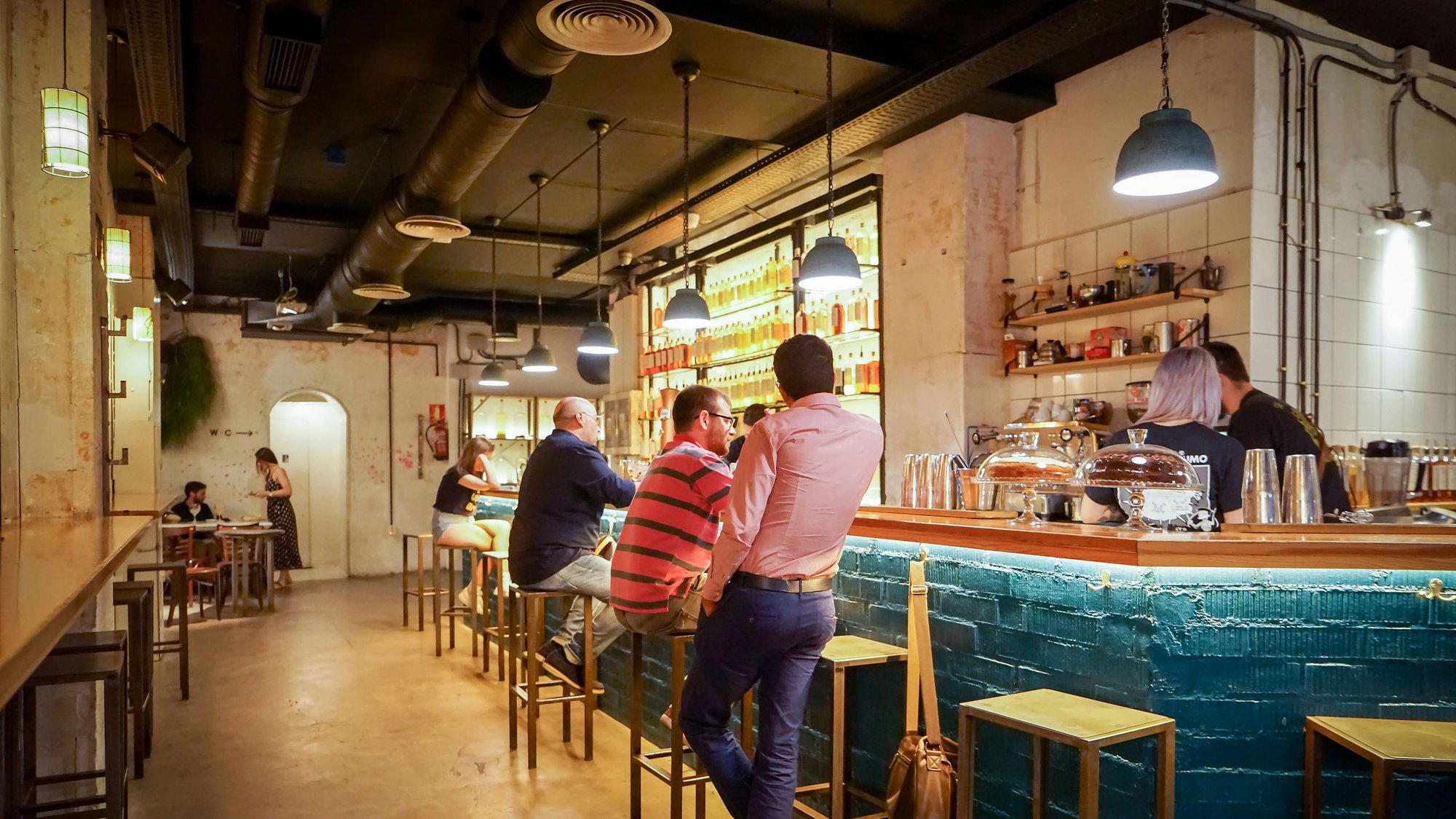
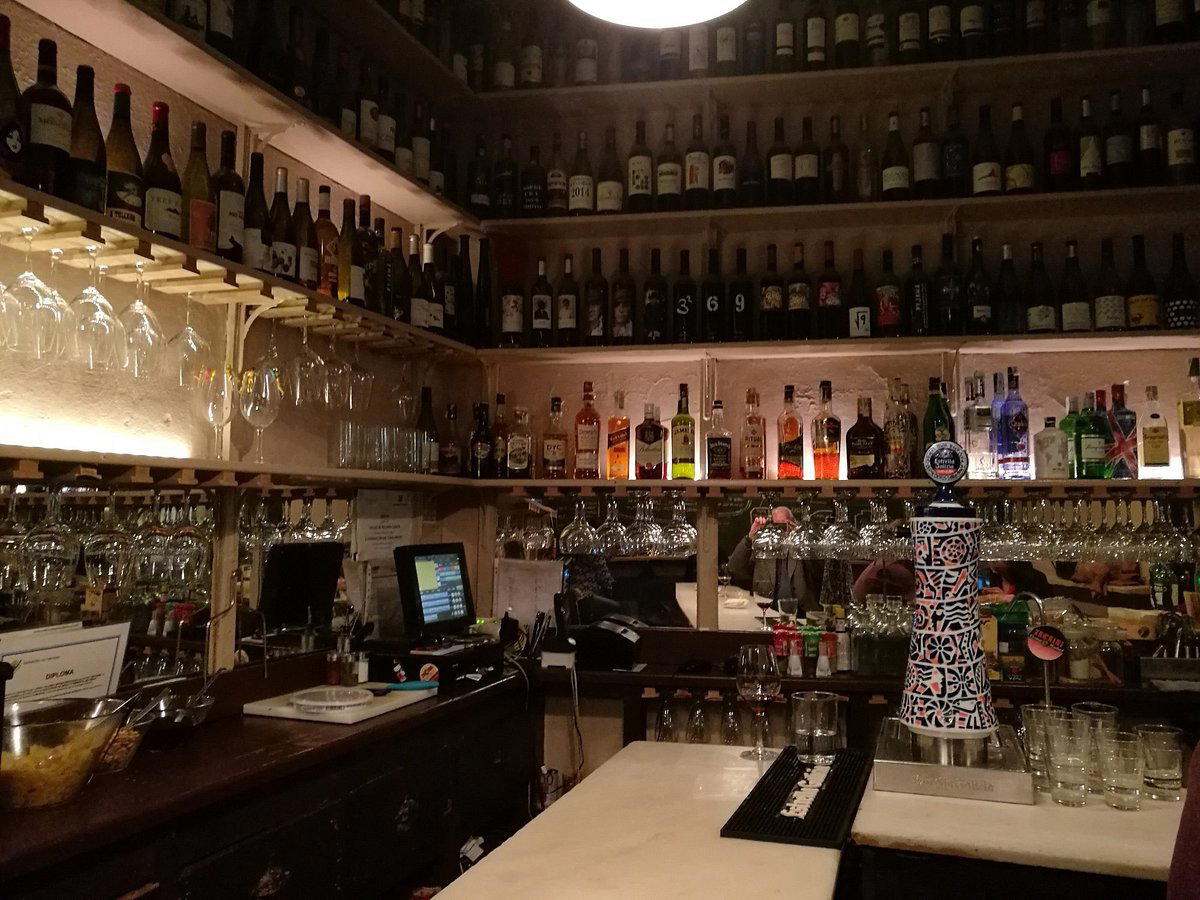
Hotels in Madrid
Browse all →

At a Glance
- Cozy
- Sophisticated
- Elegant
- Date Night
- Casual Hangout
- Brunch
- Rooftop
- Terrace
- Open Kitchen
- Extensive Wine List
- Local Sourcing
- Skyline
Current opening hours
- Monday
- 7 AM–12 AM
- Tuesday
- 7 AM–12 AM
- Wednesday
- 7 AM–12 AM
- Thursday
- 7 AM–12 AM
- Friday
- 7 AM–12:30 AM
- Saturday
- 8 AM–12:30 AM
- Sunday
- 8 AM–12 AM
Hours can change for holidays and private events. Last verified .
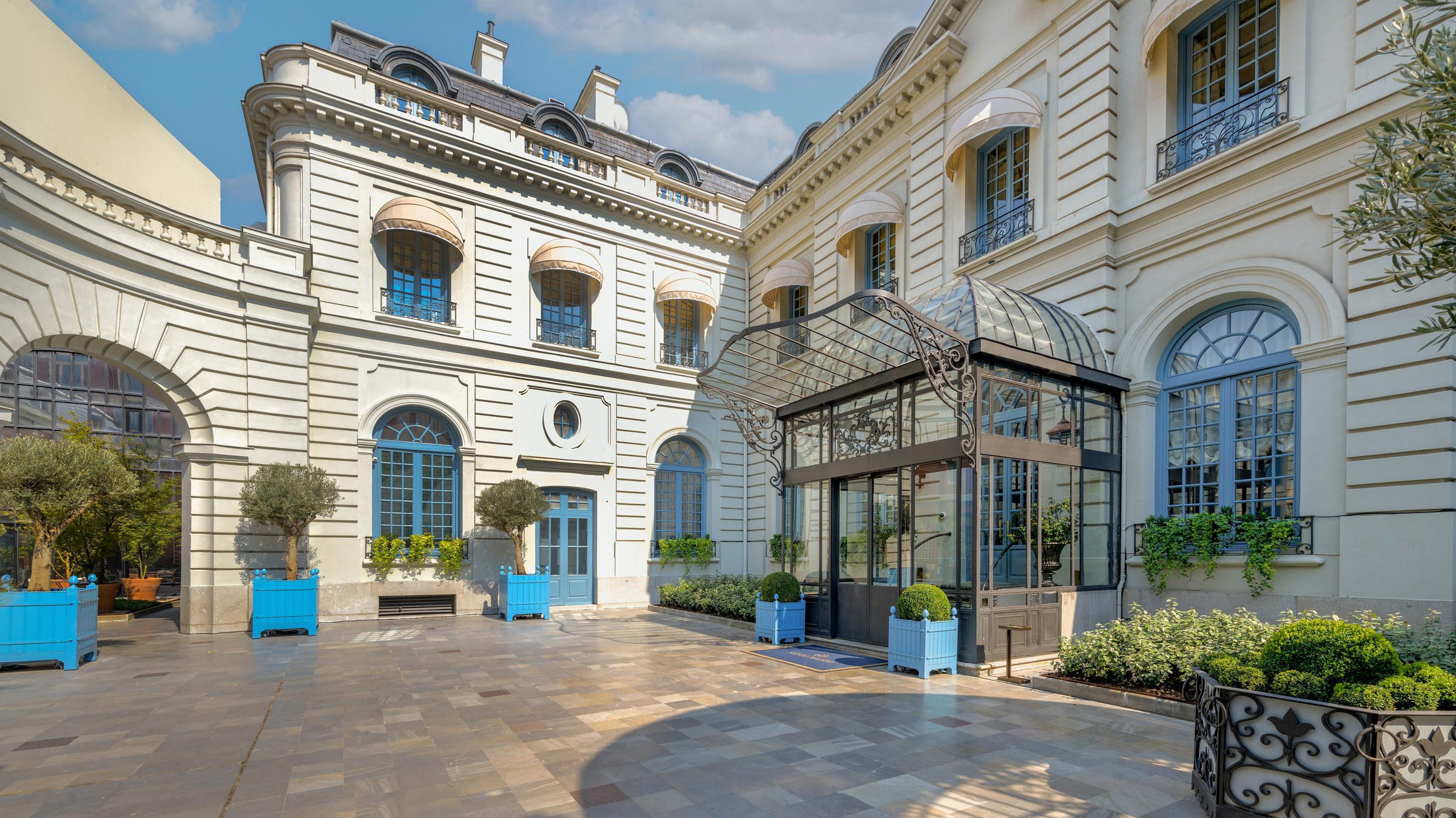
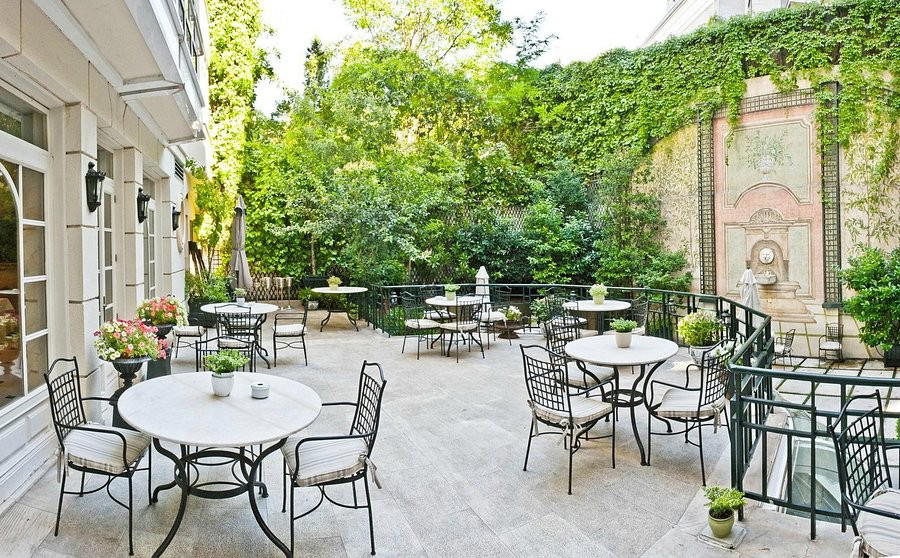
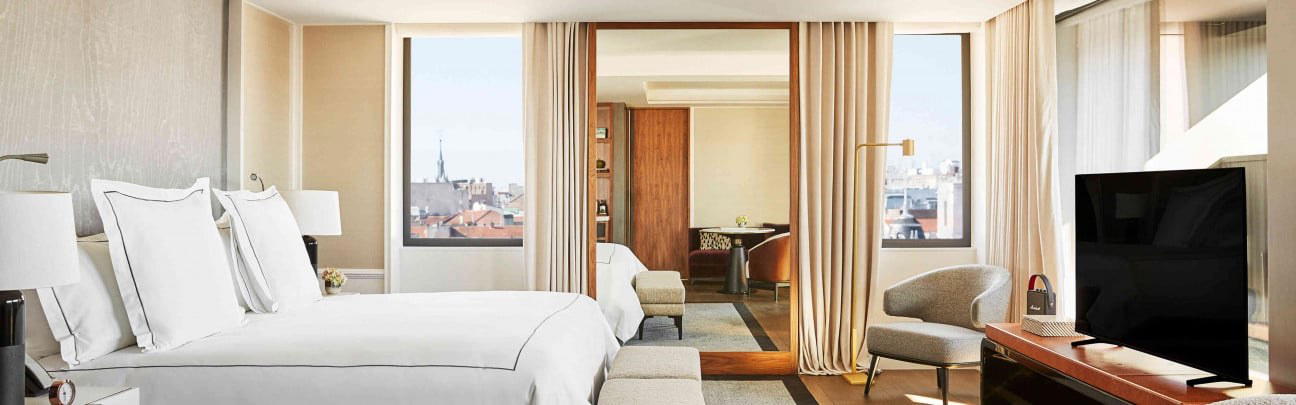
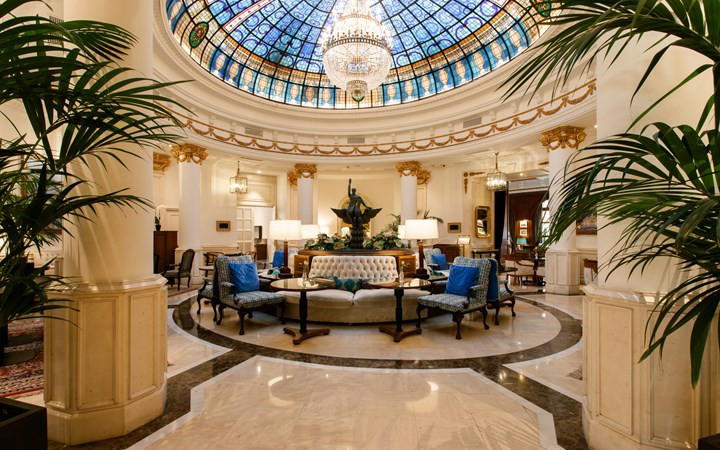
Sophisticated and cozy with marble, wrought iron, wood decor, modern touches, and welcoming rooftop atmosphere.
Know Before You Go
- Getting there
- C. de Francisco de Rojas, 13, Chamberí, 28010 Madrid, Spain