Our verdict
Bresca occupies a modest address on Calle de los Tres Peces in Madrid's Centro district, operating within a city whose creative dining scene has grown considerably more competitive over the past decade. The restaurant sits in the tier of serious modern Spanish cooking that rewards curiosity over ceremony, making it a reference point for how Madrid's mid-scale creative category has evolved beyond its earlier, more rigid formats.

Pearl is the En Primeur Club membership app — saves, bookings, and concierge access live there. Same editors, same standards.
- Address
- Calle de los Tres Peces, 20, Centro, 28012 Madrid, Spain
- Phone
- +34918191717
- Hours
- Mon–Thu 1 PM–12 AMFri–Sat 1 PM–1 AMSun 1 PM–12 AM
- Website
- bresca.es
- Directions
- Get directions
- Booking
- Book on the venue's website
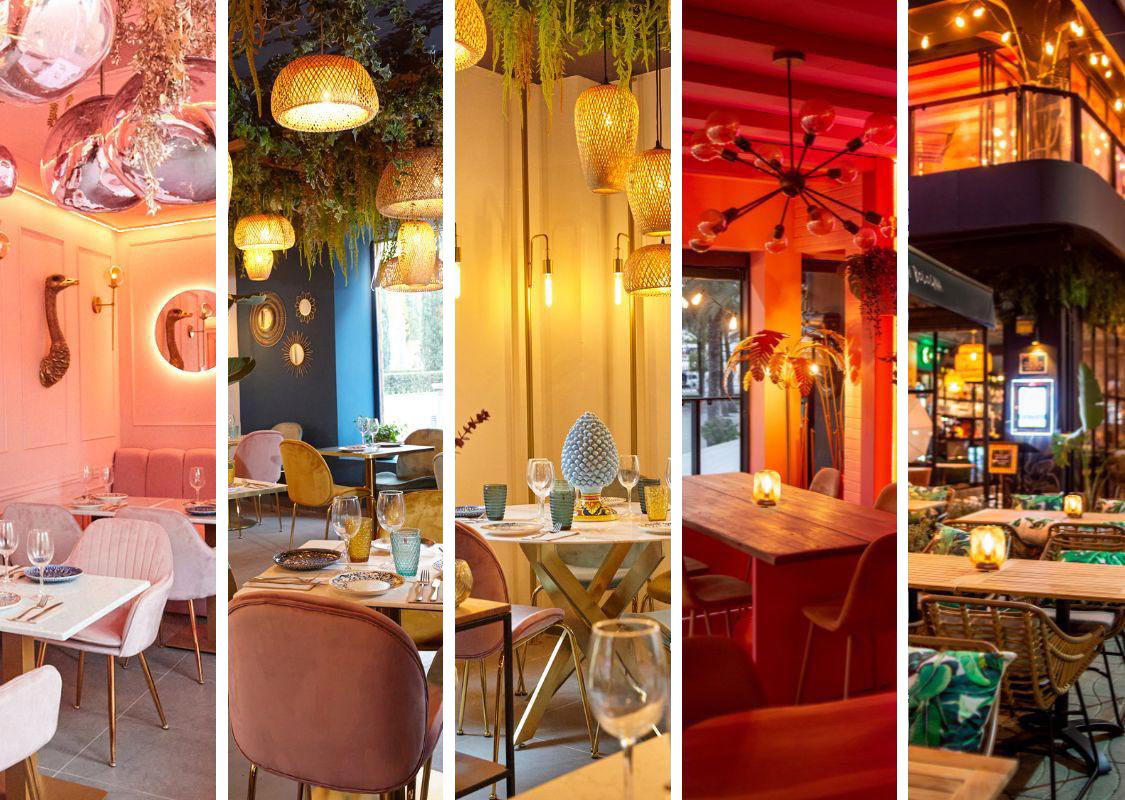
Madrid's Creative Middle Ground
Calle de los Tres Peces runs through one of Centro's quieter residential pockets, a street where the pace slows and the signage gets smaller. It is the kind of address that signals intention: a restaurant here is not trading on foot traffic or tourist visibility. It is asking you to come deliberately. That quality of address tells you something about where Bresca sits in Madrid's dining hierarchy — not chasing the spectacle tier occupied by DiverXO or the grand-room formality of Coque, but working in the more considered middle ground where the cooking carries the weight without the theatrical scaffolding.
Madrid's creative dining scene has undergone a genuine structural shift over the past fifteen years. The city once operated on a fairly binary model: grand hotel dining rooms with classical French influence on one end, and neighbourhood tabernas anchored in Castilian tradition on the other. The emergence of a serious creative tier — restaurants that treated Spanish ingredients with the same technical rigour applied at DSTAgE or Paco Roncero, reordered those categories. Bresca entered and evolved within that reorganised landscape.
How the Format Has Shifted
The evolution of creative restaurants in Madrid mirrors a pattern visible in several European cities: early-phase venues in this category often presented their ambition through elaborate tasting menus with many courses, high formality, and a kind of didactic relationship with the diner. The current direction, across the sector, tends toward fewer, more precise courses, interiors that strip back rather than add, and service that communicates knowledge without performance. Bresca's position on Calle de los Tres Peces, in a neighbourhood more associated with local life than destination dining, reflects that shift. The setting itself is a statement about where creative cooking in Madrid has moved: away from the grand address and toward the specific, focused room.
This matters for comparison purposes. When you place Bresca alongside Deessa, which operates from within the Mandarin Oriental Ritz and carries the full weight of a luxury hotel context, the contrast is instructive. Both operate in the serious creative tier, but the signals they send are different. Deessa announces itself through its setting; Bresca's setting is a deliberate act of understatement. Neither approach is superior in the abstract, but for a reader deciding between them, the distinction is meaningful.
The Creative Cooking Tradition in Context
Spain's creative cooking conversation is not concentrated in Madrid. The country's most decorated restaurants are distributed across Catalonia, the Basque Country, Valencia, and Andalusia. El Celler de Can Roca in Girona, Arzak in San Sebastián, Azurmendi in Larrabetzu, Martin Berasategui in Lasarte-Oria, Quique Dacosta in Dénia, and Aponiente in El Puerto de Santa María anchor a national creative tradition that Madrid has historically been slower to match at the top tier. What Madrid has developed, however, is a strong second and third tier of creative restaurants that operate without the three-star weight or the international pilgrimage traffic. Bresca belongs to that cohort: serious, specific, and city-facing rather than destination-facing.
That distinction matters because it shapes the experience. Restaurants oriented toward international pilgrimage traffic, like Mugaritz in Errenteria or Cocina Hermanos Torres in Barcelona, calibrate their communication and pacing for diners who have traveled specifically for the meal. A restaurant like Bresca, embedded in a residential Madrid street, tends to have a different energy: more local regulars, less ceremony around the explanation of technique, a room that reads as lived-in rather than curated for first impressions.
Reinvention as an Operational Mode
In the creative tier, reinvention is not a crisis response, it is an operational requirement. Restaurants that hold a fixed format across years risk becoming period pieces, interesting as historical markers but no longer in conversation with where the cooking is going. The most durable creative restaurants in Spain and internationally, from Atrio in Cáceres to Ricard Camarena in València, have each gone through identifiable phases of recalibration, adjusting format, menu length, or service register without abandoning their underlying approach. That pattern of deliberate evolution, rather than stability for its own sake, is what allows a restaurant to remain a genuine reference point rather than a relic.
Bresca's address and positioning suggest a restaurant that has made choices about where it wants to sit rather than simply occupying the space left by default. In the context of a city where the creative dining category has become more crowded and more sophisticated, that kind of intentional positioning carries weight. For comparison, international creative restaurants operating at a similar register, Lazy Bear in San Francisco or Le Bernardin in New York City, demonstrate how a clear sense of identity, maintained through periodic reinvention rather than rigid preservation, allows a restaurant to hold relevance across changing critical and public tastes.
Planning Your Visit
Centro is well-connected by metro, and the Lavapiés and Antón Martín zones surrounding Calle de los Tres Peces have developed into one of the more interesting dining and cultural quarters in the city. The neighbourhood rewards arriving early and walking, with a density of wine bars, small producers, and independent operators that give the area a texture distinct from the tourist-heavy corridors near Sol and Gran Vía. For a fuller picture of what Madrid's serious dining tier looks like right now, see our full Madrid restaurants guide.
Know Before You Go
- Address: Calle de los Tres Peces, 20, Centro, 28012 Madrid, Spain
- Neighbourhood: Centro (Lavapiés/Antón Martín quarter)
- Phone: Not listed, check current booking channels directly
- Price: Not confirmed, verify current menu pricing at point of booking
- Hours: Not listed, confirm before traveling
- Dress code: Not specified; the neighbourhood setting and creative format suggest smart-casual is appropriate
Frequently asked questions
Is Bresca good for families?
Bresca sits in Madrid's creative dining tier, a format oriented toward adult diners seeking a focused, paced meal. The setting on Calle de los Tres Peces in Centro is intimate rather than family-oriented, and the style of cooking in this category tends to reward diners who engage with the progression of dishes. Families with younger children would be better served by a different format elsewhere in the city.
Is Bresca formal or casual?
Madrid's creative restaurant tier has shifted away from strict formality over the past decade, and Bresca in Centro reflects that direction. The address on Calle de los Tres Peces, a quieter residential street, signals an atmosphere closer to focused neighbourhood dining than to the white-tablecloth codes of the city's more prominent fine-dining rooms. Neat, unfussy dress is appropriate.
Where exactly is Bresca located in Madrid, and what is the surrounding neighbourhood like?
Bresca is at Calle de los Tres Peces 20 in Centro, postcode 28012, within walking distance of the Lavapiés and Antón Martín zones. Both neighbourhoods have developed into some of Madrid's more active pockets for independent dining and cultural venues over the past decade, making the area a reasonable base for an evening that extends beyond the meal itself. The nearest metro stops serve the area well.
What dish is Bresca famous for?
The focus is on the format and progression rather than any single preparation that carries the room.
A Pricing-First Comparison
Comparable venues nearby, for context on price, style, and recognition.
| Venue | Cuisine | Price | Awards | Notes |
|---|---|---|---|---|
| BrescaThis venue — the venue you are viewing | Bolognese Italian | $20–30 | Not listed | Not listed |
| Bosco de Lobos Madrid | Italian Mediterranean with Pizza and Pasta | $30–50 | Not listed | Chueca, Italian Mediterranean with Pizza and Pasta |
| Pizzart Fuencarral | Neapolitan Wood-Fired Pizza | $10–20 | Not listed | Chueca, Neapolitan Wood-Fired Pizza |
| La Bottega di Davanti | Italian Trattoria & Market | $20–30 | Not listed | Castellana, Italian Trattoria & Market |
| Mercato Ballaró | Sicilian Italian | $30–50 | Macarfi 7 Food Rating | Almagro, Sicilian Italian |
Continue exploring
More in Madrid
Restaurants in Madrid
Browse all →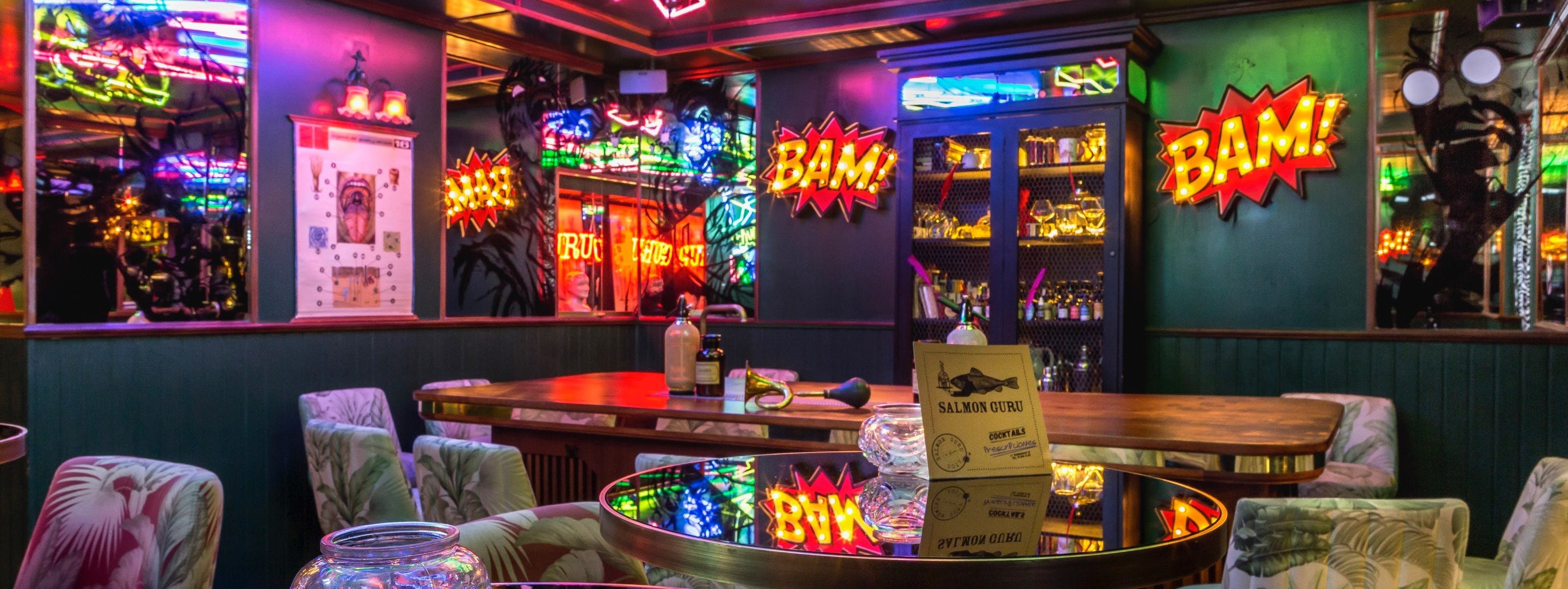
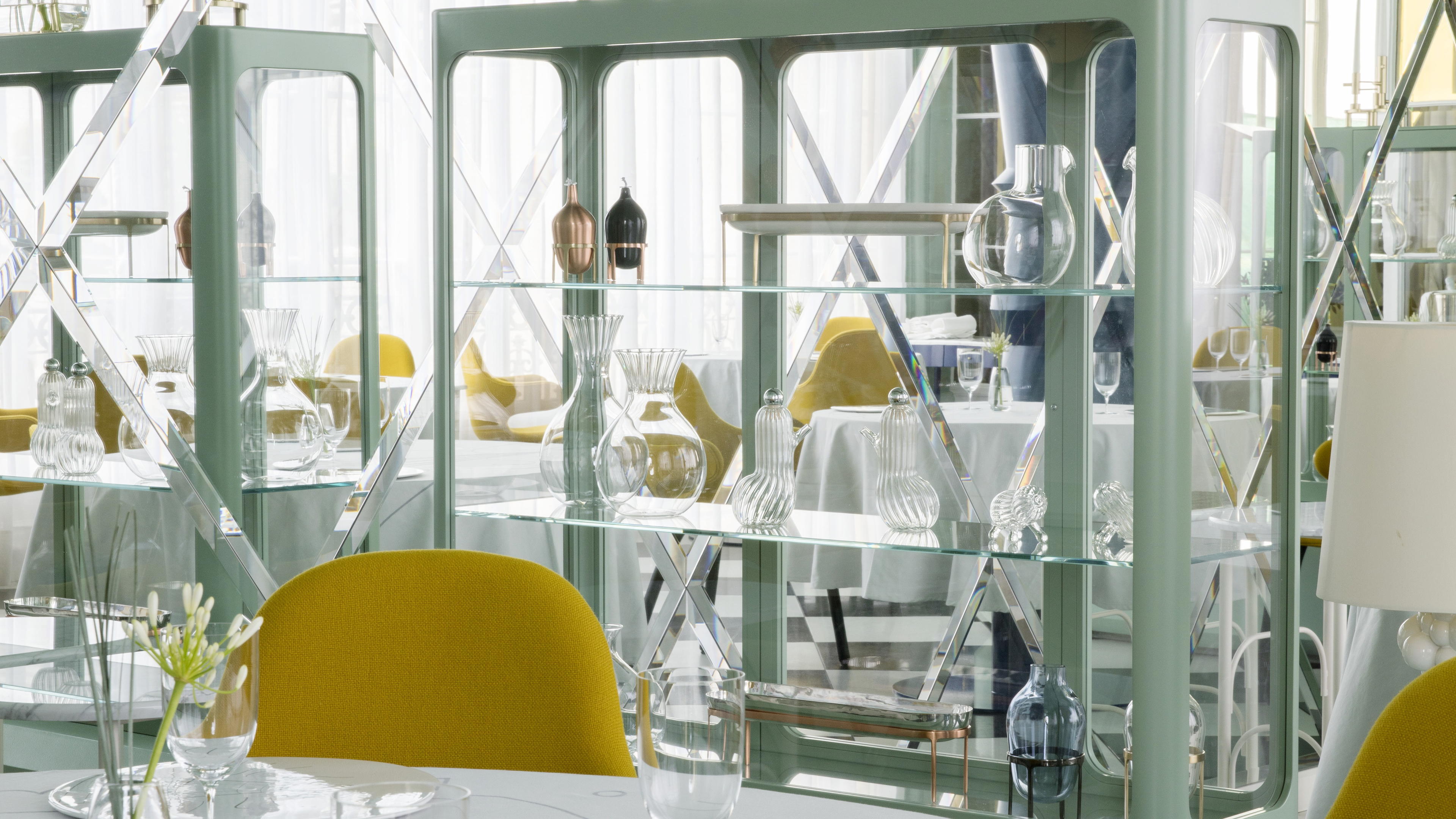
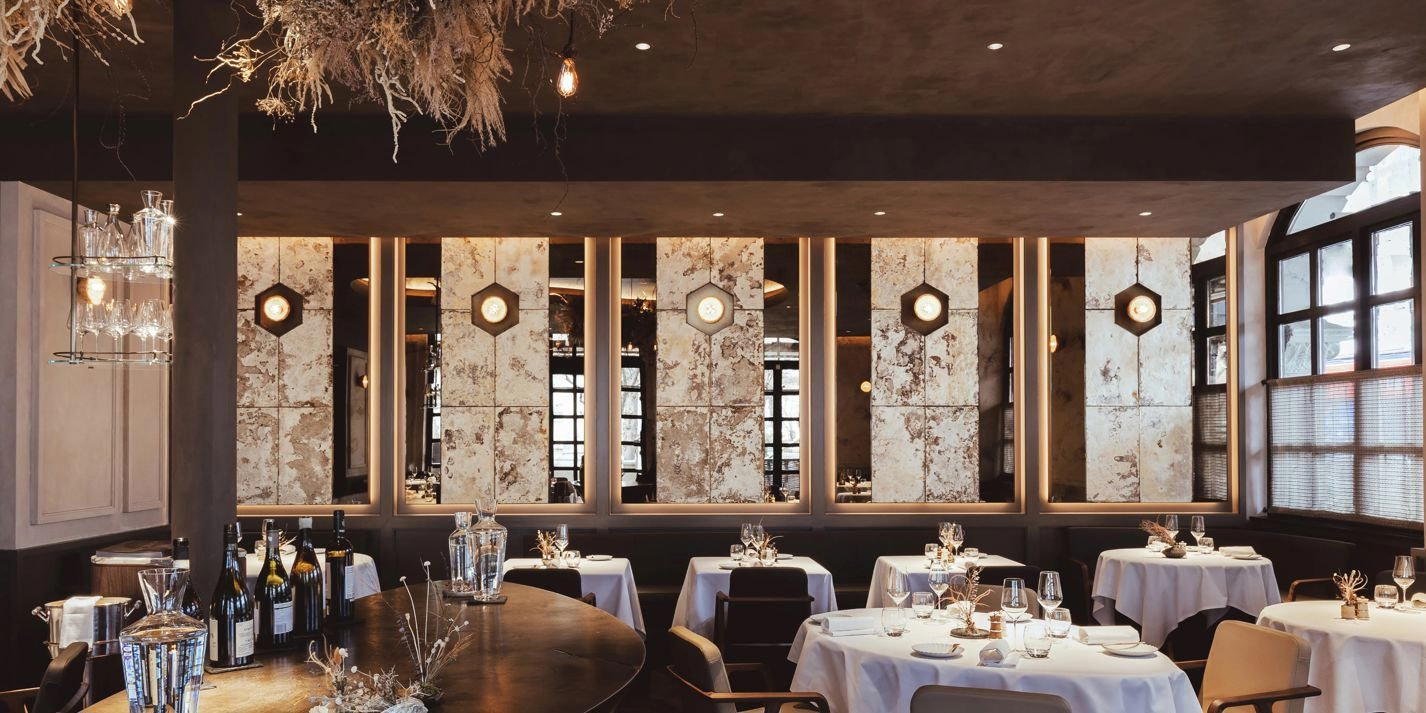
Bars in Madrid
Browse all →
Hotels in Madrid
Browse all →

Details
- Cozy
- Trendy
- Lively
- Casual Hangout
- Date Night
- Open Kitchen
- Craft Cocktails
- A La Carte
- Small Plates
- Vegetarian Friendly
- Vegan Options
- Gluten Free Options
Current opening hours
- Monday
- 1 PM–12 AM
- Tuesday
- 1 PM–12 AM
- Wednesday
- 1 PM–12 AM
- Thursday
- 1 PM–12 AM
- Friday
- 1 PM–1 AM
- Saturday
- 1 PM–1 AM
- Sunday
- 1 PM–12 AM
Hours can change for holidays and private events. Last verified .
Cozy and charming spaces with a lively Bolognese tavern atmosphere, cool vibe, great music, and friendly service.