Our verdict
Salon du Nord sits at Skansegata 1 in Stavanger's western quarter, where the city's oil-era confidence meets an older maritime grain. The address places it within a dining scene that has grown considerably more ambitious over the past decade, and the venue draws from that surrounding context. Visitors to Stavanger's restaurant corridor will find it a useful point of orientation for the neighbourhood's character.

Pearl is the En Primeur Club membership app, where members save venues, book tables and use the concierge.
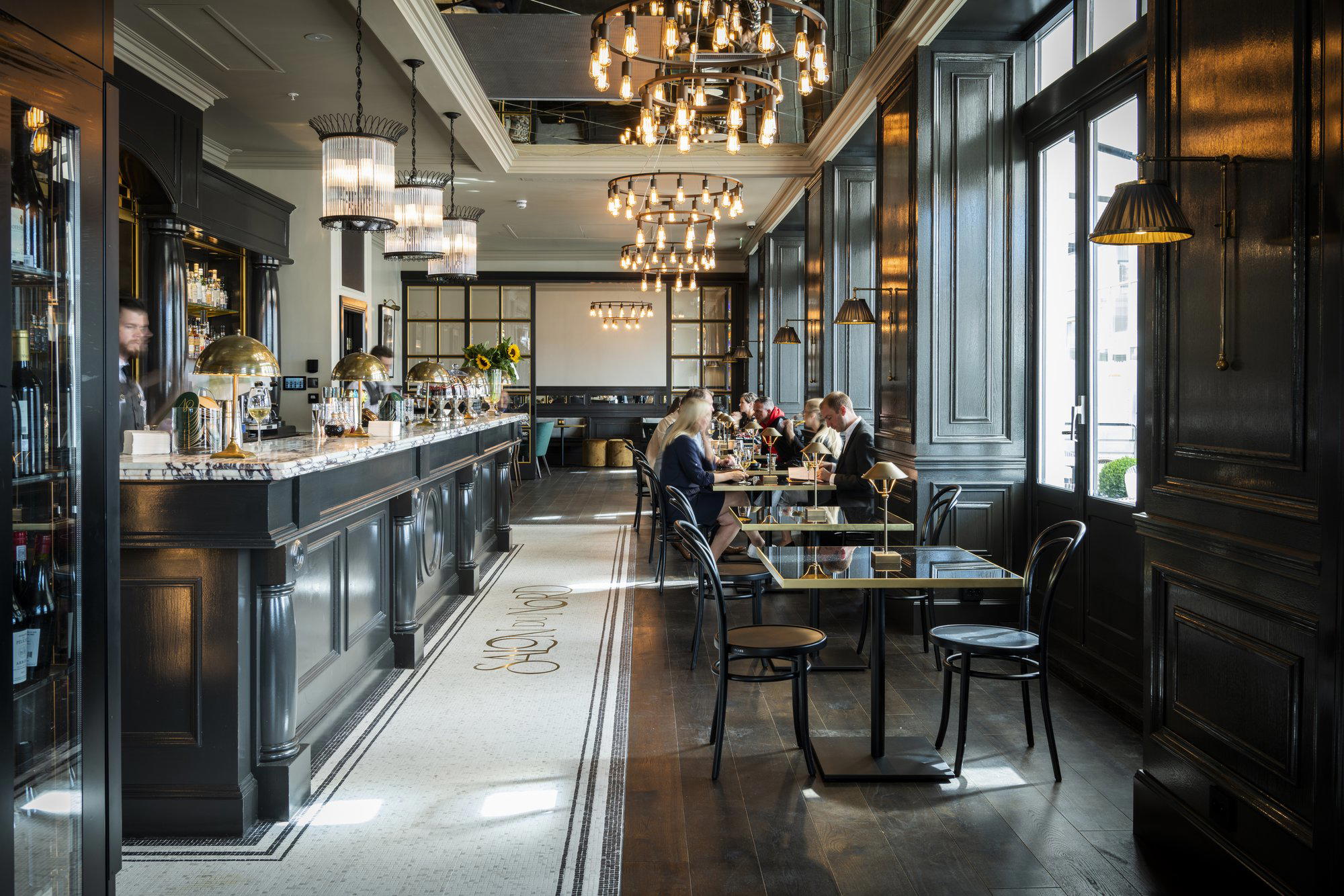
Stavanger's Western Quarter and the Dining Scene Around Skansegata
Stavanger has spent the better part of two decades building a restaurant identity that reaches well beyond its population size. The North Sea oil economy brought international money and international expectations, and the city's hospitality sector responded with a range of formats that now stretch from neighbourhood bistros to rooms carrying serious Nordic fine dining credentials. Skansegata 1, where Salon du Nord is addressed, sits in the western residential fringe of the city centre, a part of town where older timber-framed architecture persists alongside more recent commercial conversion. That physical setting matters: this is not the tourist-facing waterfront, and venues that establish themselves here tend to orient toward a local clientele rather than passing visitors.
That distinction shapes expectations before you arrive. Stavanger's dining scene has historically split between the harbour-facing strip, which carries the volume trade, and a smaller cluster of addresses that operate with less visibility but often more consistency. Understanding which tier a venue belongs to is more useful than any single review, and in a city this size, neighbourhood placement is a reliable signal of intended audience.
The Cultural Frame: New Nordic and What Came Before It
Any serious dining room in Stavanger operates in the long shadow of the New Nordic movement, which remade how Norwegian kitchens thought about indigenous ingredients, fermentation, and season. That movement's influence is now so pervasive in Norwegian fine dining that it functions less as a style and more as a baseline assumption. The more interesting question for any Stavanger address is where it sits relative to that baseline: does it work within the New Nordic framework, push against it, or occupy a more traditional Norwegian register?
Stavanger has produced some of Norway's most discussed tables in this context. RE-NAA, which holds Michelin recognition at the highest domestic level, represents the city's most committed expression of the New Nordic creative tradition. Hermetikken and K2 occupy the modern cuisine tier at the €€€ bracket, offering technically grounded menus without the full ceremony of a tasting-only format. Sabi Omakase operates at the €€€€ level in an entirely different register, demonstrating that the city's appetite for precision dining is not limited to Norwegian traditions. A. Idsøe Grill & Berkel anchors a more informal end of the ambition spectrum.
Norway's Broader Dining Geography and Where Stavanger Fits
Understanding Stavanger's dining character is easier when set against the wider Norwegian picture. Maaemo in Oslo remains the country's reference point for the highest-end Nordic tasting format, and FAGN in Trondheim has established a strong regional identity in the centre-north. On the west coast, Gaptrast in Bergen works a different coastal register. Further afield, Under in Lindesnes has made an international case for Norwegian ingredient-led cuisine through its submarine format, while addresses like Hardanger House in Jondal, Anita's Sjomat in Lofoten, Fiskekrogen in Henningsvær, Aurora Restobar in Kirkenes, Børsen Spiseri in Svolvær, and Underhuset Restaurant in Reine demonstrate how far Norwegian kitchen ambition now extends beyond the major cities.
Stavanger, in this geography, occupies a specific role: a mid-size city with a high-income local base, strong international connectivity through the oil industry, and an established expectation for professional service and ingredient quality. Venues here do not need to chase Oslo trends to find an audience, which gives the better addresses a certain self-possession that does not always appear in cities trying harder to assert a dining identity.
What Salon du Nord Offers the Stavanger Visitor
The venue's address at Skansegata 1 is specific enough to be useful for planning purposes. The street sits in the older urban fabric west of the city's commercial centre, walkable from the main harbour area but removed from its noise. For travellers building a Stavanger itinerary around dining, the address suggests an evening rather than a lunch setting, and a local neighbourhood mood rather than a formal occasion format.
Stavanger diners have access to Michelin-recognised rooms and a range of modern cuisine formats, which means venues at every level in the city are held to a higher baseline than the same address might face in a less developed dining market. For international visitors making comparisons to other precision-driven dining cultures, the contrast is instructive: just as Le Bernardin in New York or Atomix in New York define their tiers through sustained technical and service standards rather than novelty, Norwegian restaurants at their leading operate from a similar logic of consistency.
Planning a Visit
Stavanger is served by Stavanger Airport Sola, with direct connections to major European cities and domestic routes across Norway. The city centre is compact enough to reach Skansegata 1 on foot from most central accommodation. Visitors planning a broader Stavanger dining programme should cross-reference with our full Stavanger restaurants guide, which maps the city's dining options across price tier and cuisine type.
Frequently asked questions
Where is Salon du Nord located?
Salon du Nord is located at Skansegata 1, 4006 Stavanger, Norway, Stavanger.
Where exactly is Salon du Nord located in Stavanger, and how does the neighbourhood shape the experience?
Salon du Nord is at Skansegata 1, 4006 Stavanger, in the older western quarter of the city centre rather than on the tourist-facing waterfront. That positioning matters: the street sits within a residential and historic urban grain that gives it a different cadence from the harbour-adjacent cluster. Stavanger's compact city centre means the address is walkable from most central accommodation, and Stavanger Airport Sola provides direct European connections for those arriving from abroad.
What do people recommend at Salon du Nord?
What is known is that the venue sits at Skansegata 1 in Stavanger, a city whose dining culture has been shaped by New Nordic principles and a strong local produce identity rooted in the North Sea region. Asking staff on arrival about the day's focus is the reliable approach in kitchens of this type.
Do I need a reservation for Salon du Nord?
No booking contact details are currently listed for Salon du Nord at Skansegata 1. For a city the size of Stavanger, dining rooms in the older western quarter tend to run at capacity on Thursday through Saturday evenings, so planning ahead is advisable regardless of format. Checking directly via the venue's own channels before visiting is the practical first step.
What's the standout thing about Salon du Nord?
The address itself is worth noting: Skansegata 1 places Salon du Nord in Stavanger's older urban fabric west of the city centre, away from the more trafficked harbour-facing strip. Stavanger has built a dining reputation that punches above its population size, and venues in this part of the city tend to draw a local rather than tourist-first crowd. That neighbourhood character is the defining contextual fact.
Do they accommodate allergies at Salon du Nord?
Norwegian hospitality standards generally require kitchens to address the 14 major EU allergens on request, so raising requirements at the point of booking or on arrival is the standard and effective approach. No phone or website is currently listed, which makes an in-person query the most direct route.
Is a meal at Salon du Nord worth the investment?
Stavanger as a dining city has a documented track record of serious kitchens relative to its size, and Skansegata 1 is an address in an area that attracts deliberate rather than accidental dining. Whether the specific offer at Salon du Nord justifies the spend is something current visitors are better placed to confirm than any static editorial record.
Cost and Credentials
Comparable venues nearby, for context on price, style, and recognition.
| Venue | Cuisine | Price | Awards | Notes |
|---|---|---|---|---|
| Salon du NordThis venue (the venue you are viewing) | Pub with seasonal Norwegian fare | Not listed | Not listed | Not listed |
| Monella food truck | Sicilian Pizza Food Truck | $10–20 | Not listed | Fiskepiren, Sicilian Pizza Food Truck |
| Fisketorget Stavanger | Fresh Norwegian Seafood | $30–50 | Not listed | Vågen, Fresh Norwegian Seafood |
| Renaa: Restauranten | Not listed | Not listed | Not listed | downtown, Modern New Nordic Seafood Tasting |
| Spiseriet Stavanger | Modern Norwegian Seafood Bistro | Not listed | Star Wine List | Vågen, Modern Norwegian Seafood Bistro |
| Bravo | Modern Norwegian Small Plates | $100–150 | Michelin Plate | Pedersgata, Modern Norwegian Small Plates |
Continue exploring
More in Stavanger
Restaurants in Stavanger
All restaurants in Stavanger →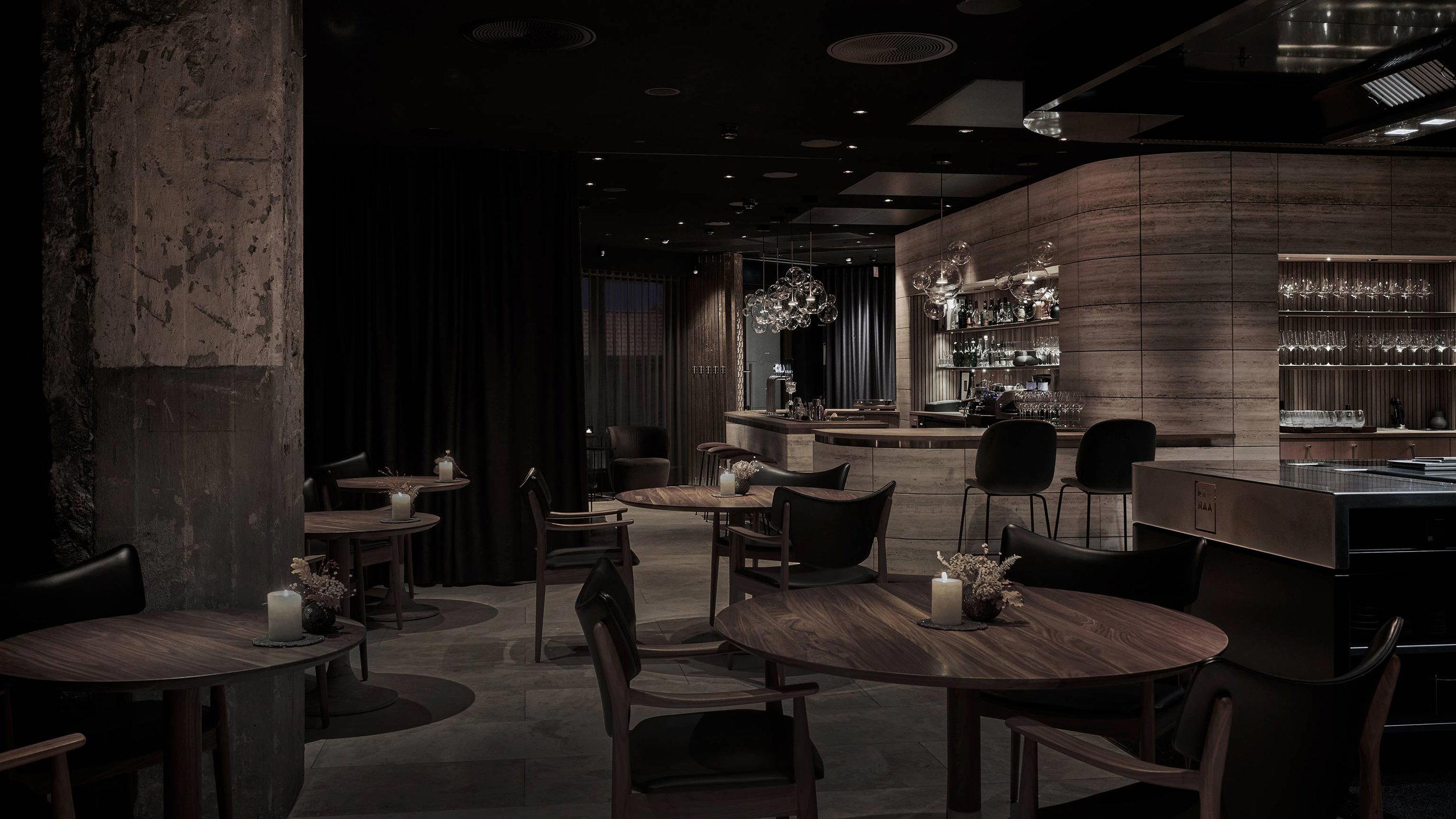
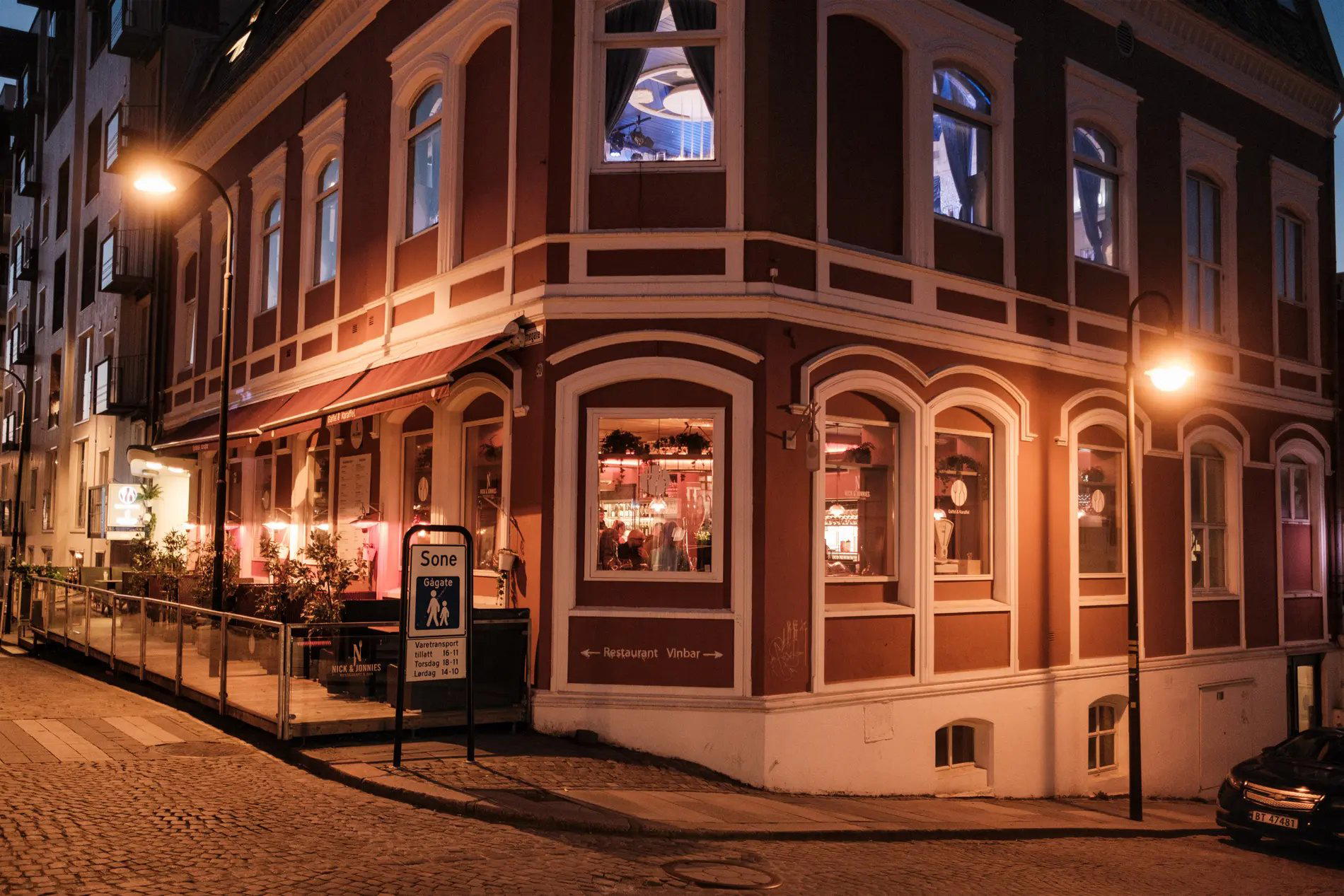
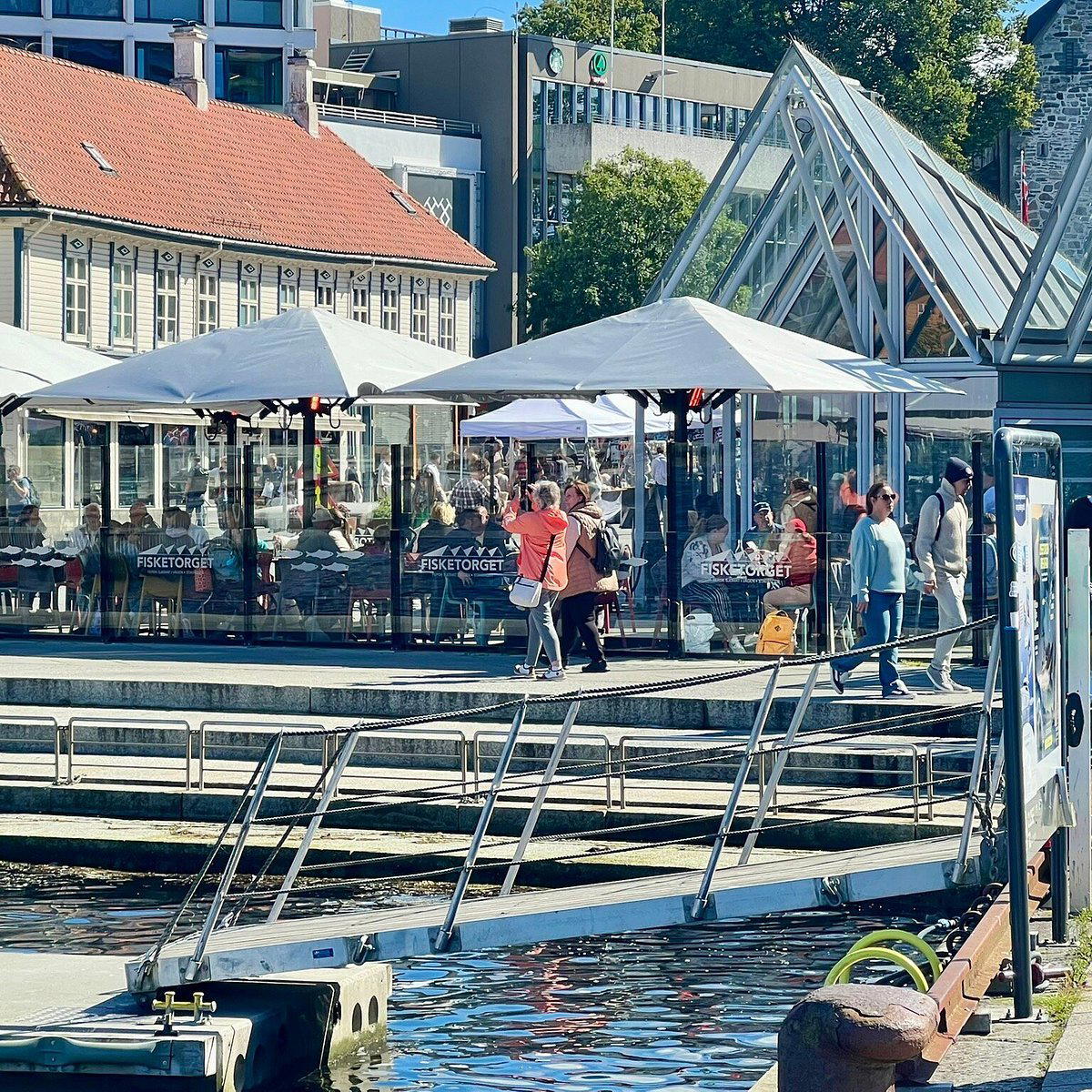
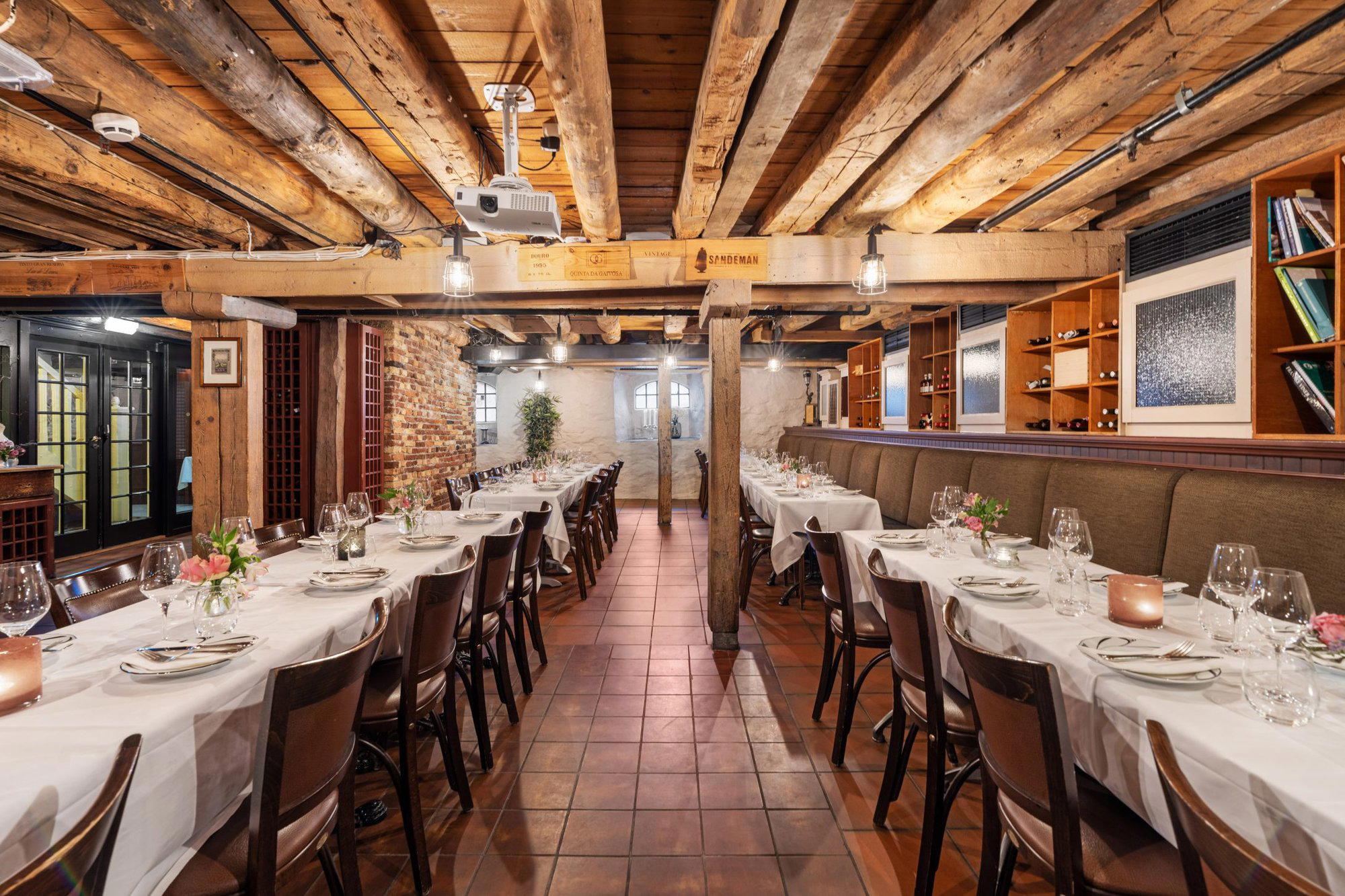
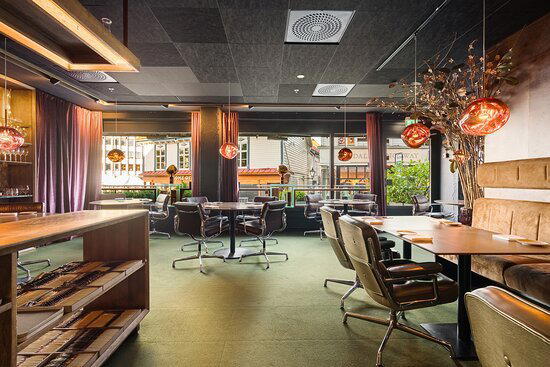
Bars in Stavanger
All bars in Stavanger →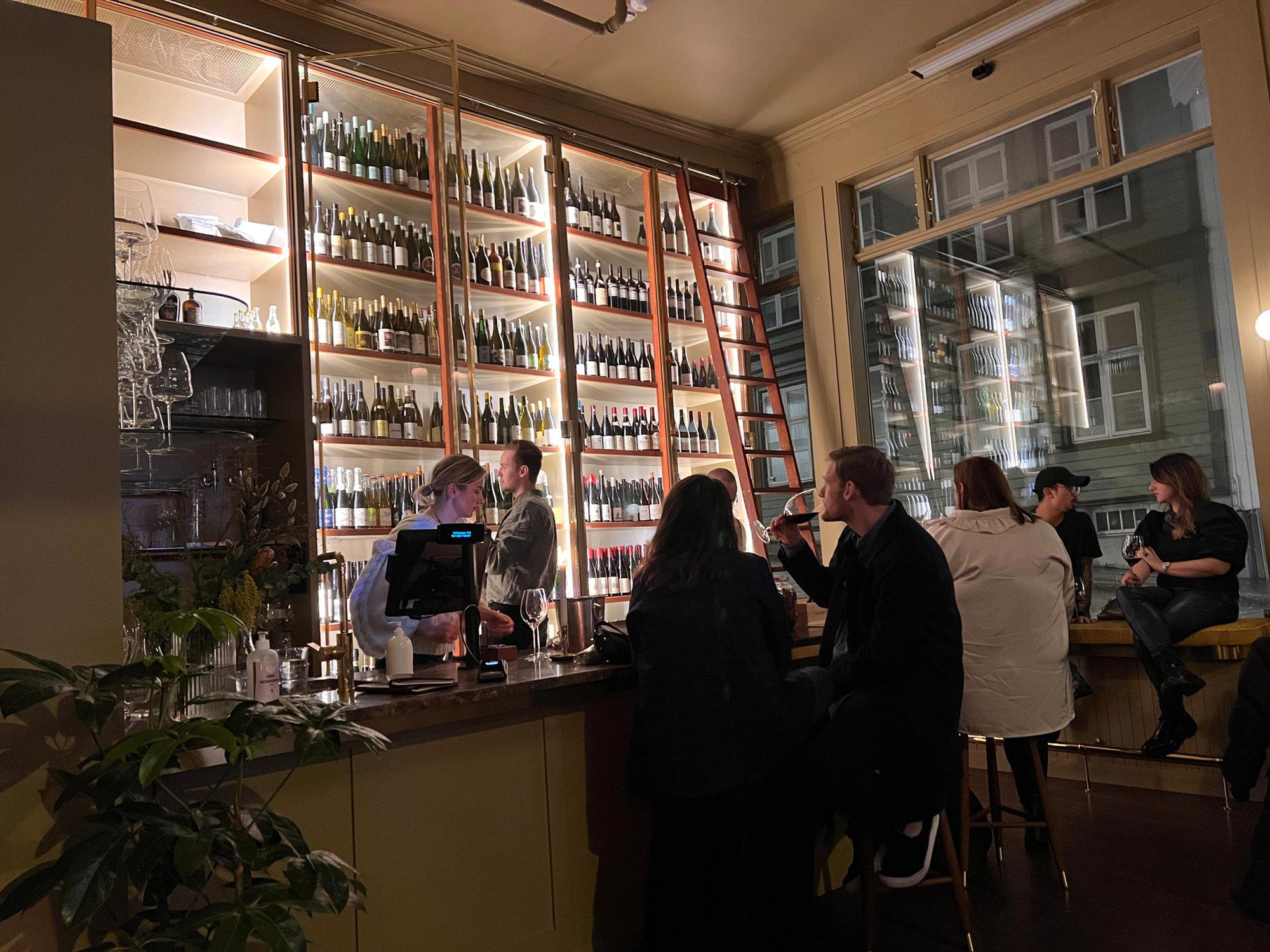
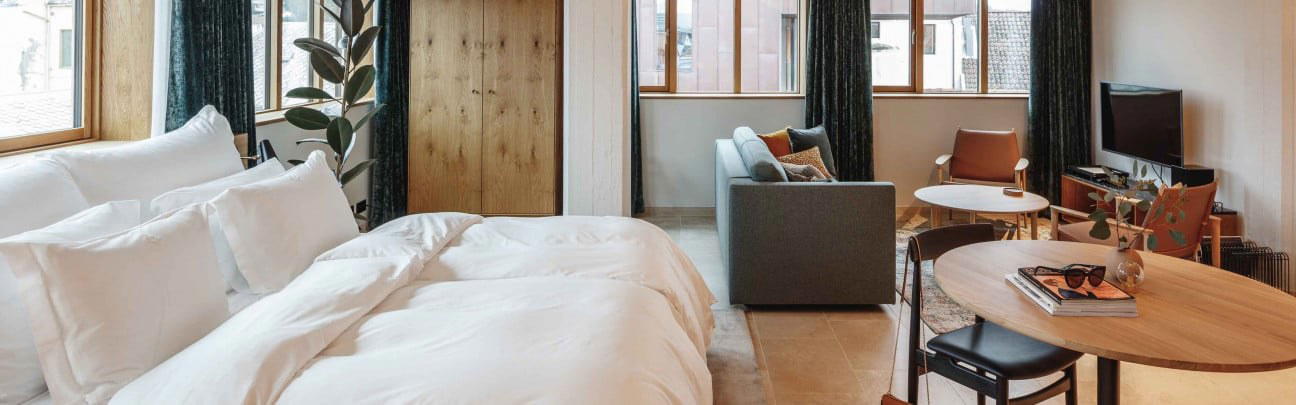
Details
- Classic
- Cozy
- Sophisticated
- Intimate
- Casual Hangout
- After Work
- Historic Building
- Hotel Restaurant
- Craft Cocktails
- Local Sourcing
- Waterfront
- A La Carte
- Craft Cocktails
- Seasonal Drinks
Current opening hours
- Monday
- 4–11 PM
- Tuesday
- 4–11 PM
- Wednesday
- 12–11 PM
- Thursday
- 12–11 PM
- Friday
- 12 PM–2 AM
- Saturday
- 12 PM–2 AM
- Sunday
- Closed
Hours can change for holidays and private events. Hours as of .
Warm, historical atmosphere blending 1900s decor with modern touches, offering quiet corners by day and lively social vibes after dark.