



1 Michelin Star · La Liste Top Restaurants
Our verdict
Stavanger's sole Michelin-starred sushi counter brings omakase discipline to Norway's oil capital, with back-to-back stars in 2024 and 2025, an OAD Top 234 Europe ranking, and a La Liste score of 81 points in 2026. Chef Laurent Cherchi runs a format built entirely on trust: no à la carte, no substitutions, just the sequence the kitchen decides. For a city better known for New Nordic fine dining, Sabi represents a different kind of precision.

Pearl is the En Primeur Club membership app, where members save venues, book tables and use the concierge.
The menu
What to order
- Squid with Himalayan sea salt and sudachi citrus
- Toro (fatty tuna)
- Aurora salmon toro
- Unagi eel with umami caramel glaze
- Minke whale
- Reindeer tenderloin
- Black sesame ice cream
A Counter in an Unlikely City
Stavanger's fine-dining conversation has long been anchored in New Nordic kitchens. RE-NAA holds two Michelin stars and commands most of the international attention; Hermetikken and K2 work the modern European register at comparable price points. Sabi Omakase occupies a different corner of the market entirely. It is the only omakase sushi counter in Stavanger operating at Michelin level, and in a city of roughly 145,000 people, that position is less a niche than a category unto itself.
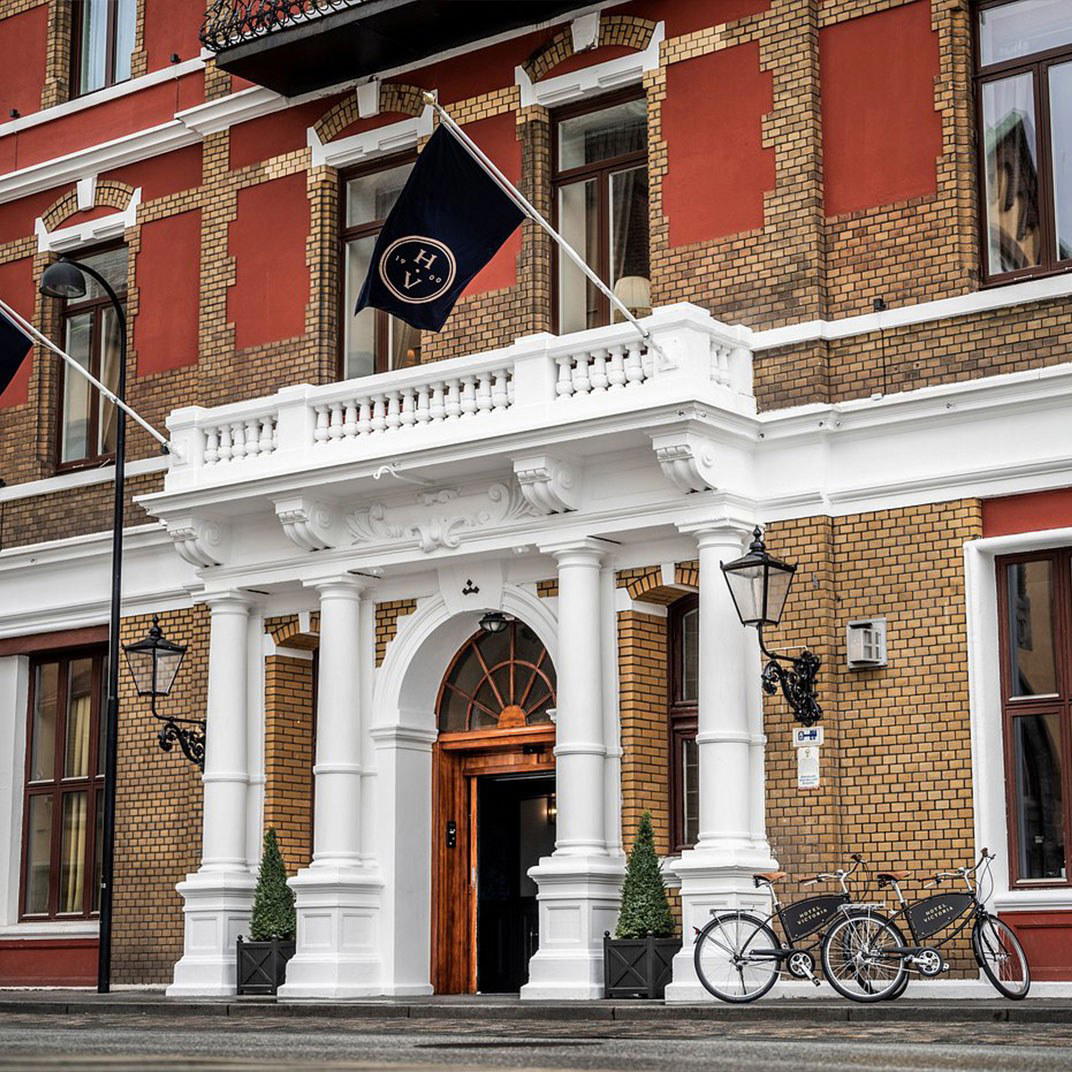
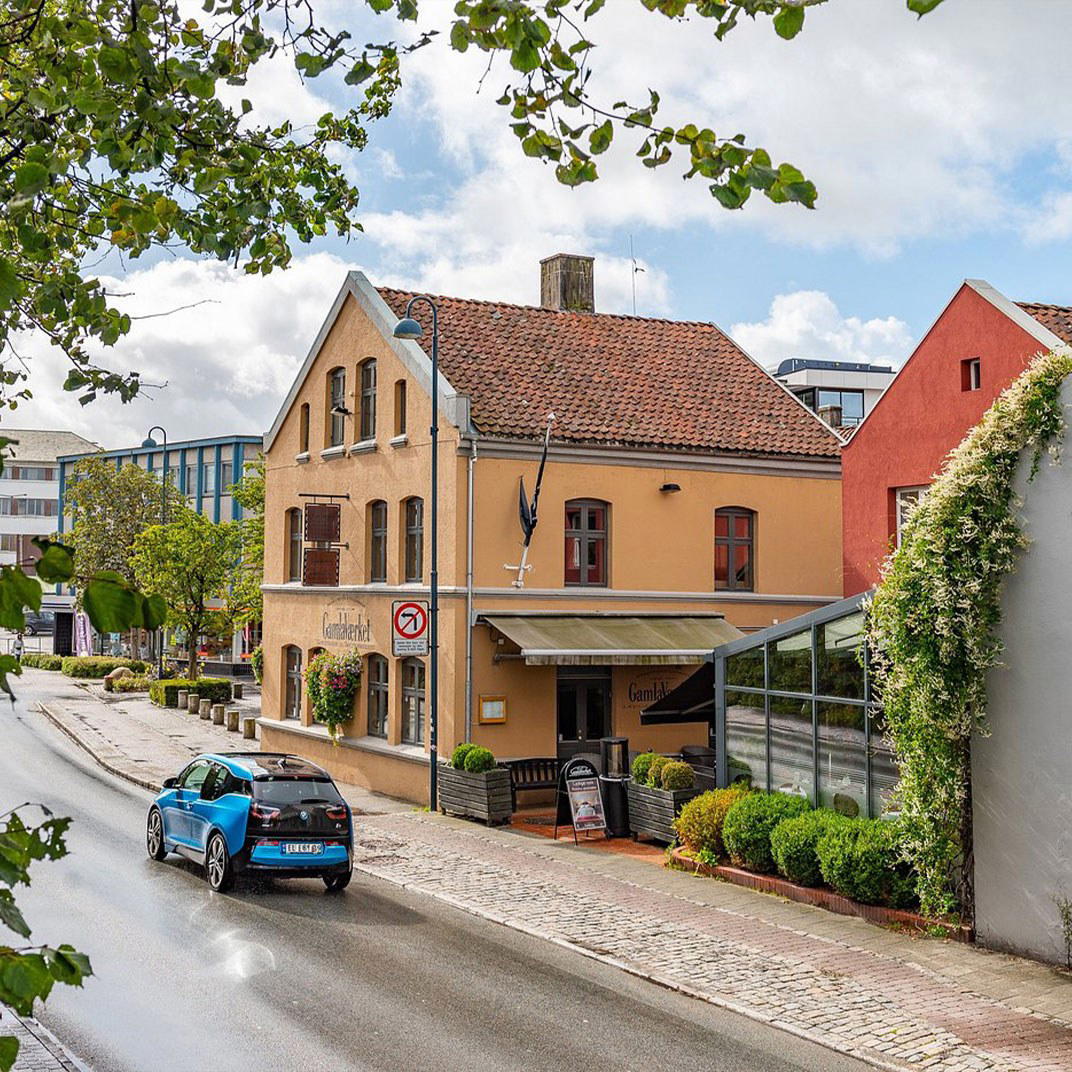
Pedersgata 38a sits in one of Stavanger's more low-key residential-commercial streets, a few minutes from the historic white wooden houses of Gamle Stavanger. The physical approach gives little away. That restraint is appropriate: the format that follows is one where the room, the pacing, and every decision about what you eat are handled entirely by the kitchen. You arrive, you sit, and you surrender the agenda.
The Omakase Contract
Omakase, in its strictest translation, means something close to "I leave it to you", a phrase that doubles as the entire operating model. There is no menu to study, no negotiation over courses, no opportunity to order around a preference. The chef determines sequence, temperature, and tempo. The diner's role is to receive, to pay attention, and to trust that the person behind the counter has earned that authority.
That trust relationship is not taken for granted in the format's most serious iterations. In Tokyo's leading omakase rooms, counters like Harutaka in Ginza, the contract works because the chef's judgment has been tested across decades of sourcing relationships, rice preparation, and knife work. The same logic applies at Michelin-recognised counters elsewhere in Asia, such as Sushi Shikon in Hong Kong. When Sabi Omakase received its first Michelin star in 2024 and retained it in 2025, the guide was effectively endorsing the terms of that contract here in Norway.
Chef Laurent Cherchi runs the counter. His name appears in the awards record as the figure responsible for what the kitchen produces, but the more relevant credential for a diner deciding whether to commit is the consistency of recognition across multiple independent systems. La Liste scored Sabi at 83 points in 2025, adjusting to 81 in 2026. Opinionated About Dining, which aggregates expert critic scores rather than inspector visits alone, ranked Sabi at #242 in Europe in 2024 and moved it to #234 in 2025. Before either of those, OAD listed Sabi among its Highly Recommended New Restaurants in Europe for 2023. That progression, new entry to consistent placement across three years, is the kind of track record that gives the omakase contract its credibility.
Norway's Sushi Counter in Context
Japan-trained sushi technique has spread across Scandinavian capitals over the past decade, but the density of serious omakase counters remains thin outside Oslo and Stockholm. Norway's Michelin-starred restaurant map is spread across cities that are, by most metropolitan standards, small: Maaemo in Oslo holds three stars and operates at the top of the Nordic fine-dining register; FAGN in Trondheim and Gaptrast in Bergen represent the guide's reach into secondary cities. Further afield, Under in Lindesnes and Iris in Rosendal demonstrate that serious kitchens have established themselves well outside urban centres. Boen Gård in Tveit rounds out a map where geography and ambition push in different directions.
Sabi's position within that map is specific: it is the only counter format in Norway operating at this award level where the cuisine is Japanese rather than Nordic or European. That distinction matters when setting expectations. A guest arriving from Tokyo or Hong Kong will recognise the structural logic immediately. A first-timer coming from Stavanger's broader dining scene, which includes everything from BELLIES at the plant-based end to Bravo at the casual Norwegian end, is entering a format with its own distinct rules.
What the Format Demands
The omakase model at this price tier (€€€€, the highest bracket in the EP Club system) implies a per-person spend that puts it alongside RE-NAA and Hermetikken in Stavanger's leading price band. In practice, the experience differs from a multi-course tasting menu in ways that go beyond cuisine type. A tasting menu at a New Nordic kitchen typically offers visible narrative structure, the story of a season, a landscape, a pantry. Omakase at a serious sushi counter is less narrative and more sequential: each piece is complete in itself, and the accumulation of pieces is the meal.
That means pacing is entirely at the counter's discretion. There are no entre-course pauses filled with amuse-bouches, no cheese trolley to slow things down. The rhythm is the chef's rhythm, and experienced diners tend to find this more demanding of attention, not less. You cannot drift between courses. The window between pieces is short.
For those unfamiliar with the format, a few structural details are worth holding: omakase counters at this level do not accommodate mid-meal menu changes, typically ask for dietary information at the time of booking rather than on arrival, and set a pace that means latecomers disrupt the entire sequence, not just their own experience. These are not arbitrary rules, they are the conditions that allow the counter to function as a precision instrument rather than a restaurant operating in the conventional sense.
Placing Sabi in Stavanger's Dining Week
Stavanger is a practical city for a focused dining visit. The old town, the harbour, and the main restaurant corridor are walkable, and the hotel infrastructure that serves the oil industry provides reliable options across price points (see our full Stavanger hotels guide). The bar scene (our full Stavanger bars guide) and the broader restaurant map (our full Stavanger restaurants guide) offer enough range that a two- or three-night itinerary can be structured around Sabi as the anchor meal, with supporting options filling the remaining evenings.
For visitors arriving from outside Norway, Stavanger Airport (Sola) connects directly to several European hubs, and the city centre is approximately 30 minutes from the terminal. The timing of a Sabi visit within that itinerary matters: omakase counters at this level tend to book ahead, and given the city's relatively small population and the counter's international recognition via OAD and La Liste, availability during peak travel months (May through August, when Stavanger also serves as a base for fjord and Preikestolen visits) should be treated as limited without advance planning.
The winter and shoulder-season months offer a different context entirely. Stavanger is less trafficked from October through March, and for a format that depends on stillness and attention, an off-peak visit has genuine advantages. The counter's character does not change with the calendar, but the city around it is quieter, and the contrast between a cold Norwegian evening and the warm, controlled environment of a serious sushi counter is not incidental.
For further context on Norway's broader fine-dining geography, the EP Club guides to Stavanger wineries and Stavanger experiences provide supporting itinerary options.
What Regulars Eat at Sabi Omakase Stavanger
The short answer is: whatever the kitchen is serving that evening. That is the premise of the format, not an evasion. At a counter operating at OAD Top 234 Europe level, the sequence changes with supply, season, and the chef's current focus. There is no signature dish in the à la carte sense, and no piece on the menu that regulars can request by name, because the menu does not work that way.
What does carry across visits, and what returning guests tend to describe as the draw, is the consistency of technique and the quality of sourcing, the two variables that separate counters at this award level from mid-tier sushi operations. Stavanger's position on the North Sea means access to Norwegian seafood that operates at a different standard from most inland markets, and a kitchen applying Japanese counter discipline to that raw material is a specific and credible combination. For regulars, the answer to what they order is the same as it was the first time: everything, in the order it arrives.
Similar Picks
| Venue | Cuisine | Price | Awards | Notes |
|---|---|---|---|---|
| Sabi Omakase StavangerThis venue (the venue you are viewing) | Modern Japanese Omakase with Nordic Influence | $200–300 | 1 Michelin Star · La Liste Top Restaurants | Not listed |
| RE-NAA | Modern Nordic Coastal Tasting Menu | $500+ | 3 Michelin Stars · La Liste Top Restaurants | New Nordic, Creative |
| K2 | Modern Scandinavian Tasting Menu | Not listed | 1 Michelin Star · Star Wine List | Modern Cuisine |
| BELLIES | Plant-Based Vegan Tasting Menu | $50–100 | Michelin Plate | Vegan |
| Bravo | Modern Norwegian Small Plates | $100–150 | Michelin Plate | Norwegian |
| Hermetikken | Seasonal Nordic Fine Dining | Not listed | 1 Michelin Star · Star Wine List | Modern Cuisine |
Recognition history
Dated appearances from independent guides and award organizations, with the underlying list record or original source where available.
Michelin 1 Star
Michelin
La Liste Top Restaurants
La Liste
White Guide Nordic Restaurants - Global Masters Level
White Guide
Opinionated About Dining Top Restaurants in Europe Ranked #234
Opinionated About Dining
Full recognition history (9 entries)
La Liste Top Restaurants
La Liste
Michelin 1 Star
Michelin
Michelin 1 Star
Michelin
Opinionated About Dining Top Restaurants in Europe Ranked #242
Opinionated About Dining
Opinionated About Dining Top New Restaurants in Europe Highly Recommended
Opinionated About Dining
Continue exploring
More in Stavanger
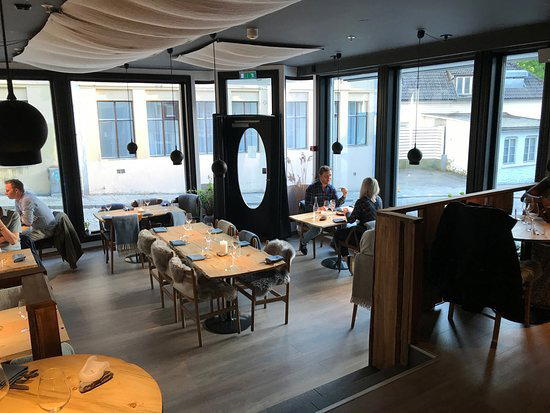
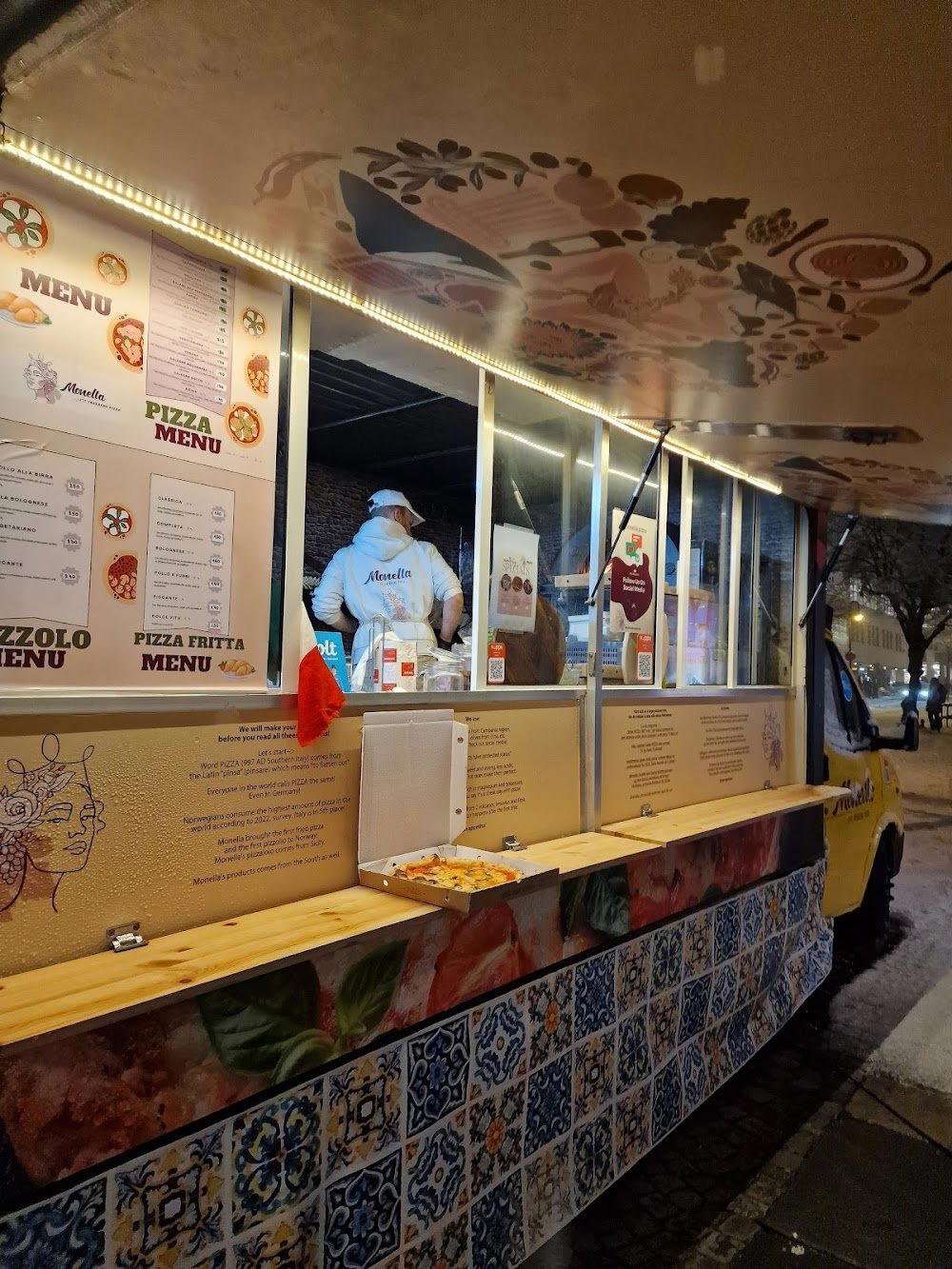
Restaurants in Stavanger
All restaurants in Stavanger →
Bars in Stavanger
All bars in Stavanger →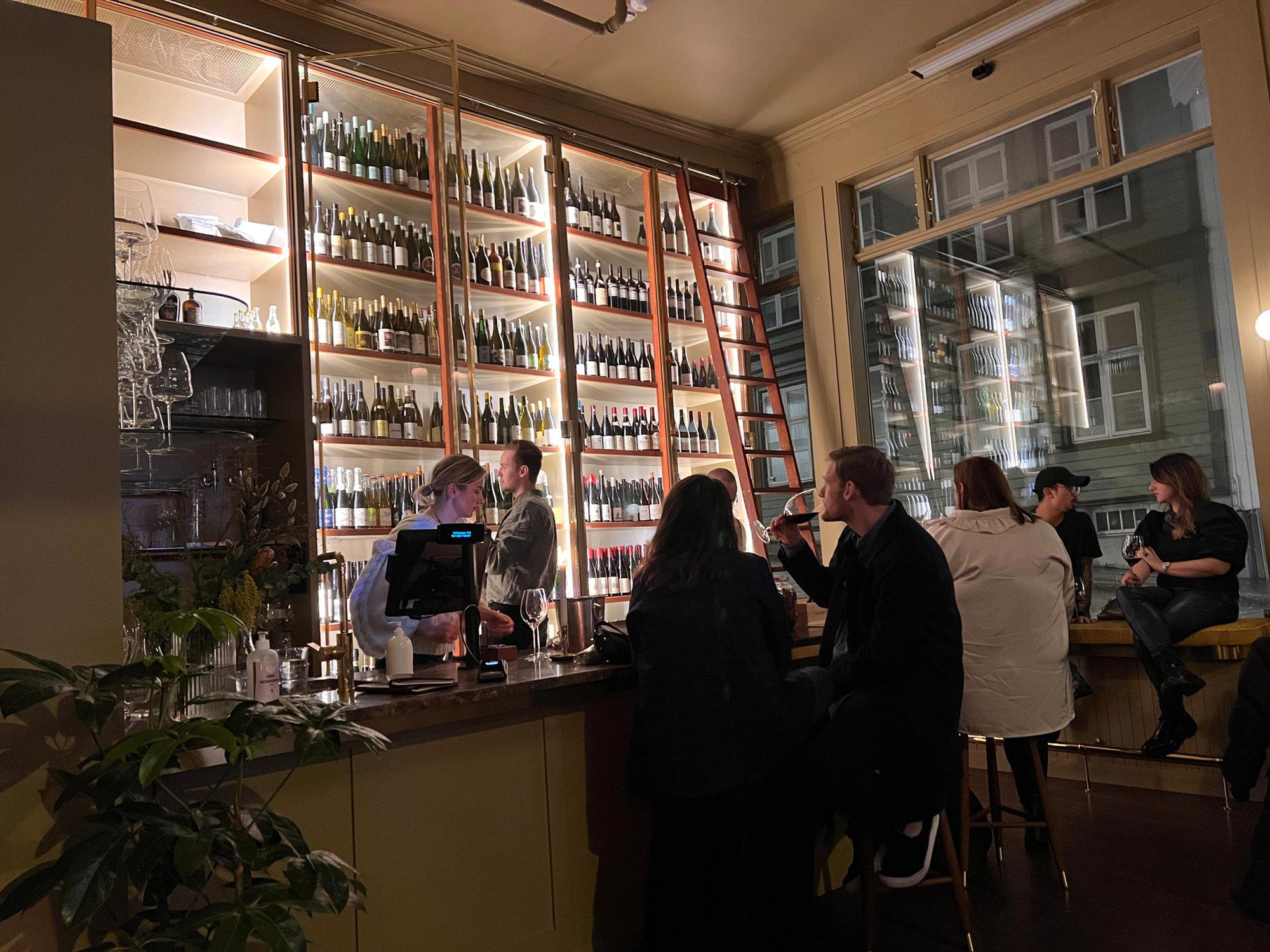
Sabi Omakase Stavanger
The wine
- Wine program
- Deep wine list
- Extensive wine list
- Sommelier-led
- Sake program
Details
- Intimate
- Elegant
- Sophisticated
- Cozy
- Date Night
- Special Occasion
- Celebration
- Chefs Counter
- Open Kitchen
- Sommelier Led
- Extensive Wine List
- Sake Program
- Local Sourcing
- Farm To Table
- Omakase
- Counter Dining
- Tasting Menu
- Wine Pairing
- Sake
- Pescatarian Friendly
- Allergy Accommodating
Current opening hours
- Monday
- Closed
- Tuesday
- Closed
- Wednesday
- 7 PM–12 AM
- Thursday
- 7 PM–12 AM
- Friday
- 7 PM–12 AM
- Saturday
- 7 PM–12 AM
- Sunday
- Closed
Hours can change for holidays and private events. Hours as of .
Intimate counter setting with cozy yet sophisticated atmosphere; minimalist design focused on the chef's craft with no distractions from live music or outdoor elements; warm, personalized service enhances the refined dining journey.