Our verdict
Fisketorget Stavanger occupies a working quayside address on Strandkaien, placing it at the centre of one of Norway's most productive seafood supply chains. The cooking follows the logic of the harbour: what arrived that morning shapes what appears on the plate. For visitors tracking Norwegian coastal dining beyond the fine-dining tier, it anchors the seafood-market tradition that Stavanger has traded on for generations.

Pearl is the En Primeur Club membership app, where members save venues, book tables and use the concierge.
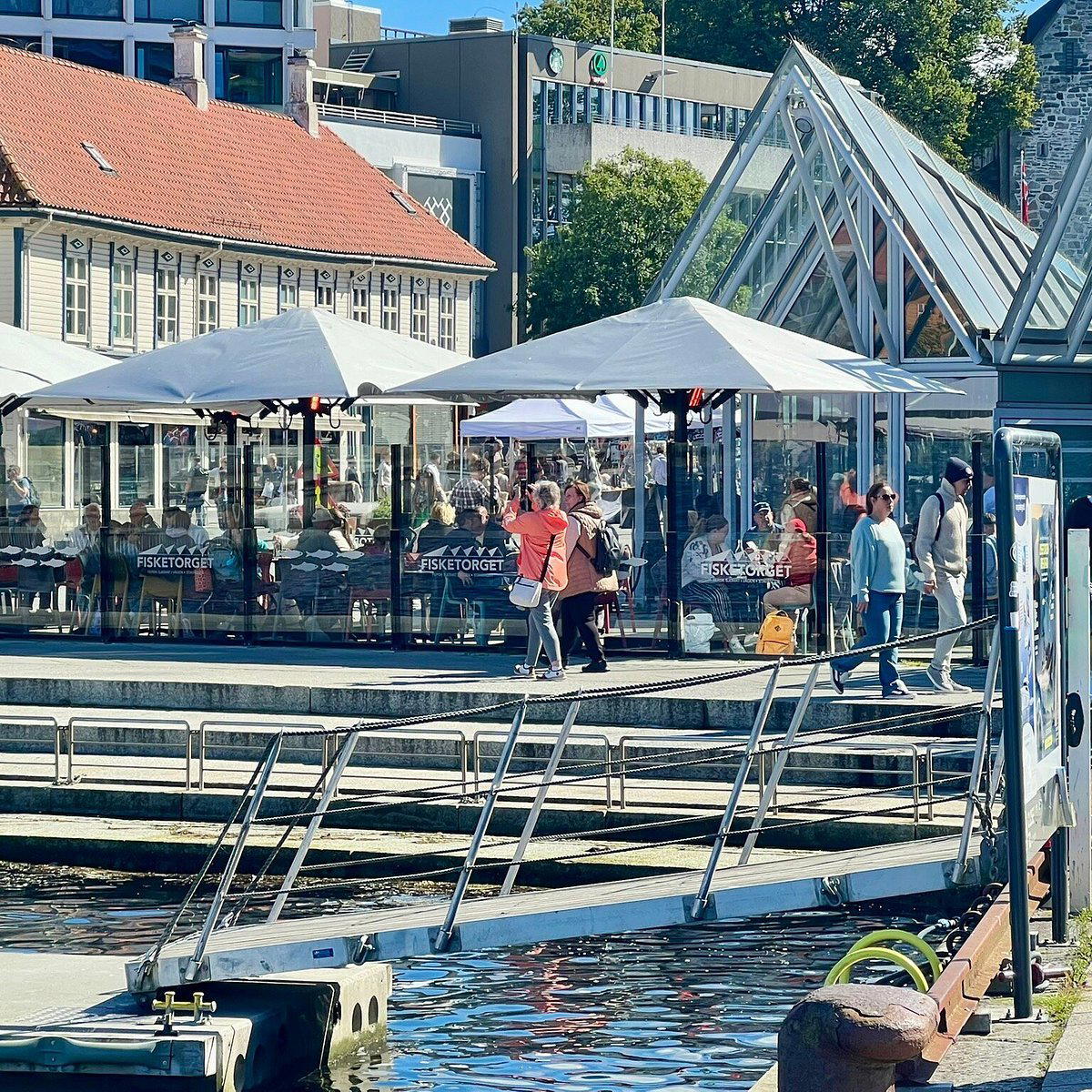
Where the North Sea Comes Ashore
Stand on Strandkaien on a clear morning and the relationship between Stavanger's harbour and its restaurants becomes immediately legible. The quay at address 37 is not a scenic waterfront development built to evoke maritime life, it is an active node in a supply chain that runs from the North Sea and Boknafjord fishing grounds directly into the city's kitchens. Fisketorget Stavanger sits inside that chain rather than adjacent to it, which is the first and most consequential thing to understand about what the restaurant does and why it occupies the position it does in the city's dining order.
Stavanger's food identity has always been shaped by proximity to water. The city spent much of the twentieth century as the capital of Norway's canning industry, processing herring and sardines at a scale that made it a node in European trade. That industrial seafood heritage gave way, over subsequent decades, to a more varied economy, but the raw material, cold, clean water, short transit distances from catch to kitchen, remained. Fisketorget is one of the clearest expressions of that continuity in the city's current restaurant scene.
The Argument for Provenance-First Cooking
Norwegian coastal restaurants operate across a wide spectrum, from the hyper-technical New Nordic format seen at RE-NAA at the top of Stavanger's dining tier, to fish-and-chips casual. Fisketorget occupies the middle of that range, where the editorial question is whether the kitchen can translate market-quality sourcing into a coherent plate without the apparatus of a fine-dining programme. In Stavanger's case, the answer is largely structural: when your suppliers are landing product in the same postcode as your restaurant, the ingredient argument is already half-made before the kitchen begins.
Across Norwegian coastal cities, this model has produced some of the country's most consistent midmarket seafood rooms. Lysverket in Bergen operates a version of it further up the coast, leaning into a natural wine programme to lift the sourcing story. Under in Lindesnes takes the same raw-material logic and frames it through an architectural intervention that places diners below the waterline. Fisketorget's approach is less theatrical: the harbour is visible, the sourcing is the point, and the format stays close to the fish-market tradition the name invokes.
That tradition, torg meaning market or square in Norwegian, implies a certain directness. You are not eating around a concept; you are eating what came in. For travellers who have followed Norwegian seafood through the fine-dining filter at Maaemo in Oslo or the more remote coastal expressions at Glime Restaurant in Hardanger Fjord, Fisketorget offers a useful counterpoint: the same raw-material culture operating at a different register.
Stavanger's Seafood Tier and Where Fisketorget Sits
Stavanger currently sustains a restaurant scene that punches above its population weight, partly because the oil industry has anchored a professional class with international dining experience, and partly because the city's geographic position gives it access to some of Norway's leading coastal product. The upper tier is anchored by RE-NAA, which holds Michelin stars and operates a creative New Nordic programme. Below that, venues like K2 and Hermetikken work a modern cuisine format at the €€€ tier. Sabi Omakase Stavanger takes the city's seafood raw material in a completely different technical direction, running a Japanese omakase counter that positions itself at the €€€€ level.
Fisketorget functions differently from all of these. In European port cities, this format tends to draw a broad mix: locals eating well on a weekday, visitors who want to engage with regional product without committing to a tasting menu, and industry professionals who appreciate the sourcing rigour without the performance of a formal room.
For context from outside Norway, the same logic that makes Le Bernardin in New York City legible as a pure seafood argument, where the fish is always the protagonist, applies here at a very different scale and price point. The ambition is not to compete with the technique-driven rooms; it is to do the simpler thing well, which in a harbour city with this supply chain is not actually simple at all.
Planning a Visit
Fisketorget Stavanger is located at Strandkaien 37, on the inner harbour, within walking distance of the old town and the main ferry terminal. The quayside position makes it easy to find and easy to combine with time spent around the waterfront. Stavanger's city centre is compact enough that A. Idsøe Grill and Berkel and other central addresses are within a short walk, making the harbour side a reasonable anchor for an evening that moves between venues.
Norway's seafood restaurants at this tier tend to be busier during summer months, when the city sees significant tourist traffic tied to fjord access and the Lysefjord/Preikestolen route. Booking ahead is advisable in July and August; shoulder-season visits in May or September typically offer more flexibility and comparable product quality, since the cold-water species that define Norwegian coastal cooking are available across a long season. For a broader map of where Fisketorget sits in the city's full dining offer, the EP Club Stavanger restaurants guide covers the scene across price tiers and cuisine types.
Travellers building a longer Norwegian coastal itinerary might also consider how Stavanger connects to other seafood-serious addresses: MiraBelle by Ørjan Johannessen in Bekkjarvik, Speilsalen in Trondheim, or the more remote options at Restaurant 1893 in Stokmarknes, Vianvang in Vågå, and Buer Restaurant in Odda. Lily Country Club in Kløfta and Lazy Bear in San Francisco represent the community-format end of the spectrum, useful reference points for readers who think about dining format as much as cuisine type.
Frequently asked questions
Does Fisketorget Stavanger work for a family meal?
The harbour setting at Strandkaien 37 is accessible and informal enough for mixed-age groups. Stavanger's waterfront restaurants generally attract families alongside oil-industry professionals, and a seafood-forward menu gives younger diners straightforward choices. It is not a formal tasting-menu room, which works in favour of a relaxed group meal.
Is Fisketorget Stavanger formal or casual?
Fisketorget sits on Stavanger's working inner harbour, which sets the register: maritime, unfussy, oriented around the catch rather than ceremony. It occupies a different register from RE-NAA, Stavanger's Michelin-starred fine-dining benchmark. Dress code expectations align with a quality harbour restaurant rather than a white-tablecloth destination.
How does Fisketorget Stavanger compare to other seafood options along the Stavanger waterfront?
Stavanger's dining tier spans from hyper-technical New Nordic at Michelin-starred RE-NAA down to casual quayside spots, and Fisketorget occupies the middle ground: serious about sourcing without the tasting-menu format. Its position directly on the inner harbour at Strandkaien 37 is a practical advantage over restaurants that market provenance without the physical connection to the port. For visitors moving between the old town and the ferry terminal, it is the most logistically direct seafood option on that stretch of quay.
What should I order at Fisketorget Stavanger?
The address at Strandkaien 37 places the kitchen within the inner harbour supply chain, so the operational logic points toward whatever the North Sea is producing that week. Norwegian coastal restaurants at this level typically anchor the menu around shellfish and day-boat white fish. Follow the daily specials over fixed menu staples.
Where is Fisketorget Stavanger located?
Fisketorget Stavanger is located at Strandkaien 37, 4005 Stavanger, Norway, Stavanger.
Should I book Fisketorget Stavanger in advance?
Stavanger's restaurant scene is sustained in part by a concentrated professional population from the oil industry, which keeps demand at waterfront addresses consistent throughout the week. Booking ahead is advisable, particularly for dinner and weekend lunches when the quay draws both locals and visitors to the old town nearby.
What's the defining dish or idea at Fisketorget Stavanger?
The defining idea is proximity: the kitchen sits steps from the harbour at Strandkaien 37, and the menu reflects what Norwegian waters are producing rather than a fixed signature repertoire. That provenance-first approach is the through-line, placing Fisketorget in the tradition of Scandinavian coastal cooking where supply chain is the concept.
Comparable Venues
Comparable venues nearby, for context on price, style, and recognition.
| Venue | Cuisine | Price | Awards | Notes |
|---|---|---|---|---|
| Fisketorget StavangerThis venue (the venue you are viewing) | Fresh Norwegian Seafood | $30–50 | Not listed | Not listed |
| Monella food truck | Sicilian Pizza Food Truck | $10–20 | Not listed | Fiskepiren |
| Restaurant Bevaremegvel | French-inspired Norwegian | Not listed | Star Wine List | Skagen |
| Renaa: Restauranten | Modern New Nordic Seafood Tasting | Not listed | Not listed | downtown |
| Spiseriet Stavanger | Modern Norwegian Seafood Bistro | Not listed | Star Wine List | Vågen |
| Söl | Modern Nordic Tasting Menu | $50–100 | Michelin Plate · Star Wine List | Stavanger center |
Continue exploring
More in Stavanger
Restaurants in Stavanger
All restaurants in Stavanger →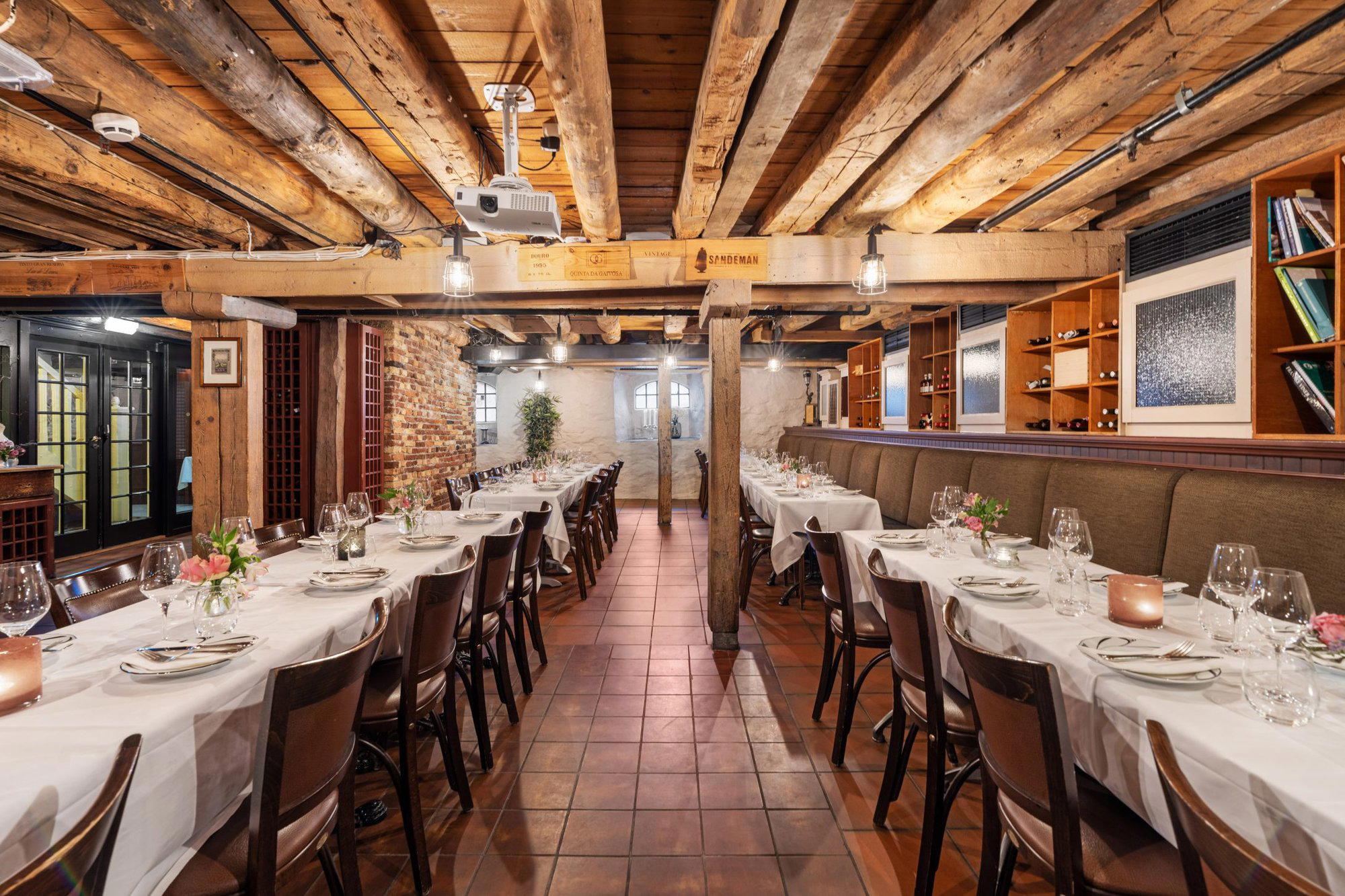
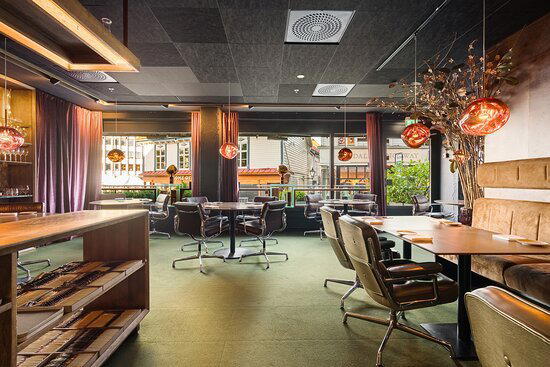
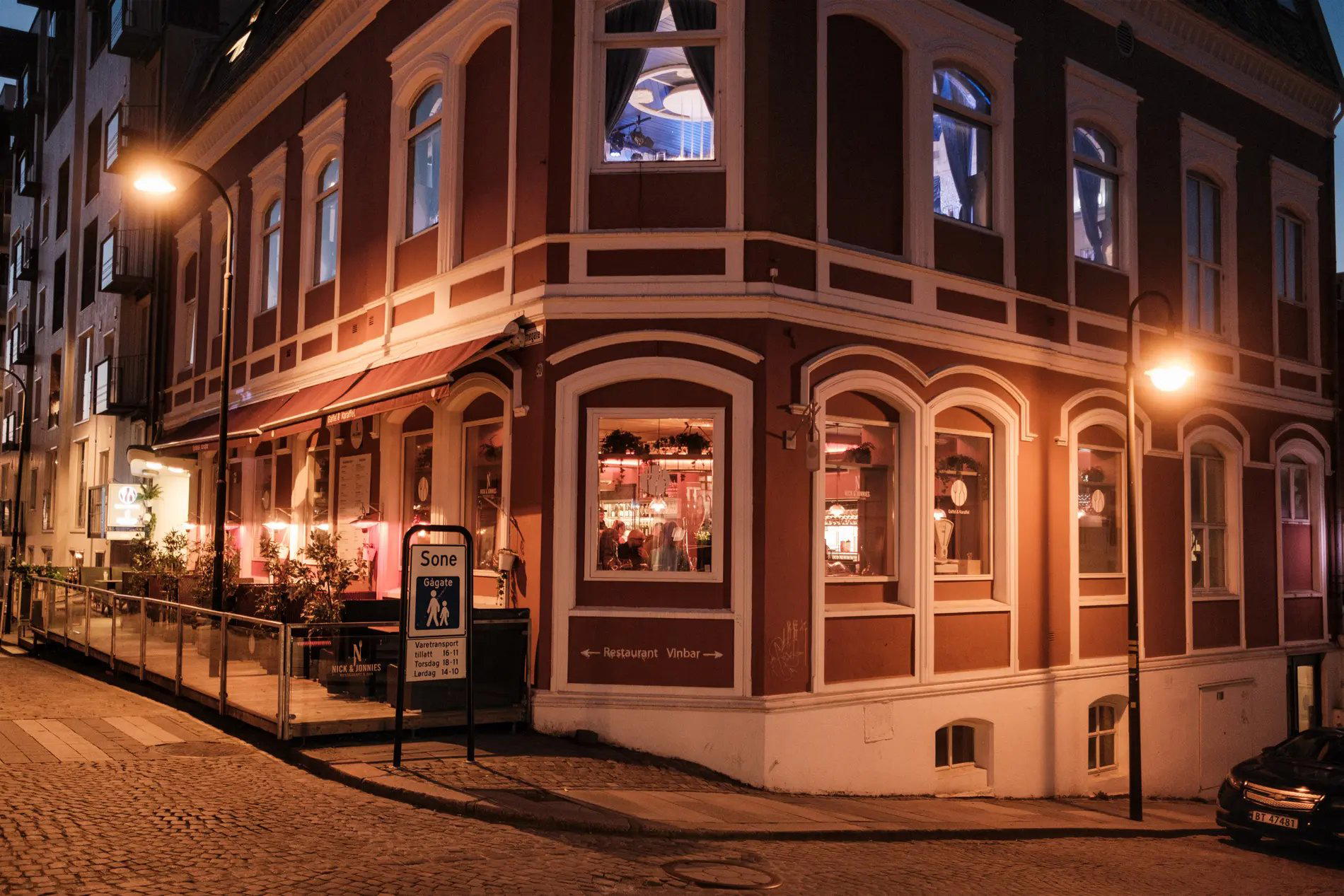
Bars in Stavanger
All bars in Stavanger →


Details
- Lively
- Rustic
- Scenic
- Casual Hangout
- Waterfront
- Open Kitchen
- Local Sourcing
- Sustainable Seafood
- Waterfront
- A La Carte
- Prix Fixe
- Gluten Free Options
Current opening hours
- Monday
- 11 AM–12 AM
- Tuesday
- 11 AM–12 AM
- Wednesday
- 11 AM–12 AM
- Thursday
- 11 AM–12 AM
- Friday
- 11 AM–12 AM
- Saturday
- 11 AM–12 AM
- Sunday
- Closed
Hours can change for holidays and private events. Hours as of .
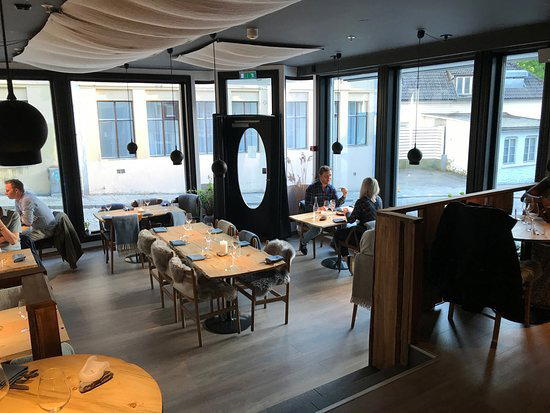
Lively marine-inspired atmosphere with harbor views, transitioning from lively market bustle during the day to more serene in the evening.