
Michelin Selected
Selected by the Michelin Guide Hotels 2025, the Radisson Blu Atlantic Hotel occupies a central Stavanger address on Olav V's Street, placing guests within walking distance of the harbour, the old town, and the city's compact dining scene. For travellers arriving in Norway's oil capital with business or leisure on the agenda, it offers the operational reliability of a full-service property in a city where mid-scale hotel options have grown more competitive.

Pearl is the En Primeur Club membership app — saves, bookings, and concierge access live there. Same editors, same standards.
Stavanger's Hotel Register and Where the Atlantic Sits
Stavanger's hotel market has stratified in ways that reflect the city's unusual economic profile. Built on North Sea oil revenues, it supports a permanent business-travel tier that keeps full-service city-centre hotels operating at occupancy levels most Norwegian cities of comparable size cannot sustain. Within that market, properties divide broadly between design-led independents with limited keys and larger, brand-affiliated hotels that trade on operational consistency and central locations. The Radisson Blu Atlantic Hotel, at Olav V's Street 3, belongs to the latter group — a Michelin Selected property in the 2025 edition of the Michelin Guide Hotels, which positions it within a recognised quality tier alongside a relatively small number of Norwegian addresses carrying that designation.
The Michelin Hotels selection, unlike the restaurant stars, signals a standard of comfort, service, and character rather than gastronomic distinction. For a city-centre business hotel, earning and holding that selection means performing consistently across room quality, food and beverage, and front-of-house — criteria that filter out properties relying on location alone. Among Stavanger options, the Atlantic competes with the Eilert Smith Hotel, a smaller boutique address that draws design-conscious leisure travellers, and the Hotel Victoria, another established central property. The Thon Partner Stavanger Forum Hotel and Ydalir Hotel round out a competitive local set that has expanded meaningfully over the past decade as Stavanger's profile as a conference and energy-sector destination has grown.
Physical Presence and the Architecture of the Address
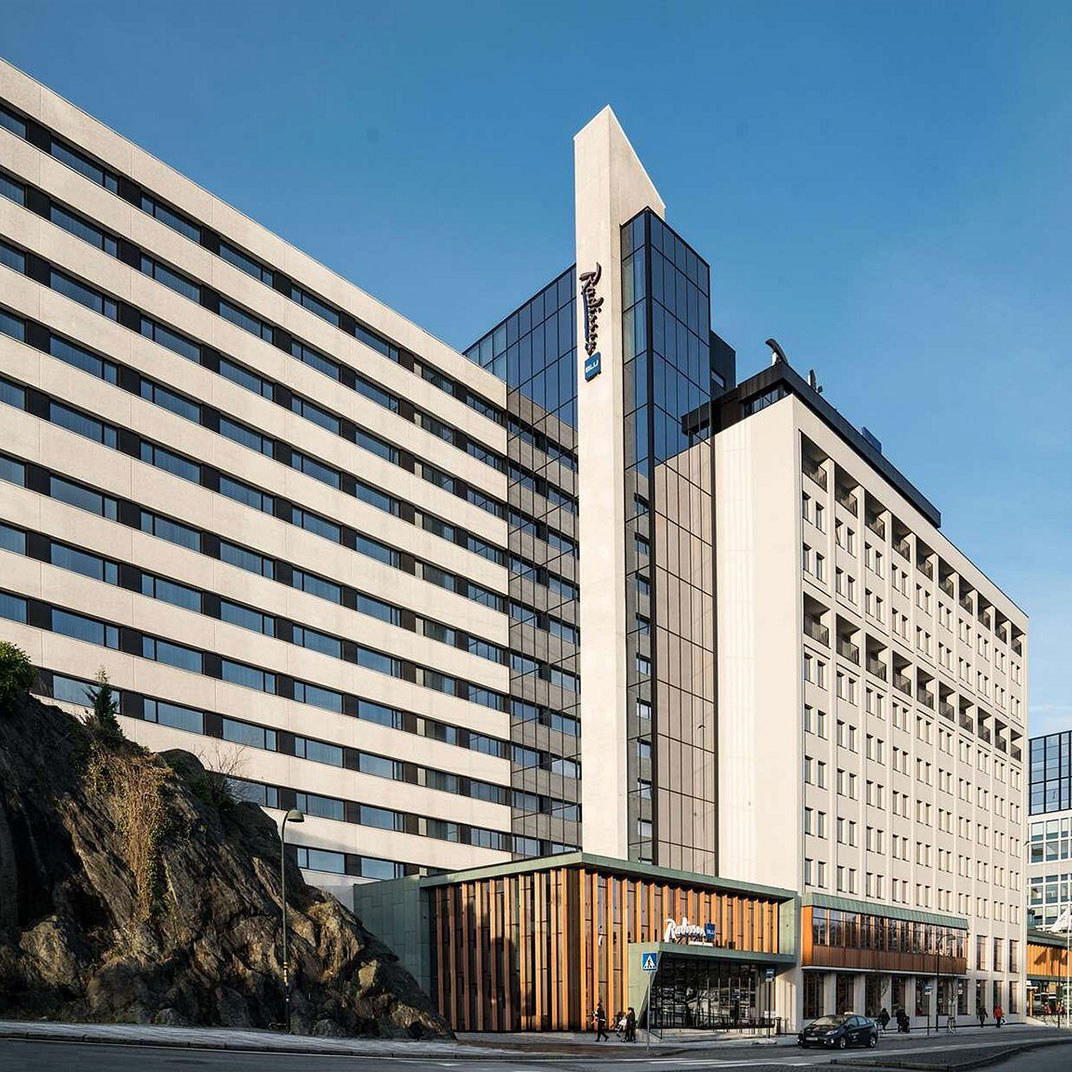
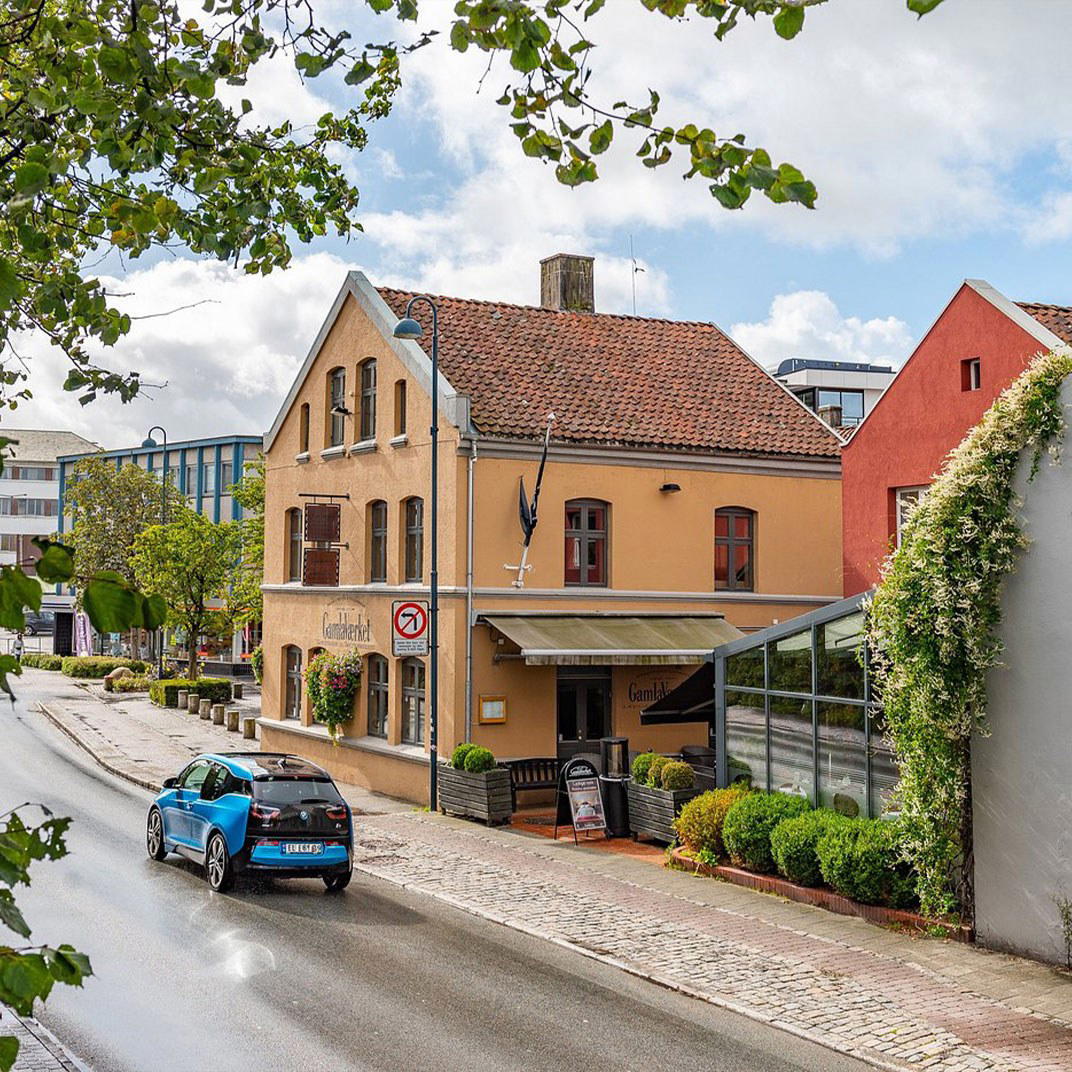
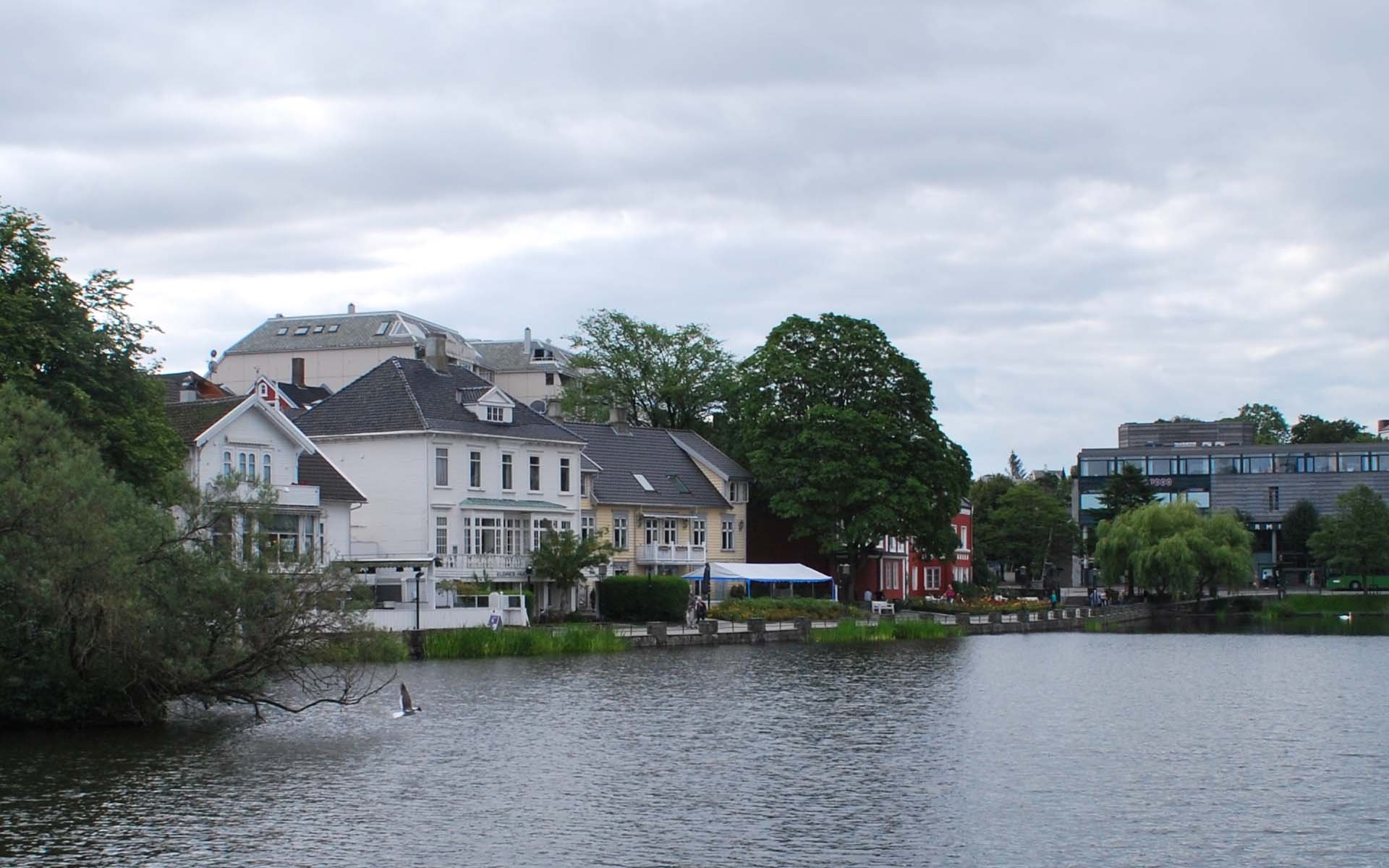
The Atlantic's position on Olav V's Street places it at the edge of Stavanger's walkable core, a compact area where the harbour, Gamle Stavanger (the old town of white wooden houses), and the cathedral sit within a few minutes of each other. For a city where the primary attractions are concentrated along the waterfront and in the historic quarter, proximity to that axis is a functional advantage rather than a marketing abstraction. Business travellers arrive, work, and walk to dinner without requiring transport.
As a full-service Radisson Blu property, the hotel operates at a physical scale that distinguishes it from the design-led independents. Large-format hotels in Norwegian cities have historically leaned toward a contemporary Scandinavian aesthetic, clean lines, natural materials, restrained colour palettes, and the Atlantic operates within that register. The building itself is a substantial urban structure that reads as a landmark on the street rather than a boutique insertion. Where properties like the Juvet Landscape Hotel in Valldal or Manshausen define their identity through architectural specificity and landscape integration, city-centre flagships like the Atlantic operate on different terms: volume, function, and a consistent delivery of comfort across a broad room inventory.
This distinction matters when choosing between property types in Norway. The country's hotel scene has developed a globally recognised strand of design-driven, low-capacity accommodation, from Hotel Union Øye in Norangsfjorden to Storfjord Hotel in Glomset, that draws travellers specifically for the architecture and setting. The Atlantic operates in a different register: it is a hotel that serves Stavanger's needs as a functioning city, rather than one that asks guests to travel to it for the experience of the building itself.
Stavanger as a Base and the Hotel's Role in It
Stavanger's appeal to international travellers rests on two distinct draws. The first is proximity to Lysefjord and Preikestolen (Pulpit Rock), the most visited natural formation in western Norway, which brings a consistent flow of active outdoor travellers through the city, particularly between May and September. The second is the city's status as Norway's oil capital, which drives year-round business traffic and supports a dining and hospitality infrastructure notably more developed than cities of similar size would typically sustain.
The restaurant scene is worth acknowledging in any accommodation assessment, because where you sleep shapes how easily you eat well. Stavanger has earned recognition for having one of Norway's stronger per-capita concentrations of quality restaurants, and the Atlantic's central position means most of the city's notable addresses are walkable. For a broader survey of the city's food and drink options, the full Stavanger restaurants guide provides more granular direction.
For travellers considering how Stavanger fits within a wider Norwegian itinerary, comparison points vary by interest. The fjord-adjacent design properties represent one axis; established city-centre hotels in Bergen or Oslo represent another. Opus XVI in Bergen and THE THIEF in Oslo both carry Michelin Selected status and offer reference points for what that designation looks like in larger Norwegian urban contexts. Further afield, Hotel Brosundet in Ålesund shows how a waterfront property with strong design credentials operates in a city with comparable visitor dynamics to Stavanger.
Planning a Stay: What to Know Before Booking
The Atlantic draws both corporate and leisure segments, and the rhythms of each affect availability and pricing. Business demand concentrates around the city's energy-sector calendar, with conference periods tightening availability. Leisure demand peaks between June and August, when Preikestolen access is at its most reliable and the city's outdoor programming is fullest. Booking outside those windows typically yields better rates and more room category flexibility.
For travellers who have used the Radisson Blu network extensively in other European cities, Badrutt's Palace Hotel in St. Moritz and Hôtel de Paris Monte-Carlo represent the upper end of European grand-hotel tradition for context, the Atlantic operates closer to the functional-luxury end of the spectrum. It is a property that makes Stavanger operationally direct rather than one that makes an architectural or gastronomic argument for itself. That is a legitimate and in many cases preferable positioning for travellers whose primary interest is in the city and its surroundings rather than the hotel as destination.
Comparable independent options within Norway's wider Michelin-recognised set include Boen Gård in Kristiansand and The Well in Sofiemyr, both carrying different character profiles that may suit travellers with different priorities. Within Stavanger specifically, the choice between the Atlantic and smaller independents like the Eilert Smith comes down to whether operational scale or boutique intimacy is the priority for a given trip.
In Context: Similar Options
Comparable venues nearby, for context on price, style, and recognition.
| Venue | Cuisine | Price | Awards | Notes |
|---|---|---|---|---|
| Radisson Blu Atlantic Hotel, StavangerThis venue — the venue you are viewing | Well-known waterfront landmark with modern renovation preserving historic soul. | Not listed | Michelin Selected | Not listed |
| Hotel Victoria | Modernized traditional Victorian-era hotel preserving historic character with contemporary luxury upgrades and refined Scandinavian hospitality. | $200–300 | Michelin Selected | Stavanger City Center |
| Ydalir Hotel | Modern Nordic boutique | $100–200 | Michelin Selected | Ullandhaug |
| Thon Partner Stavanger Forum Hotel | Modern high-rise conference hotel | $100–200 | Michelin Selected | Tjensvoll |
| Eilert Smith Hotel | High-end boutique in restored Norwegian functionalist architecture with contemporary luxury. | Not listed | 1 Michelin Key · Mr & Mrs Smith Seal of Approval | Stavanger center |
| Sakrisøy Rorbuer | traditional fishermen's rorbuer cabins on stilts over water | Not listed | Not listed | Reine |
Recognition history
Dated appearances from independent guides and award organizations, with the underlying list record or original source where available.
Michelin Selected
Michelin
Continue exploring
More in Stavanger
Hotels in Stavanger
All hotels in Stavanger →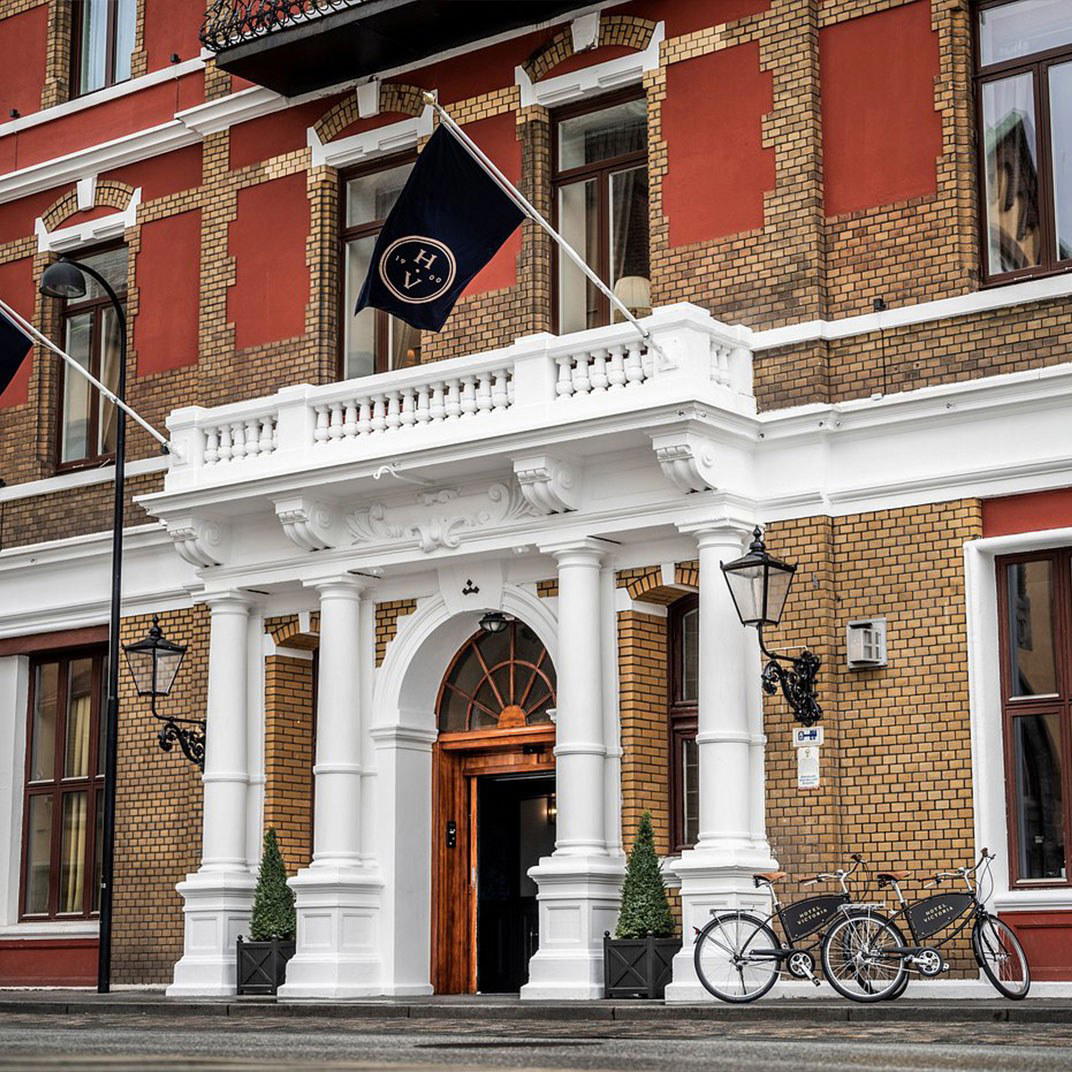
Bars in Stavanger
All bars in Stavanger →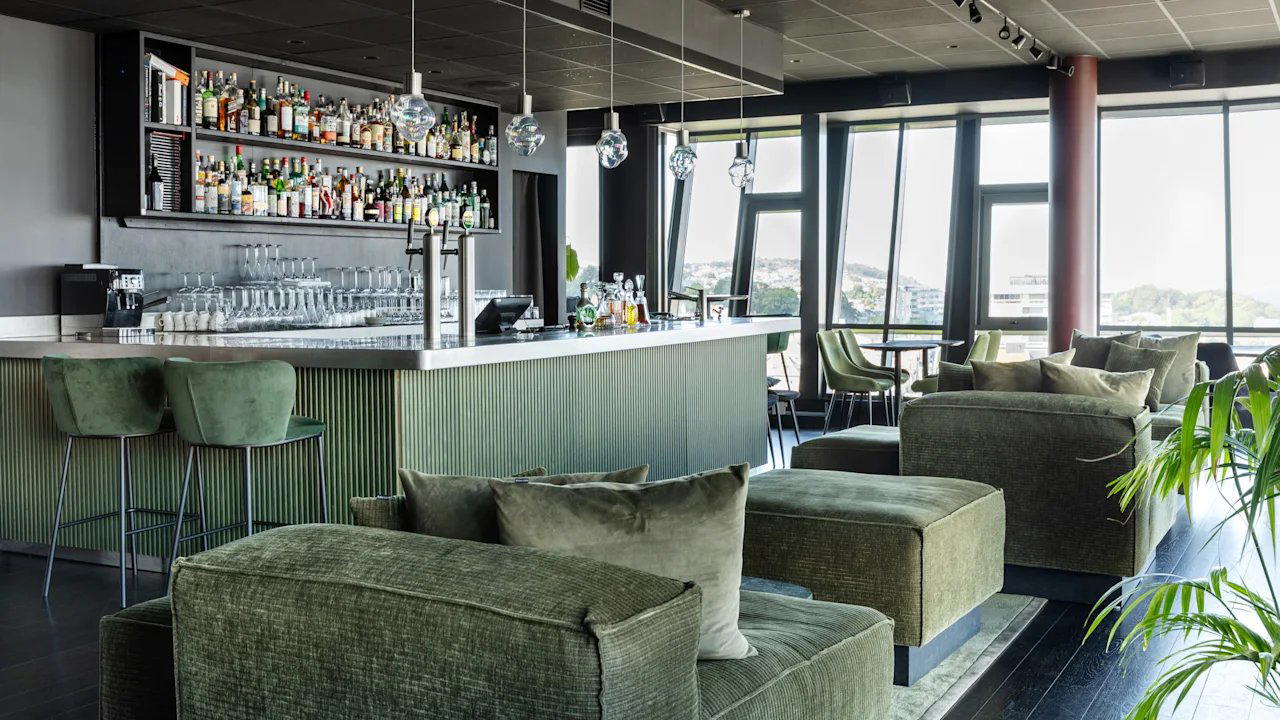


Details
- Modern
- Elegant
- Scenic
- Business Trip
- Weekend Escape
- Panoramic View
- Terrace
- Wi Fi
- Fitness Center
- Sauna
- Room Service
- Concierge
- Meeting Rooms
- Waterfront
- Mountain
- Wheelchair Accessible
- Step Free Entrance
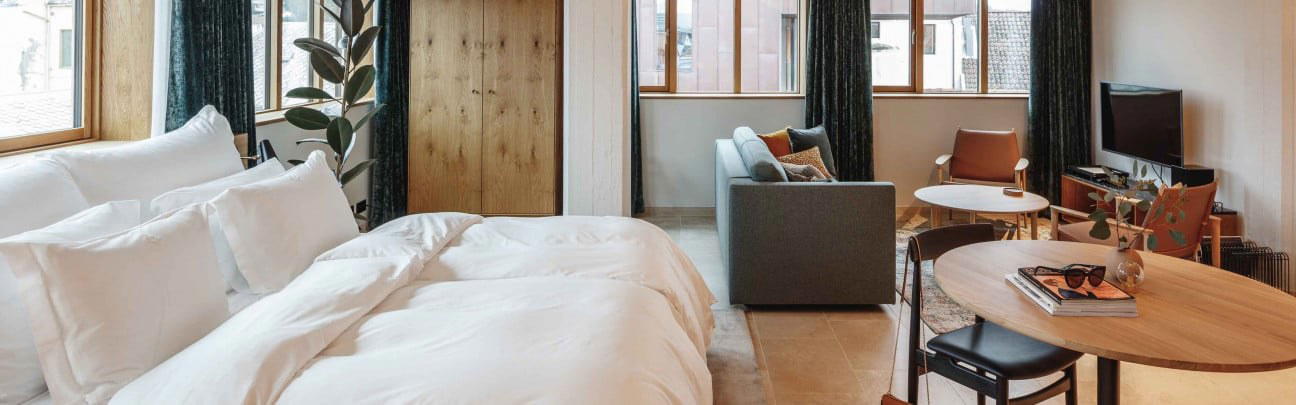
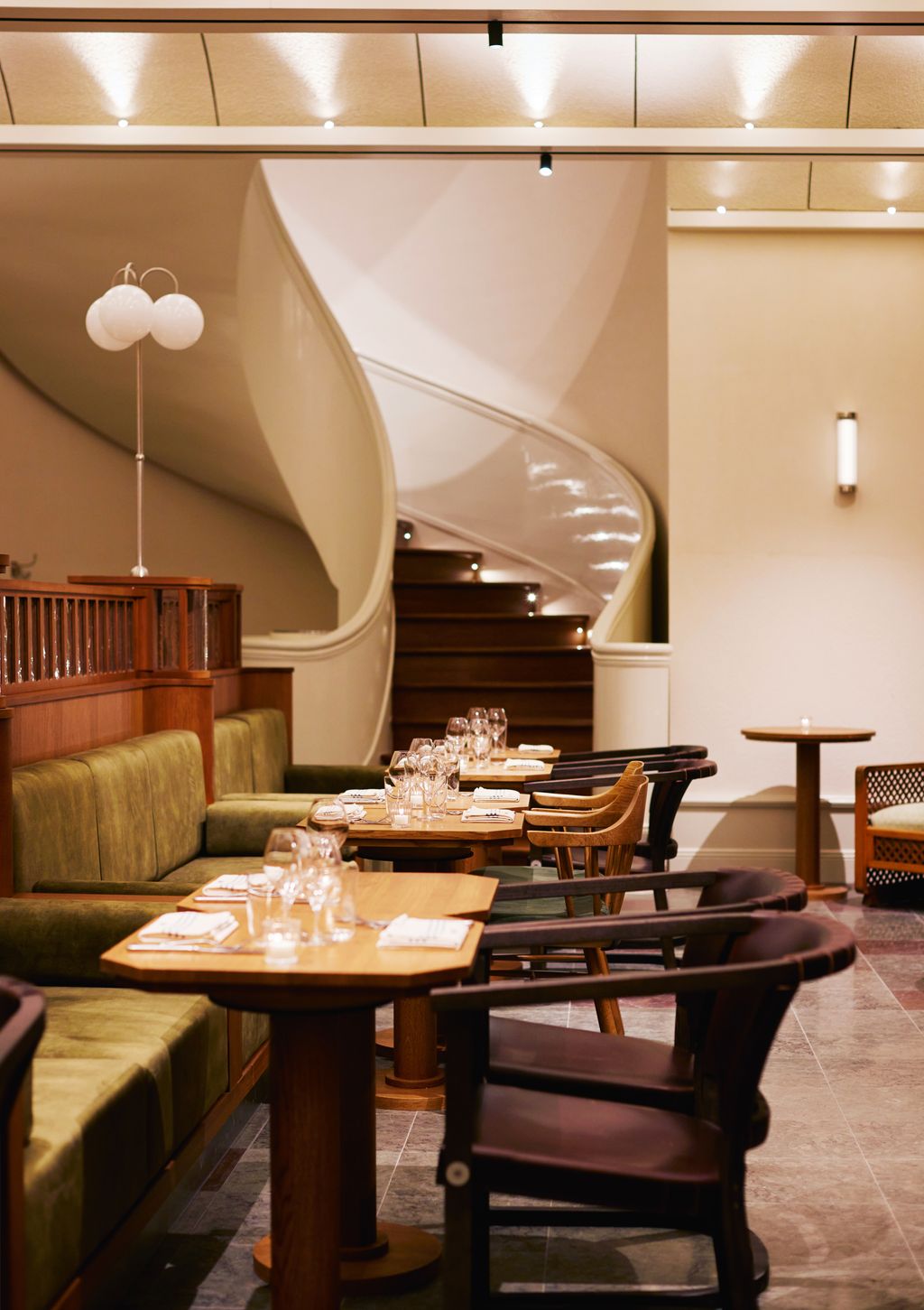
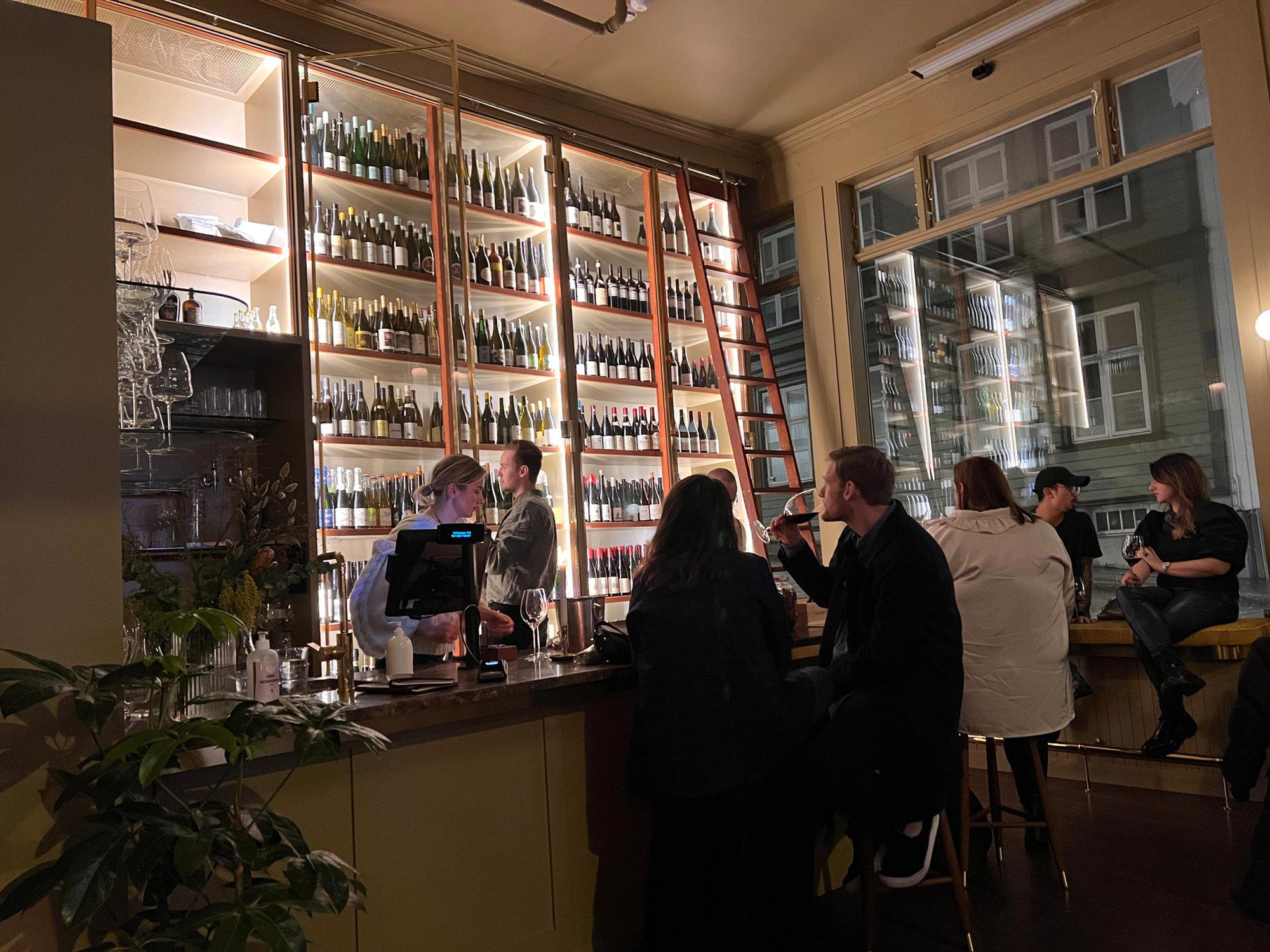
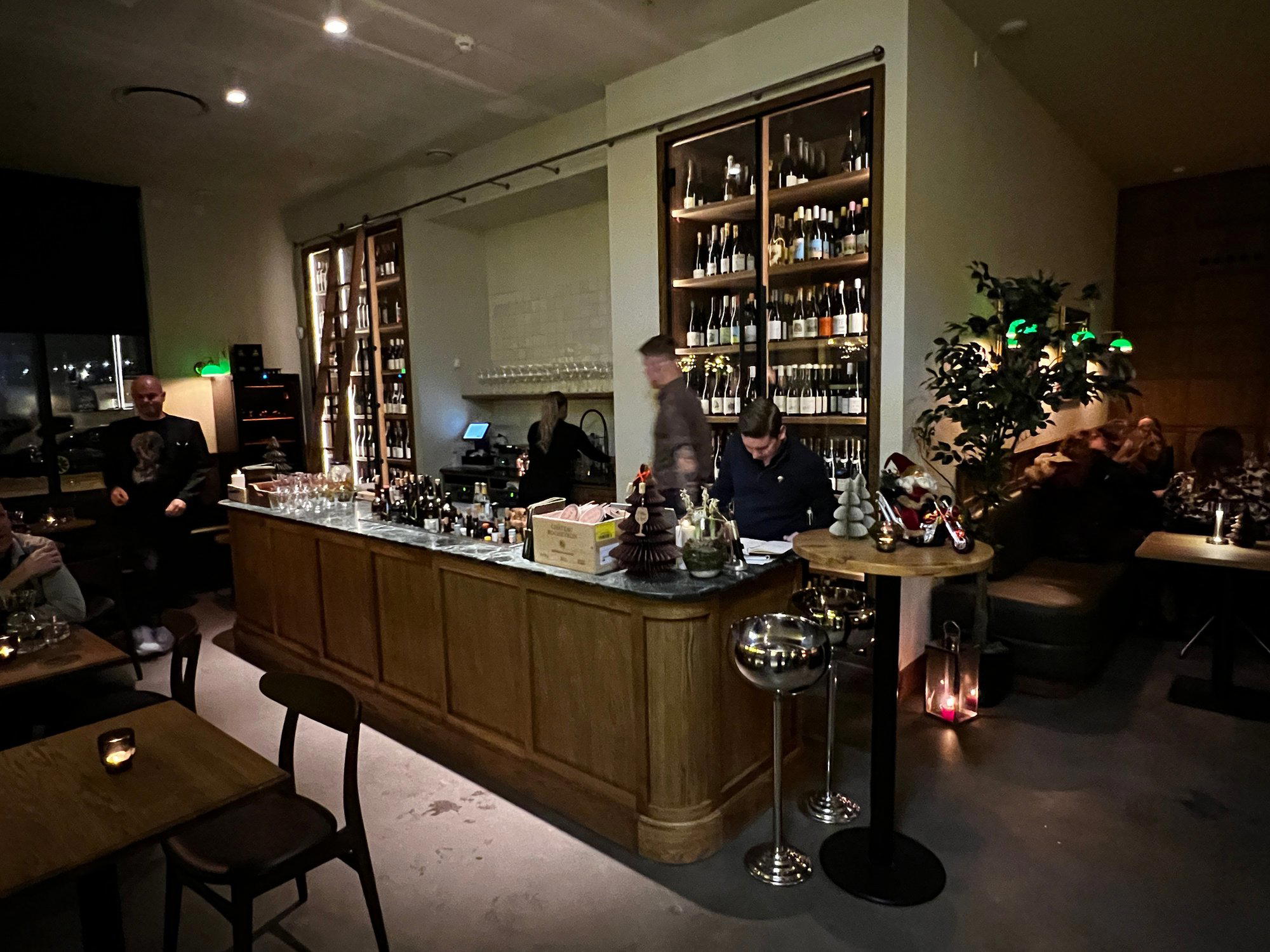
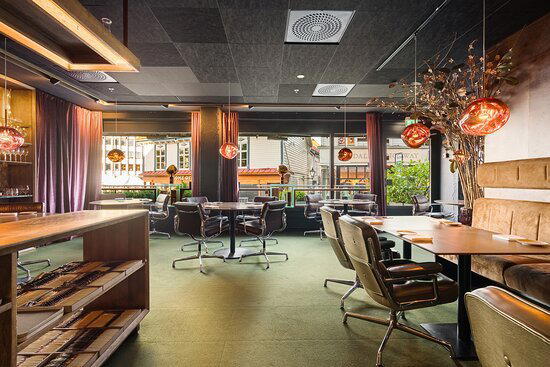
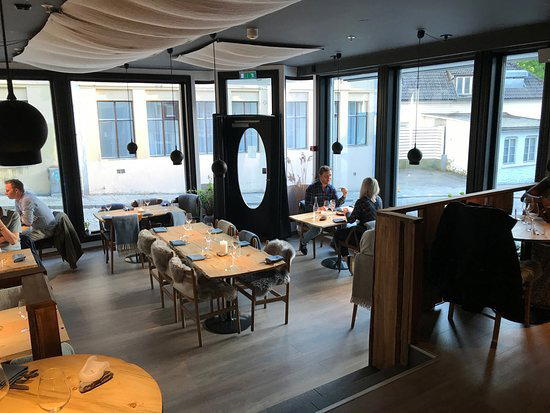
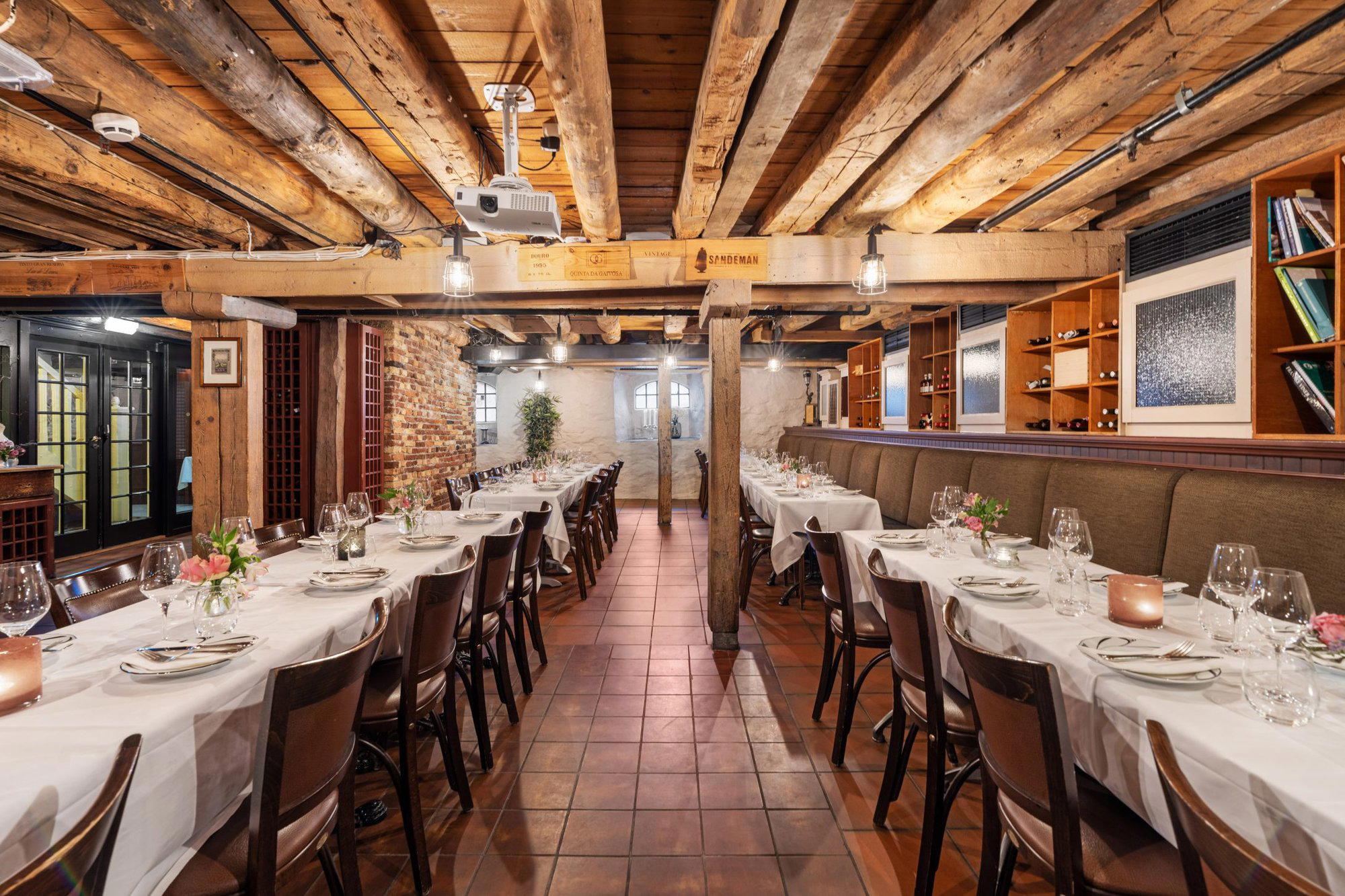
Stylish modern decor blending 1950s-60s references with contemporary materials, spacious lounges with floor-to-ceiling windows flooding in natural light, and comfortable rooms offering scenic views.