Leave it to the bartender for four drinks and bites
- Address
- Pg. de Mallorca, 14A, Centre, 07012 Palma, Illes Balears, Spain
- Phone
- +34971722175
- Website
- saladepersonal.com
- Directions
- Get directions
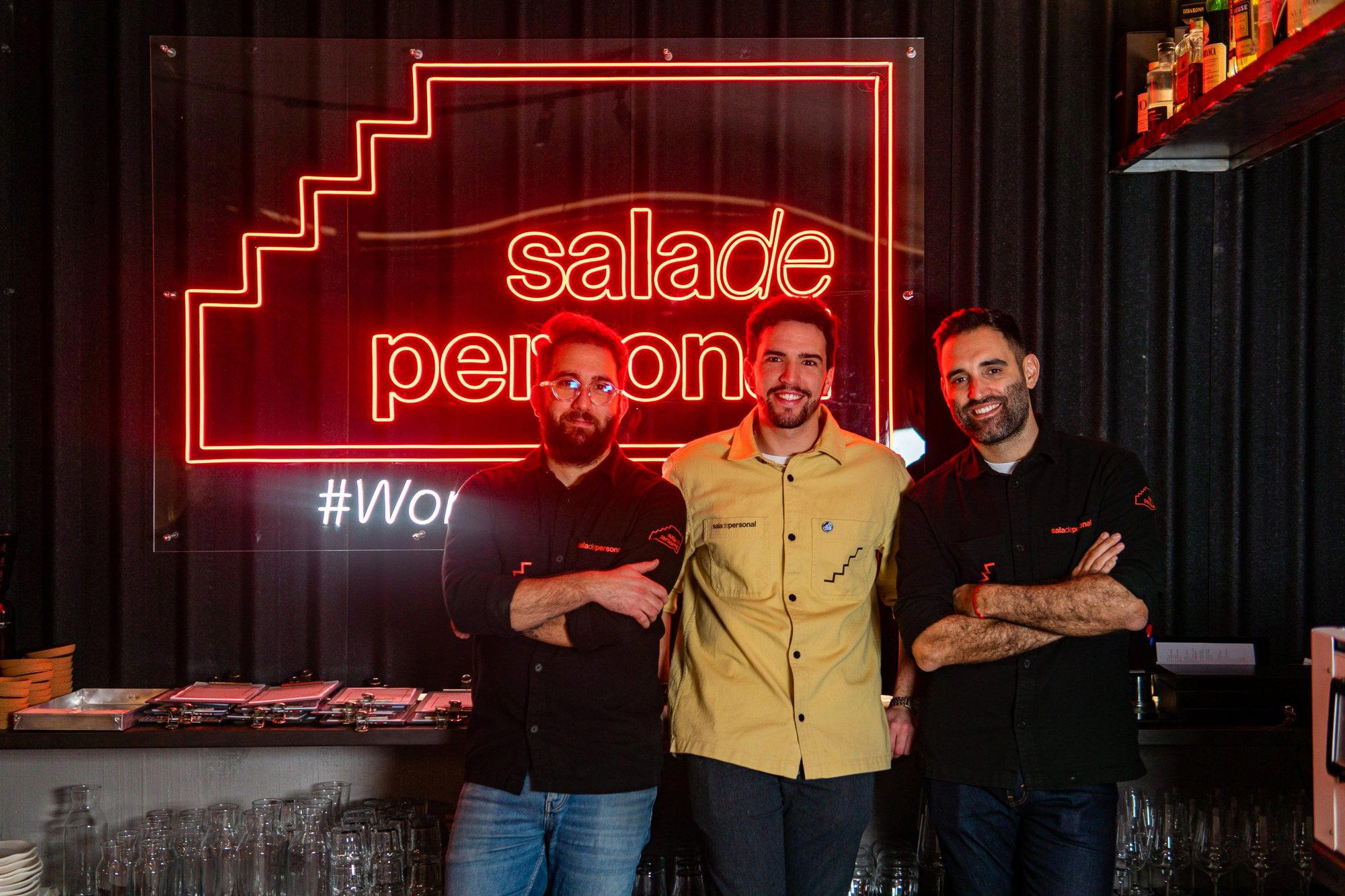
Passeig de Mallorca and the Question of What Palma Eats at Home
Passeig de Mallorca is one of those wide, tree-lined corridors where the city exhales. The boulevard runs parallel to the old moat channel, flanked by modernista facades and the kind of ground-floor premises that Palma reserves for businesses it actually uses: pharmacies, neighbourhood bars, the occasional quietly serious restaurant. Sala de personal occupies address number 14A, which places it inside the Centre district and well within walking distance of the cathedral quarter, though the boulevard's character is residential rather than touristic. The pavement trade here is largely local, which tells you something about the register this kind of address tends to attract.
That local register matters when reading Palma's dining scene against its Spanish context. The island has produced some of Spain's most discussed creative cooking over the past decade, with Zaranda and Adrián Quetglas sitting at the formal end, and a wider tier of contemporary Mallorcan restaurants filling the middle ground between tasting-menu ambition and everyday neighbourhood dining. It is in that middle and lower-middle tier where much of the city's actual food culture lives, away from the summer-season dining economy that defines Port Adriano or the Santa Catalina tourist circuit.
Mallorcan Cuisine and the Cultural Weight Behind the Name
The phrase "sala de personal" translates from Spanish as "staff room" or "staff canteen", the room behind the room, where the people who make a restaurant function actually eat. As a name for a dining establishment, it carries a deliberate inversion: it foregrounds the labour and the people who are usually invisible to the guest, which in the context of Spanish food culture reads as a pointed statement about hospitality's internal economy. Spain has a strong tradition of the personal, unlicensed, or semi-private dining format, from the sociedad gastronómica of the Basque Country to the casa de comidas of Madrid's working-class barrios. A name that invokes the staff meal locates itself within that tradition of eating as a social act rather than a performative one.
Mallorcan cooking, at its core, is a Mediterranean pantry cuisine: sobrasada, ensaïmada, tumbet, pa amb oli. It draws on the island's agricultural self-sufficiency, almonds, olives, pork, seasonal vegetables, and on the fish of the Balearic Sea. The more ambitious restaurants on the island, including Marc Fosh and Aromata, work with these ingredients through a contemporary European lens. At the neighbourhood end of the spectrum, the same pantry shows up in simpler, more direct formats: the daily menu, the shared plate, the wine-by-the-glass list built around local production. How a venue at this address positions itself within that range is the relevant question.
Reading Sala de Personal Against Palma's Wider Scene
Palma's restaurant scene in 2024 operates across several distinct tiers. At the leading, a small cluster of kitchens competes for critical recognition alongside Spain's broader fine-dining conversation, which includes international references like El Celler de Can Roca in Girona, Arzak in San Sebastián, and Mugaritz in Errenteria. Below that, a mid-market tier has expanded considerably as Palma's year-round residential population has grown and the city's gentrification has pushed into formerly quiet districts. Bàrbar represents one version of this shift: informal, produce-led, oriented toward the neighbourhood regular rather than the visiting guest.
The Passeig de Mallorca address places the restaurant geographically between the old city's heritage dining circuit and the newer Santa Catalina concentration of restaurants. That positioning, combined with a name that emphasises informality and the everyday, suggests an operation calibrated for repeat local custom rather than one-time occasion dining. In Spanish urban dining culture, this is a distinct and durable category: the place where people eat on a Tuesday because the food is reliable, the price is honest, and the room does not ask anything of you.
For comparison, the €€€€ tier represented by Zaranda and Marc Fosh operates on a completely different logic: advance booking windows, tasting-menu formats, and a guest base that includes a significant proportion of visitors. The mid-range tier, which includes Adrián Quetglas at €€€, occupies a transitional zone. Venues operating at the neighbourhood end of the market, without the apparatus of international recognition, tend to be the ones that serve Palma as a city rather than Palma as a destination, a distinction worth holding onto when deciding which kind of meal you are after.
Spain's Broader Creative Scene and Where the Island Fits
Spain's national fine-dining conversation remains one of Europe's most active. The kitchens that anchor it, DiverXO in Madrid, Martin Berasategui in Lasarte-Oria, Azurmendi in Larrabetzu, Quique Dacosta in Dénia, Aponiente in El Puerto de Santa María, Ricard Camarena in València, and Cocina Hermanos Torres in Barcelona, are largely mainland operations. The Balearic Islands sit at the edge of that conversation, contributing through isolated projects rather than as a sustained regional movement. This makes the neighbourhood layer of Palma's dining scene more significant, not less: it is where the island's own food culture sustains itself independently of the critical economy.
At the international level, the formal tasting-menu format has faced pressure from a generation of diners who find it exhausting. The shift is visible in cities like New York, where Le Bernardin and Atomix represent different answers to the question of what a serious meal should feel like. In Palma, the equivalent pressure has produced a proliferation of mid-format restaurants that offer quality cooking without the ceremony. A name like Sala de personal reads as a contribution to that shift.
Planning a Visit: What to Know in Advance
The restaurant is located at Passeig de Mallorca 14A, Centre, 07012 Palma. The Passeig de Mallorca is accessible on foot from the cathedral quarter in under fifteen minutes and is well served by Palma's bus network. Palma's restaurant scene moves quickly, and neighbourhood restaurants in this tier often operate without significant online presence.
Price and Positioning
Comparable venues nearby, for context on price, style, and recognition.
| Venue | Cuisine | Price | Awards | Notes |
|---|---|---|---|---|
| Sala de personalThis venue — the venue you are viewing | Not listed | $$$ | Not listed | Not listed |
| La Vieja | Old Town, Modern Canarian Fusion | $$$ | Michelin Plate | Not listed |
| Casa Maruka | Not listed | $$ | Not listed | near Plaça d’Espanya, Market-driven Spanish–Mediterranean restaurant |
| Calma y Caos Restaurant | Not listed | $$$$ | Not listed | Palma de Mallorca, Modern Mediterranean Signature Cuisine |
| Little Jarana | Not listed | $$$ | Michelin Plate | near Passeig de Mallorca, Modern Mediterranean Small Plates |
| Ca n'Ela Vegan Restaurant | Lonja, Creative Vegan Mediterranean | $$ | Not listed | Not listed |
Continue exploring
More in Palma
Restaurants in Palma
Browse all →
Bars in Palma
Browse all →
Hotels in Palma
Browse all →
At a Glance
- Trendy
- Intimate
- Date Night
- Special Occasion
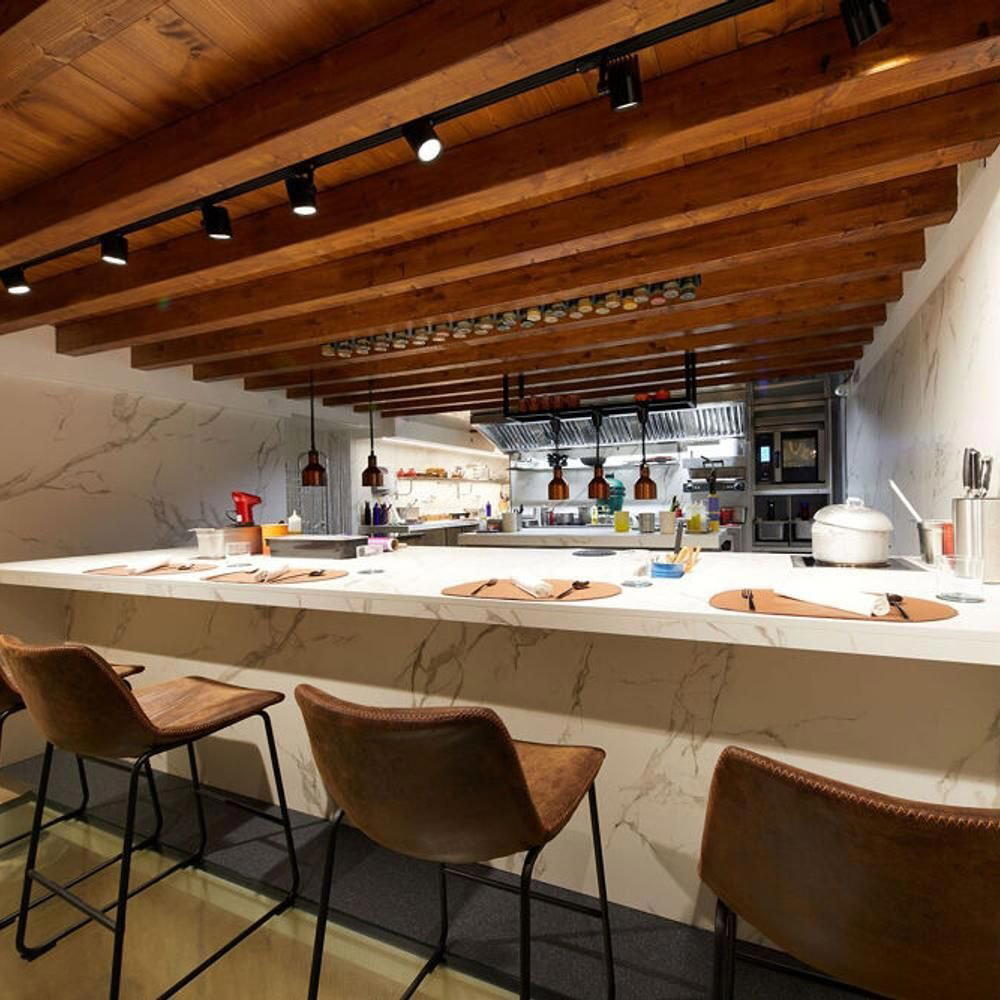
- Chefs Counter
- Craft Cocktails
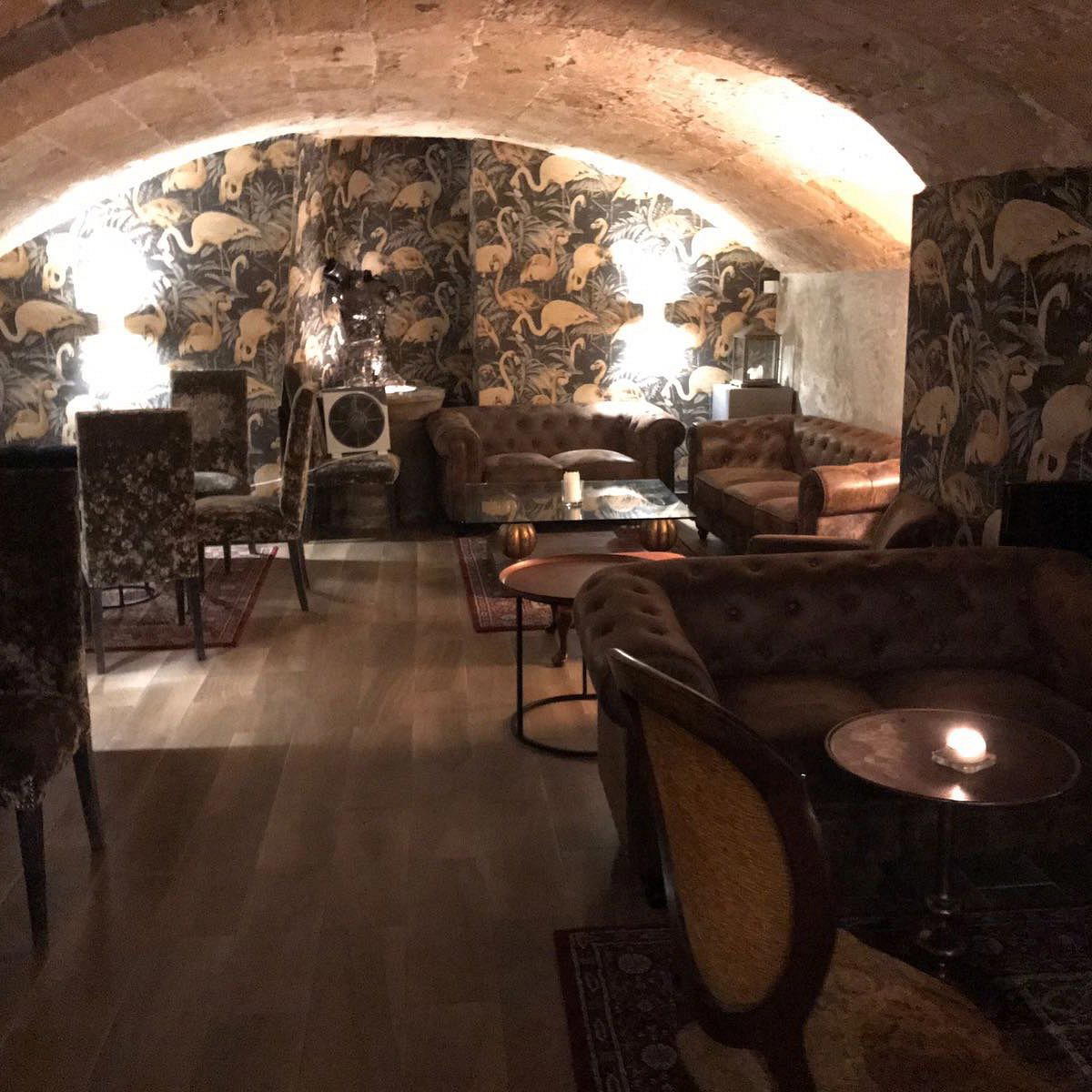
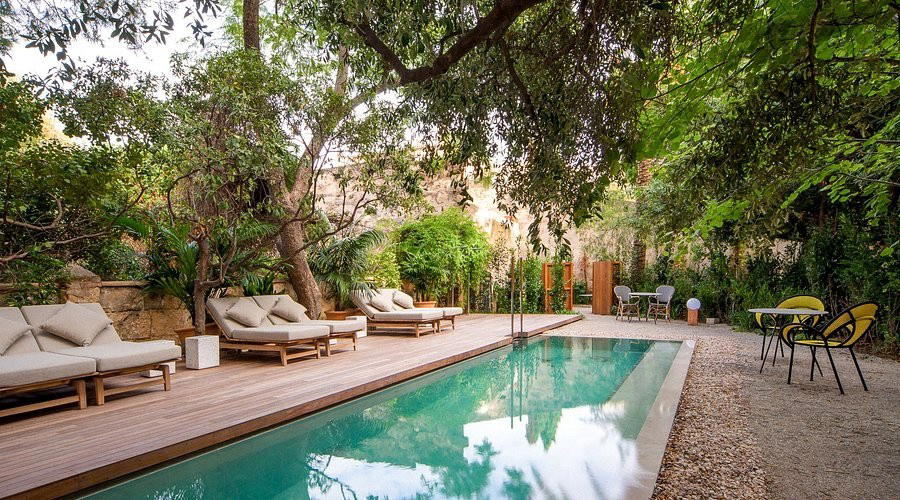
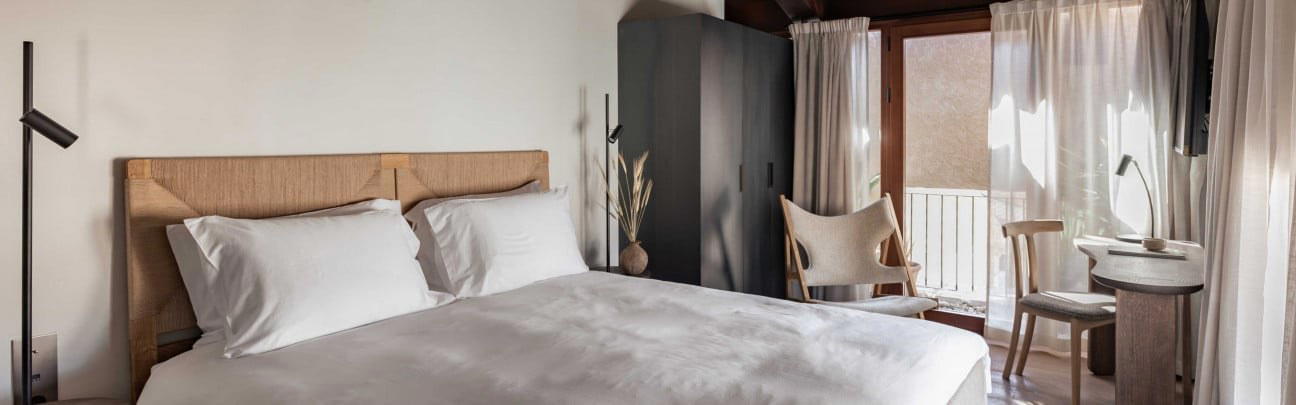
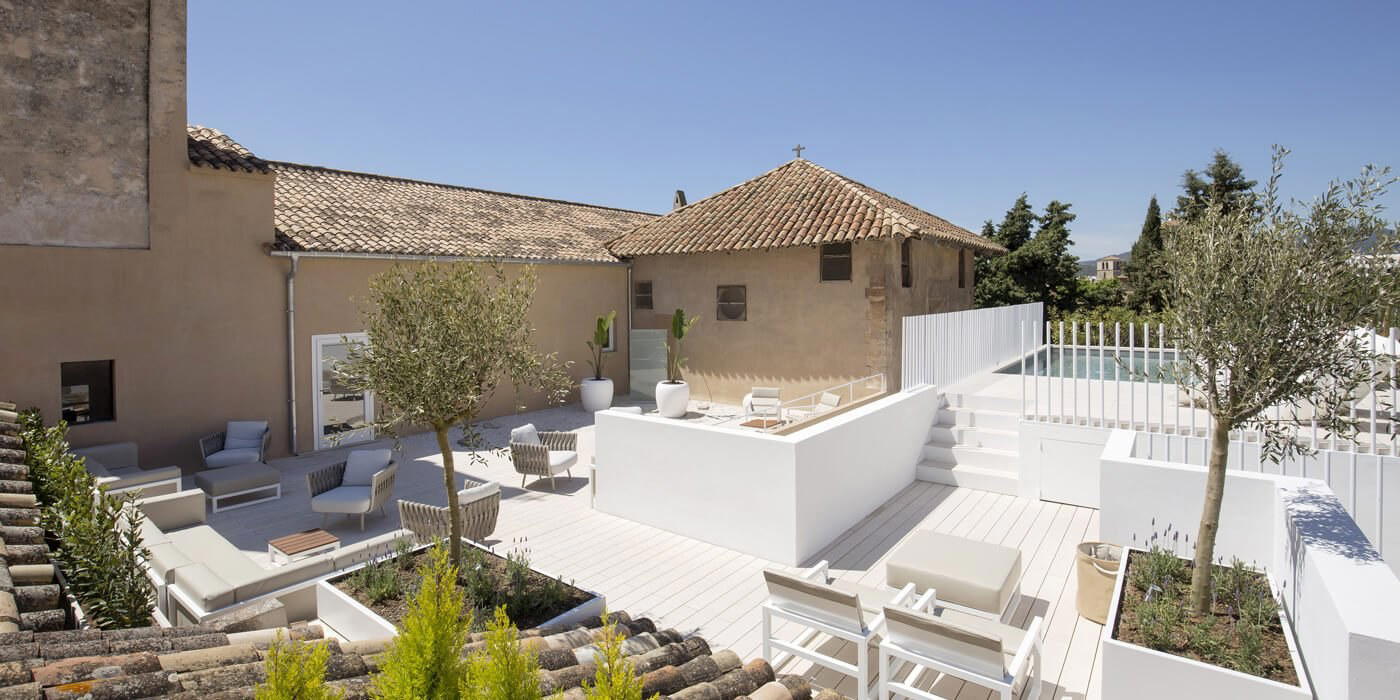
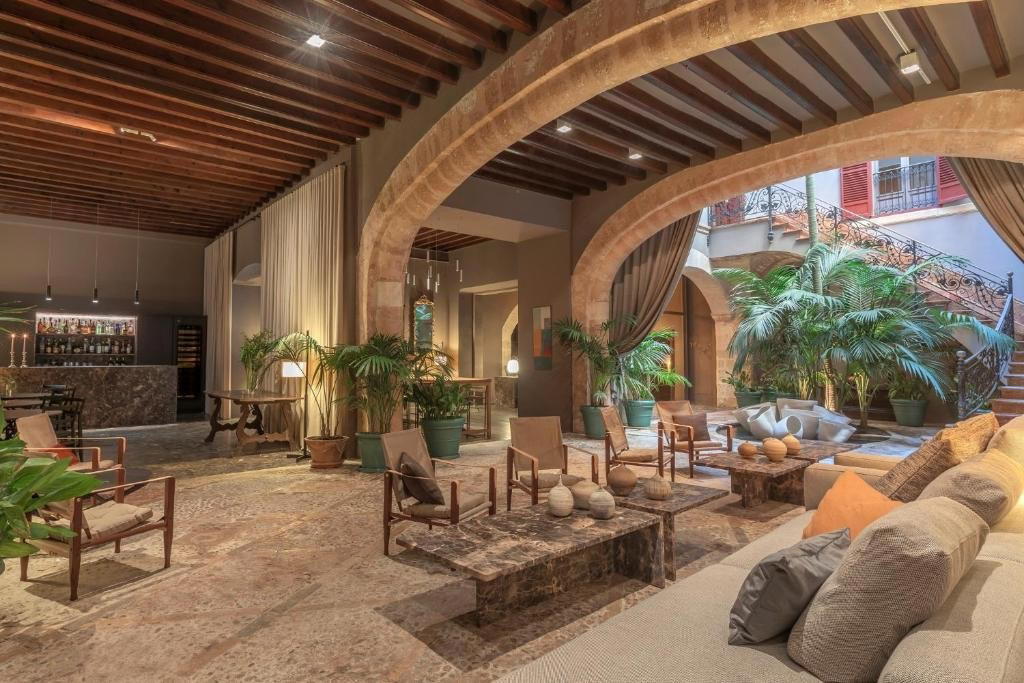
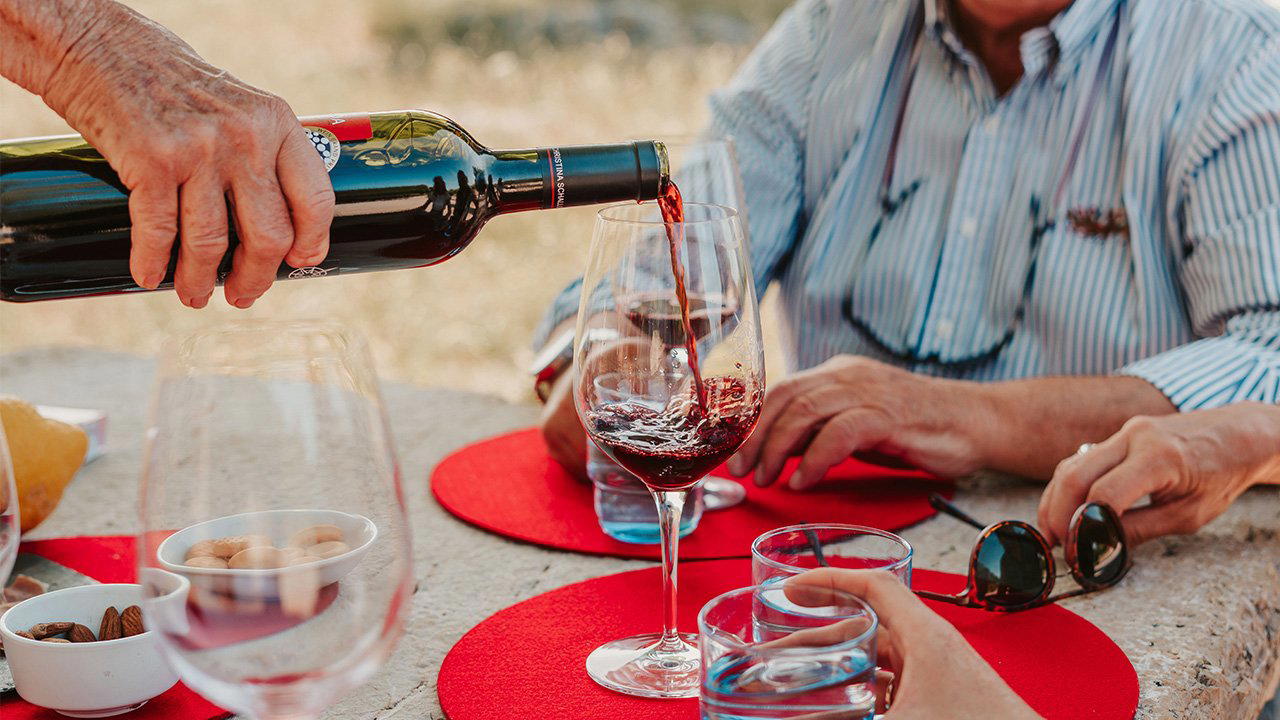
Intimate and distinctive speakeasy atmosphere tucked away down a stairwell, with a focus on cocktail pairings and seasonal dishes.