Ca n'Ela occupies a corner of Palma's historic Centre quarter, operating in a city where plant-based cooking has long sat at the margins of a meat-and-seafood-dominant dining culture. The restaurant addresses that gap directly, with a vegan format on Carrer de la Mar that places it in a different competitive tier from the Michelin-tracked creative restaurants that dominate Palma's upper dining bracket.
Pearl is the En Primeur Club membership app — saves, bookings, and concierge access live there. Same editors, same standards.
- Address
- Carrer de la Mar, 16, Centre, 07012 Palma, Illes Balears, Spain
- Phone
- +34871776653
- Directions
- Get directions
 Saves & bookings on Pearl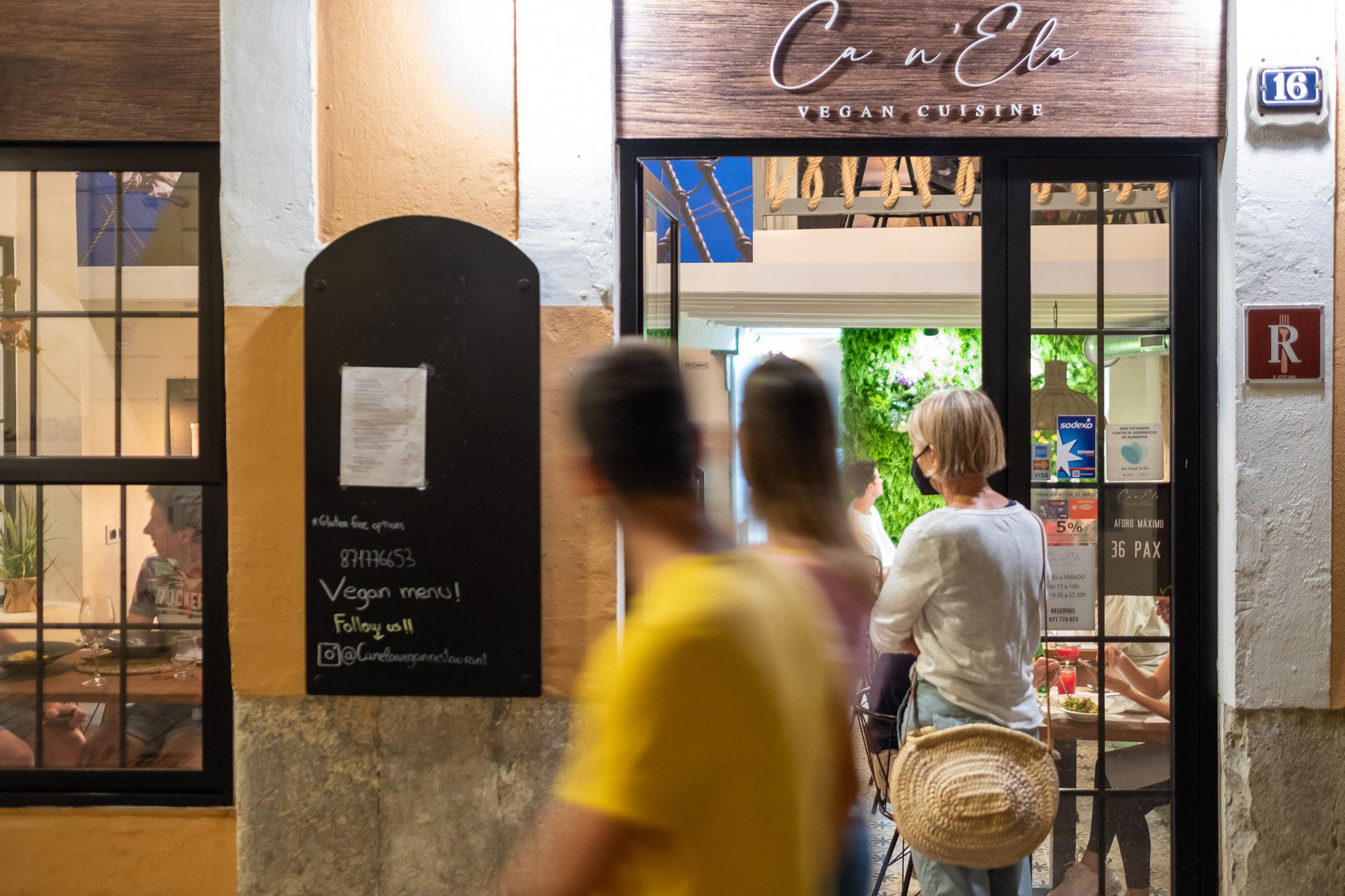
Plant-Based Cooking in a City Built on Sobrasada and Seafood
Palma's dining identity has been shaped, for generations, by the produce of the Mallorcan interior and the Mediterranean coastline: cured meats, local lamb, red prawn from Sóller, and the kind of fish cookery that treats butter and olive oil as interchangeable currencies. Against that backdrop, a fully vegan restaurant on Carrer de la Mar, in the city's historic Centre quarter, is a natural point of difference. Ca n'Ela exists in that gap, occupying a position that most of Palma's celebrated kitchens have left open. Ca n'Ela operates in a category those restaurants do not touch.
The address itself sets a tone. Carrer de la Mar runs through the compressed, stone-walled streets of Palma's old city, where the buildings date to the medieval period and the ground floors have cycled through centuries of use. Walking toward the restaurant, you pass through a neighbourhood that feels more residential and local than the tourist-facing blocks near the cathedral. The scale is domestic. This is not a dining destination formatted for Instagram approach shots or hotel concierge recommendations to visiting yachters. It is, by the evidence of its location and format, a neighbourhood restaurant that happens to operate in a neighbourhood with particularly historically layered streets in the Balearic Islands.
The Sourcing Logic Behind a Vegan Menu in Mallorca
Ca n'Ela is best understood through sourcing rather than philosophy. Mallorca has, over the past two decades, developed one of Spain's more coherent small-farm ecosystems. The island's protected designation products, including Mallorcan extra virgin olive oil, local almonds, and the vegetables grown in the interior around Inca and Sa Pobla, provide a sourcing base that a plant-forward kitchen can draw on without reaching for imported alternatives. The logic is similar to what drives the ingredient decisions at celebrated Spanish restaurants further afield: Quique Dacosta in Dénia built a reputation on the hyperlocal specificity of his coastal ingredients, and El Celler de Can Roca in Girona has long used Catalan regional produce as a structural foundation. The principle that place-specific ingredients produce more coherent food applies as directly to vegetable cookery as it does to protein-centred menus.
For a vegan restaurant on an island with strong agricultural traditions, the sourcing question matters more than the absence of animal products. Mallorca grows figs, citrus, aubergines, capers, and almonds at a quality level that competes with any Mediterranean equivalent. A kitchen that sources from that network is working with raw materials that have centuries of culinary history behind them, even if the format is contemporary. This is the productive tension Ca n'Ela sits within: a modern dietary category applied to one of the oldest agricultural islands in the western Mediterranean.
How Ca n'Ela Fits Palma's Current Dining Spread
Palma's restaurant scene has stratified significantly since the city's broader tourism and real estate reorientation in the 2010s. The upper bracket, anchored by Michelin-starred operations and high-spend tasting menus, now competes on the same terms as comparable restaurants in Madrid or Barcelona. Venues like Bàrbar address the casual-creative middle ground. Ca n'Ela operates outside both of those tiers, in a format that prioritises accessibility and a specific dietary commitment over competitive positioning within the city's awards-tracked hierarchy.
That positioning has a practical consequence for how the restaurant functions. Without the price architecture of a Michelin-tracked tasting menu, and without the volume model of a high-turnover tourist bistro, a vegan restaurant in this location is likely drawing a mix of resident regulars, visitors with dietary requirements, and diners who seek out plant-based cooking regardless of geography. The comparison set for Ca n'Ela is less Cocina Hermanos Torres in Barcelona or DiverXO in Madrid and more the category of committed independent restaurants that operate in a specific niche rather than competing for recognition across the full dining spectrum.
Spain's avant-garde scene, running from Arzak in San Sebastián and Azurmendi in Larrabetzu to Mugaritz in Errenteria, Martin Berasategui in Lasarte-Oria, and Aponiente in El Puerto de Santa María, has spent two decades proving that Spanish cooking can absorb radical formal experimentation without losing regional character. Ca n'Ela operates far below that altitude of ambition and resource, but it engages with the same underlying question: what does Spanish and specifically Mallorcan produce look like when filtered through a contemporary dietary framework? The answer, in a city where most kitchens still centre protein, is worth examining on its own terms.
Planning a Visit
Ca n'Ela sits at Carrer de la Mar, 16, in Palma's Centre district, within the old city walls. The address is walkable from most of Palma's historic core, and the surrounding streets are navigable on foot from the cathedral quarter in under ten minutes. Given the limited data currently available on this restaurant, including hours, booking method, and price range, the practical advice is to check current operating details directly before visiting. Palma's old city restaurants in this category tend to keep shorter lunch service hours and may close for one or two days mid-week.
For readers arriving from beyond Spain, the reference points are useful. The kind of focused, ingredient-led vegan cooking that Ca n'Ela likely represents has international equivalents, from Lazy Bear in San Francisco's produce-first sensibility to the vegetable cookery that has become a serious sub-category at Le Bernardin in New York City. The Palma version operates at a different scale and price point, but the underlying logic, that sourcing quality drives cooking quality regardless of whether meat is present, still applies.
One of Spain's most precise modern kitchens has increasingly centred vegetable cookery as a primary, not secondary, discipline. The direction of travel in Spanish fine dining supports, rather than contradicts, what a committed vegan restaurant in a Balearic old city is trying to do.
Comparable Venues
Comparable venues nearby, for context on price, style, and recognition.
| Venue | Cuisine | Price | Awards | Notes |
|---|---|---|---|---|
| Ca n'Ela Vegan RestaurantThis venue — the venue you are viewing | Creative Vegan Mediterranean | $$ | Not listed | Not listed |
| Mombo | Modern Mediterranean Bistro | $$$ | Not listed | Centre |
| Casa Maruka | Market-driven Spanish–Mediterranean restaurant | $$ | Not listed | near Plaça d’Espanya |
| Sala de personal | Modern Spanish Tapas with Cocktail Pairings | $$$ | Not listed | Central Palma |
| Adrián Quetglas | Modern Mediterranean with Argentinian and International Influences | $$$ | Michelin Plate | Distrito Centro |
| Sumaq | Modern Peruvian Fusion | $$$ | Michelin Plate | Santa Catalina |
Continue exploring
More in Palma
Restaurants in Palma
Browse all →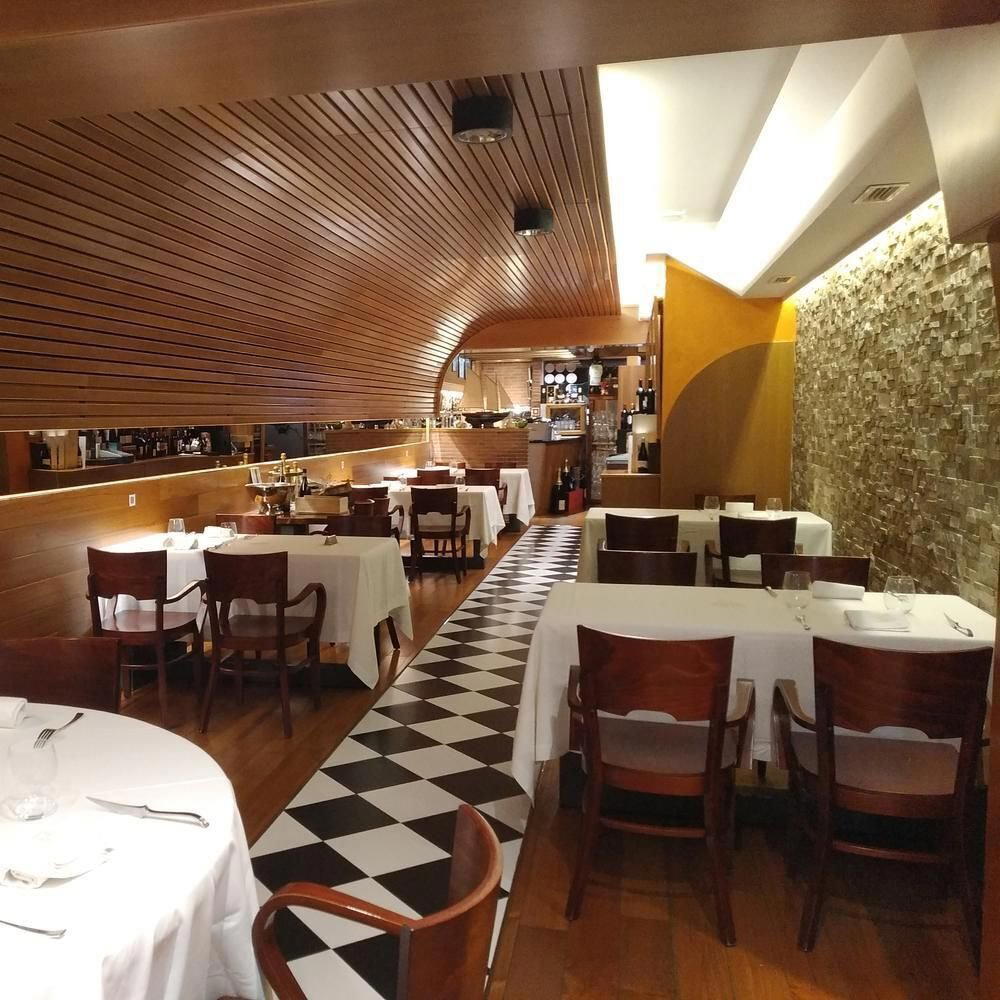
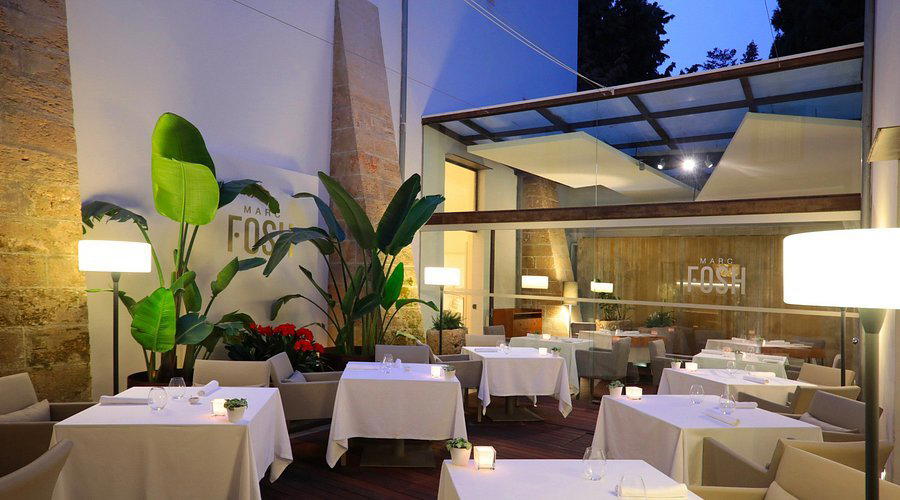
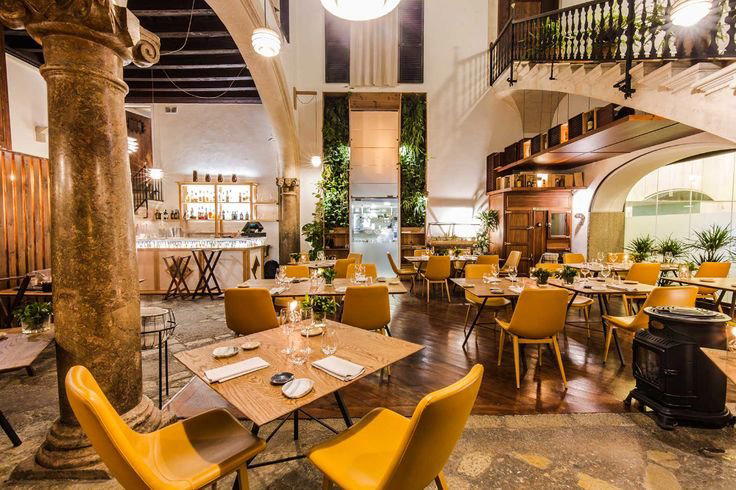
Bars in Palma
Browse all →
Hotels in Palma
Browse all →
At a Glance
- Cozy
- Elegant
- Modern
- Date Night
- Casual Hangout
- Open Kitchen
- Local Sourcing
- Street Scene
Current opening hours
- Monday
- 1–4 PM, 7–10 PM
- Tuesday
- 1–4 PM, 7–10 PM
- Wednesday
- 1–4 PM, 7–10 PM
- Thursday
- 1–4 PM, 7–10 PM
- Friday
- 1–4 PM, 7–10 PM
- Saturday
- 1–4 PM, 7–10 PM
- Sunday
- Closed
Hours can change for holidays and private events. Last verified .
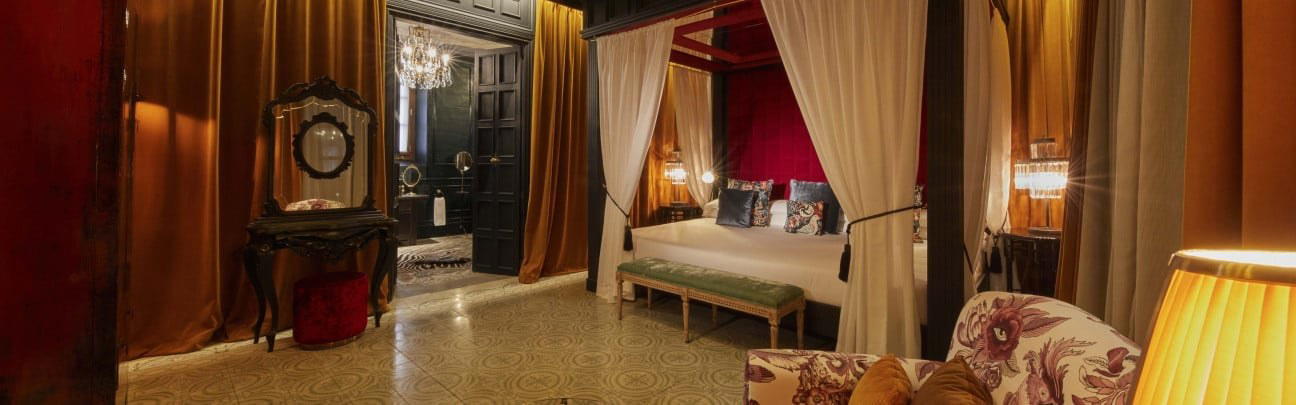
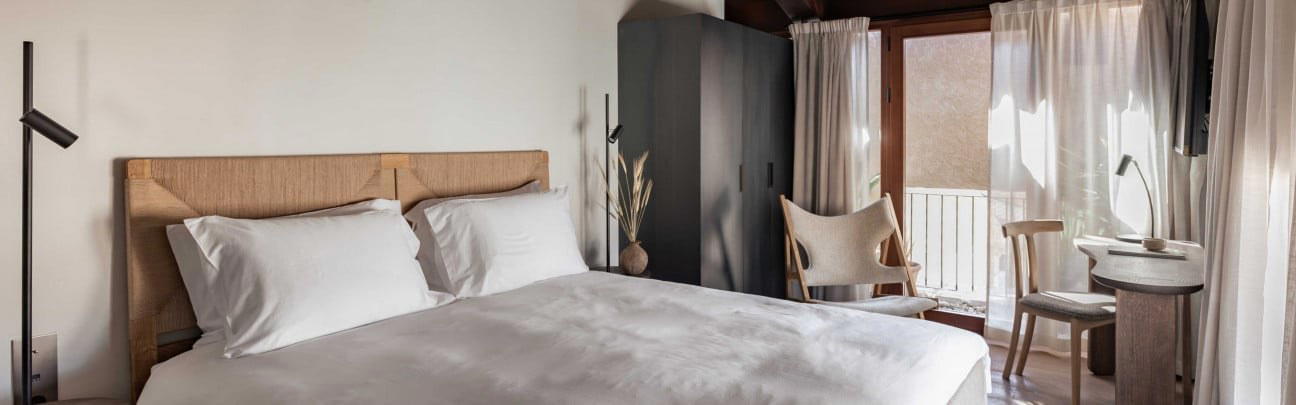
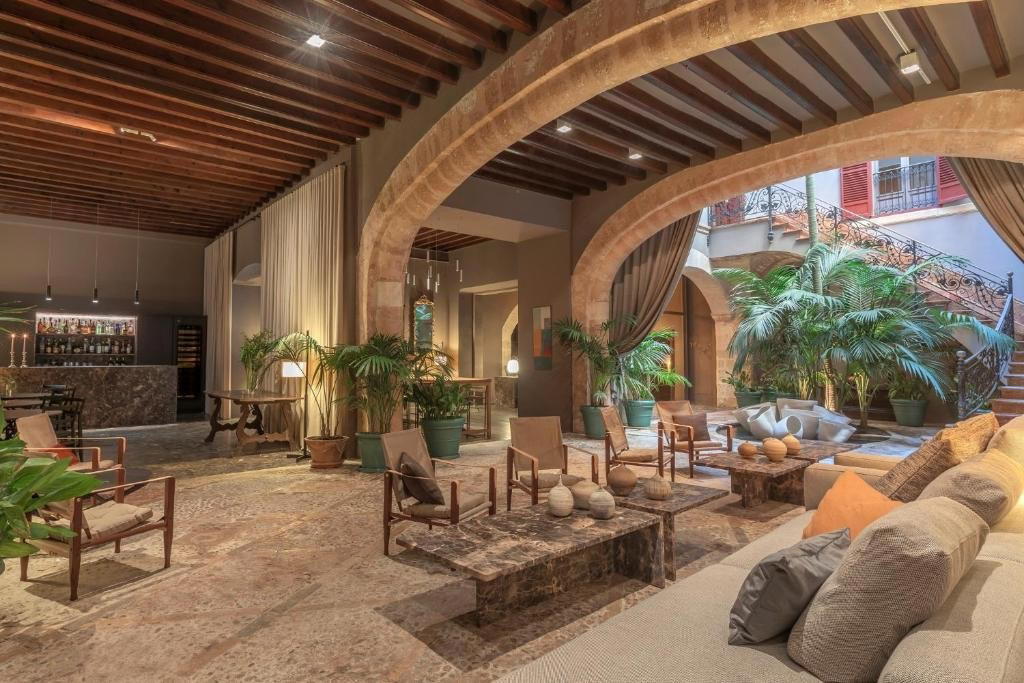
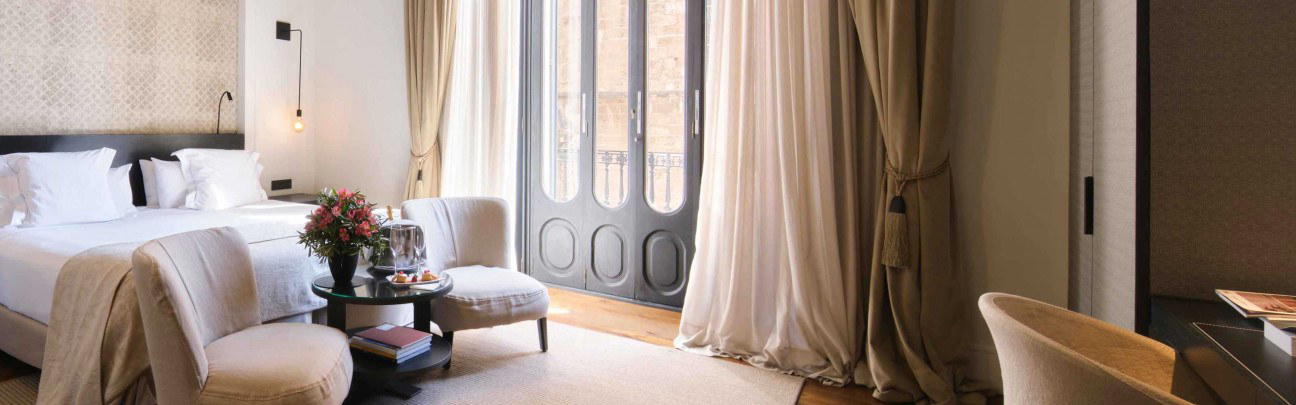
Stylish and cozy with leafy walls, open spaces, and large windows offering street views.