

Michelin Plate · Guía Repsol 1 Sol
Our verdict
Located within the HM Palma Blanc hotel in Palma's Ponent district, Aromata holds a Michelin Plate (2025) under Chef Andreu Genestra, whose menu draws on Mallorca's seasonal produce and culinary traditions. Evening diners choose between two tasting formats — Aromata and Sentits — while a flexible à la carte and lunchtime menu broaden the offer. A rooftop urban vegetable garden feeds the kitchen directly.

Pearl is the En Primeur Club membership app — saves, bookings, and concierge access live there. Same editors, same standards.
- Address
- Carrer de Ramon y Cajal, 12, Ponent, 07011 Palma, Illes Balears, Spain
- Phone
- +34 971 00 70 14
- Hours
- Mon ClosedTue–Sat 1–2:30 PM, 7:30–9 PMSun Closed
- Website
- aromatarestaurant.com
- Directions
- Get directions
- Booking
- Book on TheFork
The menu
What to order
- Porc Negre
- Aromata tasting menu
- Sentits tasting menu
A Hotel Dining Room That Takes the Island Seriously
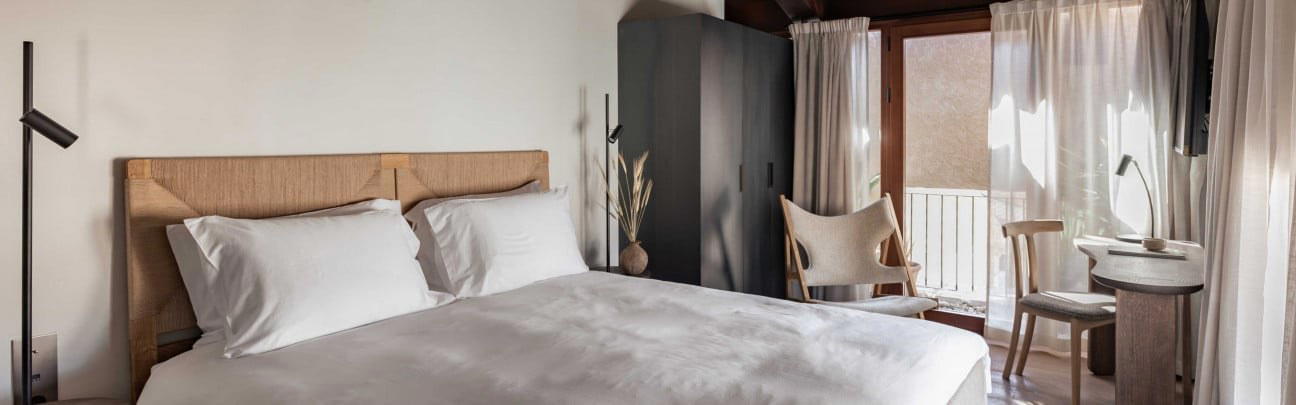
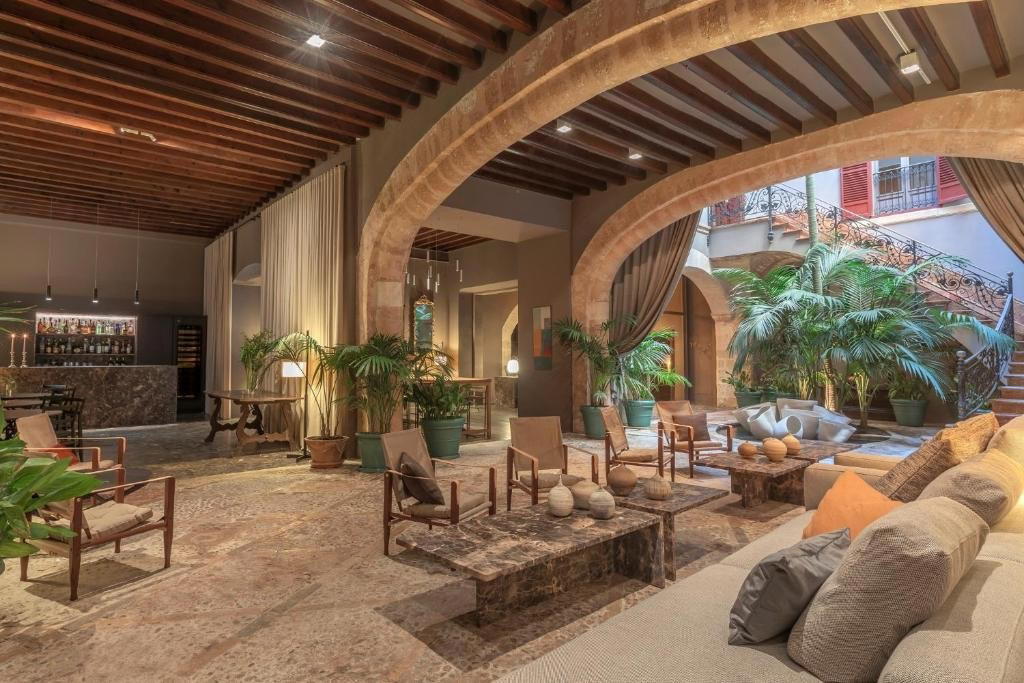
The hotel restaurant in Spanish fine dining occupies a complicated position. For decades, the format carried the assumption of compromise: serviceable food for guests who couldn't be bothered to go elsewhere. What has shifted across Spain's culinary cities — and is now visible in Palma — is a generation of chefs treating hotel kitchens as legitimate platforms rather than fallback postings. Aromata, operating within the HM Palma Blanc, sits inside that revision. The hotel itself combines Mediterranean essence with contemporary architectural language, and the restaurant occupies that same tension between rootedness and modernity.
Palma's fine dining scene has developed a recognisable character: a close, sometimes territorial, relationship with Mallorcan ingredients, combined with technical approaches absorbed from mainland Spain and, increasingly, from further afield. The comparison set is instructive. Zaranda operates at €€€€ with a Michelin star and a distinctly creative Mallorcan register. Marc Fosh, also Michelin-starred at the same price tier, brings a modern European sensibility to the island's produce. Adrián Quetglas occupies the same €€€ bracket as Aromata and pursues a broadly modern cuisine direction. Aromata's pricing at €€€ places it as an accessible entry point into serious cooking in the city, below the starred restaurants but with a Michelin Plate recognition that signals the kitchen is operating at a coherent level.
What the Menu Architecture Says About the Kitchen
The structure of Aromata's menu reveals something about how Chef Andreu Genestra thinks about the dining room. An à la carte changes in response to daily ingredient availability rather than fixed seasons alone, which demands a kitchen flexible enough to rewrite the offer regularly. That kind of responsiveness is harder to maintain than a static tasting menu and signals a kitchen with genuine confidence in its sourcing relationships.
In the evening, diners choose between two tasting formats: Aromata and Sentits, with an optional cheese supplement on the latter. The existence of two distinct tasting routes rather than one standard menu is not common at this price point and suggests the kitchen is confident enough to offer differentiated experiences rather than defaulting to a single progression. The lunchtime format is notably different in structure, a selection of dishes rather than a fixed tasting sequence, which broadens the restaurant's usefulness beyond special-occasion evenings and positions it for business and leisure lunches alike.
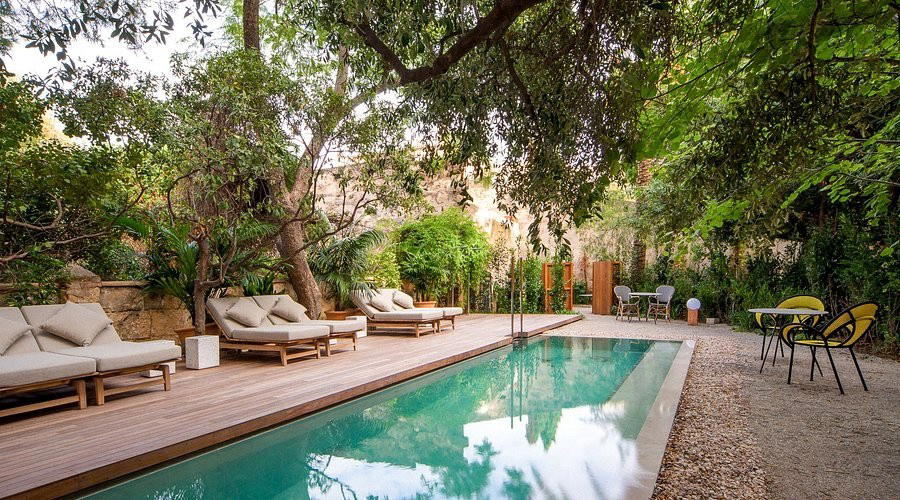
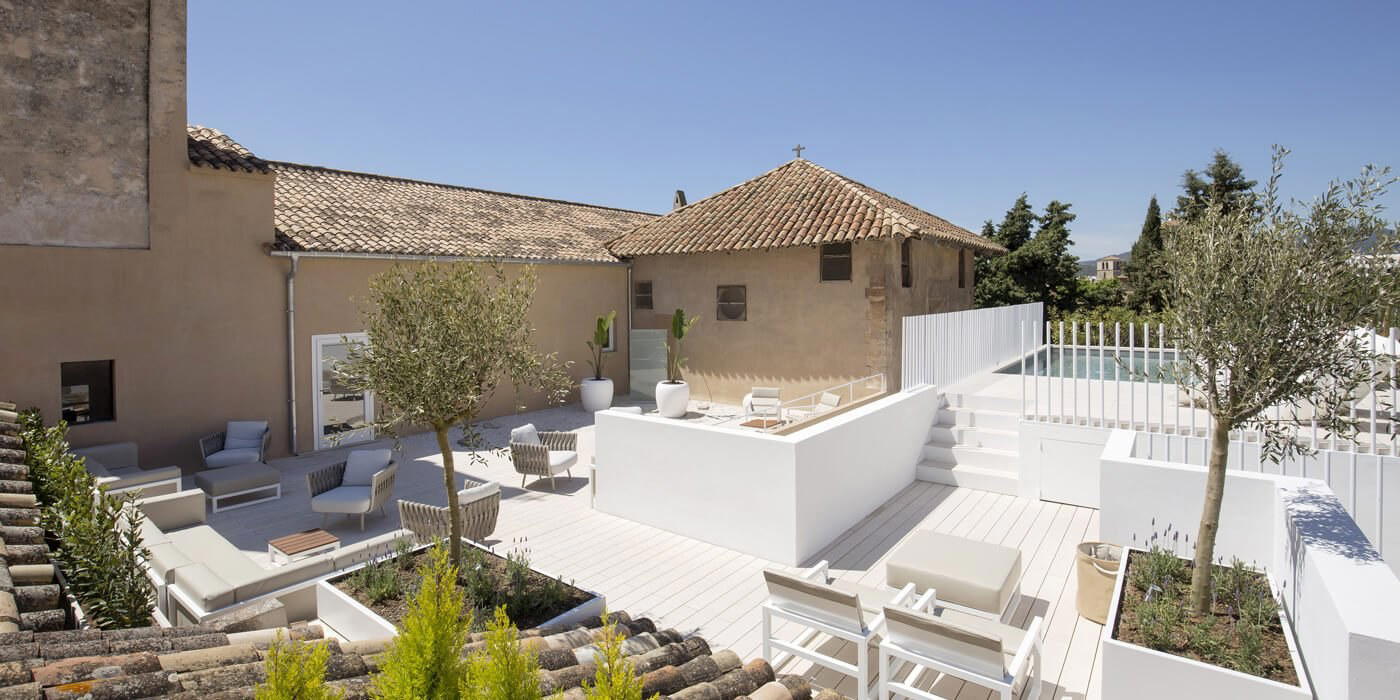
The urban vegetable garden on-site and a botanical garden-terrace are not merely decorative. Restaurants that grow their own herbs and vegetables at this scale tend to use hyper-local produce in ways that imported supply chains cannot replicate: harvested to order, at specific moments of maturity, and in quantities too small for conventional purchasing. This is infrastructure that reinforces the kitchen's stated relationship with the island's produce, making the farm-to-table claim something more than rhetorical.
Mallorcan Ingredients in a Contemporary Frame
The cultural significance of Mallorcan cuisine lies partly in its geographic isolation. The island developed a larder that is distinct from the Spanish mainland: sobrassada, ensaïmada, tumbet, black pig, red prawns from the surrounding waters, wild herbs from the Serra de Tramuntana. For much of the twentieth century, this larder was treated as raw material for tourist-facing approximations of local food. The more interesting development of the last two decades has been chefs, on the island and beyond, treating these ingredients as serious culinary subjects.
Chef Genestra's approach, shaped by a contemporary gastronomic philosophy, sits within a broader Mallorcan movement. DINS Santi Taura pursues a similarly rooted approach at a higher price point. What connects these kitchens is a refusal to treat island ingredients as local colour rather than culinary substance.
On the broader Spanish stage, this conversation is happening at every price point. El Celler de Can Roca in Girona has long argued that regional terroir and avant-garde technique are not in conflict. Arzak in San Sebastián built its reputation on exactly that proposition. Azurmendi in the Basque Country extends it to questions of sustainability and agricultural practice. What is now occurring in Palma reflects the same logic operating at a different geographic scale and with a different ingredient set. Aponiente in El Puerto de Santa María has made a similar argument for Andalusian coastal produce with three Michelin stars. DiverXO in Madrid and Cocina Hermanos Torres in Barcelona represent the urban pole of Spanish creative cooking, places where the conversation is as much about technique and concept as terroir.
Aromata operates closer to the terroir end of that spectrum, which is appropriate given its location and the ingredient story the island makes available. Internationally, the contemporary format it employs has parallels at restaurants like Jungsik in Seoul and César in New York City, where local culinary identity and contemporary technique are held in deliberate tension.
The Palma Dining Context
Palma has developed enough serious restaurants to reward advance planning. Visitors using Aromata as a single dining destination within a broader Palma stay will find the surrounding neighbourhood, Ponent, less trafficked than the old city but close enough to the centre to work logistically. For those building a fuller picture of the city's eating and drinking, the bar scene, local wine production, and cultural experiences around Palma are documented separately. A broader overview of where Aromata sits within the city's restaurant offer is in our full Palma restaurants guide, which maps venues from Bàrbar through to the Michelin-starred tier.
Planning a Visit
Aromata is at Carrer de Ramon y Cajal, 12, in Palma's Ponent district, within the HM Palma Blanc hotel. The price range sits at €€€, below the starred Palma restaurants and consistent with serious contemporary cooking at accessible fine dining rates. The lunchtime menu offers the most flexible entry point, while the two evening tasting formats, Aromata and Sentits, suit those wanting a more structured progression. Booking ahead is advisable, particularly for evening tasting menus; the hotel setting means walk-ins are possible at lunch but not guaranteed. The Michelin Plate recognition in consecutive years (2024, 2025) gives reasonable confidence that the kitchen is maintaining its standard rather than coasting on earlier form.
Frequently asked questions
What's the must-try dish at Aromata?
Aromata does not publish a fixed signature dish — the à la carte shifts according to what ingredients are available on any given day, which is central to Chef Andreu Genestra's approach. The most direct way to experience the kitchen at full range is through one of the two evening tasting options, Aromata or Sentits, the latter of which can be extended with a cheese course. Both menus draw on produce from the restaurant's own urban vegetable garden, making them the formats most likely to reflect the island's seasonal larder.
What's the pricing like at Aromata?
Pricing at Aromata is listed as €€€.
What's Aromata's location?
Aromata is located at Carrer de Ramon y Cajal, 12, Ponent, 07011 Palma, Illes Balears, Spain, Palma.
Budget Reality Check
| Venue | Cuisine | Price | Awards | Notes |
|---|---|---|---|---|
| AromataThis venue — the venue you are viewing | Modern Mediterranean / Mallorcan | Not listed | Michelin Plate · Guía Repsol 1 Sol | Not listed |
| Zaranda | Balearic Spanish Fine Dining | Not listed | 1 Michelin Star · Star Wine List | Mallorcan, Creative |
| DINS Santi Taura | Modern Mallorcan Fine Dining | $100–150 | 1 Michelin Star · Star Wine List | Not listed |
| La Bodeguilla | Spanish Tapas & Mallorcan | $50–100 | Michelin Plate · Star Wine List | Not listed |
| Marc Fosh | Contemporary Mediterranean | Not listed | 1 Michelin Star · Star Wine List | Modern Cuisine |
| Adrián Quetglas | Modern Mediterranean with Argentinian and International Influences | $50–100 | Michelin Plate · Star Wine List | Not listed |
Recognition history
Dated appearances from independent guides and award organizations, with the underlying list record or original source where available.
Michelin Plate
Michelin
Guía Repsol 1 Sol
Guía Repsol
Full recognition history (4 entries)
Michelin Plate
Michelin
Michelin Plate
Michelin
Continue exploring
More in Palma
Restaurants in Palma
Browse all →
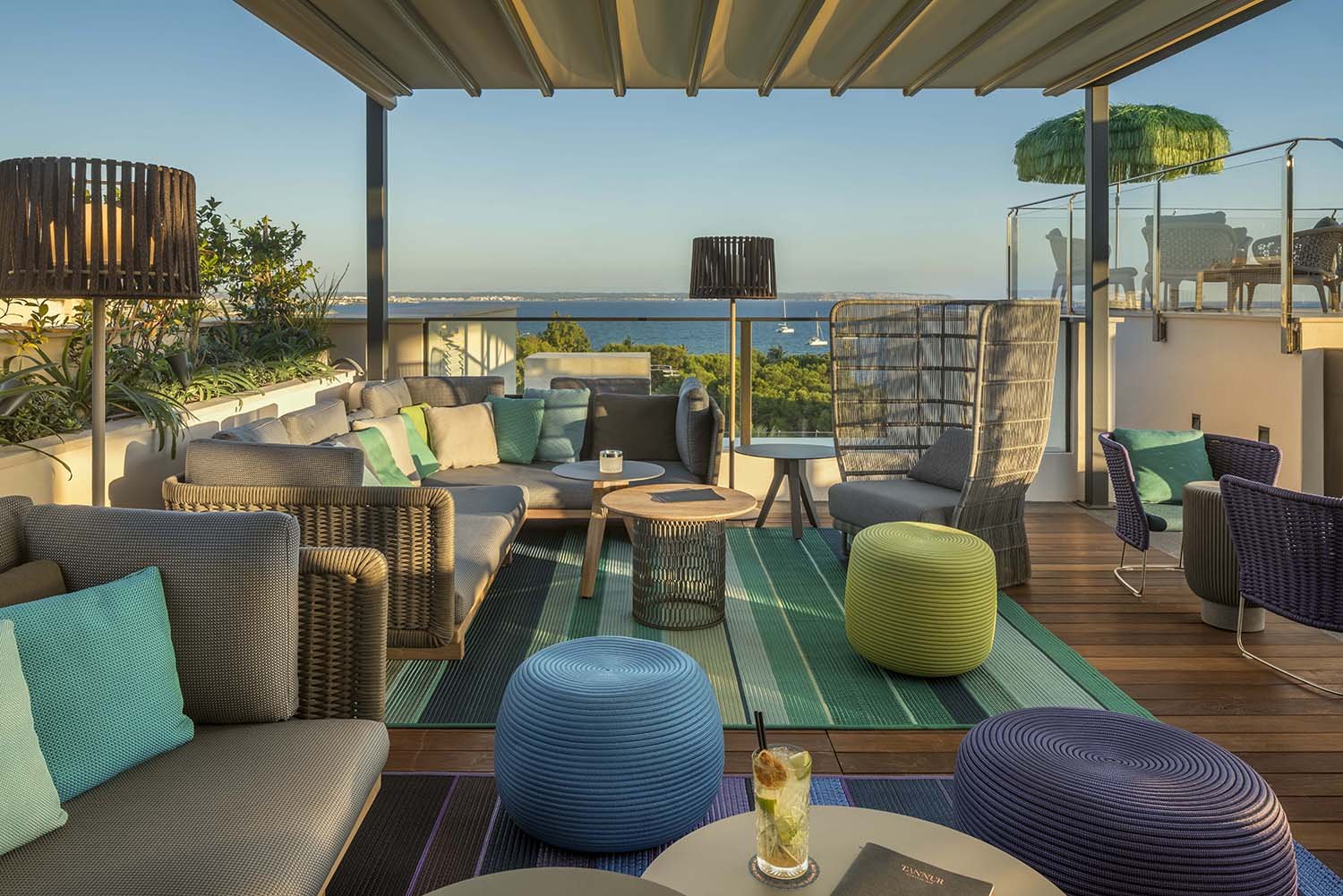
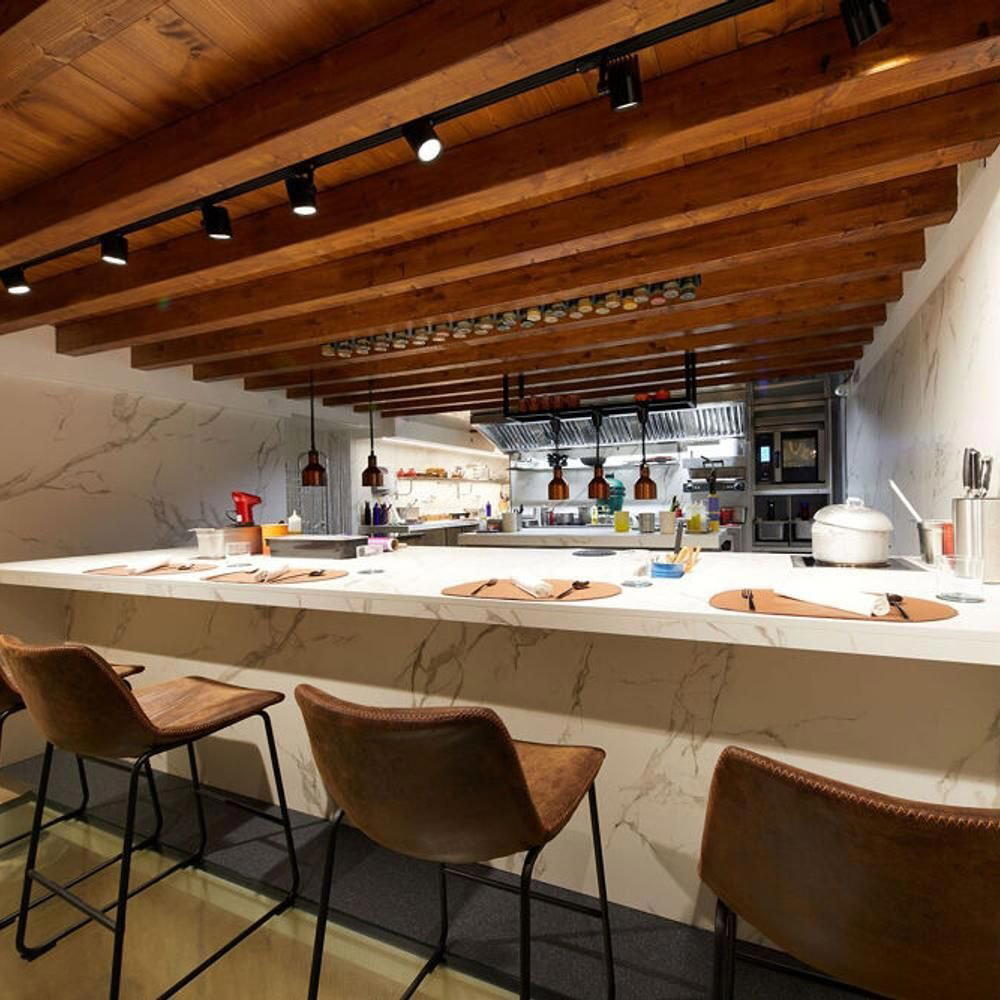
Bars in Palma
Browse all →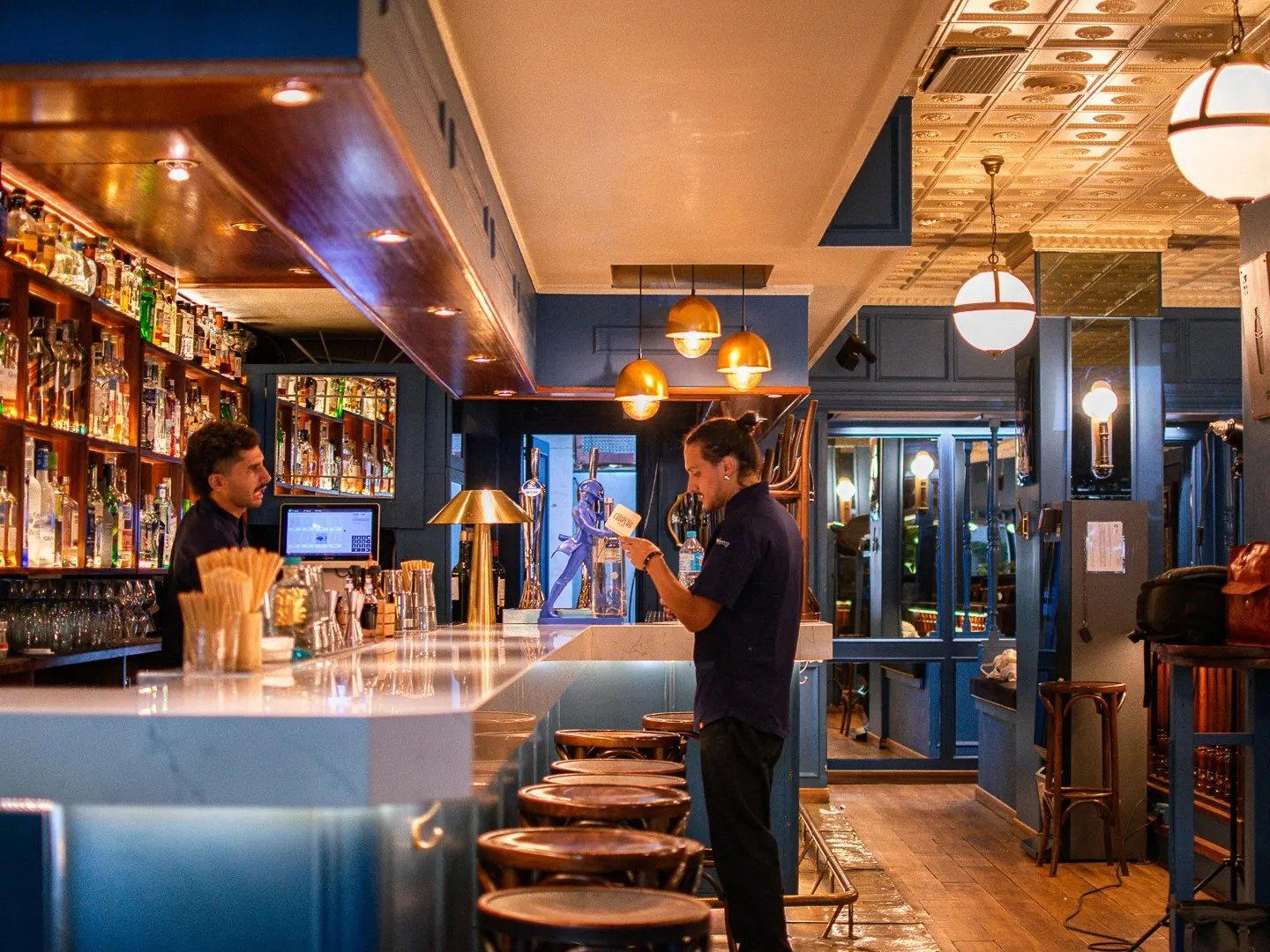
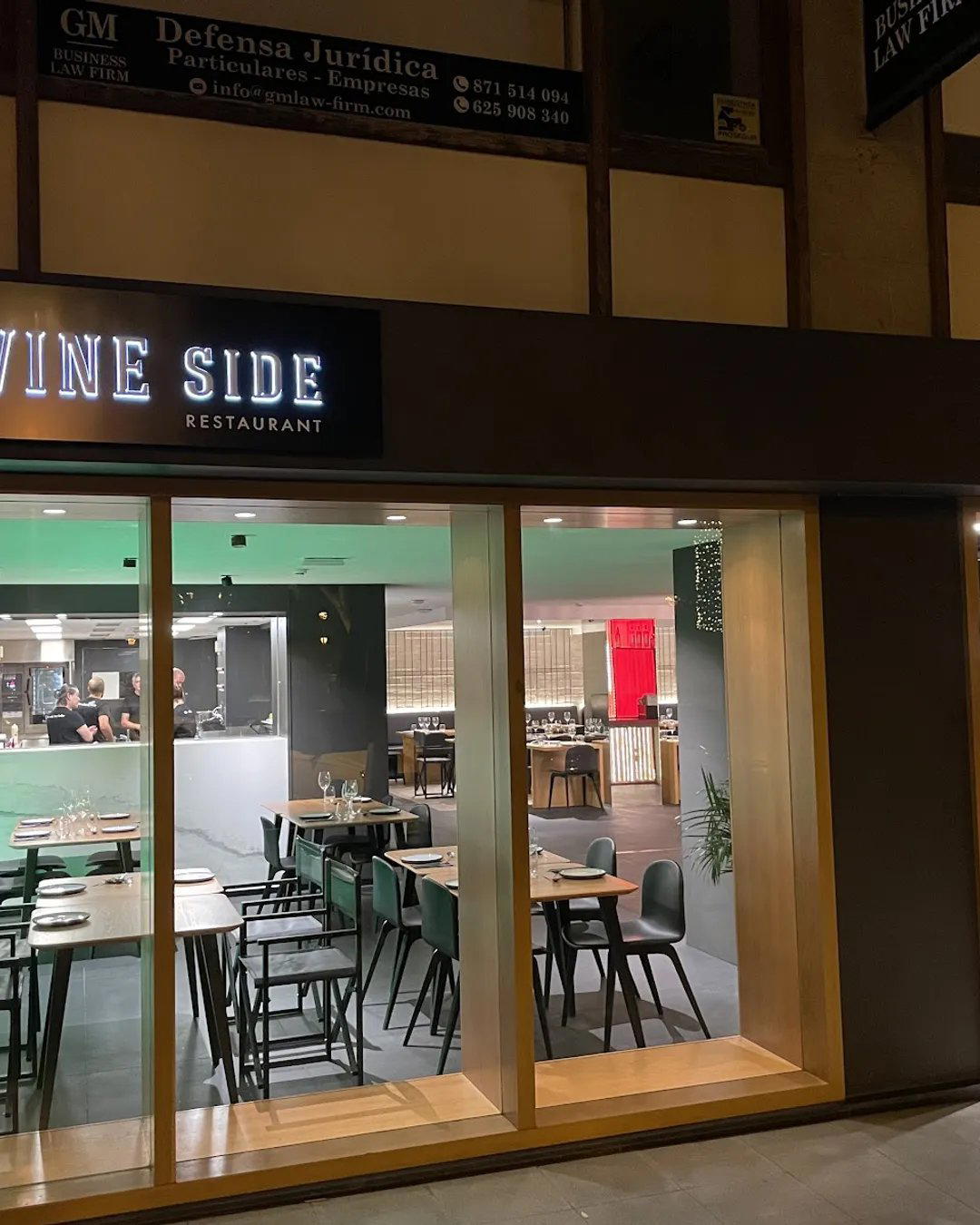
Hotels in Palma
Browse all →
Details
- Sophisticated
- Intimate
- Elegant
- Date Night
- Business Dinner
- Special Occasion
- Brunch
- Hotel Restaurant
- Terrace
- Sommelier Led
- Local Sourcing
- Tasting Menu
- A La Carte
- Set Menu
- Wine
- Vegetarian Friendly
- Vegan Options
Current opening hours
- Monday
- Closed
- Tuesday
- 1–2:30 PM, 7:30–9 PM
- Wednesday
- 1–2:30 PM, 7:30–9 PM
- Thursday
- 1–2:30 PM, 7:30–9 PM
- Friday
- 1–2:30 PM, 7:30–9 PM
- Saturday
- 1–2:30 PM, 7:30–9 PM
- Sunday
- Closed
Hours can change for holidays and private events. Last verified .
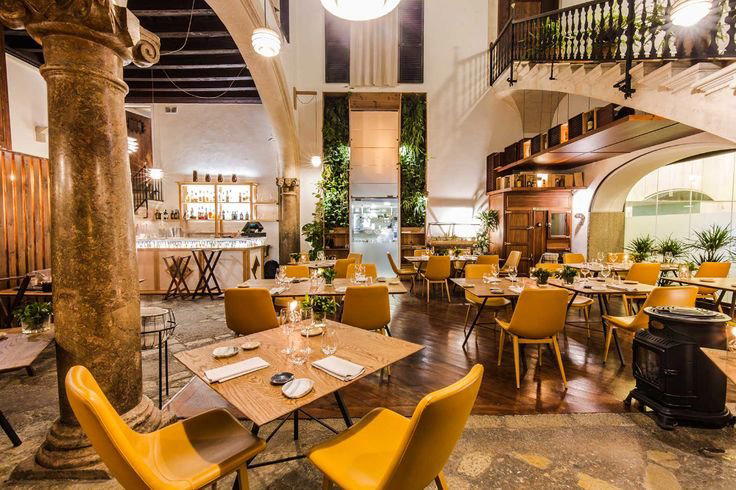
A refined, intimate restaurant with a calm daytime feel and a more atmospheric evening setting; the space is presented as a hotel restaurant in central Palma with a terrace noted by reviewers.