


Michelin Plate · Star Wine List
Our verdict
A Michelin Plate-recognised wine bar and tapas destination on Carrer de Sant Jaume, La Bodeguilla has been running as a family operation in central Palma long enough to function as a quiet reference point for the city's traditional Spanish wine-and-food scene. Two levels of barrel-table dining, a serious all-Spain wine list, and a €€ price bracket that sits well below its starred Palma neighbours make it an intelligent stop for visitors who want depth without the tasting-menu commitment.

Pearl is the En Primeur Club membership app — saves, bookings, and concierge access live there. Same editors, same standards.
- Address
- Carrer de Sant Jaume, 3, Centre, 07012 Palma, Illes Balears, Spain
- Phone
- +34 854 62 01 44
- Hours
- Daily 1–11 PM
- Website
- la-bodeguilla.com
- Directions
- Get directions
- Booking
- Book on CoverManager
The menu
What to order
- Suckling pig
- Roast octopus
- Lobster soup
The Case for the Wine Bar in a Tasting-Menu City
Palma's restaurant conversation tends to skew upward. Zaranda holds a Michelin star for creative Mallorcan cooking at €€€€ prices. Marc Fosh anchors the modern Mediterranean end of that same bracket. Adrián Quetglas and Aromata occupy the €€€ tier just below. What this creates, by contrast, is a meaningful gap at the €€ level for anyone who wants serious wine, Spanish regional cooking, and a room with genuine character rather than a prix-fixe sequence. La Bodeguilla, on Carrer de Sant Jaume in the historic centre, operates in that gap with enough consistency to have earned Michelin Plate recognition in both 2024 and 2025.
The Michelin Plate designation matters here as a positioning signal rather than a prestige badge. It sits below the star tier occupied by places like El Celler de Can Roca in Girona or Arzak in San Sebastián, and well below the ambition of DiverXO in Madrid or Aponiente in El Puerto de Santa María. What it signals is that inspectors found cooking worth flagging, in a format that isn't chasing the star game. For a wine bar operating at €€, consecutive Plate recognition across two years is a meaningful quality marker.
A Room Built for Staying
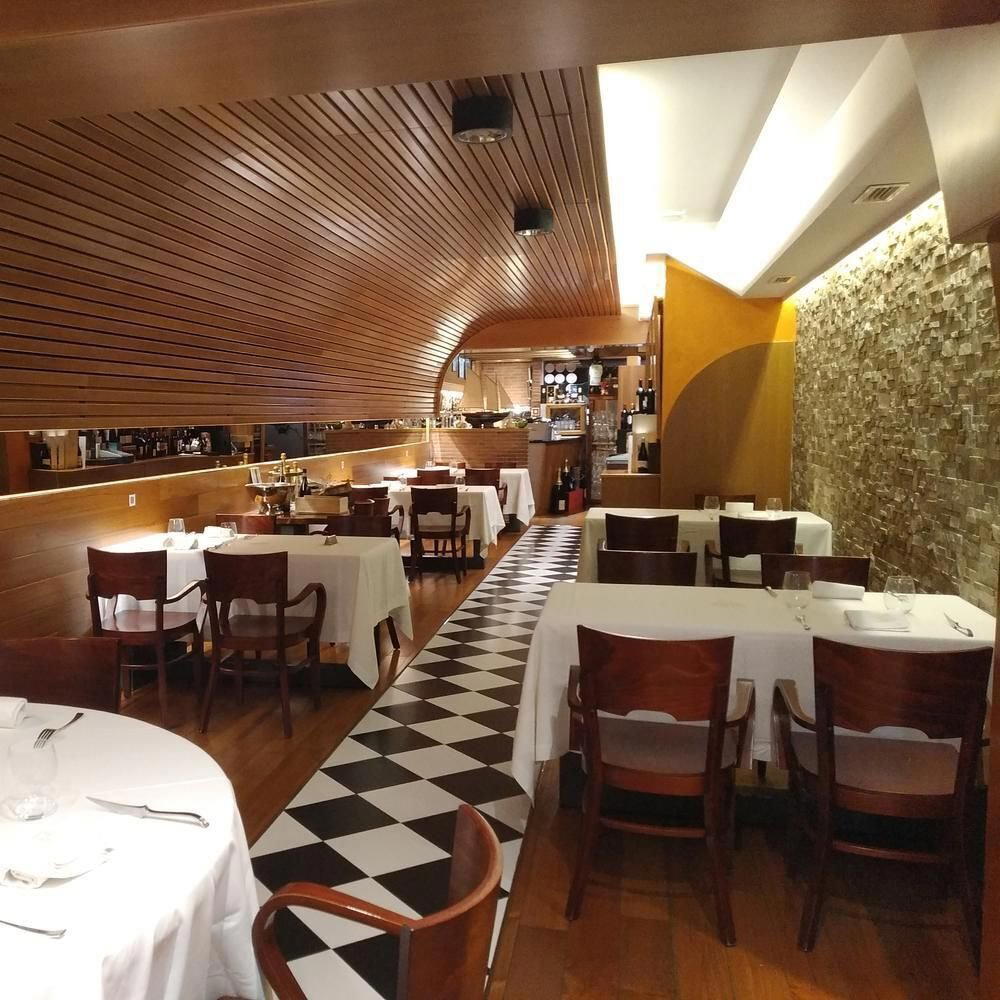
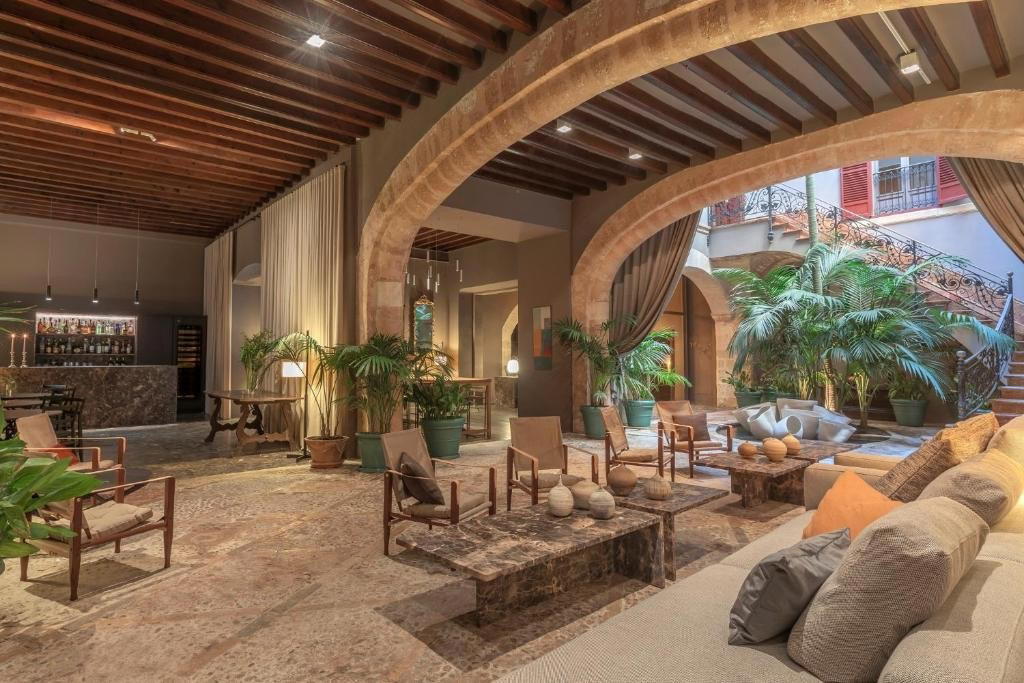
The physical experience of La Bodeguilla does much of the editorial work before a glass is poured. Carrer de Sant Jaume sits within Palma's medieval core, and the building carries that architectural weight. Inside, barrels double as tables across a two-storey arrangement that manages to feel both formal enough for a long lunch and relaxed enough to prop up the bar without ceremony. The split between a wine-shop-adjacent bar area and a proper dining room above gives the space a flexibility that single-format restaurants can't match: you can arrive for a glass and two plates, or commit to a full sitting with a bottle and work through the menu at pace.
That spatial logic reflects a broader tradition in Spanish wine culture. The bodega format, where wine purchase and wine consumption blur into the same room, has deep roots across the peninsula, from Rioja to Jerez to the backstreets of Madrid. In Palma, it sits alongside a tapas vocabulary that draws from all over Spain rather than doubling down on strictly Mallorcan cooking. The result is a room that functions as something between a wine shop, a tapas bar, and a sit-down restaurant, without the awkwardness that hybrid formats sometimes produce.
What You Get for What You Pay
The value argument at La Bodeguilla is structural rather than accidental. Spain's mid-price wine-bar tier consistently over-delivers relative to equivalent formats in northern European cities or New York, where a comparable room with comparable wine access would run considerably higher per head. The €€ bracket in Palma, set against a city whose leading tables operate at €€€€, places La Bodeguilla in a peer group that includes neighbourhood restaurants rather than destination dining. The Michelin Plate recognition across two consecutive years marks it out from that peer group.
A wine list that spans Spanish regions is the central asset here. The peninsula's wine geography is wide: from the Atlantic-influenced whites of Galicia and the Basque coast to the Tempranillo-dominant heartland of Ribera del Duero and Rioja, down through the sherry-producing south and across to the island's own Mallorcan producers. A bar format with this range at mid-market pricing offers access to that breadth without the sommelier theatre or bottle-minimum structures of fine-dining rooms. For visitors spending time across Palma's wine scene, La Bodeguilla functions as an affordable reference point for the national range.
The tapas selection, drawing from regional traditions across Spain rather than one single canon, follows the same logic. Spanish tapas at this price point represent one of the more honest expressions of the country's food culture: small plates as a format for comparison and conversation rather than a vehicle for high-margin ingredient showcasing. At La Bodeguilla, that format is intact and the Michelin recognition suggests execution that holds above the neighbourhood baseline.
Palma's Mid-Market and Where It Sits
Understanding where La Bodeguilla fits in Palma's restaurant structure requires a brief look at the city's dining tiers. At the leading, starred restaurants like Zaranda and Marc Fosh set a high-commitment, high-spend benchmark. A step below, venues like Aromata and Adrián Quetglas offer contemporary cooking at €€€ without the full tasting-menu structure. Below that, the €€ bracket is wide and variable, ranging from tourist-facing operations near the port to genuinely good local restaurants in the old town. La Bodeguilla sits at the upper end of that €€ band, distinguished by its wine depth and its Michelin recognition from the rest of the category.
For visitors building a multi-day Palma itinerary, the practical implication is clear: La Bodeguilla functions as the wine-bar anchor alongside evenings at higher-spend venues. It also has enough daytime flexibility, open from 1pm through to 10:30 or 11pm depending on the day of the week, to serve as a late lunch option when tasting menus are out of scope. On Fridays and Saturdays, last orders extend to 11pm, giving it a later-night utility that not all old-town venues share.
The family-run structure, with two brothers behind the operation, carries its own hospitality logic. Smaller, owner-operated venues in Spain tend to maintain more consistent standards across the week than larger operations with rotating staff. It also means the wine buying tends to reflect genuine knowledge and personal relationships with producers rather than a corporate purchasing list. That distinction matters when you're ordering bottles from regions the staff actually know.
Around La Bodeguilla
Carrer de Sant Jaume sits in the heart of Palma's old city, within walking distance of the cathedral and the major cultural sites of the historic centre. For visitors mapping out the wider scene, Palma's bar circuit includes Bàrbar among its more notable addresses, while the full picture of where to eat, sleep, and drink is covered in our Palma restaurants guide, hotels guide, and experiences guide. For context on Spain's higher-end dining range, Cocina Hermanos Torres in Barcelona and Azurmendi in Larrabetzu represent the starred end of the national spectrum. Further afield, Le Bernardin in New York and Atomix in New York illustrate what the international fine-dining tier looks like at its upper range, a useful frame for calibrating where La Bodeguilla sits and, more to the point, what it delivers for the price.
Planning Your Visit
La Bodeguilla is at Carrer de Sant Jaume, 3, in central Palma, open daily from 1pm. Hours run to 10:30pm Sunday through Thursday and to 11pm on Friday and Saturday. The €€ price bracket makes it accessible for most budgets, and the dual-format space means it works for both a quick bar stop and a longer sitting. Booking ahead is advisable for dinner, particularly on weekends during Mallorca's high season from late spring through early autumn, when central Palma restaurants across all price tiers fill quickly.
What Should I Eat at La Bodeguilla?
La Bodeguilla's kitchen draws from traditional dishes across Spain rather than focusing on a single regional canon, which means the menu covers the kind of breadth you'd expect from a serious all-Spain wine bar: cured meats, cheeses, and cooked tapas plates that pair against a wine list running from Galician whites to southern reds. The Michelin Plate recognition in 2024 and 2025 signals consistent kitchen quality above the neighbourhood baseline. Without confirmed current menu specifics, the most reliable approach is to ask the staff for the day's recommendations and let the wine list guide the order, which is how the format is designed to work.
Frequently asked questions
Is La Bodeguilla open every day?
Hours at La Bodeguilla: Hours: Monday 1–10:30 pm Tuesday 1–10:30 pm Wednesday 1–10:30 pm Thursday 1–10:30 pm Friday 1–11 pm Saturday 1–11 pm Sunday 1–10:30 pm.
Who runs the kitchen at La Bodeguilla?
The chef associated with La Bodeguilla is Various.
Same-City Peers
| Venue | Cuisine | Price | Awards | Notes |
|---|---|---|---|---|
| La BodeguillaThis venue — the venue you are viewing | Spanish Tapas & Mallorcan | $50–100 | Michelin Plate · Star Wine List | Not listed |
| Zaranda | Balearic Spanish Fine Dining | Not listed | 1 Michelin Star · Star Wine List | Mallorcan, Creative |
| DINS Santi Taura | Modern Mallorcan Fine Dining | $100–150 | 1 Michelin Star · Star Wine List | Mallorcan, Modern Cuisine |
| Marc Fosh | Contemporary Mediterranean | Not listed | 1 Michelin Star · Star Wine List | Modern Cuisine |
| Adrián Quetglas | Modern Mediterranean with Argentinian and International Influences | $50–100 | Michelin Plate · Star Wine List | Modern Cuisine |
| Aromata | Modern Mediterranean / Mallorcan | Not listed | Michelin Plate · Guía Repsol 1 Sol | Contemporary |
Recognition history
Dated appearances from independent guides and award organizations, with the underlying list record or original source where available.
Michelin Plate
Michelin
Star Wine List
Star Wine List
Opinionated About Dining Casual in Europe Highly Recommended
Opinionated About Dining
Full recognition history (5 entries)
Michelin Plate
Michelin
Michelin Plate
Michelin
Continue exploring
More in Palma
Restaurants in Palma
Browse all →
Bars in Palma
Browse all →
Hotels in Palma
Browse all →
Details
- Cozy
- Elegant
- Intimate
- Rustic
- Date Night
- Special Occasion
- Group Dining
- Historic Building
- Extensive Wine List
- Local Sourcing
- A La Carte
- Gluten Free Options
Current opening hours
- Monday
- 1–11 PM
- Tuesday
- 1–11 PM
- Wednesday
- 1–11 PM
- Thursday
- 1–11 PM
- Friday
- 1–11 PM
- Saturday
- 1–11 PM
- Sunday
- 1–11 PM
Hours can change for holidays and private events. Last verified .
Cozy and atmospheric with multiple eating areas over two floors, warm minimalism, lively energy from happy diners, and an interesting interior.