Mercat Negre

Star Wine List
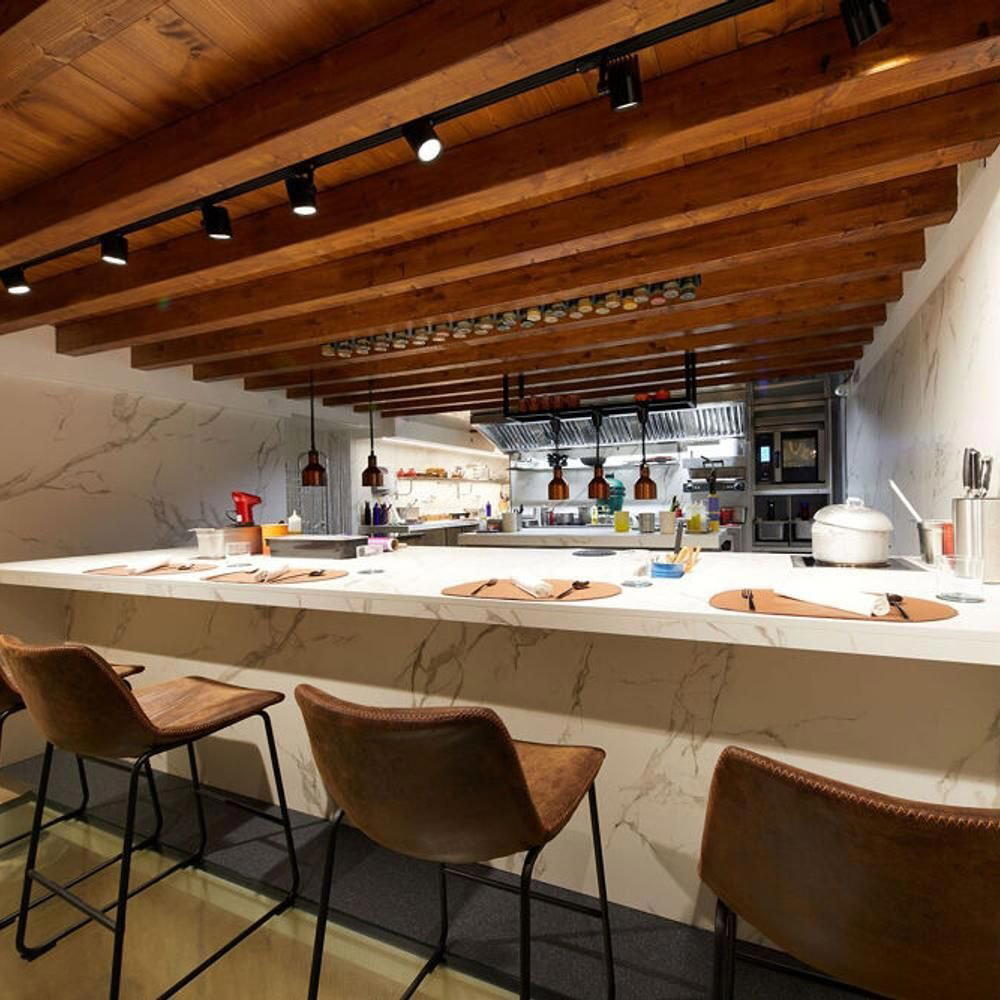
Driven by the same restless energy that made Clandesti a reference point for serious eating in the Balearics, this counter-format operation brings creative, market-led cooking into a genuinely public, genuinely chaotic space.

Pearl is the En Primeur Club membership app, where members save venues, book tables and use the concierge.
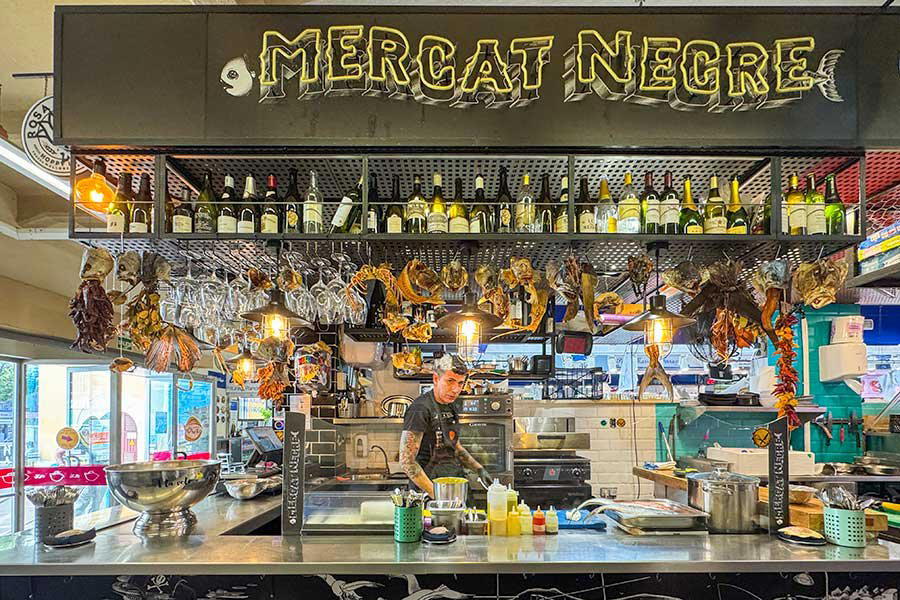
The Olivar Address and What It Means
Plaça de l'Olivar sits at the edge of the old city, walkable from the Cathedral quarter and from the residential blocks that climb toward Plaça d'Espanya. It is not a destination square in the tourist-brochure sense: it has no fountain, no terrace with harbour views. Its value is functional. The market it fronts is a working institution, and that working quality defines the atmosphere inside. Stalls open early. By mid-morning the space is dense with noise, the percussive Spanish of vendors and the slower, more vowel-heavy Mallorcan of older regulars. Cooking smells layer over the ambient cold of the fish section. This is the environment Mercat Negre has chosen, and it is a choice that signals something about what the kitchen is trying to do. The Santa Catalina market area to the west draws a younger, more internationally minded crowd. The old town around La Llonja has its wine bars, including Angelita in Madrid or the long-established Boadas in Barcelona, applies here in a market-counter register: the format is unpretentious, but the craft is not negotiable. Comparable energy exists further south at Bar Sal Gorda in Seville and Bar Gallardo in Granada, each operating as a counterpoint to the more theatrical end of its city's eating scene.
Reading the Room: What to Order and How to Approach It
Regulars at Mercat Negre do not approach the counter with a fixed plan. The format rewards flexibility. The Olivar's produce stalls supply much of what surrounds the counter, which means the kitchen's output shifts with what the market has, and arriving with a specific dish in mind is less useful than arriving with an appetite for whatever has arrived that morning. Fish, vegetables, and Mallorcan cured products are the logical through-lines; the island's geography makes that inevitable. The preparation is where Navarro's training shows, in treatments that go beyond the direct without tipping into the self-consciously elaborate. The market does not pause for the restaurant. Tables, to the extent they exist, are shared or improvised. This is not the format for a long, quiet lunch with wine pairings. It is the format for eating with genuine attention while the city moves around you.
For practical planning: the Mercat de l'Olivar's market hours shape access. Mid-morning through early afternoon is the natural window. Arriving before the market winds down gives the leading chance of seeing the full offer. Booking details are not publicly available in a standard reservation format, which is consistent with the counter's market-stall DNA. Walk-in is the operative mode.enprimeurclub. On the western coast, Garden Bar in Calvia operates in a different register entirely. Across the water in Menorca, La Margarete in Ciutadella represents a different island's approach to serious drinking and eating. Even further afield, the model of the technically serious but format-informal drinking and eating destination finds expression at Bar Leather Apron in Honolulu, a reminder that this format crosses geographies when the operator has genuine conviction. The tension between those two pressures is what makes it worth seeking out when the city's more polished addresses have filled their reservation books.
Just the Basics
Comparable venues nearby, for context on price, style, and recognition.
| Venue | Cuisine | Price | Awards | Notes |
|---|---|---|---|---|
| Mercat NegreThis venue (the venue you are viewing) | Not listed | $30–50 | Star Wine List | Not listed |
| Idilio Cocina y Vino | Not listed | Not listed | Star Wine List | Nord, wine_bar |
| The Wine Side | Not listed | Not listed | Star Wine List | Centre, wine_bar |
| Garito Cafe | Can Barbara, lounge | $20–30 | Not listed | Not listed |
| Burgundi | Not listed | Not listed | Star Wine List | Centre, wine_bar |
| Bar La Sang | Not listed | $20–30 | Star Wine List | Plaça de l’Hospital, wine_bar |
Recognition history
Dated appearances from independent guides and award organizations, with the underlying list record or original source where available.
Star Wine List
Star Wine List
Continue exploring
More in Palma de Mallorca
Bars in Palma de Mallorca
All bars in Palma de Mallorca →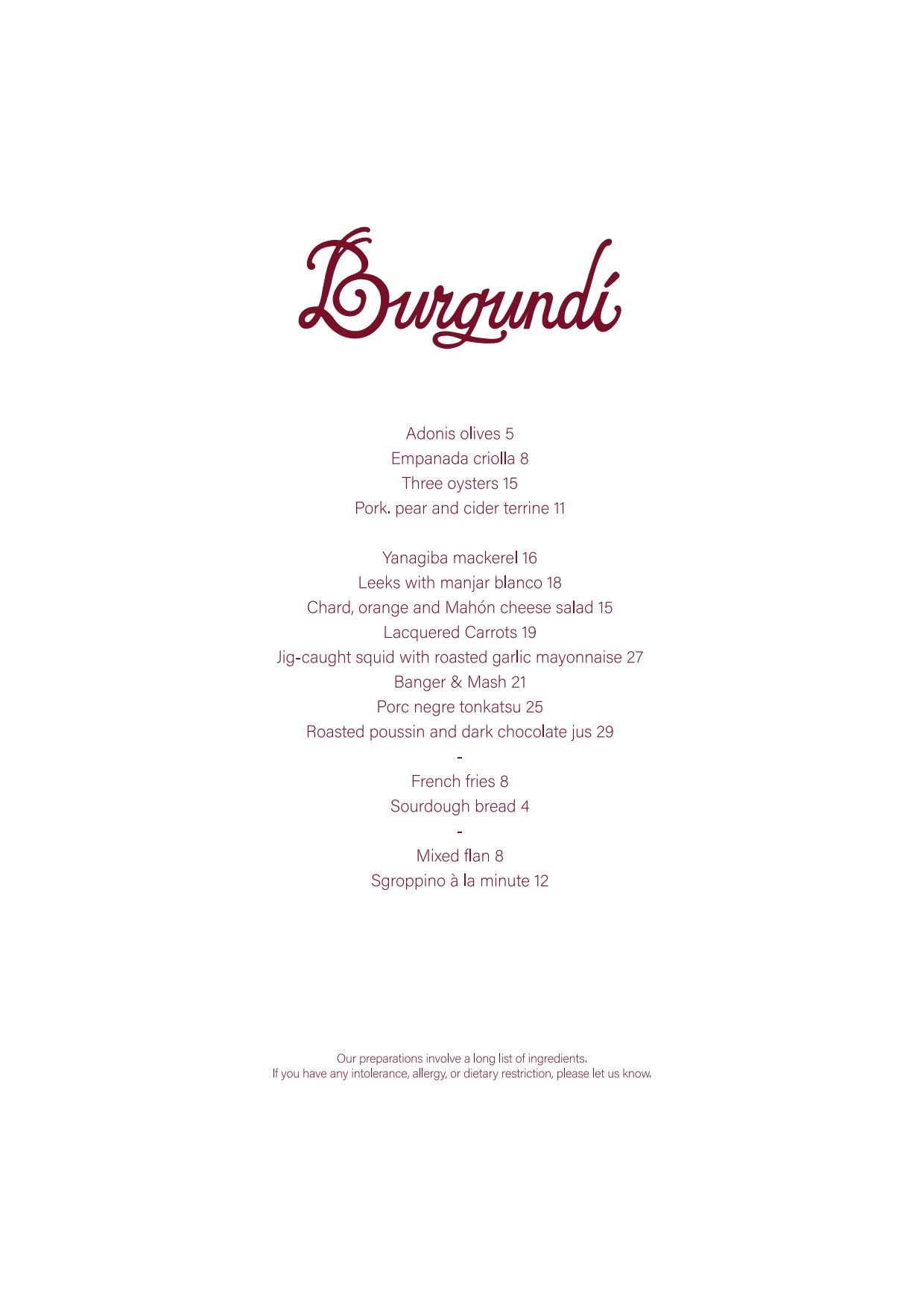
Restaurants in Palma de Mallorca
All restaurants in Palma de Mallorca →
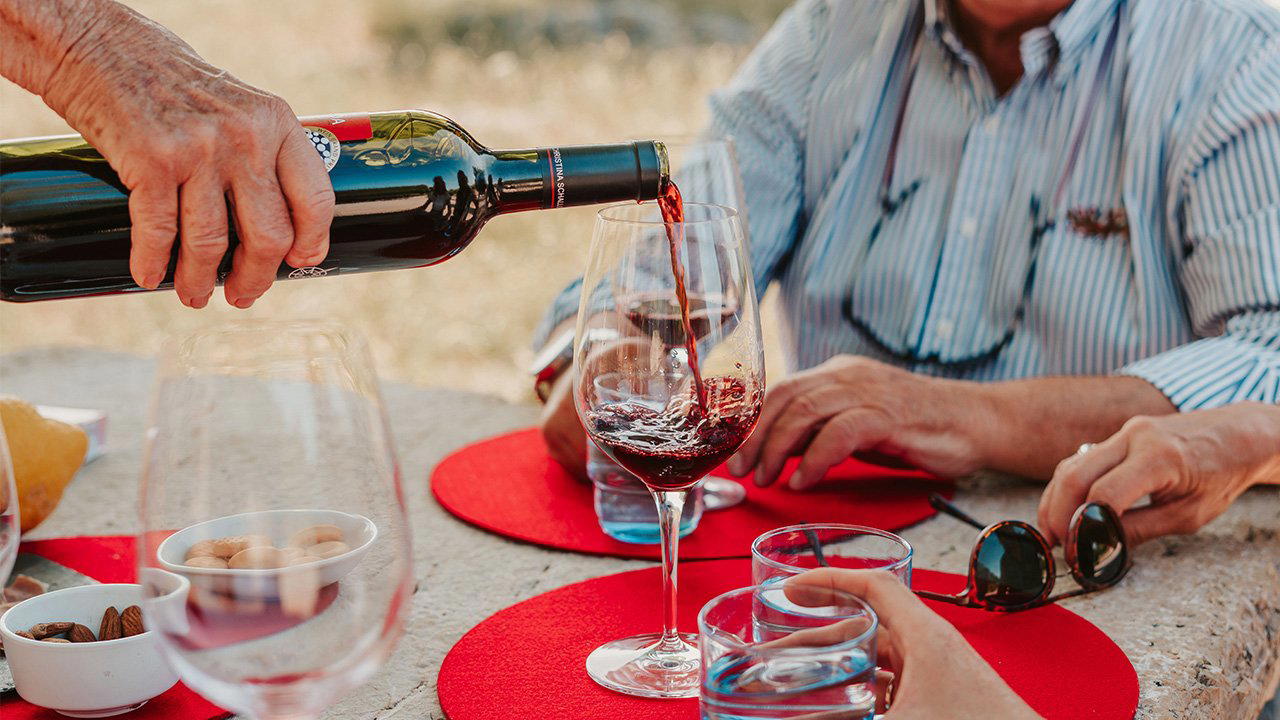

Mercat Negre
The drinks
- Natural wine
- Craft cocktails
Signature drinks: mussels in escabeche, carpaccio of prawns, sardines with smoked salt in white gazpacho with almonds, grilled sole on celeriac purée, raw red tuna.
Details
- Lively
- Rustic
- Energetic
- Casual Hangout
- Group Outing
- After Work
- Standalone
- Historic Building
- Standing Room
- Counter Only
- Natural Wine
- Conventional Wine
- Craft Cocktails
Current opening hours
- Monday
- Closed
- Tuesday
- 10 AM–4 PM
- Wednesday
- 10 AM–4 PM
- Thursday
- 10 AM–4 PM
- Friday
- 10 AM–4 PM
- Saturday
- 10 AM–4 PM
- Sunday
- Closed
Hours can change for holidays and private events. Hours as of .
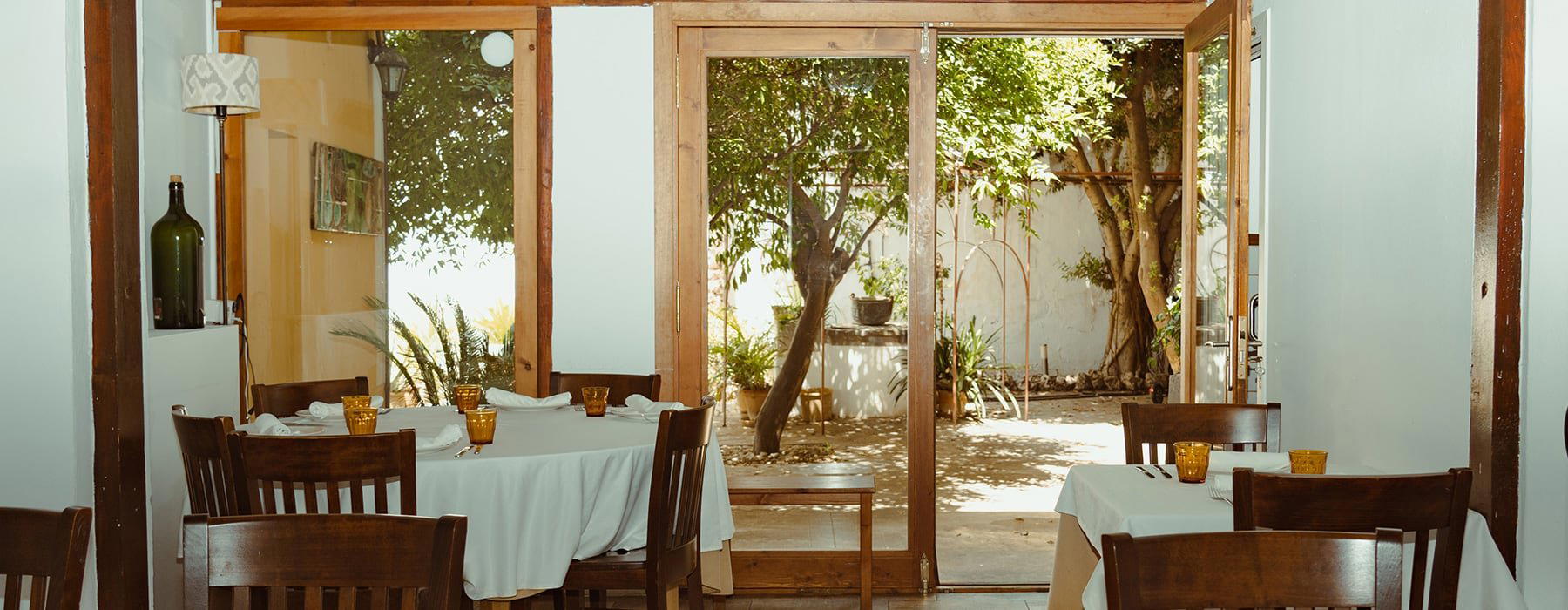
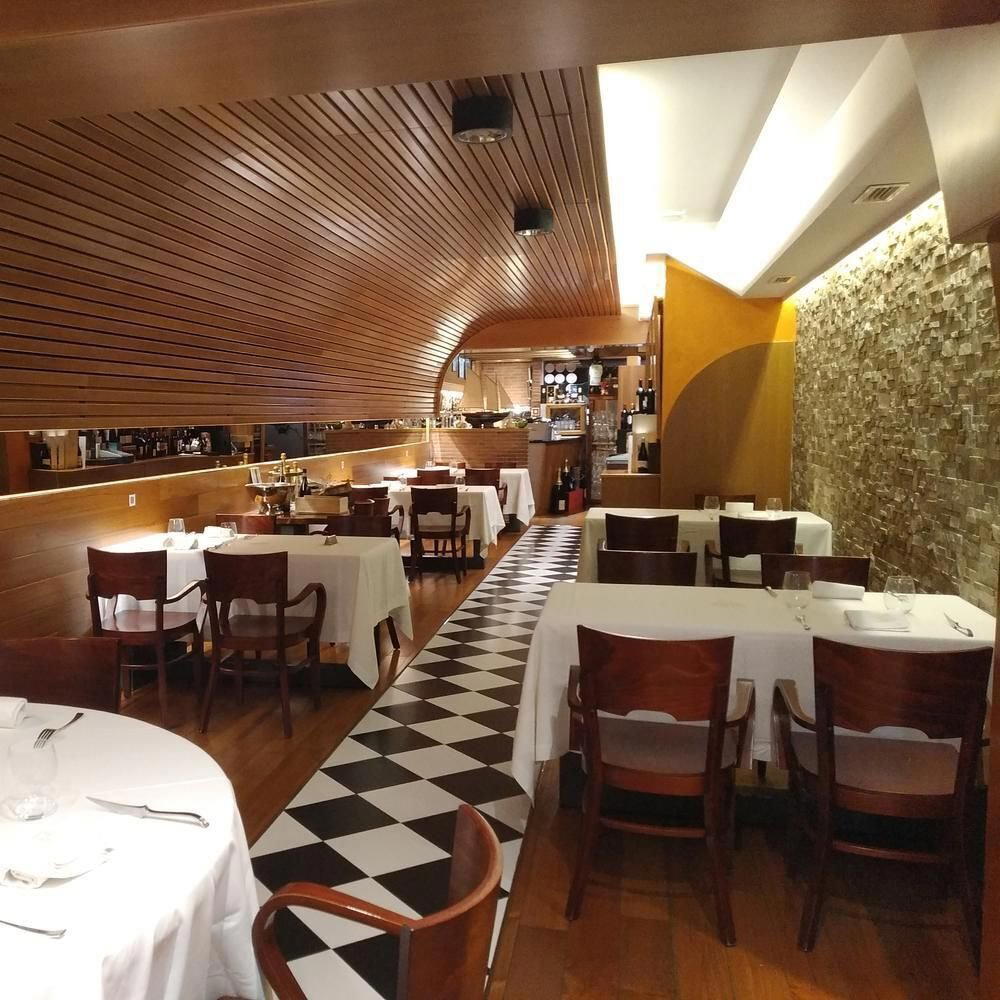
Bustling market atmosphere with standing-room crowds, casual and energetic vibe with fresh seafood prepared in front of guests at an open counter.