



1 Michelin Star · Star Wine List · Guía Repsol 1 Sol
Our verdict
The first British chef to earn a Michelin star on Spanish soil, Marc Fosh operates inside a 17th-century seminary in Palma's historic quarter. The kitchen draws from a dedicated farm, Finca Son Mir, and structures its offer around several distinct menus, from weekday lunch through to the dinner-only Aromas del Mediterráneo. A Michelin one-star restaurant holding,000 reviews.

Pearl is the En Primeur Club membership app — saves, bookings, and concierge access live there. Same editors, same standards.
- Address
- Carrer de la Missió, 7, Centre, 07003 Palma, Illes Balears, Spain
- Phone
- +34 971 72 01 14
- Hours
- Mon ClosedTue–Sat 1–2:30 PM, 7:30–9 PMSun Closed
- Website
- marcfosh.com
- Directions
- Get directions
- Booking
- Book on TheFork
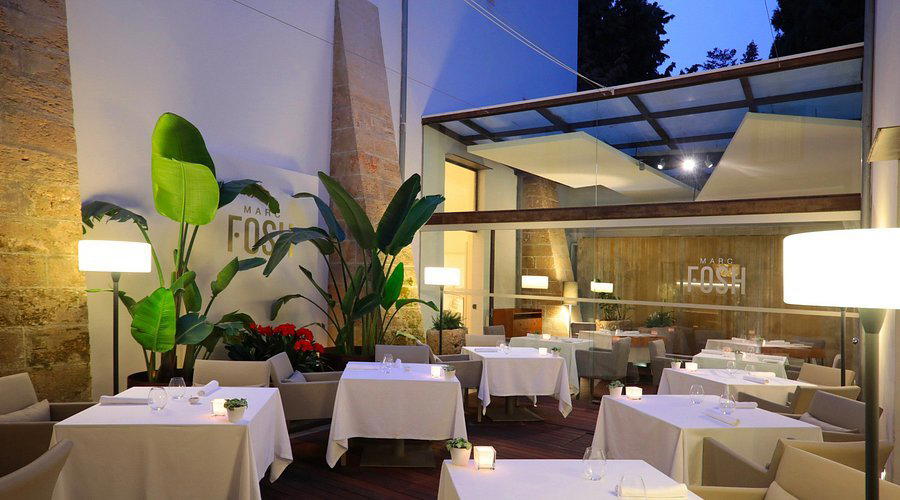
A Convent Dining Room in the Heart of the Historic Quarter
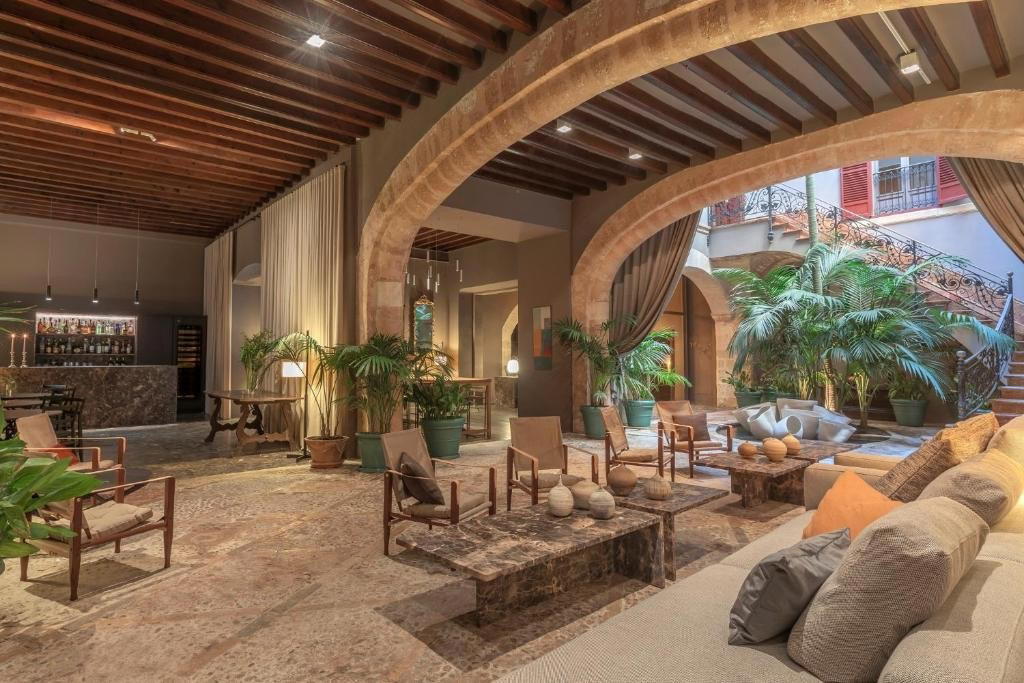
Palma's fine dining tier has grown considerably over the past decade, with the island attracting chefs who treat Mallorcan produce and Mediterranean technique as primary material rather than backdrop. The Casco Antiguo concentrates the most serious of these addresses, and on Carrer de la Missió, a narrow street that most visitors pass without turning into, sits one of the more architecturally arresting dining rooms in the Balearics. The restaurant occupies a section of a 17th-century seminary, now converted into the Convent de La Missió hotel, and the interior reflects that provenance: high ceilings, stripped-back minimalist surfaces, and brightly lit spaces that read more like a considered gallery than a hotel restaurant. A patio terrace extends the offer in warmer months, when Palma's light and the stone surroundings do most of the atmospheric work.
The setting matters editorially because it frames the kind of dining experience on offer. This is not a terrace-and-tapas operation capitalising on tourist footfall. The format, the address, and the kitchen philosophy all point toward a deliberate, structured meal, and the Michelin one-star awarded in 2024 confirms that the critical establishment reads it the same way.
The Mediterranean Larder as Primary Material
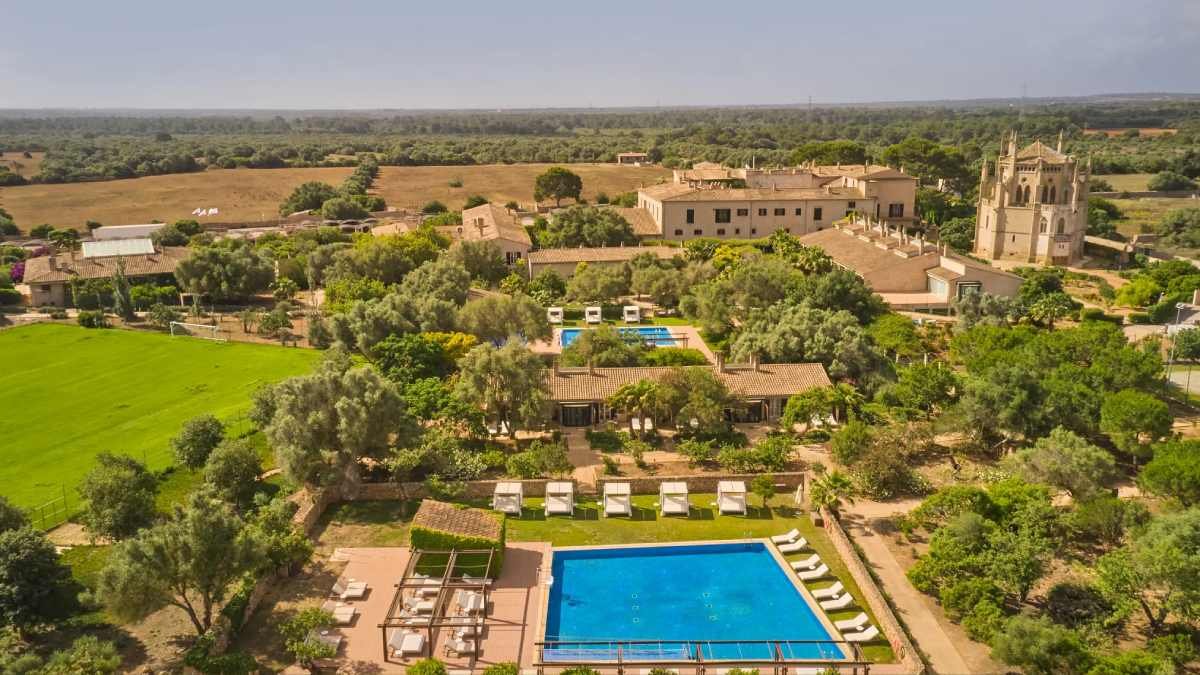
Across Spain's fine dining circuit, the most credible kitchens have moved toward tight regional sourcing not as a marketing position but as an operational constraint that sharpens the cooking. The restaurant's supply chain flows through Finca Son Mir, a working farm that provides the kitchen with seasonal produce. That direct farm relationship shapes the menus in practical terms: what arrives on the plate reflects what the land is producing at a given moment, rather than what a distribution catalogue can deliver year-round. Mediterranean ingredients, handled through modern technique, are the consistent through-line across all menu formats.
The kitchen's output sits in a tradition that has become increasingly coherent across the Balearics and mainland Spain: classic southern European produce, treated with precision and restraint, assembled into combinations that are simpler on the plate than they are technically demanding to produce. Dishes like the oven-baked rabbit and snail stew, the Mallorcan preparation known as Conill amb Cargols, arrive with parsley purée and potato in a format that acknowledges regional tradition while applying modern kitchen discipline. That negotiation between heritage and technique is where the most interesting work in Spanish fine dining currently happens, from Aponiente in El Puerto de Santa María and Quique Dacosta in Dénia on the coast to Arzak in San Sebastián, Azurmendi in Larrabetzu, and El Celler de Can Roca in Girona further north. In Palma specifically, Zaranda operates the other Michelin-starred table in the city with a comparable commitment to Mallorcan identity, though its register is more explicitly rooted in the island's own culinary vocabulary.
Menu Structure and the Logic of the Format
Spain's higher-end restaurants have largely standardised around the tasting menu as the primary delivery mechanism, but the most thoughtful operators retain a menu architecture that allows different entry points without diluting the kitchen's editorial position. Here, that architecture takes a tiered form. The lunch service offers a weekly menu, a mid-tier option, and the full Marc menu. The dinner service adds Aromas del Mediterráneo, available exclusively in the evening, which represents the kitchen's most extended expression. Tuesday through Saturday, lunch runs from 1 PM to 2:30 PM; dinner from 7:30 PM to 9 PM. The restaurant closes on Sundays and Mondays.
The tiered format serves a practical function: it allows the kitchen to work at different levels of complexity within a single day's service, and it gives diners a meaningful choice rather than a binary of full tasting menu or nothing. In Palma's competitive tier, Adrián Quetglas and Aromata both operate with similar pricing brackets (€€€) where value relative to the Michelin-starred addresses becomes a consideration for visitors building a multi-meal itinerary across the city. Marc Fosh sits at the €€€€ price tier, placing it alongside Zaranda in the island's premium bracket.
The Floor as Equal Partner
The editorial angle of team dynamic is worth pressing on here, because in starred restaurants operating inside hotel properties, the front-of-house function carries a disproportionate share of the experience's quality. The kitchen produces at a fixed cadence; the room is where timing, pacing, translation, and wine pairings are managed in real time. In a space that draws international visitors with varying levels of familiarity with both Spanish wine and Mallorcan produce, that interpretive function matters. A room full of guests unfamiliar with local varieties like Prensal Blanc or Callet benefits directly from a floor team that can contextualise both wine and dish origin without either lecturing or oversimplifying.
Minimalist interior design, while giving the room a contemporary feel, also means that the ambience is more dependent on service rhythm than it would be in a more atmospheric, ornate space. There is no visual noise to carry the room. The interaction between front-of-house and guest, and the pacing of courses from kitchen to table, determine whether the experience reads as calibrated or cold.
Marc Fosh in Palma's Dining Hierarchy
Historical footnote attached to the head chef, the first British chef to receive a Michelin star in Spain, carries genuine weight as a trust signal in the context of a country whose starred kitchens are overwhelmingly Spanish by nationality and training. It positioned the restaurant early in a niche that has since expanded, as European chefs trained in various national traditions have taken up residency in Spanish cities and regions and built serious kitchens. The comparison set now extends well beyond Palma: internationally trained chefs running technically precise modern cuisine in hotel-adjacent settings can be found from Stockholm (Frantzén) to Dubai (FZN by Björn Frantzén), and the format of a hotel-integrated fine dining room has become a viable international model. Within that context, Marc Fosh reads as an early and sustained example of the approach in the Mediterranean.
On the island, the most direct peer comparison remains Zaranda, which holds a higher Michelin distinction and operates with an explicitly Mallorcan creative identity. The two restaurants are not chasing the same guest: Zaranda's register is more intense and its creative ambition more documented across the critical record. Marc Fosh positions itself as a more accessible entry into serious cooking, with the tiered lunch format in particular offering a route into the kitchen's thinking at a lower spend. That distinction is useful for visitors who are planning across several days and need to allocate attention and budget across a city whose dining scene extends from Stagier Bar and Bàrbar for drinks to DiverXO in Madrid as a broader national benchmark for what modern Spanish cuisine can reach at its furthest extension.
Planning the Visit
The restaurant operates Tuesday through Saturday, with both lunch (1 PM to 2:30 PM) and dinner (7:30 PM to 9 PM) services. Sunday and Monday are closed. Reservations are advisable, particularly for evening service and for the Aromas del Mediterráneo menu, which is the dinner-only format representing the kitchen's fullest expression. The address at Carrer de la Missió, 7 sits inside the historic quarter, accessible on foot from most central accommodation. The Convent de La Missió hotel context means the entrance reads more discreet than a standalone restaurant would; the narrow street and converted seminary architecture are the signpost rather than any conventional restaurant frontage.
For visitors structuring a broader Palma itinerary, EP Club's full city guides cover the surrounding options: our full Palma restaurants guide, our full Palma hotels guide, our full Palma bars guide, our full Palma wineries guide, and our full Palma experiences guide all map the city across categories.
Frequently asked questions
What's the best thing to order at Marc Fosh?
The Aromas del Mediterráneo menu is the most complete expression of the kitchen's approach and is available at dinner only, making it the format to choose if you have one visit. The signature dish noted by Michelin inspectors is the mini oven-baked Conill amb Cargols, a stew of snails, rabbit, parsley purée and potato. Most ingredients on these menus are sourced directly from the restaurant's own farm, Finca Son Mir, which grounds the Mediterranean focus in something verifiable rather than aspirational.
What does dinner at Marc Fosh typically cost?
Pricing at Marc Fosh is listed as €€€€.
The Quick Read
| Venue | Cuisine | Price | Awards | Notes |
|---|---|---|---|---|
| Marc FoshThis venue — the venue you are viewing | Contemporary Mediterranean | Not listed | 1 Michelin Star · Star Wine List | Not listed |
| Zaranda | Balearic Spanish Fine Dining | Not listed | 1 Michelin Star · Star Wine List | Mallorcan, Creative |
| DINS Santi Taura | Modern Mallorcan Fine Dining | $100–150 | 1 Michelin Star · Star Wine List | Mallorcan, Modern Cuisine |
| La Bodeguilla | Spanish Tapas & Mallorcan | $50–100 | Michelin Plate · Star Wine List | Wine Bar, Traditional Cuisine |
| Adrián Quetglas | Modern Mediterranean with Argentinian and International Influences | $50–100 | Michelin Plate · Star Wine List | Modern Cuisine |
| Aromata | Modern Mediterranean / Mallorcan | Not listed | Michelin Plate · Guía Repsol 1 Sol | Contemporary |
Recognition history
Dated appearances from independent guides and award organizations, with the underlying list record or original source where available.
Michelin 1 Star
Michelin
Star Wine List
Star Wine List
Guía Repsol 1 Sol
Guía Repsol
We're Smart World 2 Radishes
We're Smart World
Full recognition history (6 entries)
Michelin 1 Star
Michelin
Michelin 1 Star
Michelin
Continue exploring
More in Palma
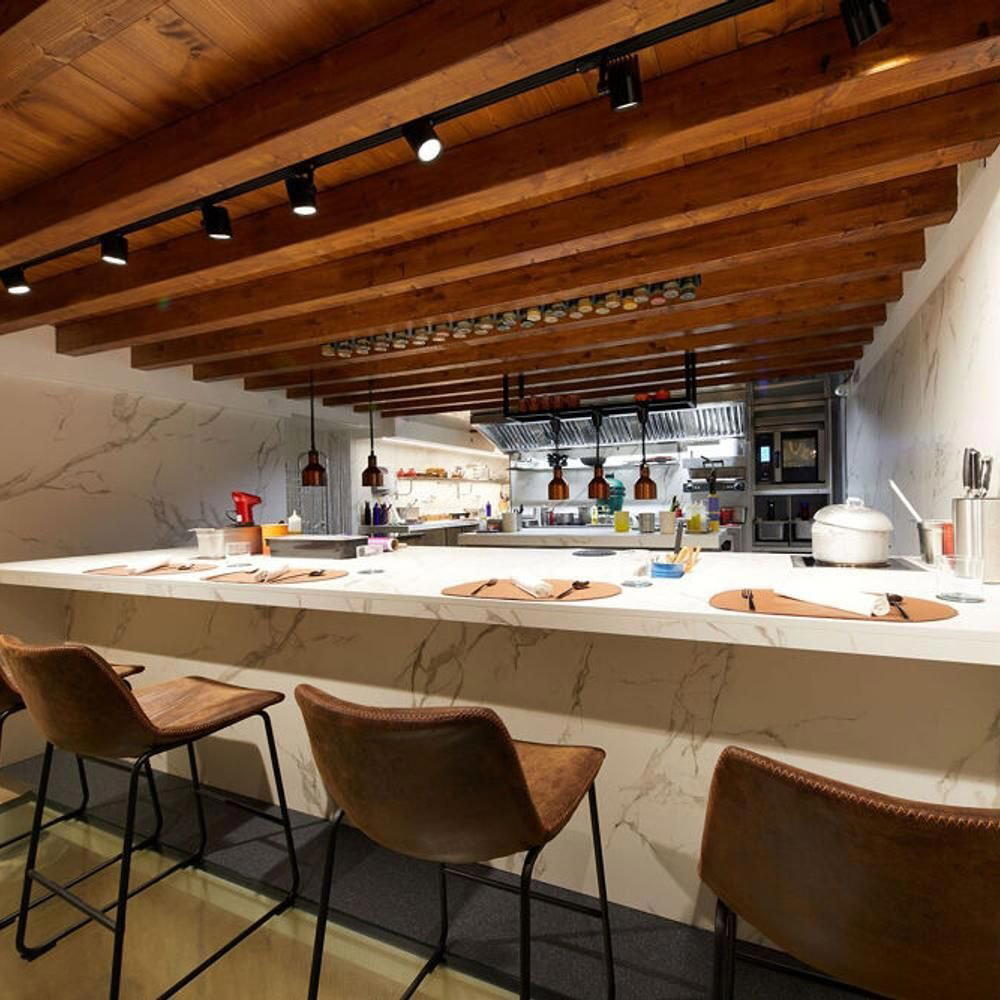
Restaurants in Palma
Browse all →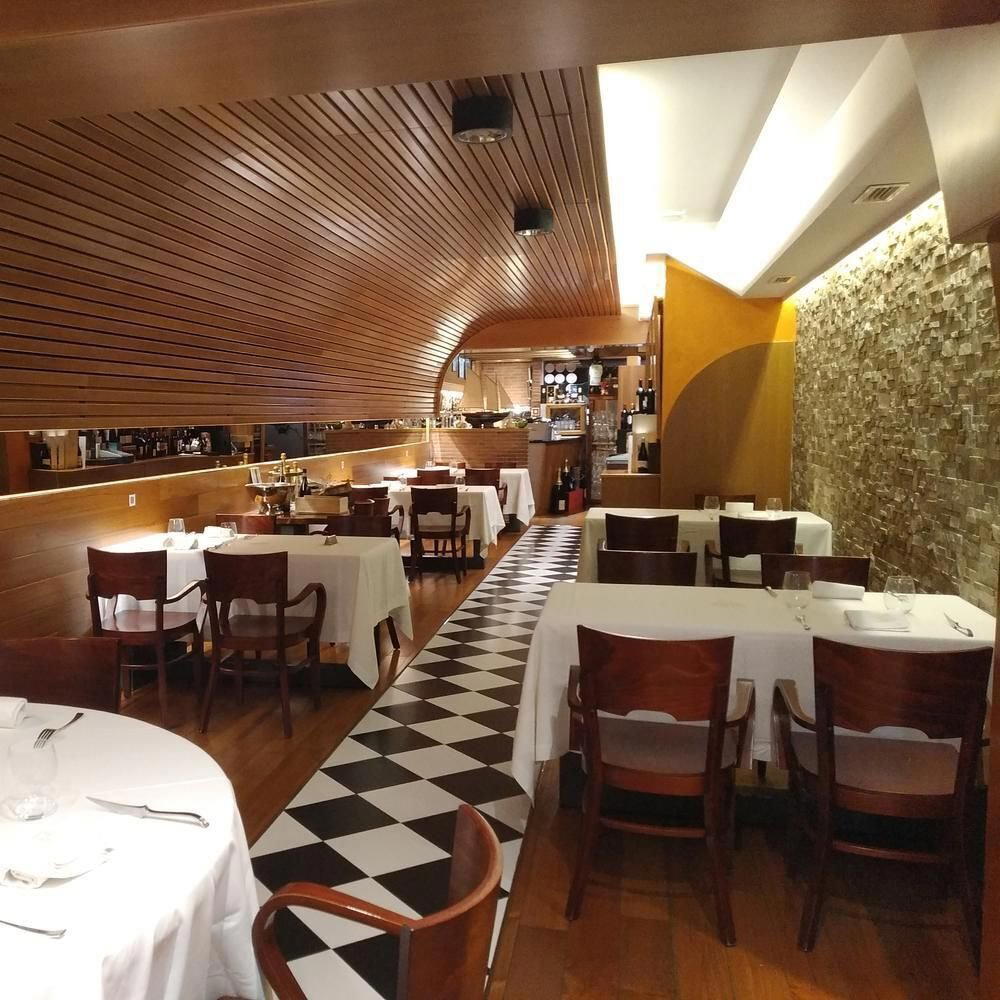
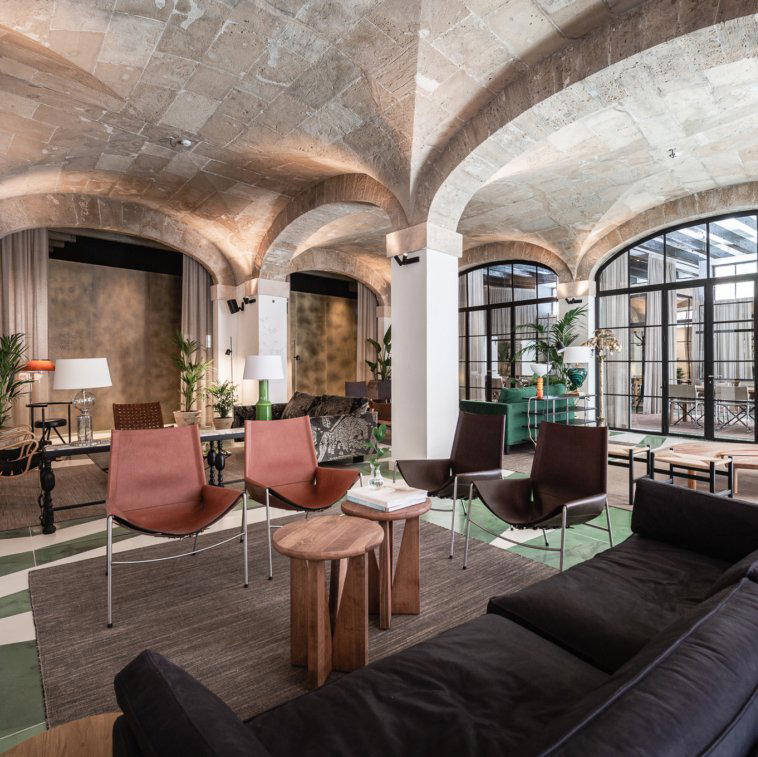
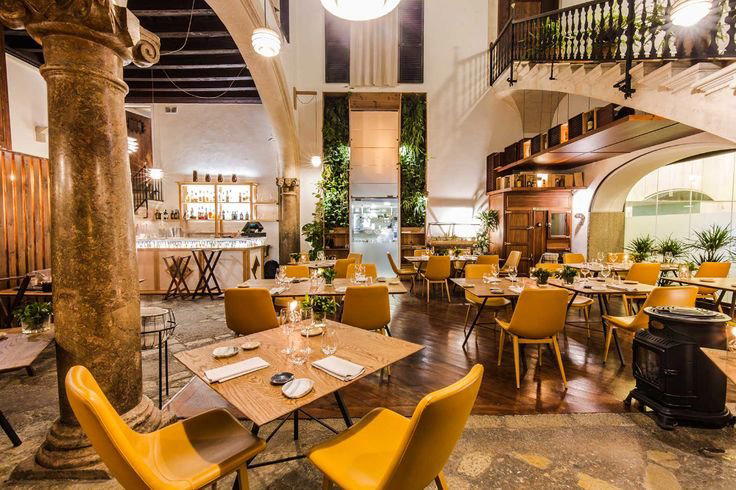
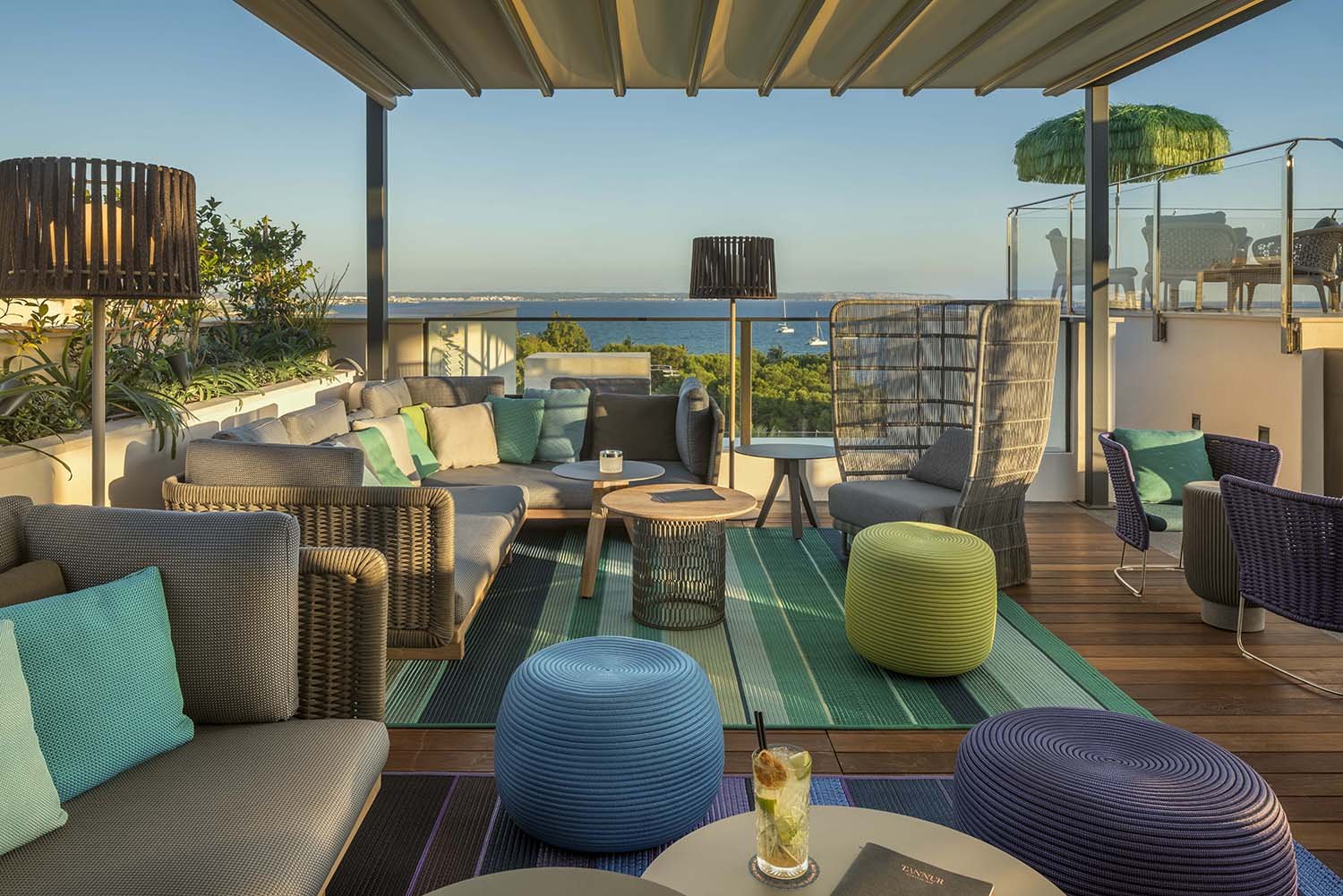
Bars in Palma
Browse all →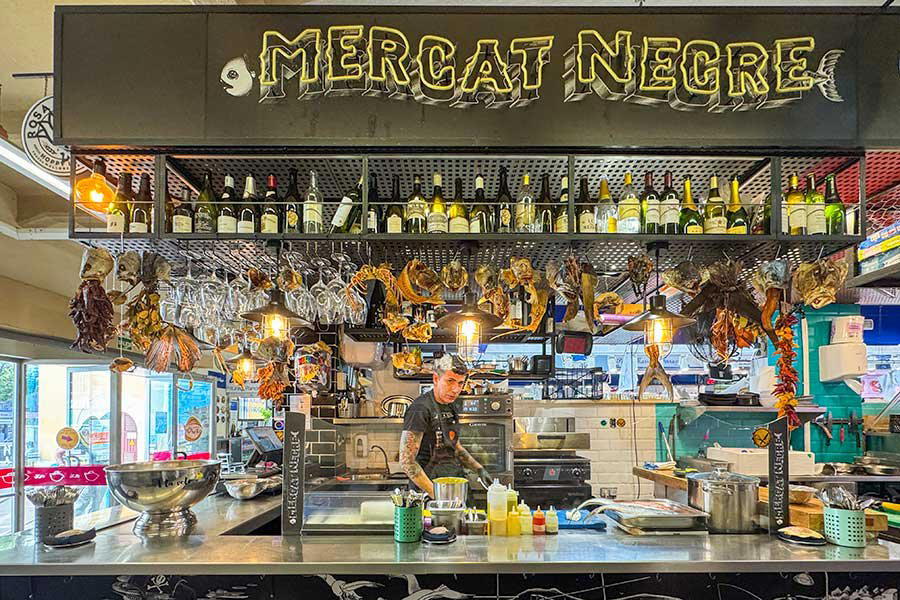
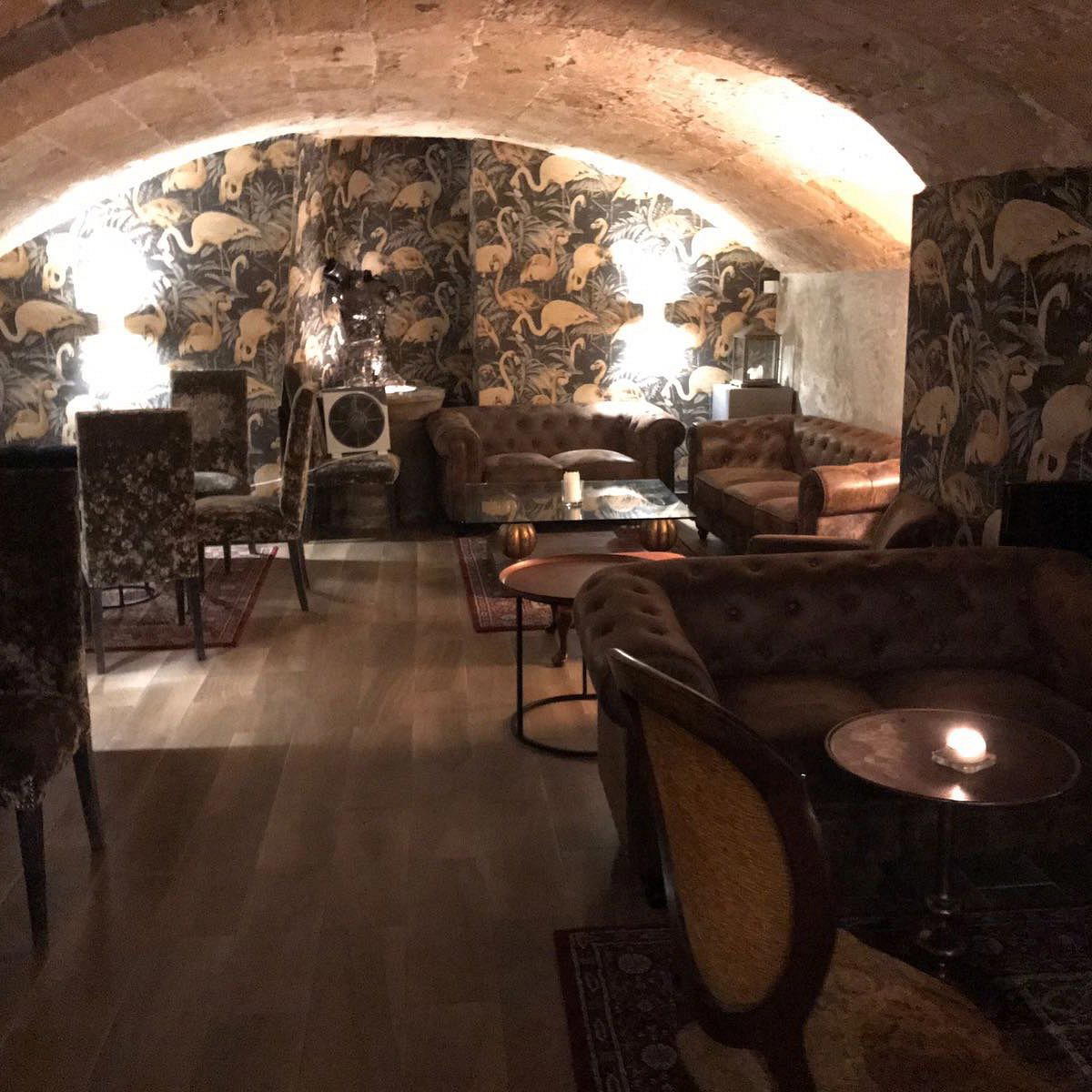
Hotels in Palma
Browse all →
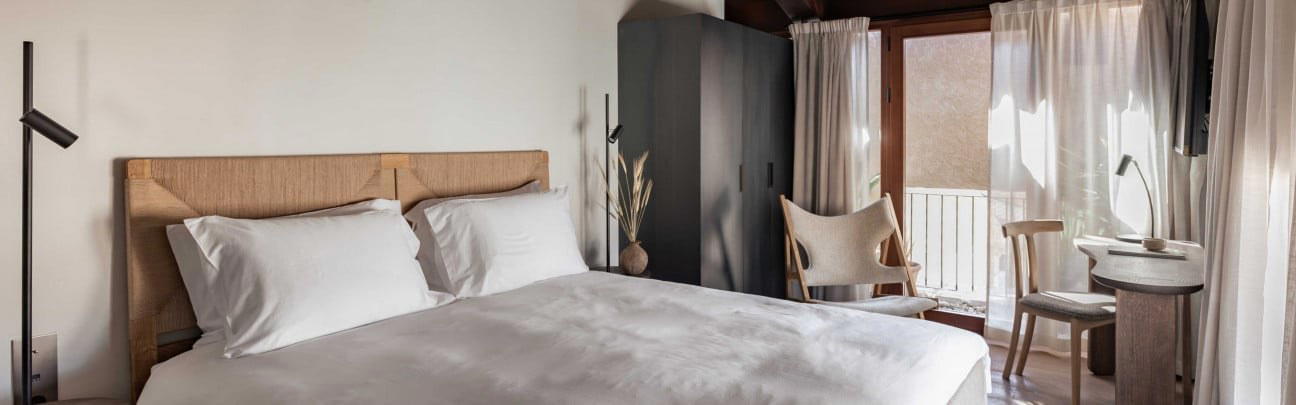
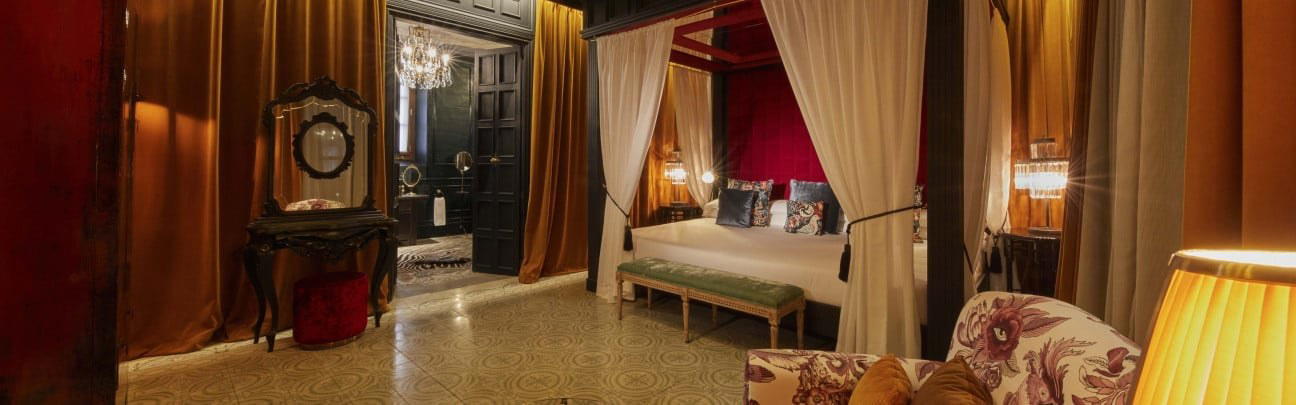
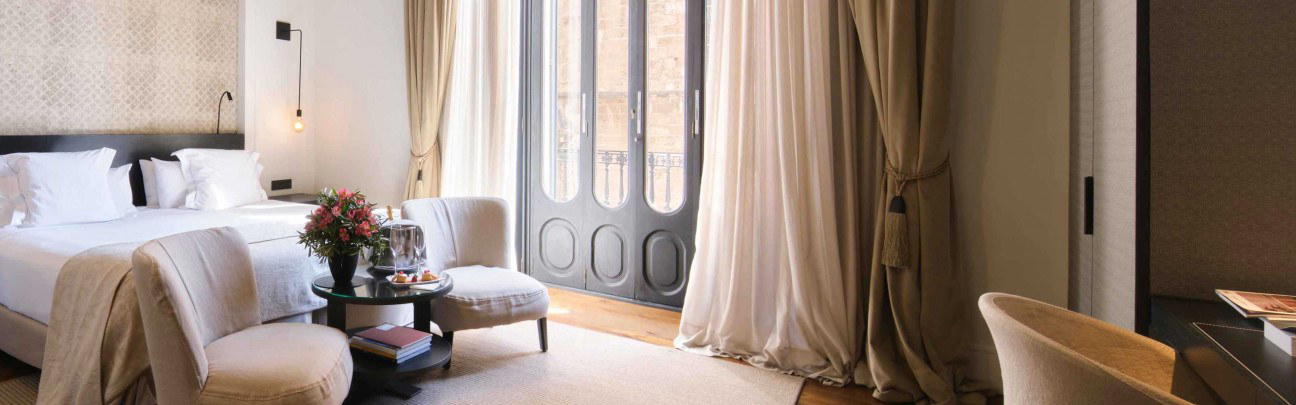
Details
- Elegant
- Sophisticated
- Modern
- Intimate
- Date Night
- Special Occasion
- Hotel Restaurant
- Historic Building
- Extensive Wine List
- Sommelier Led
- Local Sourcing
- Tasting Menu
- Vegetarian Friendly
- Allergy Accommodating
Current opening hours
- Monday
- Closed
- Tuesday
- 1–2:30 PM, 7:30–9 PM
- Wednesday
- 1–2:30 PM, 7:30–9 PM
- Thursday
- 1–2:30 PM, 7:30–9 PM
- Friday
- 1–2:30 PM, 7:30–9 PM
- Saturday
- 1–2:30 PM, 7:30–9 PM
- Sunday
- Closed
Hours can change for holidays and private events. Last verified .
Modern, relaxed, and contemporary space with minimalist feel, cosy atmosphere, pleasant patio-terrace, calm and stylish surroundings.