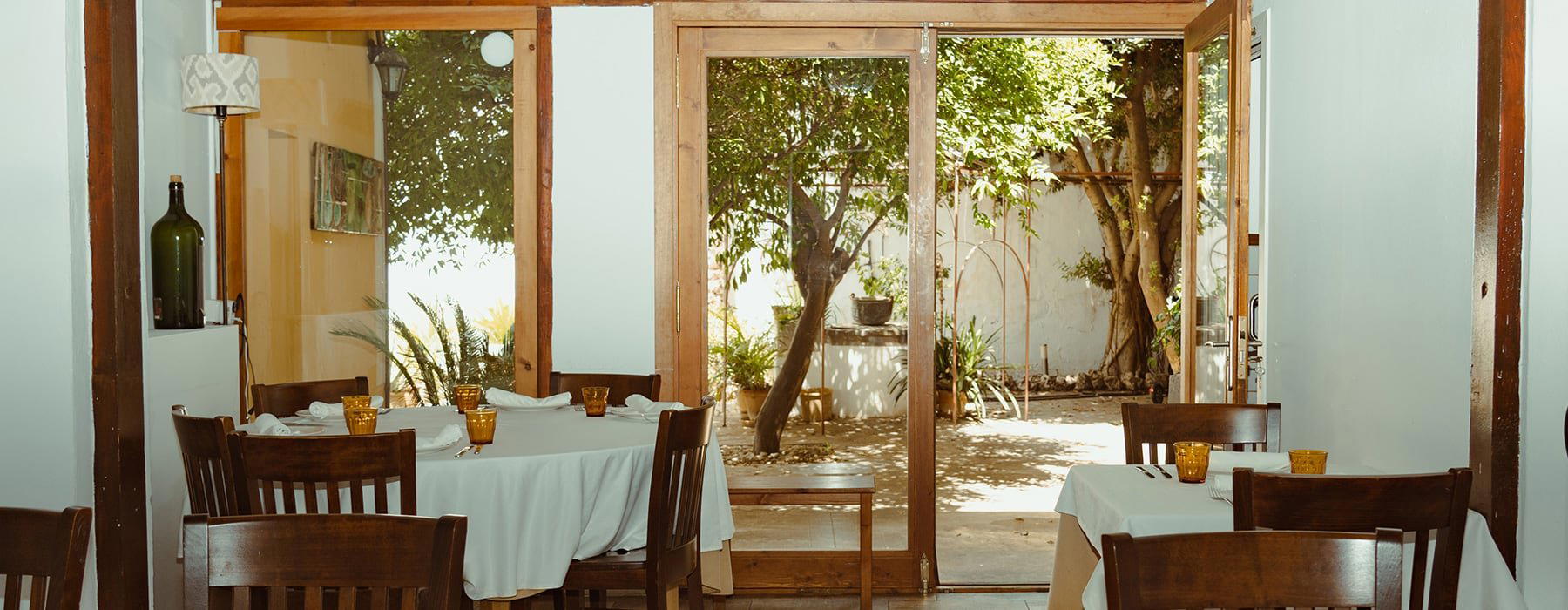
Casa Maruka belongs to Palma’s compact, ingredient-led restaurant tier, where island produce and Spanish dining rhythms matter more than theatrical tasting-menu architecture. Its 1 Sol in the Guía Repsol 2026 places it in a credible national conversation while keeping the appeal grounded in Palma’s lunch-and-late-dinner culture.
Pearl is the En Primeur Club membership app — saves, bookings, and concierge access live there. Same editors, same standards.
- Address
- Carrer de la Reina Maria Cristina, 7, Nord, 07004 Palma, Illes Balears, Spain

Palma’s northern edge changes the tempo of a meal before the first plate arrives. Away from the harbour-facing hotel circuit and the old-town promenades, the city feels more residential, more local in its daily patterns, and less dependent on the visitor’s timetable. In that setting, Casa Maruka reads as part of a broader Palma shift: restaurants using Mallorca as pantry rather than postcard, with Spanish technique and island supply doing the heavy lifting.
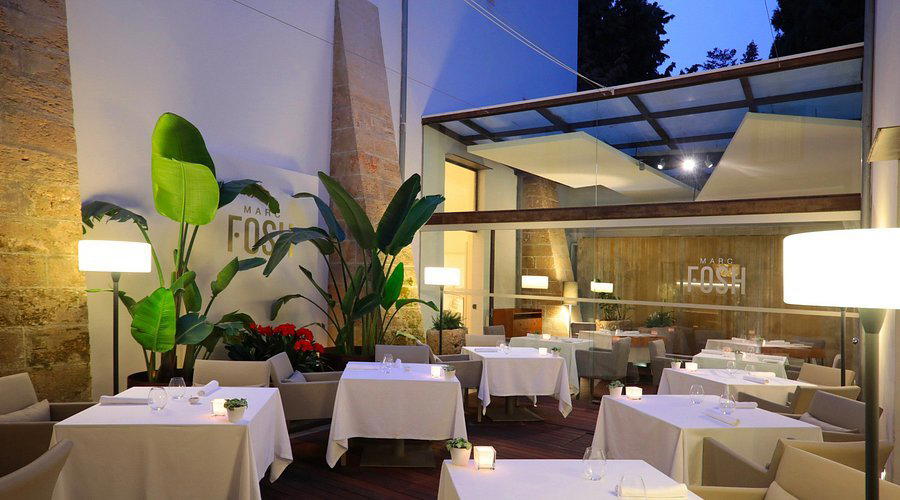
This is the useful frame for judging the restaurant. Palma has a polished fine-dining lane, represented in different ways by Marc Fosh, Adrián Quetglas and Aromata, and a looser contemporary lane where personality, sourcing and rhythm matter as much as formal ceremony. Casa Maruka sits closer to the latter, but its 1 Sol in the Guía Repsol 2026 gives it a national marker that separates it from the ordinary neighbourhood table. The award matters because Repsol’s Soles tend to reward restaurants with a strong sense of place, not only technical ambition.
Island sourcing without the resort gloss
Mallorca’s restaurant culture has spent years correcting an old tourism problem: too much cooking for visitors, not enough cooking from the island. The stronger Palma kitchens now treat the island as a working agricultural and maritime system. Vegetables, pork, seafood, olive oil and citrus are not decorative local references; they shape what kind of meal makes sense here. Casa Maruka fits that pattern, with the emphasis falling on produce-driven Spanish cooking rather than a chef-led mythology.
That distinction is important. Palma can support tasting menus and international hotel dining, but the city’s more convincing restaurants often work in a middle register: recognisable Spanish formats, careful sourcing, and enough polish to justify planning ahead. Compared with the more formal modern-cuisine lane at Adrián Quetglas (Modern Cuisine) or the contemporary frame at Aromata (Contemporary), the restaurant’s appeal is less about architectural progression and more about how Palma eats when the meal is allowed to stay close to the market.
The restaurant also belongs to a Spanish dining tradition that treats lunch as a serious sitting, not a compressed midday errand. In Palma, that matters. The city’s restaurant day is split between long lunches and later dinners, and restaurants that understand both services tend to feel more embedded than places built only around the evening tourist rush. The restaurant’s service pattern follows that Spanish cadence, which makes it easier to read as part of the city’s lived dining culture rather than a seasonal import.
Where it sits in Palma's dining map
Palma’s current restaurant conversation is not a single hierarchy. It is a set of overlapping choices: hotel-adjacent dining, old-town destination rooms, modern Spanish kitchens, wine-led counters, and ingredient-focused neighbourhood restaurants. Botànic Restaurant, Beatnik Restaurant & Bar and Bàrbar point to different versions of that spread. The useful question is not which one wins Palma, but which version of Palma a traveller wants to eat.
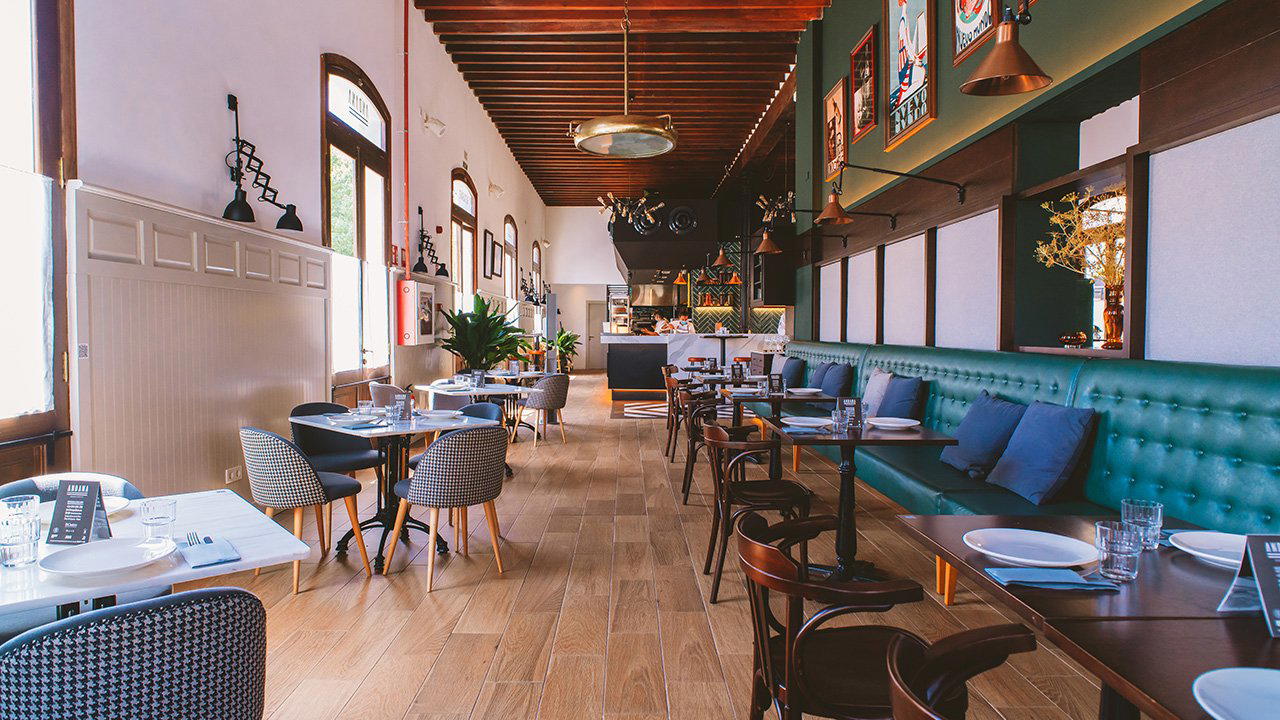
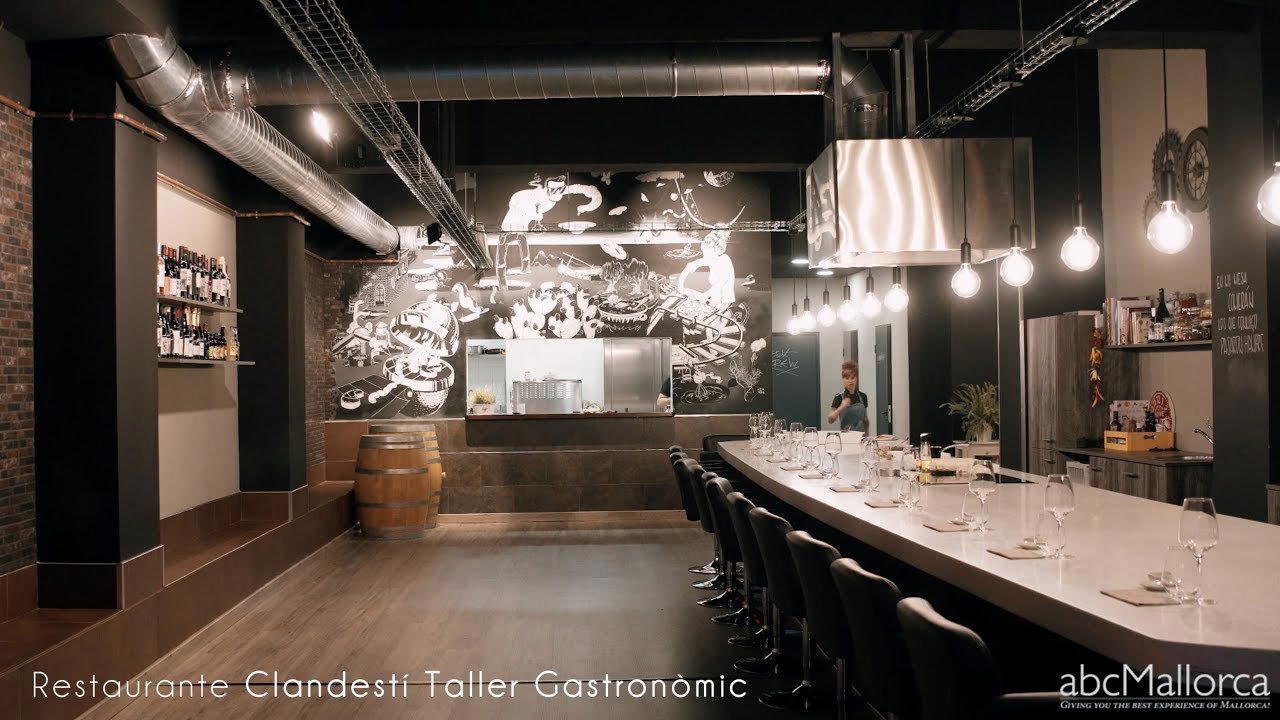
The restaurant is strongest for diners who value a grounded Spanish meal with recognised credibility, but who do not need the full apparatus of a destination tasting menu. In the same city, Calma y Caos Restaurant, NOI and Marc Fosh occupy different positions in the local field; outside the immediate Palma frame, Andana and Clandestí show how Mallorca’s dining conversation extends beyond the capital. The common thread is sourcing. The island’s restaurants are increasingly judged by how well they translate local supply into coherent meals, not by how loudly they announce locality.
For a visitor planning a Palma itinerary, that makes the restaurant a useful counterweight to the old-town dining circuit. It gives the trip a less obvious urban register: not rural finca cooking, not hotel gastronomy, not waterfront spectacle, but a city restaurant whose credibility comes through a national Spanish guide and a neighbourhood context. Pairing it with broader research from Our full Palma restaurants guide helps place it against the capital’s wider range; the same trip planning should account for Our full Palma hotels guide, Our full Palma bars guide, Our full Palma wineries guide and Our full Palma experiences guide when building a longer stay.
A Repsol-recognised table for the produce-minded diner
The 2026 Guía Repsol 1 Sol is the clearest public signal here. It places the restaurant inside Spain’s national dining conversation without pushing it into the heavily choreographed category that can flatten regional character. For Palma, that is a meaningful distinction: the city benefits from restaurants that can satisfy serious diners while remaining legible as local urban restaurants.
The sensible way to approach the table is through season and sourcing rather than a hunt for a named signature. No signature dish or chef attribution is publicly specified here, so the stronger ordering logic is category-based: ask what is centered on island produce, what reflects the day’s seafood or market supply, and what feels rooted in Spanish timing rather than international hotel dining. That approach respects the kind of restaurant the restaurant be: ingredient-forward, locally placed, and more useful as part of Palma’s dining ecology than as a standalone trophy booking.
Travellers comparing Spanish dining beyond Mallorca can place this in a larger national pattern. The same Repsol-era conversation stretches from compact regional restaurants such as "B de J" in Madrid, 12 Tapas in Castilleja de la Cuesta and 144. in Vitoria-Gasteiz to island and coastal addresses including 1742 in Ibiza, 1860 Tradición in Elciego and 1881 per Sagardi in Barcelona. Even farther afield, concise formats such as Jōdo Saké Bar in Los Angeles and Onigiri Time in Pasadena show the same editorial point in another cuisine: small formats earn attention when they know exactly what they are sourcing, serving and refusing to overcomplicate.
- traditional stews and tripe dishes
- slow-cooked beef shank
- tuna fillet
- artichoke carpaccio with ham
- Galician beef
- home-style seasonal specials
In Context: Similar Options
Comparable venues by cuisine and price in the same metro.
| Venue | Cuisine | Price | Awards | Notes |
|---|---|---|---|---|
| Casa MarukaThis venue — the venue you are viewing | Market-driven Spanish–Mediterranean restaurant | $$ | Not listed | Not listed |
| Ca n'Ela Vegan Restaurant | Creative Vegan Mediterranean | $$ | Not listed | Lonja |
| Sala de personal | Modern Spanish Tapas with Cocktail Pairings | $$$ | Not listed | Central Palma |
| La Vieja | Modern Canarian Fusion | $$$ | Michelin Plate | Old Town |
| Calma y Caos Restaurant | Modern Mediterranean Signature Cuisine | $$$$ | Not listed | Palma de Mallorca |
| Mombo | Modern Mediterranean Bistro | $$$ | Not listed | Centre |
Recognition history
Dated appearances from independent guides and award organizations, with the underlying list record or original source where available.
Guía Repsol 1 Sol
Guía Repsol
Continue exploring
More in Palma
Restaurants in Palma
Browse all →Bars in Palma
Browse all →Hotels in Palma
Browse all →Wineries in Palma
Browse all →At a Glance
- Cozy
- Classic
- Intimate
- Date Night
- Casual Hangout
- Special Occasion
- Solo
- Standalone
- Extensive Wine List
- Local Sourcing
Current opening hours
- Monday
- 1:30–4 PM
- Tuesday
- 1:30–4 PM, 8 PM–12 AM
- Wednesday
- 1:30–4 PM, 8 PM–12 AM
- Thursday
- 1:30–4 PM, 8 PM–12 AM
- Friday
- 1:30–4 PM, 8 PM–12 AM
- Saturday
- 1:30–4 PM, 8 PM–12 AM
- Sunday
- Closed
Hours can change for holidays and private events. Last verified .
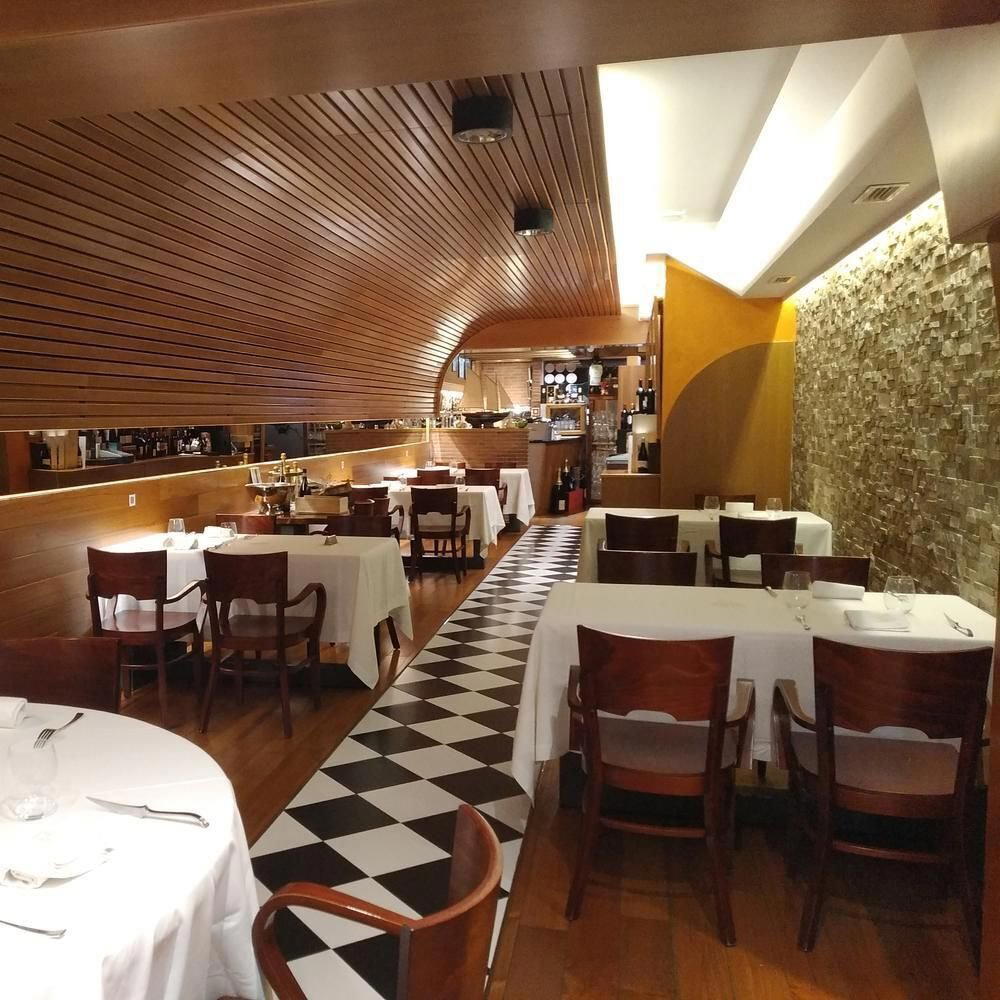
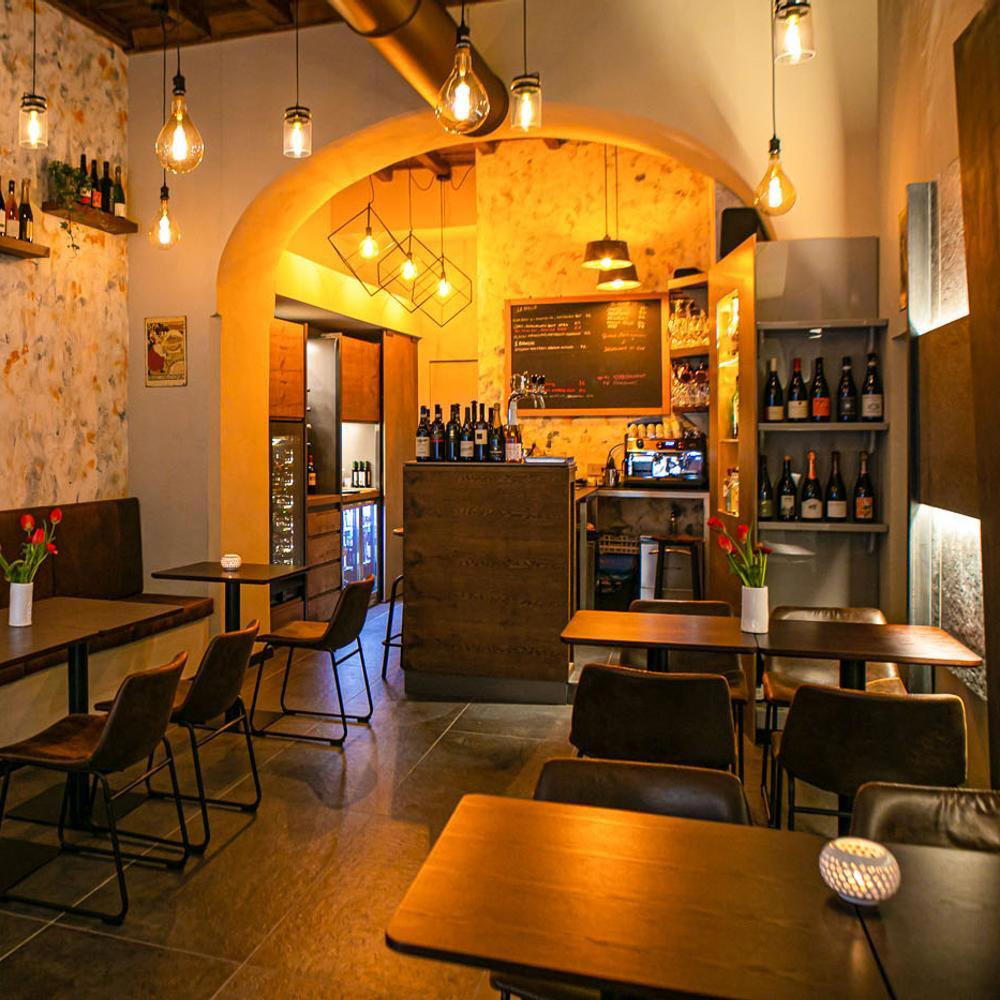
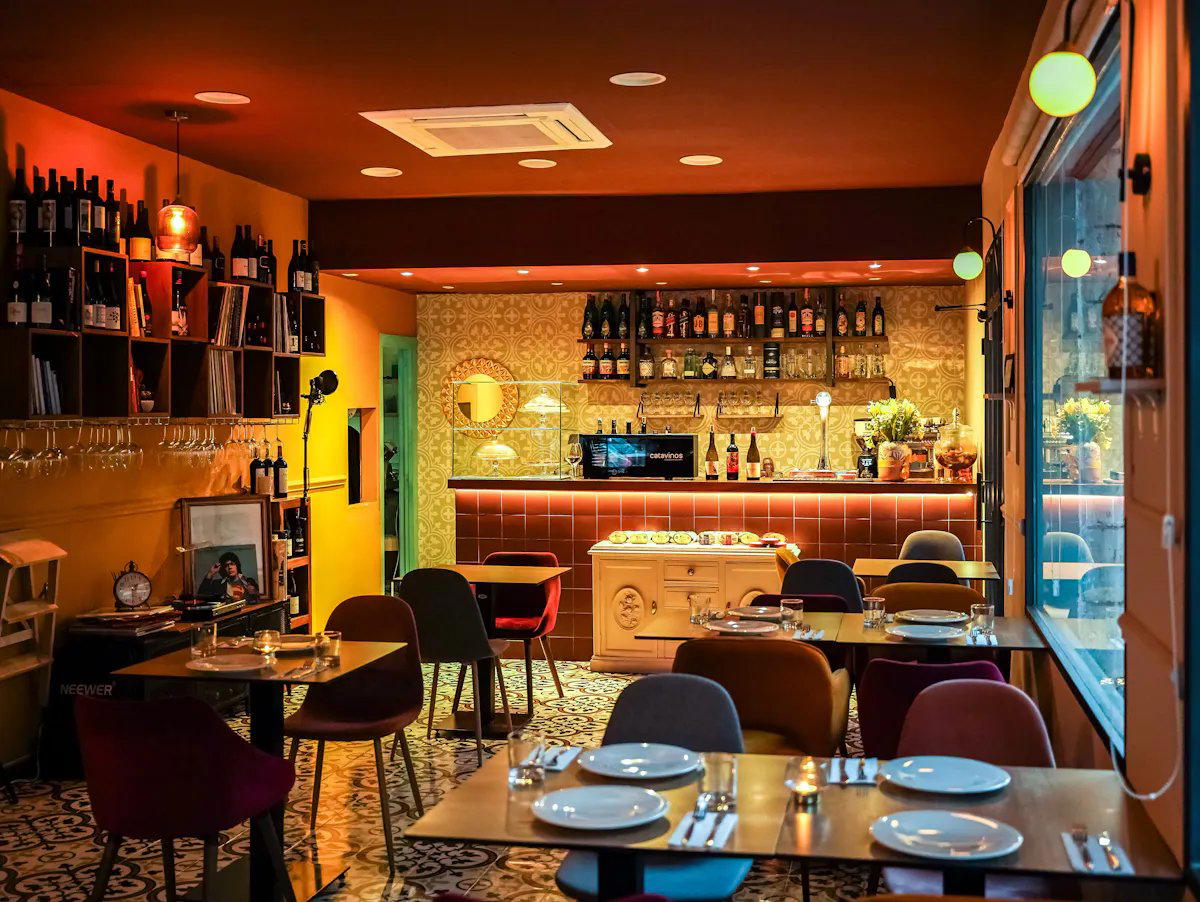
Warm, homey and unpretentious, with a classic bistro-style dining room where chatter and laughter from friends and families create a lively, convivial atmosphere rather than a scene-focused setting.