
A small bistro on Carrer Menorca operating at the informal end of Palma's dining scene, Little Jarana pairs a Mediterranean-led sharing menu with a wine list built almost entirely around small producers. Chef Abraham Artigas runs a tight, focused operation: no soft drinks, no beer, no coffee, just wine, vermouth, and dishes like the perennial gnocchi with cockles and bottarga that have earned the place a loyal following.
Pearl is the En Primeur Club membership app — saves, bookings, and concierge access live there. Same editors, same standards.
- Address
- Carrer Menorca, 16, Ponent, 07011 Palma, Illes Balears, Spain
- Phone
- +34 600 44 78 74
- Website
- littlejarana.com
- Directions
- Get directions
 Saves & bookings on Pearl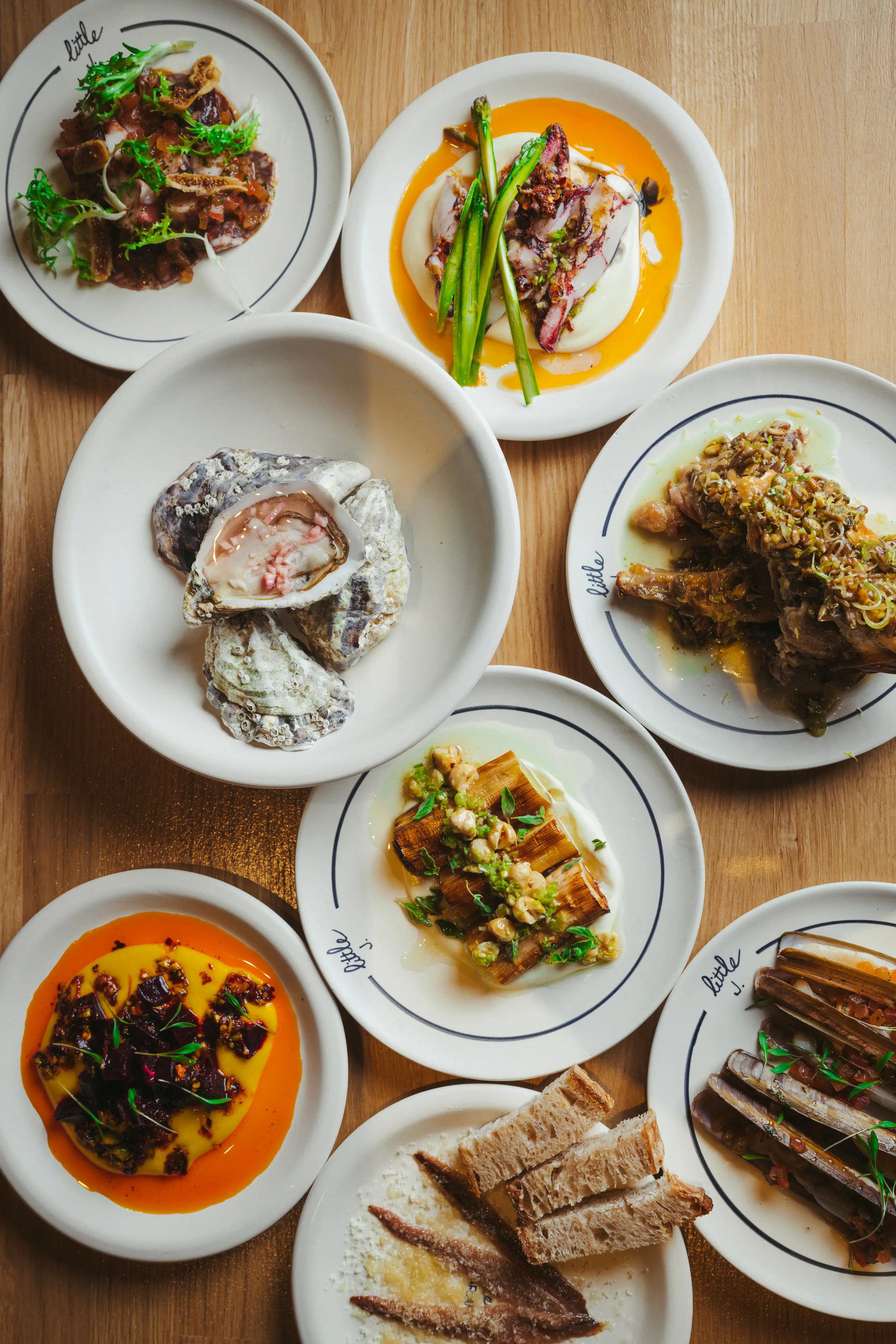
Where Palma's Bistro Format Gets Serious
Palma's restaurant scene divides cleanly between two modes. At the leading end, tasting-menu houses like Zaranda and Marc Fosh offer formal, multi-course progressions, considered, expensive, and built around a single chef's signature vision. Below that tier sits a less-documented middle ground: small, chef-driven bistros where the cooking is just as deliberate but the format is looser, the tables are closer together, and the wine list does more of the talking than the plating. Little Jarana is a restaurant in Palma serving modern Mediterranean small plates at about $60 per person. Little Jarana on Carrer Menorca sits firmly in that second category, and in Palma, that category is harder to fill well than the fine-dining bracket.
The address, a residential stretch in the Ponent neighbourhood, away from the old town tourist circuit, signals the intent before you walk in. This is not a restaurant designed to intercept foot traffic or weekend visitors scanning for somewhere to eat. It operates on the assumption that the people arriving already know why they came.
The Menu Logic
Chef Abraham Artigas has built the menu around Mediterranean foundations with selective international references, a combination that describes dozens of restaurants in southern Spain but lands differently here because of the restraint applied to it. The format is built for sharing, which in practice shapes the pace of the meal: dishes arrive incrementally, portions are calibrated for two or three hands, and the order in which things appear matters. That rhythm favours wine pairing in a way that set-course menus sometimes do not.
Two dishes anchor the menu's reputation. The scarlet shrimp with ham and lime positions a premium Mallorcan ingredient, the gamba vermella, fished in the waters around the Balearics and considered among the leading shrimp varieties in the Mediterranean, against cured pork fat and citrus acidity. The pairing is not conventional, and the success of it depends on the quality of the shrimp more than any technique applied to it. The second, the gnocchi with cockles and bottarga, has remained on the menu since the restaurant opened, which in a bistro format is an unusual signal. Dishes that stay are dishes that guests return specifically to order. The bottarga, cured fish roe, typically mullet or tuna, brings a saline intensity that the cockles and soft gnocchi need to make the dish cohere. It has never been removed from the menu, which says something about how central it is to the kitchen's identity.
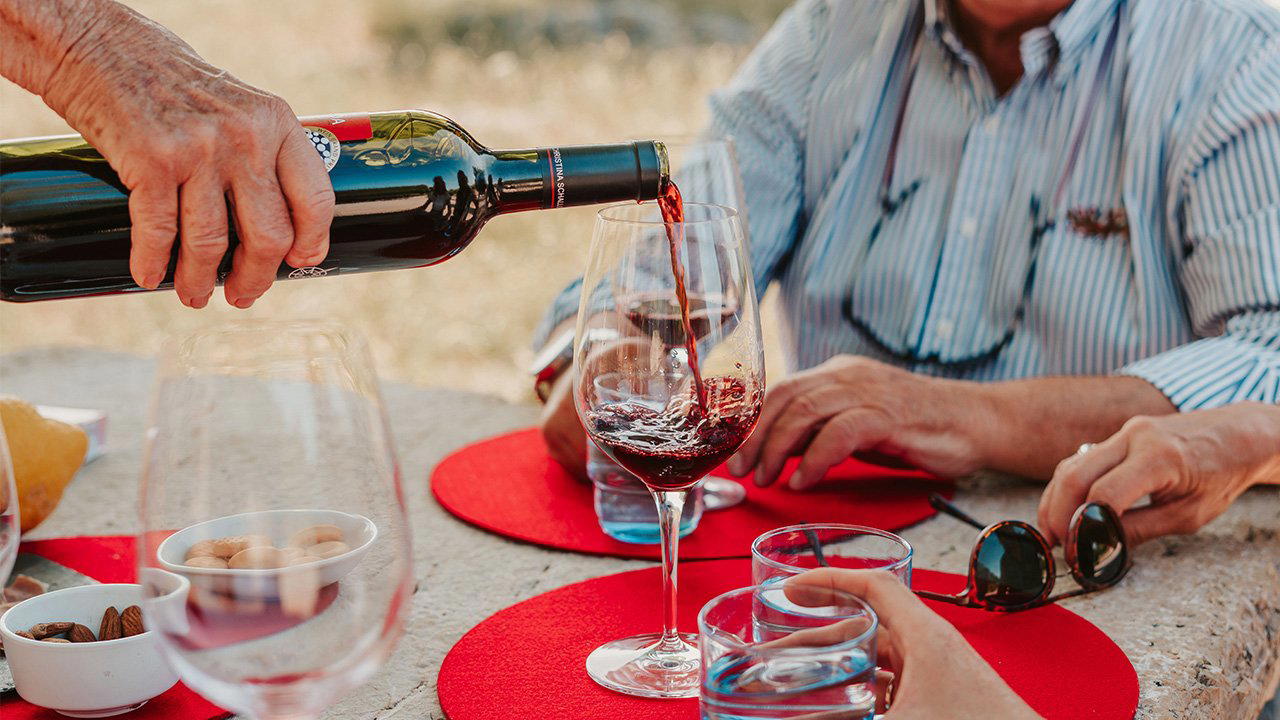
The drink policy is worth understanding before you book. Little Jarana does not serve soft drinks, beer, or coffee. The list covers wine (weighted toward small producers), some vermouth, and water. For guests accustomed to restaurants that function as general hospitality operations, where the drink order is secondary to the food, this takes a moment to recalibrate. For guests who approach the wine list as part of the meal's architecture, it clarifies things considerably. Spain's small-producer wine scene has deepened substantially over the past decade, and in Palma that trend shows in bars and bistros before it shows in the formal dining rooms. The focus on smaller labels here is consistent with how the food is positioned: specific, considered, not optimised for the widest possible audience.
Palma's wider restaurant offering is documented in our full Palma restaurants guide, and for context on where the bistro format sits relative to the tasting-menu tier, the work being done at Adrián Quetglas and Aromata illustrates how Palma's mid-to-upper bracket has expanded.
Booking, Timing, and What to Know First
Small rooms with sharing menus and chef-led operations in this price bracket across Spain, from Aponiente in El Puerto de Santa María to ambitious bistros in Madrid, tend to run at or near capacity most evenings once they establish a local following. The restaurant has established that following.
The restaurant sits on Carrer Menorca in the Ponent district. For visitors staying in Palma's hotel cluster near the waterfront, the journey is short. Our full Palma hotels guide covers the range of accommodation options across the city if you are planning the broader trip.
Walking in without a reservation is a lower-probability strategy at a small room with a loyal repeat clientele.
The drink-list restriction is a practical consideration for groups with varied preferences. If anyone in your party does not drink wine or vermouth, the choice of still or sparkling water is the only alternative. This is less an obstacle than a filtering mechanism: guests who find the model workable tend to be the guests the restaurant is designed for.
Against the Broader Spanish Bistro Context
Spain's serious bistro format has a clear genealogy. The cooking culture that produced institutions like Arzak in San Sebastián, El Celler de Can Roca in Girona, and later, more maximalist projects like DiverXO in Madrid and Quique Dacosta in Dénia, also produced a countermovement: chefs who trained in or around those environments and chose to cook in smaller, less formal rooms for fewer covers. The bistro as a deliberate format choice, rather than a financial constraint, is well-established in the Basque Country and Catalonia. In the Balearics, the equivalent tradition is less documented but demonstrably present. The restaurant operates in that register.
The comparison is not to the tasting-menu tier represented by Azurmendi in Larrabetzu or the technical ambition of Le Bernardin in New York City or Atomix, those are different propositions entirely. The relevant comparable set is small Mediterranean bistros that treat the wine list as a core editorial statement, keep the menu tight enough to execute at high consistency with a small team, and build a repeat clientele rather than a tourist rotation. Within Palma, Bàrbar occupies adjacent territory in terms of format and intent.
The restaurant fits into a longer Palma itinerary as an evening that requires advance planning but rewards it with the kind of focused, specific meal the city's more visible restaurants do not always deliver.
Booking and Cost Snapshot
Comparable venues nearby, for context on price, style, and recognition.
| Venue | Cuisine | Price | Awards | Notes |
|---|---|---|---|---|
| Little JaranaThis venue — the venue you are viewing | Not listed | $$$ | Michelin Plate | Not listed |
| Quadrat | Not listed | $$$ | Michelin Plate | Centre, Modern Mediterranean with Mallorcan influences |
| Mambo | Centre, Modern Mediterranean Bistro | $$$ | Michelin Plate | Not listed |
| Mombo | Centre, Modern Mediterranean Bistro | $$$ | Not listed | Not listed |
| Aromata | Innovative | $$$ | Michelin Plate | Not listed |
| Stagier Bar | Not listed | $$ | Michelin Plate | Santa Catalina, Mediterranean-Latin Fusion Tapas |
Recognition history
Dated appearances from independent guides and award organizations, with the underlying list record or original source where available.
Michelin Plate
Michelin
Continue exploring
More in Palma
Restaurants in Palma
Browse all →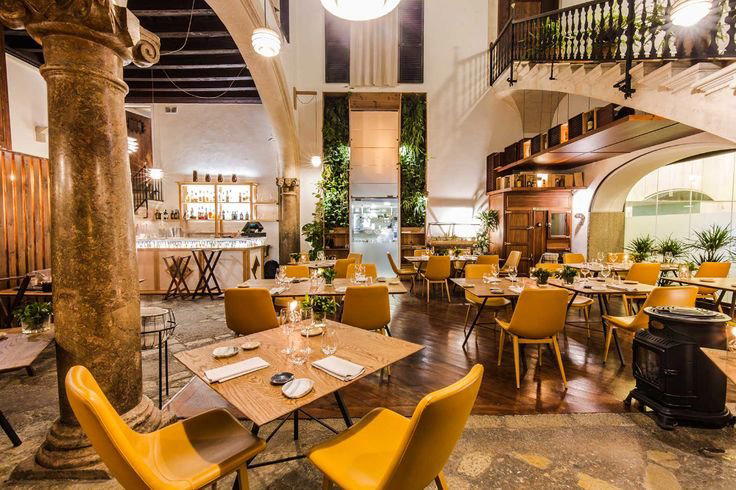
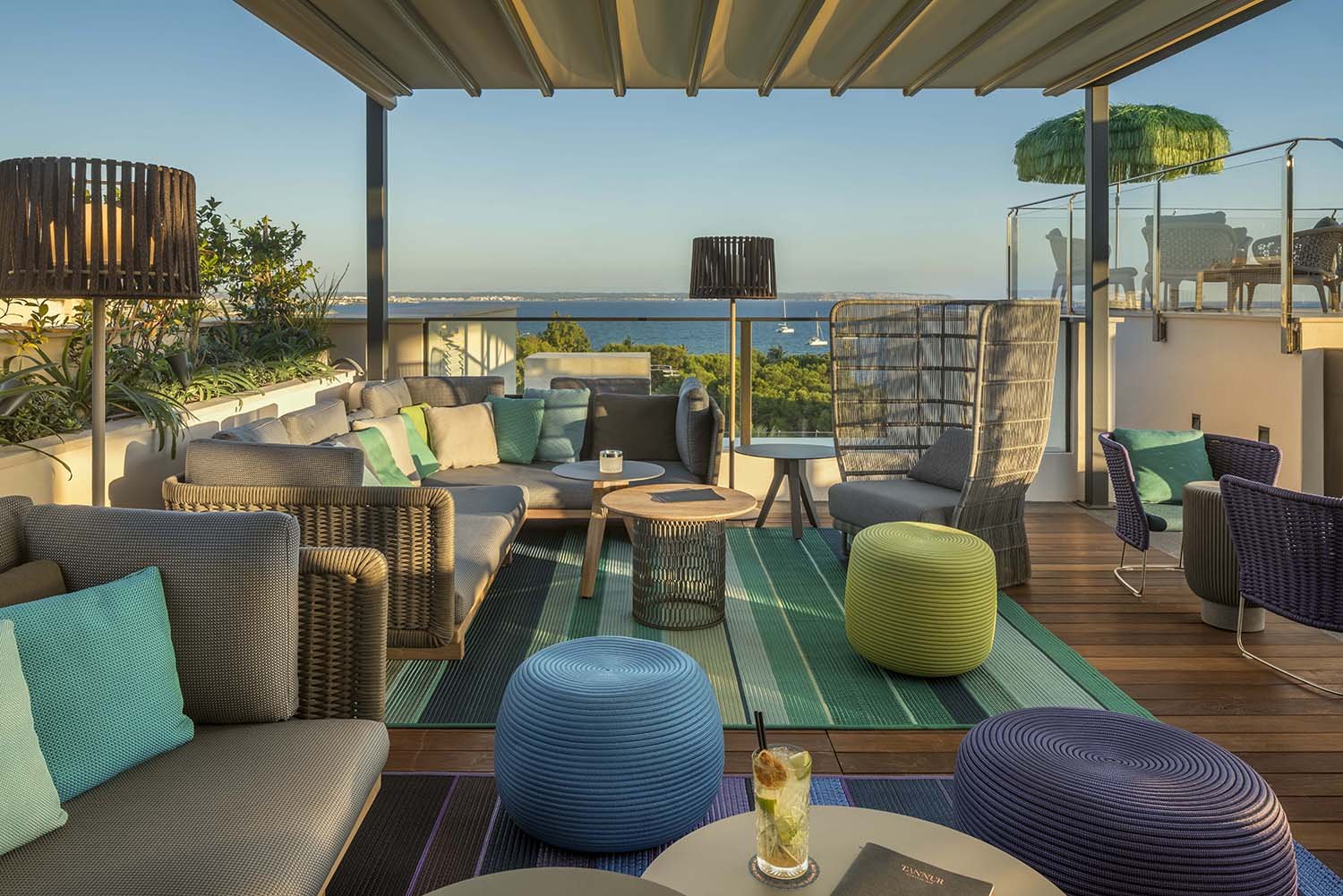
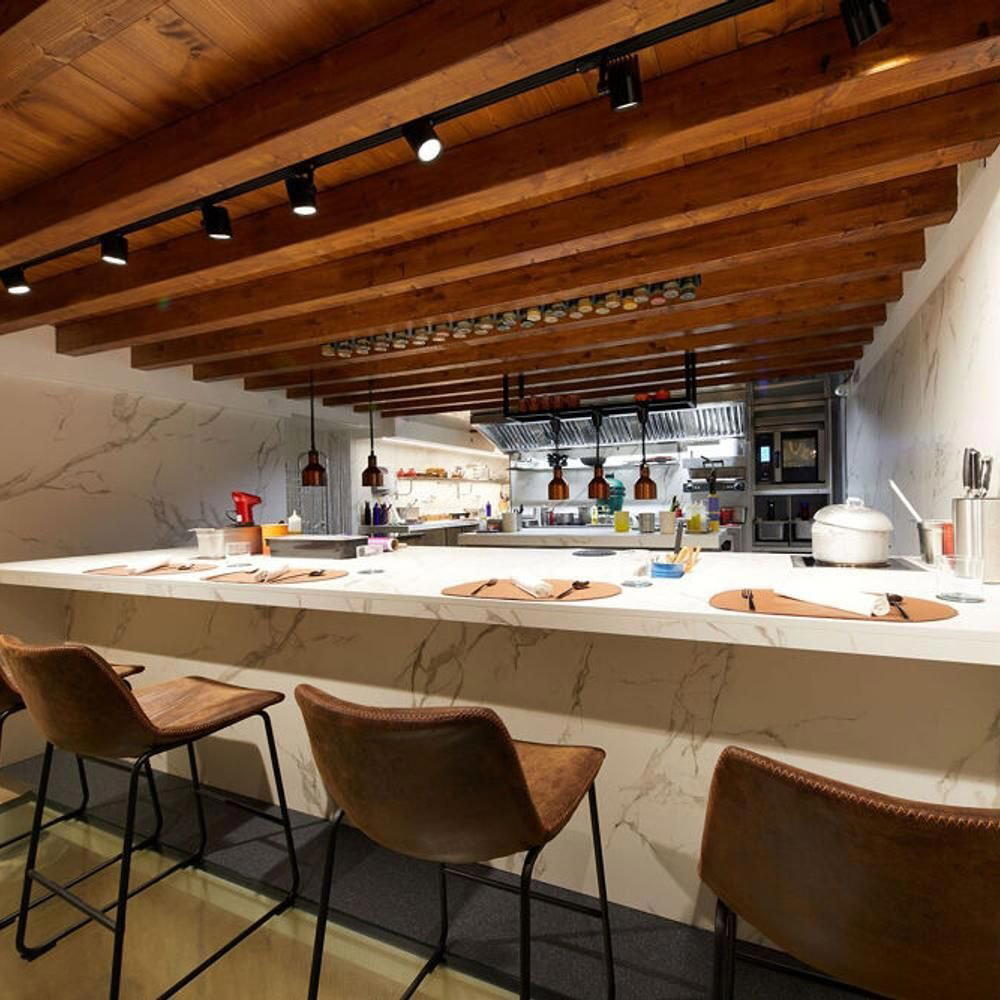
Bars in Palma
Browse all →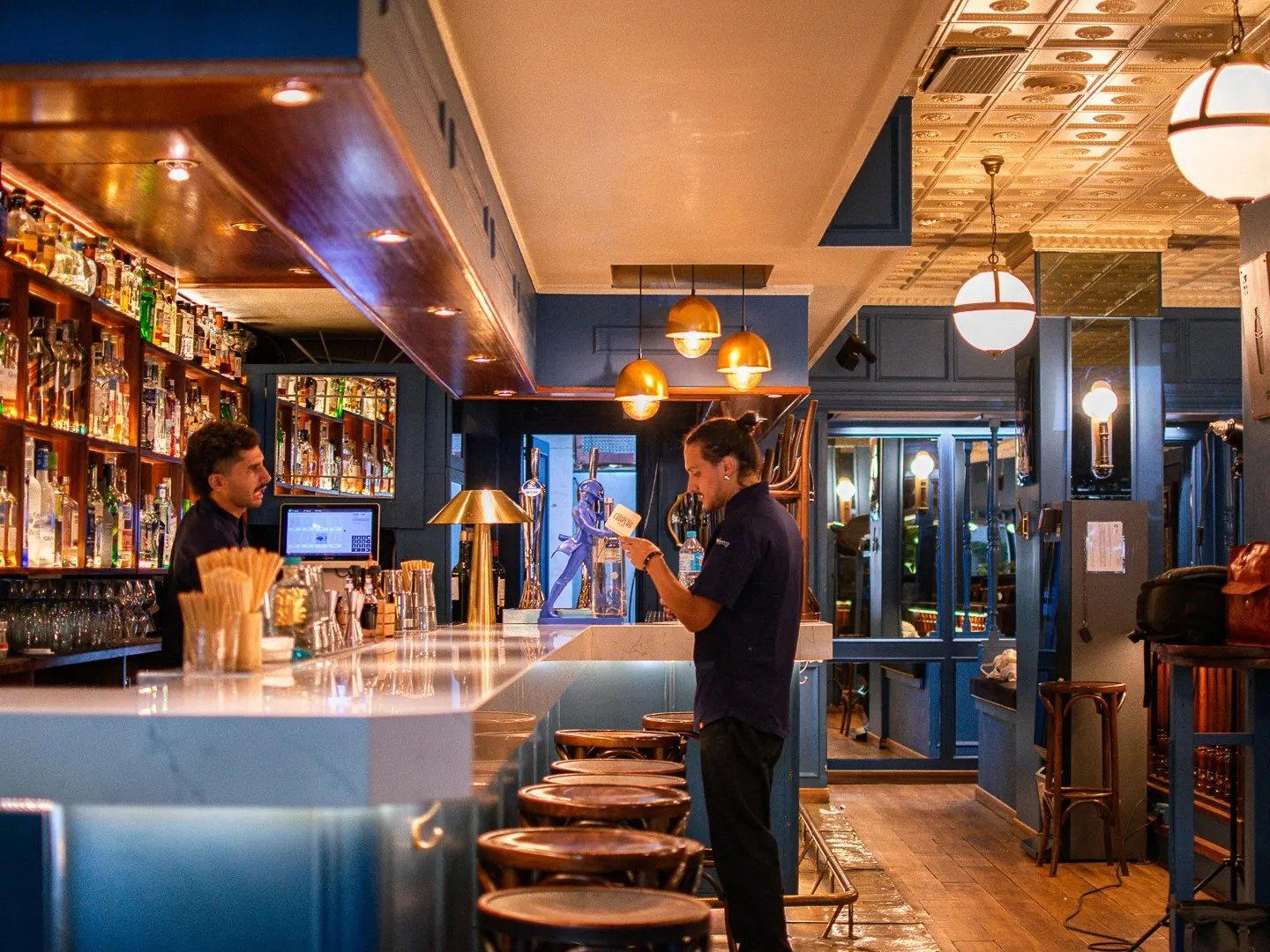
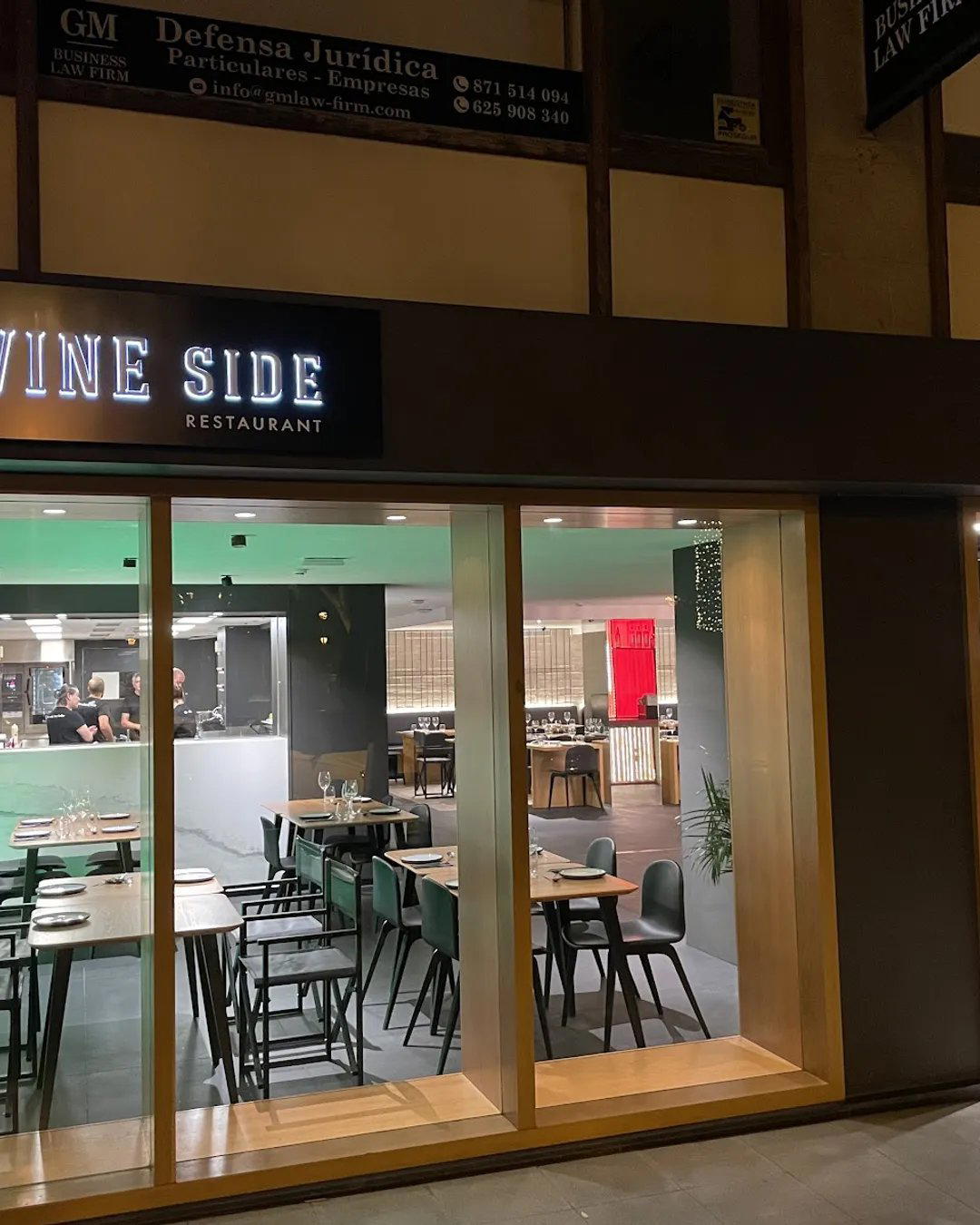
Hotels in Palma
Browse all →
At a Glance
- Intimate
- Cozy
- Date Night
- Solo
- Special Occasion
- Open Kitchen
- Extensive Wine List
- Local Sourcing
Current opening hours
- Monday
- 7–11:30 PM
- Tuesday
- 7–11:30 PM
- Wednesday
- 7–11:30 PM
- Thursday
- 7–11:30 PM
- Friday
- 1–3 PM, 7:30 PM–12 AM
- Saturday
- Closed
- Sunday
- Closed
Hours can change for holidays and private events. Last verified .
Warm, fun, and cozy atmosphere with an open kitchen, family-like service, and just the right volume of music.