
Saiko Shinkan belongs to Yokohama Chinatown’s large-format Chinese dining tradition: multi-floor rooms, dim sum, Cantonese cooking, private rooms, and family-friendly service rather than counter intimacy. Its value sits in the middle tier, with lunch and dinner pricing below the higher Chinatown banquet bracket and recognition from Tabelog 100 Chinese EAST 2026 adding a useful quality signal.
Pearl is the En Primeur Club membership app — saves, bookings, and concierge access live there. Same editors, same standards.
- Address
- 192 Yamashitacho, Naka Ward, Yokohama, Kanagawa 231-0023, Japan
- Phone
- +81 50-3196-2794
- Website
- saikoh-shinkan.com
 Saves & bookings on Pearl
Yokohama Chinatown announces itself before the table: gates, lanterns, crowded shopfronts, steamers in windows, and a dining culture built as much around groups as around individual dishes. In that setting, the large Chinese restaurant remains a serious local format, not a tourist relic. Saiko Shinkan fits that older Yokohama model: a house restaurant with multiple floors, dim sum, Cantonese cooking, private rooms, and the scale to handle families, business meals, and banquets without pretending to be a small chef’s counter.
The value proposition is the point. Yokohama Chinatown can swing from low-cost snack stops to formal banquet houses, and this address sits in the middle of that spread. Dinner runs JPY 6,000 to JPY 7,999, while lunch is listed at JPY 2,000 to JPY 2,999, placing it below Kasei Rou Honten’s JPY 10,000 to JPY 14,999 dinner bracket but above quick Chinatown meals such as Kyo Chubo or the low-priced Kasei Rou Yokohama chuukagai shinkan baiten. That middle lane matters for travellers who want a seated Chinese meal with infrastructure, multilingual support, and award recognition, without moving into the formal banquet price tier.
Chinatown scale with a dim sum-and-Cantonese spine
Yokohama’s Chinese dining tradition is not a single cuisine story. The district mixes street snacks, banquet cooking, dim sum, family restaurants, and long-running houses that have adapted Chinese regional cooking to Japanese dining rhythms. Saiko Shinkan is listed across Chinese and dim sum and yum cha categories, which places it closer to the all-occasion Chinatown house than to a narrow specialist format. The room count reinforces that identity: 370 seats across restaurant floors, private rooms, banquet spaces, and a tea lounge level.
That scale changes how the meal reads. Smaller Yokohama restaurants often trade on concentration: a focused curry counter, a yakitori room, a regional Chinese specialist. Here the appeal is breadth and comfort. Allergy information is available, fish-focused options are noted, and the drink program covers sake, shochu, wine, and cocktails. None of that makes the restaurant avant-garde; it makes it useful in the way a mature Chinatown dining room needs to be useful, especially when a table includes children, older relatives, business guests, or visitors who need English or Simplified Chinese menu support.
The trust signal is concrete. Saiko Shinkan was selected for Tabelog 100 Chinese cuisine EAST in 2026, with earlier selections listed for 2024, 2023, and 2021, and carries a Tabelog score of 3.68. In Japan, where user-review platforms can influence serious restaurant discovery, that kind of repeated selection is a stronger signal than vague reputation. It places the restaurant within an eastern Japan Chinese dining cohort rather than only within the Yokohama tourist circuit.
Where the money goes: comfort, capacity, and group utility
At this price, the competitive question is not whether the cooking can outgun a tiny specialist room. It is whether the bill buys a complete Chinatown meal with enough polish and practical range to justify skipping cheaper walk-in options. The answer depends on the occasion. For two diners chasing a quick bowl or casual plate, Aichun, Keitokuchin, or other lower-priced Chinatown addresses may make more sense. For a multi-generation lunch, a business dinner, or a group that needs private-room options, the equation shifts.
Private rooms are available for groups from 6 people upward, with larger rooms covering 10 to 20, 20 to 30, and more than 30 people; banquet capacity reaches 90 seated and 120 standing. A 10 percent service charge applies when using a private room. This is the sort of operational detail that defines value in Yokohama Chinatown: diners are paying not only for dishes but also for space, predictability, and a room format that can absorb events without forcing the meal into a hotel dining room.
Access also supports that use case. The restaurant is near Motomachi-Chukagai Station, with additional approaches from Ishikawacho, Kannai, and the Yamashita Park Sea Bass pier. Parking validation is available through Chinatown affiliated parking, issued in 30-minute increments for every JPY 2,500 spent, up to 2.5 hours. For a neighbourhood where weekend foot traffic can turn a casual plan into a queue management exercise, those practicalities carry weight.
How to place it in a Yokohama itinerary
Saiko Shinkan works better as a planned Chinatown meal than as a spontaneous snack stop. Reservations are available, and the restaurant notes that walk-ins may not be accommodated when seats are filled by bookings. Weekday lunch has its own reservation-only wrinkle for Seihou Gohan, and Tuesday is the regular closing day, with holiday substitutions possible. Course last order is listed at 19:30, which makes early dinner the safer play for travellers building an evening around the waterfront or Motomachi.
The broader Yokohama dining map is worth separating by mood. For grilled chicken skewers, 1000 (Yakitori (Grilled chicken skewers)) points to a different Japanese counter tradition. Aichun, Ajowan, and Alpenjiro Honten show how the city’s restaurant culture ranges from Chinatown comfort to curry and other neighborhood formats. Anzen Shokudo sits outside the target city conversation but is useful for readers tracking casual Japanese dining across regions.
For trip planning, use Our full Yokohama restaurants guide alongside Our full Yokohama hotels guide, Our full Yokohama bars guide, Our full Yokohama wineries guide, and Our full Yokohama experiences guide. Nearby-city and wider Japan comparisons can be useful too: -Grilled beef Sukiyaki- KAMAKURA TANUKIAN 鎌倉 たぬき庵 in Kamakura. 鮪と炭火焼き うお炭 秋葉原店 in Tokyo.cafe in Osaka.know in Kumamoto, (Shoku) Vietnam in Kawasaki, and [Curry Senmon Ten] Maruyama Kyoju. in Sapporo. For readers extending the Japanese dining thread to California, Jōdo Saké Bar in Los Angeles and Onigiri Time in Pasadena offer a useful diaspora counterpoint.
The editorial read is simple: this is not the address for diners chasing intimacy or chef-theatre scarcity. It is a Chinatown institution in the practical sense, large, accessible, multilingual, and priced for a proper seated meal rather than a blowout. In Yokohama, where Chinese dining is both local heritage and visitor ritual, that combination has real utility.
Reputation Context
Nearby venues at a similar price tier for orientation.
| Venue | Cuisine | Price | Notes |
|---|---|---|---|
| Saiko ShinkanThis venue — the venue you are viewing | Traditional Cantonese & Dim Sum | $$ | Not listed |
| Aichun | Traditional Cantonese in Yokohama Chinatown | $$ | Naka |
| Ryuho | Traditional Chinese (Yokohama Isezakicho) | $$ | Naka |
| Manchin ro Honten | Historic Cantonese fine dining in Yokohama Chinatown | $$$ | Naka |
| Ri En | Casual Neighborhood Chinese & Dumplings | $$ | Naka |
| Kyo Chubo | Traditional Taiwanese-style Chinese in Yokohama Chinatown | $ | Naka |
Recognition history
Dated appearances from independent guides and award organizations, with the underlying list record or original source where available.
Tabelog 100 #23 · No. 23
Tabelog · Tabelog 100 - Chinese cuisine - EAST - 2026









At a Glance
- Lively
- Classic
- Elegant
- Energetic
- Family
- Group Dining
- Casual Hangout
- Celebration
- Business Dinner
- Private Dining
- Standalone
- Design Destination
Current opening hours
- Monday
- 11:30 AM–2 PM, 5–8 PM
- Tuesday
- Closed
- Wednesday
- 11:30 AM–2 PM, 5–8 PM
- Thursday
- 11:30 AM–2 PM, 5–8 PM
- Friday
- 11:30 AM–2 PM, 5–8 PM
- Saturday
- 11 AM–2:30 PM, 5–8 PM
- Sunday
- 11 AM–2:30 PM, 5–8 PM
Hours can change for holidays and private events. Last verified .
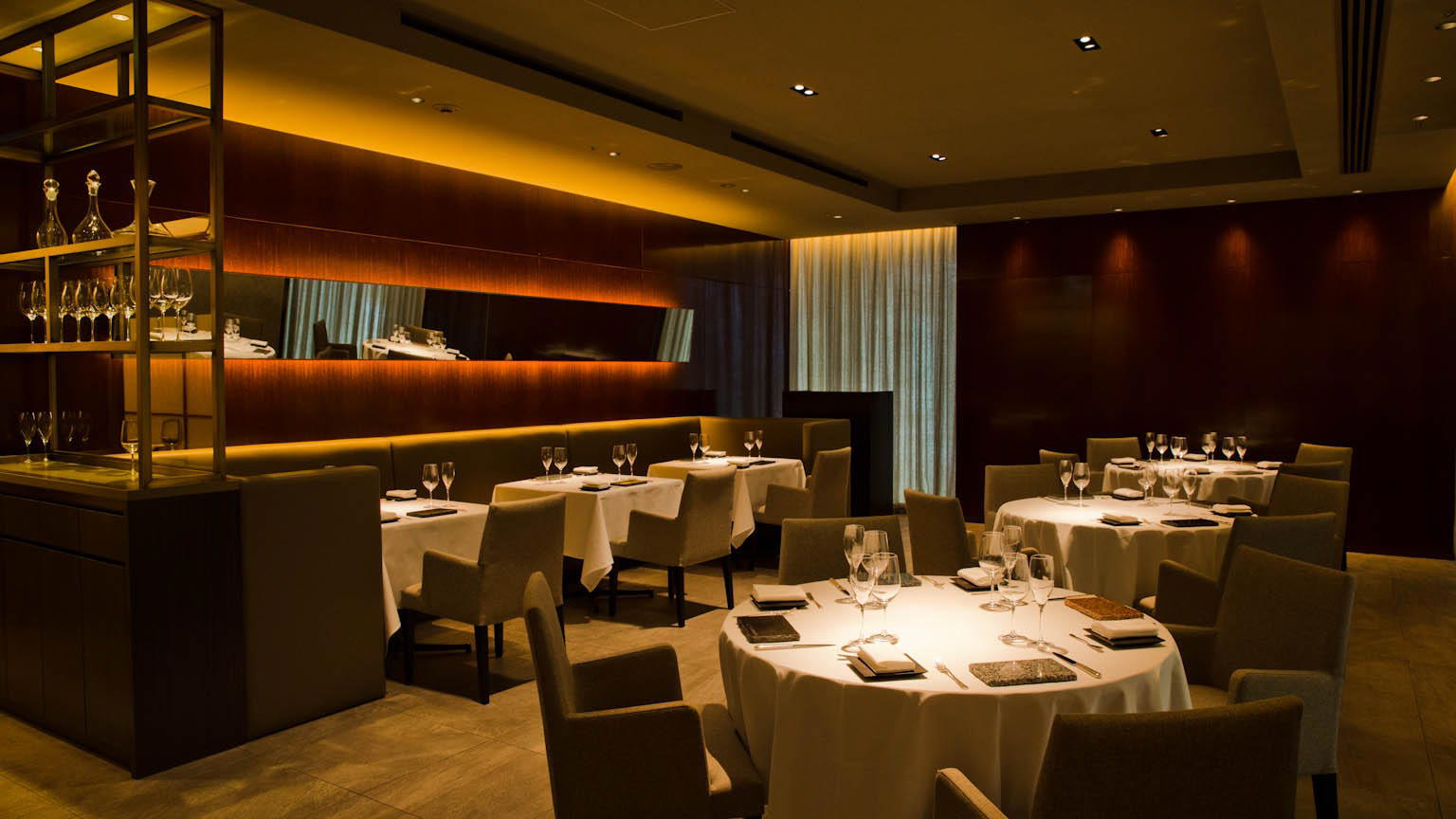
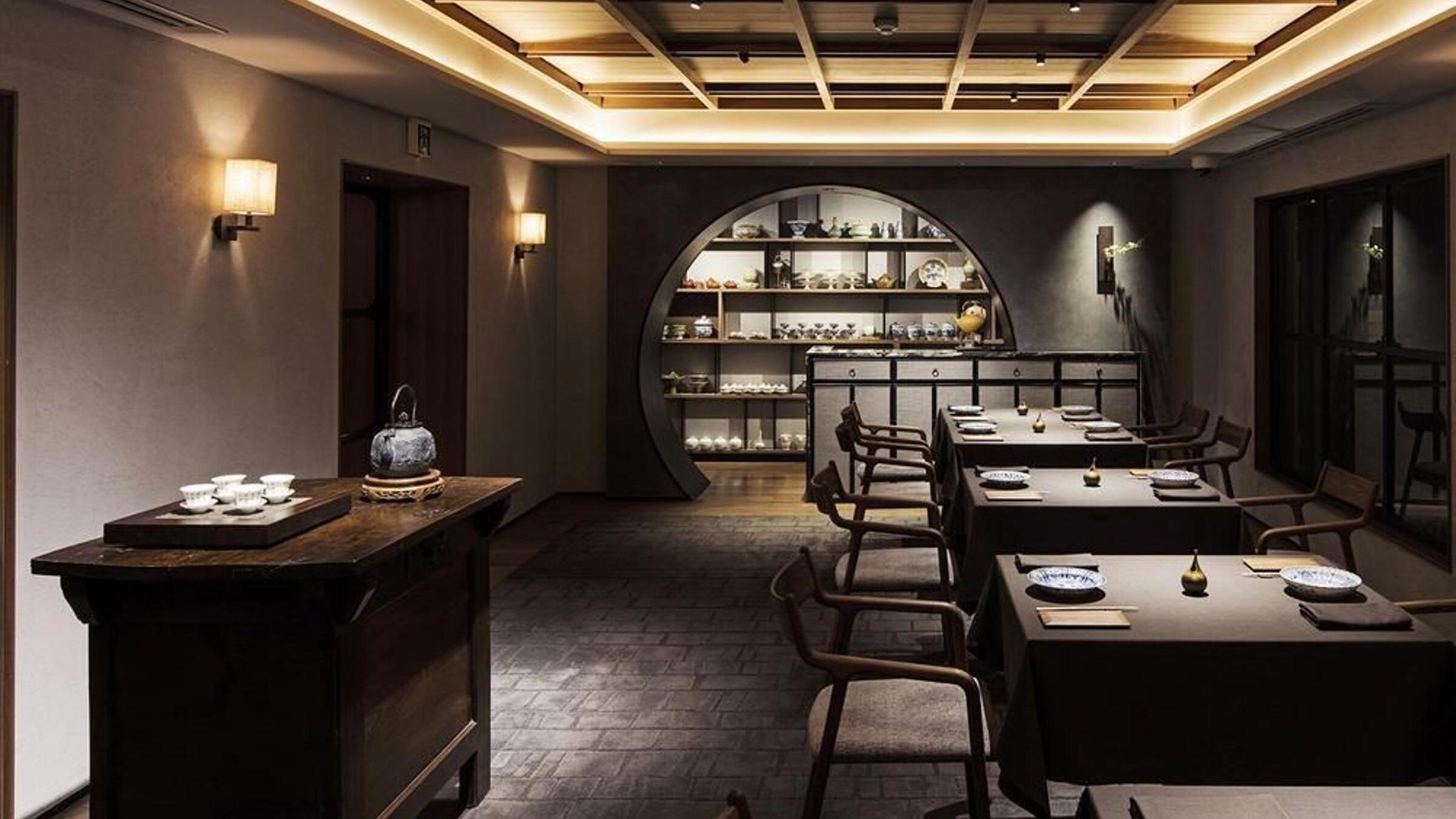
Bustling multi‑floor Chinatown landmark with classic Chinese banquet‑hall decor, bright lighting, and an energetic but polished atmosphere suited to families and large groups.