
Ri En belongs to Yokohama’s serious everyday Chinese-dining tier: small scale, counter-led, dumpling-adjacent, and recognized in the Tabelog 100 Chinese EAST list for 2026, with prior selections in 2024, 2023, and 2021. The draw is not luxury ceremony but sequencing, value, and local credibility in a city where Chinese food carries deeper roots than almost anywhere else in Japan.
Pearl is the En Primeur Club membership app — saves, bookings, and concierge access live there. Same editors, same standards.
- Address
- 神奈川県横浜市中区本郷町1-18
- Phone
- +81456219878
- Website
- tabelog.com
 Saves & bookings on Pearl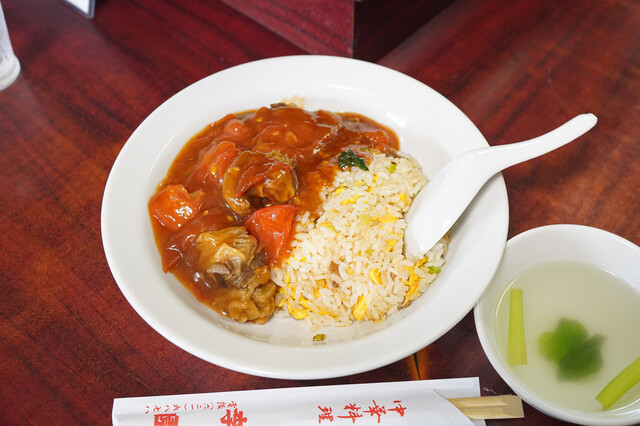
On Yokohama’s older residential edges, Chinese dining feels less like a tourist category than civic muscle memory. The city’s relationship with the cuisine is not confined to Chinatown banquet rooms; it also lives in compact neighborhood rooms where meals move by small decisions: a hot plate, dumplings, a rice or noodle finish, take-out crossing the same room as counter service. Ri En fits that register: a 20-seat Chinese and dumpling address in Hongocho, built for a tightly paced local meal rather than a formal tasting menu.
That matters because Yokohama Chinese food has competing identities. Chinatown offers scale, ceremony, and regional breadth. Motomachi and Yamate add a residential pattern: bakeries, old Western-style houses, compact dining rooms, and regulars who treat Chinese cooking as weeknight fluency, not occasion dining. Ri En’s 2026 selection for Tabelog 100 Chinese cuisine EAST places it in a serious bracket, while its price band and format keep it grounded in daily use.
A compact Chinese meal with a clear progression, not a banquet script
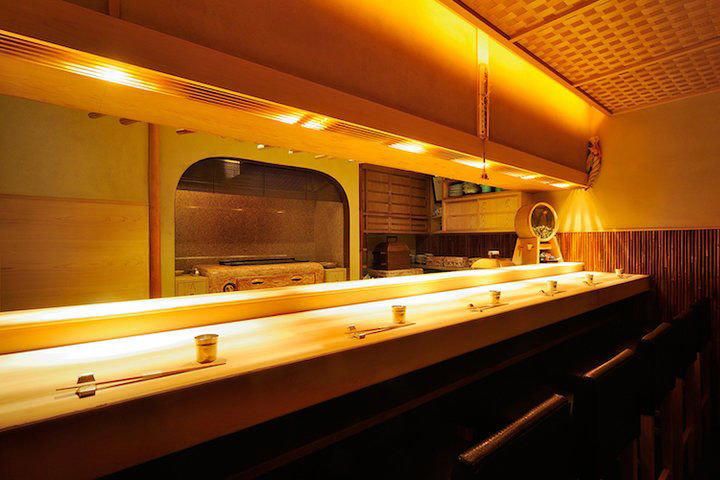
Read Ri En through pacing. This is not Yokohama Chinese as lazy Susan abundance, private rooms, and tables built for extended family politics. The structure is narrower: counter seats, small tables, Chinese and dumpling categories, and a spend level that encourages ordering across the menu rather than committing to a ceremonial set piece. The meal becomes a table-built progression: something crisp or quick to start, dumplings as anchor, a wok-led middle, and a carbohydrate finish if appetite allows.
Yokohama has long absorbed outside foodways into local habits. Its Chinese restaurants range from banquet halls to casual noodle shops, but the stronger middle tier is where craft survives without luxury theater. Ri En belongs there. Its Tabelog score of 3.74 and Tabelog 100 Chinese EAST selections in 2021, 2023, 2024, and 2026 show sustained local attention, not a single-season spike. Compared with higher-priced Yokohama dining such as Yokohama Motomachi Mutekiro, the point is contrast, not equivalent format: Ri En works in a lower spend bracket while carrying recognition in a category judged meal after meal.
The dumpling tag changes expectations. Dumpling-led Chinese meals in Japan reward sequence over spectacle: temperature, timing, and the contrast between wrapper, filling, sauce, and surrounding dishes. Without naming a signature dish, the category tells diners how to order: build around dumplings, avoid an unfocused spread, and leave room for the closing dish that makes a small Chinese restaurant feel complete rather than merely sampled.
Yamate-side Yokohama has a different Chinese register than Chinatown
Ri En’s location near Yamate puts it outside the standard visitor loop of Minato Mirai, Bashamichi, and Chinatown. That separation is part of the case. Yokohama’s port history made Chinese cooking central to the city’s identity, but not every serious Chinese meal needs Chinatown’s red-gate symbolism. In residential Naka-ku, the cuisine works as neighborhood language. The room size, counter seating, and take-out service point to repeated use.
That reading clarifies Yokohama’s dining map. A visitor using Our full Yokohama restaurants guide will find several versions of the city: casual grill culture at 1000 (Yakitori (Grilled chicken skewers)), established local Chinese references such as Aichun, curry and spice-led comfort at Ajowan, and old-school Japanese Western or curry formats such as Alpenjiro Honten. Ri En adds small Chinese cooking with external recognition and a price point that does not turn dinner into a set-piece evening.
Non-restaurant planning can shape the meal. Yokohama rewards slow neighborhood movement more than checklist sightseeing: Motomachi shopping, Yamate’s slope-side streets, and port-facing districts each alter the day’s tempo. For broader planning, Our full Yokohama hotels guide, Our full Yokohama bars guide, Our full Yokohama wineries guide, and Our full Yokohama experiences guide frame the city beyond the table. Ri En makes strongest sense within that local grain, not as a destination isolated from its district.
The editorial case: recognition without luxury inflation
Japan’s Tabelog 100 lists often surface authority different from international awards. Michelin and 50 Best tend to reward ceremony, tasting-menu architecture, or global visibility. Tabelog’s Hyakumeiten selections can highlight narrower formats, smaller rooms, and domestic credibility. Ri En’s place in the 2026 Chinese EAST list, after appearances in 2024, 2023, and 2021, is a useful trust signal because it aligns with the restaurant’s scale rather than contradicting it.
Price sharpens the point. Dinner sits at JPY 2,000 to JPY 2,999, lunch at JPY 1,000 to JPY 1,999. In Yokohama terms, Ri En sits above throwaway convenience eating but well below polished occasion restaurants. It competes on repeatability, not grandeur. Compared with bakery-led stops such as TOAST neighborhood bakery or BLUFF BAKERY Motomachi honten, the spend is higher and the meal more structured; compared with places such as INDU or Yokohama Motomachi Mutekiro, it is leaner. The functional question is where a serious eater goes for a focused, recognized Chinese meal not inflated by ceremony.
Know the constraints. The restaurant is small, with 20 seats, including 8 at the counter. Reservations are unavailable, and payment is cash-oriented: credit cards, electronic money, and QR payments are not accepted. Smoking is allowed, decisive for some diners. These details define rather than weaken the case: Ri En is a local Chinese restaurant with award-list validation, not a polished inbound-tourism product.
For wider Japan itineraries, Ri En shows why city-specific categories matter. Yokohama Chinese food should not be judged like Tokyo sushi, Kyoto kaiseki, or Osaka counter dining. Nearby-city comparisons help only when they clarify format rather than rank: a regional Japanese meal such as -Grilled beef Sukiyaki- KAMAKURA TANUKIAN 鎌倉 たぬき庵 in Kamakura, Tokyo casual grilling at. 鮪と炭火焼き うお炭 秋葉原店 in Tokyo, Osaka café culture at.cafe in Osaka, Kumamoto’s independent dining scene at.know in Kumamoto, Kawasaki Vietnamese cooking at (Shoku) Vietnam in Kawasaki, Sapporo curry specialization at [Curry Senmon Ten] Maruyama Kyoju. in Sapporo, Los Angeles sake-bar dining at Jōdo Saké Bar in Los Angeles, and rice-ball specialization at Onigiri Time in Pasadena each show how a narrow format can carry a city’s habits. Ri En fits that argument: small format, clear category, and enough recognition to justify the detour for diners who care about Yokohama beyond the postcard version. For a more everyday Japanese counterpoint, Anzen Shokudo shows how regular-use restaurants can matter as much as formal destinations.
A Quick Peer Check
Comparable venues for context, by category and price tier.
| Venue | Cuisine | Price | Notes |
|---|---|---|---|
| Ri EnThis venue — the venue you are viewing | Casual Neighborhood Chinese & Dumplings | $$ | Not listed |
| Ryuho | Traditional Chinese (Yokohama Isezakicho) | $$ | Naka |
| Banri | Chinese Dumplings | $$ | Naka |
| Yokohama Tonton | Chinese Dumpling House | $$ | Hodogaya |
| Kinryo | Traditional Cantonese roast meats | $ | Naka |
| Kasei Rou Honten | Traditional Beijing-style Chinese banquet restaurant | $$$ | Naka |
Recognition history
Dated appearances from independent guides and award organizations, with the underlying list record or original source where available.
Tabelog 100 #86 · No. 86
Tabelog · Tabelog 100 - Chinese cuisine - EAST - 2026










At a Glance
- Cozy
- Lively
- Classic
- Solo
- Casual Hangout
- Group Dining
- Standalone
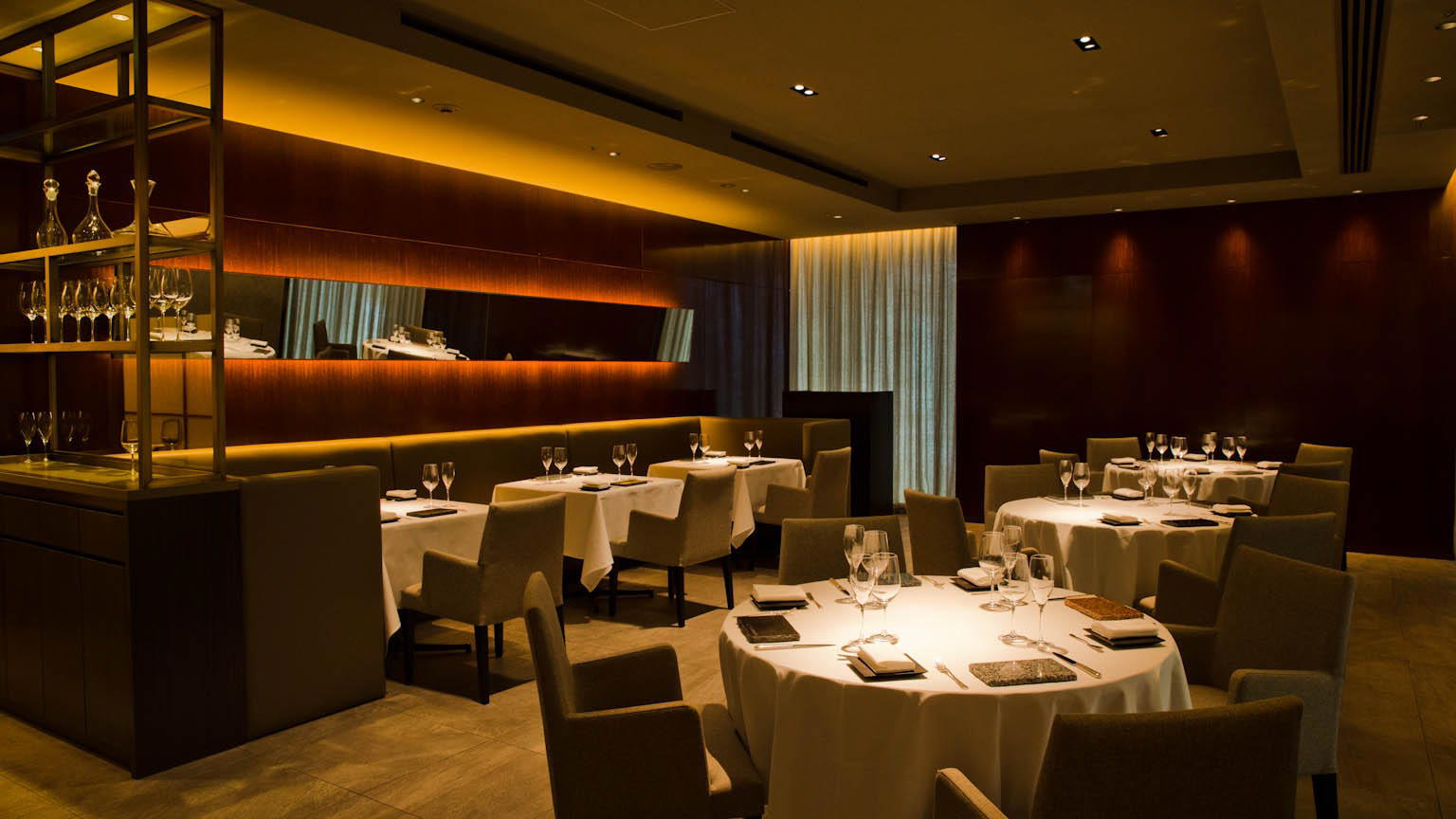
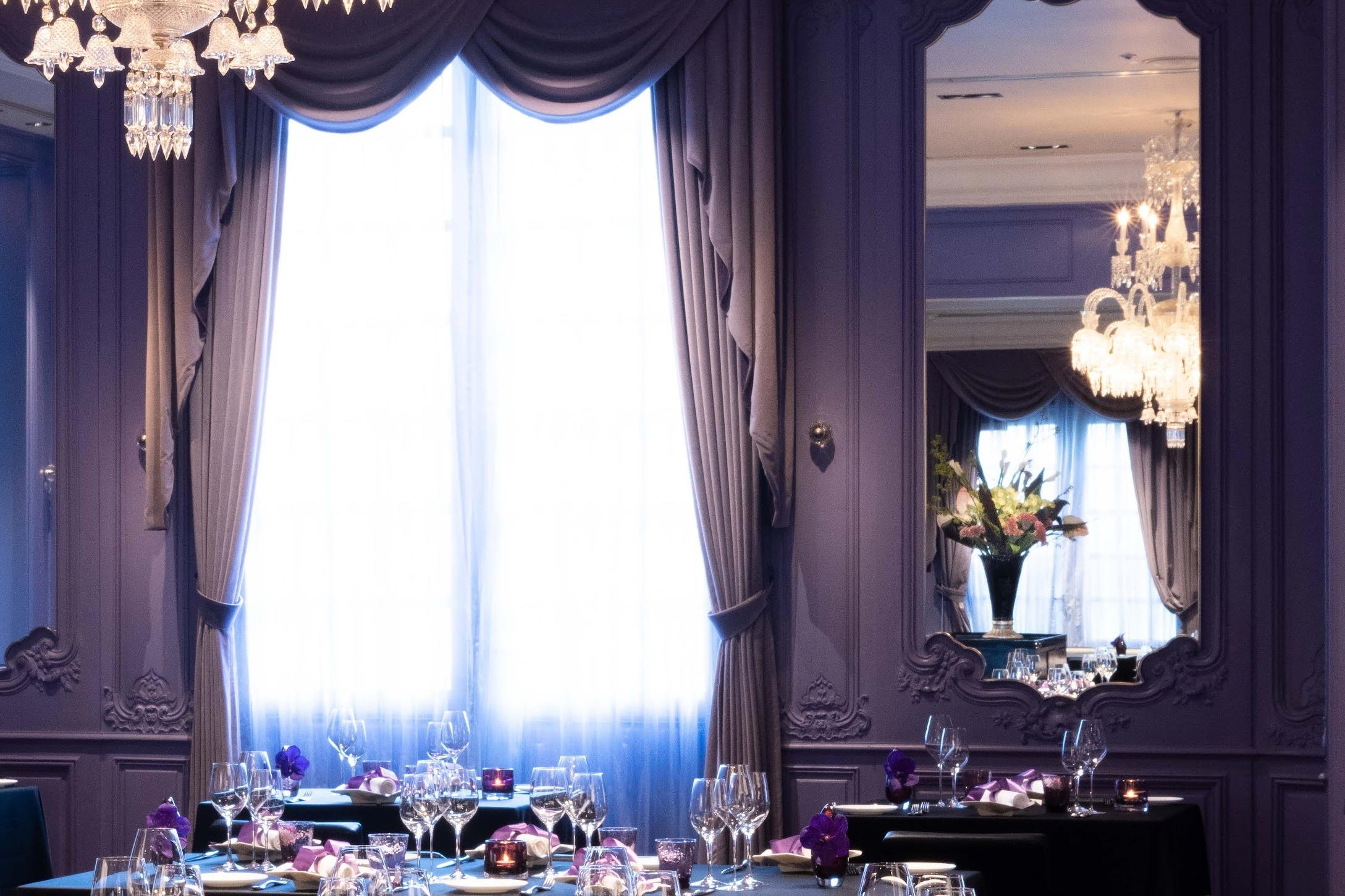
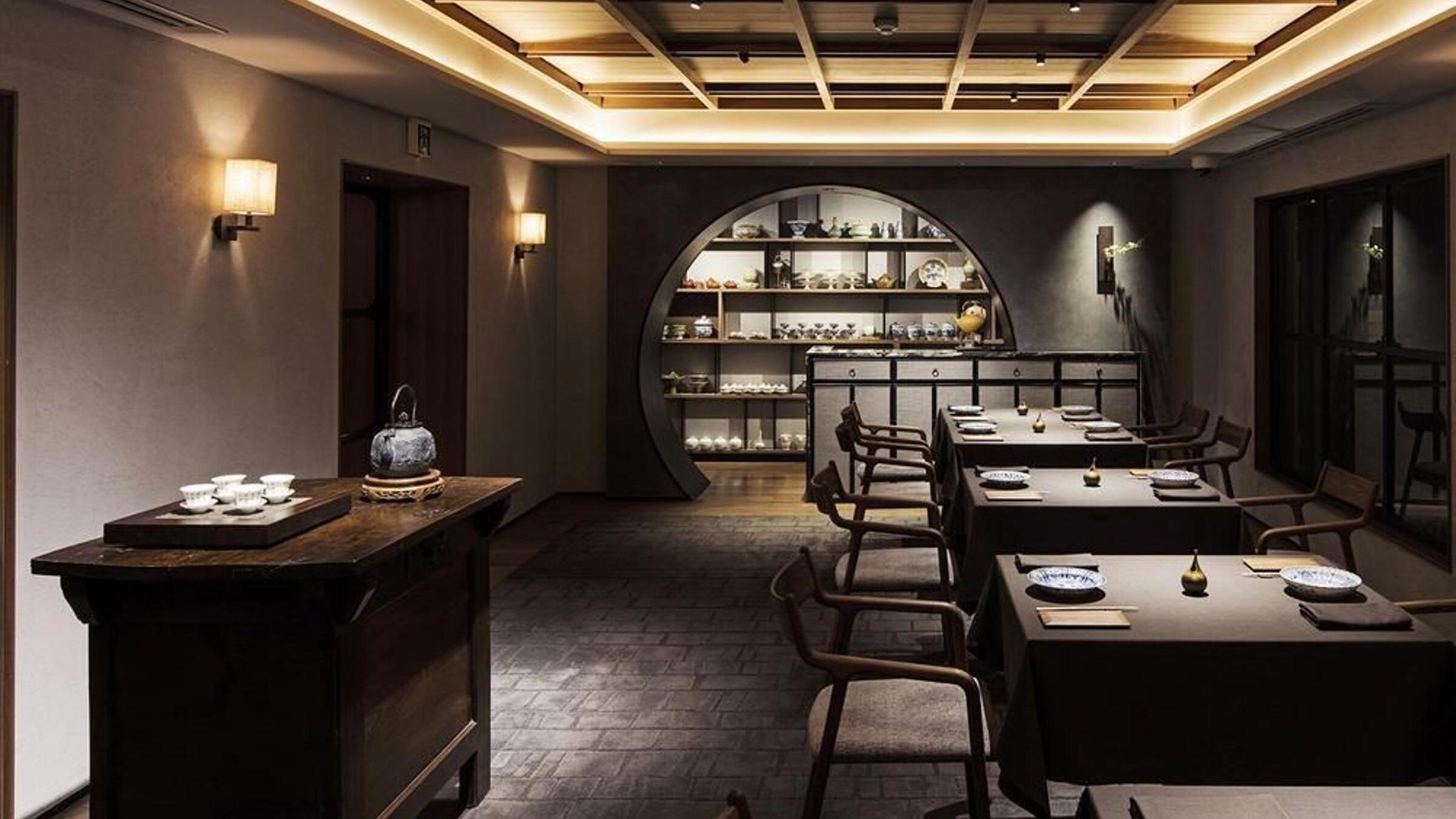
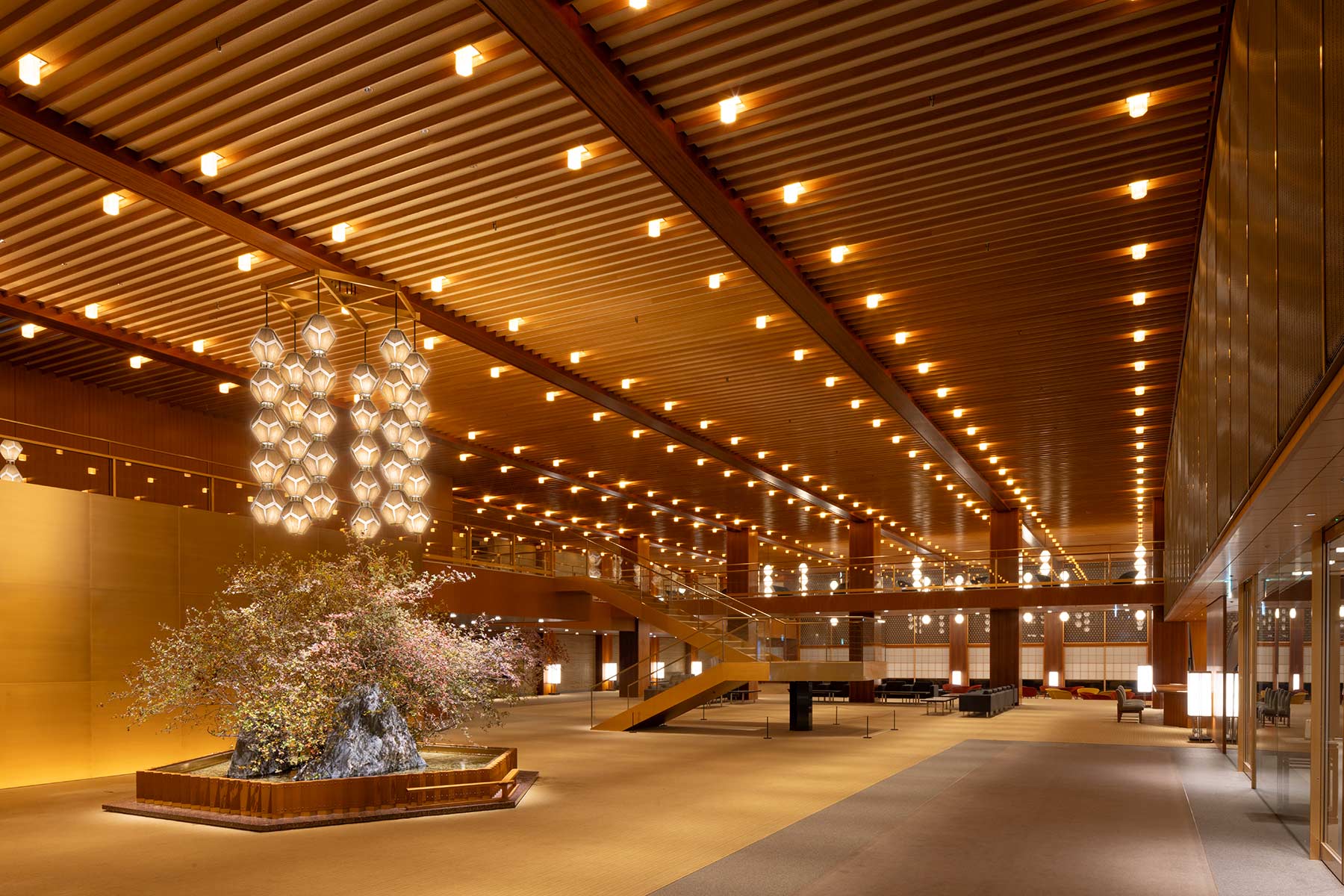
A compact local Chinese spot with counter and small tables in a residential neighborhood, usually busy at both lunch and dinner, giving it a lively, cozy atmosphere rather than a formal dining feel.