
Yokohama Chinatown’s grand Cantonese tradition reads differently in 2026: not as nostalgia, but as menu architecture built for families, private rooms, seafood-led ordering and dim sum alongside formal Chinese dining. Manchin ro Honten sits in the higher-priced tier of the district, with Tabelog Chinese EAST 100 selection in 2026 and a scale few destination restaurants attempt.
Pearl is the En Primeur Club membership app — saves, bookings, and concierge access live there. Same editors, same standards.
- Address
- 153 Yamashitacho, Naka Ward, Yokohama, Kanagawa 231-0023, Japan
- Phone
- +81 45-681-4004
- Website
- manchinro.com
 Saves & bookings on Pearl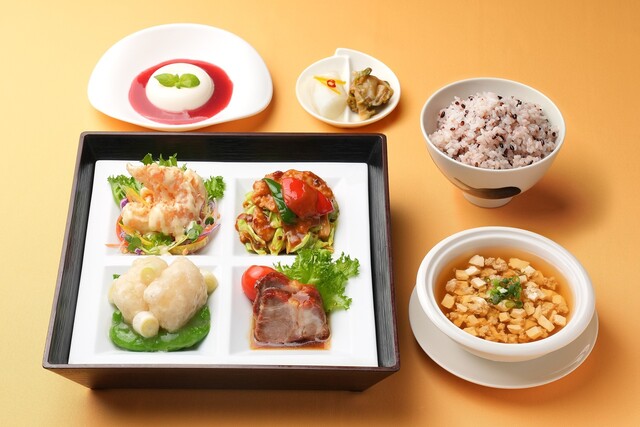
Approaching Yokohama Chinatown, the restaurant conversation changes from counter intimacy to procession: multi-floor dining rooms, family groups, private-room meals, carts of expectation rather than single-dish tourism. This is where Cantonese cooking in Japan has long been read through occasion as much as technique. Manchin ro Honten belongs to that older, grander register, a house restaurant in Yamashitacho where the menu has to serve several roles at once: dim sum lunch, seafood dinner, celebratory banquet, children at the table, take-out, and private rooms for groups that want ceremony without hotel formality.
That breadth matters because Yokohama’s Chinese dining scene is not one market. At the casual end, places such as Aichun, Juraku, Kinryo and Goku Chasou work at a lower spend, where quick ordering and street-level familiarity define the meal. At the other end, Du Vin HACHISCH prices itself closer to fine dining. Manchin ro Honten occupies a separate lane: higher than everyday Chinatown meals, less about chef-counter scarcity, and more about the old Cantonese grammar of shared dishes, seafood, banqueting and room choice.
Cantonese menu architecture built for groups, not solo spectacle
The useful way to read the restaurant is through structure. Chinese and dim sum sit together here, which gives the meal two tempos: smaller pieces suited to lunch or mixed tables, then larger Cantonese dishes that make sense when ordered across a group. The kitchen’s stated emphasis on fish places seafood near the centre of the proposition, and that aligns with Cantonese technique, where steaming, light sauces and ingredient clarity have historically carried status. No single named dish needs to carry the reputation; the point is the range.
That range is also a Yokohama story. The port city’s Chinese food culture developed around migration, trade and family businesses rather than the late-stage Tokyo luxury model of eight-seat counters and severe reservation scarcity. A 480-seat house can sound unfashionable in an era that fetishises small rooms, but in Chinatown it signals another kind of authority: the ability to run private rooms, family tables, longer parties and broad ordering without reducing the cuisine to a tasting-menu format. This is not the place to judge by minimalism. It should be judged by whether the menu supports a table that wants dim sum, seafood, meat, vegetables, dessert and drinks in one sitting.
The 2026 selection for Tabelog 100 Chinese cuisine EAST gives that scale a contemporary trust signal. Tabelog recognition is not the same as a Michelin-starred tasting room, and it should not be read that way. It is more useful as a signal of relevance inside Japan’s user-driven restaurant culture, especially for a category where regional Chinese cooking, family restaurants and high-spend rooms coexist awkwardly on the same maps. The restaurant’s 3.69 Tabelog score places it in a serious bracket without pretending it is a tiny destination counter.
Yokohama Chinatown's grand-room tradition still has a purpose
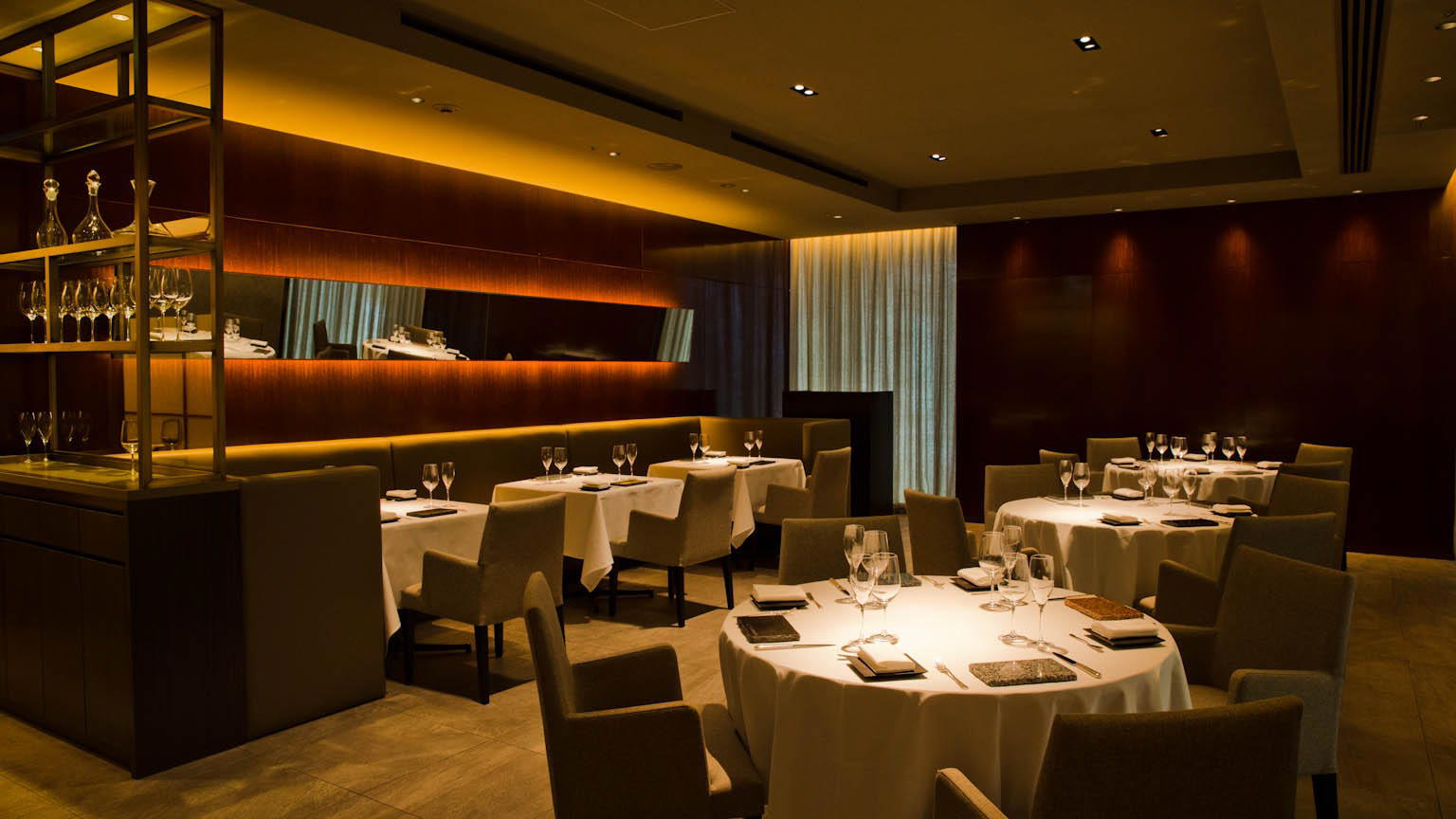
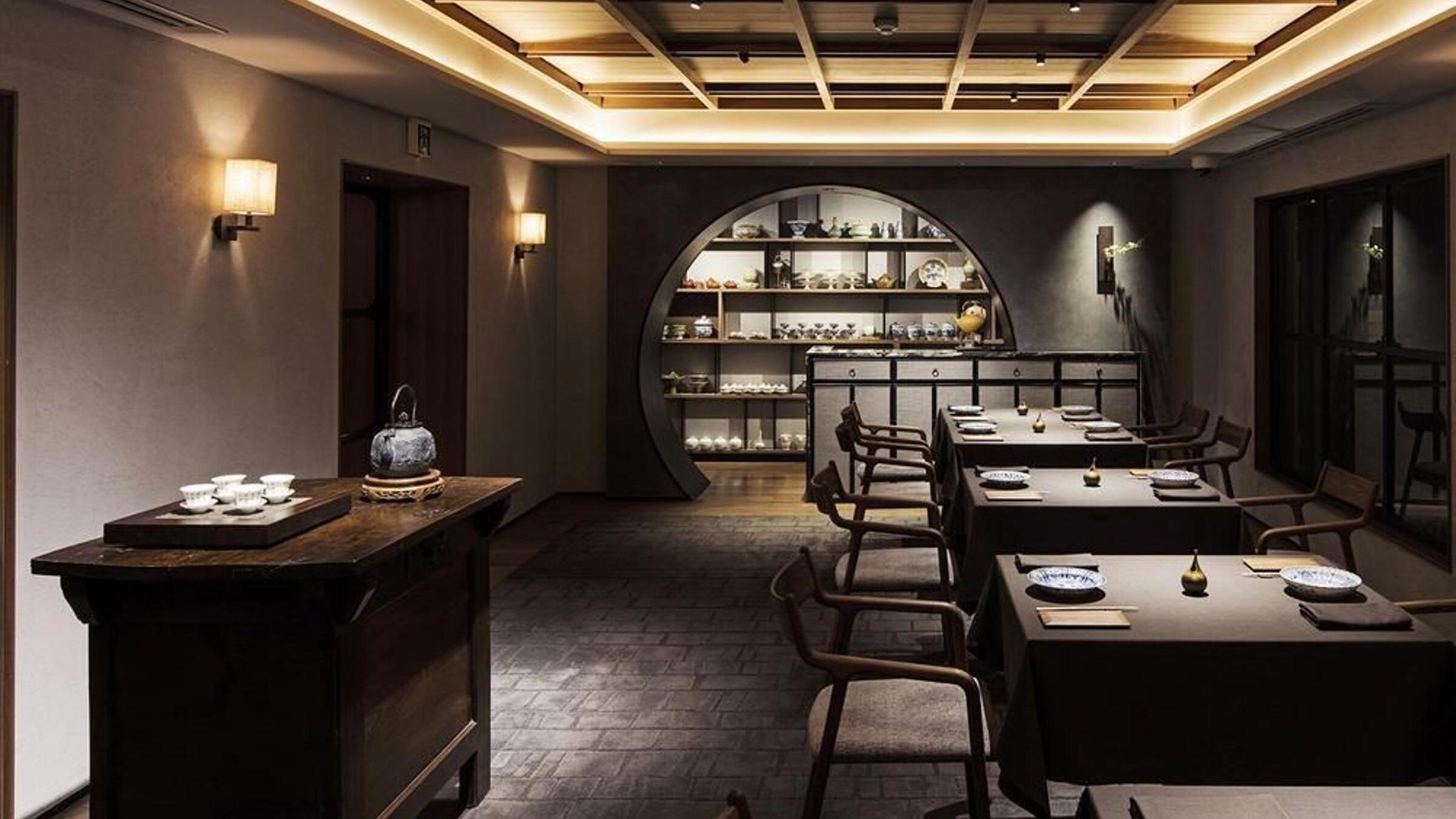
Large-format Chinese dining can look conservative from the outside, but it solves problems that smaller restaurants often cannot: grandparents and children at the same table, private rooms for six to thirty, groups of more than fifty, wheelchair access, and an order that can stretch beyond two and a half hours. That kind of infrastructure is part of the experience, not a footnote. In Japan, where many destination restaurants are built around compact counters and fixed rhythms, a Cantonese house with scale gives travellers a different read on hospitality.
The price band reinforces that positioning. Dinner sits at JPY 10,000 to JPY 14,999, with lunch at JPY 4,000 to JPY 4,999, so this is not the cheap-snack version of Chinatown. It asks to be treated as a planned meal, especially for travellers comparing it with a broader Yokohama itinerary. For a full city view, Our full Yokohama restaurants guide is the better starting point, while hotel planning belongs in Our full Yokohama hotels guide, drinks in Our full Yokohama bars guide, regional bottles in Our full Yokohama wineries guide, and culture-led scheduling in Our full Yokohama experiences guide.
There is also a practical editorial point here: Yokohama rewards diners who do not treat Chinatown as a single stop between photo gates. A meal here can anchor the day, but it pairs better with a deliberate route through Naka Ward than with a rushed snack crawl. Other Yokohama listings such as 1000 (Yakitori (Grilled chicken skewers)), Ajowan and Alpenjiro Honten show how varied the city’s restaurant map becomes once Chinatown is treated as one chapter rather than the whole book. Anzen Shokudo adds another casual counterpoint inside the same broader dining field.
How to place it within a wider Japan trip
For travellers moving through Japan, the comparison should be category-based rather than fame-based. A sukiyaki meal such as -Grilled beef Sukiyaki- KAMAKURA TANUKIAN 鎌倉 たぬき庵 in Kamakura is built around a narrower Japanese format. Tokyo listings such as. 鮪と炭火焼き うお炭 秋葉原店 in Tokyo speak to different urban instincts, while.cafe in Osaka.know in Kumamoto, (Shoku) Vietnam in Kawasaki and [Curry Senmon Ten] Maruyama Kyoju. in Sapporo show how regional dining priorities shift by city and cuisine.
Seen that way, Manchin ro Honten is not trying to compete with every destination restaurant in Japan. Its value is narrower and clearer: a historic Yokohama Cantonese house, founded in 1892, operating at banquet scale while remaining relevant enough to appear in Tabelog’s 2026 Chinese EAST 100. Travellers coming from Los Angeles or Pasadena references such as Jōdo Saké Bar in Los Angeles or Onigiri Time in Pasadena should not expect the compact, concept-led logic of contemporary overseas Japanese dining. This is a meal shaped by port-city history, group ordering and Cantonese range.
The editorial call is simple: choose it when the meal needs breadth, formality without stiffness, and a Chinatown address with evidence behind the reputation. For two diners chasing novelty, the scale may feel larger than necessary. For families, mixed-age groups, seafood-focused ordering or a private-room occasion, the format makes sense in a way many smaller restaurants cannot match.
Nearby-ish Comparables
Comparable venues at a glance for context.
| Venue | Cuisine | Price | Notes |
|---|---|---|---|
| Manchin ro HontenThis venue — the venue you are viewing | Historic Cantonese fine dining in Yokohama Chinatown | $$$ | Not listed |
| Chinese Choyuuro (Yokohama Baycourt Club Hotel & Spa Resort) | Chinese Restaurant | $$$ | Nishi |
| 中華菜館同發本館 | Traditional Cantonese Roasted Meats | $$$ | Yokohama Chinatown |
| Chen Kenichi Mapo Tofu Restaurant (陳建一麻婆豆腐店) | Sichuan Mapo Tofu Specialist | $$$ | Minatomirai |
| SUIRINKAKU | Nouvelle Chinese fine dining in Yokohama Bashamichi | $$$ | Naka |
| Kasei Rou Yokohama chuukagai shinkan baiten | Traditional Chinese sweets & pork buns shop | $ | Naka |
Recognition history
Dated appearances from independent guides and award organizations, with the underlying list record or original source where available.
Tabelog 100 #87 · No. 87
Tabelog · Tabelog 100 - Chinese cuisine - EAST - 2026









At a Glance
- Classic
- Elegant
- Well Known
- Sophisticated
- Business Dinner
- Group Dining
- Family
- Celebration
- Special Occasion
- Private Event
- Private Dining
- Historic Building
- Standalone
- Design Destination
- Local Sourcing
- Street Scene
Current opening hours
- Monday
- Closed
- Tuesday
- 11 AM–3 PM, 5–10 PM
- Wednesday
- 11 AM–3 PM, 5–10 PM
- Thursday
- 11 AM–3 PM, 5–10 PM
- Friday
- 11 AM–3 PM, 5–10 PM
- Saturday
- 11 AM–10 PM
- Sunday
- 11 AM–10 PM
Hours can change for holidays and private events. Last verified .
Large, classic Chinatown landmark with a striking exterior, formal yet welcoming service, and a lively dining room suited to families and celebratory groups.