Sagetsu by Tetsuya
On the 24th floor of The Link at Za'abeel, Sagetsu by Tetsuya applies Japanese precision and French technique to a tasting menu format that rewards patience and attention. Signature pairings such as sea urchin with Bohan shrimp anchor a menu of few ingredients and balanced flavour, while a carefully chosen sake list and views over Dubai's skyline frame the full experience.
- Address
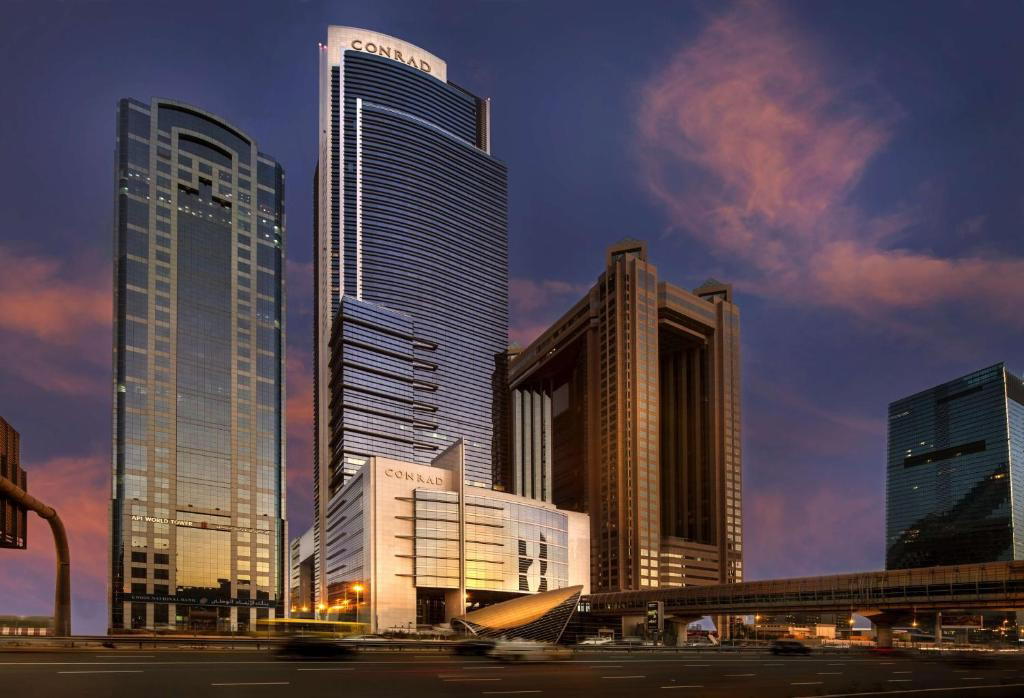
- The Link - 24 floor Za'abeel 1, Za'abeel, Dubai, United Arab Emirates
- Phone
- +97146661617
- Website
- sagetsudubai.com
 Saves & bookings on Pearl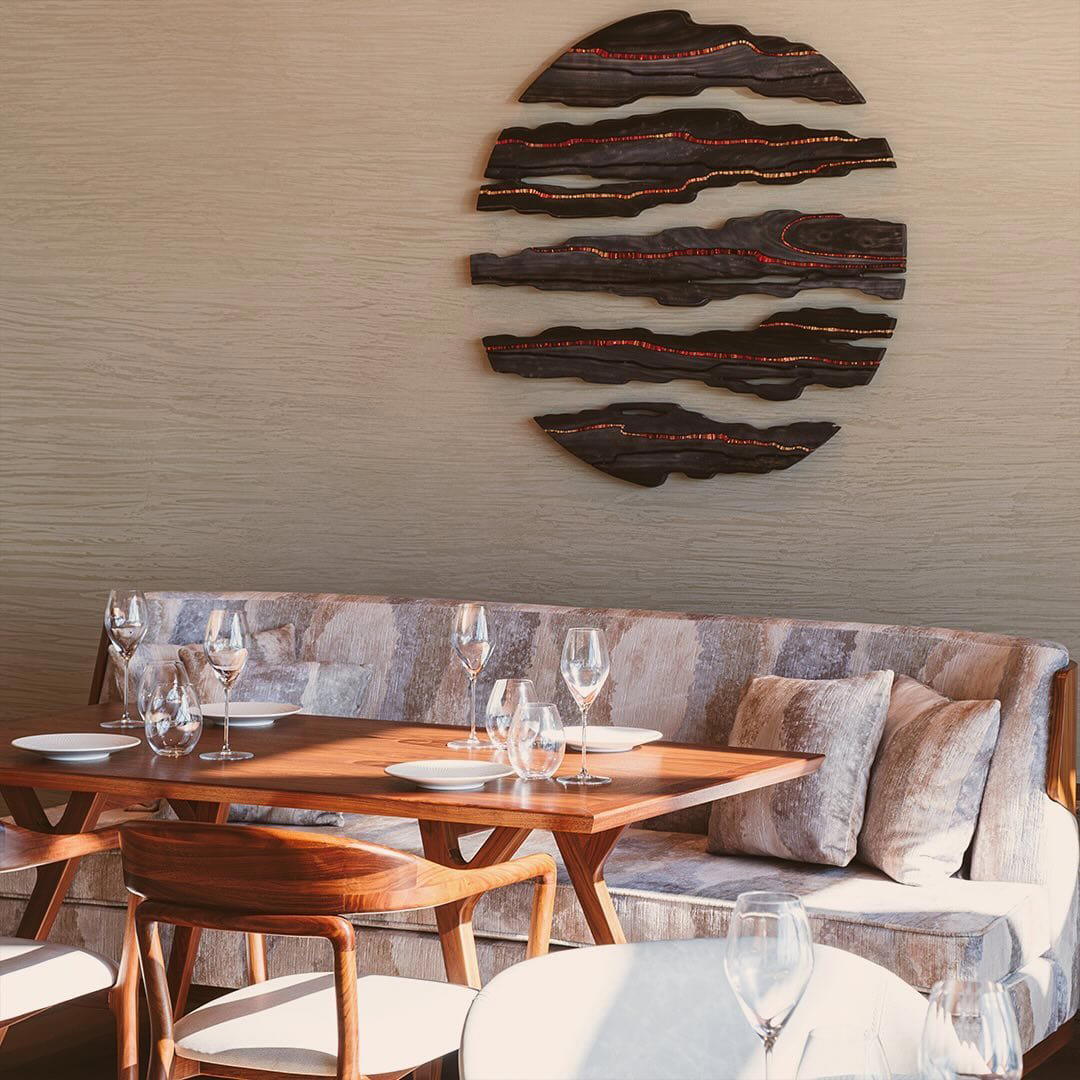
Stone, Wood, and the Dubai Skyline at 24 Floors Up
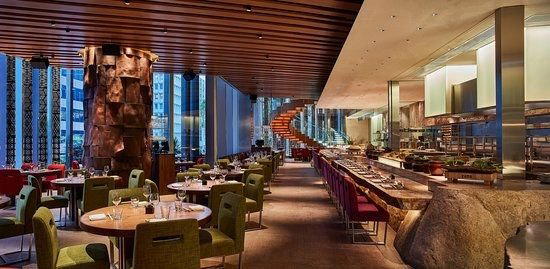
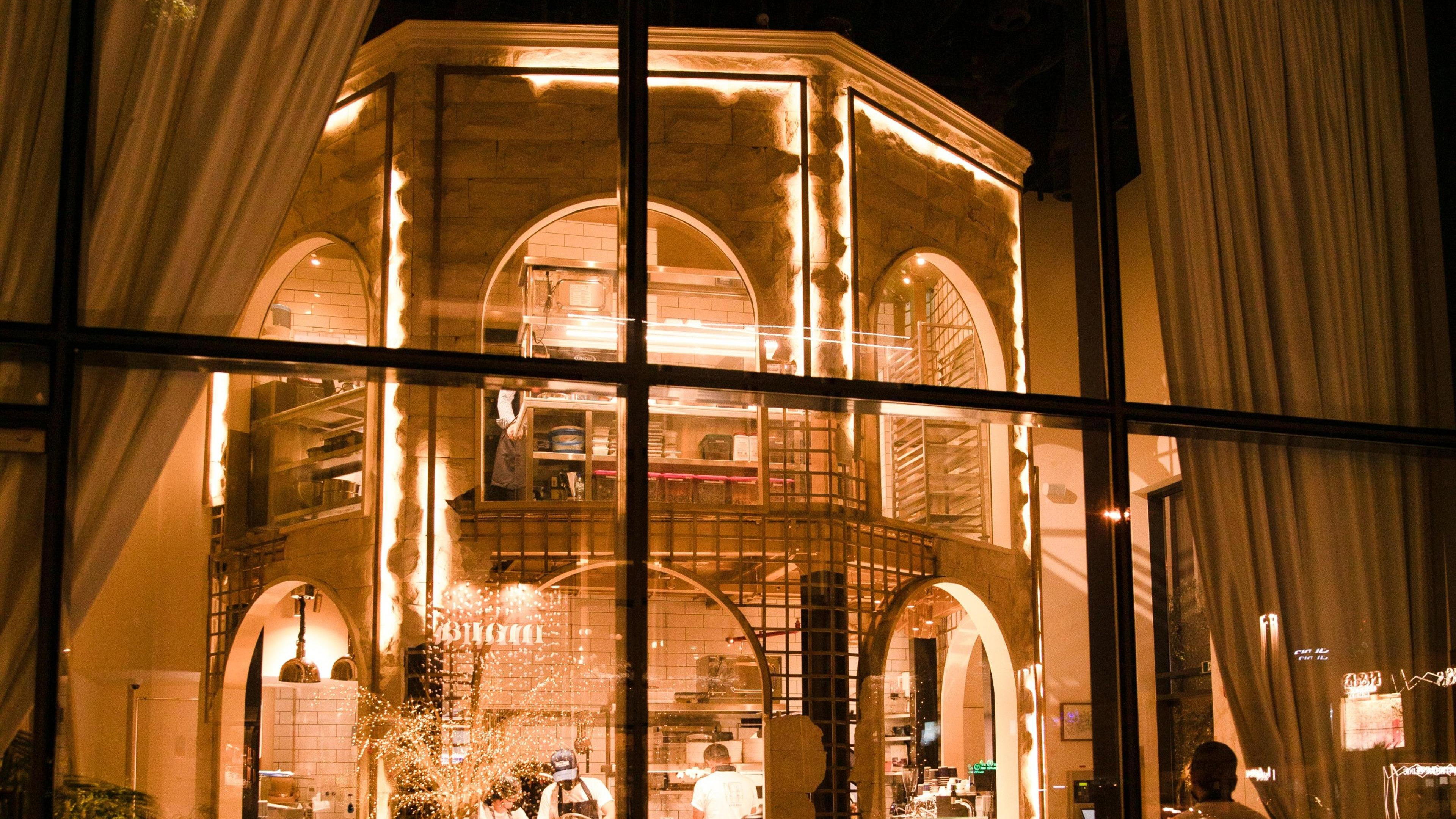
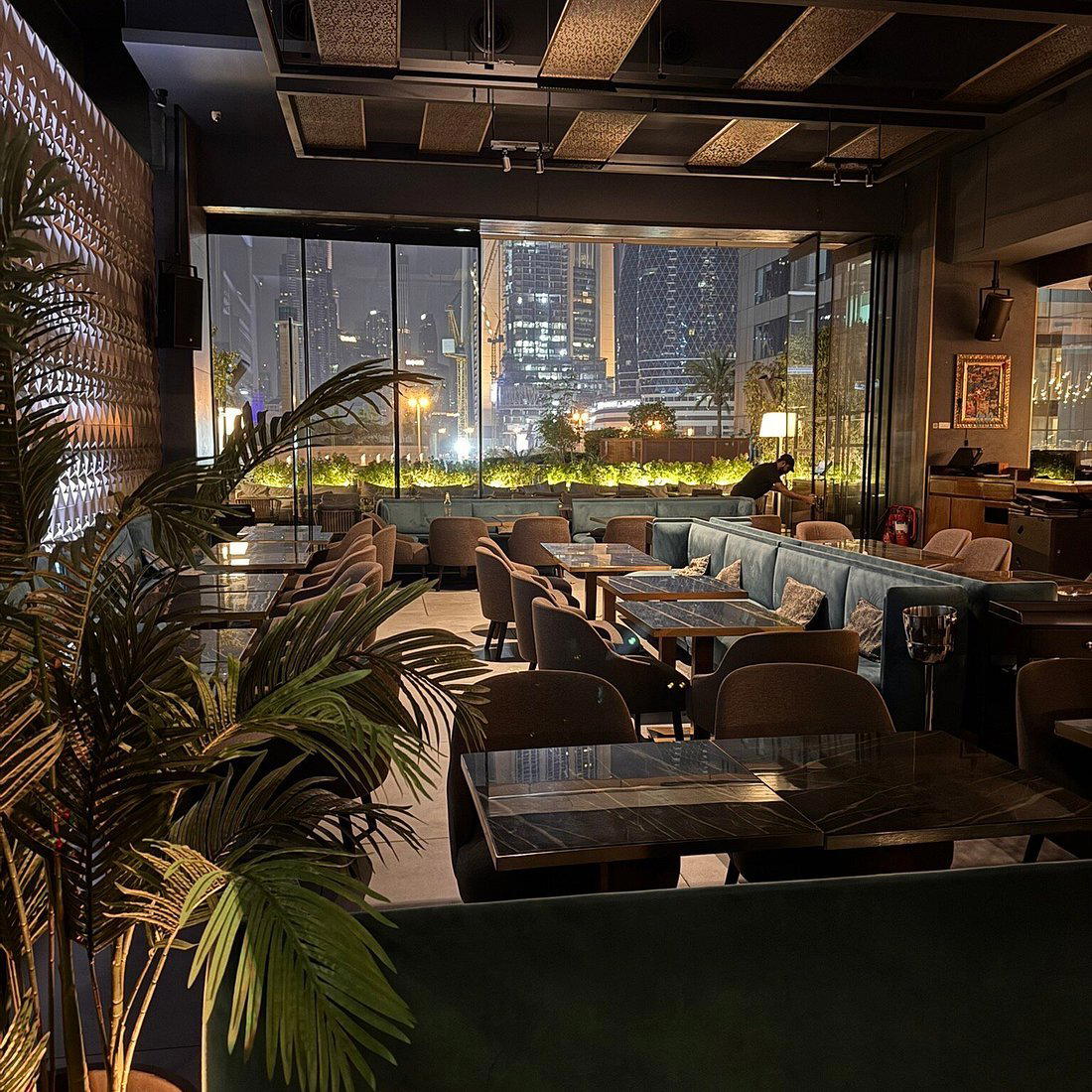
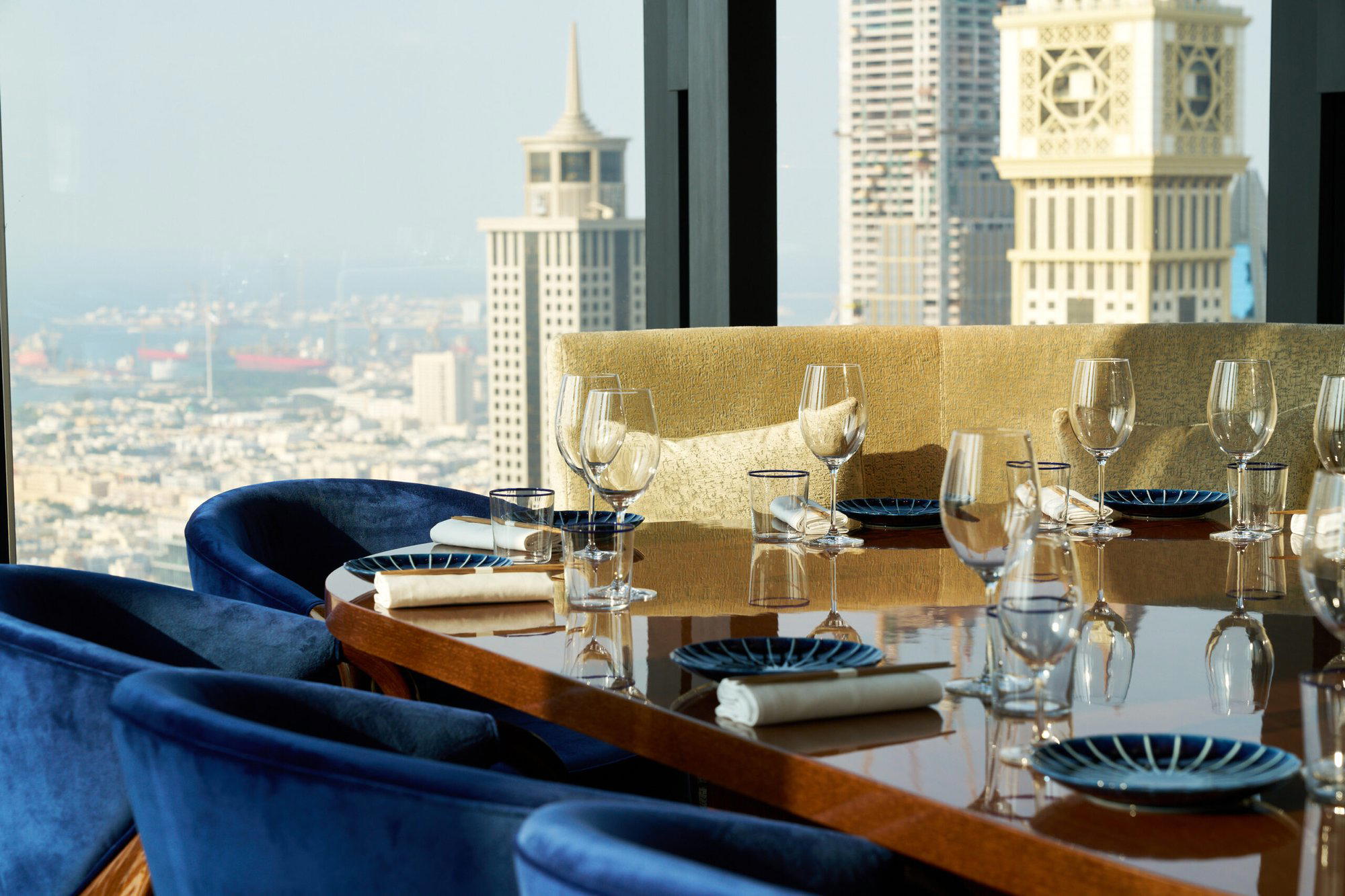
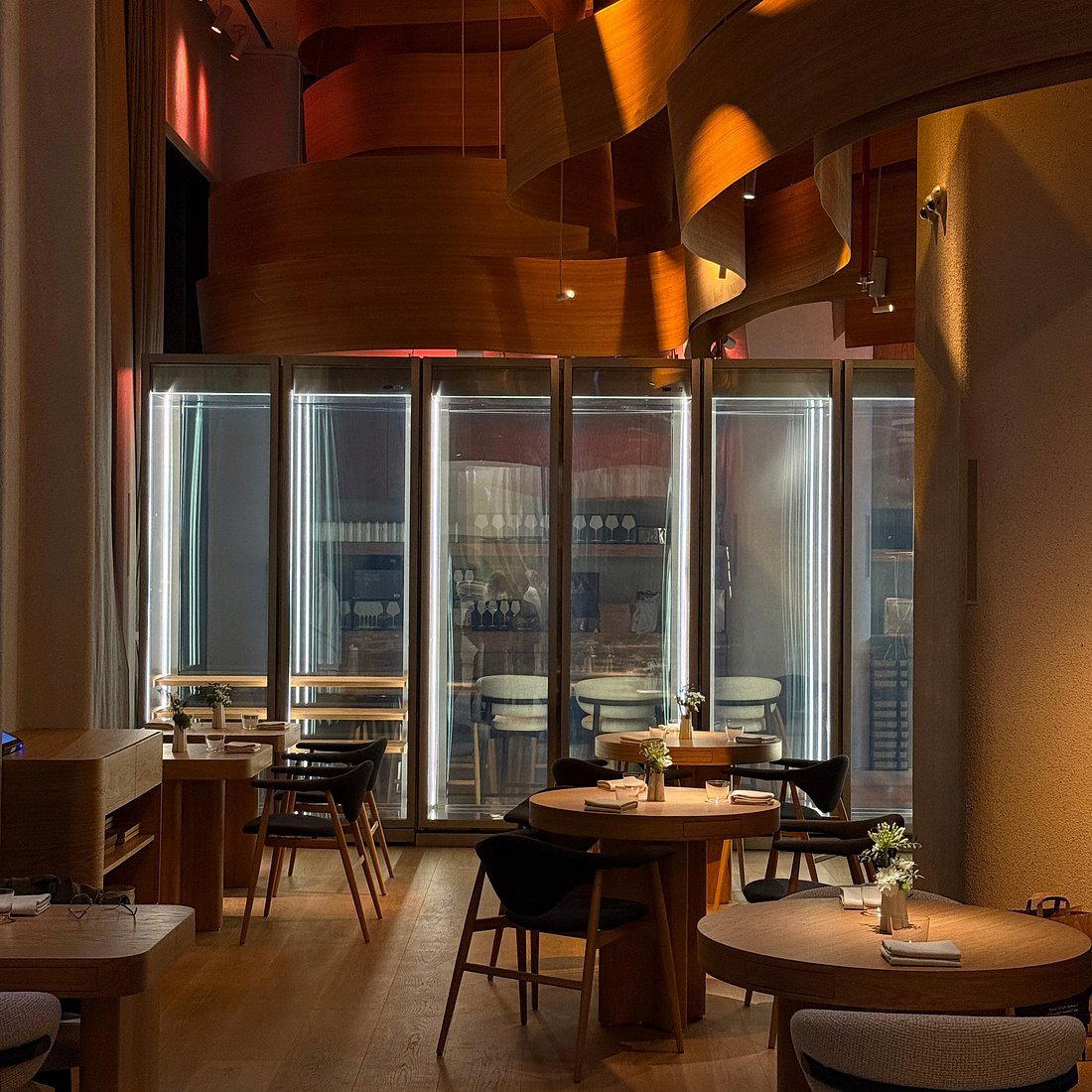
The ascent matters here. At 24 floors above Za'abeel, The Link building positions Sagetsu by Tetsuya at a remove from Dubai's ground-level restaurant density, the kind of physical distance that signals a specific dining register before you've seen the menu. Inside, the room uses stone and wood as primary materials, a deliberate restraint that runs counter to the gilded maximalism common across the city's upper price tier. The effect is closer to a high-end Tokyo dining room than a Dubai hotel restaurant, and that tension between setting and location is part of what the experience is selling.
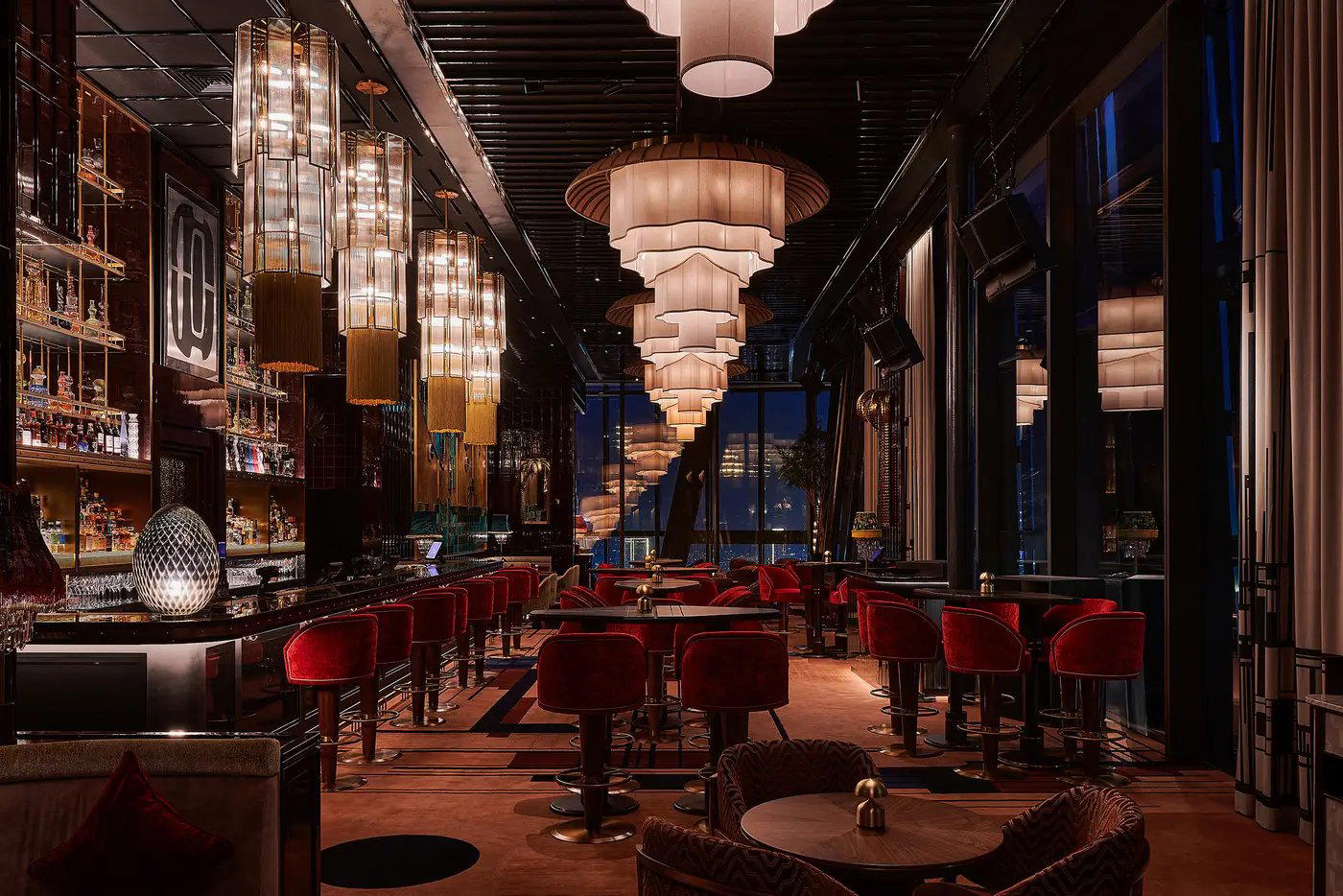
The skyline view functions as the one concession to spectacle. Dubai's urban horizon, seen from this height at night, is a useful counterpoint to the interior's austerity. The restaurant understands this pairing: serene room, charged exterior. It's a compositional choice that holds.
What the Tasting Menu Format Signals
Dubai's upper-end Japanese dining has expanded considerably over the past decade. Counters and tasting-format restaurants now occupy a recognisable tier, above the all-day Japanese casual market represented by venues like 3Fils and distinct from the Japanese-inflected fusion model that venues like Mimi Kakushi and Akira Back occupy. The omakase and tasting menu format, as practised here, belongs to a narrower category: structured, chef-directed, and premised on the idea that fewer choices produce a sharper result.
Sagetsu's menu operates on that premise. The kitchen works with a restricted ingredient count per dish, which concentrates attention on technique and sourcing rather than complexity for its own sake. This is the Japanese-French synthesis in its more disciplined register: not the sauce-heavy Franco-Japanese hybrids that were fashionable in the 1990s, but a grammar that borrows French structural thinking while keeping Japanese ingredient restraint at the centre. For comparison, the same synthesis operates differently at Sankai by Nagaya in Istanbul and Eika in Taipei, regional inflections of the same culinary conversation, adjusted for local context.
The Value Case at the Leading Price Point
At the $$$$ tier, Dubai diners have a competitive field to consider. Seafood-focused venues like Al Mahara and Japanese contemporaries like Armani Hashi operate at similar price registers. The question the format answers is what you're buying at that price point. At Sagetsu, the spend covers a structured sequence, a named chef's culinary framework, a sake list with evident depth, and a room that doesn't perform luxury in obvious ways. Whether that exchange works for a given diner depends partly on appetite for the omakase format itself.
The omakase option is where the value proposition sharpens. Omakase removes the friction of menu selection and replaces it with a directed experience shaped by the kitchen's current priorities. For diners who want to understand how the Japanese-French synthesis operates at Sagetsu, the omakase is the more efficient path than selecting à la carte. The tasting menu covers similar ground with more transparency about the sequence.
The sake selection is worth treating as part of the value equation rather than an add-on. In a city where wine lists at comparable restaurants often tilt heavily toward European bottles with significant import markups, a sake program with evident curation represents a real differentiator. Sake pairings tend to complement the flavour register of Japanese contemporary cooking more precisely than most wine pairings can, and a well-chosen sake list at a restaurant of this format is the kind of detail that affects the meal's overall coherence.
Signature Dish: Sea Urchin and Bohan Shrimp
Sea urchin with Bohan shrimp is the dish most associated with the kitchen here, and it reflects the broader approach accurately. Uni-based dishes have become a reliable indicator of a Japanese kitchen's seriousness, the ingredient is expensive, highly perishable, and unforgiving of poor sourcing or clumsy handling. Pairing it with Bohan shrimp, a variety notable for sweetness and textural delicacy, creates a dish where the interest lies in the relationship between two ingredients rather than in the application of technique to a single one. That logic, restraint through combination rather than through reduction, runs through the wider menu.
For those familiar with Tetsuya Wakuda's wider body of work across international markets, the signature dish pattern is consistent: clean primary ingredients, precise temperature and texture management, and a discipline around not over-elaborating the plate. The Dubai iteration operates in that lineage while adapting to the city's ingredient supply and dining culture.
Placing Sagetsu in Dubai's Japanese Scene
Dubai's Japanese restaurant segment is one of the most developed in the Middle East, with representation across price tiers, formats, and regional Japanese traditions. At the upper end, the market includes high-volume operations like Zuma and precision-focused counter experiences. Sagetsu occupies the latter category, with a format and price point that place it in a comparable set that prioritises focus over breadth.
The 24th-floor location at The Link adds a physical dimension to this positioning. The restaurant is not embedded in a hotel lobby or a high-traffic dining destination, which affects both the approach journey and the diner profile. Expect a more deliberate crowd than at destination restaurants built around visibility and volume.
Japanese contemporary cooking has spread across global dining cities with varying fidelity to its source logic. In São Paulo, Murakami adapts the format to a Brazilian-Japanese community context. In Berlin, 893 Ryotei grafts it onto a European urban dining scene. In Dubai, Sagetsu operates in a market with deep liquidity at the premium end and a clientele accustomed to comparing across global dining capitals. That context raises the bar and, judged against it, the restaurant's commitment to restraint and discipline reads as a genuine editorial position rather than a stylistic default.
For Japanese contemporary dining elsewhere in the UAE, NIRI in Abu Dhabi provides useful regional comparison. Broader UAE dining context is covered in Erth in Abu Dhabi and across our Dubai experiences guide, bars guide, and hotels guide. For the international spread of the format, The Japanese Restaurant in Andermatt and Izakaya in Zagreb show how different markets interpret the same culinary tradition.
Know Before You Go
- Location: The Link, 24th floor, Za'abeel 1, Za'abeel, Dubai, UAE
- Cuisine: Japanese Contemporary, tasting menu and omakase format
- Price tier: $$$$ (high-end; budget accordingly for sake pairing)
- Recommended format: Omakase for the full chef-directed sequence
- Reservations: Essential
- Timing note: Evening sittings make leading use of the skyline view
Same-City Peers
Comparable venues nearby, for context on price, style, and recognition.
| Venue | Cuisine | Price | Notes |
|---|---|---|---|
| Sagetsu by TetsuyaThis venue — the venue you are viewing | Japanese-French Fusion Fine Dining | $$$$ | |
| Hōseki | Traditional Japanese Omakase | $$$$ | Jumeira |
| Jamavar | Pan-Indian Fine Dining | $$$$ | Downtown Dubai |
| Nobu Dubai | Japanese-Peruvian Fusion | $$$$ | Palm Jumeirah |
| La Dame de Pic Dubai | Modern French Fine Dining | $$$$ | Za'abeel |
| Hutong | Northern Chinese | $$$$ | Za'abeel 2 |
At a Glance
- Elegant
- Sophisticated
- Modern
- Intimate
- Special Occasion
- Date Night
- Business Dinner
- Open Kitchen
- Hotel Restaurant
- Sake Program
- Extensive Wine List
- Skyline
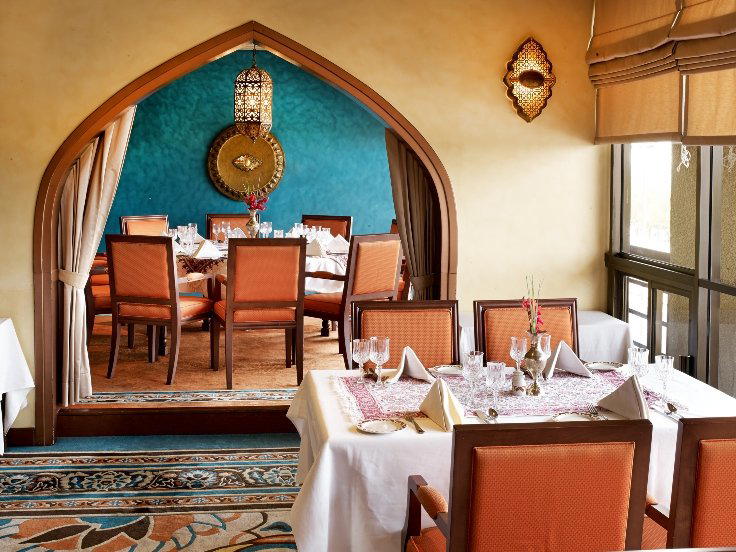
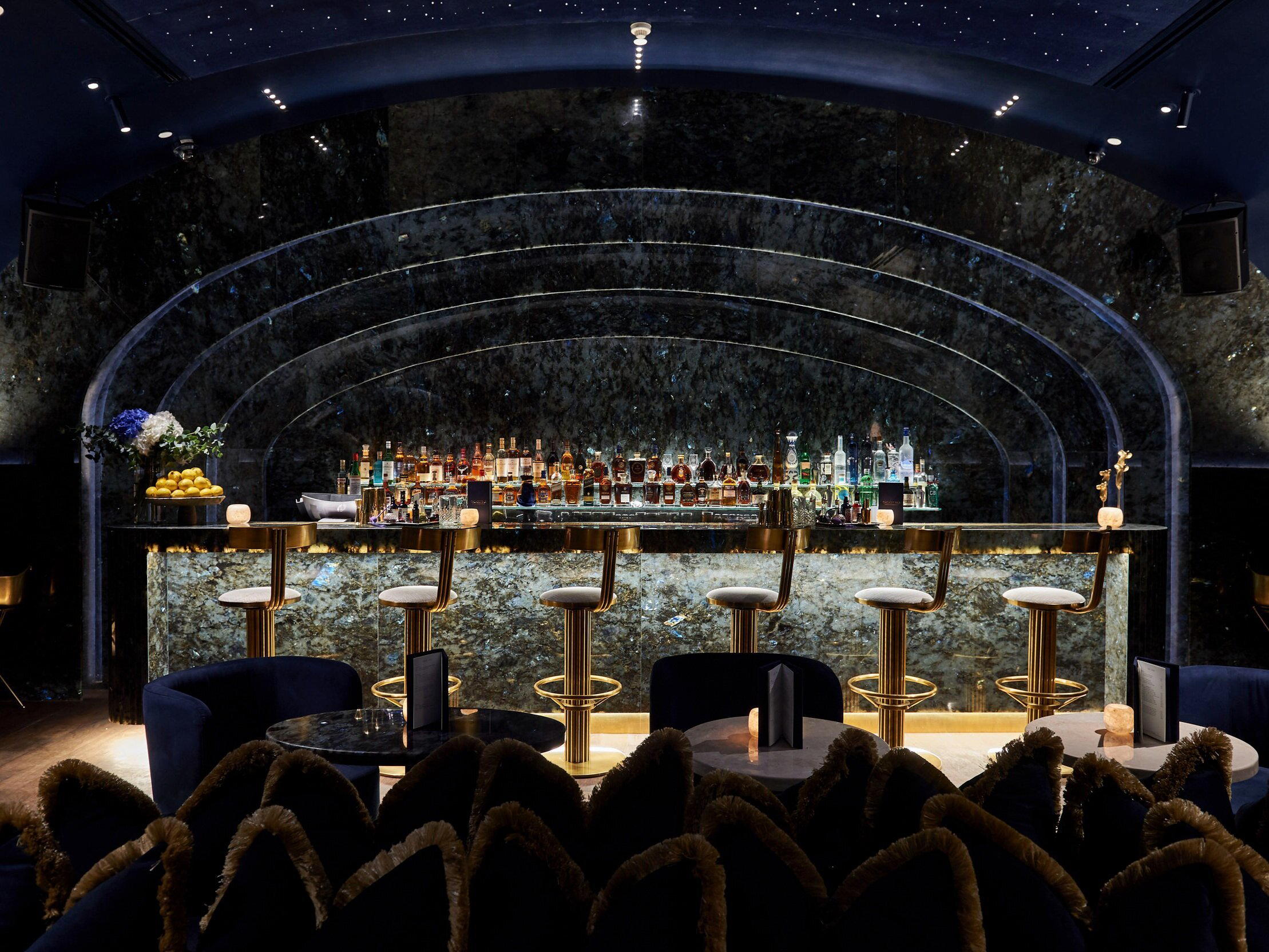
Sleek and sophisticated with earthy tones, bamboo and wood entrance, open kitchen, natural stone tables, soft lighting, and jaw-dropping city skyline views through huge windows.