Jamavar



Jamavar in Dubai's Opera District earned a Michelin star in 2025, placing it among a small tier of South Asian restaurants in the Gulf where classical Indian technique meets contemporary presentation. Under Chef Surender Mohan, the kitchen draws on regional traditions that rarely surface in the city's broader Indian dining scene. Located at Address Residences Opera District, it sits within the Burj Khalifa neighbourhood's most densely credentialled restaurant cluster.
Pearl is the En Primeur Club membership app — saves, bookings, and concierge access live there. Same editors, same standards.
- Address
- Address Residences Opera District - Burj Khalifa - Downtown Dubai - Dubai - United Arab Emirates
- Phone
- +971 4 553 7852
- Website
- jamavarrestaurants.com
- Directions
- Get directions
 Saves & bookings on Pearl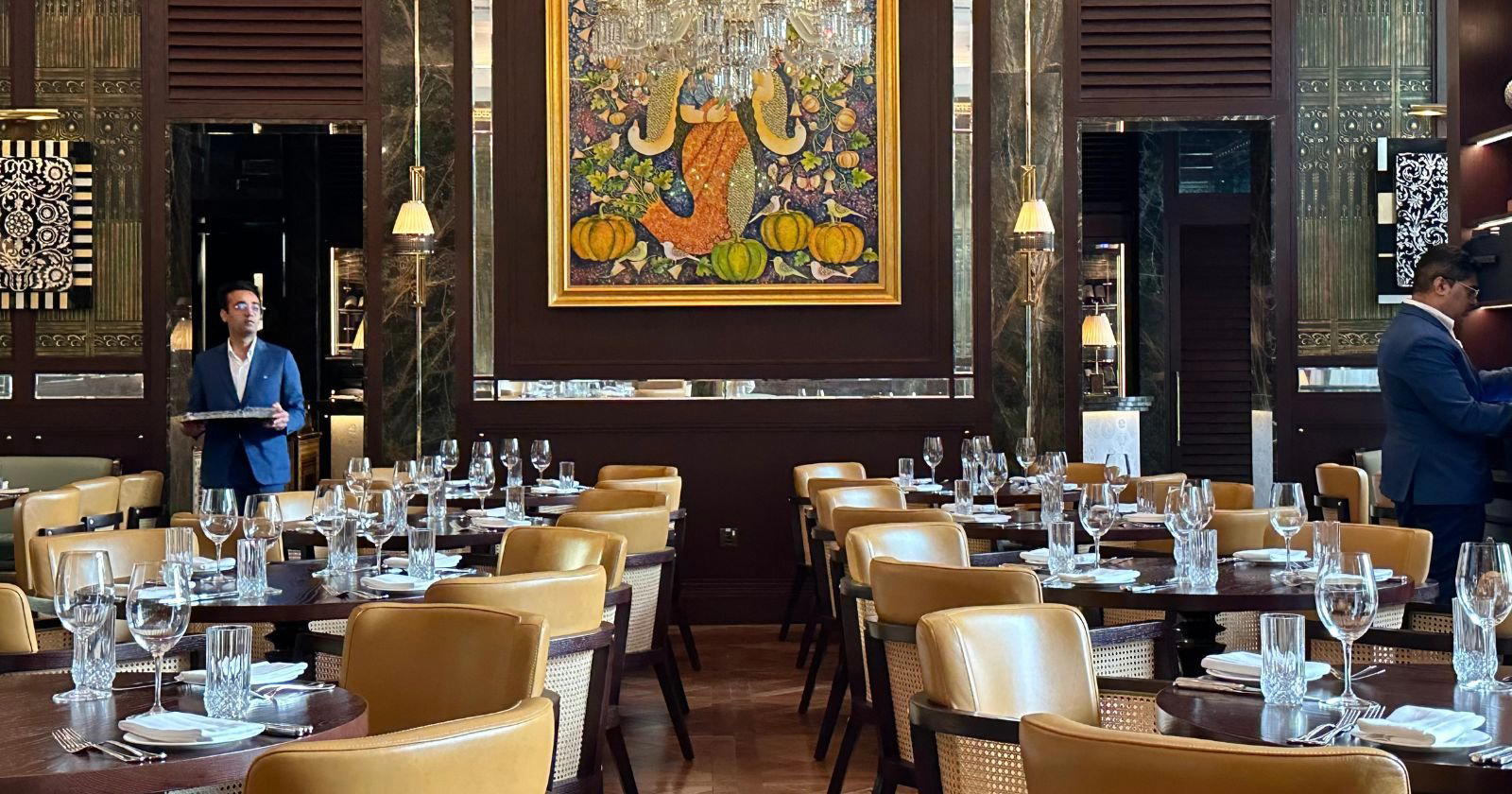
Opera District, Refined: Where Downtown Dubai's Indian Dining Reached a New Tier
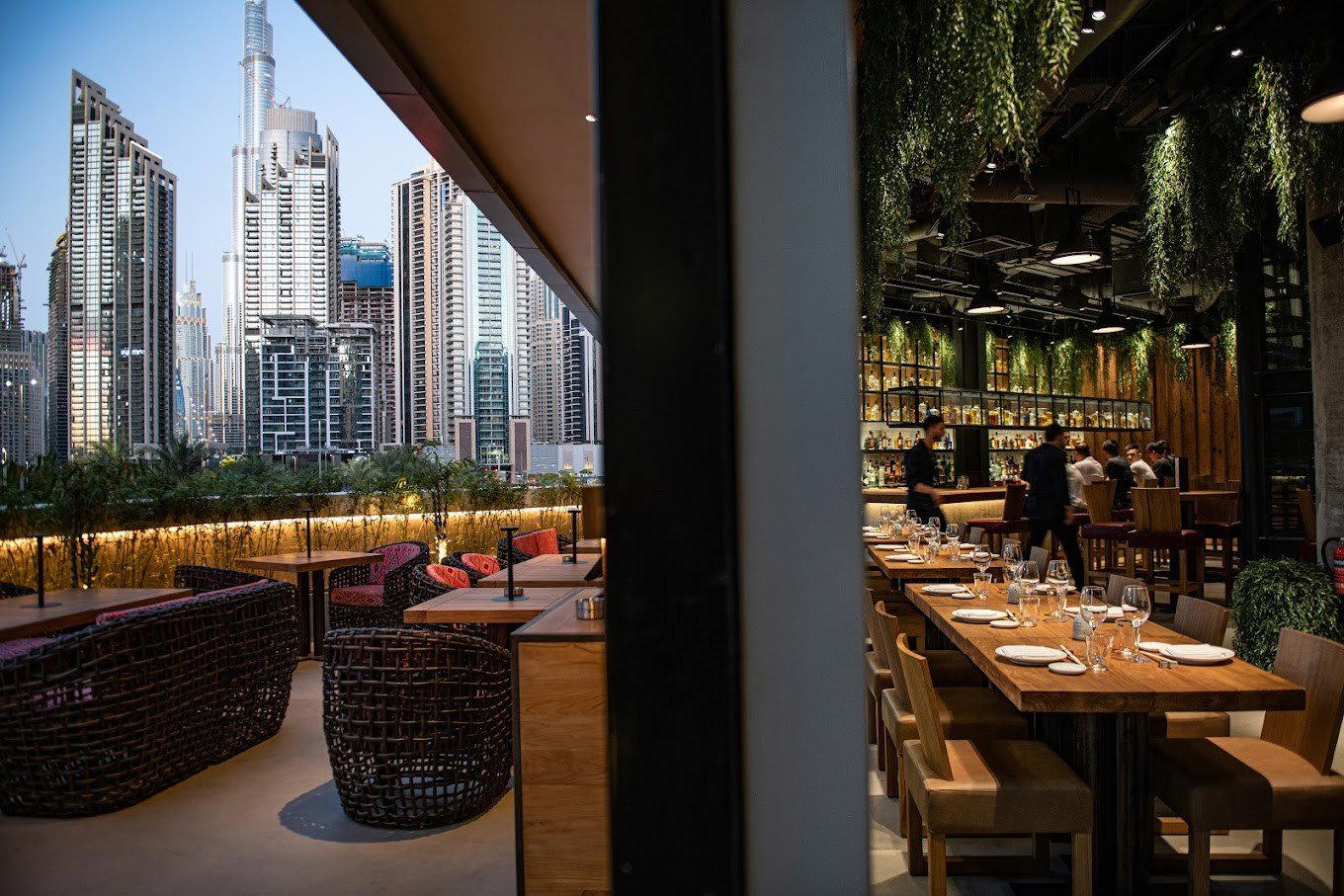
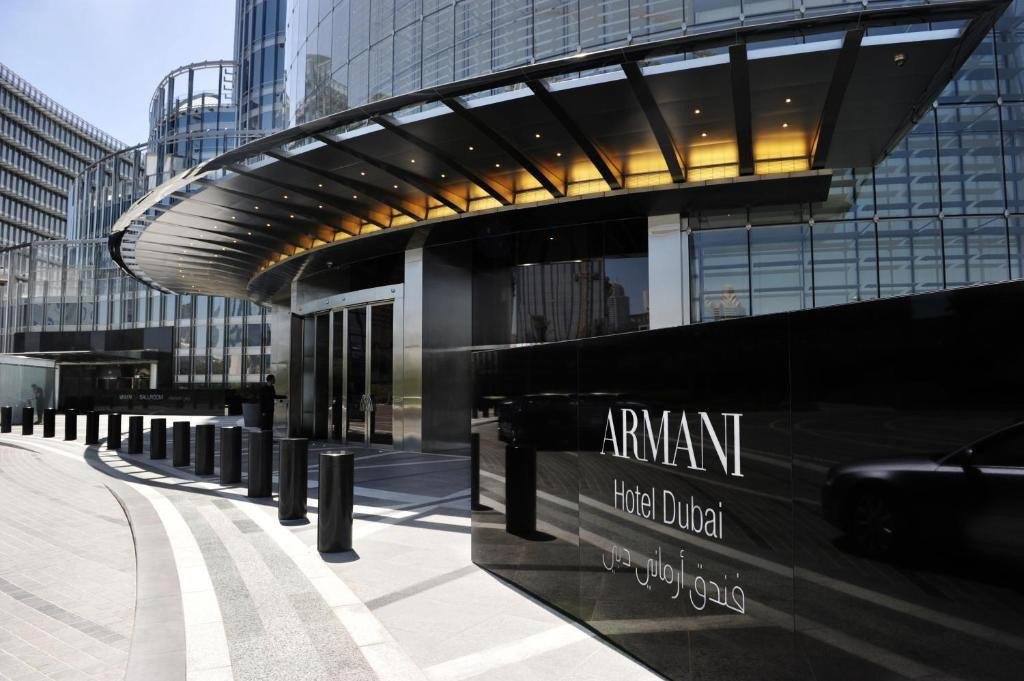
Approaching the Address Residences Opera District on a clear evening, the Burj Khalifa occupies the skyline with a kind of structural authority that makes everything around it feel deliberately placed. The restaurants in this corridor have earned that position through competition: the Opera District's dining cluster is among the more heavily credentialled blocks in Dubai, with multiple Michelin-recognised addresses within a short radius. Walking into Jamavar, you enter a room that signals its ambitions through restraint.
The 2025 Michelin Guide awarded Jamavar one star, a recognition that lands differently here than it might in London or Hong Kong. Dubai's Michelin programme, which launched in 2022, has been calibrating the city's fine dining tier in real time, and the Indian category has proven one of its more contested spaces. Avatara Restaurant holds a star at the $$$$-tier, operating on a vegetarian-only tasting menu format. Trèsind Studio has pushed Indian cuisine into modernist territory. Jamavar occupies a different position in that comparable set: classically grounded, formally executed, and priced at the $$$ tier that makes it accessible to a broader range of guests than its starred neighbours.
How Jamavar's Approach Has Shifted Since Arriving in Dubai
The Jamavar name carries weight that predates Dubai entirely. Jamavar is part of The Leela hotel group's portfolio in India, where the brand became associated with ceremonial Indian cooking and formal hospitality. That context matters in reading what Jamavar Dubai has become.
When Indian restaurants first proliferated in Dubai, the dominant model was volume-oriented: large dining rooms, broad menus covering multiple regional cuisines, and a guest base drawn primarily from the South Asian expatriate community seeking familiar cooking at accessible price points. That model still accounts for a large portion of Dubai's Indian restaurant market. What changed over the course of the 2010s and accelerated sharply after Michelin arrived in 2022 was the emergence of a formal fine dining tier, where Indian cuisine was being presented with the same structural investment, sourcing, kitchen discipline, service architecture, that European cuisines had long received.
Jamavar Dubai's current direction under Surender Mohan positions it inside that evolved tier. The approach involves drawing on specific regional traditions rather than presenting a pan-Indian survey, and executing those traditions with the precision that Michelin evaluators weigh when assessing technical competence. This is a shift from the original hotel-dining model the brand was built on, where breadth of offering was often prioritised over depth of execution. The Dubai kitchen has narrowed its ambitions in a productive direction, and the 2025 star is the clearest external signal that the recalibration has worked.
The Indian Fine Dining Tier Dubai Has Built, and Where Jamavar Sits Within It
Dubai's Indian fine dining scene is now large enough to require differentiation within the category rather than simply against it. At one end, Avatara runs a fully vegetarian tasting menu at the highest price tier, making a specific argument about what contemporary Indian cooking can do without meat as its anchor. Trèsind Studio operates in the modernist lane, using technique-driven plating and unexpected format choices to reframe Indian flavour profiles for an international fine dining audience. Carnival by Trèsind occupies a more playful, accessible register within the same operator's portfolio.
Jamavar's competitive position is closer to the classical end of this spectrum. Restaurants in this lane, and you can trace the same tension in cities like London, where Amaya and Benares have long held formal status, or in Hong Kong, where Chaat earned its recognition on a similar proposition, make the case that classical Indian technique, properly sourced and carefully executed, requires no modernist overlay to justify a starred price point. The argument is about depth of tradition rather than novelty of presentation.
That approach connects Jamavar Dubai to a broader global conversation about where South Asian cuisine sits in the fine dining hierarchy. In Birmingham, Opheem holds a star on a similarly grounded programme. In Bangkok, Haoma and INDDEE represent Indian cuisine earning formal recognition in non-diaspora markets. In Houston, Musaafer has made a sustained case for regional Indian cooking at fine dining scale. Jamavar Dubai belongs in that global peer conversation, not just a local one.
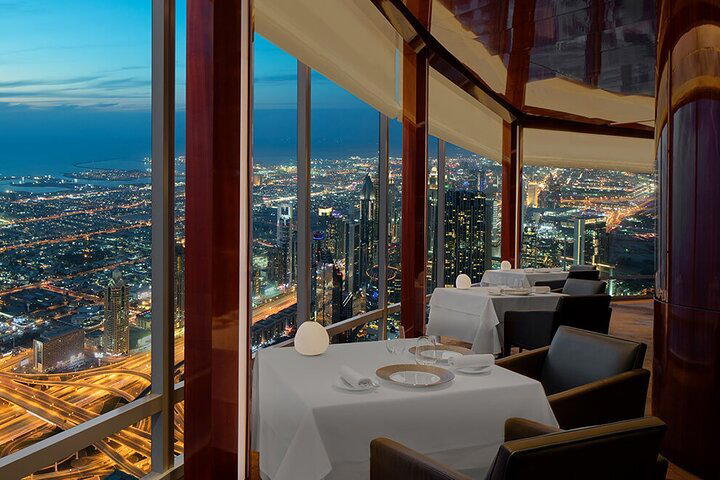
For comparison, the $$$ price tier places Jamavar alongside addresses like 11 Woodfire and Zuma in Dubai's formal but not prohibitively expensive bracket, restaurants where a serious dinner represents a meaningful spend without reaching the $$$$ tier occupied by Al Mahara or At. Mosphere at the Burj Khalifa. That positioning is strategically sensible: the starred credibility without the pricing ceiling that limits repeat visits.
The Opera District Setting and What the Address Residences Location Means
The Address Residences Opera District is not a conventional hotel in the tourist-resort mould. It functions as a mixed-use development where the residential and hospitality functions coexist, and where the food and beverage offering is expected to serve both an international visitor base and a resident community that treats the building's restaurants as neighbourhood options. That dual audience has shaped how Jamavar operates: the service architecture and pricing need to work for both a first-time visitor seeking a special occasion dinner and a local resident returning quarterly.
The Opera District location also places Jamavar within walking distance of the Dubai Opera, which feeds a specific pre- and post-performance dining occasion that relatively few restaurants in the city can serve. The cluster of serious restaurants in this corridor, and the full Dubai restaurants guide maps this geography in detail, means that guests are often choosing between credentialled options rather than seeking out a single destination.
Outside of the immediate Downtown cluster, Atrangi by Ritu Dalmia and Bombay Bungalow represent the broader Indian dining range available across Dubai's different neighbourhoods, and Erth in Abu Dhabi provides a regional comparison for guests moving between the two emirates.
Planning a Visit: Timing, Season, and What to Expect
Dubai's dining season follows its climate. The October-to-April window, when outdoor temperatures drop to a range that makes the city genuinely pleasant rather than merely survivable, is when the Opera District runs at full capacity and reservation availability tightens across the formal dining tier. Jamavar's 2025 Michelin star will intensify that pressure during the peak winter months, when international visitor numbers spike and the starred restaurants in the Downtown cluster operate with minimal slack in their booking calendars. Guests planning visits between November and March should treat advance booking as a priority.
The summer months, May through September, see a significant portion of Dubai's expatriate population travel abroad and international visitor numbers drop. Reservation availability at most starred addresses loosens during this window, and some kitchens use the quieter period to recalibrate menus and test new directions. For guests with scheduling flexibility, the shoulder periods of October and April offer a balance between cooler weather and somewhat more accessible reservations.
The $$$ pricing tier means a dinner for two with drinks sits in a range that is meaningful but not notable by international fine dining standards in comparable cities. Given the Michelin credential, that relative accessibility is part of Jamavar's value proposition in the current Dubai market.
Similar Picks
Comparable venues nearby, for context on price, style, and recognition.
| Venue | Cuisine | Price | Notes |
|---|---|---|---|
| JamavarThis venue — the venue you are viewing | Pan-Indian Fine Dining | $$$$ | Not listed |
| Hōseki | Traditional Japanese Omakase | $$$$ | Jumeira |
| La Dame de Pic Dubai | Modern French Fine Dining | $$$$ | Za'abeel |
| Avatara Restaurant | Modern Vegetarian Indian Fine Dining | $$$$ | Dubai Hills |
| Little Miss India | Modern Northern Indian Fine Dining | $$$$ | Palm Jumeirah |
| Ibn Albahr | Lebanese Seafood | $$$ | Port Saeed |
Recognition history
Dated appearances from independent guides and award organizations, with the underlying list record or original source where available.
Gault & Millau UAE Selected Restaurant
Gault & Millau · Gault & Millau UAE 2026 - Selected Restaurant
Star Wine List
Star Wine List
Michelin 1 Star
Michelin


At a Glance
- Elegant
- Sophisticated
- Ornate
- Date Night
- Business Dinner
- Celebration
- Special Occasion
- Hotel Restaurant
- Extensive Wine List
- Sommelier Led
Current opening hours
- Monday
- 12 PM–12 AM
- Tuesday
- 12 PM–12 AM
- Wednesday
- 12 PM–12 AM
- Thursday
- 12 PM–12 AM
- Friday
- 12 PM–1 AM
- Saturday
- 12:30 PM–1 AM
- Sunday
- 12:30 PM–12 AM
Hours can change for holidays and private events. Last verified .
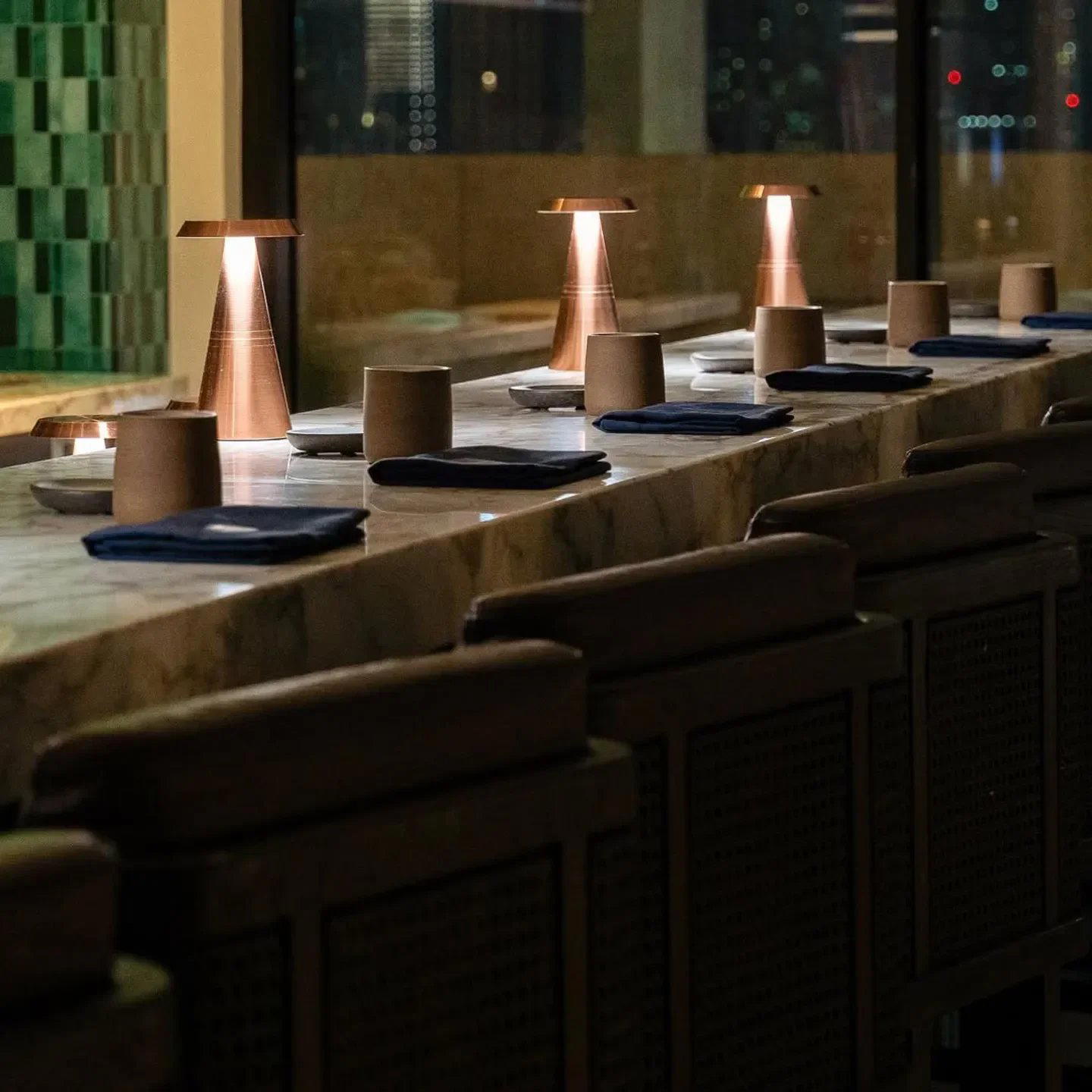
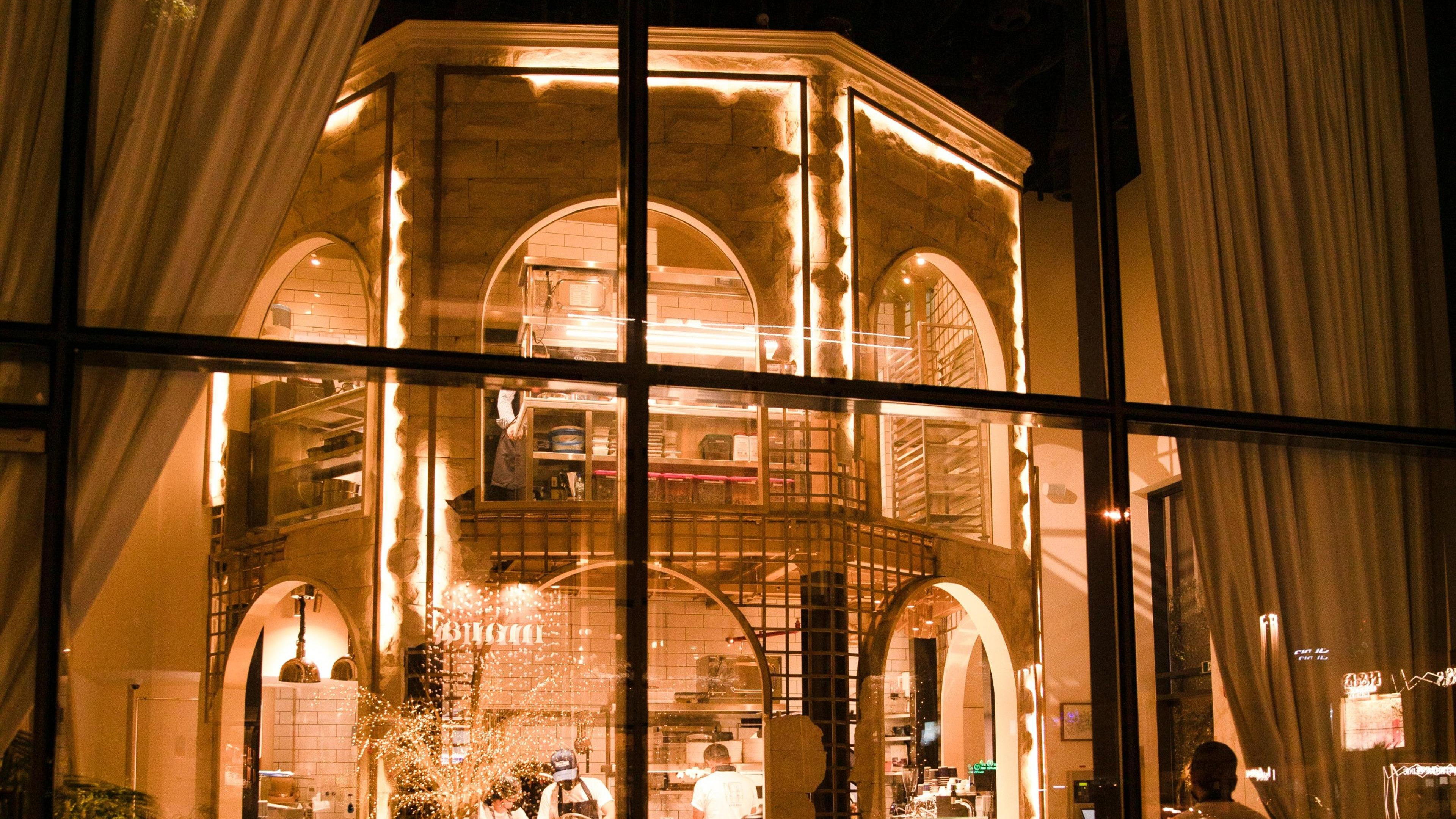
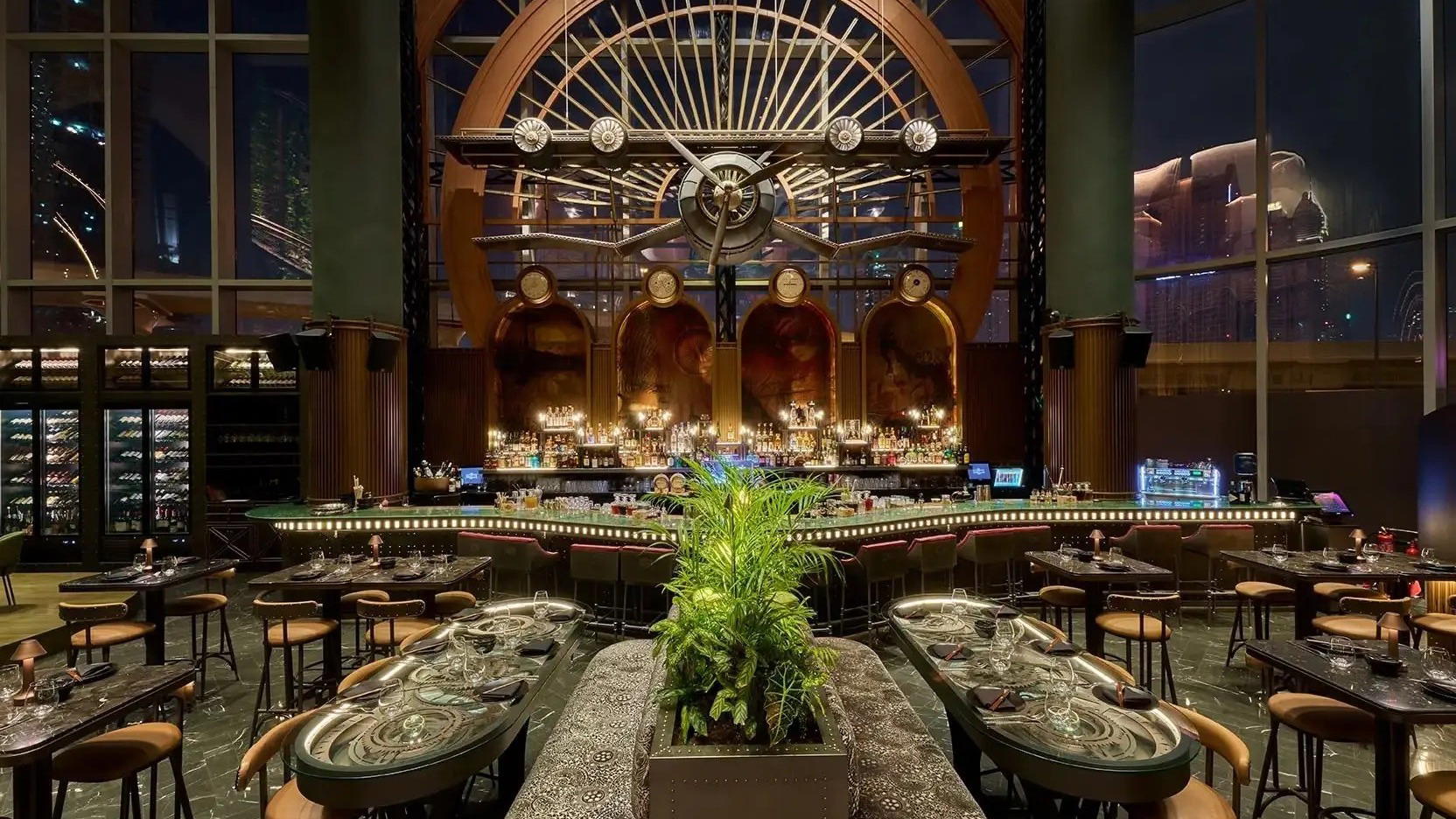
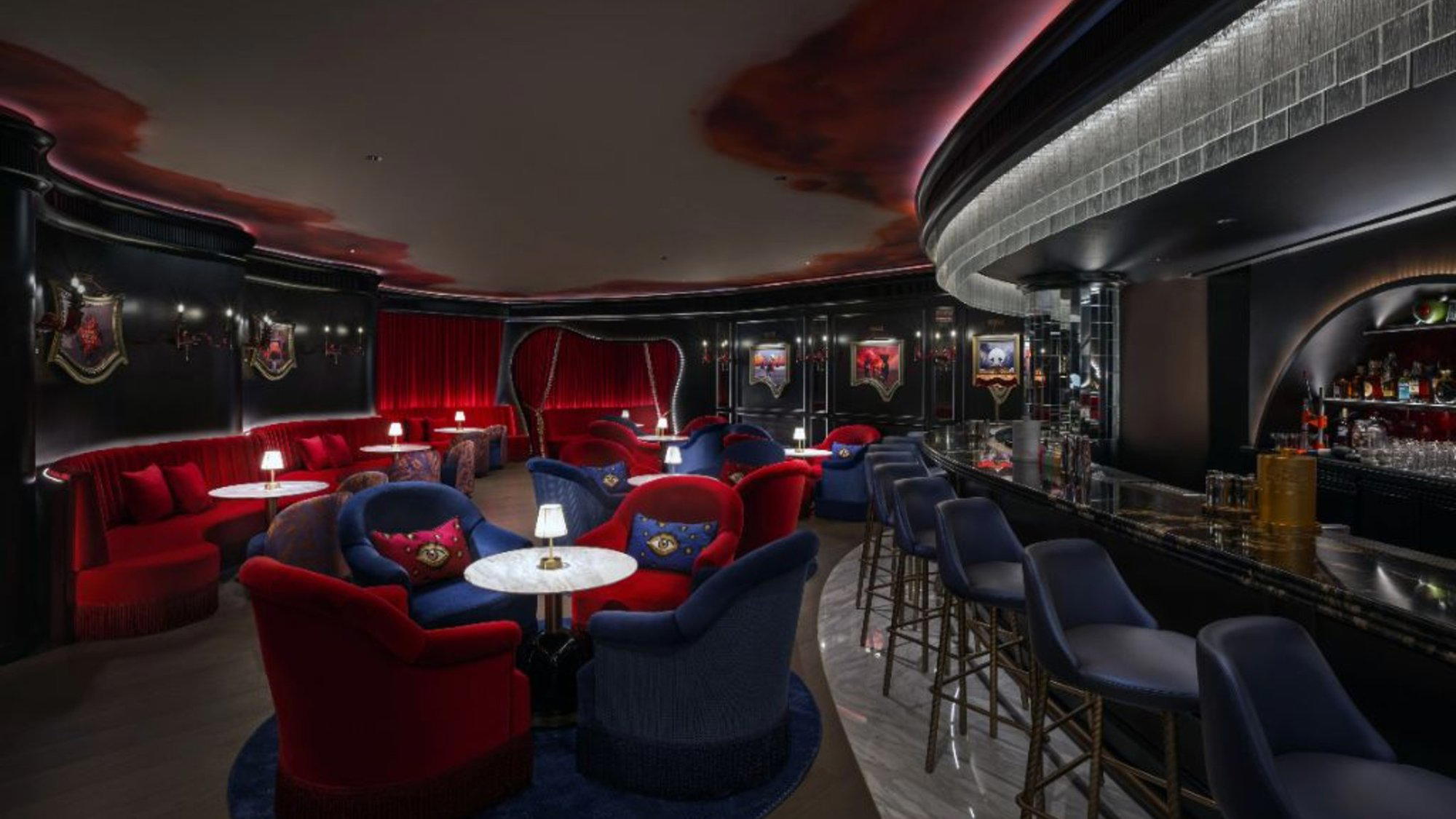
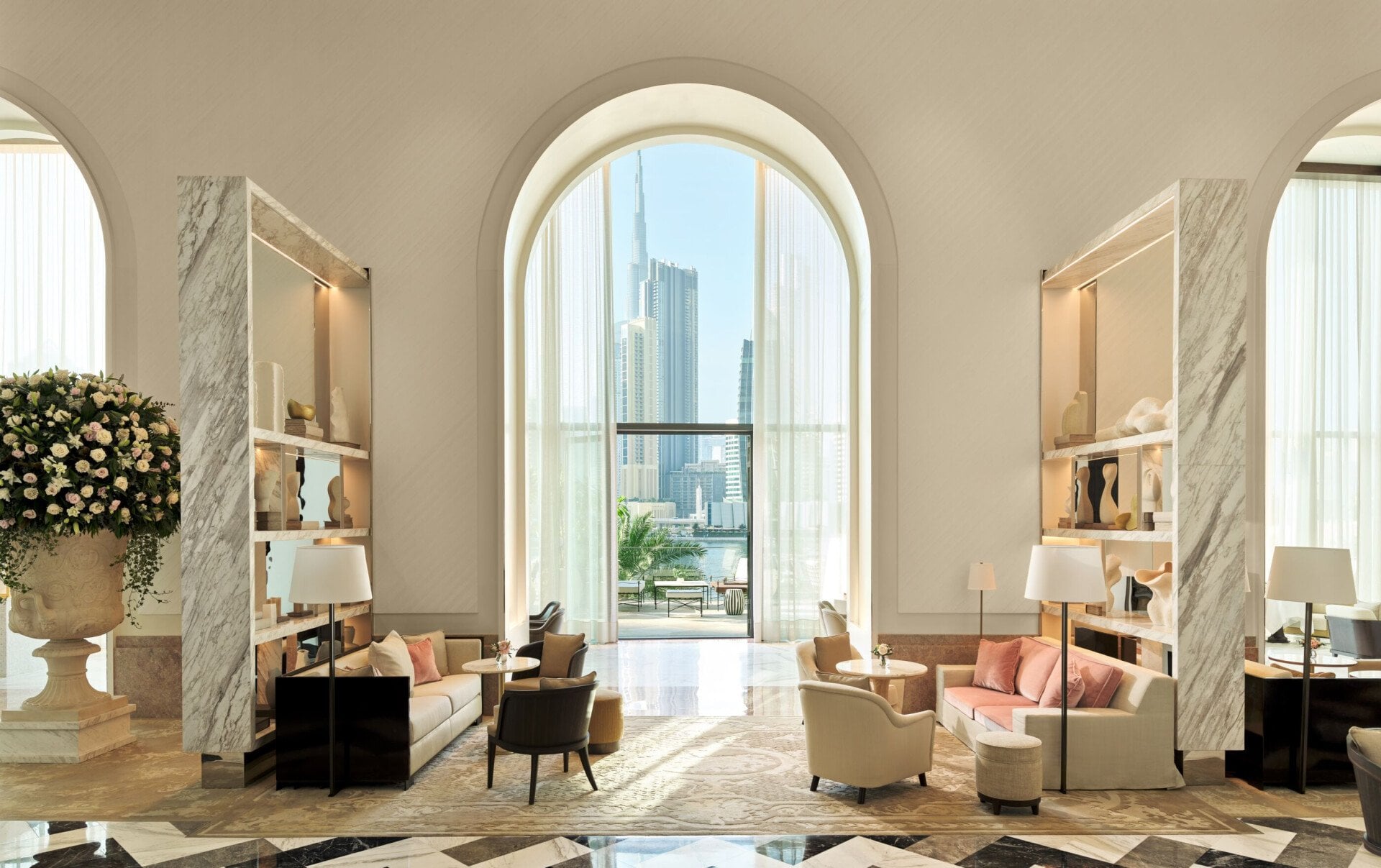
Ornate interiors with grand chandeliers, plush cocktail bar, and relaxing sophisticated atmosphere praised in guest reviews.