Armani Hashi


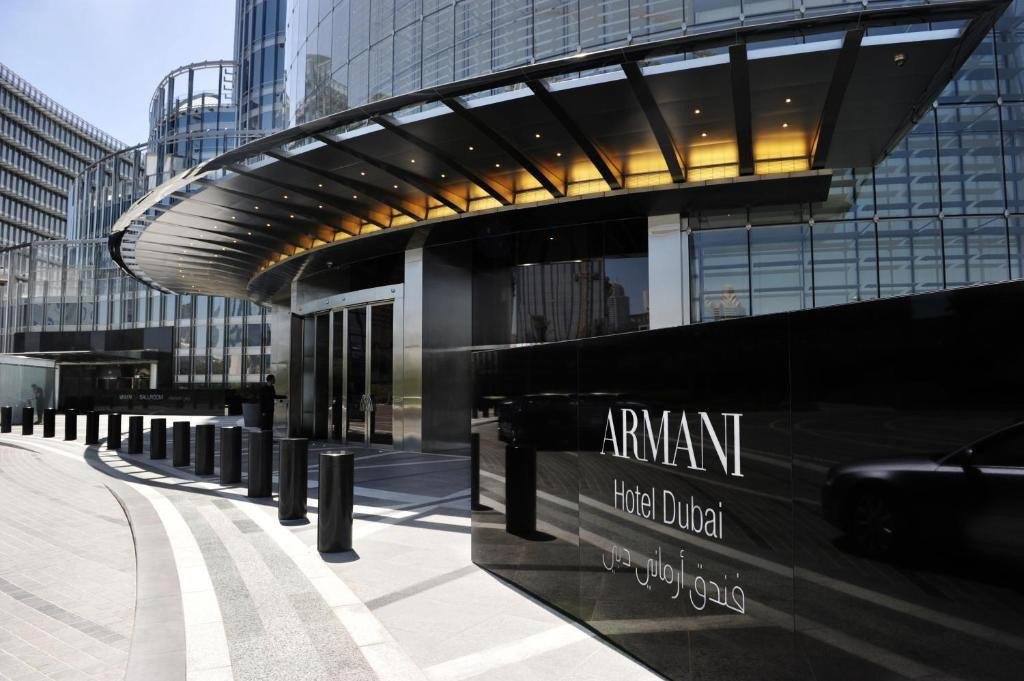
Set inside the Armani Hotel within Burj Khalifa, Armani Hashi holds a 2025 Michelin Plate and positions itself among Dubai's more considered contemporary Japanese addresses. Chef Sin Keun Choi oversees omakase and kaiseki menus built around ingredients sourced directly from Japan, delivered across sushi, robatayaki, and teppanyaki formats with views across the Dubai Fountain below.
Pearl is the En Primeur Club membership app — saves, bookings, and concierge access live there. Same editors, same standards.
- Address
- 1 Sheikh Mohammed bin Rashid Blvd - Burj Khalifa - Downtown Dubai - Dubai - United Arab Emirates
- Phone
- +971 4 888 3888
- Website
- armanihotels.com
- Directions
- Get directions
 Saves & bookings on Pearl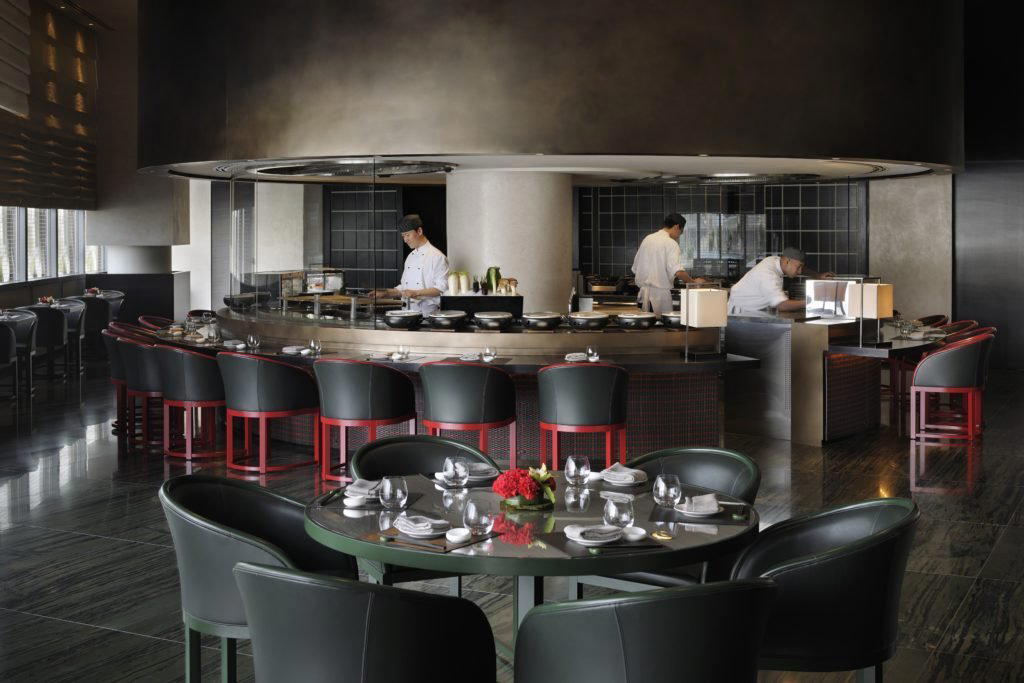
Armani Hashi is a restaurant in Downtown Dubai, inside the Armani Hotel at Burj Khalifa, with a Michelin Plate in 2025 and a price point of $$$$. Forty-Three Floors Up, the Counter Still Does the Talking
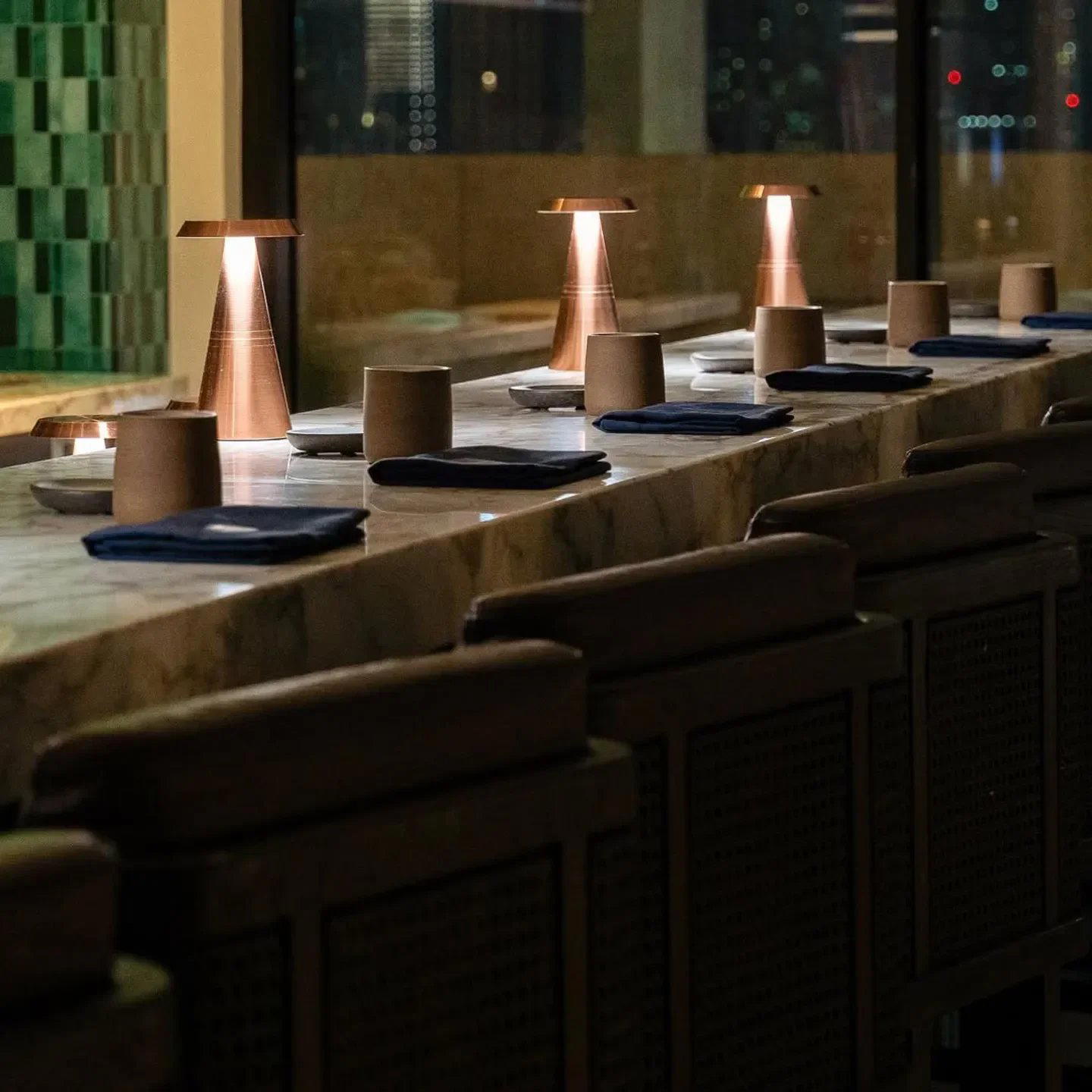
The Burj Khalifa has a way of making everything inside it feel peripheral to the building itself. Armani Hashi resists that pull. Positioned within the Armani Hotel on one of the tower's lower-mid floors, the room orients itself outward toward the Dubai Fountain rather than upward toward its own address, and the result is a dining environment where the sushi counter and robatayaki station anchor the space as confidently as the view does. The design follows the Armani Hotel's wider vocabulary: muted tones, clean lines, surfaces that absorb rather than reflect. It is a room built for concentration, which suits the food it serves.
Where Contemporary Japanese Sits in Dubai's Dining Order
Dubai's contemporary Japanese category has deepened considerably over the past decade. What was once a small tier of hotel-backed Japanese rooms has expanded into a scene that now includes stand-alone omakase counters, izakaya-influenced casual formats, and multi-counter concepts that blend sushi with robata and teppanyaki under one roof. Armani Hashi belongs to the multi-counter model, which positions it differently from the single-discipline specialists that have proliferated at the premium end. Across the city, addresses like Mimi Kakushi and Akira Back each stake out distinct corners of the contemporary Japanese space, while Clap takes a more casual, izakaya-adjacent approach. Armani Hashi's combination of formats, hotel setting, and Michelin recognition places it in a narrower peer group: hotel-based Japanese rooms with serious kitchen credentials and a prix-fixe menu structure.
The 2025 Michelin Plate designation matters here as a signal of consistent technical execution rather than as a ceiling. In Dubai's Michelin Guide, the Plate sits below Star level but above the general listing, indicating that inspectors found the cooking to meet the standard expected of the price tier. At the $$$$ price range, that standard is high, and the Plate confirms the kitchen is clearing it. For comparison, 99 Sushi Bar and 3Fils occupy different price positions within the broader Japanese dining category in Dubai, which illustrates how wide that category has become: from accessible neighbourhood sushi to formal multi-course formats inside landmark hotels.
Chef Sin Keun Choi and the Logic of the Menu Structure
In cities where Japanese dining has matured beyond novelty, the chef's lineage tends to determine the menu's intellectual framework. Chef Sin Keun Choi oversees a kitchen that operates across three simultaneous cooking disciplines: the sushi counter, the robatayaki grill, and the teppanyaki station. Managing those formats simultaneously requires a brigade organised around distinct technical vocabularies, and the fact that restaurant holds Michelin recognition while running all three suggests the kitchen maintains coherence across them rather than allowing any single counter to carry the others.
The contemporary Japanese category globally has seen a shift toward chefs who trained in Japan but work within international hotel contexts, adapting kaiseki and omakase structures for guests who may encounter those formats for the first time. This is distinct from the Japanese-owned counter model that dominates Tokyo and Osaka, and it produces a different kind of menu: one that preserves the ceremonial logic of multi-course Japanese dining while making it accessible to an international dining room. The restaurant sits clearly within this tradition. For readers tracking the same format internationally, Sankai by Nagaya in Istanbul and The Japanese Restaurant in Andermatt operate in comparable positions within their respective cities.
The Ingredient Supply Chain as Editorial Point
One of the defining features of premium contemporary Japanese restaurants operating outside Japan is the sourcing question: how much of the kitchen's claim to authenticity rests on the ingredients themselves versus the technique applied to local or regional produce. The restaurant answers this directly. Ingredients are flown in from Japan, which places the kitchen in the higher-cost, higher-authenticity bracket within Dubai's Japanese dining tier. This is not universal across the city's Japanese restaurants, and it has direct consequences for what the omakase and kaiseki menus can deliver. Fish aged and cut from Japanese suppliers, seasonal produce sourced to Japanese market standards, and proteins selected for Japanese culinary applications rather than regional substitutes: these are the material conditions that allow a kaiseki menu outside Japan to track something close to its original structure.
The global spread of Japanese contemporary dining demonstrates just how varied the approach to sourcing can be. Murakami in São Paulo operates within Brazil's substantial Japanese-Brazilian culinary tradition, drawing on local produce with Japanese technique. Eika in Taipei benefits from geographical proximity to Japanese markets. Izakaya in Zagreb and 893 Ryotei in Berlin each navigate European supply chains with different results. The restaurant's decision to fly ingredients from Japan directly reflects the cost structure of the $$$$ tier and sets a specific quality floor for what arrives at the counter.
The View as Context, Not Centrepiece
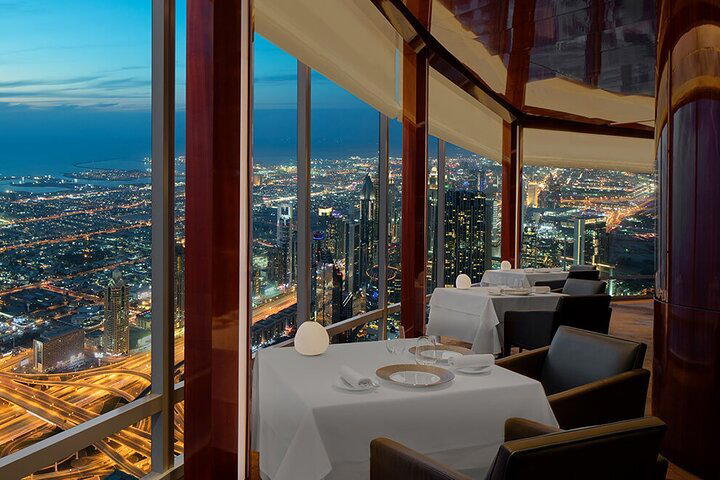
The Dubai Fountain view from the restaurant is real and significant. On fountain nights, the spectacle below is visible through the restaurant's windows, and the room's positioning is deliberate. But the culinary theatrics at the three active counters are designed to compete for attention, not defer to the view. A robatayaki counter running live fire, a teppanyaki station with hot-plate preparation, and a sushi counter with knife work in progress: these are formats that reward proximity and attention. The design's restraint ensures the room doesn't try to be two things at once. It does not lean into the Burj Khalifa's scale as a selling point; it uses the hotel's architecture as backdrop and lets the counter work carry the evening.
That said, the setting matters for planning purposes. Downtown Dubai's Sheikh Mohammed bin Rashid Boulevard is not a neighbourhood that rewards wandering before dinner. It is destination-focused, and the restaurant draws on the hotel's infrastructure accordingly. The Armani Hotel operates a distinct check-in dynamic from the tower's observation and commercial floors, which means the restaurant experience is relatively insulated from the Burj Khalifa's tourist volume. For readers exploring the broader Downtown dining and hotel context, our full Dubai hotels guide and full Dubai restaurants guide map the area's options across price tiers.
Planning Your Visit
The restaurant sits at the $$$$ price point, which in Dubai's context means the omakase and kaiseki menus are priced against the city's other serious hotel-based Japanese rooms rather than against stand-alone casual Japanese addresses. For readers who want to understand the full range of Dubai's Japanese dining before committing, Mimi Kakushi and Akira Back offer distinct points of comparison at different format and price positions. The restaurant is located inside the Armani Hotel at 1 Sheikh Mohammed bin Rashid Boulevard, Burj Khalifa, Downtown Dubai. Booking in advance is advisable given the hotel setting and the structured menu format. Those extending their time in the region should also consider NIRI in Abu Dhabi for a comparable contemporary Japanese format, or Erth in Abu Dhabi for a sharply different culinary register.
A Credentials Check
Comparable venues nearby, for context on price, style, and recognition.
| Venue | Cuisine | Price | Awards | Notes |
|---|---|---|---|---|
| Armani HashiThis venue — the venue you are viewing | Modern Japanese Fine Dining | $$$$ | Michelin Plate | Not listed |
| Dragonfly | Modern Japanese with Pan-Asian Influences | $$$$ | Michelin Plate | Bussiness Bay |
| Sexy Fish | Modern Asian Seafood | $$$$ | Michelin Plate | Za'abeel 2 |
| Ronin | Modern Japanese with Teppanyaki & Robata Grill | $$$$ | Michelin Plate | Al Sufouh 2 |
| Josette | Modern French Brasserie | $$$$ | Michelin Plate | Za'abeel 2 |
| RSVP | Modern French-Japanese Fusion | $$$$ | Michelin Plate | Al Wasl |
Recognition history
Dated appearances from independent guides and award organizations, with the underlying list record or original source where available.
Gault & Millau UAE Selected Restaurant
Gault & Millau · Gault & Millau UAE 2026 - Selected Restaurant
Michelin Plate
Michelin
Michelin Plate
Michelin
At a Glance
- Elegant
- Modern
- Sophisticated
- Minimalist
- Date Night
- Special Occasion
- Celebration
- Open Kitchen
- Terrace
- Panoramic View
- Hotel Restaurant
- Sake Program
- Skyline
Current opening hours
- Monday
- 6:30–11:30 PM
- Tuesday
- 6:30–11:30 PM
- Wednesday
- 6:30–11:30 PM
- Thursday
- 6:30–11:30 PM
- Friday
- 6:30–11:30 PM
- Saturday
- 6:30–11:30 PM
- Sunday
- 6:30–11:30 PM
Hours can change for holidays and private events. Last verified .
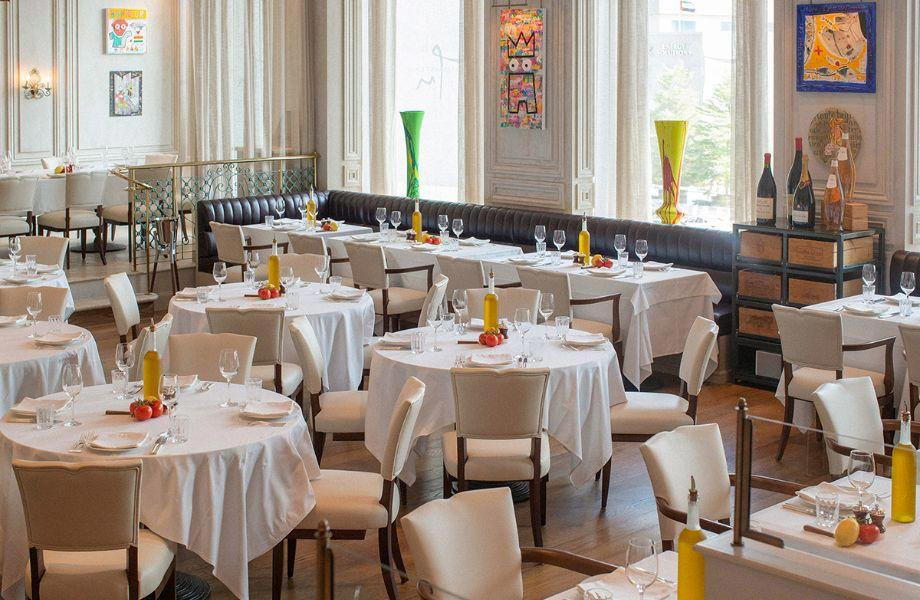
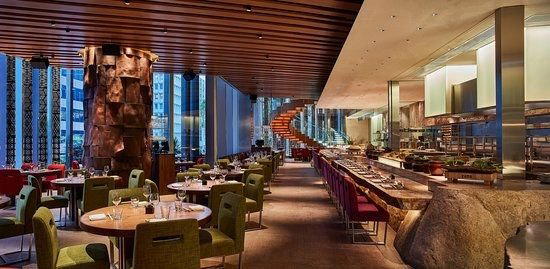
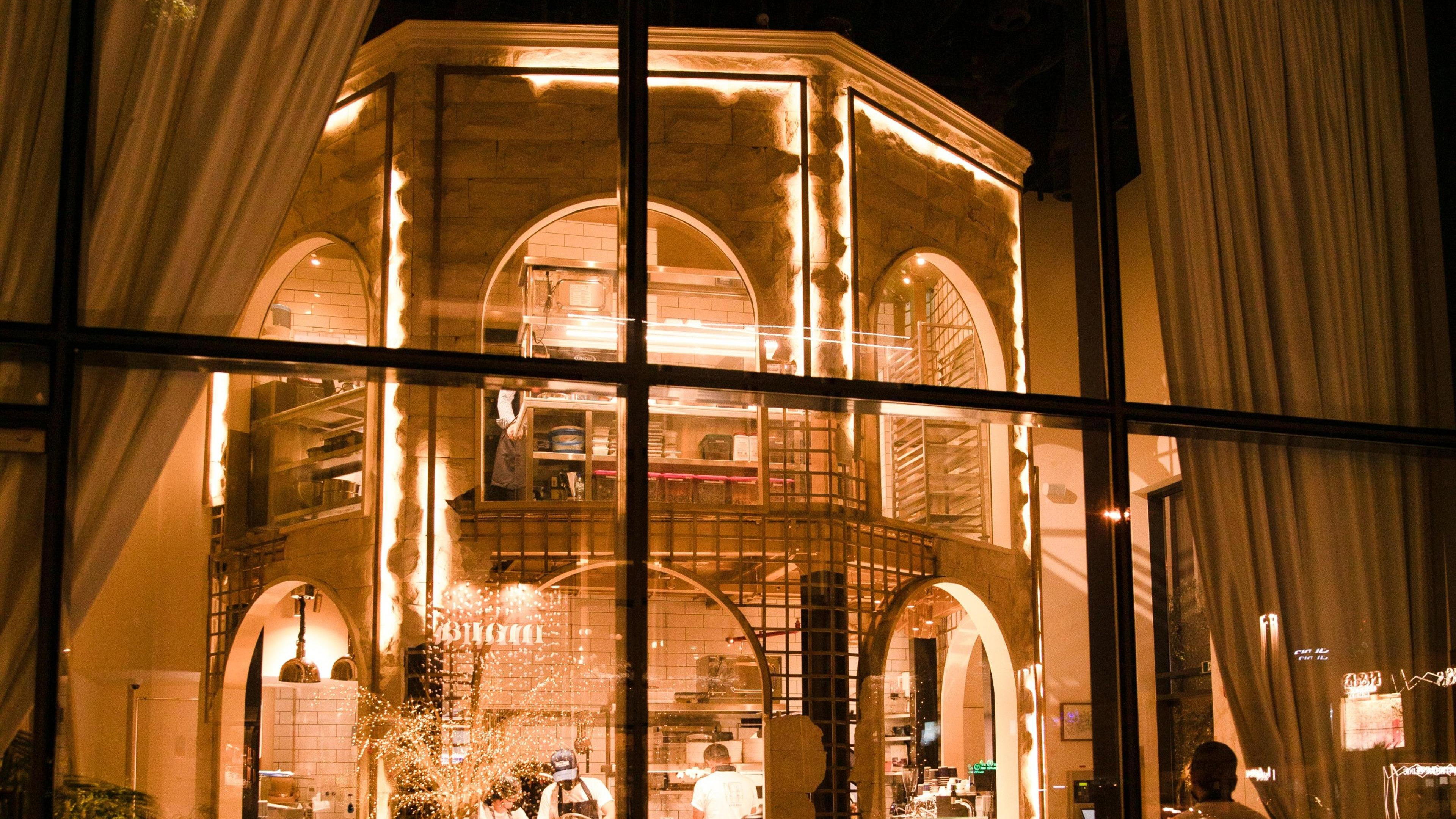
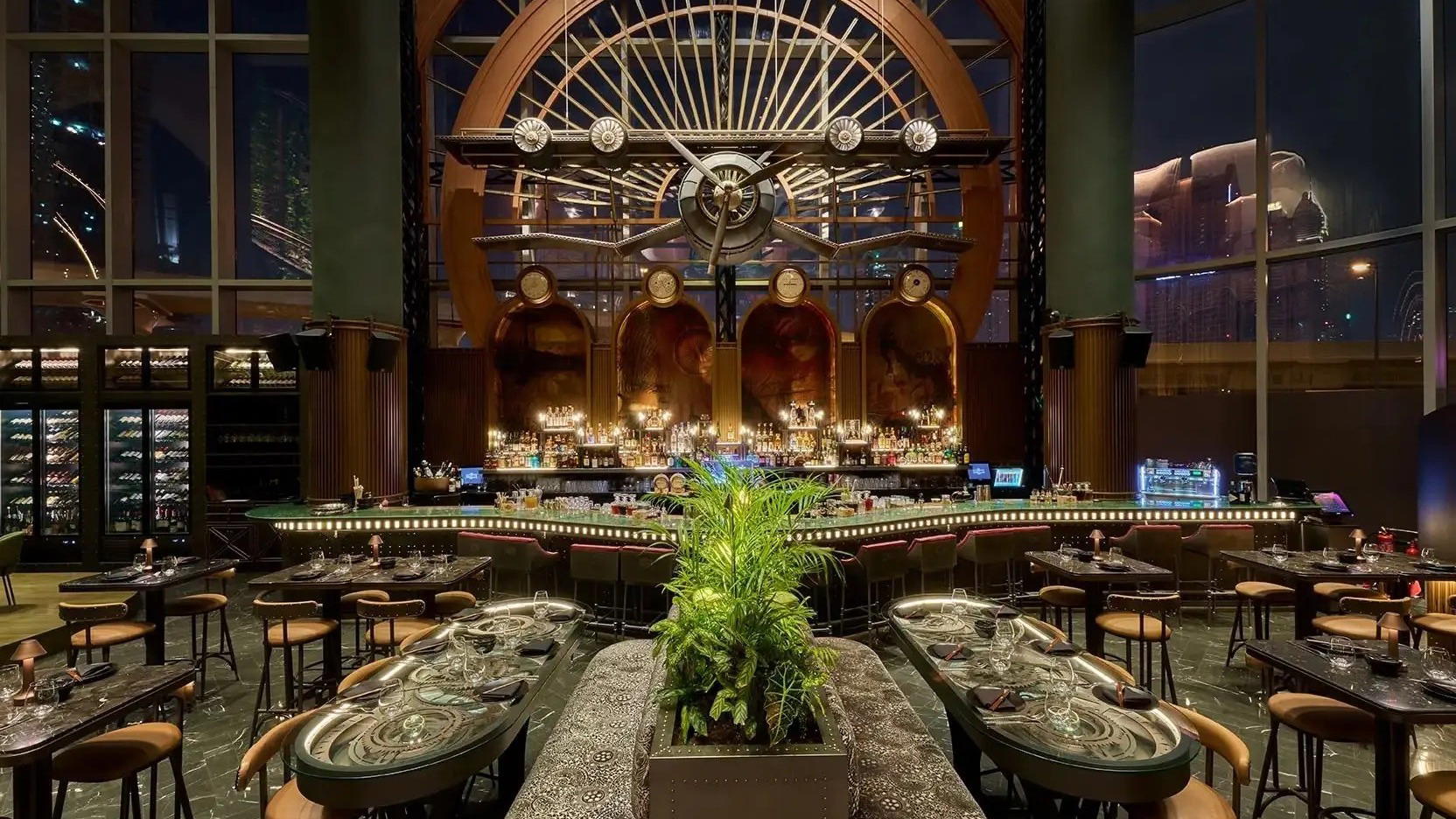
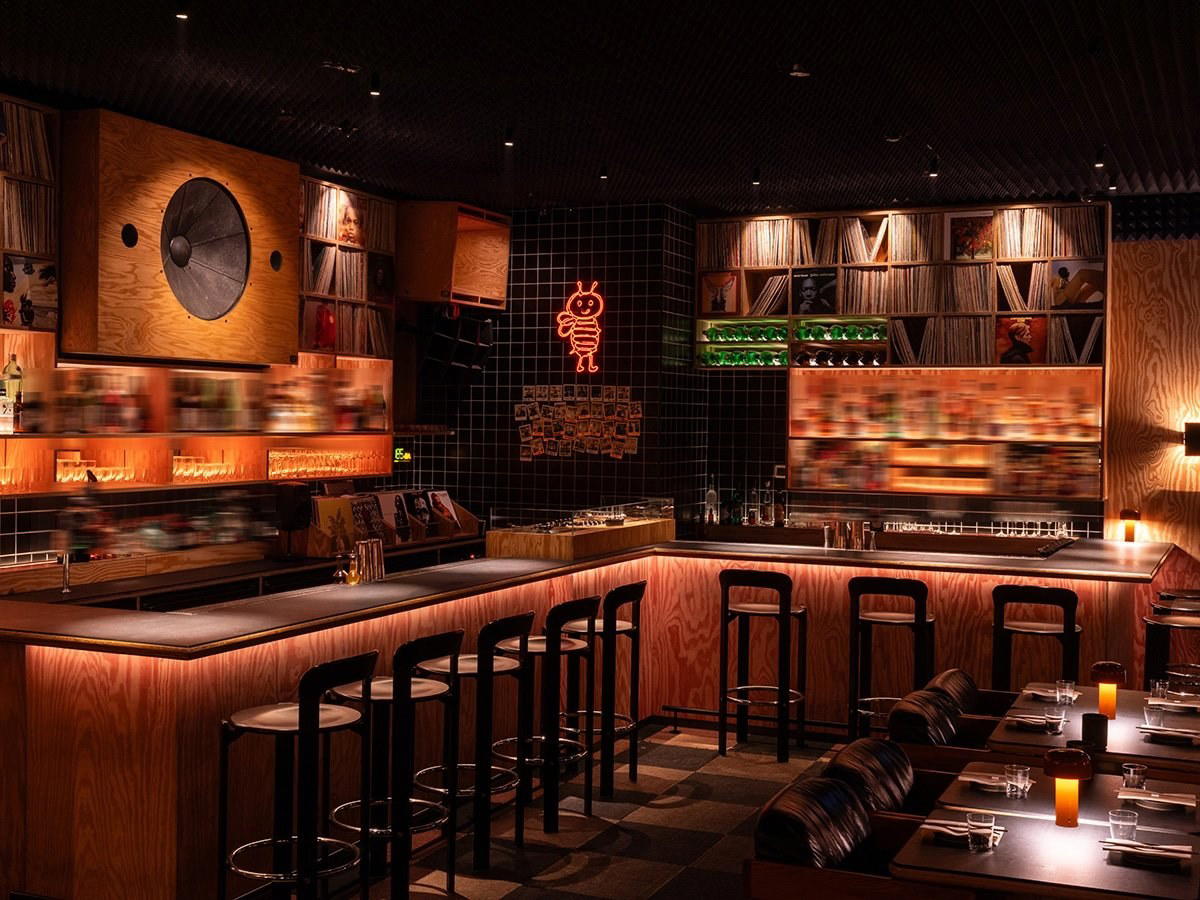
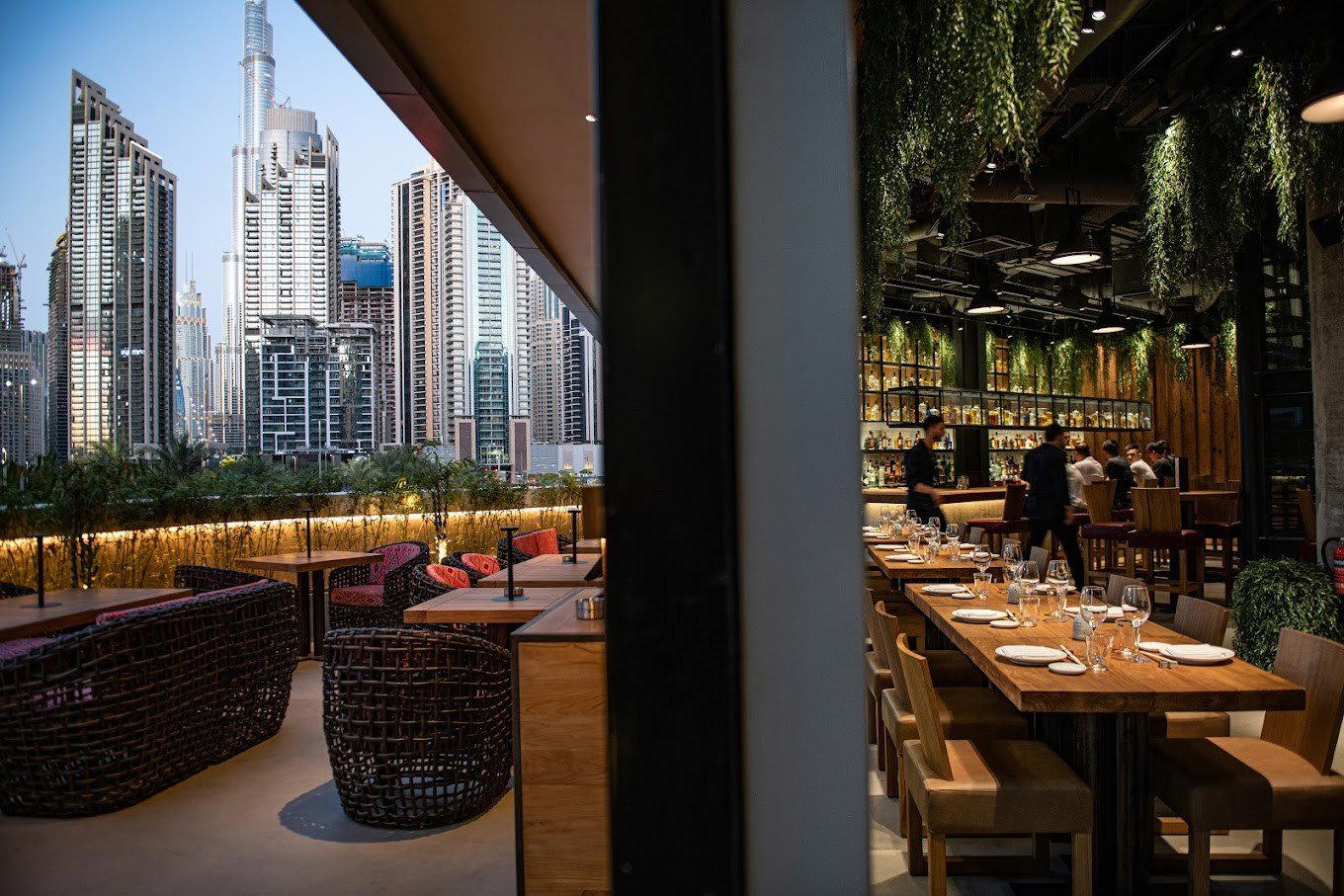
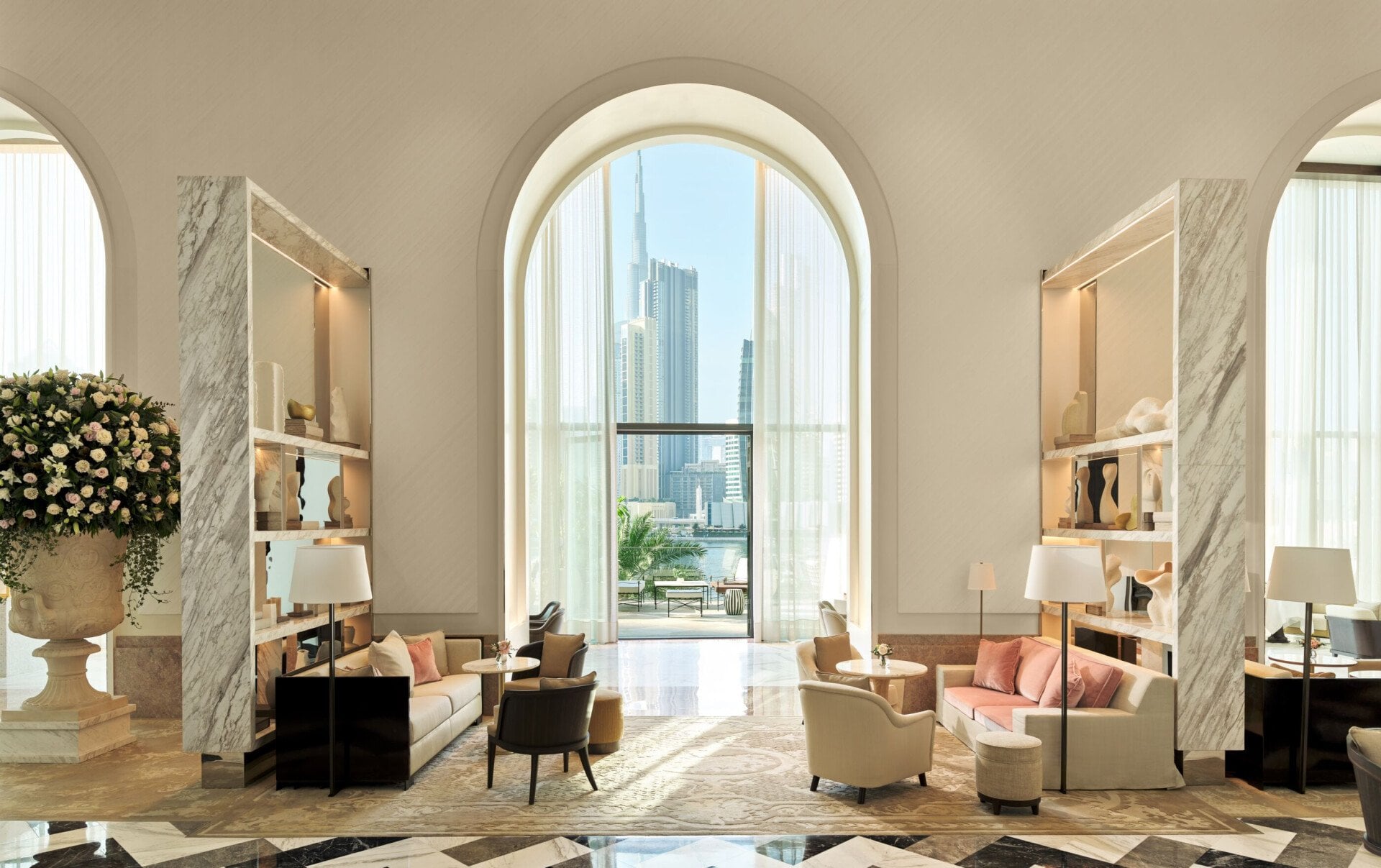
Sleek, modern minimalist interiors with ambient lighting, floor-to-ceiling windows, and a serene yet dynamic atmosphere enhanced by fountain views.