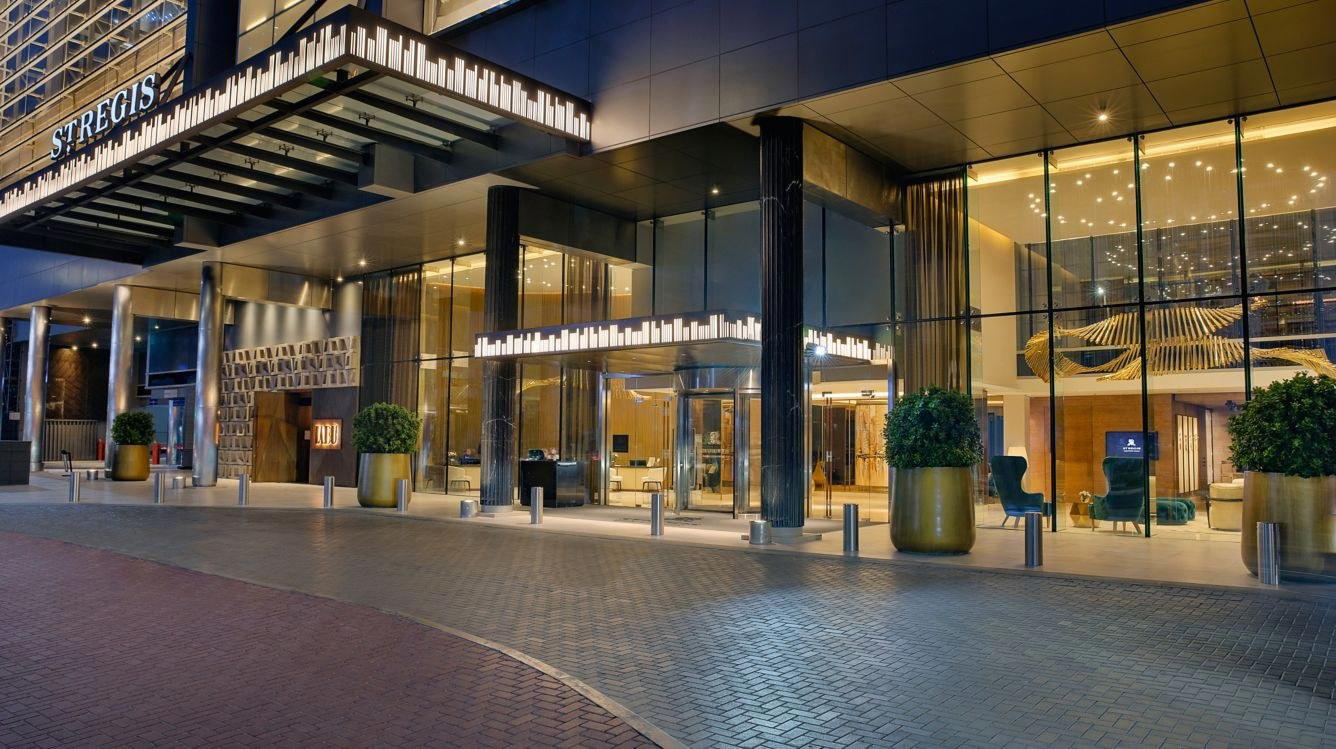
Hutong



Michelin Plate · Gault & Millau UAE Selected Restaurant
Our verdict
Among Dubai's most recognised Chinese restaurants, Hutong at DIFC Gate Building has held consecutive Michelin Plate recognition through 2024 and 2025 and appears on Opinionated About Dining's global rankings. Under Chef Fei Wang, the kitchen works in the northern Chinese tradition at a price point that places it firmly in the DIFC fine-dining tier, drawing a loyal following that returns for the cooking rather than the occasion.

Pearl is the En Primeur Club membership app, where members save venues, book tables and use the concierge.
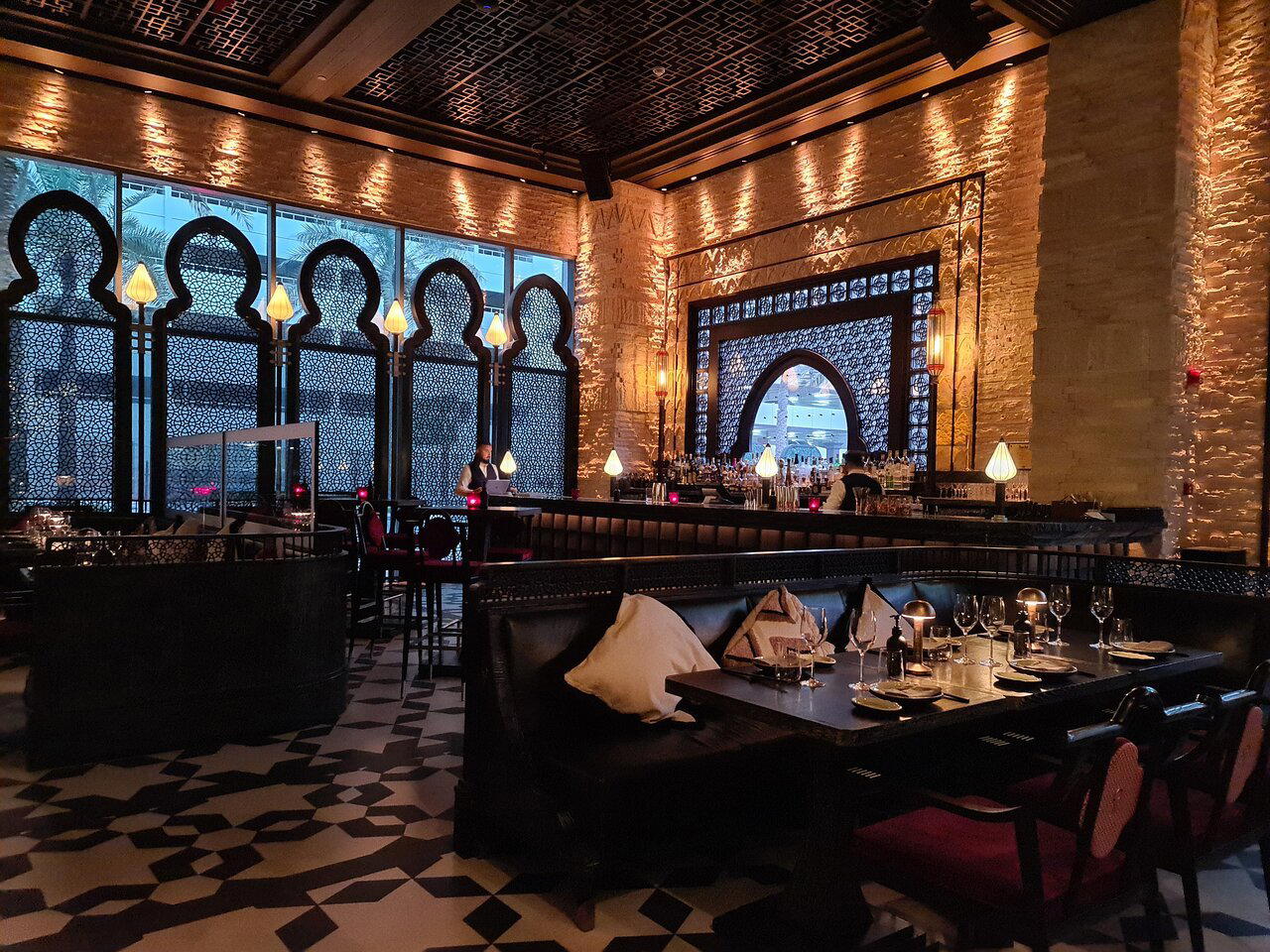
The Room Before the Meal
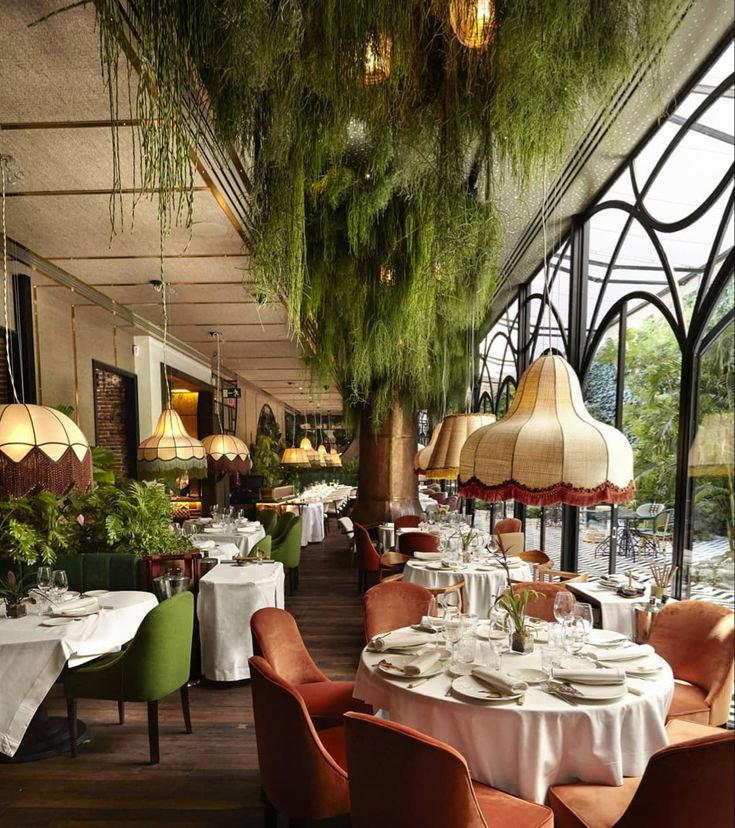
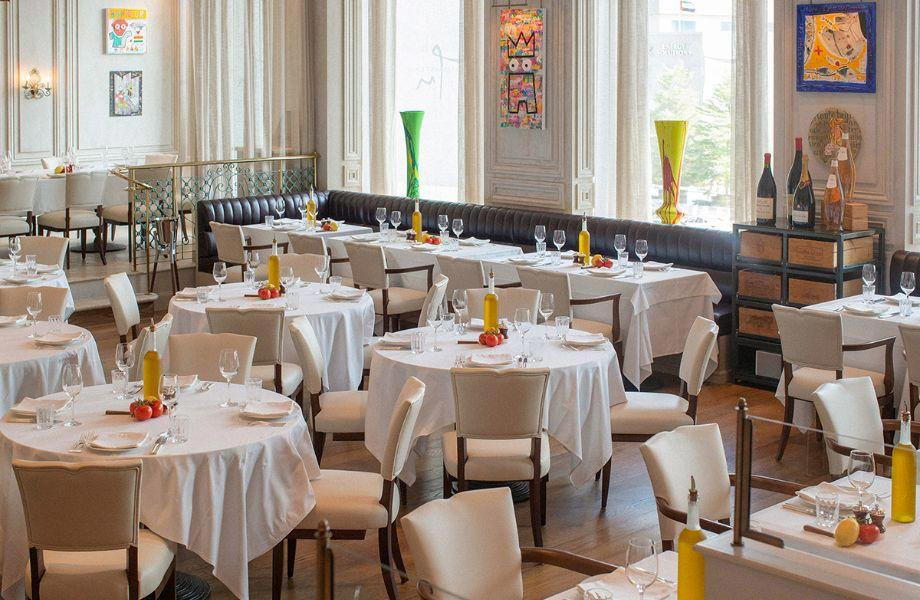
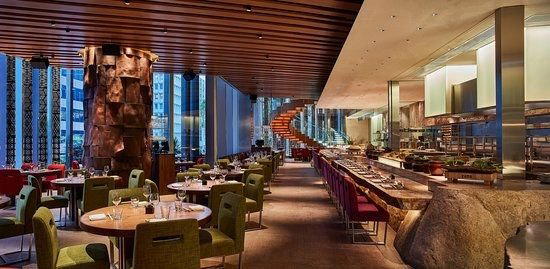
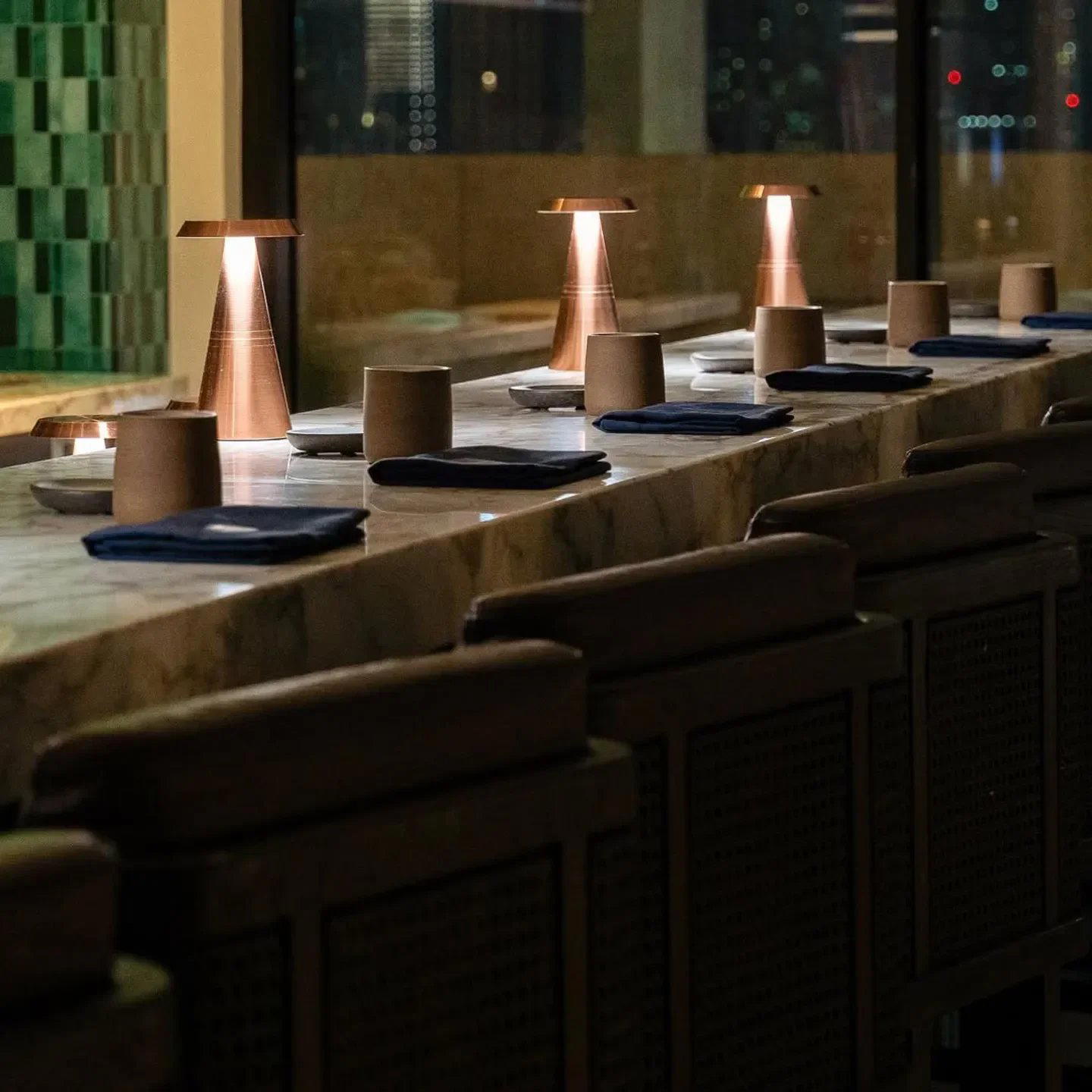
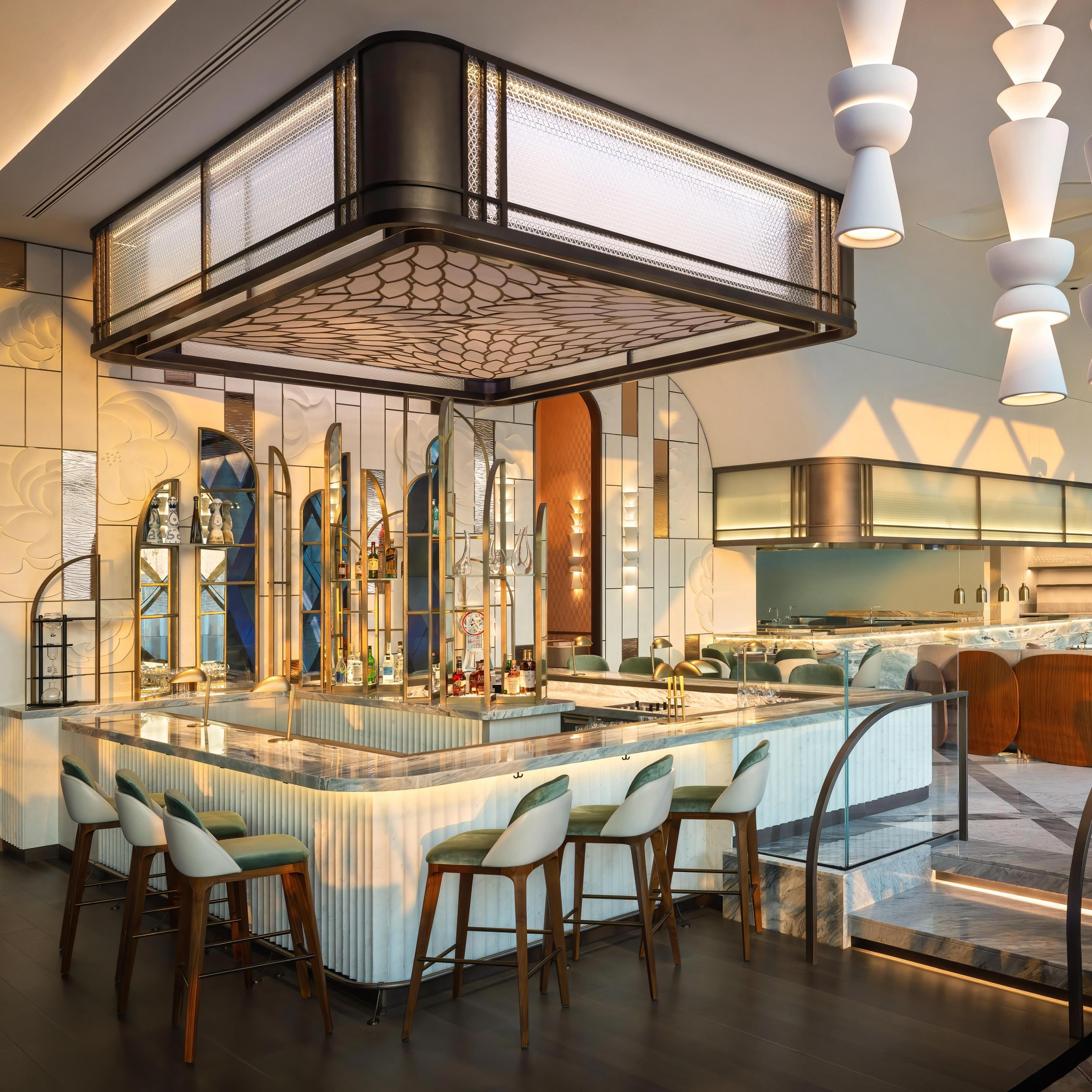
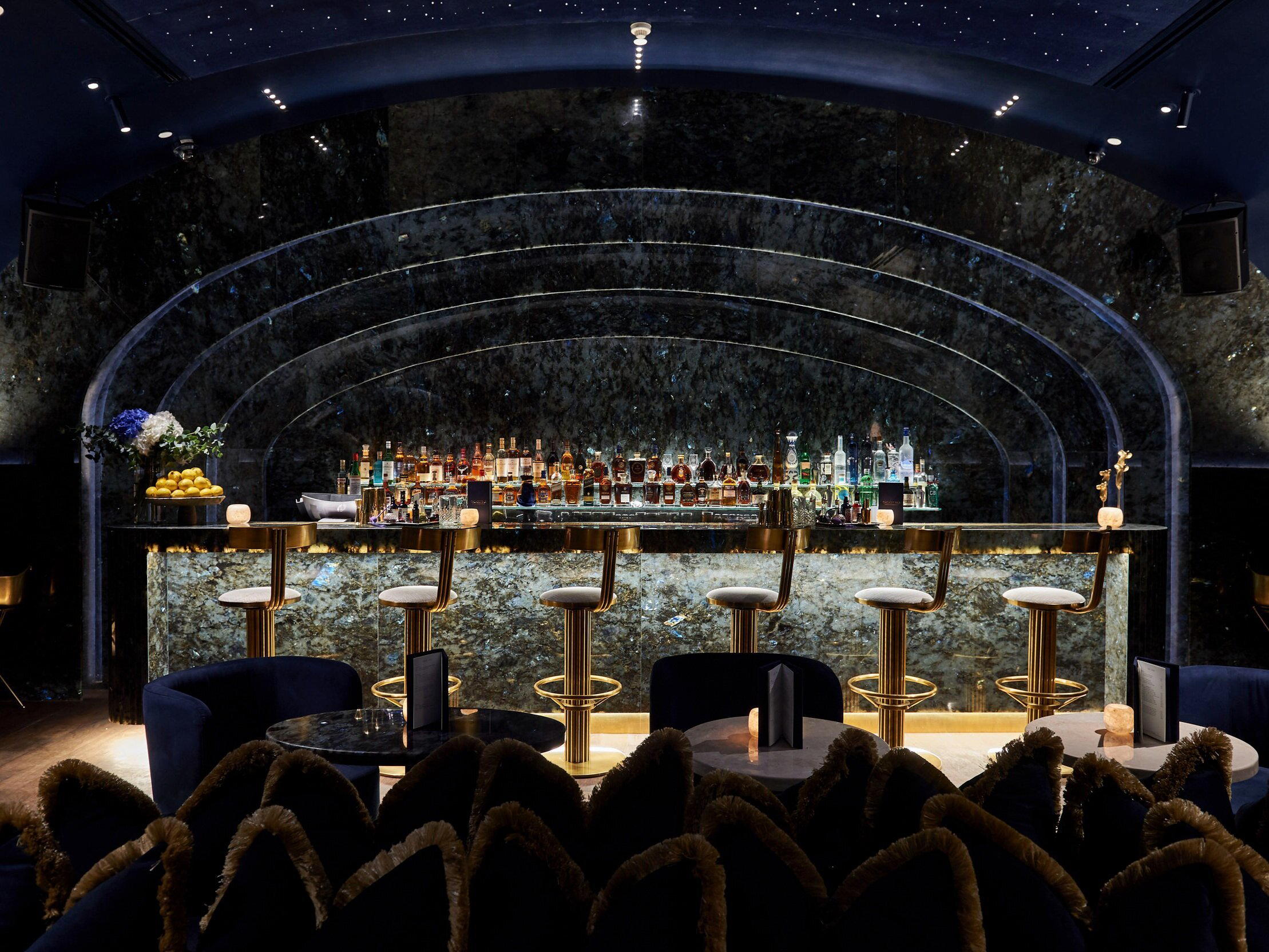
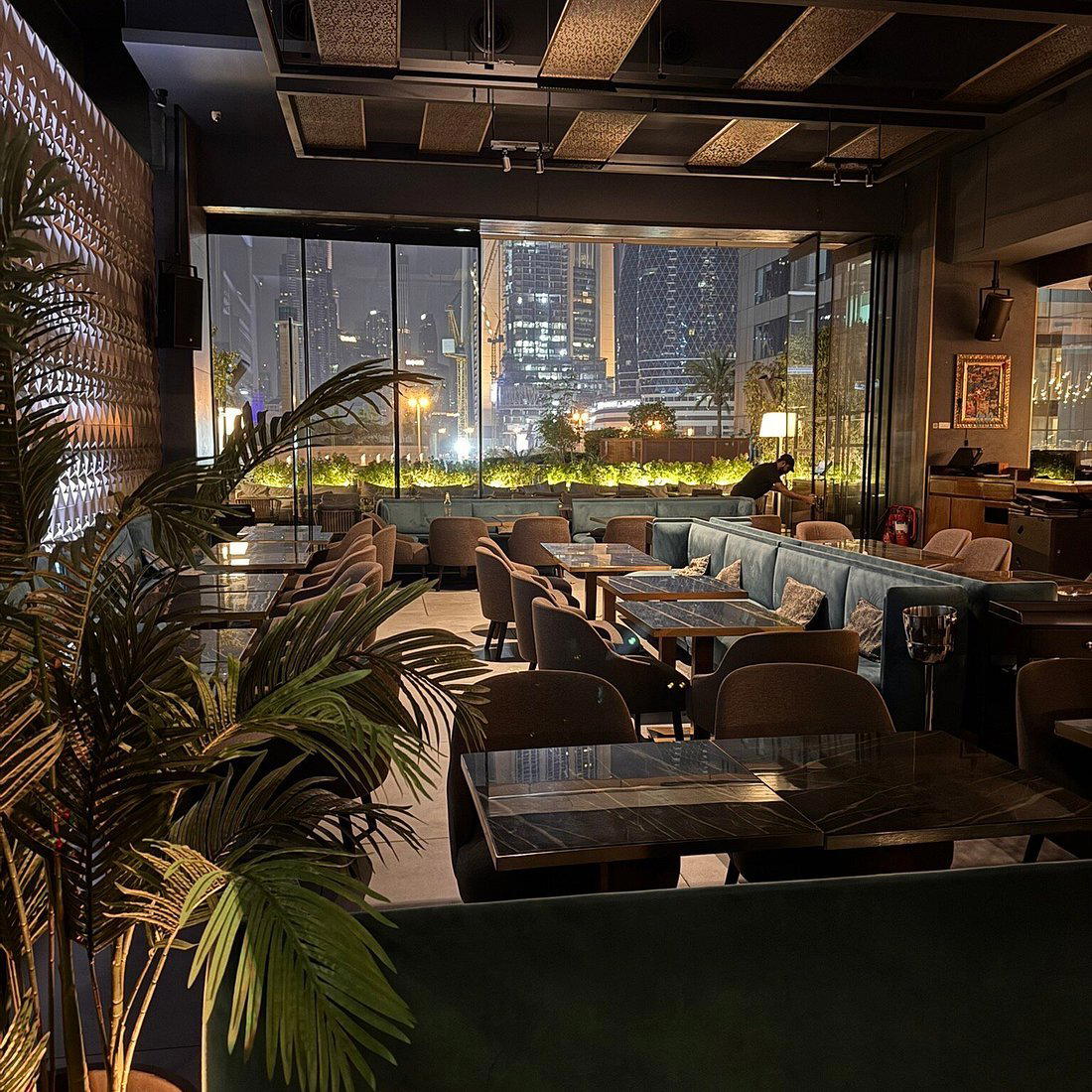
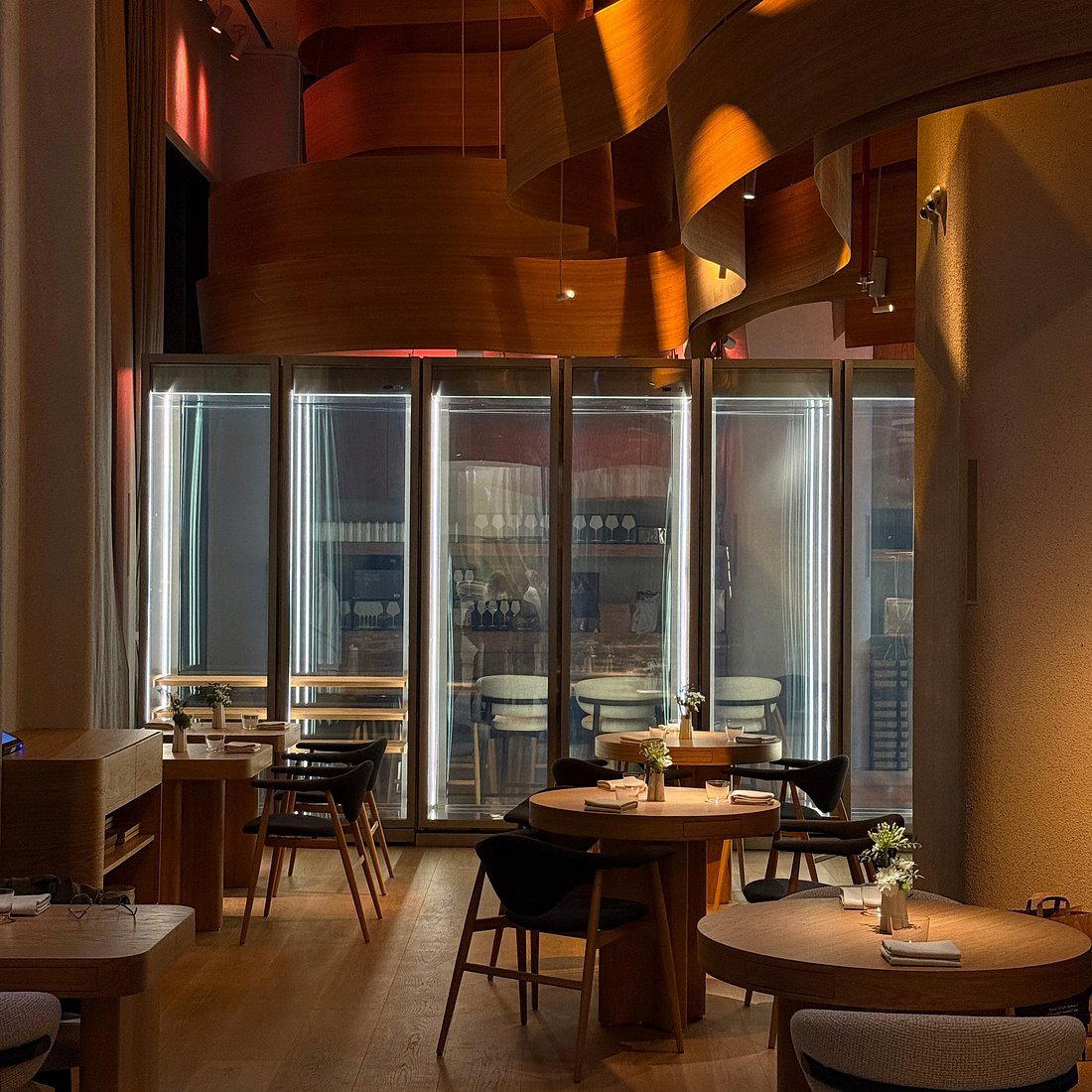
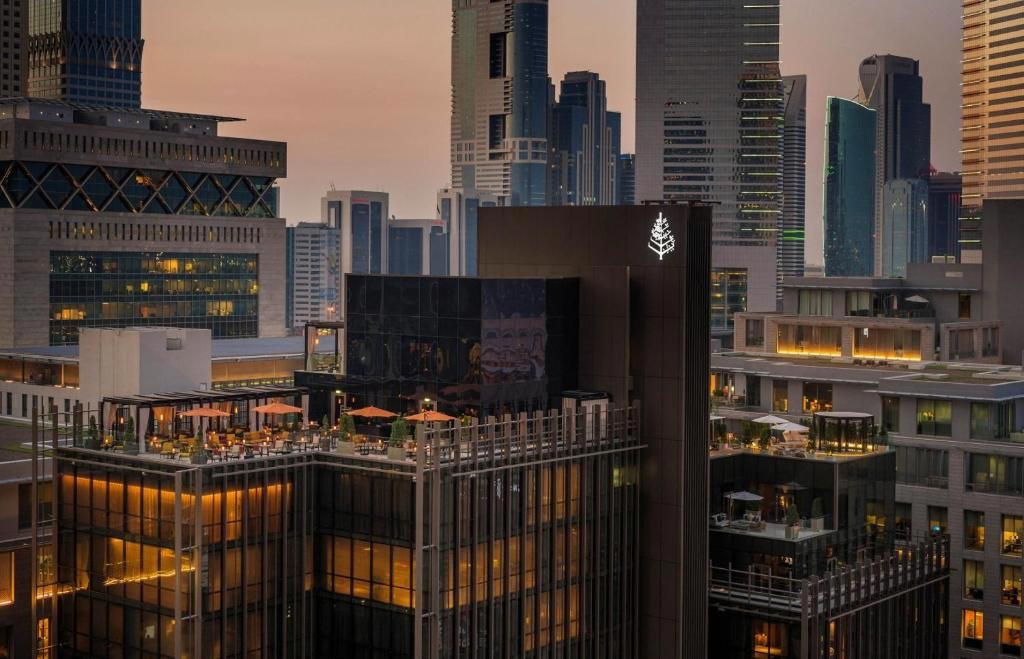
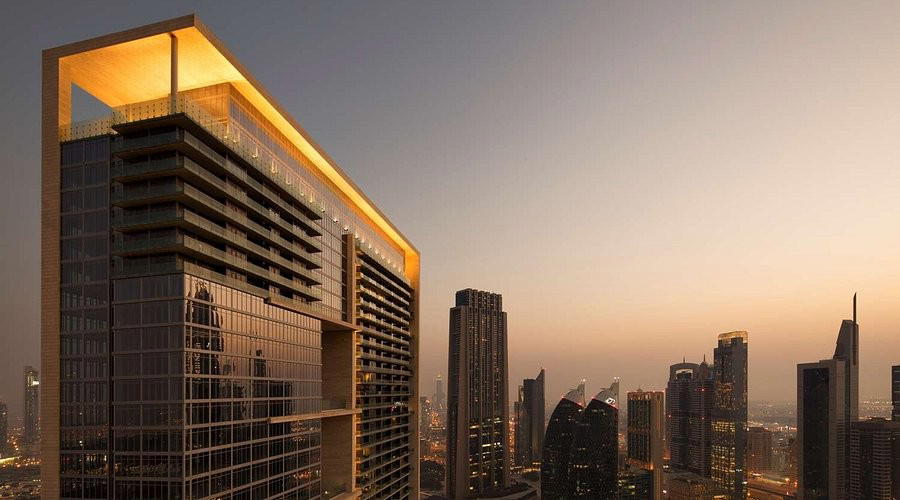
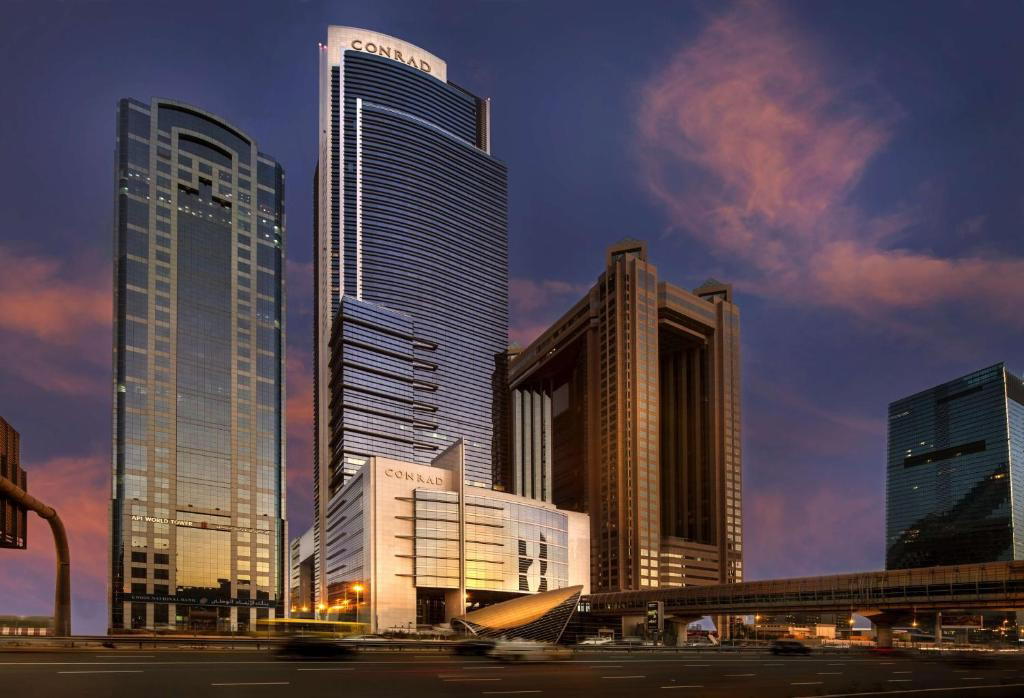
DIFC's Gate Building sets a particular kind of expectation. The financial district's architecture runs to glass towers and polished lobbies, and restaurants here compete on a different register than those in Jumeirah or Downtown: the clientele is professional, the pace driven, and the tolerance for anything that doesn't hold up under close scrutiny is low. Walking into Hutong at ground-floor level, that context is present even before you sit down. The space signals deliberate contrast, northern Chinese materiality and visual restraint inside one of Dubai's most commercially intense addresses. For regulars, that tension is part of the draw.
Northern Chinese at a DIFC Address
Dubai's Chinese restaurant market has broadened considerably over the past decade. Hakkasan Dubai anchored the Cantonese end of the market early; Mimi Mei Fair and Shang Palace have added further registers. Newer entries like Tang Town and XU Dubai have pushed the category toward more eclectic and casual formats. Hutong occupies a different position in this set: it holds to the northern Chinese tradition with a seriousness that aligns it with recognition-focused peers rather than trend-driven newcomers.
That positioning has drawn external validation. Hutong holds a Michelin Plate for both 2024 and 2025, placing it in the recognised tier of Dubai's dining infrastructure without the full-star designation that would put it in the same bracket as Avatara or 11 Woodfire. More interesting is its consecutive appearance on Opinionated About Dining's global lists: ranked #84 among leading restaurants in North America in 2025 (up from #124 in 2024) and #368 in Europe in 2025 (up from #319 in 2024). OAD rankings are crowd-sourced from serious diners rather than inspectors, which means repeat votes from people who return and pay their own bills. That trajectory upward, and across two continents' worth of comparative data, points to a kitchen that is becoming more consistent, not less.
What the Regulars Are Actually Ordering
The clearest signal of a restaurant's real standing is not its award citations but the shape of its repeat business.
Northern Chinese cooking at the level Hutong operates rewards familiarity. The tradition draws on bold, direct flavours, dried chilies, fermented pastes, roasted aromatics, and techniques that diverge substantially from the Cantonese registers more common in Dubai's Chinese dining scene. Regulars at restaurants working in this tradition tend to build their own ordering logic over time: knowing which dishes reward sharing, which require advance notice, and which are underordered by first-timers who haven't read the room yet.
For a comparative frame, it's worth noting how northern Chinese cooking is being handled in other serious dining contexts globally. Restaurant Tim Raue in Berlin has built a two-Michelin-star operation drawing from Chinese flavour logic in a European context. Mister Jiu's in San Francisco has repositioned Cantonese-American in a critically recognised way. In Japan, the seriousness with which Chinese cooking is treated, at venues like Chugoku Hanten Fureika and Chugoku Hanten Kohakukyu (Amber Palace) in Tokyo, Chi-Fu in Osaka, VELROSIER in Kyoto, and Chugokusai Naramachi Kuko in Nara, demonstrates how much depth the cuisine holds when handled with precision. Hutong's standing in the Dubai context reflects a similar seriousness, operating in a city where Chinese restaurants more typically calibrate to mass-market palatability.
DIFC as a Dining Neighbourhood
DIFC functions less like a neighbourhood and more like a vertical city: its restaurants serve the district's working population at lunch and draw from across Dubai at dinner, with a guest profile that skews toward international professionals comfortable with global fine-dining conventions. This makes it a competitive environment, but also one where a restaurant with genuine repeat business has earned it against alternatives like Al Mahara and At. Mosphere at the leading end, and a dense middle tier of globally recognised brands. For guests already planning time in the wider UAE, Erth in Abu Dhabi offers a useful regional counterpoint for serious dining 90 minutes down the road.
The address at Gate Building 6, Al Sukook Street, places Hutong in the operational core of DIFC rather than on its hospitality periphery, a ground-floor location inside the district's primary commercial architecture. Reservations are advisable; the combination of a small, specific dining category (northern Chinese at the leading price tier), a loyal regular base, and external recognition means availability is tighter than the room's address might suggest for a walk-in.
Planning Your Visit
Hutong sits at the $$$$ price tier, consistent with DIFC's fine-dining bracket and with peers like Al Mahara and At. Mosphere at the top of the Dubai market. The Michelin Plate designation and OAD rankings make this a relevant stop for guests building a serious dining itinerary in Dubai rather than those looking for a casual Chinese meal. First-time visitors would do well to approach the menu with curiosity about the northern Chinese tradition specifically, rather than expecting the Cantonese reference points more common across the city. Return visits are where the ordering logic deepens, which is precisely what the regulars have already worked out.
For further reading on where Hutong sits within Dubai's broader dining, hospitality, and nightlife infrastructure, EP Club's full Dubai restaurants guide, Dubai hotels guide, Dubai bars guide, Dubai wineries guide, and Dubai experiences guide cover the full scope of the city's premium offering.
Frequently asked questions
What kind of cuisine does Hutong serve?
Who is the chef at Hutong?
The chef associated with Hutong is Fei Wang.
What do regulars order at Hutong?
Hutong's repeat customers tend to gravitate toward the northern Chinese preparations that distinguish the kitchen from Dubai's predominantly Cantonese competition. Chef Fei Wang's focus on northern regional cooking gives the menu a different register from neighbours like Hakkasan, and that specificity appears to drive the loyalty. For the most current menu detail, checking directly with the restaurant before visiting is advisable.
What's the price range at Hutong?
Pricing at Hutong is listed as $$$$.
What's Hutong's location?
Hutong is located at Ground Floor DIFC - Gate Building 6 - Al Sukook Street - Zaa'beel Second - DIFC - Dubai - United Arab Emirates, Dubai.
Is Hutong award-winning?
Hutong has received recognition including: Opinionated About Dining Top Restaurants in North America Ranked #84 (2025); Opinionated About Dining Top Restaurants in Europe Ranked #368 (2025); Michelin Plate (2025); Opinionated About Dining Top Restaurants in North America Ranked #124….
At a Glance
| Venue | Cuisine | Price | Awards | Notes |
|---|---|---|---|---|
| HutongThis venue (the venue you are viewing) | Northern Chinese | $100–150 | Michelin Plate · Gault & Millau UAE Selected Restaurant | Not listed |
| 11 Woodfire | Modern Woodfire Grill | $150–200 | 1 Michelin Star · World's 50 Best #14 | Modern Cuisine |
| Avatara Restaurant | Modern Vegetarian Indian Fine Dining | Not listed | 1 Michelin Star · Gault & Millau UAE Selected Restaurant | Indian |
| Al Mahara | Modern Italian Seafood | $300–500 | Michelin Plate · World's 50 Best #31 | Seafood |
| Zuma | Modern Japanese Izakaya | $150–200 | Michelin Plate · World's 50 Best #34 | Japanese - Asian, Japanese, Japanese Contemporary |
| City Social | Modern European with Japanese influences | $150–200 | Michelin Plate · Star Wine List | Modern British, Modern Cuisine |
Recognition history
Dated appearances from independent guides and award organizations, with the underlying list record or original source where available.
Michelin Plate
Michelin
Gault & Millau UAE Selected Restaurant
Gault & Millau · Gault & Millau UAE 2026 - Selected Restaurant
Opinionated About Dining Top Restaurants in North America Ranked #84
Opinionated About Dining
Full recognition history (8 entries)
Opinionated About Dining Top Restaurants in Europe Ranked #368
Opinionated About Dining
Michelin Plate
Michelin
Opinionated About Dining Top Restaurants in North America Ranked #124
Opinionated About Dining
Opinionated About Dining Top Restaurants in Europe Ranked #319
Opinionated About Dining
Opinionated About Dining Top Restaurants in North America Highly Recommended
Opinionated About Dining