Mimi Kakushi





Michelin Plate · World's 50 Best #35 · Gault & Millau UAE Selected Restaurant
Our verdict
At the Four Seasons Dubai Jumeirah Beach, Mimi Kakushi draws its references from 1920s Osaka, pairing an era of Japanese cultural flourishing with a contemporary kitchen that applies global technique to quality-sourced ingredients. Ranked 37th at the World's 50 Best Restaurants MENA 2024, it sits at the sharper end of Dubai's Japanese dining tier, where atmosphere and culinary craft are expected to operate at the same level.

Pearl is the En Primeur Club membership app, where members save venues, book tables and use the concierge.
The menu
What to order
- Black Cod Gyoza
- Wagyu Foie Gras Gyozas
- Smashed Hamachi
- Braised Short Rib
Where 1920s Osaka Meets the Dubai Waterfront
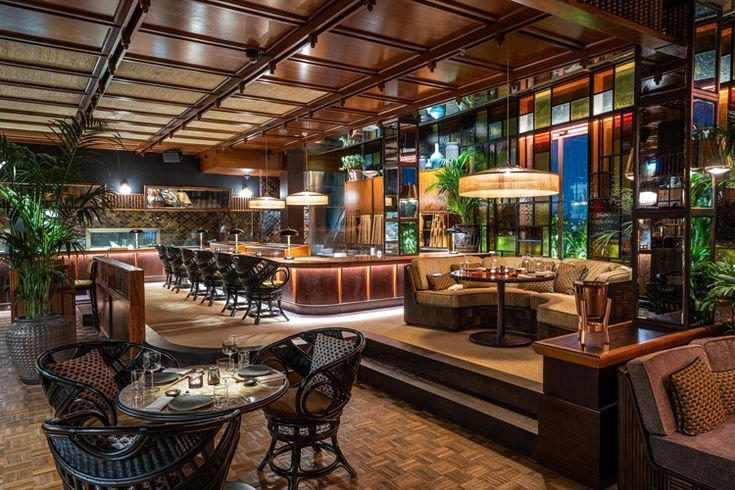
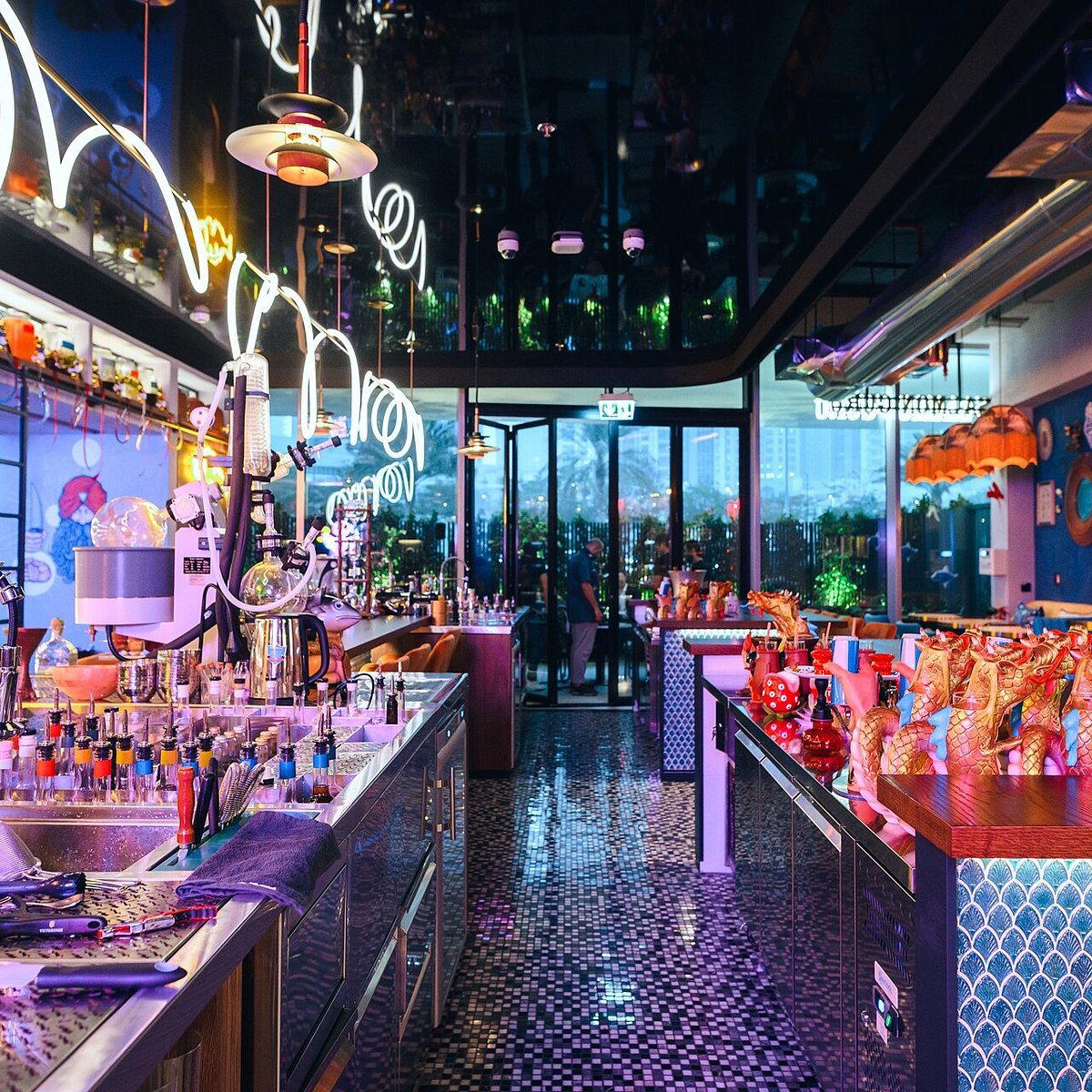
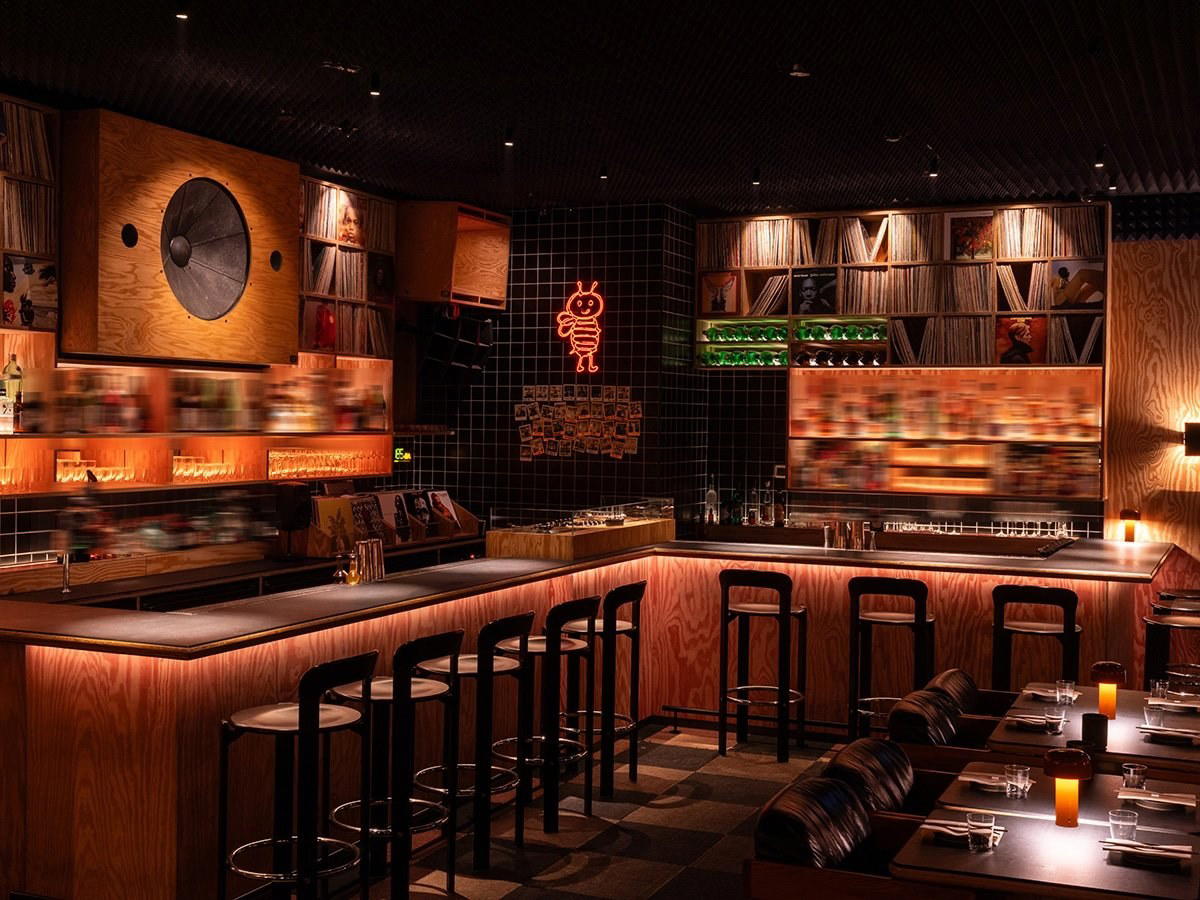
The entrance to Mimi Kakushi sets a particular kind of expectation. The space, housed within the Four Seasons Resort on Jumeirah Beach's Restaurant Village, is built around the aesthetic vocabulary of 1920s Japan: exotic décor, a sultry soundtrack, and an atmosphere that manages to feel both theatrical and intimate simultaneously. There are lively communal zones and quieter corners, and the design choice to draw from pre-war Osaka rather than contemporary Tokyo is pointed. That era was one of Japan's most outward-looking periods, when Western and Eastern influences collided in fashion, music, and food. The restaurant's name references a popular hairstyle of the period, a detail that signals the level of specificity behind the concept. For anyone paying attention, the room is already making an argument about the cuisine before the first dish arrives.
The Japanese Contemporary Tier in Dubai
Dubai's Japanese dining scene has stratified considerably over the past decade. At the broadest level, there are casual sushi operations and izakaya-format spots that serve the city's enormous appetite for Japanese food at accessible price points. Above that sits a mid-tier of polished, internationally branded concepts. Then there is a smaller group of restaurants that compete on both culinary ambition and atmosphere, where a $$$$-tier price point is backed by a credentials-led case for the spend. Mimi Kakushi occupies this upper bracket. Its placement at number 37 in the World's 50 Best Restaurants MENA 2024 ranking positions it inside a peer group that includes the region's most recognised dining addresses. For comparison, the broader Dubai Japanese field includes venues like Zuma at the $$$ tier, Armani Hashi, and Akira Back, each with distinct positioning. Mimi Kakushi's recognition places it in a narrower set where atmosphere is not an alternative to culinary seriousness but a parallel track.
Technique, Ingredients, and the Contemporary Japanese Framework
The editorial angle that defines contemporary Japanese cuisine in a city like Dubai is necessarily about the gap between technique and sourcing. Japan's culinary tradition is among the most ingredient-centric in the world: the quality and provenance of a fish or a vegetable carries as much weight as how it is prepared. When that tradition is transplanted, or more accurately reinterpreted, in a Gulf context, the kitchen faces a specific problem. Local Gulf waters offer distinct seafood. Regional producers are increasingly capable of supplying quality produce. But the canon of Japanese ingredients, the specific varieties of rice, the aged vinegars, the farmed wagyu bloodlines, largely needs to travel. The approach that defines the better end of contemporary Japanese outside Japan is to treat imported technique and imported flagship ingredients as the structural backbone, then allow local and regional produce to inflect the menu where it adds rather than substitutes. Mimi Kakushi's kitchen is described as working with good quality ingredients to create classic Japanese dishes with a contemporary twist, a framing that places it in this tradition of disciplined adaptation rather than wholesale reinvention.
That framing matters for how you read the menu. The "contemporary twist" that appears in descriptions of the food is not the same as fusion in the 1990s sense. In the current generation of Japanese contemporary restaurants, from Eika in Taipei to Sankai by Nagaya in Istanbul, the operative principle is that Japanese technique is the constant and local or global ingredients are the variable. The result is food that reads as Japanese in structure and discipline but reflects the specific context in which it is being made. At Murakami in São Paulo that means Brazilian produce; in Dubai, it means a Gulf sourcing context filtered through Japanese precision.
Service as Part of the Experience
One of the more consistent observations about Mimi Kakushi across the period since its opening is the quality of its service operation. The team is described as enthusiastic and young, and the service structure as well-organised. In a city where high-end restaurants frequently import staff from established hospitality markets and rotate them quickly, a young team with genuine engagement is worth noting. Dubai's hospitality labour market is competitive and turnover is high; a restaurant that builds and retains a coherent service culture is doing something structurally right, not just in hiring terms but in kitchen leadership and front-of-house management. That kind of service consistency is part of what separates the 50 Best MENA field from the wider market.
Atmosphere as Culinary Argument
The 1920s Osaka reference is not simply a design brief. That decade in Japan was the height of the mobo and moga cultural movement, when cosmopolitan urban youth adopted global aesthetics while retaining distinctly Japanese sensibilities underneath. The food culture of the period was similarly hybrid: Western restaurant formats, French and Chinese techniques, and Japanese ingredients coexisting in Osaka's dense food neighbourhoods. A restaurant that names itself after a hairstyle from this period and builds its aesthetic around it is making a conscious claim that hybridity and cultural confidence are not opposites. In Dubai, a city built on the same logic of global convergence, that argument has specific resonance. The room's sultry soundtrack and intimate corners are not decoration; they are a position statement about what contemporary Japanese dining can look like when it is not trying to replicate a Tokyo counter experience in a different geography.
How Mimi Kakushi Compares Across the Region
The World's 50 Best MENA ranking places Mimi Kakushi in a regional competitive set that extends beyond Dubai. For context on Japanese contemporary in the broader Gulf region, NIRI in Abu Dhabi represents a comparable ambition level in a different city context. Further afield, the category reaches from The Japanese Restaurant in Andermatt to 893 Ryotei in Berlin and Izakaya in Zagreb, each navigating the same tension between imported Japanese canon and local context. Within Dubai specifically, the restaurants that operate closest to Mimi Kakushi's combination of atmosphere, price, and recognition include Clap and, at a lower price tier, 3Fils, which has built one of the city's most loyal followings through a different but equally credentialed Japanese-influenced approach. For those exploring the full spectrum of Dubai's dining scene, our full Dubai restaurants guide maps the broader field, and our Dubai bars guide, hotels guide, and experiences guide cover the rest of the city's premium offer.
Planning a Visit
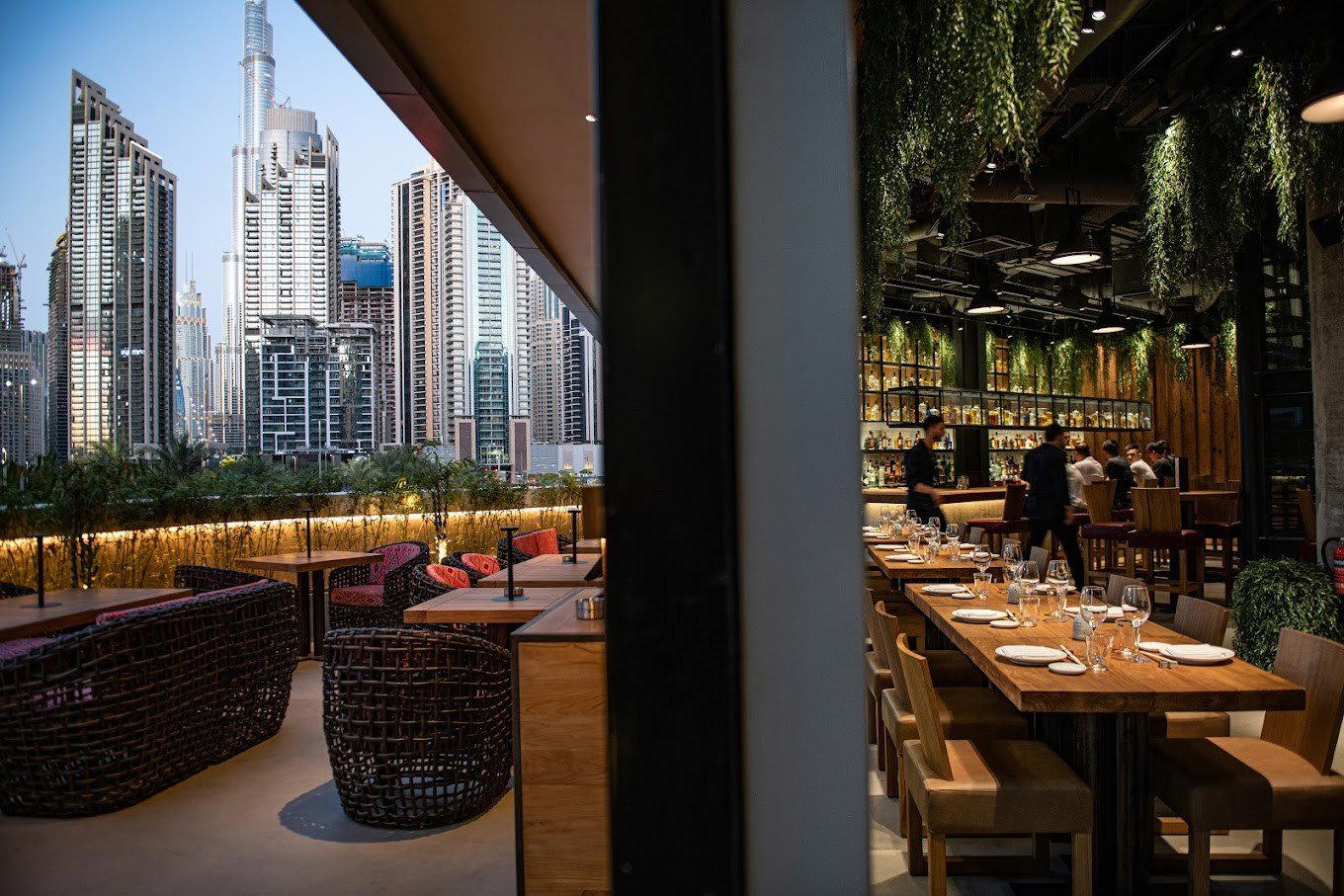
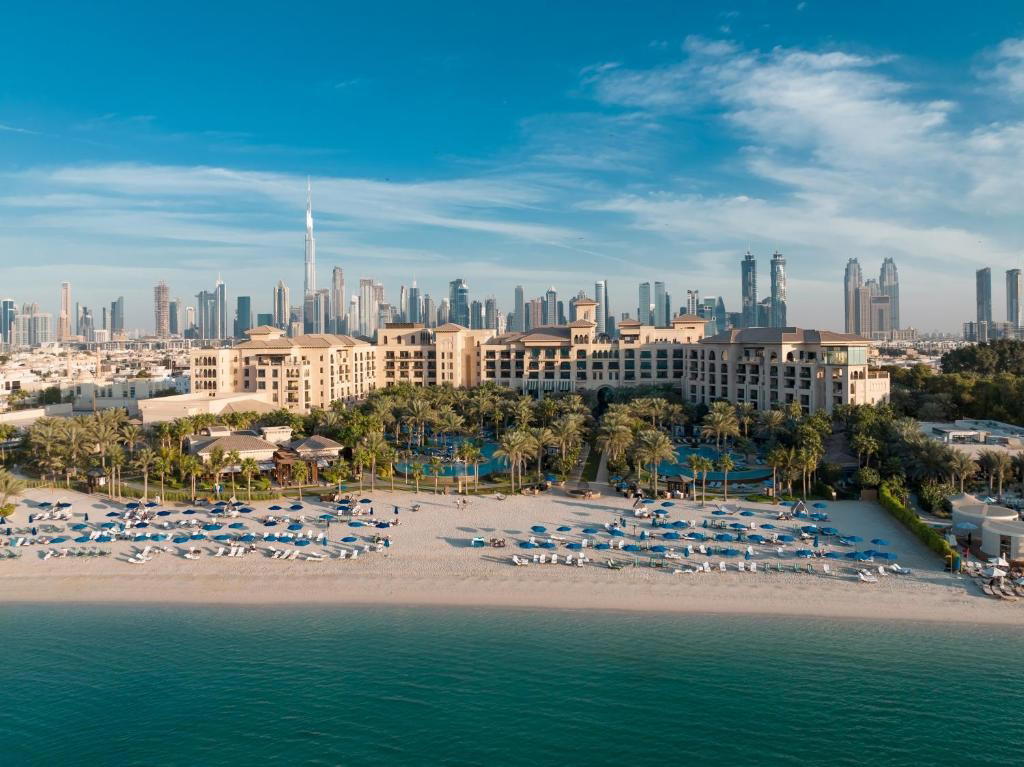
Mimi Kakushi sits within the Four Seasons Resort Dubai at Jumeirah Beach, in the property's dedicated Restaurant Village on 23A Street, Jumeirah 2. The Four Seasons address means valet and hotel parking infrastructure, which matters in Jumeirah's beach-road traffic. For a broader picture of the area's dining options and how Mimi Kakushi fits into Dubai's Japanese dining trajectory alongside venues like 99 Sushi Bar, check our Dubai restaurants guide. Those extending the trip regionally should note that Erth in Abu Dhabi offers a contrasting approach to local-ingredient cuisine about an hour's drive away, and our Dubai wineries guide rounds out the regional drinks picture.
Frequently Asked Questions
- What is the leading approach to ordering at Mimi Kakushi? The menu is structured around contemporary Japanese cooking, with classic dishes given a measured modern treatment. The kitchen works with quality ingredients applied to Japanese culinary frameworks, so dishes rooted in that tradition, raw preparations, grilled items with Japanese seasoning profiles, composed plates built on precision rather than abundance, are where the kitchen's competency shows most clearly. Mimi Kakushi's MENA 50 Best ranking is partly a recognition of culinary consistency, so ordering broadly across the menu rather than defaulting to the most familiar items is the better strategy.
- How difficult is it to secure a reservation? At $$$$-tier in Dubai, demand tracks the city's business and leisure calendar closely. The MENA 50 Best ranking creates a floor of inbound interest from regional visitors who use that list as a dining itinerary; this means tables at peak times, particularly Thursday and Friday evenings and weekend lunches during Dubai's main season (October through April), fill quickly. Outside peak season, the booking window compresses. Contacting the Four Seasons concierge directly is the most reliable route, as the hotel infrastructure gives the restaurant a booking management system with more flexibility than standalone venues typically offer.
- What does Mimi Kakushi do with particular consistency? The combination of atmosphere and service is where Mimi Kakushi's reputation is most grounded. The 1920s Osaka aesthetic is executed with enough specificity to function as more than surface décor, and the service team's enthusiasm is noted consistently across the public record. On the culinary side, the kitchen's strength is in applying Japanese technique with discipline rather than spectacle, a quality that distinguishes it from Dubai's more theatrical Japanese dining concepts and places it closer to the approach taken by the better contemporary Japanese addresses in cities like Istanbul and Taipei.
The Quick Read
A quick peer list to put this venue’s basics in context.
| Venue | Cuisine | Price | Awards | Notes |
|---|---|---|---|---|
| Mimi KakushiThis venue (the venue you are viewing) | Modern Japanese | $150–200 | Michelin Plate · World's 50 Best #35 | Not listed |
| 11 Woodfire | Modern Woodfire Grill | $150–200 | 1 Michelin Star · World's 50 Best #14 | Modern Cuisine |
| Avatara Restaurant | Modern Vegetarian Indian Fine Dining | Not listed | 1 Michelin Star · Gault & Millau UAE Selected Restaurant | Indian |
| Al Mahara | Modern Italian Seafood | $300–500 | Michelin Plate · World's 50 Best #31 | Seafood |
| Zuma | Modern Japanese Izakaya | $150–200 | Michelin Plate · World's 50 Best #34 | Japanese - Asian, Japanese, Japanese Contemporary |
| City Social | Modern European with Japanese influences | $150–200 | Michelin Plate · Star Wine List | Modern British, Modern Cuisine |
Recognition history
Dated appearances from independent guides and award organizations, with the underlying list record or original source where available.
Michelin Plate
Michelin
World's 50 Best MENA's Best Restaurants #35
World's 50 Best
Gault & Millau UAE Selected Restaurant
Gault & Millau · Gault & Millau UAE 2026 - Selected Restaurant
Tales Spirited Awards Best International Bar Team – Middle East & Africa * Regional Top 10 Honoree
Tales Spirited Awards
Top 500 Bars Best Bars #64
Top 500 Bars
Full recognition history (9 entries)
World's 50 Best MENA's Best Restaurants #37
World's 50 Best
World's 50 Best Bars #36
World's 50 Best
World's 50 Best Bars #40
World's 50 Best
World's 50 Best Bars #40
World's 50 Best
Continue exploring
More in Dubai
Restaurants in Dubai
All restaurants in Dubai →
Bars in Dubai
All bars in Dubai →
Details
- Elegant
- Sophisticated
- Trendy
- Intimate
- Date Night
- Business Dinner
- Special Occasion
- Open Kitchen
- Design Destination
- Hotel Restaurant
- Craft Cocktails
- A La Carte
- Small Plates
- Craft Cocktails
- Vegetarian Friendly
- Vegan Options
- Allergy Accommodating
Current opening hours
- Monday
- 12 PM–2 AM
- Tuesday
- 12 PM–2 AM
- Wednesday
- 12 PM–2 AM
- Thursday
- 12 PM–2 AM
- Friday
- 12 PM–2 AM
- Saturday
- 12 PM–2 AM
- Sunday
- 12 PM–2 AM
Hours can change for holidays and private events. Hours as of .
Dim lighting with beautiful lights, old-world glamour, jazzy vibes, and a lively yet intimate atmosphere.