
Tabelog 100 #70
Our verdict
Saffron gives Yanagawa a different kind of lunch address: not eel-house ceremony, but yoshoku comfort built around hamburger steak. Its selection for Tabelog 100 Yoshoku WEST 2025 and 2023 places a modest house restaurant inside a regional conversation usually dominated by bigger-city dining rooms.

Pearl is the En Primeur Club membership app — saves, bookings, and concierge access live there. Same editors, same standards.
- Address
- 121-2 Mitsuhashimachi Kamafunatsu, Yanagawa, Fukuoka 832-0827, Japan
- Phone
- +81 944-73-1701
- Hours
- Mon–Tue 11 AM–3 PMWed–Thu ClosedFri–Sun 11 AM–3 PM
- Website
- tabelog.com
- Directions
- Get directions
The menu
What to order
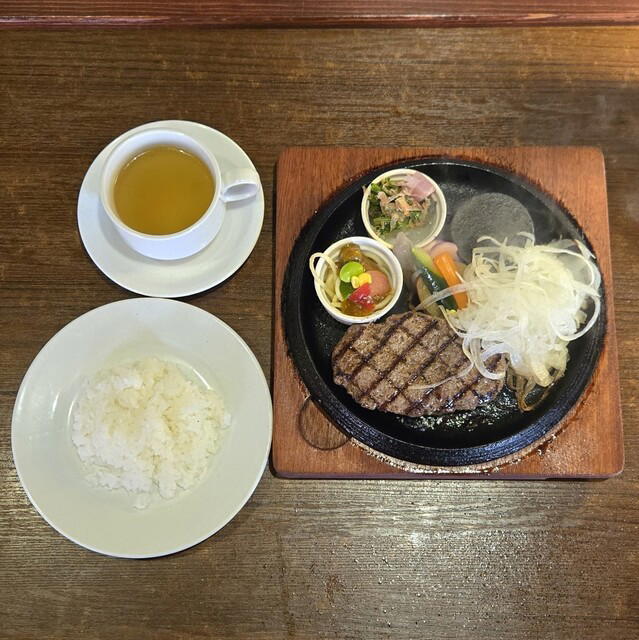
- Cheese sauce hamburger steak
- Hamburger steak
Approaching Saffron in Yanagawa resets expectations before the first plate. This canal city is often framed by its best-known local dining traditions, but Saffron sits in a quieter register: approachable, focused, and centered on hamburger steak, a category built on consistency, heat control, and timing rather than spectacle.
That matters because hamburger steak is judged by small differences. It can feel like family food, a simple lunch, nostalgic comfort cooking, or serious craft depending on texture and balance. The category rewards restraint: the plate must feel generous without becoming heavy, and familiar ideas must feel considered. Saffron’s recognition in the 2025 Tabelog Hyakumeiten context places it among restaurants with sustained diner attention rather than passing novelty.
Yanagawa yoshoku, away from the eel-house script
Yanagawa’s dining identity is often anchored by its long-running local specialties. Ganso Motoyoshiya Honten represents one of the city’s better-known traditional reference points. Saffron works differently. Its appeal is not ceremonial; it argues that serious small-city eating can also arrive through a focused hamburger-steak meal and familiar comfort-food logic.
Hamburger steak in Japan is not simply a bunless American burger. It belongs to a lineage of knife-and-fork service, set-meal rhythms, and sauces adapted to everyday dining rather than fast food. Handling matters because the form is familiar. Within a narrow category, texture, seasoning, and balance carry the argument. The dish has few places to hide.
For travellers mapping Yanagawa beyond one classic meal, the distinction is useful. The city’s canals and old merchant-town texture invite slow itineraries, but dining can feel repetitive if every plan bends toward the same specialty. Saffron gives the day another shape: a hamburger-steak stop rooted in local routine as much as visitor curiosity. For broader planning, our full Yanagawa restaurants guide places it alongside the city’s other dining choices, while our full Yanagawa hotels guide, our full Yanagawa bars guide, our full Yanagawa wineries guide, and our full Yanagawa experiences guide frame the wider stay.
Why hamburger steak is a sharper test than it looks
Hamburger steak is underestimated because it is so readable. The diner knows what the plate should do before it lands, and that familiarity raises the standard. A kitchen must control juiciness without luxury signals, season confidently, and keep the overall impression from turning blunt. In regional Japan, where lunch pricing can stay accessible, the better versions depend on repetition and control: a focused format, a practiced kitchen, and enough consistency to make a humble category worth seeking out.
Saffron’s Tabelog score of 3.67 and selection in the 2025 Hyakumeiten context matter as context, not decoration. Tabelog’s Hyakumeiten lists tend to surface category specialists: restaurants and counters drawing repeat diners because the format is focused. In that sense, Saffron is closer to single-category Japanese dining than to a broad Western restaurant. The category listed is hamburger steak, and that narrowness is the point.
The comparison set clarifies the decision. Yanagawa’s traditional dining rooms ask for a more deliberate meal, culturally and financially. Nearby casual names such as Saga Ramen Ichigen. or Wakayanagi Shokudo answer different cravings. Saffron occupies a useful middle ground: accessible, specific, and recognized within its category. It suits a day that calls for craft without ceremony.
How to place it in a Japan dining itinerary
For travellers moving through Japan, Saffron shows that serious eating is not confined to sushi counters, kaiseki rooms, or reservation-heavy urban restaurants. The country’s food culture is equally strong in narrowly defined everyday genres, where repetition creates authority. A hamburger-steak specialist in Yanagawa may lack the international shorthand of omakase, but the discipline is comparable in one respect: the format is tight enough that small failures show.
That makes the restaurant more compelling for diners attentive to category depth than for those chasing luxury cues. The setting reads practical rather than staged, and the listed lunch budget of JPY 1,000 - JPY 1,999 keeps the meal approachable. Saffron is best understood as a practical, focused stop in Yanagawa rather than a grand destination meal built around ceremony.
Use it as a counterpoint, not a replacement, to the city’s classic dining patterns. A strong Yanagawa day might pair canals, local history, and one traditional restaurant with a hamburger-steak lunch on another day. For readers building a wider Japan list by genre rather than city alone, compare the category logic with other focused dining rooms across the country. The through-line is not cuisine type; it is Japan’s habit of turning a focused format into a destination.
For contrast across the broader EP Club map, see how meat-led, casual, and specialist formats change by city, from unnamed grill counters and casual rice-focused rooms to small restaurants built around one repeatable idea. Outside Japan, Japanese categories shift again when transplanted, but Yanagawa’s advantage is proximity to the tradition’s everyday source.
Frequently asked questions
Does Saffron work for a family meal?
Yes. The lunch budget is listed at JPY 1,000 - JPY 1,999, which keeps it accessible for a family stop in Yanagawa. The hamburger-steak focus also makes the meal easy to understand for a range of diners.
Is Saffron better for a quiet night or a lively one?
It is better approached as a low-key Yanagawa meal than as a nightlife choice. The 2025 Tabelog Hyakumeiten recognition signals serious local standing, but the appeal is focused and informal rather than late-night or theatrical.
Is Saffron expensive?
Pricing at Saffron is listed as JPY 1,000 - JPY 1,999 View spending breakdown.
Where is Saffron located?
Yanagawa.
In Context: Similar Options
Comparable venues by cuisine and price in the same metro.
| Venue | Cuisine | Price | Awards | Notes |
|---|---|---|---|---|
| SaffronThis venue — the venue you are viewing | Japanese-style Western hamburger steak (yoshoku) | $10–20 | Tabelog 100 #70 | Not listed |
| Ganso Motoyoshiya Honten | Traditional Yanagawa Unagi (Seiro-mushi) | $50–100 | Tabelog 100 #46 | Yanagawa |
| Ikkaku | Kagawa Honetsukidori Grilled Chicken | $20–30 | Not listed | Takamatsu |
| Boteyan (ぼてやん多奈加) | Okonomiyaki & Yakisoba | $10–20 | Tabelog 100 #94 | Toyama Station area |
| Kawakami-an (軽井沢 川上庵) | Japanese Soba | $20–30 | Tabelog 100 #11 | Karuizawa |
| Hirome Market | Kochi Street Food Market with Seared Bonito | $10–20 | Not listed | Obiyamachi |
Recognition history
Dated appearances from independent guides and award organizations, with the underlying list record or original source where available.
Tabelog 100 #70 · No. 70
Tabelog · Tabelog 100 - Yoshoku - WEST - 2025

Details
- Cozy
- Classic
- Casual Hangout
- Group Dining
- Solo
- Family
- Standalone
- A La Carte
Current opening hours
- Monday
- 11 AM–3 PM
- Tuesday
- 11 AM–3 PM
- Wednesday
- Closed
- Thursday
- Closed
- Friday
- 11 AM–3 PM
- Saturday
- 11 AM–3 PM
- Sunday
- 11 AM–3 PM
Hours can change for holidays and private events. Last verified .
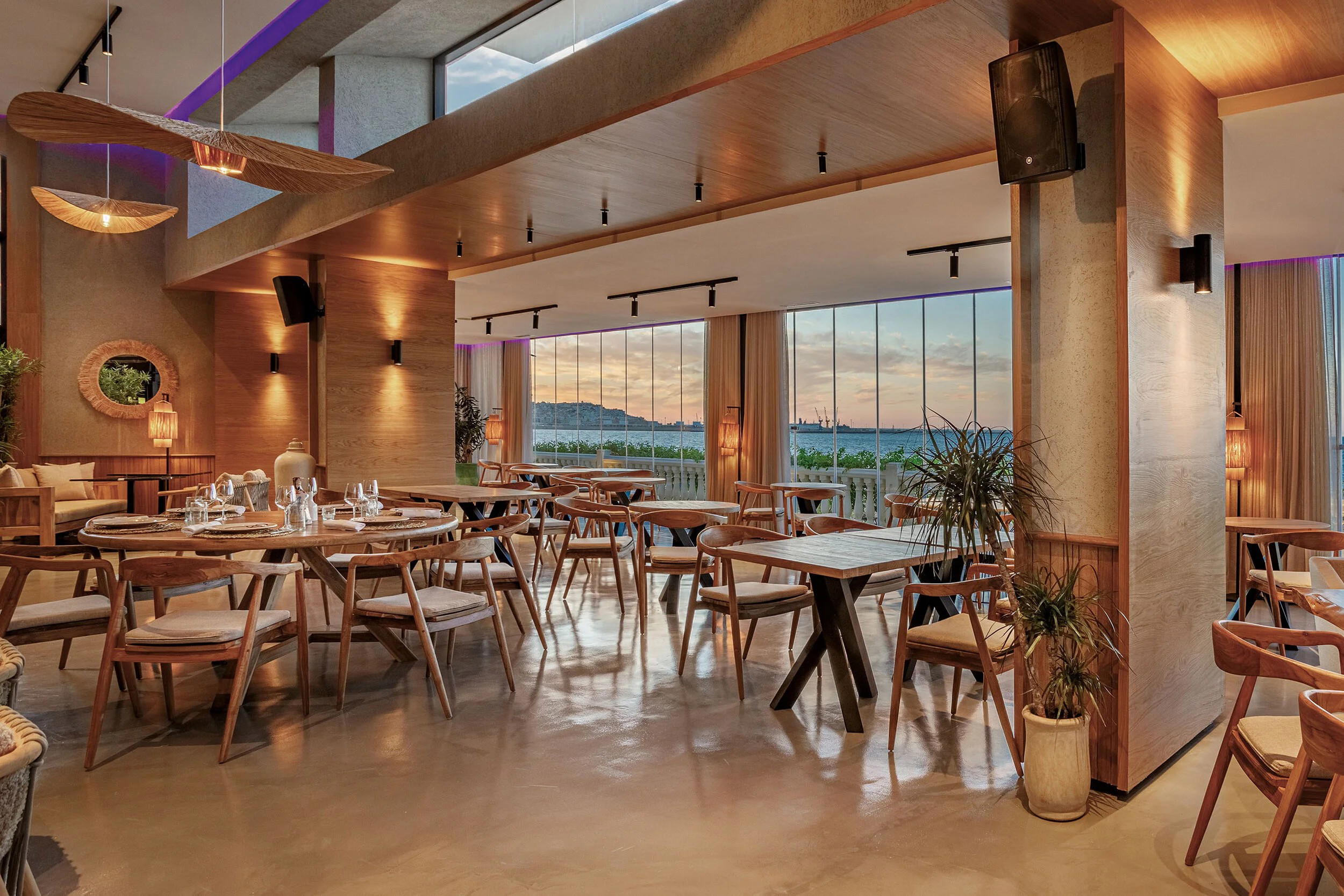
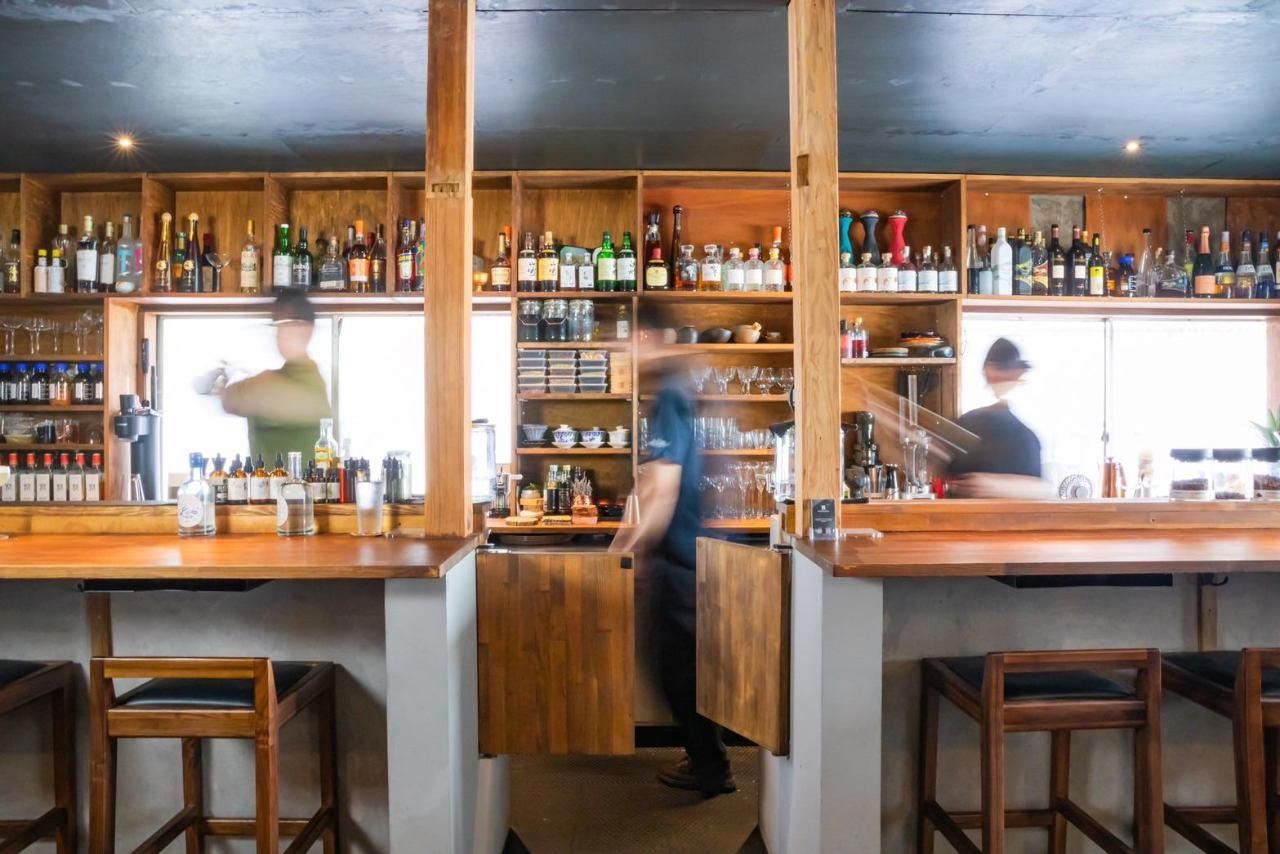
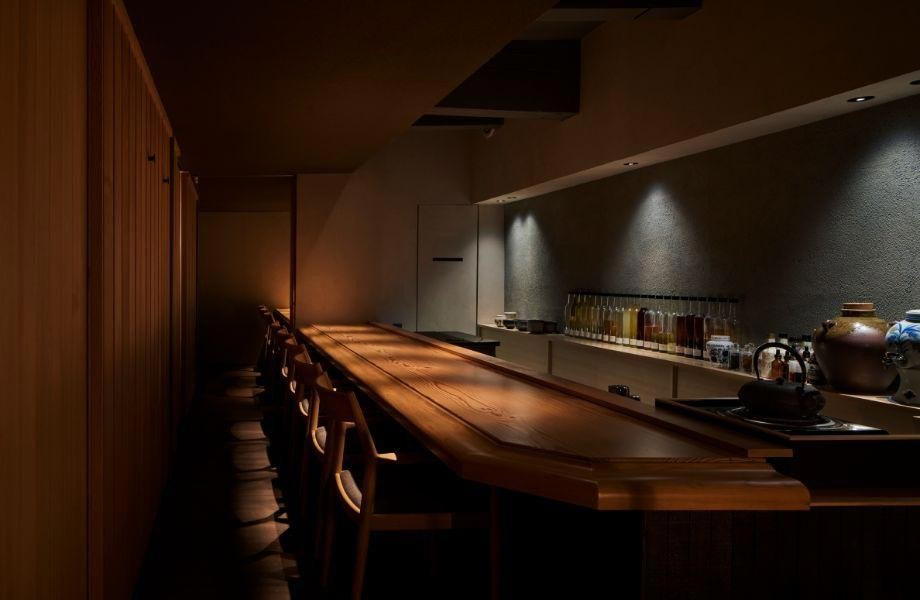
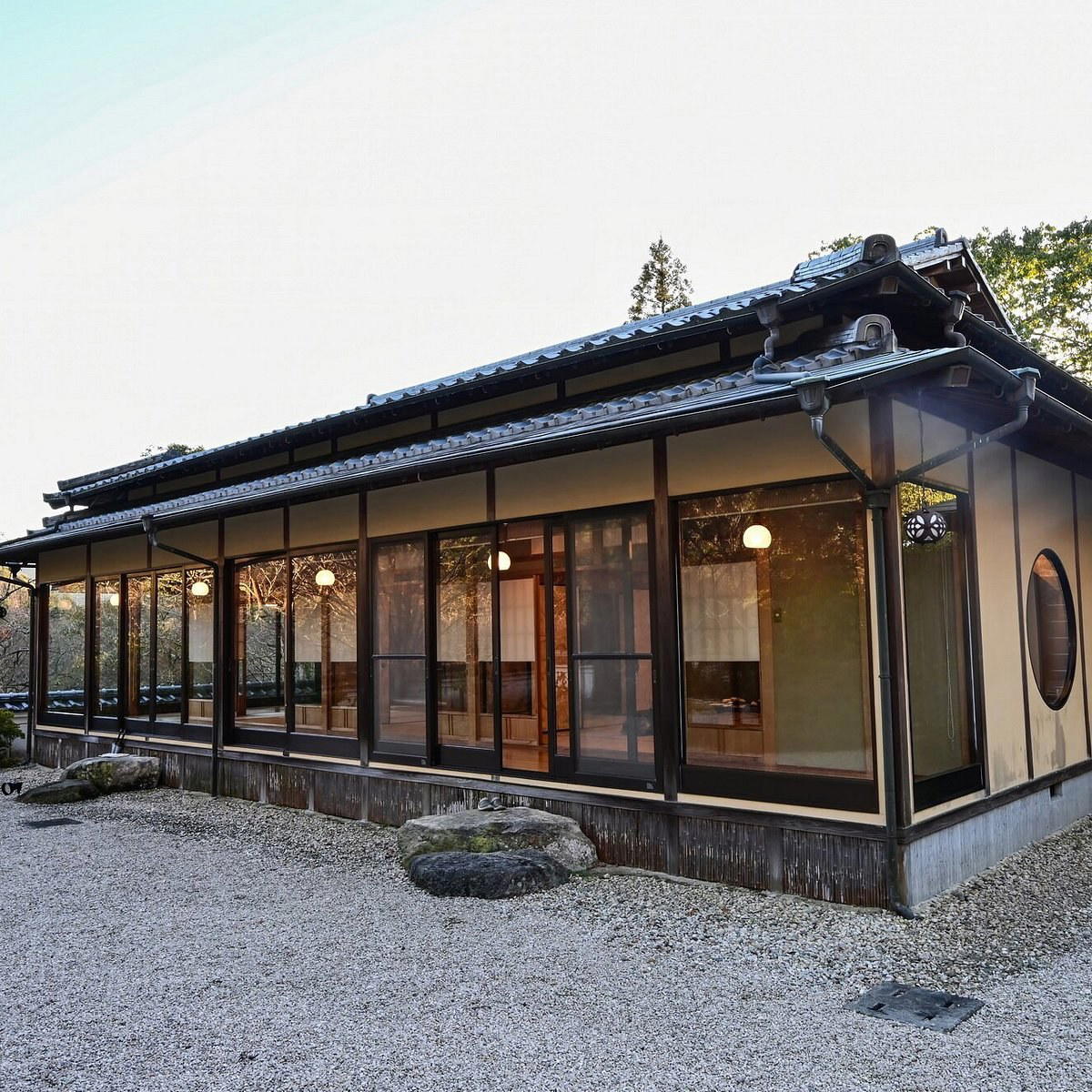
Relaxed, homey house-restaurant setting with a simple Western-style interior and a calm atmosphere suited to casual lunches with friends.