
Tabelog 100 #11
Our verdict
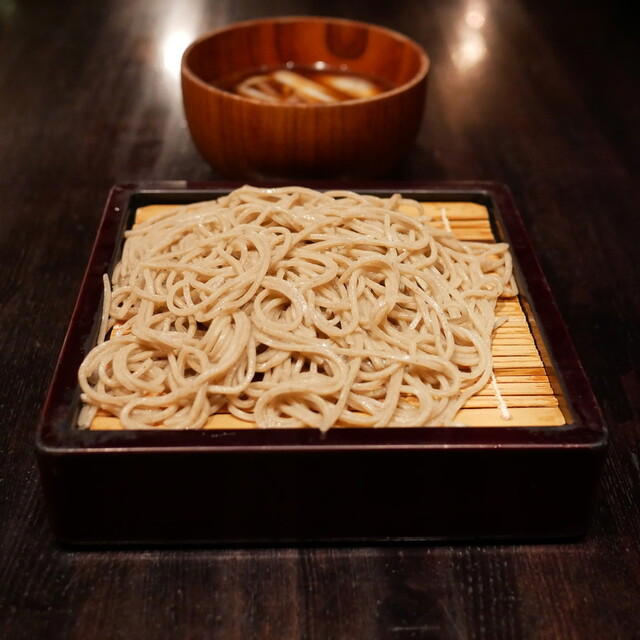
Kawakami An Honten places Karuizawa’s soba culture in a resort-town frame: stone-ground buckwheat noodles, tempura, izakaya drinking habits, and a room large enough for families, walkers, and weekend groups. Its Tabelog 100 Soba EAST 2025 selection gives the restaurant a clear quality signal without turning the meal into ceremony.

Pearl is the En Primeur Club membership app, where members save venues, book tables and use the concierge.
The menu
What to order
- Tempura soba
- Stone-ground soba
- Sake snacks
Approaching Kitasaku-gun, the rhythm shifts from station-town movement to resort browsing: bakery windows, day-trippers, family groups, and the slower appetite after a walk. Here, soba works differently than at a hushed Tokyo counter. It can be refreshment, lunch, drinking food, and a closing bowl after a relaxed meal. Kawakami An Honten fits Nagano’s broader pattern, where buckwheat noodles carry local identity in an approachable format for mixed tables.
Read it not as a rarefied noodle temple, but as a Kitasaku-gun answer to the Edo soba-ya: soba, tempura, and casual izakaya habits on one table. That flexibility matters in a resort area where meals bend around weather, train times, children, browsing, and late-afternoon appetite. A broad soba house has a different job from a tasting-menu room.
Soba in Kitasaku-gun is resort food with serious buckwheat credentials
Nagano has one of Japan’s strongest soba associations, shaped by mountain climate and long buckwheat culture. Kitasaku-gun adds a retreat identity of villas, walking time, cafés, and visitors escaping city heat. In this context, cold soba is not just regional; it is a practical seasonal meal, especially with tempura or small plates rather than a formal progression.
Kawakami An Honten’s inclusion in Tabelog 100 Soba EAST 2025 gives it a measurable credential in a category where reputation is often hyperlocal. Its Tabelog score of 3.72 places it in a serious public-rating band for Japan, particularly for a busy resort-area restaurant operating for a broad audience.
Scale, in an editorial sense, is part of the point. Many soba specialists rely on small rooms and quick turnover; here, the appeal is a fuller soba-and-tempura meal that can accommodate a wider Kitasaku-gun crowd. The draw is not microscopic counter intimacy, but the ability to fold a recognisable Nagano soba meal into a day in town without losing the region’s noodle thread.
Compared with lighter casual stops such as French Bakery or Chimoto Sohonten Karuizawa honten, this is a fuller sit-down proposition. Against other Kitasaku-gun dining rooms, its appeal is the opposite: regional specificity without making the day orbit around dinner. For a wider view of the local dining field, see Our full Kitasaku-gun restaurants guide.
The format favours noodles, tempura, and a drinking-table cadence
Japan’s soba-ya tradition has always been broader than bowl-and-go. Edo-period soba shops developed a culture of drinking first, then finishing with noodles, a sequence that survives through snacks, tempura, and chilled or warm soba. Kawakami An Honten sits in that lineage, with soba, tempura, and izakaya categories attached to the restaurant rather than a noodle-only identity.
The format suits a resort-area audience. Tables may include several generations, or travellers wanting regional food without a rigid script. Order in loose courses, not a formal course menu: small dishes if wanted, tempura for contrast, soba as anchor, and a slower rhythm when the meal can stretch.
The Tabelog soba selection matters because soba is deceptively unforgiving. Buckwheat has less gluten than wheat, so texture, cut, aroma, and timing matter more than menu complexity. A strong soba house proves itself through consistency across noodles that decline quickly after cooking, and through the discipline to keep soba at the centre rather than an afterthought beside tempura.
This is where Kitasaku-gun differs from Tokyo. In the capital, soba can be a specialist pilgrimage of small counters, limited batches, and queues. In Kitasaku-gun, the tradition absorbs resort behaviour: lunch between errands, dinner after a walk, mixed groups at the table, and a pace shaped by travel as much as by cuisine. Kawakami An Honten is therefore a useful read on the area as well as on soba technique.
How to place it within a Kitasaku-gun itinerary
The restaurant suits the Kitasaku-gun day that mixes food with movement. It fits naturally when a meal should feel regional but not heavy. It is less suited to travellers seeking a quiet, chef-led counter or long wine-paired dinner; for that mood, compare more formal rooms in Kitasaku-gun, depending on cuisine preference.
Mixed groups are part of the equation, not an afterthought. The soba, tempura, and izakaya framing gives different appetites a way into the meal, which can make it easier than a narrower counter-only specialist. The point is flexibility rather than ceremony: a regional noodle meal that can be as quick or as leisurely as the day allows.
The practical reading is simple: choose it for Nagano soba culture in a flexible resort-area format. Lunch has strong day-trip logic, while dinner gives more room for the drinking-table side of the soba-ya tradition. The listed budget is Dinner: JPY 3,000 - JPY 3,999; Lunch: JPY 1,000 - JPY 1,999, which places it in a moderate, accessible bracket for a recognized soba address.
Kitasaku-gun is broader than one meal, and the area rewards category-hopping: cafés in the morning, soba at midday, a more composed dinner later, and mountain-air downtime between. For planning beyond restaurants, EP Club’s local guides cover Kitasaku-gun hotels, Kitasaku-gun bars, Kitasaku-gun wineries, and Kitasaku-gun experiences.
For readers mapping Japanese food traditions beyond Nagano, useful contrasts include other beef-focused dining, seafood-and-grill pacing, café culture, contemporary regional dining, Vietnamese cooking in Japan, curry specialization, sake-bar culture, and rice-ball minimalism. Keep those as broad reference points rather than direct peers: Kawakami An Honten is best understood through soba, tempura, izakaya ease, and its Kitasaku-gun setting.
Frequently asked questions
What are the operating hours at Kawakami An Honten?
Current operating hours for Kawakami An Honten are not listed in the provided venue facts; check directly before visiting.
Is Kawakami An Honten expensive?
Pricing at Kawakami An Honten is listed as Dinner: JPY 3,000 - JPY 3,999; Lunch: JPY 1,000 - JPY 1,999.
Where exactly is Kawakami An Honten?
Kawakami An Honten is located in Kitasaku-gun.
What's the standout thing about Kawakami An Honten?
Its strongest credential is the Tabelog 100 Soba EAST 2025 selection, backed by a format built around soba, tempura and izakaya dishes. Its Tabelog score is listed as 3.72.
Can Kawakami An Honten accommodate dietary restrictions?
The listed categories are soba, tempura and izakaya dishes. Because soba is central, guests with gluten or buckwheat concerns should treat that as the starting point when ordering and confirm details directly with the restaurant.
Can I bring kids to Kawakami An Honten?
The provided venue facts do not specify a children’s policy. Families should confirm directly with Kawakami An Honten before visiting.
Budget Reality Check
Nearby venues at a similar price tier for orientation.
| Venue | Cuisine | Price | Awards | Notes |
|---|---|---|---|---|
| Kawakami An HontenThis venue (the venue you are viewing) | Japanese Soba | $20–30 | Tabelog 100 #11 | Not listed |
| Japanese cuisine Kasuke | Seasonal Japanese Kaiseki | $100–150 | Tabelog 100 #16 | Kitasaku-gun, Seasonal Japanese Kaiseki |
| Chimoto Sohonten Karuizawa honten | Japanese sweets café | $1–10 | Tabelog 100 #23 | Old Karuizawa, Japanese sweets café |
| Manpei Hotel Cafe Terrace | Not listed | $20–30 | Tabelog 100 #74 | Karuizawa, Historic hotel café & dessert terrace |
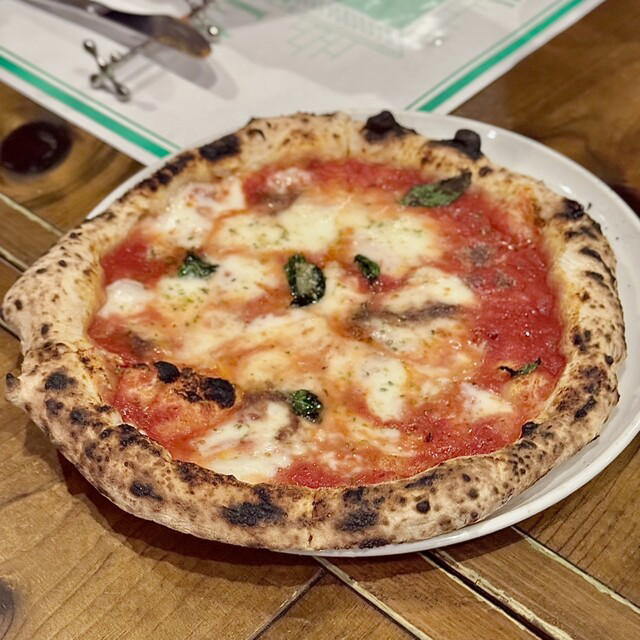
| A Fenestella | Neapolitan Pizza | $20–30 | Tabelog 100 #49 | Nagakura, Karuizawa-machi, Neapolitan Pizza |
| HELIOTROPE | Innovative Fusion Fine Dining | $100–150 | Tabelog 100 #33 | Karuizawa, Innovative Fusion Fine Dining |
Recognition history
Dated appearances from independent guides and award organizations, with the underlying list record or original source where available.
Tabelog 100 #11 · No. 11
Tabelog · Tabelog 100 - Soba - EAST - 2025
Continue exploring
More in Karuizawa
Restaurants in Karuizawa
All restaurants in Karuizawa →
Hotels in Karuizawa
All hotels in Karuizawa →
Wineries in Karuizawa
Browse all →

Details
- Classic
- Cozy
- Scenic
- Family
- Group Dining
- Casual Hangout
- Solo
- Terrace
- Standalone
- Sake Program
- Beer Program
- A La Carte
- Set Menu
- Sake
- Beer
- Vegetarian Friendly
Current opening hours
- Monday
- 10 AM–10 PM
- Tuesday
- 10 AM–10 PM
- Wednesday
- 10 AM–10 PM
- Thursday
- 10 AM–10 PM
- Friday
- 10 AM–10 PM
- Saturday
- 10 AM–10 PM
- Sunday
- 10 AM–10 PM
Hours can change for holidays and private events. Hours as of .
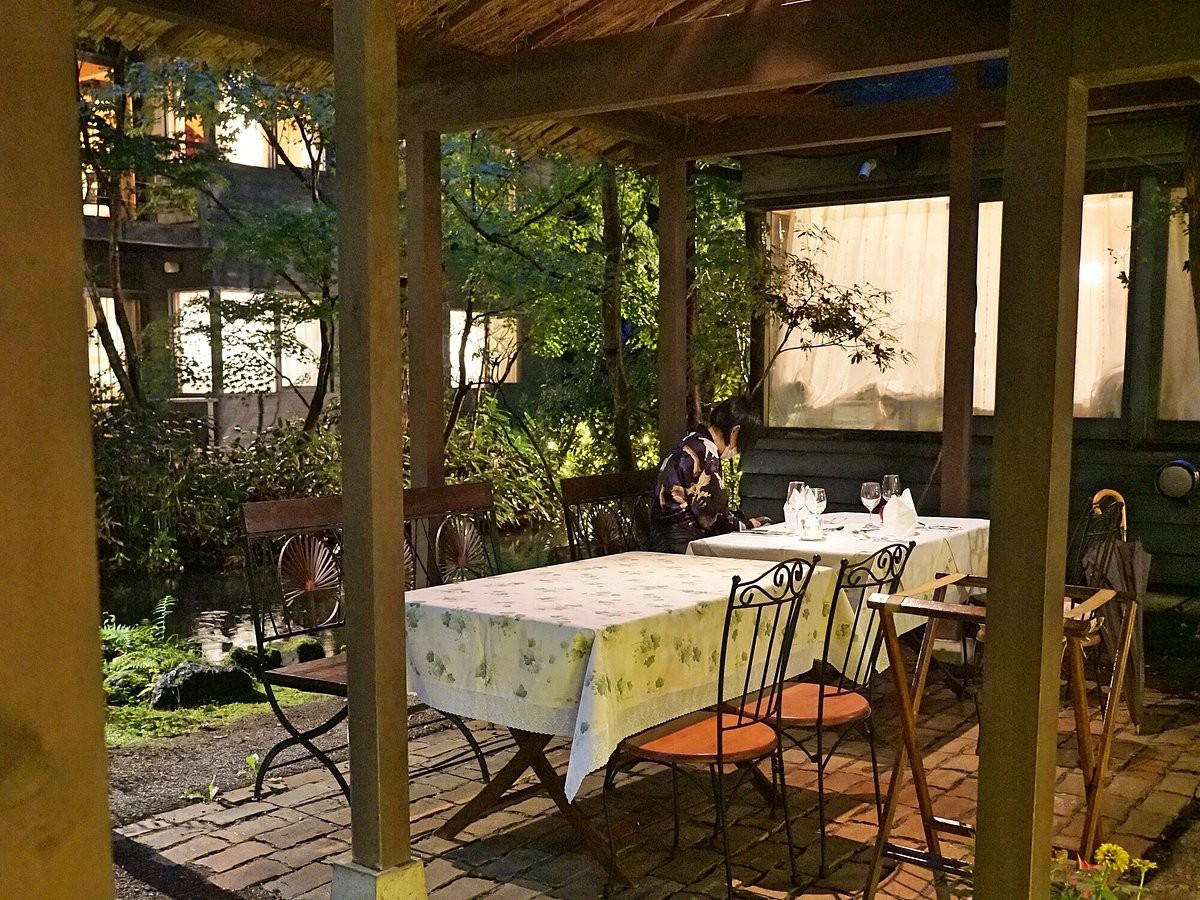
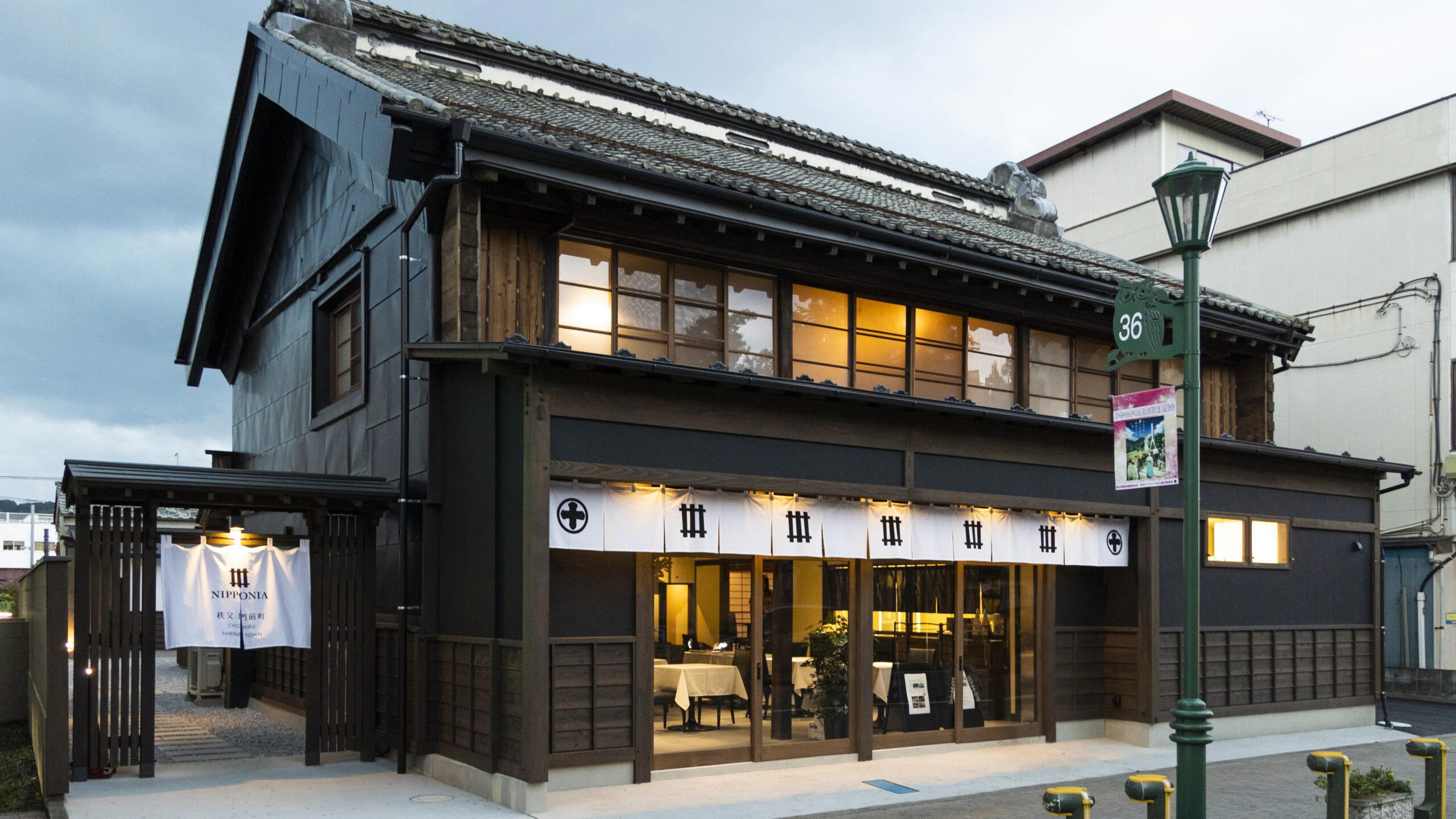
Stylish and traditional, with a spacious dining room and terrace seating that gives it a relaxed, resort-town feel; reviews also describe a bistro-like transformation in the evening.