
Han brings Korean cuisine to Villa Crespo at the $$$$ price point, earning a Michelin Plate in 2025 — one of the few recognitions of its kind in Buenos Aires. The kitchen works within a tradition built on fermentation and time, placing it at a considerable remove from the city's dominant steakhouse and modern Argentinian formats. Book ahead; the address on Vera 966 draws a focused, return-heavy crowd.
Pearl is the En Primeur Club membership app — saves, bookings, and concierge access live there. Same editors, same standards.
- Address
- Vera 966, C1414AOT Villa Crespo, Cdad. Autónoma de Buenos Aires, Argentina
- Phone
- +54 9 11 2250-4459
- Website
- hanrestaurante.com
- Directions
- Get directions
 Saves & bookings on Pearl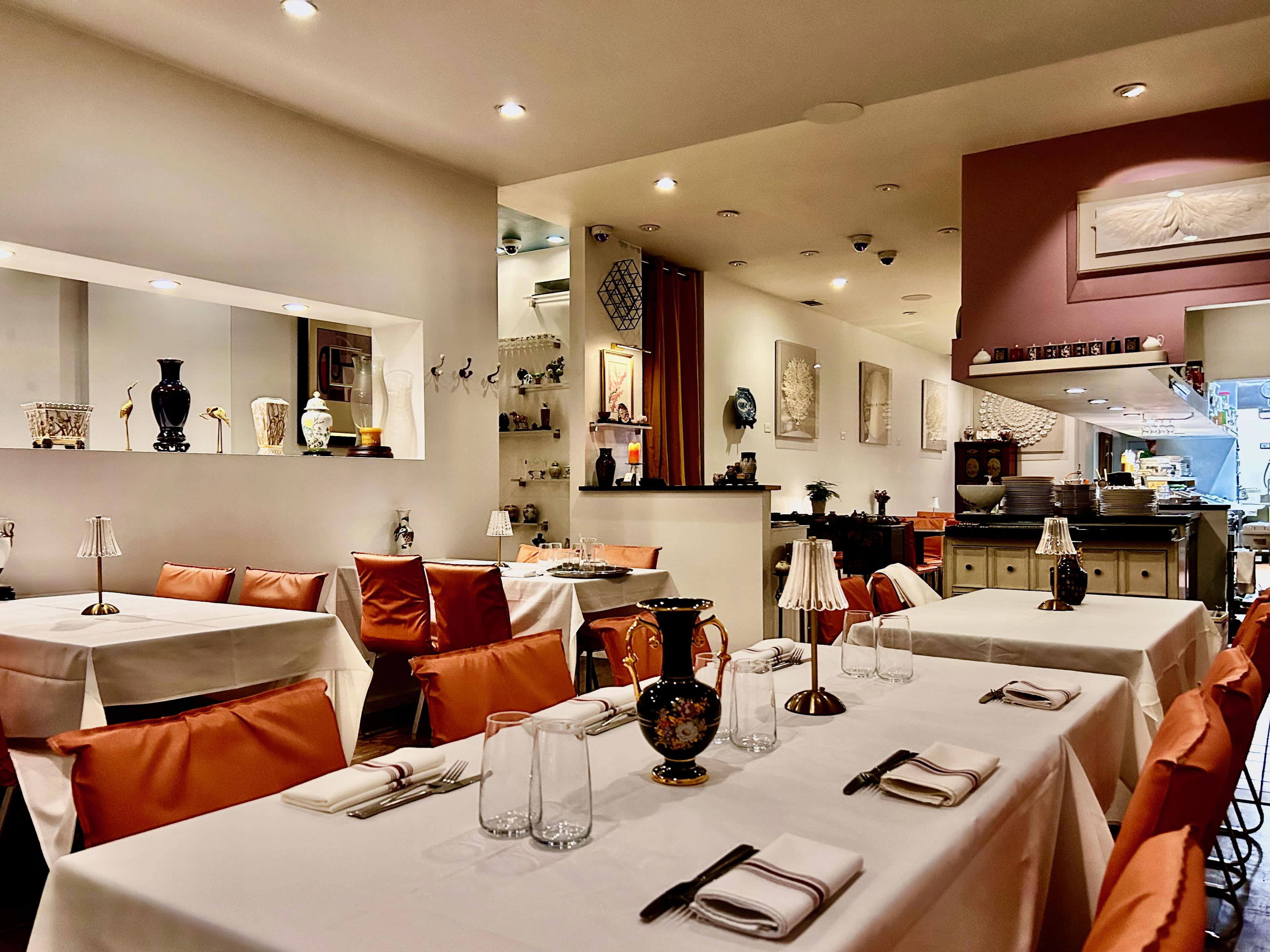
Korean Fermentation in a City Built on the Grill
Buenos Aires has long oriented its fine-dining identity around fire and beef. The Michelin Guide's arrival accelerated what many already knew: the city's leading table conversation runs through asado temples like Don Julio, tasting-menu laboratories like Aramburu, and contemporary coastal cooking at places such as Crizia. Korean cuisine sits well outside that dominant narrative, which makes Han's 2025 Michelin Plate recognition a data point worth examining. The guide does not distribute plates indiscriminately; inclusion signals that inspectors found cooking worth a detour, regardless of category.
The broader context matters here. Korean food in South America occupies a genuinely marginal position compared with, say, Nikkei or Peruvian-Chinese traditions, both of which have deep regional roots and institutional support. A Korean kitchen operating at the $$$$ tier in Buenos Aires is not competing for the same customer as a neighbourhood bibimbap counter. It is making a different argument: that the pantry behind Korean cooking, built on living ferments and aged pastes, can hold its own in a city where the dominant prestige format involves a wood fire and a prime cut.
The Living Pantry That Defines the Kitchen
To understand what a serious Korean kitchen is doing, you need to understand what it is working with before a single protein hits the heat. Korean cuisine is, at its structural core, a fermentation cuisine. Kimchi is the most visible expression, but the real architecture runs deeper: doenjang (fermented soybean paste, aged for months or years), ganjang (soy sauce derived from the same process), and gochujang (a fermented chilli paste that delivers heat alongside a long, complex sweetness). These are not condiments in the Western sense. They are the base layer on which everything else is built.
In Seoul's highest-ranked Korean kitchens, the quality and provenance of these ferments is treated with the same seriousness that Napa applies to barrel selection. Restaurants like Mingles and Kwonsooksoo have built international reputations in part by treating the fermentation pantry as a creative and competitive advantage. The distance between those Seoul counters and a $$$$ Korean address in Villa Crespo is real, but the underlying discipline is the same. A kitchen that takes this tradition seriously is working on a timeline measured in seasons, not service windows.
That temporal dimension is relevant to how you evaluate the food. Dishes built on well-aged doenjang or house-made gochujang carry a depth that does not come from a recipe adjustment. You either have the ferments or you do not. For a Buenos Aires kitchen working in this tradition, sourcing and maintaining that pantry represents the core logistical and philosophical commitment.
Villa Crespo: The Right Neighbourhood for an Outlier
Han's address on Vera 966 places it in Villa Crespo, a neighbourhood that has absorbed a generation of independent restaurants operating outside the Palermo Soho-Las Cañitas axis. The area sits between Palermo and Caballito, and its dining character reflects that in-between quality: less sceney than the former, more curated than the latter. Neighbouring Anafe has helped establish the neighbourhood as a credible location for serious cooking at premium prices. Han fits that pattern.
The physical approach to the restaurant on Vera sets the register before you enter. Villa Crespo's residential fabric, low-slung and relatively quiet by Buenos Aires standards, does not telegraph premium dining in the way that a Palermo terrace or a Puerto Madero tower might. That contrast between exterior modesty and interior ambition is a recurring feature of the city's better independent kitchens, and it is part of what makes the neighbourhood work for a format like this.
Where Han Sits in Buenos Aires's Fine-Dining Structure
The Buenos Aires Michelin slate for 2025 is weighted toward Argentinian formats. Two-star Aramburu and one-star Don Julio represent different poles of that local dominance: creative tasting menus on one side, perfectionist steak culture on the other. Contemporary operators like Trescha are pushing the modern Argentinian format forward. Han operates in a different register entirely, which is precisely what gives its Michelin Plate meaning. The guide is acknowledging that a non-Argentinian kitchen, working in a tradition built on fermentation rather than fire, has reached a standard worth recording.
At the $$$$ price tier, Han is priced against the city's fine-dining cohort rather than against neighbourhood Korean restaurants. That positioning implies a tasting or set menu format, a considered drinks program, and a booking process that rewards planning.
Planning Your Visit
Han is at Vera 966 in Villa Crespo, accessible from central Buenos Aires by taxi or remis in under twenty minutes depending on traffic. The $$$$ pricing and Michelin Plate status place it in a tier where booking several weeks ahead is advisable, particularly for weekend sittings.
For travellers building a broader Buenos Aires itinerary, the full range of Michelin-recognised and EP Club-rated options is covered in our full Buenos Aires restaurants guide. Those extending their trip into Argentina's wine country or further afield will find relevant coverage in our guides to Azafrán in Mendoza, Cavas Wine Lodge in Alto Agrelo, Awasi Iguazu in Puerto Iguazu, EOLO in El Calafate, La Bamba de Areco in San Antonio de Areco, and El Colibri in Santa Catalina. Accommodation and nightlife context is available through our Buenos Aires hotels guide, bars guide, wineries guide, and experiences guide.
How Han Buenos Aires compares with similar nearby venues.
| Venue | Cuisine | Price | Awards |
|---|---|---|---|
| Han | Korean | $$$$ | Michelin Plate (2025) |
| Julia | Modern Cuisine | $$$$ | Not listed |
| Anchoíta | Contemporary | $$$$ | Not listed |
| Trescha | Modern Cuisine | $$$$ | Not listed |
| A Fuego Fuerte | Contemporary | $$$$ | Not listed |
| Crizia | Contemporary | $$$$ | Not listed |
Recognition history
Dated appearances from independent guides and award organizations, with the underlying list record or original source where available.
Michelin 1 Star
Michelin
Michelin Plate
Michelin
Continue exploring
More in Buenos Aires
Restaurants in Buenos Aires
Browse all →
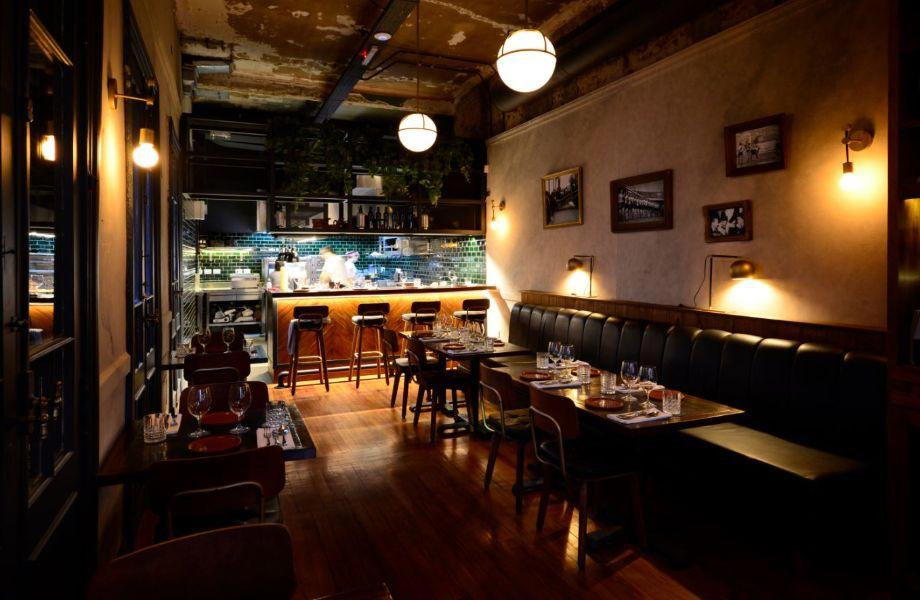
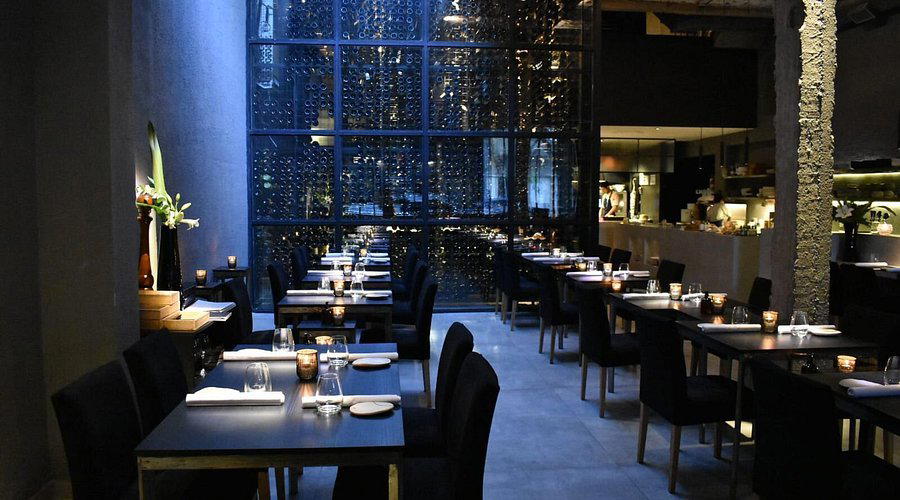
Bars in Buenos Aires
Browse all →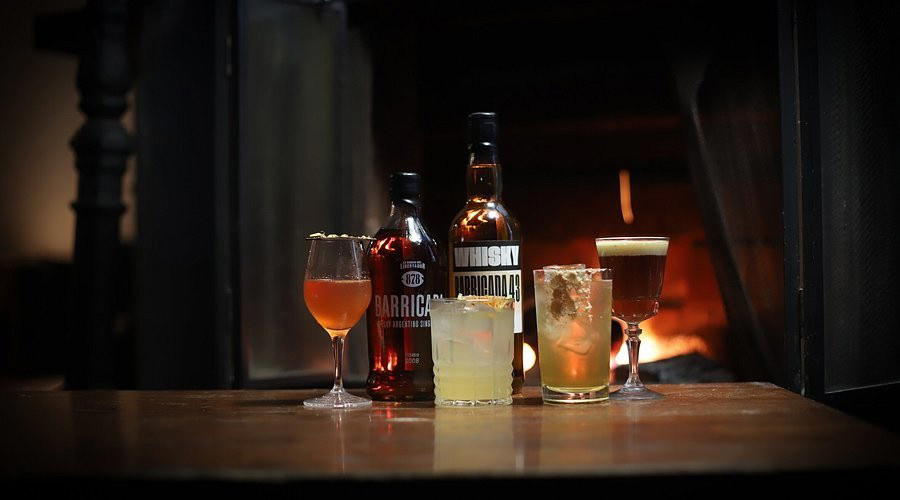
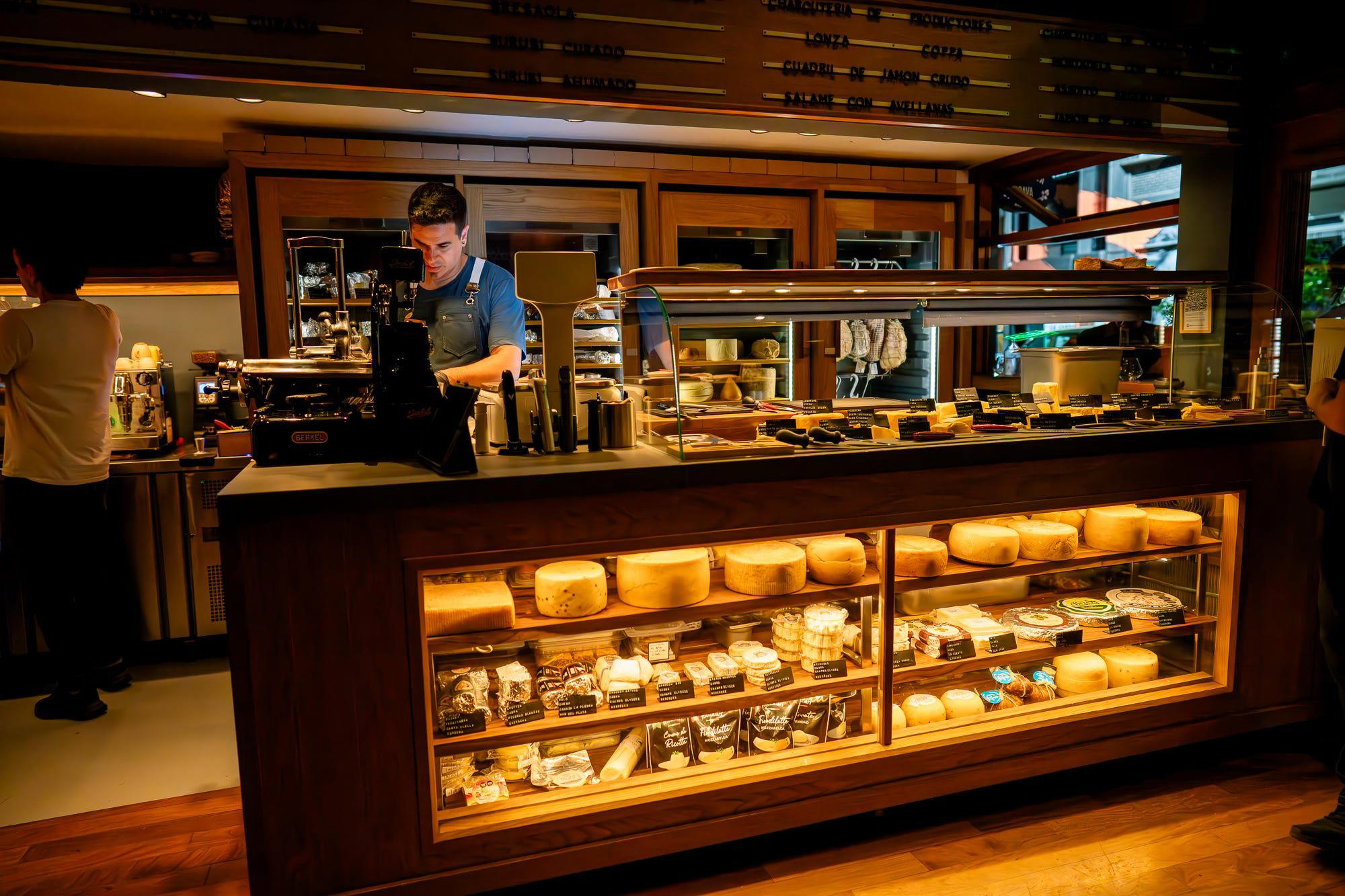
Hotels in Buenos Aires
Browse all →
Wineries in Buenos Aires
Browse all →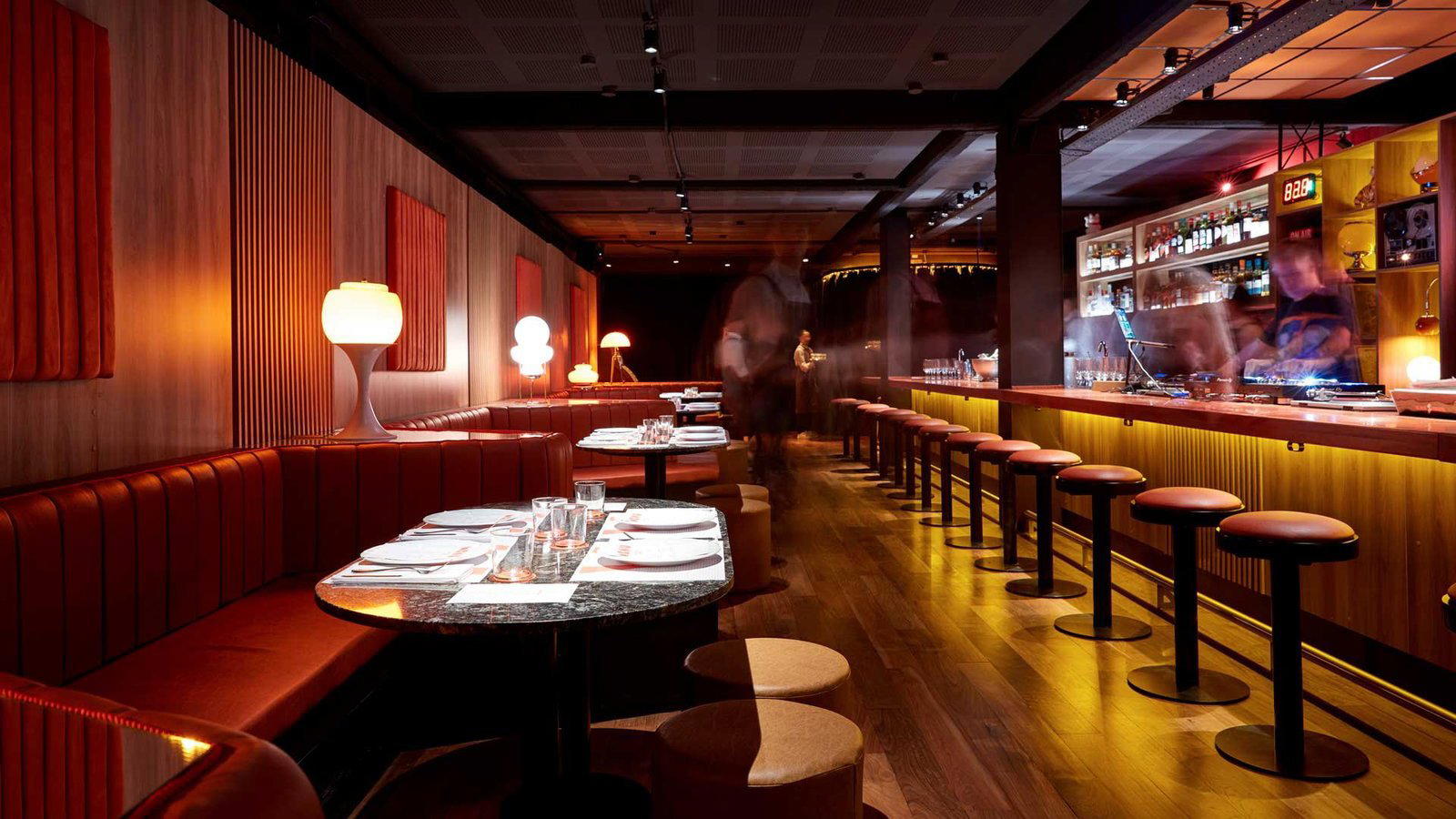
At a Glance
- Intimate
- Elegant
- Modern
- Sophisticated
- Date Night
- Special Occasion
- Solo
- Chefs Counter
- Open Kitchen
- Extensive Wine List
- Sommelier Led
Current opening hours
- Monday
- Closed
- Tuesday
- 8:30–11:50 PM
- Wednesday
- 8:30–11:50 PM
- Thursday
- 7–9:30 PM, 10 PM–12:30 AM
- Friday
- 7–9:30 PM, 10 PM–12:30 AM
- Saturday
- 7–9:30 PM, 10 PM–12:30 AM
- Sunday
- Closed
Hours can change for holidays and private events. Last verified .
Restrained lighting, cozy warmth with modern elegance, vertical garden, and a dominating Korean traditional costume display.
Know Before You Go
- Getting there
- Vera 966, C1414AOT Villa Crespo, Cdad. Autónoma de Buenos Aires, Argentina