.png)
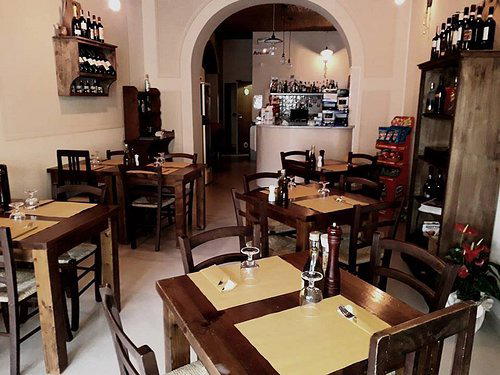
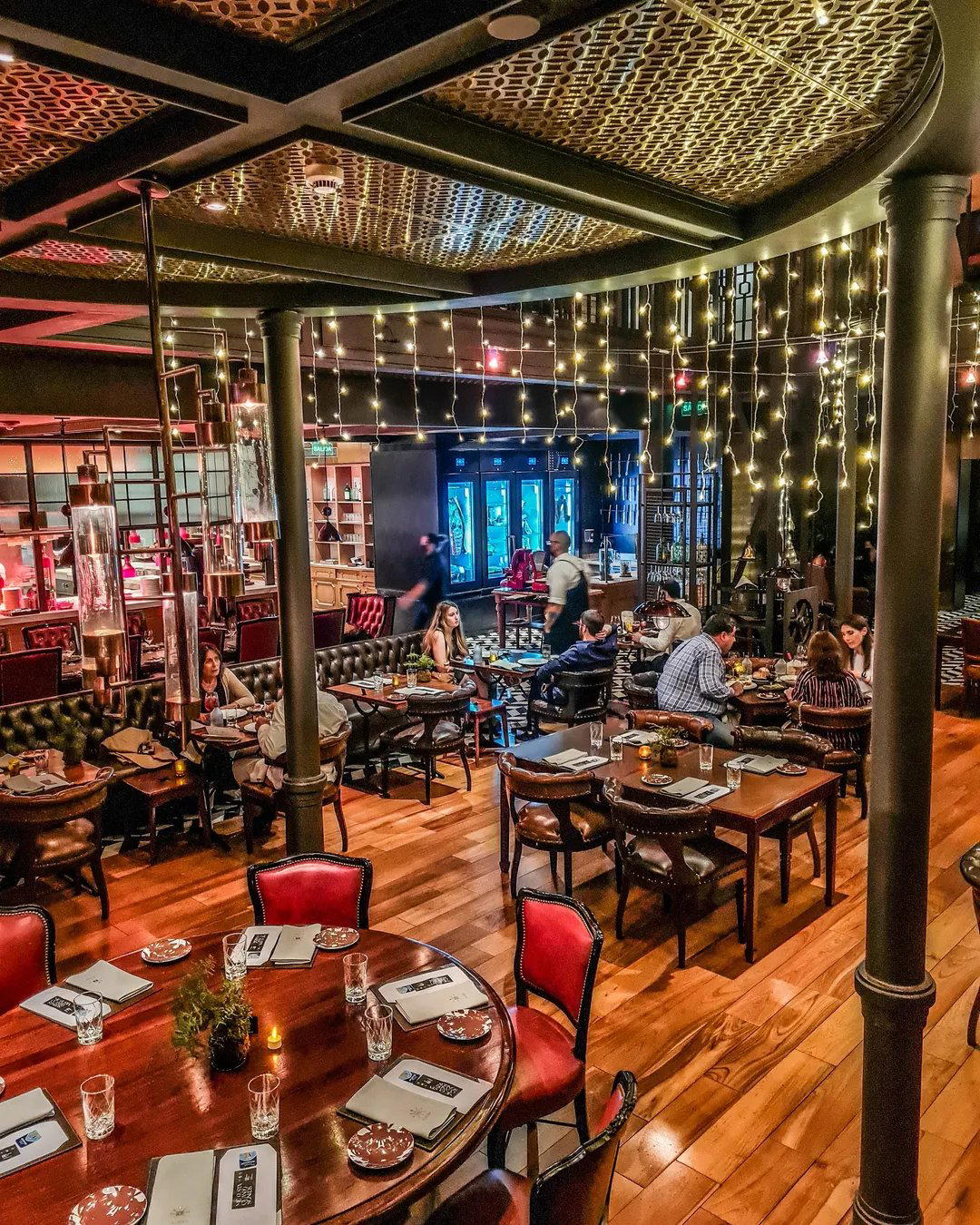
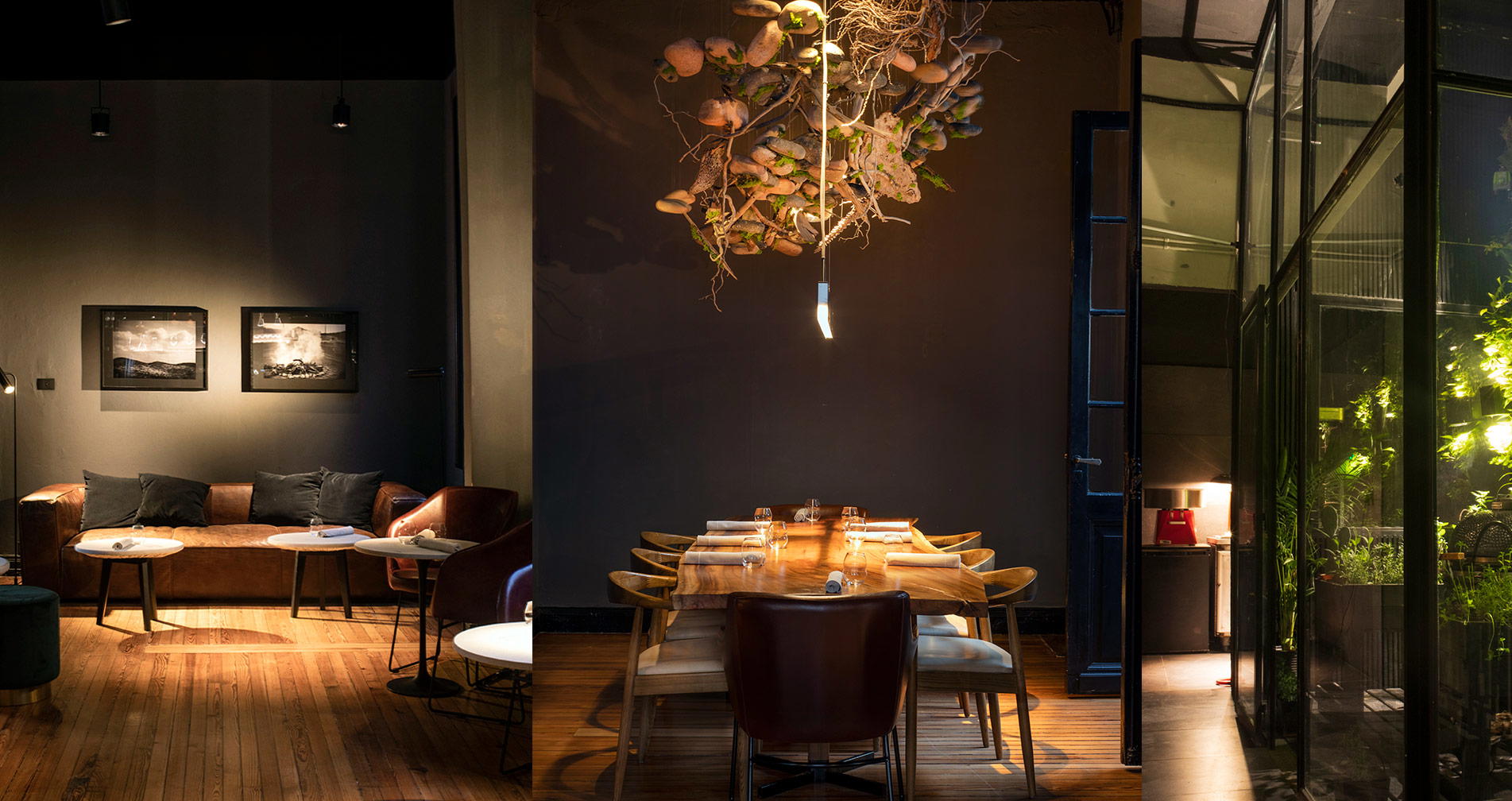
Marti holds consecutive Michelin Plate recognition (2024 and 2025) for vegetarian cooking in a city better known for its asado culture, making it one of the few addresses in Buenos Aires where plant-based cuisine receives serious fine-dining treatment. Located in the Recoleta-adjacent pocket around Rodríguez Peña, it sits at the moderate price tier for its category, with a Google rating of 4.3 across more than 1,100 reviews.

Where Buenos Aires Plant-Based Cooking Gets Serious
Rodríguez Peña runs through one of Buenos Aires' quieter residential corridors, just west of Recoleta's formal avenues and a few blocks from the commercial density of Callao. The street-level approach here is low-key: residential facades, intermittent cafés, little of the foot traffic that defines Palermo Soho or San Telmo's tourist circuit. That address matters because it tells you something about who Marti is cooking for. This is not a restaurant positioned to catch visitors who wander past; the clientele arrives by intention, typically from the surrounding barrios of Recoleta and Barrio Norte, where a growing professional demographic has driven demand for dining that sits outside the traditional asado-and-empanada axis.
The broader Buenos Aires dining scene remains one of the most meat-forward in the world. Don Julio, the Palermo steakhouse that has appeared on the World's 50 Best list, represents the dominant tradition: fire, beef, and Malbec. Even the city's more technically ambitious restaurants, such as Aramburu and Trescha, operate primarily within omnivorous frameworks. Against that context, a vegetarian restaurant earning two consecutive Michelin Plate recognitions is a meaningful data point about how the category is maturing in Argentina's capital.
Michelin in Buenos Aires and What the Plate Signals
The Michelin Guide's entry into Buenos Aires has sharpened peer comparisons across every category. The Plate designation, awarded in both 2024 and 2025, indicates that Michelin inspectors found the cooking consistently good enough to recommend, without reaching the one-star threshold. In practical terms, that places Marti in a cohort of restaurants the guide considers worth a specific trip, not merely acceptable. The back-to-back recognition matters as much as the initial one: a single Plate can reflect an inspector's good night; two consecutive years suggests a stable kitchen with a coherent program.
For vegetarian cooking specifically, the Plate puts Marti in rare company within Argentina. The country's premium restaurant tier is dominated by meat-led or omnivorous tasting menus. The handful of plant-based addresses that receive serious critical attention tend to cluster in Buenos Aires, and Marti sits at the more formally recognised end of that small group. For comparison beyond Argentina, Michelin-recognised vegetarian restaurants in Asia, such as Fu He Hui in Shanghai and Lamdre in Beijing, operate in markets where plant-based fine dining has a longer institutional history. Buenos Aires is still building that history, which makes Marti's recognition more consequential as a signal of where the scene is heading.
The Neighbourhood as Context
The Rodríguez Peña address places Marti in a transitional zone between Recoleta's old-money restaurant culture and the more eclectic, younger dining corridor developing along the streets feeding into Tribunales and Congreso. This is not Palermo, where restaurant concepts open and close on eighteen-month cycles, and it is not Puerto Madero, where prices track tourist demand. The neighbourhood carries a slower, more established character, which tends to attract restaurants with a longer-term orientation toward their regulars.
That dynamic is relevant for a vegetarian restaurant in Buenos Aires. The city's plant-based dining community is relatively small and, by necessity, loyal. A restaurant that holds a consistent price point at the moderate range (Marti sits at $$, comparable to addresses like Chuí and Sacro in the same city) while sustaining Michelin recognition has to be drawing repeat business from residents rather than relying on passing visitors. The 4.3 rating across 1,172 Google reviews reinforces that picture: the volume suggests regular engagement from a local audience, not a tourist-driven spike.
Pricing, Peers, and Where Marti Sits
At the $$ price tier, Marti occupies an interesting position. Most Michelin Plate restaurants in Buenos Aires skew toward the $$$ or $$$$ range, where tasting menus and premium sourcing make higher price points structurally expected. A double-Plate vegetarian restaurant at mid-range pricing signals either exceptional value or a format that prioritises accessibility over ceremony. Without confirmed menu data, it is not possible to characterise the exact format, but the combination of price tier and critical recognition suggests a kitchen that is working harder than its price point requires.
The comparison set within Buenos Aires vegetarian dining is small. Sacro, also in the city, operates in broadly similar territory. At the $$ tier, Marti avoids the positioning trap that catches some ambitious plant-based restaurants: pricing so close to omnivorous fine dining that the value case collapses for casual diners, while not differentiating enough to justify the premium for committed vegetarians. The moderate price point, combined with external recognition, makes the address more accessible to the demographic that forms the backbone of Buenos Aires' weekday dining culture.
Planning Your Visit
Marti is located at Rodríguez Peña 1973, in the C1021 postal zone of Buenos Aires. The address is walkable from several Subte stations serving the Recoleta and Tribunales areas, and the neighbourhood is well-served by taxi and ride-share services from anywhere in the city. Given that booking details and hours are not confirmed in current records, the most reliable approach is to contact the restaurant directly or check for current reservations through local aggregators. At the $$ price tier with Michelin recognition, the restaurant is likely to require advance booking on weekends; weekday lunches in this part of Buenos Aires generally allow more flexibility. There is no confirmed dress code on record, though the neighbourhood and the restaurant's critical standing suggest that casual-smart is appropriate.
For visitors building a broader Buenos Aires itinerary, the EP Club guides to restaurants, hotels, bars, wineries, and experiences cover the full range of options across the city. For those extending beyond the capital, Michelin-recognised dining also appears at properties across Argentina's wine and nature regions, including Azafrán in Mendoza, Cavas Wine Lodge in Alto Agrelo, Awasi Iguazu in Puerto Iguazu, EOLO in El Calafate, La Bamba de Areco in San Antonio de Areco, and El Colibrí in Santa Catalina.
Frequently Asked Questions
- What is the leading thing to order at Marti?
- Specific dishes are not confirmed in current records, and Marti's menu is subject to seasonal change. What the Michelin Plate recognition across 2024 and 2025 confirms is that the kitchen's cooking is consistently considered worth recommending by professional inspectors, which in a vegetarian format typically reflects strong technique with vegetables rather than protein substitution. Given the cuisine type and the moderate price tier, the menu likely centres on seasonal produce prepared with more formal kitchen discipline than most plant-based addresses at this price point. For current menu specifics, checking directly with the restaurant before your visit is the most reliable approach.
Need a table?
Our members enjoy priority alerts and concierge-led booking support for the world's most difficult tables.
Access the Concierge