
Our verdict
Rukawa belongs to Takashima’s quieter Japanese dining register, where the pull is not spectacle but proximity to Lake Biwa, rural Shiga produce, and the discipline of seasonal cooking. For travelers comparing city tasting counters with lakeside Japanese food, it offers a useful lens on how kaiseki principles change outside Kyoto’s denser restaurant corridors.

Pearl is the En Primeur Club membership app, where members save venues, book tables and use the concierge.
The menu
What to order
- Biwa trout dishes
- Eel courses
- Local lake fish preparations
- Shiga game (jibier) dishes
Approaching Japanese food in Takashima means lowering the volume. The city invites a slower way of reading a meal, one shaped less by late-night urban traffic than by local pacing, regional routine, and the quieter side of travel in Shiga Prefecture. In that setting, Rukawa is better understood through the broad grammar of Japanese food than through the usual restaurant checklist. The point is not a parade of unsupported status details; it is how a meal in Takashima can make Japanese cooking feel connected to place rather than theatrical.
Japanese food is often reduced, outside Japan, to a single idea of refinement or formality. That misses the range. The category can depend on sequence, temperature, vessels, restraint, and a sense of place, but each restaurant expresses those elements differently. In Takashima, that sense of place gives the meal a distinct frame. A Japanese restaurant here enters a different conversation from a dense city counter or a metropolitan dining room: the room may be quieter, the audience more destination-specific, and the meal more closely tied to the rhythm of the area.
Japanese cooking reads differently in Takashima
Rukawa’s category is Japanese food, but the more useful frame is regional structure. In this part of Shiga, the appeal is not built around luxury signaling alone. It is built around restraint, pacing, and the careful use of what makes a meal feel specific to its setting. That matters because Japanese dining, at its strongest, is not only about abundance. It is about editing. A course or plate should make its idea legible, then move on before the point becomes heavy.
Takashima gives that tradition a sharper regional accent. The city is close enough to better-known Kansai dining routes to be part of a wider itinerary, yet far enough from high-density restaurant circuits to avoid being read only as an extension of them. That distinction is useful for travelers planning meals across the region. Larger cities often foreground ceremony, inheritance, specialization, or polished hospitality. Takashima gives the experience a quieter context. The result, when handled with discipline, can feel less showy but no less serious: local tempo, Japanese food, and a sense of subtraction become part of the meal’s architecture.
This is where Rukawa fits the city rather than competing with it. The draw is not an invented chef biography or an unsupported trophy list. The draw is the chance to read Japanese food in a place where the surrounding destination is not decorative background. Rukawa is recognized in the Japan Times Destination Restaurants 2026 selection, ranked No. 8 for Japanese food in Shiga Prefecture. For travelers already considering other Takashima dining rooms, the broader question is how the city expresses Japanese food through restraint rather than metropolitan flash.
Takashima rewards diners who compare region, not rank
Japanese dining guides often flatten the country into a hierarchy of famous cities, but Takashima works better as a regional study. The relevant comparison is not simply whether a meal is more elaborate than one in Tokyo or Kyoto. It is whether the restaurant makes sense in its own terrain. In Shiga, that means attention to local context, measured pacing, and the relationship between quiet surroundings and formal technique.
That comparison also changes how travelers should plan. A meal here is rarely an isolated errand; it belongs to a day shaped around movement, timing, lodging, and a longer Kansai itinerary. Diners seeking dense nightlife should look elsewhere in the region. Diners who respond to quiet rooms, local context, and the aesthetic of subtraction will find Takashima more rewarding than its size suggests. The city’s restaurant scene is not trying to mimic a capital. Its stronger argument is that Japanese cooking gains depth when the surrounding place is allowed to remain visible.
For a broader read on the area, start with, then build. Takashima is not primarily a bar-driven destination, but helps set expectations after dinner. Regional drinking and agricultural context can be mapped through, while Our full Takashima experiences guide is the better companion for travelers treating the meal as part of a cultural day rather than a standalone booking.
Where it sits in a wider Japanese food itinerary
Rukawa is useful for travelers who want Japanese food outside the country’s louder dining circuits. The category covers everything from family-run local restaurants to formal multi-course rooms, so the smarter itinerary compares place and format. Nihonryori Yukimoto is the relevant out-of-metro comparison because it points to the same larger pattern: serious Japanese cooking can become more expressive when it is anchored in a smaller destination and its surrounding landscape.
Travelers building a Japan-wide dining route can then decide whether they want regional Japanese formality, urban specialization, or casual category contrast. Other meals elsewhere in Japan may speak a very different language from Takashima Japanese food, whether they lean toward beef, seafood, cafe culture, casual formats, or highly specialized counters. Those contrasts can be useful, but they should not crowd the point here. Rukawa is best understood by comparing it with Japanese food in smaller destinations and with other dining in Takashima, not by forcing it into a broad list of unrelated national categories.
The editorial case for Rukawa is therefore specific: it belongs to a Takashima trip where Japanese food is read through place, pacing, and regional tempo. Families should judge it by the expected formality of the meal and the patience of the group rather than by the city alone. Travelers seeking a lively, casual stop may prefer a simpler format elsewhere; those interested in how Japanese food changes outside the country’s most famous dining centers will understand why Takashima deserves attention.
Frequently asked questions
Is Rukawa good for families?
Rukawa can work for families who want Japanese food in Takashima, provided the group is comfortable with the expected pace and formality of the meal.
What kind of setting is Rukawa?
Rukawa is a Japanese food venue in Takashima, Shiga Prefecture. The setting is best understood as part of a quieter regional dining trip rather than a polished city-centre comparison.
Is Rukawa Michelin-listed?
Rukawa is recognized in the Japan Times Destination Restaurants 2026 selection, ranked No. 8 for Japanese food in Shiga Prefecture.
What kind of cuisine does Rukawa serve?
Rukawa serves Japanese food.
Where do I go for Rukawa?
Takashima.
In Context: Similar Options
Comparable venues by cuisine and price in the same metro.
| Venue | Cuisine |
|---|---|
| RukawaThis venue (the venue you are viewing) | Seasonal Kappo Auberge focusing on Shiga lake fish and game |
| Nihonryori Yukimoto | JAPANESE FOOD |
Recognition history
Dated appearances from independent guides and award organizations, with the underlying list record or original source where available.
The Japan Times Destination Restaurants Destination Restaurants Selection #8
The Japan Times Destination Restaurants
Continue exploring
More in Takashima
Restaurants in Takashima
All restaurants in Takashima →
Bars in Takashima
Browse all →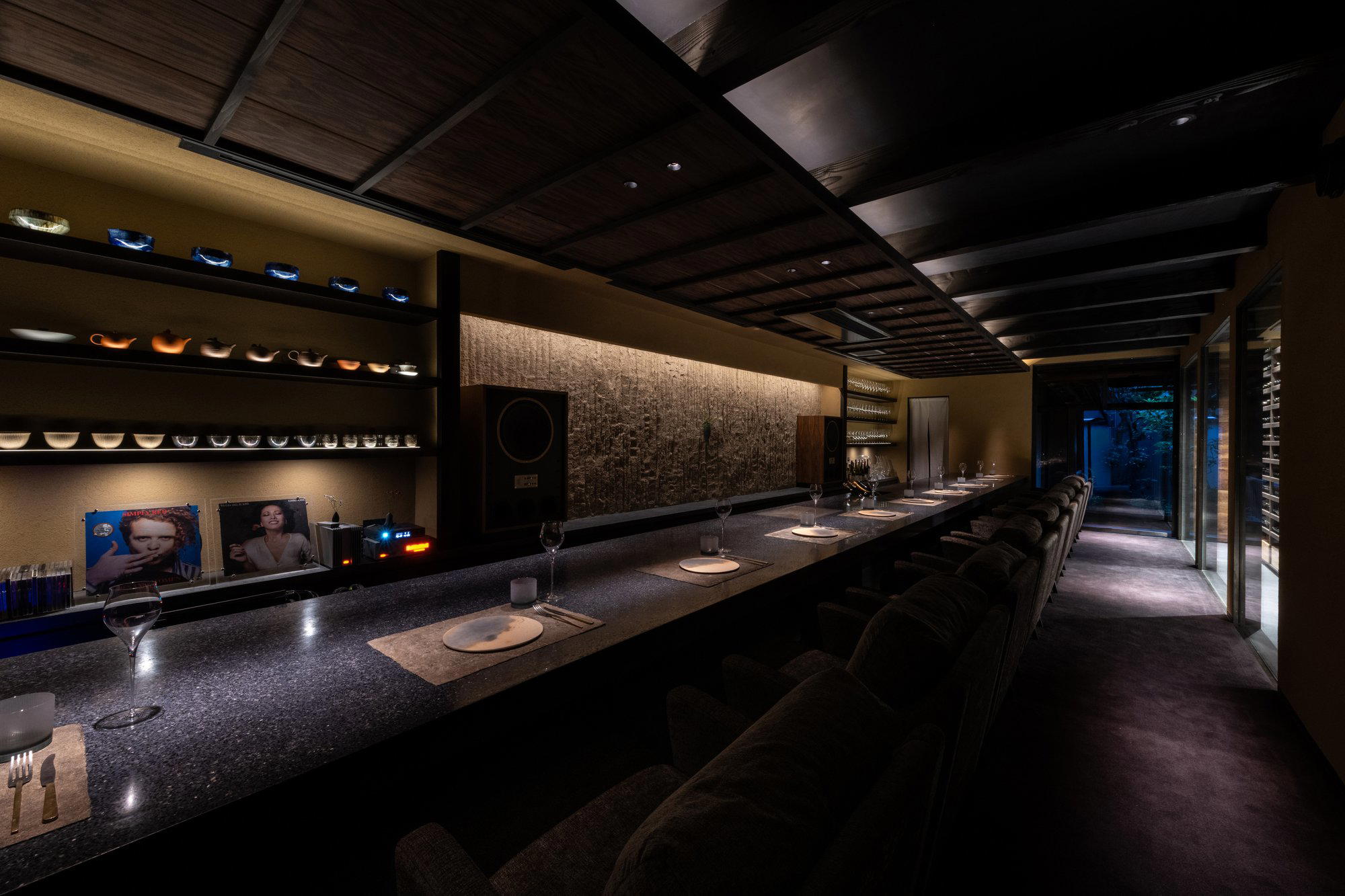

Details
- Scenic
- Romantic
- Elegant
- Rustic
- Intimate
- Date Night
- Special Occasion
- Celebration
- Private Event
- Panoramic View
- Historic Building
- Design Destination
- Hotel Restaurant
- Private Dining
- Sake Program
- Local Sourcing
- Farm To Table
- Waterfront
- Mountain
- Tasting Menu
- Set Menu
- Sake
- Wine
- Pescatarian Friendly
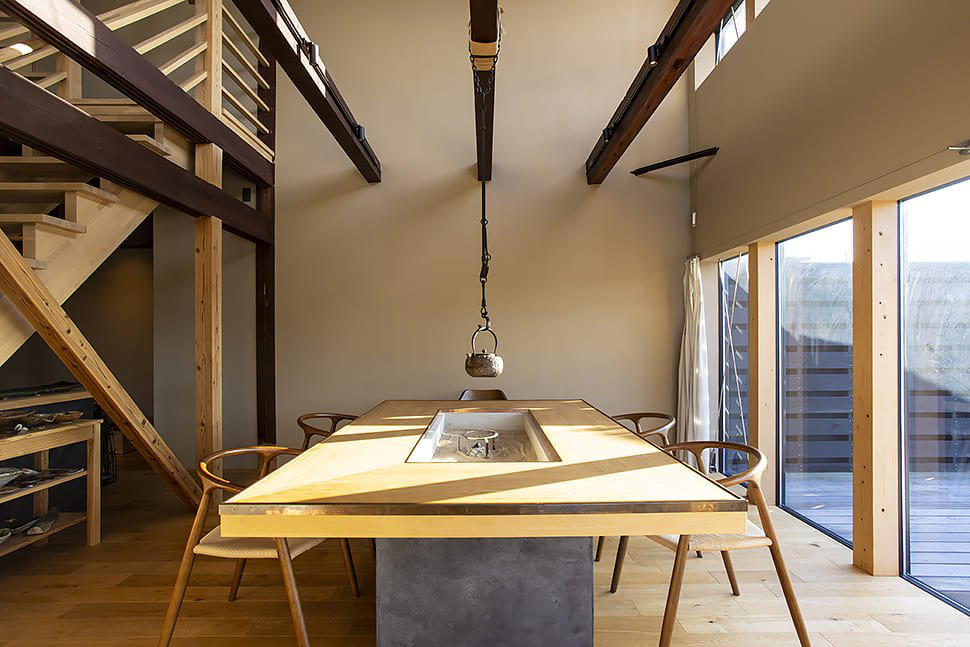
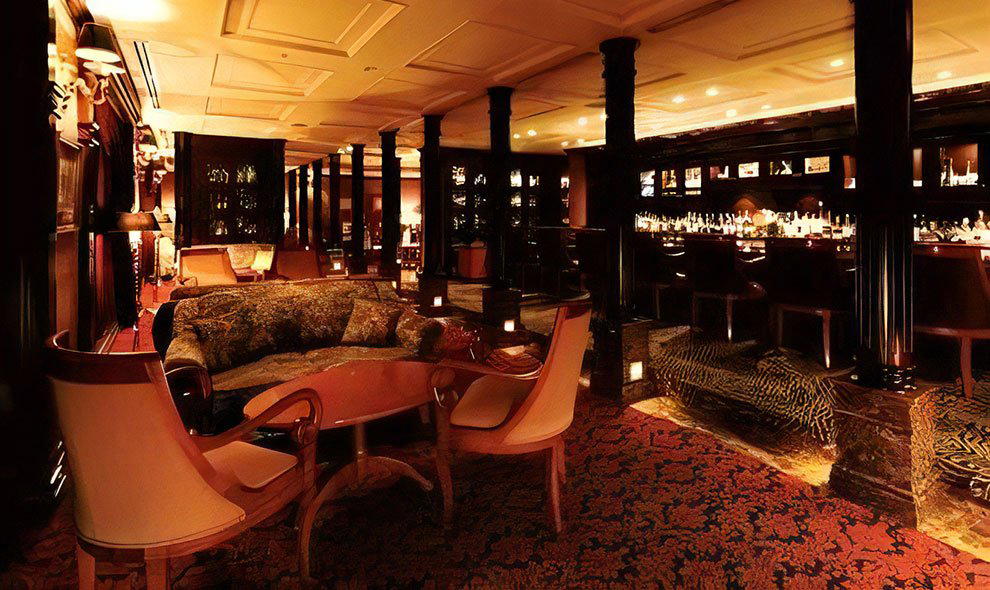
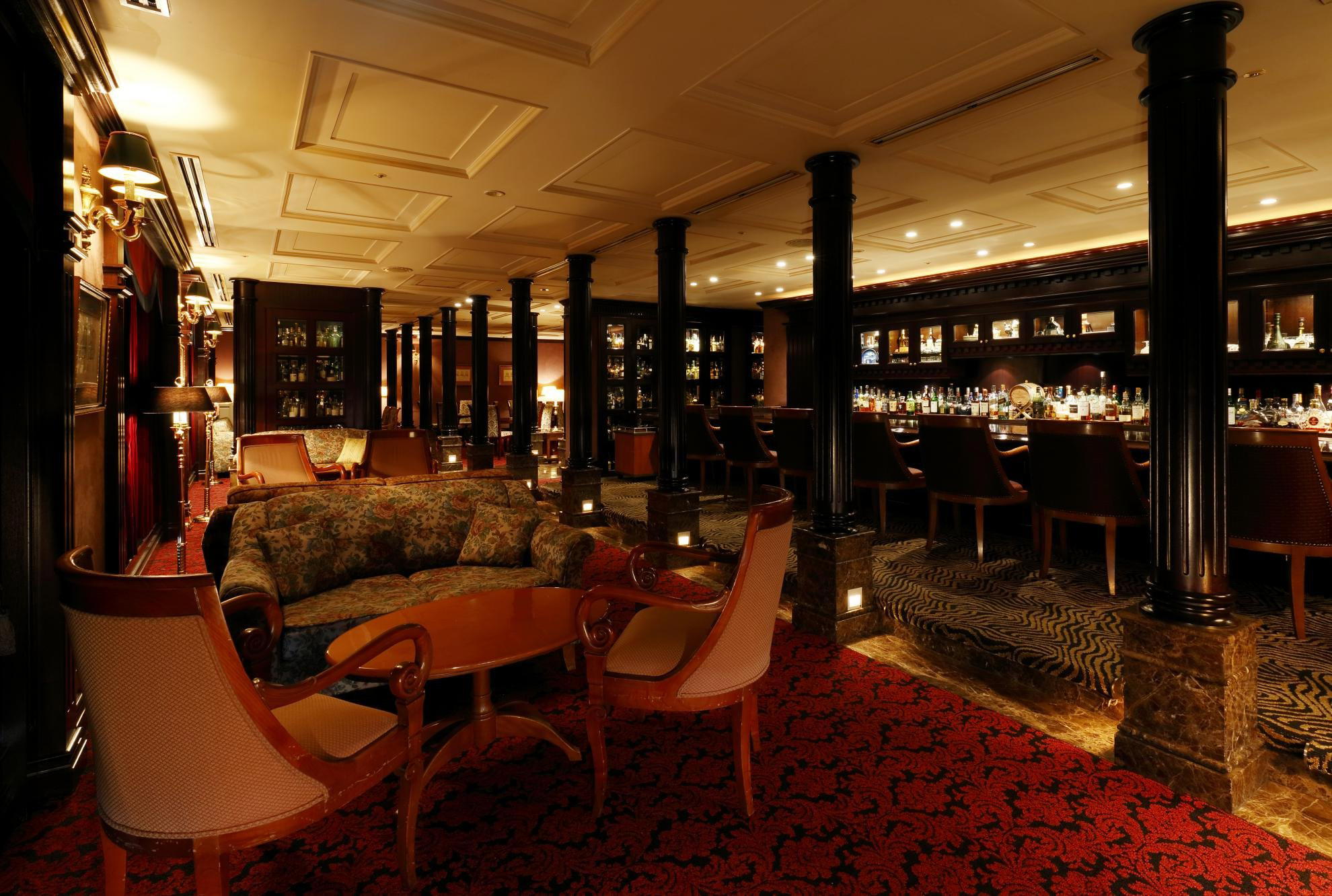
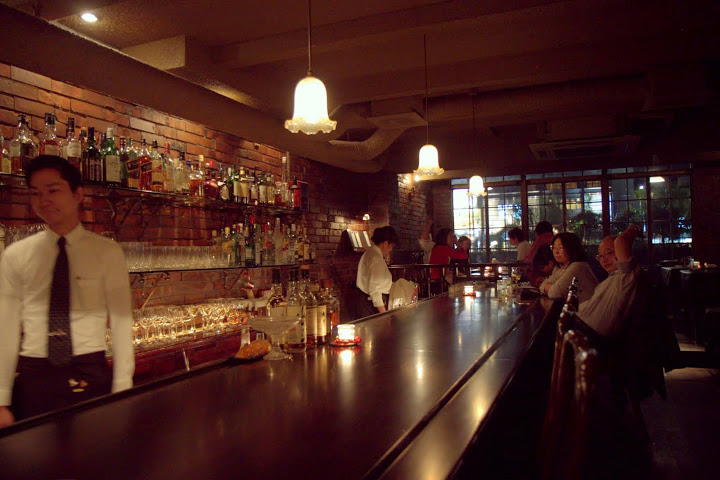
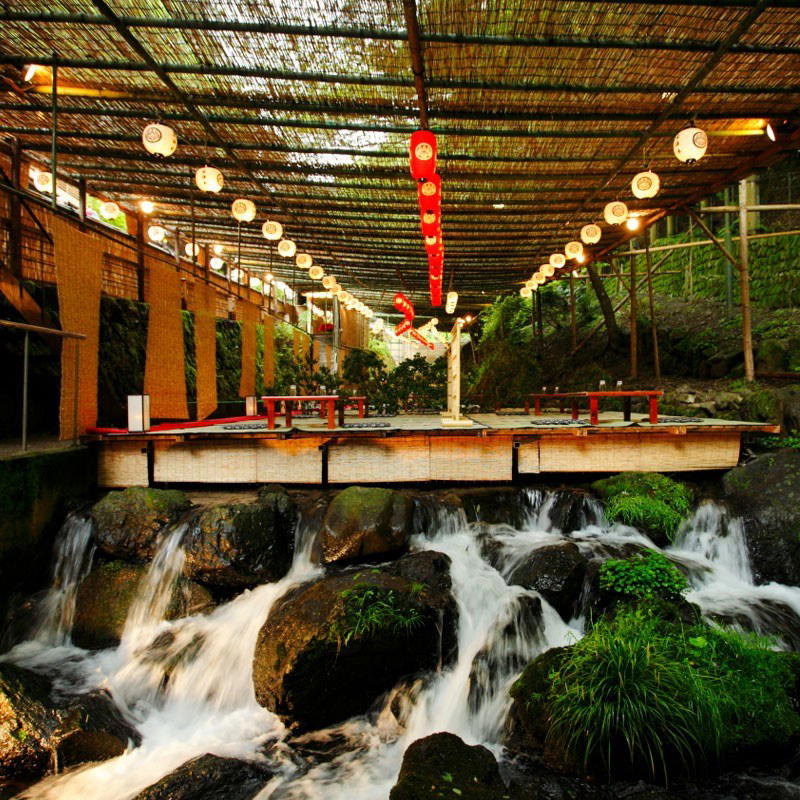
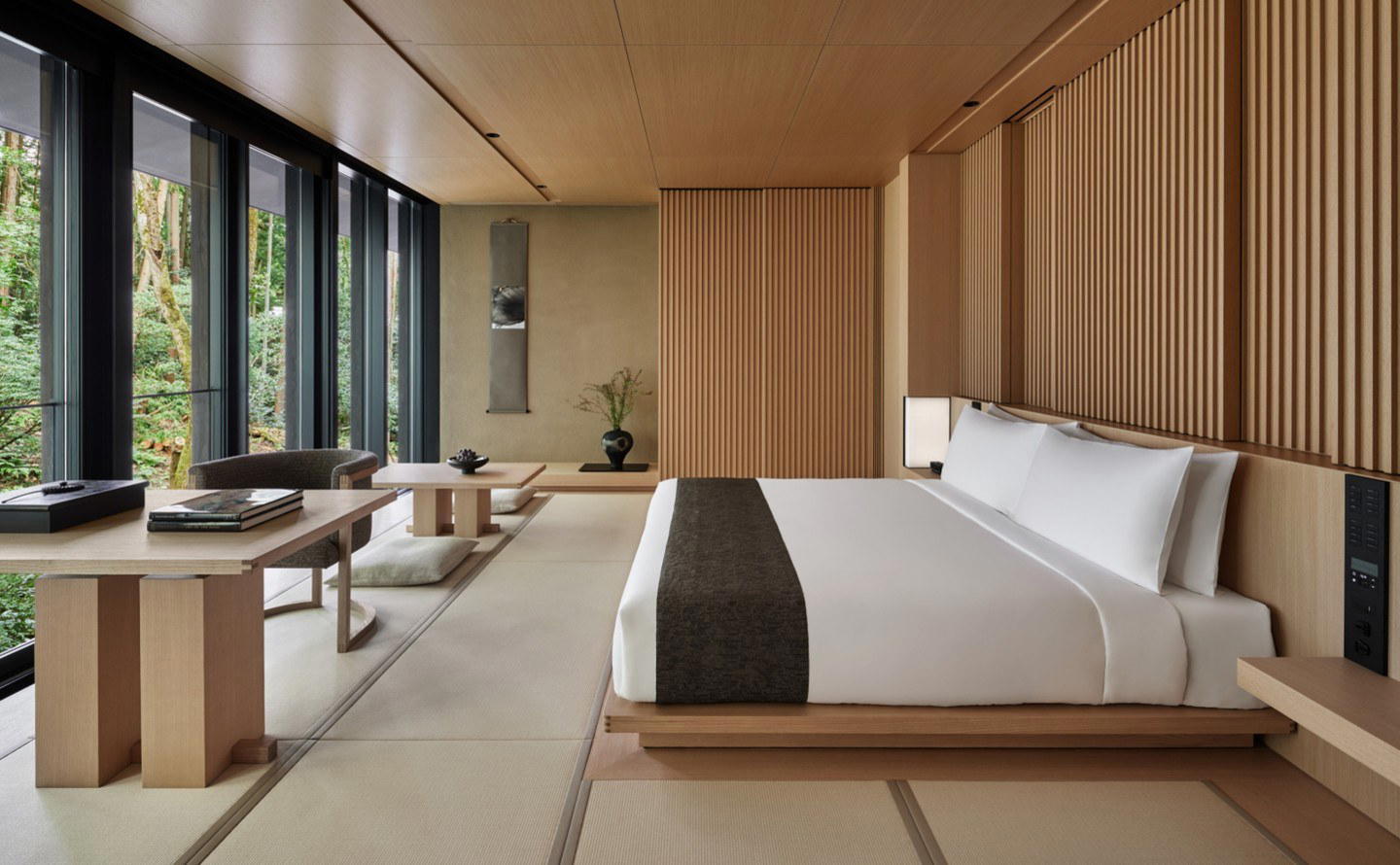
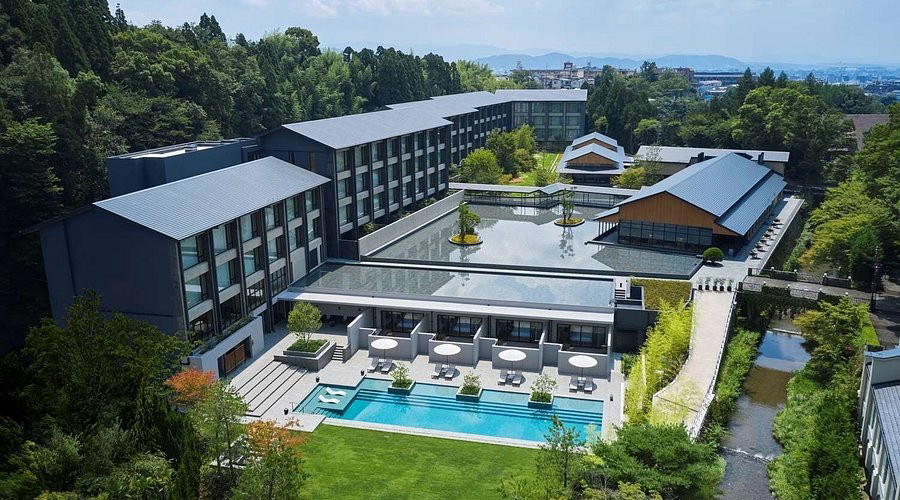
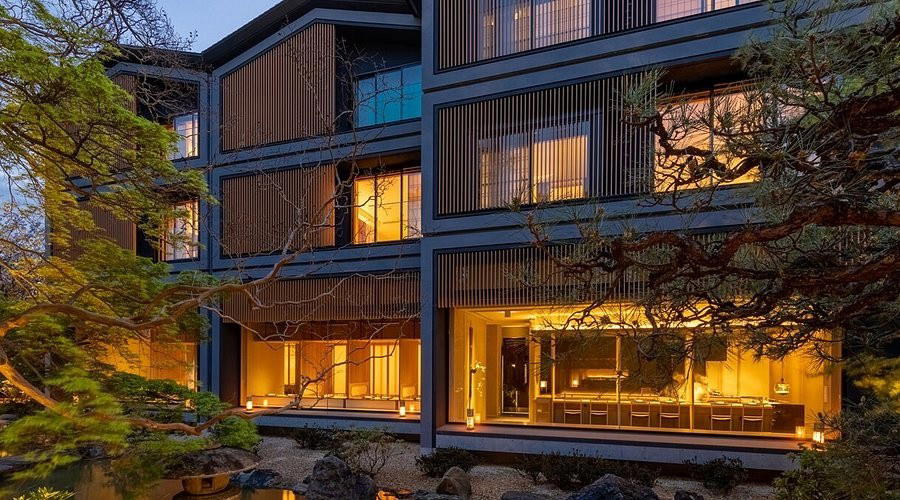
The atmosphere is tranquil and immersive, blending the warmth and patina of a century‑old kominka with clean modern finishes, large windows to surrounding nature, and soft, low‑key lighting suited to slow multi‑course dinners and overnight stays.