
Our verdict
Nihonryori Yukimoto belongs to Iida’s quieter, mountain-framed register of Japanese dining, where kaiseki reads less as ceremony for its own sake than as a disciplined conversation with river fish, forest produce, and seasonal pacing. The appeal is strongest for diners who value regional Japanese food traditions over spectacle, especially when comparing Nagano’s inland cuisine with the coastal grammar of sushi and seafood counters.

Pearl is the En Primeur Club membership app, where members save venues, book tables and use the concierge.
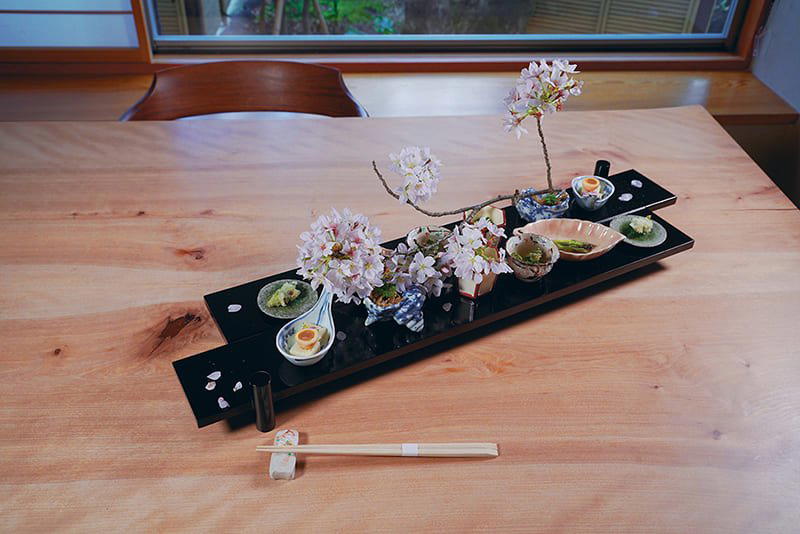
Approaching a serious Japanese dining room in Iida means entering a setting far from Tokyo’s neon dining shorthand. Nihonryori Yukimoto is presented in the Japan Times Destination Restaurants selection as Japanese food in Nagano Prefecture, and that context is the safest way to read it: a regional restaurant whose appeal depends on place, pacing, and attention rather than metropolitan luxury signals.
Japanese fine dining is often reduced to a checklist of courses or ingredients, but its effect depends more on sequence and restraint. Appetite is opened gently, texture and temperature are varied, and the meal is allowed to unfold without turning into a display of excess. In Iida, that kind of restaurant has particular charge because the city gives Japanese food a quieter, more regional frame. The point is not maximal rarity or imported prestige, but control, timing, and a meal that belongs to its setting.
Iida Japanese dining belongs to its region
Japan’s high-end dining conversation is often led by famous urban formats, but Nagano Prefecture’s regional dining occupies a quieter category. Inland Japanese cooking can place emphasis on season, preservation, vegetables, and careful use of local context, though the details should be judged at the table rather than assumed in advance. That does not make the cuisine rustic by default. In refined Japanese hands, restraint itself becomes the grammar: courses are arranged to make diners notice balance, quietness, and progression.
Nihonryori Yukimoto’s recognition in the Japan Times Destination Restaurants 2021 list points away from generic luxury and frames the restaurant as a serious regional Japanese food address in Iida. That matters because a meal here competes less with a capital-city restaurant district than with expectations of specificity. Diners from larger cities should adjust the comparison: this is not about urban polish alone, but about Japanese dining placed in Nagano Prefecture and read through Iida’s slower travel rhythm.
That distinction explains why a meal here sits apart from other Iida dining rooms. They may all belong to the same city food map, but they answer different cravings. Some meals are direct, casual, and appetite-led. A more composed Japanese restaurant moves through modulation, asking diners to notice sequence, quietness, and how each course prepares the palate for the next.
The value is in pacing, restraint, and regional context
For travelers building a Nagano itinerary, the practical question is not whether Japanese fine dining is formal in the abstract. It often is, because the meal asks for attention. The better question is whether the format suits the occasion. A composed dinner rewards diners willing to surrender to pacing rather than order around a craving. It is less useful for a quick meal between trains, or for groups wanting volume and flexibility.
Iida’s lack of metropolitan noise can help. Smaller Japanese cities often preserve a clearer relationship between cuisine and place because the table is not forced to perform for international trend cycles. In that setting, Nihonryori Yukimoto in Iida fits the side of Japanese dining that values restraint over display. The trust signal is not vague reputation; it is the restaurant’s inclusion as rank 8 in the Japan Times Destination Restaurants 2021 selection for Japanese food in Nagano Prefecture.
Comparison should stay disciplined. Rukawa, an out-of-metro Japanese food reference point, is useful only as a reminder that serious Japanese cooking outside major urban centers can be judged on regional clarity rather than capital-city glamour. The broader category includes places where geography is the organizing principle, not background decoration. For that reason, Rukawa, JAPANESE FOOD in Takashima makes a more relevant mental comparison than a Tokyo counter, even though the local ingredients and formats may differ.
Travelers should not treat every Japanese restaurant listing as interchangeable. Casual specialists, everyday dining rooms, counter formats, and composed regional restaurants all sit under the country’s dining umbrella, but serve different roles in a trip. Those categories are not cuisine peers; they show how broad “Japanese food” becomes once format, occasion, and location enter the discussion.
How to place it within an Iida itinerary
Iida is not a city where dining should be separated from the wider trip. A stronger itinerary gives time to the area, then lets dinner continue the conversation in another register. Japanese food has more force when the surrounding region is part of the day, because the table’s references feel less abstract. That is the advantage of eating regional Japanese food in Iida rather than treating it as a polished export from a larger city.
Treat Nihonryori Yukimoto as the composed meal of an Iida stay, then build other stops around contrast. Use the broader Iida restaurant landscape for the city’s dining range, and pair it with Iida lodging research if the meal anchors an overnight stay. Drinking culture, winery visits, and local programming sit in separate lanes, so plan those separately rather than forcing one restaurant to carry the whole trip.
For readers mapping Japanese dining beyond Iida, the useful comparison is format rather than fame. Different cities and restaurant types reveal different assumptions about pace, price, and occasion, but naming them as peers would overstate the connection. Keep the comparison closer: Nihonryori Yukimoto belongs in a regional Japanese food itinerary, while Rukawa can serve as another example of how Japanese dining outside the largest metropolitan centers may be understood through place rather than glamour.
The verdict is simple: choose this restaurant to understand Iida through Japanese food, not merely to secure another reservation. A composed Japanese meal asks for patience and attention, and in Nagano Prefecture that patience can be repaid through a clearer sense of place. The meal belongs to travelers who want Iida itself to shape dinner’s logic.
Frequently asked questions
Is Nihonryori Yukimoto good for families?
It can suit families that are comfortable with a paced Japanese meal, since the format is more composed than a casual restaurant. The Iida setting makes it better for a quiet shared dinner than for a quick drop-in with young children.
Is Nihonryori Yukimoto formal or casual?
Formal. Nihonryori Yukimoto is a Japanese food restaurant in Iida, and the experience should be approached as a measured dinner rather than a casual, anything-goes meal.
What awards or recognition does Nihonryori Yukimoto have?
Nihonryori Yukimoto was ranked No. 8 in the Japan Times Destination Restaurants 2021 selection for Japanese food in Nagano Prefecture.
What type of food is Nihonryori Yukimoto known for?
Nihonryori Yukimoto serves JAPANESE FOOD.
Quick Comparison
Comparable venues by cuisine and price in the same metro.
| Venue | Cuisine | Price |
|---|---|---|
| Nihonryori YukimotoThis venue (the venue you are viewing) | Japanese Kaiseki | $300–500 |
| Rukawa | JAPANESE FOOD | Not listed |
Recognition history
Dated appearances from independent guides and award organizations, with the underlying list record or original source where available.
The Japan Times Destination Restaurants Destination Restaurants Selection #8
The Japan Times Destination Restaurants
Continue exploring
More in Iida
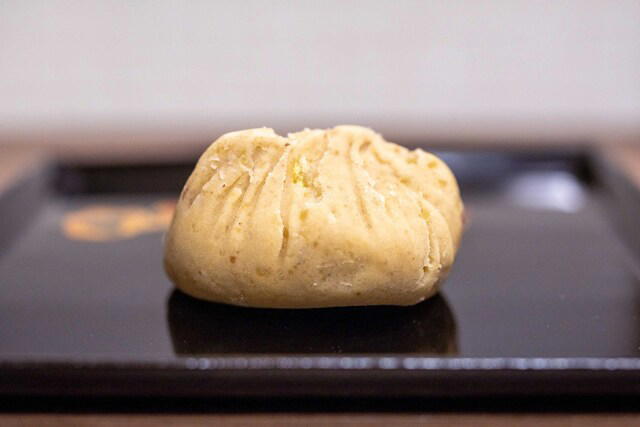
Restaurants in Iida
All restaurants in Iida →
Hotels in Iida
Browse all →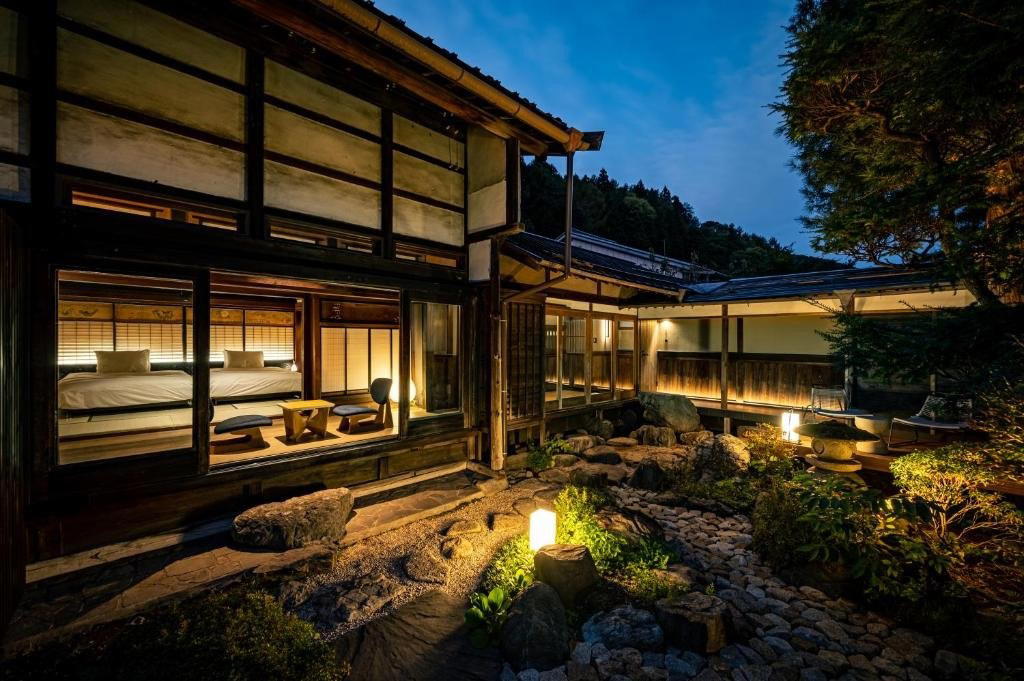
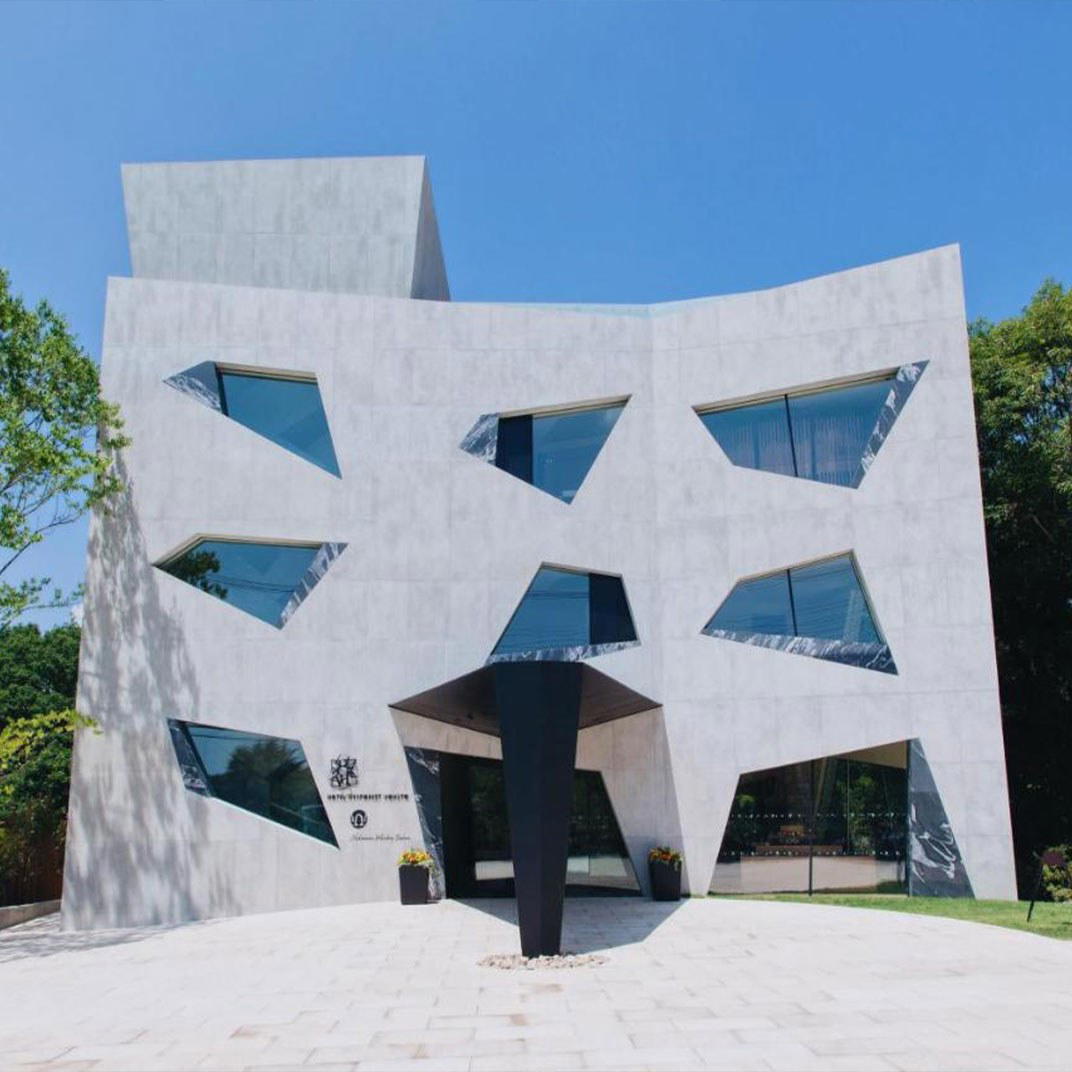
Wineries in Iida
Browse all →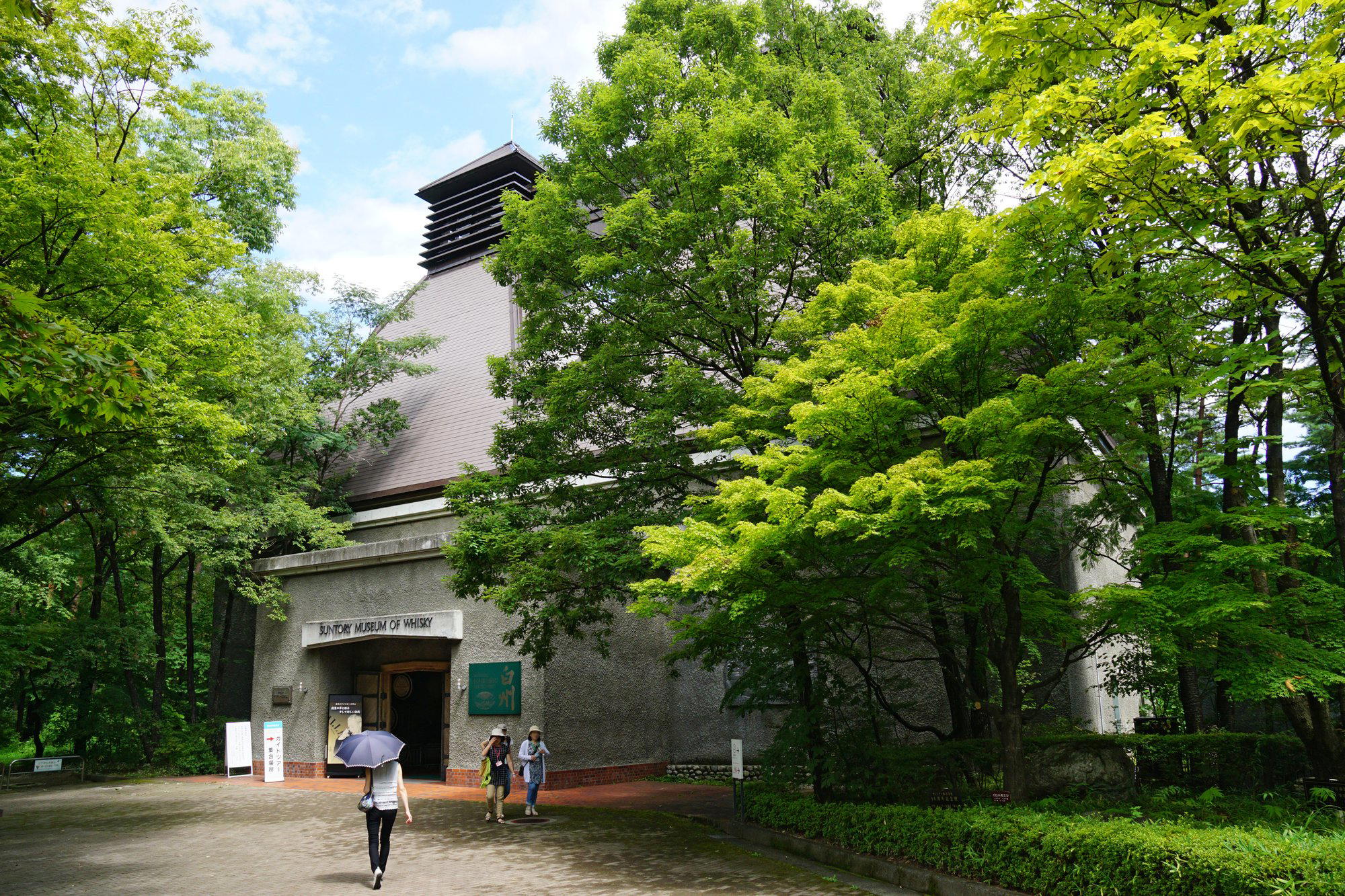
Details
- Elegant
- Sophisticated
- Classic
- Special Occasion
- Business Dinner
- Date Night
- Celebration
- Historic Building
- Standalone
- Sake Program
- Sommelier Led
- Local Sourcing
- Set Menu
- Sake
- Wine
Traditional Japanese atmosphere with contemporary architectural design; refined, intimate, and quietly elegant.