Rucola
Rucola on Dean Street in Boerum Hill sits inside Brooklyn's broader conversation about ingredient-led Italian cooking, where sourcing discipline and seasonal restraint carry more weight than tasting-menu theatrics. The room is small, the menu focused, and the approach grounded in the kind of produce-forward philosophy that has defined the borough's most considered dining for over a decade.
Pearl is the En Primeur Club membership app — saves, bookings, and concierge access live there. Same editors, same standards.
- Address
- 190 Dean St, Brooklyn, NY 11217
- Phone
- +17185763209
- Website
- rucolabrooklyn.com
- Directions
- Get directions
 Saves & bookings on Pearl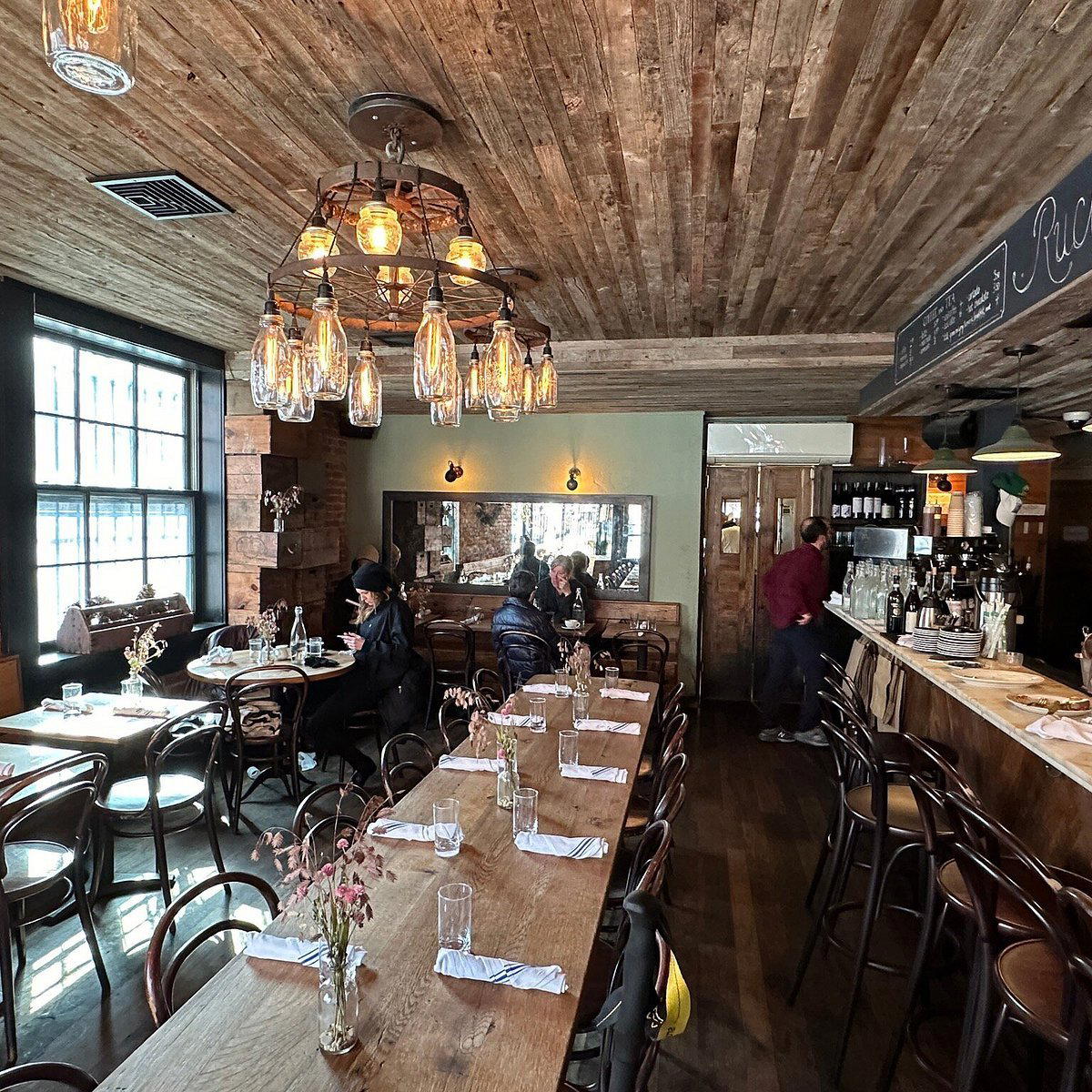
Boerum Hill and the Case for Restraint
Rucola is a Brooklyn restaurant in Boerum Hill serving Rustic Northern Italian cuisine. Boerum Hill, in particular, has sustained a cluster of small-format restaurants that treat seasonal sourcing not as a marketing position but as a structural commitment, one that shapes what appears on the menu and, equally, what does not. Rucola, at 190 Dean Street, belongs to that tradition. The address places it in a residential stretch of Brooklyn that rewards the walk rather than the destination-dining mindset, and the format reflects that neighbourhood register: focused, unhurried, and built around the logic of the produce rather than the spectacle of the kitchen.
That orientation puts Rucola in a different competitive conversation than Manhattan's high-wire Italian rooms. Places like Le Bernardin or Per Se operate at price points and with service architectures that signal a particular kind of ambition. Rucola's signal is different, quieter, more neighbourhood-scaled, and more honest about what a small Italian-leaning kitchen does well when it isn't trying to compete on ceremony.
The Sourcing Logic Behind a Brooklyn Italian Kitchen
The produce-forward strand of New York dining has a clear lineage. Blue Hill at Stone Barns in Tarrytown established one documented version of farm-to-table rigour in the region, and its influence on smaller Brooklyn rooms, in terms of how kitchens think about vegetable-forward menus and waste reduction, has been gradual but real.
For a kitchen like Rucola's, the sustainability argument is not primarily ideological, it is practical. Italian cooking's strongest suit has always been the subordination of technique to ingredient quality. A kitchen that commits to seasonal and regional sourcing is, in structural terms, also committing to the Italian premise: that the dish exists to showcase what arrived that week, not to demonstrate what the cook can do to it. That discipline imposes limits, and limits, in this context, are editorial. A shorter menu with tighter sourcing is a more honest document than a long menu with compromised supply chains.
This framing connects Rucola to a broader American conversation about what ingredient-led restaurants actually owe their guests. Single Thread Farm in Healdsburg and The French Laundry in Napa operate at the opposite end of the scale, multi-course, high-ceremony, heavily documented, but the underlying premise, that sourcing quality is the non-negotiable foundation of any serious kitchen, is shared. Rucola works the same principle at a neighbourhood price point and without the tasting-menu architecture.
How Rucola Sits in the Brooklyn Dining Tier
Brooklyn's Italian dining has fragmented into distinct tiers over the past decade. At one end, there are the red-sauce institutions, places where longevity and community ritual matter more than seasonal menus. At the other, a cohort of kitchens that treat Italian cooking as a framework for produce-led, low-waste cooking rather than a canon of fixed dishes. Rucola occupies the latter tier, which is a smaller and more demanding category: smaller because it requires genuine sourcing relationships and menu discipline; more demanding because guests in that category tend to notice when the commitment lapses.
That comparable set does not include the city's trophy Italian rooms. It is closer in spirit to the kind of cooking you find at Bacchanalia in Atlanta or Providence in Los Angeles, kitchens where the sourcing story is load-bearing, not decorative. At the higher end of the sustainability-led format in the United States, Lazy Bear in San Francisco and Alinea in Chicago have each built distinct versions of rigorous sourcing into different formats. Rucola's version is more accessible and more neighbourhoodly scaled, which is its own form of credibility.
Planning a Visit
Rucola sits at 190 Dean Street in Boerum Hill, Brooklyn, a short walk from the Bergen Street or Atlantic Avenue subway stops, which makes it accessible from most of Manhattan in under half an hour. The room is small, and walk-ins are welcome but a reservation is a practical choice on weekends. The neighbourhood has enough surrounding bars and wine shops that an evening in the area extends naturally before or after the meal. Dress is smart casual. For guests building a broader New York itinerary that includes the full range from neighbourhood dining to the city's most decorated rooms, Atomix, Masa, or Jungsik New York at the upper end, Rucola represents a different register of the same city's ambition, expressed at a neighbourhood scale.
For comparison, the kind of sourcing rigour that defines Rucola's category is also at work in places like Emeril's in New Orleans, Addison in San Diego, and The Inn at Little Washington, kitchens across different markets that have made supply chain integrity a defining feature rather than an afterthought. Internationally, the same argument appears in the sourcing commitments of 8 1/2 Otto e Mezzo Bombana in Hong Kong and the long-standing producer relationships at Alain Ducasse's Louis XV in Monte Carlo. Rucola operates at a fraction of those price points, but it is working from the same premise: that a kitchen's sourcing choices are a form of editorial judgment, and that judgment is visible on the plate.
A Pricing-First Comparison
Comparable venues nearby, for context on price, style, and recognition.
| Venue | Cuisine | Price | Notes |
|---|---|---|---|
| RucolaThis venue — the venue you are viewing | Not listed | $$ | Not listed |
| Savelli | Not listed | $$ | Downtown Brooklyn-DUMBO-Boerum Hill, Authentic Italian Trattoria |
| Fiat Cafe | Not listed | $$ | SoHo-Little Italy-Hudson Square, Authentic Italian Cafe |
| Pizza Studio Tamaki | Not listed | $$ | East Village, Tokyo-Style Neapolitan Pizza |
| Cacio e Pepe | Not listed | $$ | East Village, Authentic Roman Italian Pasta |
| Organika Bar & Kitchen | West Village, Organic Italian | $$ | Not listed |
Continue exploring
More in New York City
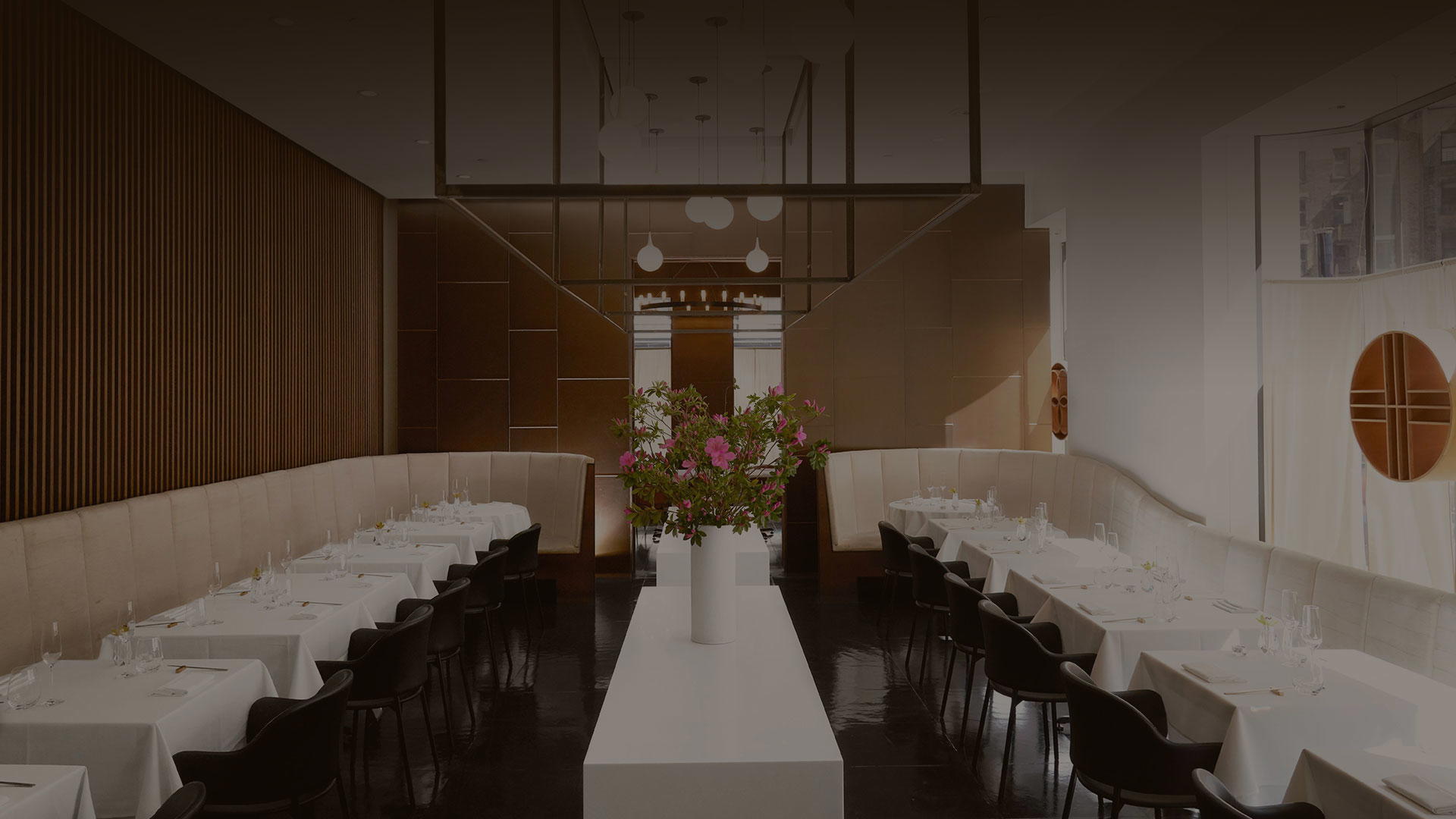
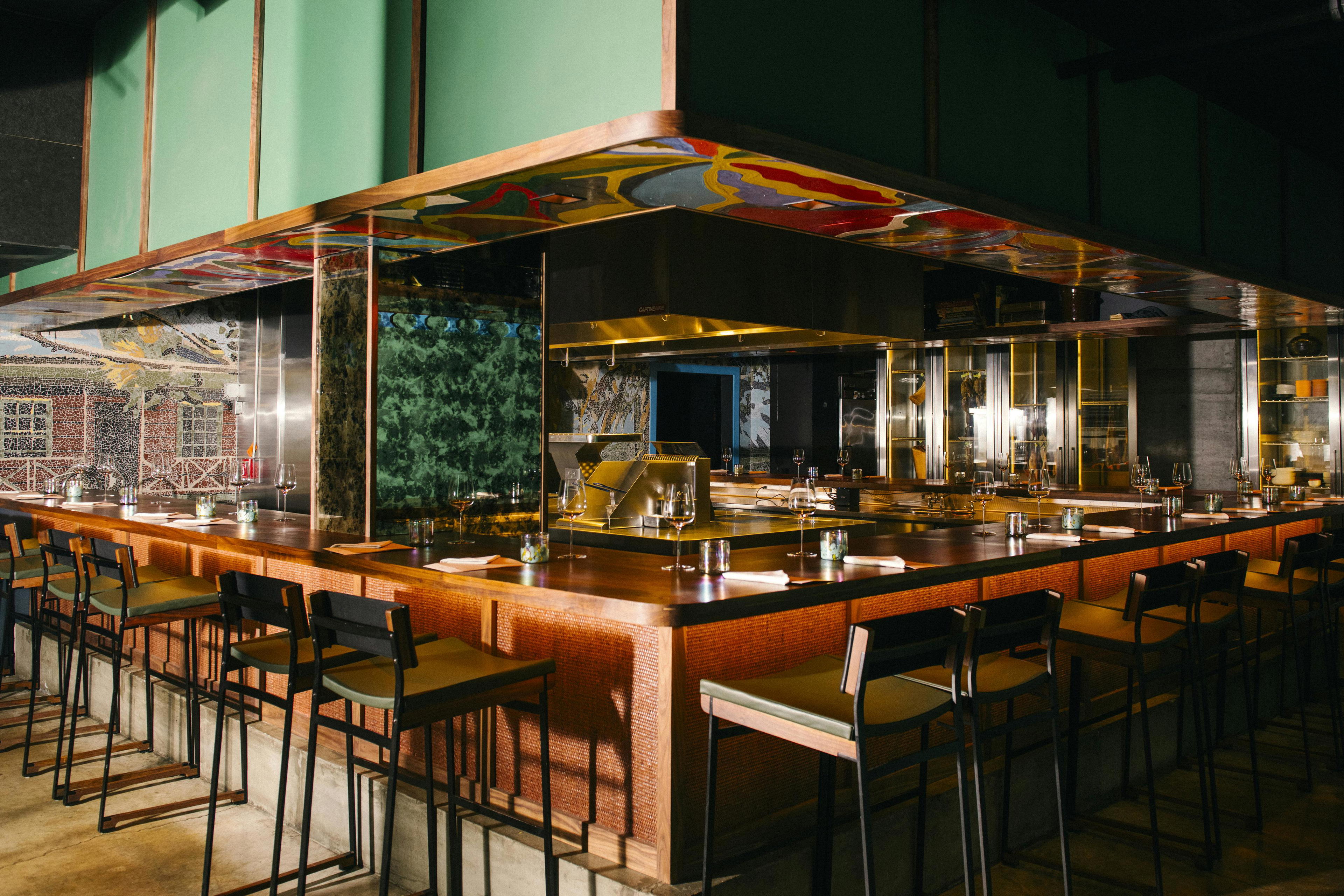
Restaurants in New York City
Browse all →
Bars in New York City
Browse all →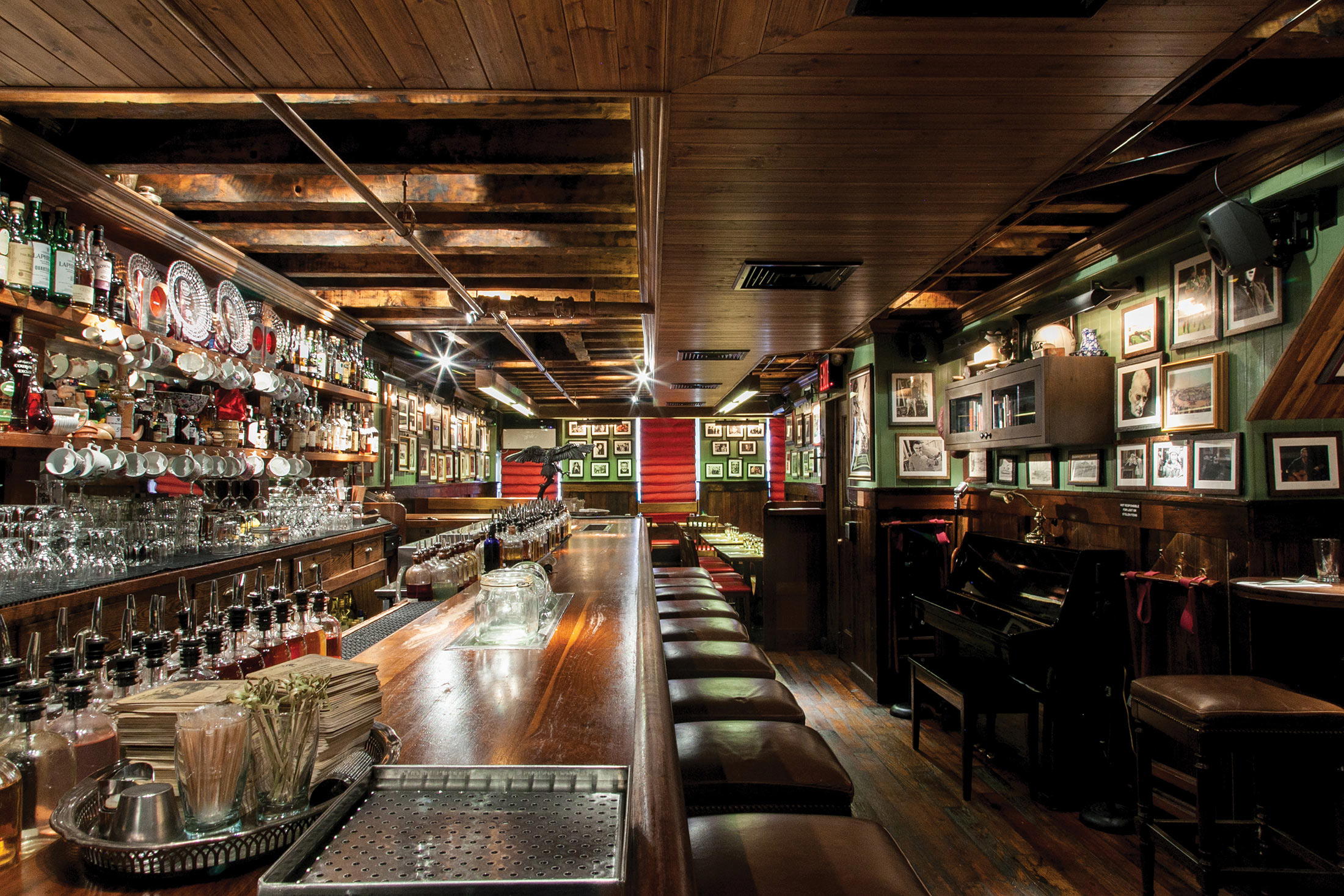
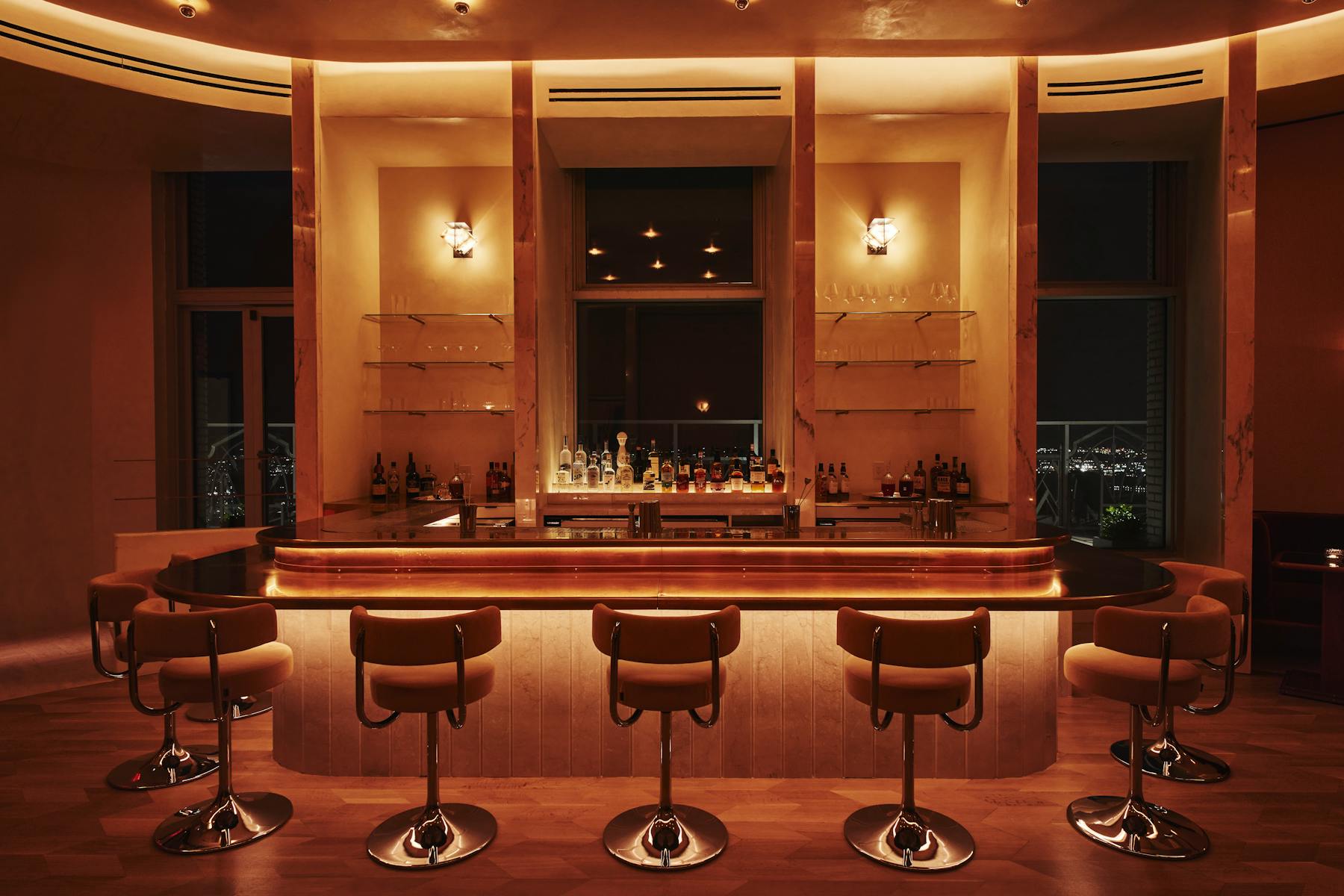
Hotels in New York City
Browse all →
Wineries in New York City
Browse all →


At a Glance
- Cozy
- Rustic
- Intimate
- Date Night
- Family
- Brunch
- Open Kitchen
- Extensive Wine List
- Craft Cocktails
- Farm To Table
- Local Sourcing
Current opening hours
- Monday
- 8 AM–3 PM, 5–11 PM
- Tuesday
- 8 AM–3 PM, 5–11 PM
- Wednesday
- 8 AM–3 PM, 5–11 PM
- Thursday
- 8 AM–3 PM, 5–11 PM
- Friday
- 8 AM–3 PM, 5–11 PM
- Saturday
- 9 AM–3 PM, 5–11 PM
- Sunday
- 9 AM–3 PM, 5–11 PM
Hours can change for holidays and private events. Last verified .
Cozy and warm with a relaxed rustic atmosphere, featuring friendly service and a neighborhood feel.