Cacio e Pepe
At 182 Second Avenue in the East Village, Cacio e Pepe has held its ground as one of New York's most direct arguments for Roman trattoria cooking done without compromise. The menu centers on the dish that gives the restaurant its name, and the room operates at the unhurried pace of a neighborhood restaurant that has never needed a publicist. For pasta without theater, this is the address.
Pearl is the En Primeur Club membership app — saves, bookings, and concierge access live there. Same editors, same standards.
- Address
- 182 2nd Ave, New York, NY 10003
- Phone
- +12125055931
- Website
- cacioepepe.com
- Directions
- Get directions
 Saves & bookings on Pearl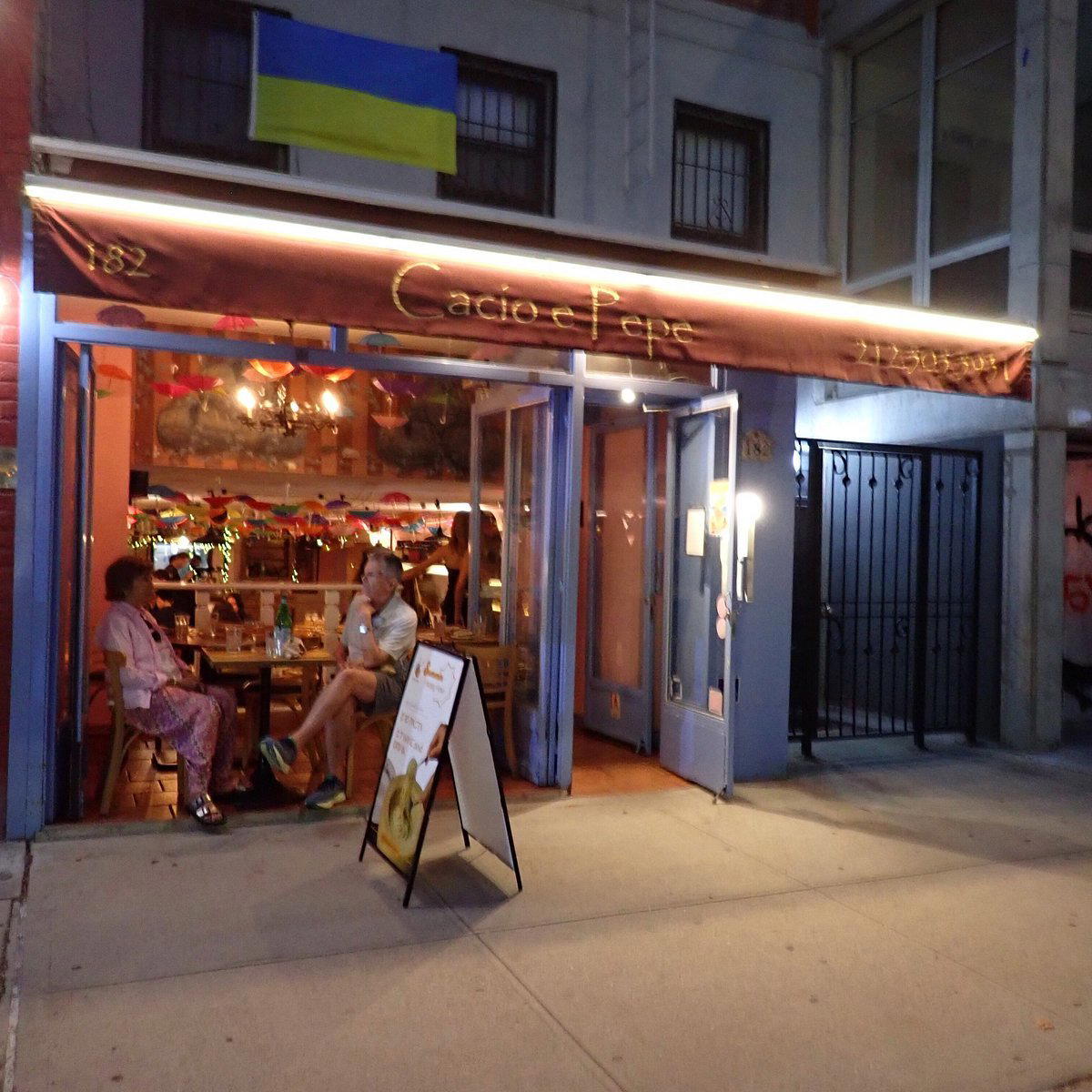
Roman Trattoria Cooking in the East Village
New York's Italian restaurant scene has spent the last two decades moving in two directions simultaneously: upward into white-tablecloth refinement, and outward into fast-casual formats built around single ingredients. The small Roman trattoria, with its fixed repertoire of cacio e pepe, carbonara, and amatriciana, occupies a narrower lane than it once did. At 182 Second Avenue, Cacio e Pepe has occupied that lane for long enough that the East Village has changed substantially around it while the restaurant's proposition has remained largely the same: a modest room, a short menu, and pasta prepared in the Roman tradition without modification for American tastes.
That positioning matters more than it might seem. The pasta dishes that define Roman cooking are technically demanding in their simplicity. Cacio e pepe, the dish the restaurant is named for, requires nothing but pasta, Pecorino Romano, and black pepper, which means there is nowhere to hide if the emulsification breaks or the pepper balance is off. The same discipline applies to carbonara, where egg and guanciale must bind without scrambling. Restaurants that maintain this kind of focused repertoire over years are making a structural argument about what Italian cooking in New York should look like, separate from the tasting-menu ambitions of destinations like Eleven Madison Park or the technique-first rigor of Le Bernardin.
How the Neighborhood Shaped the Restaurant's Role
The East Village has cycled through several identities since the 1980s, moving from a low-rent bohemian corridor to a dense restaurant block that now competes with the West Village and lower Manhattan for dining traffic. Second Avenue specifically became one of the city's more competitive mid-market streets, with turnover rates that have taken out far better-resourced operations than a no-frills trattoria with a limited menu. That Cacio e Pepe has outlasted much of that churn is, in itself, a sign of staying power. Longevity on a competitive New York block requires consistent repeat business, and repeat business at a pasta restaurant requires that the cooking hold up over hundreds of visits, not just the first one.
This is the context in which the restaurant's evolution, or deliberate non-evolution, is most legible. Where other East Village restaurants have pivoted formats, added omakase counters, or rebranded around cocktail programs, the restaurant has continued operating as a trattoria. The decision to stay narrow when the market rewarded expansion is not passive; it reflects an understanding that the restaurant's value proposition is precisely its consistency and its refusal to compete on territory it never claimed. Compare this with the format discipline that defines tightly-scoped destinations elsewhere, from Smyth in Chicago to Lazy Bear in San Francisco, and the pattern holds: the clearest restaurant identities are built on constraint, not range.
The Dish and What It Requires
The restaurant as a category has been through an odd cultural arc in the United States. It arrived as an obscure Roman staple, became a recipe-blog phenomenon around 2015, and then split into two tiers: the internet version made with spaghetti and pre-grated cheese, and the restaurant version where technique, ingredient sourcing, and pasta quality separate one plate from another. The Roman trattoria tradition the dish comes from is not rarefied. It does not position the restaurant as a luxury item. The ingredients are cheap; the skill is not.
At the East Village address, the dish carries the weight of being the restaurant's name, which is either a confident statement or a significant risk depending on the execution on any given night. New York's Italian cooking scene includes serious competition at every price point, from the alta cucina ambitions of the city's finer rooms to the neighborhood trattorias that have quietly maintained standards for decades. For a frame of reference on how Italian tradition translates across different geographic and culinary registers, the cooking at Dal Pescatore in Runate and the Italian-influenced precision at Frasca Food & Wine in Boulder show how differently the same broad tradition can express itself when the context and ambition shift.
Where It Sits in the New York Dining Picture
New York's premium dining tier is well-documented. Masa, Per Se, and Atomix represent the city at its most technically ambitious and expensive. The restaurant does not compete in that tier and has never tried to. Its comparable set is the category of Italian neighborhood restaurants that serve a fixed repertoire at accessible prices, in rooms that seat a modest number of covers without a reservation infrastructure built around three-month waitlists. This is a category that has contracted in New York as rents have risen and the economics of the mid-market restaurant have tightened, which makes the survivors more significant by default.
For visitors working through a broader New York itinerary that includes the city's more demanding reservations, the restaurant offers a counterweight: a meal without ceremony, at a price point that does not require advance planning in the way that the city's tasting-menu rooms do. The full scope of what New York's restaurants offer, from this kind of trattoria anchor to the multi-course ambitions of the Michelin-decorated tier, is covered in our full New York City restaurants guide.
For context on how single-ingredient-focused restaurants perform across different American cities, it is worth noting that the model of the hyper-focused, non-tasting-menu restaurant has produced some of the country's more durable dining institutions, from Emeril's in New Orleans to Providence in Los Angeles. The discipline of doing one thing at a high level, night after night, is a harder institutional achievement than it appears from the outside. The restaurant's years at the same address on Second Avenue make that point quietly but consistently.
Planning Your Visit
The restaurant sits at 182 Second Avenue in the East Village, accessible from multiple subway lines serving the 14th Street and Astor Place stops. Given the trattoria format and the restaurant's position in the mid-market tier, this is not a reservation-driven destination in the same way that the city's multi-month-waitlist rooms are, though arriving early or off-peak remains the practical approach for a smaller room during busy service periods. Dress is smart casual. The menu's limited scope means that the ordering decision is simple, which is part of the point.
Reputation Context
Comparable venues nearby, for context on price, style, and recognition.
| Venue | Cuisine | Price | Notes |
|---|---|---|---|
| Cacio e PepeThis venue — the venue you are viewing | Authentic Roman Italian Pasta | $$ | Not listed |
| Risotteria Melotti | Gluten-Free Northern Italian Risotteria | $$ | East Village |
| Il Melograno | Southern Italian Sicilian | $$ | Hell's Kitchen |
| Celeste | Authentic Italian Trattoria & Neapolitan Pizza | $$ | Upper West Side (Central) |
| Water & Wheat Upper West | Fresh Pasta & Neapolitan Pizza | $$ | Upper West Side (Central) |
| Brodo - East Village | Bone Broth Bar | $$ | East Village |
Continue exploring
More in New York City
Restaurants in New York City
Browse all →
Bars in New York City
Browse all →
Hotels in New York City
Browse all →





At a Glance
- Lively
- Date Night
- Casual Hangout
- Open Kitchen
- Extensive Wine List
Current opening hours
- Monday
- Closed
- Tuesday
- Closed
- Wednesday
- 4–10 PM
- Thursday
- 4–10 PM
- Friday
- 4–11 PM
- Saturday
- 4–11 PM
- Sunday
- 4–10 PM
Hours can change for holidays and private events. Last verified .
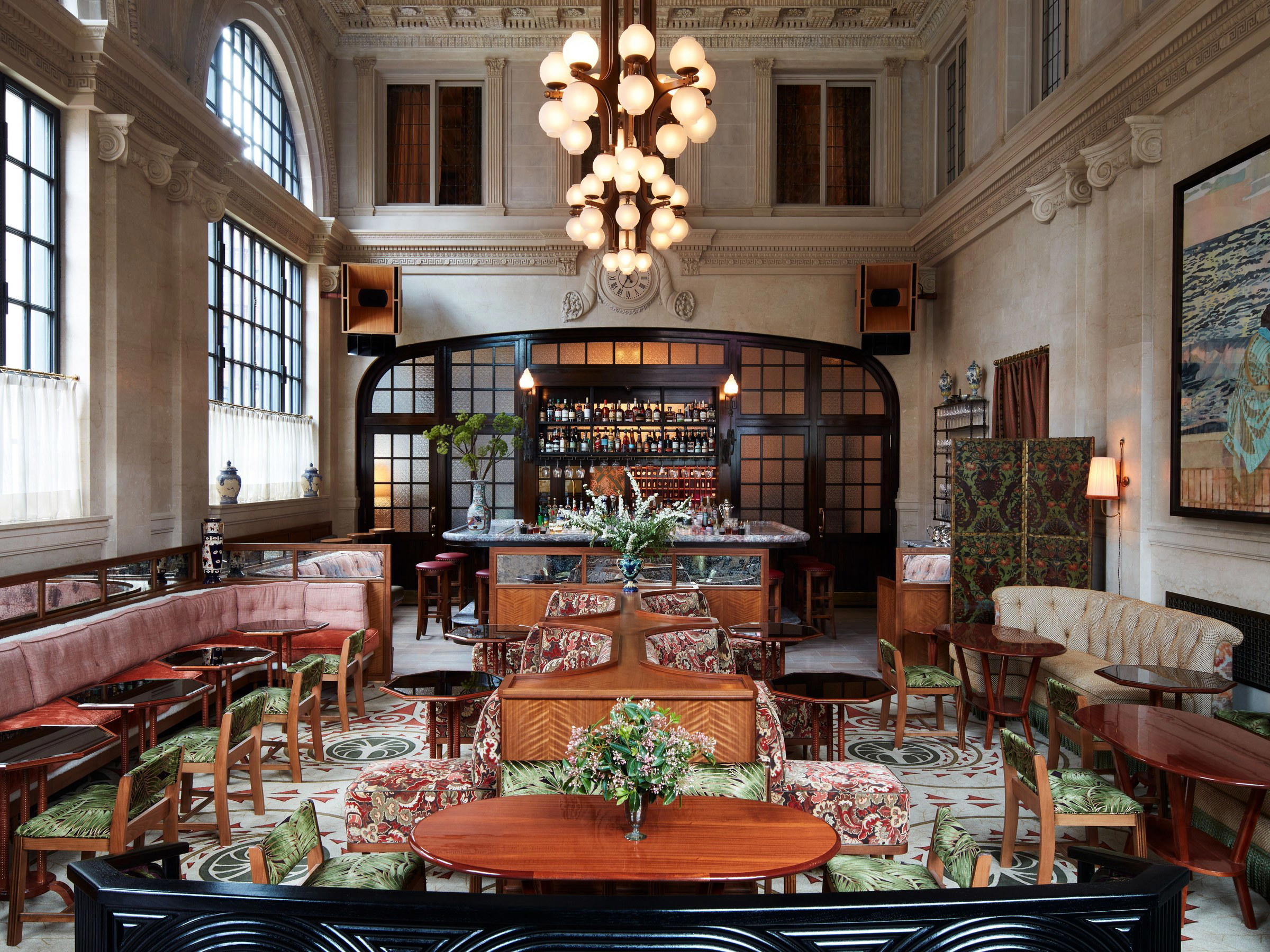
Lively and lively Italian atmosphere capturing the essence of East Village dining.