Organika Bar & Kitchen
Organika Bar & Kitchen on 7th Avenue South in Greenwich Village sits within a West Village dining scene that has spent the last decade sharpening its focus on ingredient provenance. The address puts it steps from some of New York's most competitive casual-dining blocks, where sourcing credentials have become a primary point of differentiation rather than a secondary marketing note.
- Address
- 89 7th Ave S, New York, NY 10014
- Phone
- +1 212 414 1900
- Directions
- Get directions
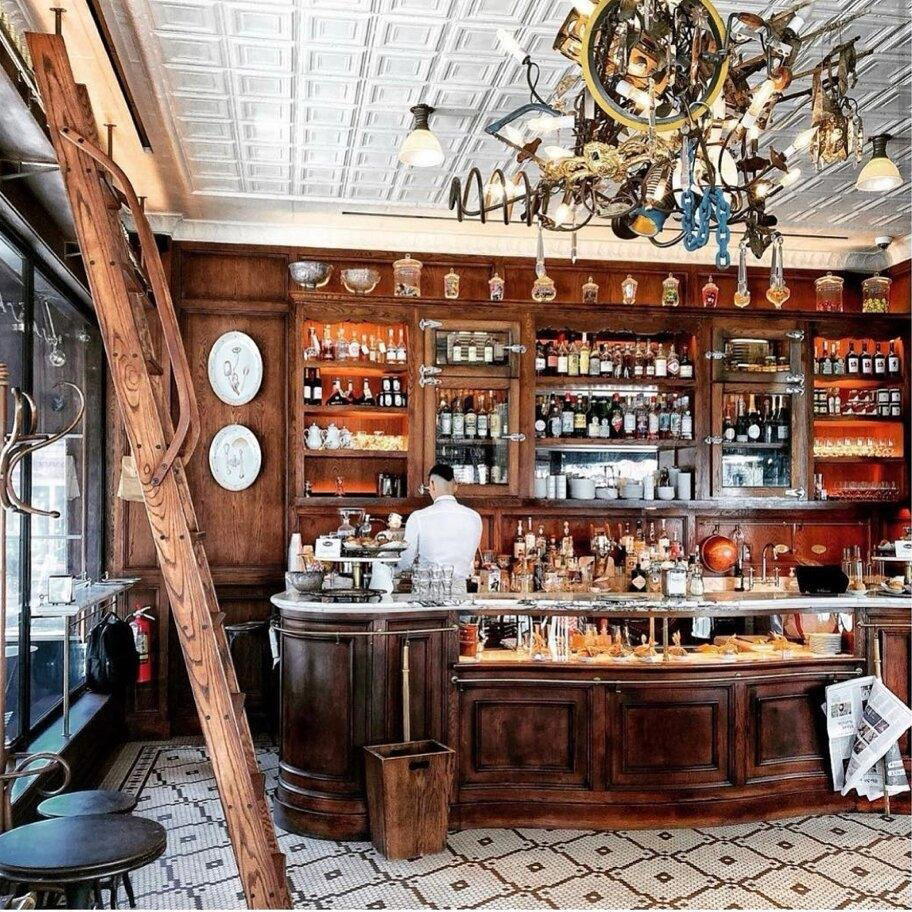
Where 7th Avenue South Meets Ingredient Accountability
Greenwich Village's restaurant corridor along 7th Avenue South has undergone a quiet but persistent shift over the past decade. What was once a strip defined by neighbourhood Italian staples and late-night bars has gradually absorbed a generation of operators whose primary competitive argument is not technique or format, but provenance. In this context, Organika Bar & Kitchen at 89 7th Ave S enters a block where the question diners increasingly ask first is not what is on the plate, but where it came from.
That shift is not distinctive to this address. Across New York City's dining scene, the sourcing conversation has moved from a niche concern at farm-to-table destinations to a baseline expectation at mid-tier neighbourhood spots. Where tasting-menu destinations like Blue Hill at Stone Barns in Tarrytown built their entire identities around agricultural relationships years before the market demanded it, the model has since filtered into everyday dining. Bar kitchens and casual formats in neighbourhoods like the West Village are now expected to offer the same transparency that once distinguished destination dining.
The Ingredient Sourcing Frame in New York's West Village
In American cities where farm-sourcing has genuine traction, the venues that hold ground are those where the supply chain is specific enough to be verifiable. The broader category of "organic" or "locally sourced" language, without named farms or defined regions, has become largely decorative. The more credible operators in New York's casual-dining tier have moved toward producer-specific notes, seasonal rotations tied to actual harvest schedules, and menu structures that change when supply changes rather than on a fixed quarterly calendar.
This is the competitive environment Organika Bar & Kitchen occupies. The name itself positions the venue within the organic-sourcing register, a signal that places it in a peer group distinct from the technique-focused fine dining of, say, Atomix or the seafood-precision tier represented by Le Bernardin. Those venues compete on craft and lineage. A bar-and-kitchen format with an organic positioning competes on values alignment and ingredient honesty, which requires a different kind of rigor to sustain credibly.
Across the country, the venues that have made sourcing arguments stick long-term share a structural commitment: Single Thread Farm in Healdsburg operates its own farm as proof of concept; Smyth in Chicago built its reputation on forager relationships that change the plate weekly; Lazy Bear in San Francisco uses the communal-table format to narrate the sourcing story directly to diners. The bar-kitchen format at Organika operates in a more accessible register than any of these, but the underlying expectation from a provenance-aware West Village audience is similar: specificity matters more than aspiration.
The Bar-and-Kitchen Format and What It Demands
The bar-kitchen hybrid is one of the more demanding formats in urban dining. It asks a venue to perform credibly on two separate axes simultaneously: the drinks program, where New York has raised the baseline significantly over the last ten years, and the kitchen, where a sourcing-forward identity requires supply-chain discipline that conflicts with the cost pressures inherent to casual pricing. The neighbourhood context compounds this. Greenwich Village's dining density means that a venue without a clear point of differentiation loses regulars to a block that contains dozens of alternatives within a five-minute walk.
New York's transition from performative cocktail culture toward more transparent technical programs has reshaped what bar-kitchen audiences expect from the drinks side. The theatrics that defined the speakeasy era have largely receded; what holds attention now is a program with clear sourcing or fermentation logic, backed by a team with traceable credentials. On the food side, the organic-bar-kitchen format works well when the menu is tight enough that every item can genuinely reflect the sourcing position, rather than a sprawling list where provenance applies to two items and not the other fifteen.
Seasonal Timing and the West Village Calendar
The West Village operates on a distinct seasonal rhythm. Summer and early autumn bring the highest foot traffic and the widest tourist mix, but the neighbourhood's regulars, who set the tone for venues with a local-sourcing identity, are most active from September through November and again from March through May. Those windows align with the strongest Northeast growing seasons, when the sourcing argument is easiest to substantiate with genuinely local product rather than greenhouse or long-haul organic supply.
For a venue whose name and positioning anchor on organic provenance, the autumn months carry particular weight. The Northeast harvest from late August through October gives any kitchen with credible farm relationships the material to make a sourcing story real rather than nominal. It is the period when the difference between a venue that has genuine supplier relationships and one that uses organic as a branding shorthand becomes visible on the plate.
Comparable venues elsewhere that have navigated this seasonal challenge well include Providence in Los Angeles, which aligns its menu rotation tightly to Pacific Coast seasonality, and Frasca Food & Wine in Boulder, which has built a long-term identity around Northern Italian seasonal discipline applied to Colorado produce. Both demonstrate that sourcing credibility requires a seasonal commitment that extends beyond menu language into actual supply decisions.
Where Organika Sits in the Broader New York Context
New York's fine-dining upper tier, represented by venues like Eleven Madison Park, Per Se, and Masa, operates at a price point and format distance that makes direct comparison irrelevant for a bar-kitchen address on 7th Avenue South. The relevant comparable set is the West Village's ingredient-conscious casual tier, where the competition is dense and the audience is experienced enough to distinguish between genuine sourcing commitment and marketing language.
For readers mapping New York's sourcing-forward dining more broadly, our full New York City restaurants guide covers the range from neighbourhood bar kitchens through to the tasting-menu tier. Beyond New York, the farm-sourcing model has its clearest American expressions at The French Laundry in Napa, Emeril's in New Orleans, Addison in San Diego, and The Inn at Little Washington. Internationally, the produce-first argument has its most rigorous expressions at venues like Atelier Moessmer Norbert Niederkofler in Brunico and Dal Pescatore in Runate, where regional ingredient identity is structural rather than aspirational.
Planning Your Visit
Organika Bar & Kitchen is located at 89 7th Avenue South, New York, NY 10014, in Greenwich Village. The address sits on one of the Village's most walkable dining blocks, accessible via the 1 train at Christopher Street or the A/C/E/B/D/F/M lines at West 4th Street.
Address: 89 7th Ave S, New York, NY 10014.
Peers Worth Knowing
Comparable venues nearby, for context on price, style, and recognition.
| Venue | Cuisine | Price | Notes |
|---|---|---|---|
| Organika Bar & KitchenThis venue — the venue you are viewing | Organic Italian | $$ | Not listed |
| Bicchiere | Northern Italian Wine & Pasta Bar | $$ | Upper East Side |
| Pepolino | Authentic Tuscan Italian | $$ | SoHo-Little Italy-Hudson Square |
| Epistrophy | Sardinian-Inspired Italian | $$ | SoHo-Little Italy-Hudson Square |
| Patrizia's Of Manhattan | Authentic Family-Style Italian | $$ | Murray Hill-Kips Bay |
| Adrienne's Pizzabar | Authentic New York Square Pizza | $$ | Financial District-Battery Park City |
Continue exploring
More in New York City
Restaurants in New York City
Browse all →
Bars in New York City
Browse all →
Hotels in New York City
Browse all →




At a Glance
- Cozy
- Modern
- Casual Hangout
- Brunch
- Organic
Cozy and modern atmosphere with friendly staff in a relatively small space.