Pizza Studio Tamaki
Our verdict
Pizza Studio Tamaki occupies a specific and increasingly contested niche in New York's pizza conversation: Tokyo-style Neapolitan, where Japanese precision meets Neapolitan tradition. The result sits well outside the city's conventional slice-shop or white-tablecloth pizza categories, drawing a crowd that plans rather than walks in. Treat this as a reservation-first destination, not a casual drop-in.

Pearl is the En Primeur Club membership app, where members save venues, book tables and use the concierge.

Where Tokyo Discipline Meets Neapolitan Form
New York has always held strong opinions about pizza, and those opinions have historically been parochial. The city's canonical reference points, the coal-fired thin crust of Patsy's, the foldable slice of Di Fara, left little room for outside influence. That started shifting when Japanese interpretations of Neapolitan pizza began arriving not as novelty acts but as serious technical propositions. Pizza Studio Tamaki sits in that current, bringing to New York a style that has spent two decades maturing in Tokyo before crossing the Pacific.
Tokyo's approach to Neapolitan pizza is not fusion in the casual sense. Japanese practitioners took the Associazione Verace Pizza Napoletana framework seriously, trained in Naples, and then applied a characteristically Japanese attention to ingredient sourcing and process control. The result, at the leading Tokyo counters, is pizza that hits Neapolitan structural targets, the cornicione rise, the char pattern, the wet-centred base, while operating with a discipline around flour ratios, fermentation windows, and topping restraint that can feel quite different from what comes out of Naples itself. Pizza Studio Tamaki brings that sensibility to a city already saturated with strong pizza opinions, which makes it either a provocation or a revelation depending on your priors.
The Case for Planning Your Visit
New York's dining scene has bifurcated sharply over the past decade between walk-in casual and advance-planning required. The latter category now extends well beyond the tasting-menu tier occupied by places like Le Bernardin, Masa, or Per Se. Specialist single-focus restaurants with small formats, a particular kind of ramen, a specific regional dumpling, a narrow pizza style, now attract booking lead times that rival white-tablecloth destinations. Pizza Studio Tamaki operates in that specialist tier.
The format here is not the sit-down-and-scan-the-menu experience of a conventional New York pizzeria. Tokyo-style Neapolitan counters in Japan typically run with limited covers, precise service windows, and a menu structure that keeps options narrow so that execution stays consistent. Whether that model translates directly to the New York operation requires confirmation on the ground, but the DNA of the format points toward a structured rather than spontaneous dining experience. That means treating a visit to Pizza Studio Tamaki the way you would approach a reservation at Saga or César: with advance planning and a clear-eyed understanding that the booking itself is part of the process.
For visitors to New York, this also affects itinerary logic. Build the reservation before you build the day around it, not the other way around. Check the venue's current booking channel directly, this category of restaurant in New York increasingly uses its own system rather than third-party platforms, and availability windows can be short.
What the Style Actually Means on the Plate
Tokyo-style Neapolitan pizza as a category carries real meaning, not just a geographic hyphenation. The Neapolitan foundation dictates high-heat cooking, a specific dough hydration range, San Marzano tomatoes, and fior di latte or buffalo mozzarella as baseline materials. What the Japanese interpretation tends to layer on top of that is a stricter control of the pre-cook process: longer, cooler fermentation to develop flavour without over-proofing, careful attention to flour protein levels, and a preference for topping combinations that stay simple enough to let the crust carry its weight.
Where Italian-American pizza in New York often treats cheese and toppings as the point, Tokyo-style Neapolitan tends to treat the crust as the point. That's a different contract with the diner, and it explains why this style attracts a particular kind of attention from people who have eaten through the Neapolitan canon in Naples, Rome, and Tokyo. The question Pizza Studio Tamaki answers, for that audience, is whether the New York iteration holds to the technical standards of the Japanese original or softens them for a local market with different expectations.
For a broader picture of where this restaurant sits within New York's dining offer, the full New York City restaurants guide maps the scene across categories and price tiers.
Positioning Within New York's Pizza Conversation
The comparison set for Pizza Studio Tamaki is not the standard New York pizza hierarchy. It does not compete with the slice shops of the outer boroughs or the coal-fired rooms of the Upper East Side. Its peer group, functionally, is the cohort of specialist single-origin-technique restaurants that have opened in New York over the past decade: places where the format is the product and the product is a demonstration of what one cuisine tradition can look like when executed with the precision usually reserved for tasting-menu dining.
That peer group extends beyond New York. The broader national movement toward format-as-experience dining is visible at Lazy Bear in San Francisco, Alinea in Chicago, and The French Laundry in Napa, even if those operate at different price points and formality levels. The underlying logic, that the experience of a meal is shaped as much by format, pacing, and booking structure as by what arrives on the plate, connects them. Pizza Studio Tamaki applies that logic to a category, pizza, that New York typically treats as democratic and immediate. That tension is precisely what makes it worth understanding before you go.
Internationally, the appetite for Japanese technical reinterpretations of European culinary traditions is well established. 8 1/2 Otto e Mezzo Bombana in Hong Kong sits at one end of that spectrum; Pizza Studio Tamaki at another, more casual point on the same arc. The common thread is the seriousness with which Japanese-trained practitioners approach European source material.
Know Before You Go
Know Before You Go
- Cuisine type: Tokyo-style Neapolitan pizza
- City: New York City, United States
- Booking advice: Treat as a reservation-required destination; confirm booking channel directly with the venue before your visit
- Format note: Expect a structured, specialist format rather than a casual walk-in pizzeria experience
- Hours: Not confirmed; verify before visiting
- Also explore: New York City hotels, bars, experiences, and wineries
Frequently asked questions
How does Tokyo-style Neapolitan pizza differ from traditional Neapolitan pizza?
Traditional Neapolitan pizza, governed by Associazione Verace Pizza Napoletana standards, emphasises a blistered cornicione, San Marzano tomatoes, and buffalo mozzarella fired at around 900°F. Tokyo-style Neapolitan, the cuisine type Pizza Studio Tamaki operates within, applies that structural foundation through a Japanese lens of precision and restraint, prioritising process discipline and a more considered approach to topping ratios. The result sits within the Neapolitan tradition but reflects the exacting kitchen culture New York City diners associate with Japan's best pizza specialists.
What should I eat at Pizza Studio Tamaki?
The menu centers on Tokyo-style Neapolitan pizza, a format that foregrounds crust construction and exercises restraint with toppings rather than layering ingredients for volume. The Neapolitan base demands high-heat cooking that produces a specific char and chew, while the Tokyo influence tightens the execution and editing of the pie. Order around the pizza itself, that is the point of the restaurant.
Is Pizza Studio Tamaki reservation-only?
Format-driven specialists at this tier in New York City typically operate on reservations rather than walk-ins, particularly for counter or studio-style seating arrangements. Arriving without a booking during peak hours carries real risk of being turned away. Securing a table in advance is the standard approach for restaurants in this category across the city.
Just the Basics
Comparable venues nearby, for context on price, style, and recognition.
| Venue | Cuisine | Price | Notes |
|---|---|---|---|
| Pizza Studio TamakiThis venue (the venue you are viewing) | Tokyo-Neapolitan Pizza | $20–30 | Not listed |
| Wild | Gluten-Free Italian Pizza & Pasta | $20–30 | West Village, Gluten-Free Italian Pizza & Pasta |
| Mama Mia 44SW | Authentic Southern Italian | $20–30 | Hell's Kitchen, Authentic Southern Italian |
| Il Divino | Classic Italian Trattoria | $30–50 | Hell's Kitchen, Classic Italian Trattoria |
| Pepolino | Authentic Tuscan Italian | $50–100 | SoHo-Little Italy-Hudson Square, Authentic Tuscan Italian |
| Pastai | Southern Italian Pasta Bar | Not listed | Chelsea-Hudson Yards, Southern Italian Pasta Bar |
Continue exploring
More in New York City
Restaurants in New York City
All restaurants in New York City →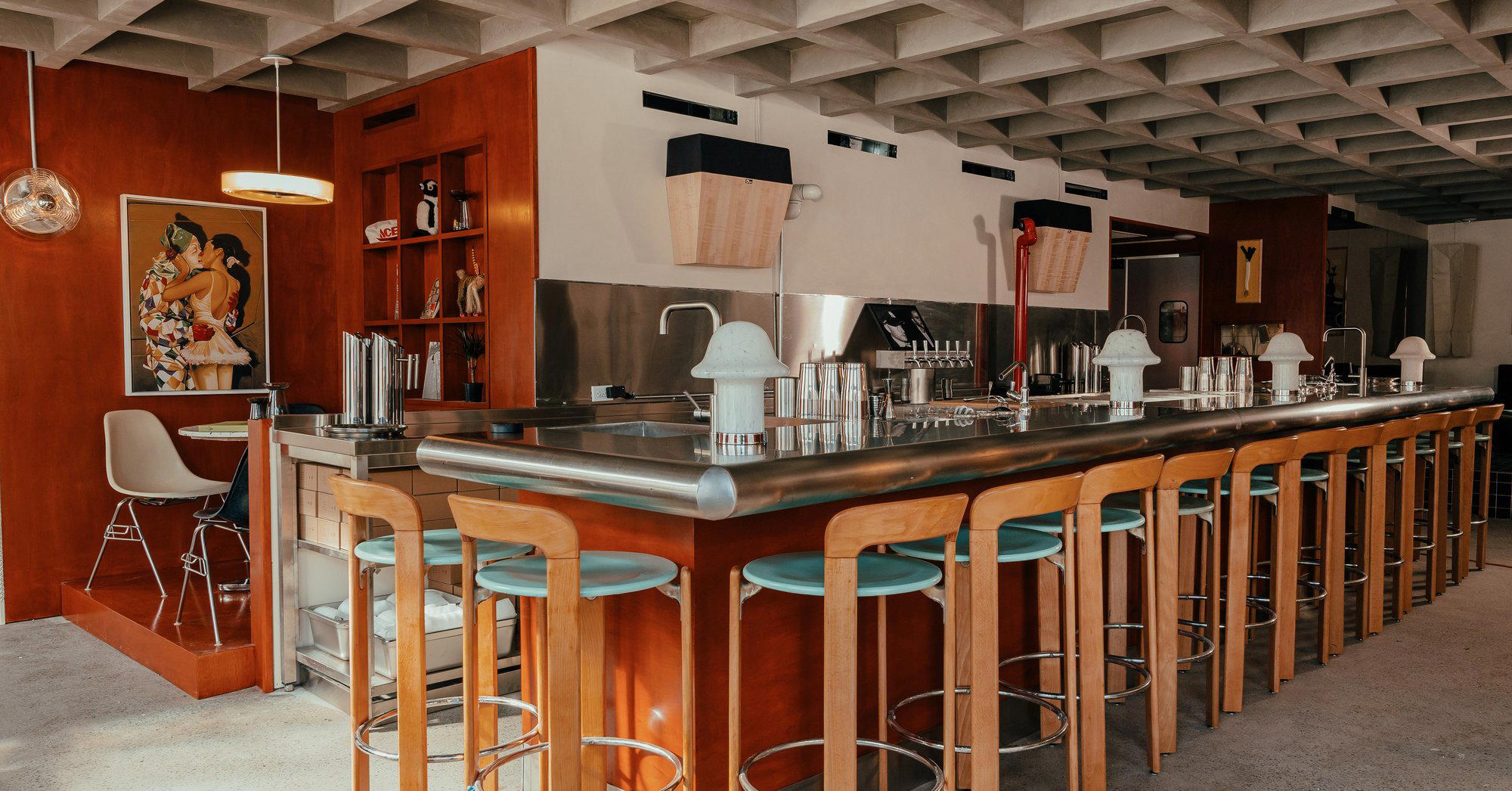
Bars in New York City
All bars in New York City →







Details
- Trendy
- Cozy
- Industrial
- Casual Hangout
- Date Night
- Open Kitchen
- Beer Program
- A La Carte
- Vegetarian Friendly
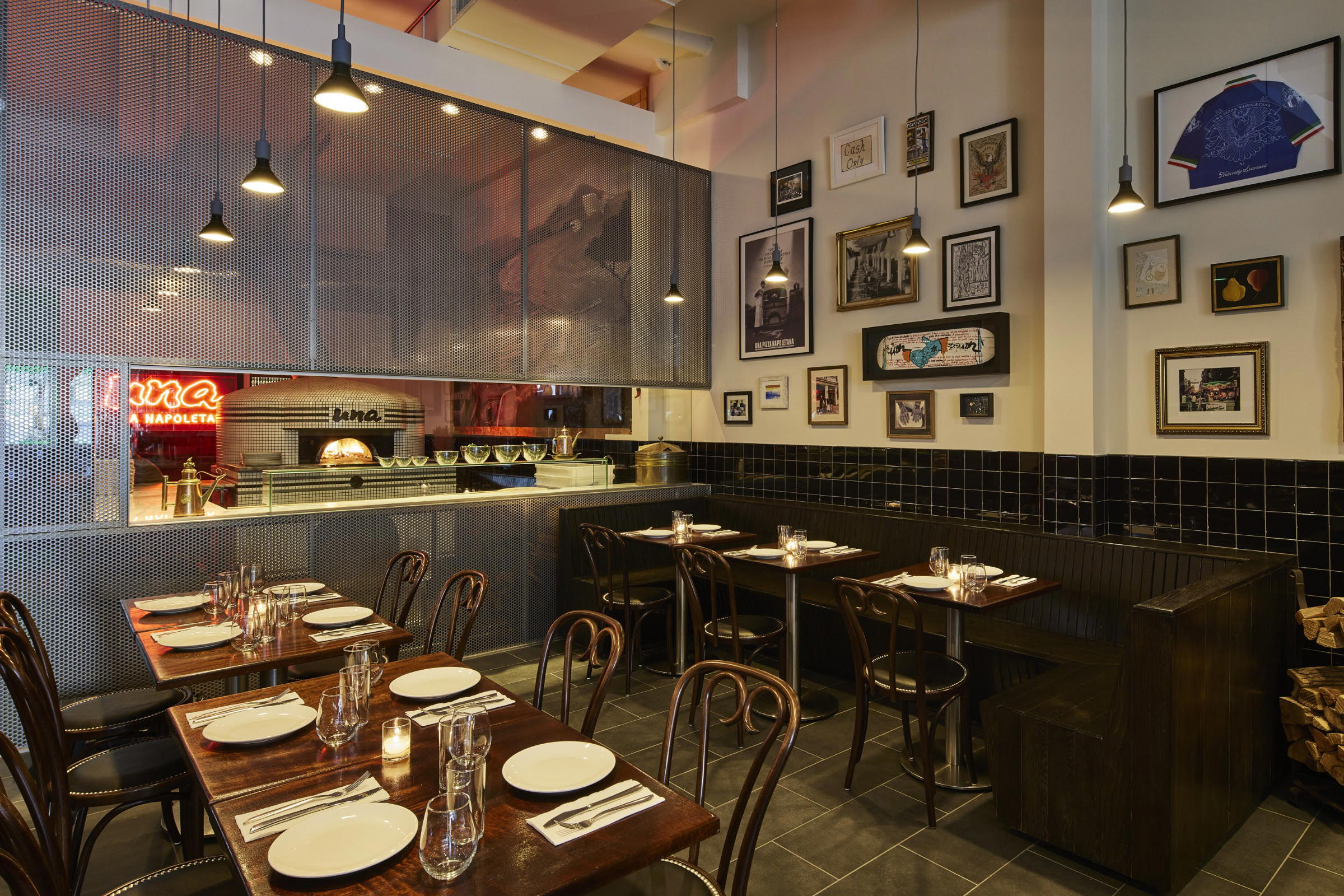
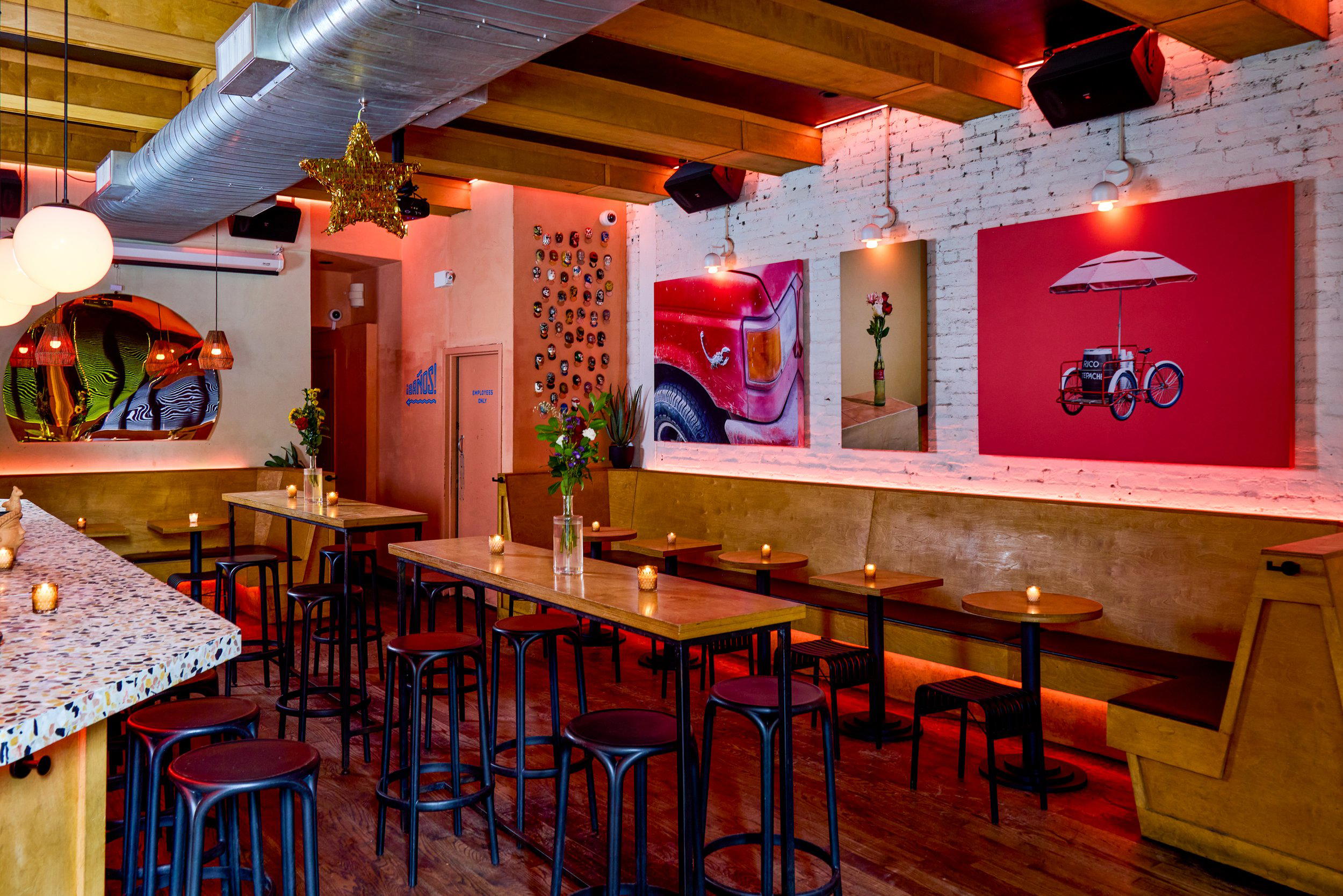
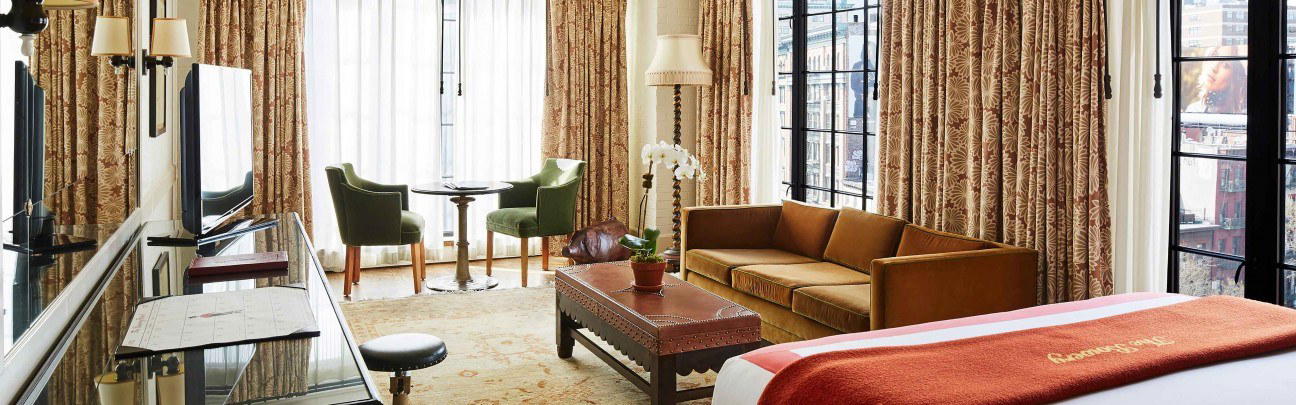
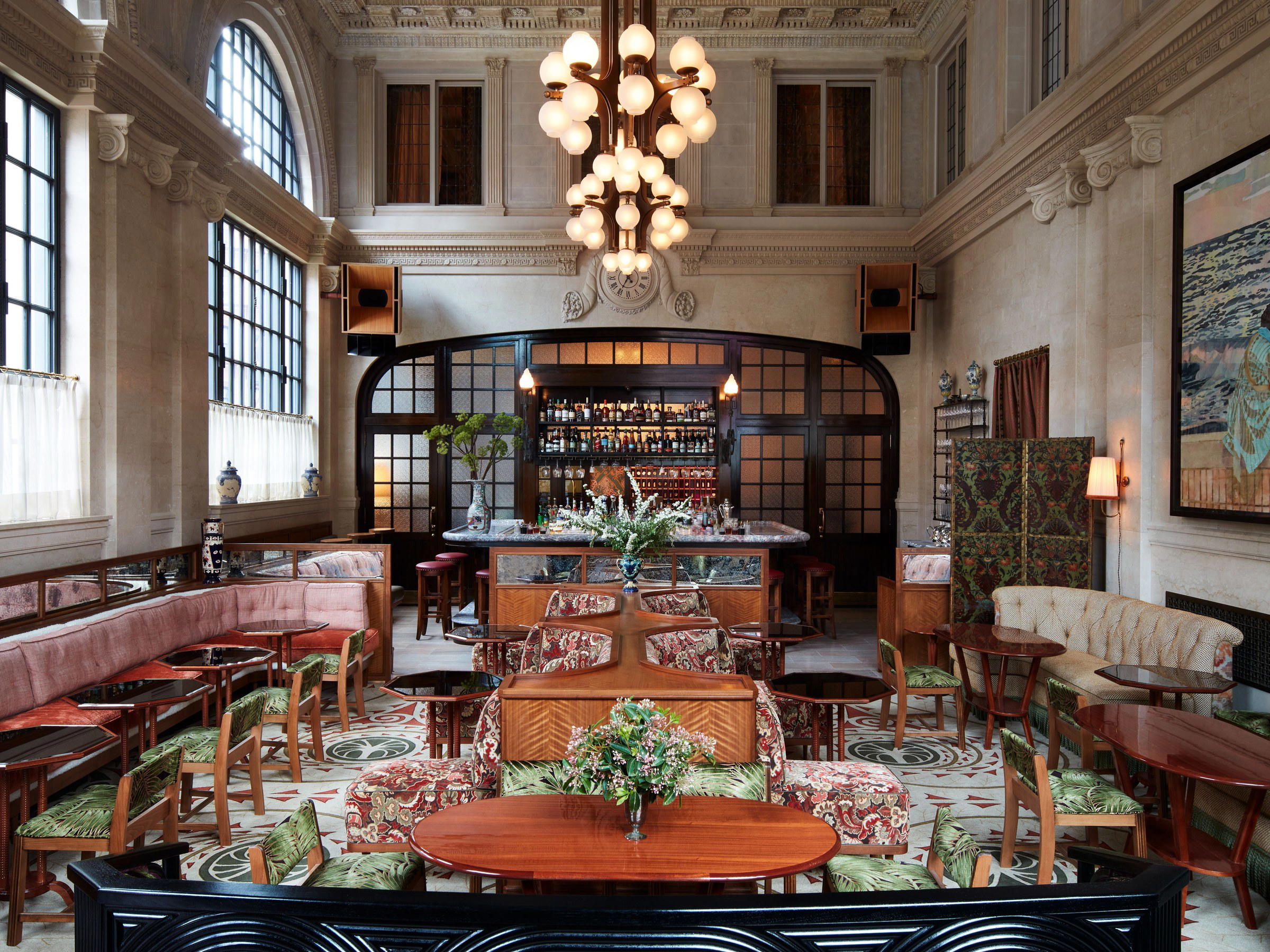
Casual counter seating with open view of the wood-fired pizza oven, creating an energetic yet cozy atmosphere focused on the pizza-making craft.