Our verdict
Rubaiyat Faria Lima occupies one of São Paulo's most watched dining corridors, where the Jardim Paulistano address signals serious intent in a city that treats steakhouse culture as a civic institution. The restaurant sits within a broader Brazilian dining tradition that has spent the last decade reckoning with provenance, ethical sourcing, and the environmental cost of premium beef, questions Rubaiyat's positioning forces any serious diner to consider.

Pearl is the En Primeur Club membership app, where members save venues, book tables and use the concierge.

The menu
What to order
- Fraldinha
- Chorizo
- Rubaiyat Farofa
- Feijoada
Faria Lima's Dining Register, and Where Rubaiyat Sits Inside It
Avenida Brigadeiro Faria Lima is São Paulo's financial spine, and its restaurant addresses carry a corresponding weight of expectation. The avenue and its immediate surrounds in Jardim Paulistano have accumulated a density of premium dining rooms over the past two decades, calibrated to a clientele that moves between boardroom lunches and long weekend tables with equal fluency. Rubaiyat Faria Lima at number 2954 occupies that context directly. It is not a neighbourhood discovery; it is a deliberate address in a district where dining choices are also statements of position.
The Rubaiyat group is one of the older presences in São Paulo's premium steakhouse tier, predating the current wave of farm-to-table branding by long enough that its relationship with sourcing is structural rather than cosmetic. That distinction matters in a city where ethical meat production has moved from niche credential to competitive differentiator. For comparison, venues like D.O.M. and Tuju have made provenance central to their creative Brazilian identity; Rubaiyat makes the same argument from within the steakhouse tradition rather than outside it.
The Sustainability Argument in Brazilian Premium Beef
Brazil's cattle industry is among the largest on earth, and its environmental footprint is a matter of documented record, not editorial opinion. The São Paulo dining market's response to that reality has split into two broad camps: restaurants that sidestep the question by focusing on non-meat-centric cuisine, and those that engage it directly by controlling their supply chains. The latter position is significantly harder to hold with credibility and requires either direct farm ownership, long-term exclusive supplier relationships, or third-party certification that can withstand scrutiny.
Rubaiyat's model has historically leaned on the first approach: the group has operated its own cattle farms, which allows it to make claims about breeding, feed, and land management that a restaurant sourcing from commodity markets cannot. This vertical integration places it in a different conversation from most steakhouses, not because the environmental math is simple, it is not, but because the accountability chain is shorter and the claims are testable. For a diner whose decision-making includes sourcing ethics, that structural transparency is a meaningful signal, even if the full environmental ledger of premium beef remains complicated regardless of provenance.
The broader shift in São Paulo's dining culture toward producer accountability has been driven partly by chefs at venues like Maní and Lasai in Rio de Janeiro, where ingredient traceability is woven into the menu narrative. Rubaiyat approaches the same question from a different direction, with scale and tradition as its instruments rather than creative reinvention.
The Room and the Experience
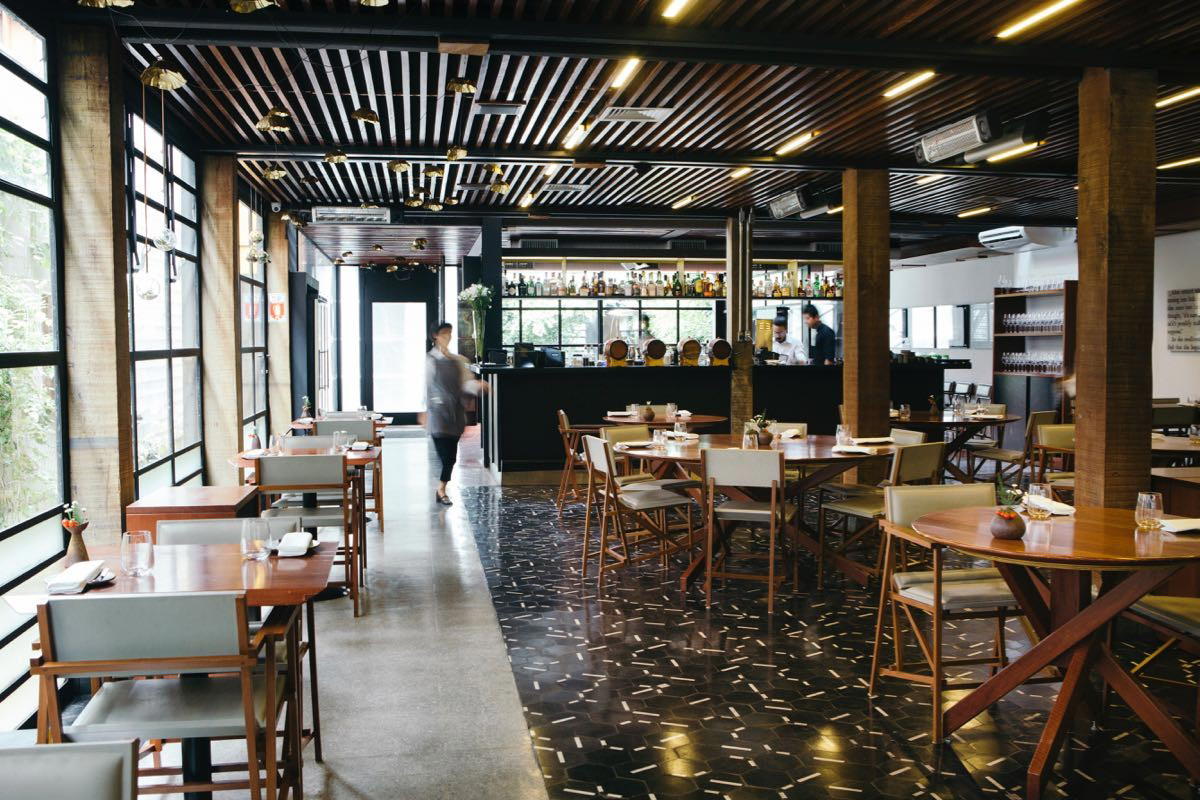
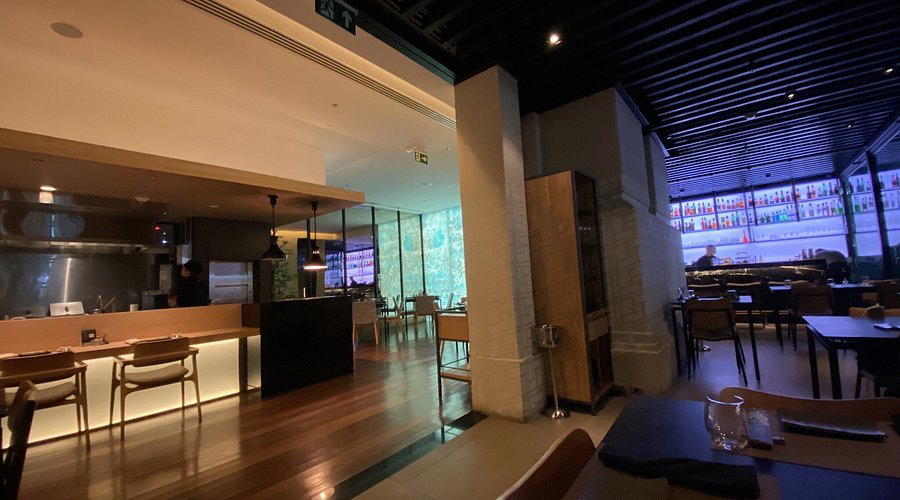
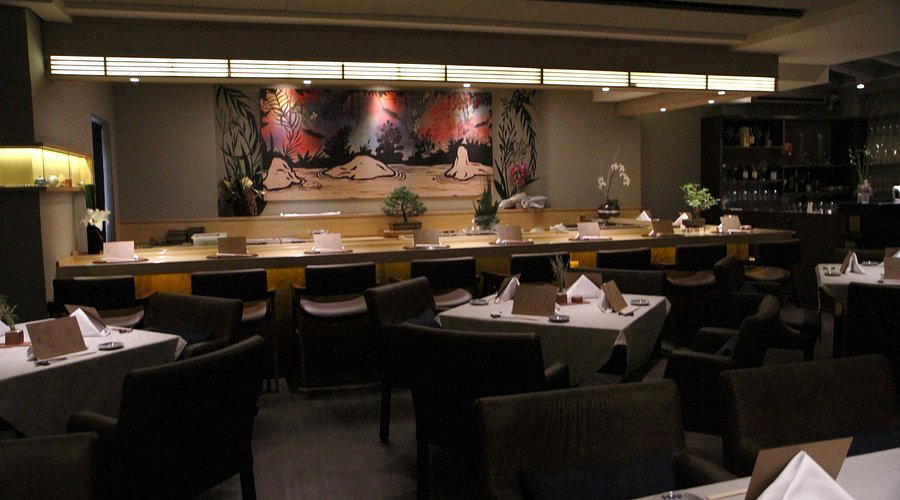
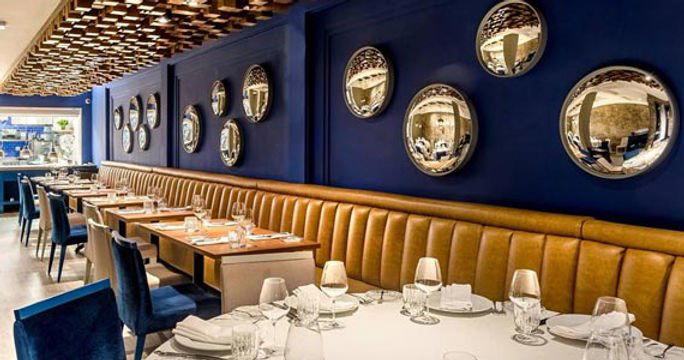
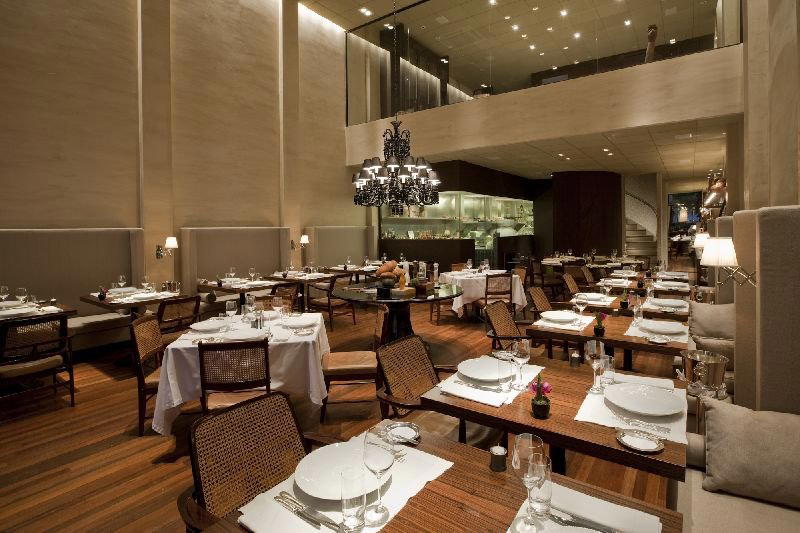
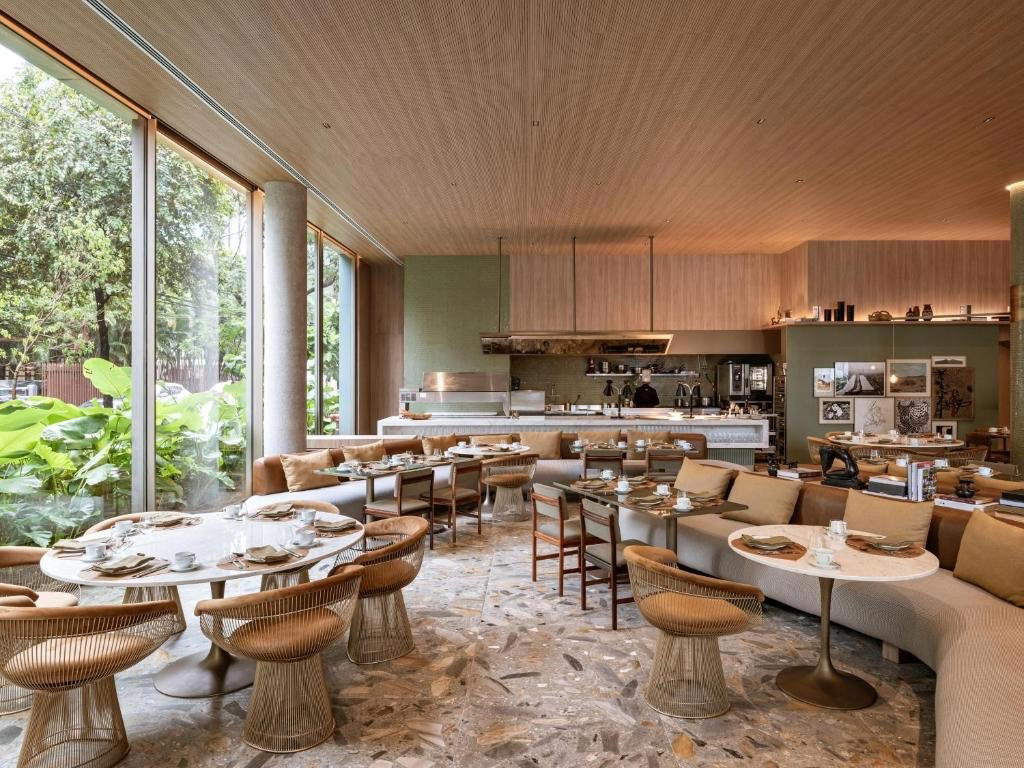
Arriving at Rubaiyat Faria Lima, the physical register is deliberate: the room is built for occasions that take their time. São Paulo's leading steakhouses operate in a tradition where service pace, tableside preparation, and the choreography of a long lunch are as much part of the proposition as the cut quality. The Faria Lima location reflects this, with a setting calibrated to the financial district's senior tier rather than its younger, faster-moving cohort.
The wine program at venues in this category typically runs deep on South American labels alongside European references, and a room serving premium beef at this address would be expected to hold serious Argentine Malbec and Chilean Cabernet alongside Brazilian selections from Serra Gaúcha producers. The cellar depth is a functional requirement of the clientele rather than an optional amenity. Internationally, the comparison points would include rooms like Le Bernardin in New York City, not in cuisine type, but in the expectation that the supporting elements of a meal are held to the same standard as the headline protein.
Where Rubaiyat Sits in São Paulo's Wider Dining Picture
São Paulo's dining market in 2024 and 2025 has continued to stratify. At the creative end, venues like Evvai and Fame Osteria operate on tasting-menu logic with strong international reference points. At the traditional end, the churrascaria format remains a volume business. Rubaiyat occupies the middle-upper register: a full-service steakhouse with premium positioning that argues quality of sourcing over quantity of cuts, and longevity over trend.
That positioning has its own competitive pressures. The arrival of farm-verified beef programs at newer addresses, and the growing authority of creative Brazilian venues that treat meat as one element rather than the entire premise, means Rubaiyat must keep its sourcing story legible and its service execution consistent. The Faria Lima location carries the full weight of the group's reputation; it is the address a first-time visitor to the group would most likely choose, and the one regulars use to host guests who require a known quantity.
For São Paulo visitors building an itinerary that spans the city's range, the contrast is instructive. An evening at Maní or a counter at Tuju sits in a different register entirely, creative, research-driven, Michelin-tracked. Rubaiyat is the counterpoint: a room where the proposition is classical execution and sourcing credibility rather than creative ambition. Both are legitimate reasons to book. Our full São Paulo restaurants guide maps these distinctions across the city's full dining spectrum.
Further afield in Brazil, the sourcing conversation plays out differently depending on region. Bistro Fitz Carraldo in Manaus operates in an Amazonian context where ingredient provenance carries different environmental stakes entirely, and restaurants like Arte e Café Imperial in Angra dos Reis or Cantina Pozzobon in Santa Maria reflect how regional Brazilian dining manages the same question of quality and origin at a completely different price register.
Planning Your Visit
Rubaiyat Faria Lima sits at Av. Brig. Faria Lima, 2954 in Jardim Paulistano, well-served by both Uber and the Faria Lima metro station a short walk away. Given its location in one of São Paulo's busiest commercial zones, midday reservations on weekdays attract a business-lunch crowd, while weekend evenings tend to draw longer, more social tables. For anyone whose visit to São Paulo includes a specific interest in premium beef and sourcing ethics, booking at least a week ahead for preferred time slots is prudent, the Faria Lima address is the group's most prominent and draws accordingly. Confirmation of current hours and reservation availability should be checked directly with the restaurant, as operational details are subject to change.
Frequently asked questions
Is Rubaiyat Faria Lima child-friendly?
The room at Av. Brig. Faria Lima, 2954 is set up for occasion dining rather than casual family meals, so the pace is slower and the atmosphere formal. Older children comfortable with a sit-down, multi-course format will be fine; it is not designed around younger ones. If you are bringing family, a weekday lunch tends to run at a more relaxed register than weekend evenings.
What's the vibe at Rubaiyat Faria Lima?
This is Faria Lima power-dining territory: the clientele skews toward São Paulo's financial and business community, and the room matches that expectation with deliberate pacing and a formal physical register. It is not a loud, convivial churrascaria, the format is closer to a European steakhouse than a rodízio. Expect table spacing, attentive service, and a room built for conversations that take their time.
How does Rubaiyat Faria Lima approach beef sustainability compared to other São Paulo steakhouses?
Brazil's cattle sector carries a documented environmental footprint, and Rubaiyat has positioned its sourcing around traceability and sustainability criteria as a deliberate point of difference within the São Paulo premium dining market. This places it in a different category from conventional churrascarias operating on volume. For a city like São Paulo, where high-end diners are increasingly attentive to provenance, that positioning carries real weight at a Faria Lima address.
What do regulars order at Rubaiyat Faria Lima?
Rubaiyat's reputation across its São Paulo locations rests on its traceable Brazilian beef programme, and regulars focus there rather than on the broader menu. The wine list draws consistent attention given the group's long association with Argentine and South American producers. For specifics on current cuts and pricing, checking directly with the restaurant before your visit is advisable, as rotation follows supply and season.
Where is Rubaiyat Faria Lima located?
Rubaiyat Faria Lima is located at Av. Brig. Faria Lima, 2954 - Jardim Paulistano, São Paulo - SP, 01451-001, Brazil, São Paulo.
How far ahead should I plan for Rubaiyat Faria Lima?
For a Friday or Saturday dinner on Faria Lima, booking at least two weeks ahead is a sensible baseline given the avenue's concentration of corporate clientele and the room's occasion-dining profile. Large groups or specific table requests warrant more lead time. Weekday lunches are generally more accessible without extended advance planning.
What's the signature at Rubaiyat Faria Lima?
The Rubaiyat group built its São Paulo reputation on premium, traceable Brazilian beef at a time when that proposition was not common among the city's upmarket restaurants. At the Faria Lima address, the beef programme remains the anchor, sourced with documented sustainability criteria that the group has used to differentiate itself from conventional steakhouse competitors in Brazil.
What It’s Closest To
Comparable venues nearby, for context on price, style, and recognition.
| Venue | Cuisine | Price | Notes |
|---|---|---|---|
| Rubaiyat Faria LimaThis venue (the venue you are viewing) | Brazilian Steakhouse | Not listed | Not listed |
| Corrientes 348 - Vila Olímpia | Argentine Steakhouse | $50–100 | Itaim Bibi |
| Templo da Carne Marcos Bassi | Brazilian Steakhouse | $50–100 | Vila Bela Vista |
| Parigi | Traditional French-Italian Bistro | $50–100 | Pinheiros |
| Ohka | Modern Japanese Cuisine | Not listed | Pinheiros |
| JAM Itaim | Modern Japanese Omakase & Sushi | $50–100 | Itaim Bibi |