On Rua Treze de Maio in Bela Vista, Templo da Carne Marcos Bassi occupies a specific tier in São Paulo's meat-dining tradition: the kind of address where cuts and technique carry more weight than décor spectacle. São Paulo's churrasco culture runs deep, and this is one of the addresses that serious carnivores in the city treat as a reference point rather than a casual option.
Pearl is the En Primeur Club membership app — saves, bookings, and concierge access live there. Same editors, same standards.
- Address
- R. Treze de Maio, 668 - Bela Vista, São Paulo - SP, 01327-000, Brazil
- Phone
- +551132511442
- Website
- marcosbassi.com.br
- Directions
- Get directions
 Saves & bookings on Pearl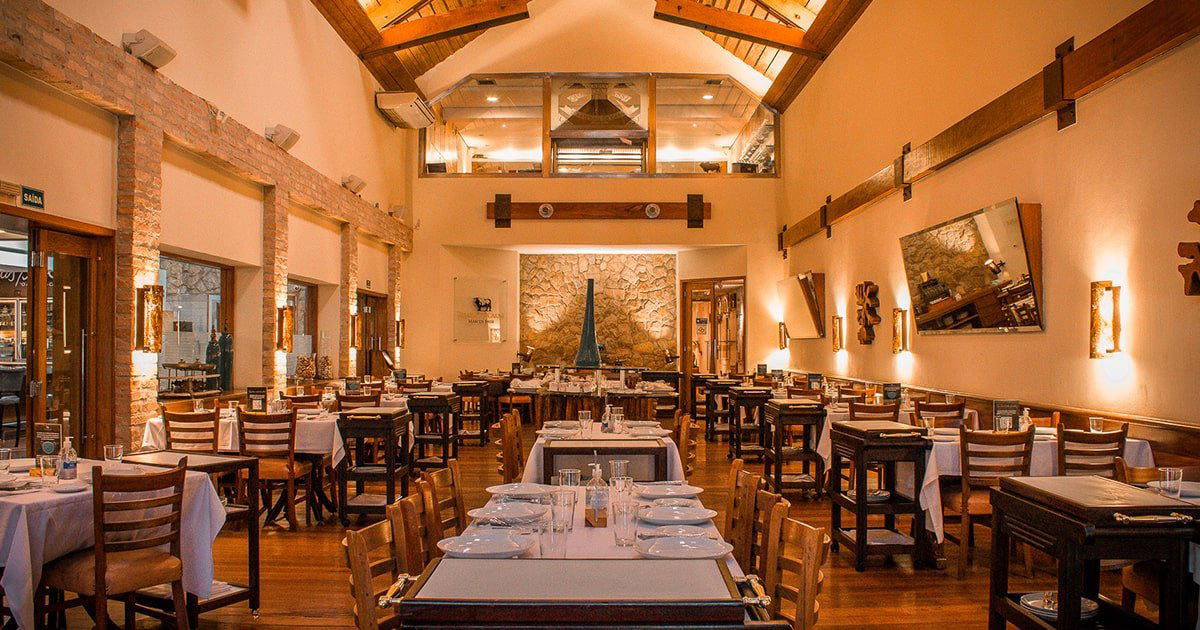
Where São Paulo's Meat Tradition Gets Serious
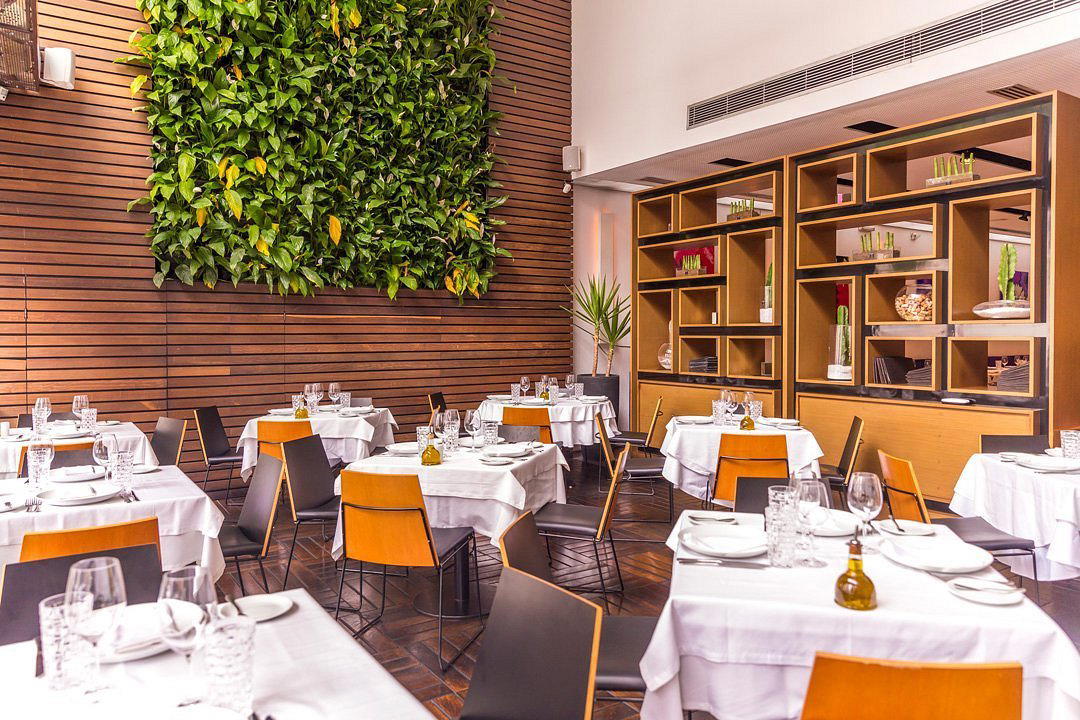
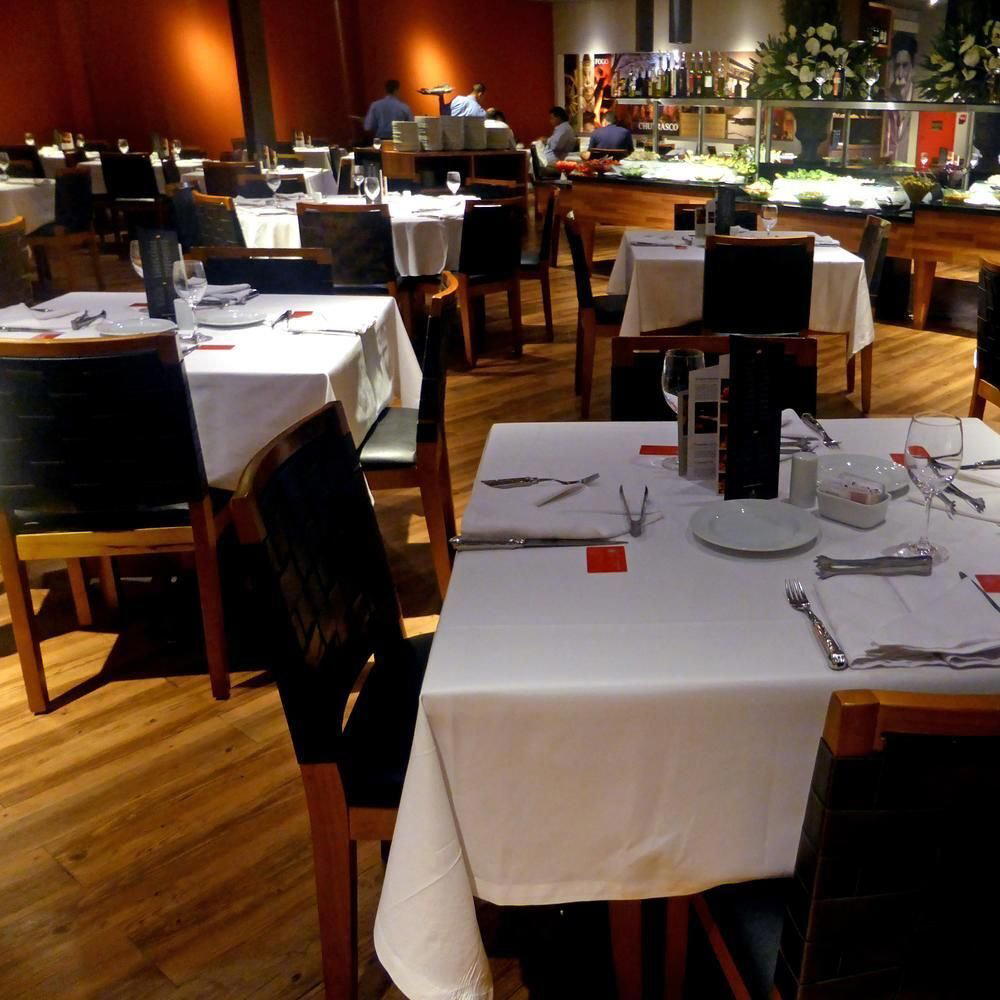
Bela Vista sits just south of Paulista Avenue, dense with old-neighbourhood restaurants that predate the city's fine-dining boom by decades. On Rua Treze de Maio, the address at number 668 signals a particular kind of São Paulo institution: the sort of place where the physical environment is spare enough to keep attention fixed on what arrives at the table. The name alone, Templo da Carne, Temple of Meat, sets the register. This is not a steakhouse in the broadly international sense. It belongs to a Brazilian tradition that treats cuts, fire, and sequence with the kind of deliberateness that other cuisines reserve for tasting menus.
São Paulo's meat culture diverges sharply from the all-you-can-eat rodízio circuit that dominates international perception of Brazilian barbecue. At the more serious end of the spectrum, the progression of cuts, the handling of heat, and the sourcing decisions define the experience. Templo da Carne Marcos Bassi operates in that more disciplined register, in a city where the competition for that position is real. Addresses like D.O.M. and Maní have made São Paulo's creative dining scene internationally legible, but the city's meat tradition runs on a parallel track, equally serious and considerably older.
The Progression of the Meal
The editorial angle that makes most sense at a venue with this name and this reputation is sequencing. A meal here is not designed to be ordered arbitrarily. Brazilian churrasco, at its more considered end, involves an implicit arc: lighter cuts early, the heavier and more marbled proteins arriving as the meal deepens. That logic governs what you should be thinking about before you sit down, not after the menu lands.
In São Paulo's premium meat category, the picanha remains the central reference point, a rump cap cut that Brazilian butchery tradition treats differently from its Argentine or European equivalents, leaving a fat cap that renders during cooking and carries the flavour through the meat. Any serious address in this tier is judged first by its picanha, and Templo da Carne Marcos Bassi has built its reputation on exactly that standard. Beyond the headline cut, the intelligent approach is to follow the rhythm of what the kitchen sends rather than front-loading the table with too many simultaneous options.
São Paulo's serious meat houses also tend to pair the progression with farofa, vinagrete, and rice that function as palate management between cuts, not garnish, but structural components of how the meal moves. The tendency among first-time visitors is to treat these accompaniments as optional; among regulars, they are understood as integral to pacing.
For context on how São Paulo handles multi-course progression more broadly, the creative dining addresses like Tuju and Evvai have formalised tasting structures. The meat tradition achieves similar sequencing through custom rather than printed menus. That distinction matters: eating well here requires some orientation in advance.
Bela Vista and the Neighbourhood Context
Bela Vista, also known as Bixiga, carries a specific culinary identity in São Paulo. The neighbourhood developed largely through Italian immigration in the late nineteenth and early twentieth centuries, and that history shaped a restaurant density that remains today. The street that houses Templo da Carne Marcos Bassi also hosts longstanding cantinas and neighbourhood bars that have changed little in decades. This is not the Jardins or Vila Madalena axis where São Paulo's newest openings tend to cluster. Bela Vista's rhythm is slower, its clientele more local, and its restaurants more likely to have sustained reputations across generations than to chase seasonal attention.
That neighbourhood character shapes what to expect: a room that prioritises function over presentation, a crowd that leans regular rather than tourist, and a price register that generally sits below the Jardins fine-dining tier. For visitors whose São Paulo itinerary is weighted toward the city's creative restaurant scene, adding an address in Bela Vista's meat tradition provides a useful counterpoint. The city's dining identity is not reducible to its Michelin-recognised tasting menus. For comparison with the Italian-inflected end of Bela Vista's dining, Fame Osteria offers a different but geographically adjacent lens on the neighbourhood's culinary character.
Planning Your Visit
Rua Treze de Maio, 668 in Bela Vista is accessible from Brigadeiro or Trianon-MASP metro stations, both within comfortable walking distance. São Paulo's serious lunch culture means midday service at addresses like this can be as considered as dinner, and often less pressured in terms of pacing. Booking ahead is advisable; addresses with this kind of neighbourhood reputation tend to fill tables with regulars, particularly on weekends and Friday lunches, leaving fewer walk-in slots than the room size might suggest. Specific hours and reservation contact details are best confirmed directly, as this category of São Paulo restaurant does not always maintain consistent digital booking infrastructure.
For a broader map of where this address sits relative to São Paulo's wider dining spectrum, including the creative Brazilian end represented by addresses like D.O.M. and the full range of the city's international options, see our full São Paulo restaurants guide. Elsewhere in Brazil, the meat and grill tradition takes different regional forms: Lasai in Rio de Janeiro represents the creative Brazilian end of that city's dining, while Casa da Picanha Penedo in Itatiaia shows how the picanha tradition extends well beyond São Paulo's city limits. For a sense of how Brazil's regional grill culture varies at the neighbourhood level, Aero Burguer e Grill in Santa Cruz do Sul and Cantina Pozzobon in Santa Maria offer useful regional counterpoints.
Other Brazilian dining addresses worth noting across the country include Bistro Fitz Carraldo in Manaus, Arte e Café Imperial in Angra dos Reis, Casa da Dika in Bragança, Casa da Flor in Dourados, Famosa Pizza in Ribeirão Preto, and Fornazzo Pizzaria in Passo Fundo. For international reference points in precision-led dining, Le Bernardin in New York and Atomix in New York represent the kind of tasting-progression discipline that finds its Brazilian equivalent in addresses like Templo da Carne Marcos Bassi, achieved through entirely different means.
What It’s Closest To
Comparable venues nearby, for context on price, style, and recognition.
| Venue | Cuisine | Price | Awards | Notes |
|---|---|---|---|---|
| Templo da Carne Marcos BassiThis venue — the venue you are viewing | Brazilian Steakhouse | $$$$ | Not listed | Not listed |
| Rubaiyat Faria Lima | Brazilian Steakhouse | $$$$ | Not listed | Pinheiros |
| A Figueira Rubaiyat | Brazilian Steakhouse | $$$$ | Michelin Plate | Jardim Paulista |
| Corrientes 348 - Vila Olímpia | Argentine Steakhouse | $$$$ | Not listed | Itaim Bibi |
| Charco | Modern Brazilian with South American and Asian influences | $$$ | Not listed | Jardim Paulista |
| Altruísta Osteria e Enoteca | Italian Osteria with Wine Focus | $$$ | Not listed | Jardim Paulista |
Continue exploring
More in São Paulo
Restaurants in São Paulo
Browse all →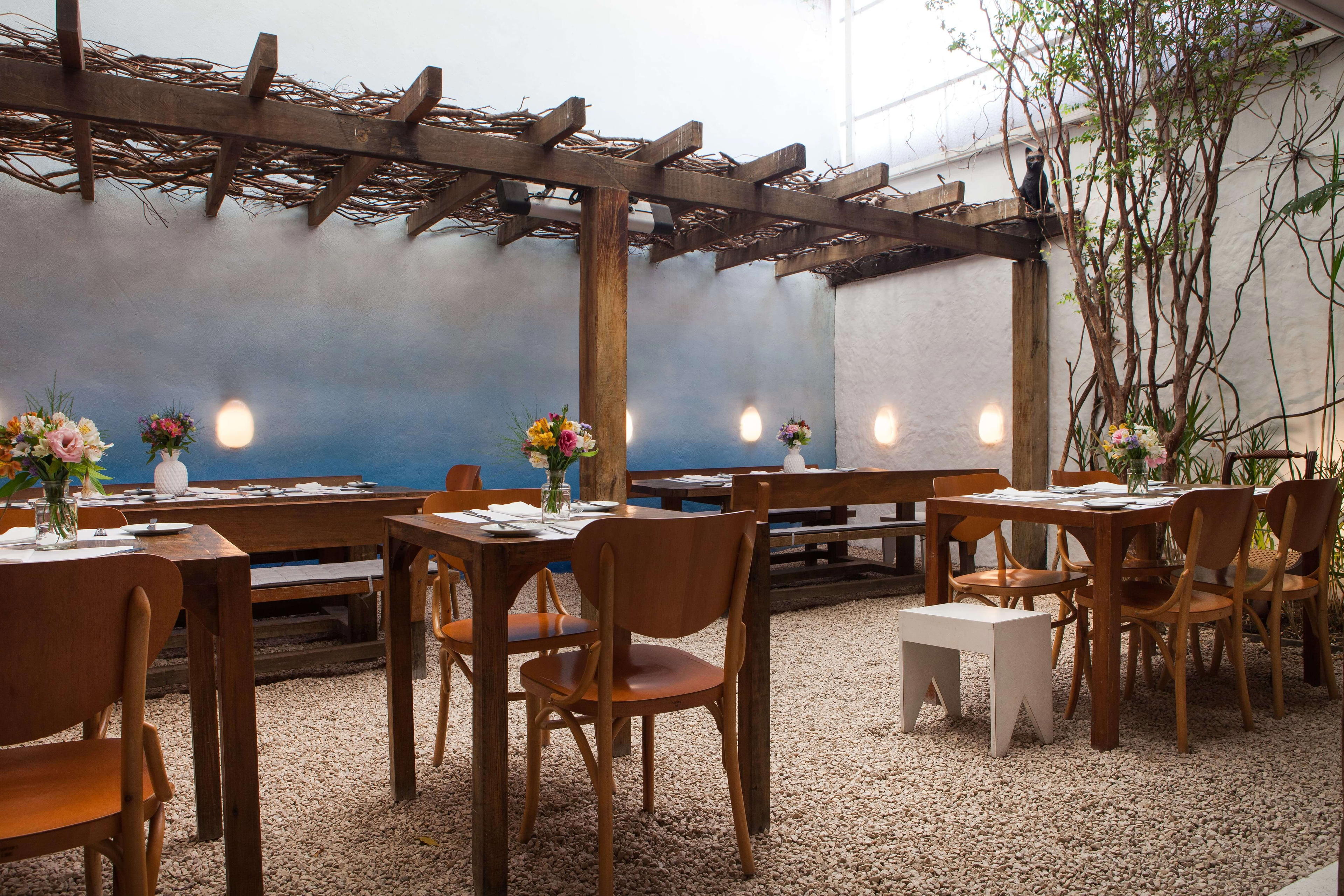
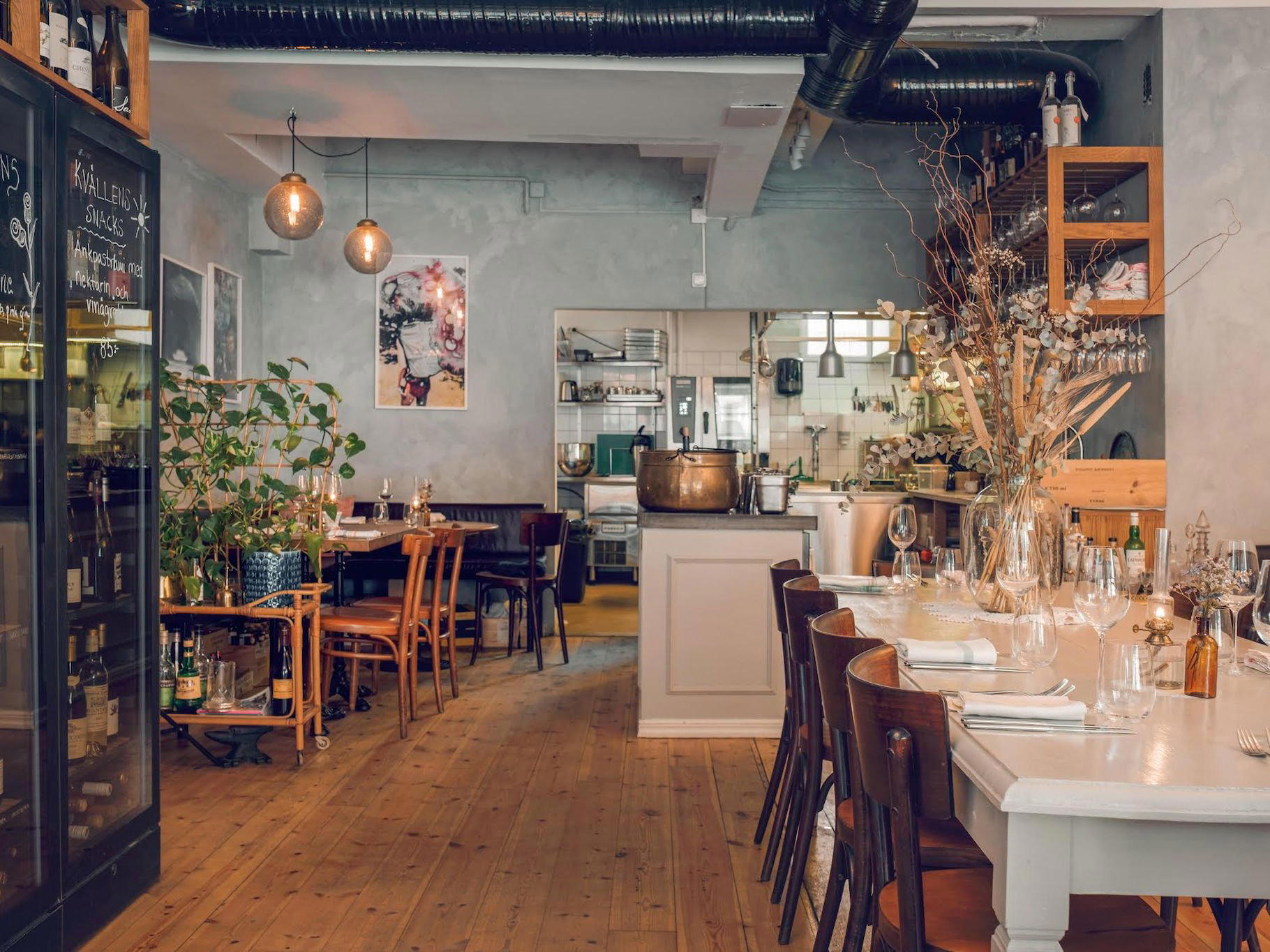
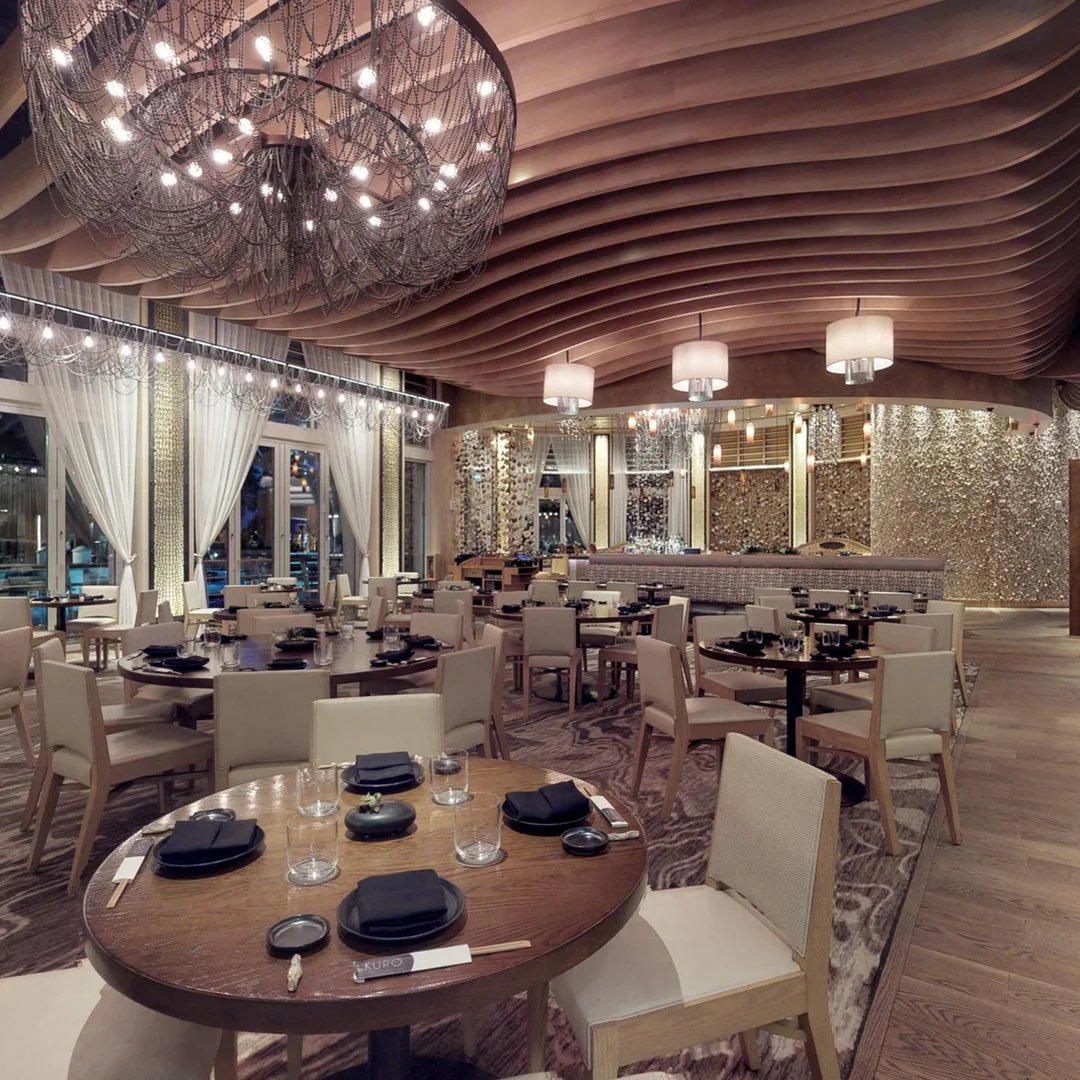
Bars in São Paulo
Browse all →
At a Glance
- Elegant
- Classic
- Sophisticated
- Business Dinner
- Group Dining
- Family
- Celebration
- Special Occasion
- Open Kitchen
- Private Dining
- Extensive Wine List
Current opening hours
- Monday
- Closed
- Tuesday
- 12–3:30 PM, 6:30–11 PM
- Wednesday
- 12–3:30 PM, 6:30–11 PM
- Thursday
- 12–3:30 PM, 6:30–11 PM
- Friday
- 12–3:30 PM, 6:30–11 PM
- Saturday
- 12–11 PM
- Sunday
- 12–6 PM
Hours can change for holidays and private events. Last verified .
Ambiente requintado e agradável para conversar, com visual clean e contemporâneo após reforma recente.