JAM Itaim operates in São Paulo's most competitive dining corridor, where Itaim Bibi's creative restaurant scene sets the standard for ingredient-led cooking in the city. The address on Rua Lopes Neto places it among a cluster of kitchens that take Brazilian sourcing seriously, prioritising provenance over performance. For visitors planning a serious meal in São Paulo, it belongs in the same conversation as the city's most considered creative addresses.
Pearl is the En Primeur Club membership app — saves, bookings, and concierge access live there. Same editors, same standards.
- Address
- R. Lopes Neto, 308 - Itaim Bibi, São Paulo - SP, 04533-030, Brazil
- Phone
- +551134733273
- Website
- jam.com.br
- Directions
- Get directions
 Saves & bookings on Pearl
Itaim Bibi and the Sourcing Question
São Paulo's fine-dining conversation has shifted considerably over the past decade. The city's top tier used to be defined almost entirely by European technique applied to generic imports. What has changed is a systematic turn toward Brazilian ingredients as the primary creative material, not a garnish or a gesture, but the architectural foundation of the menu. Itaim Bibi, the affluent inner-city neighbourhood where JAM Itaim holds its address on Rua Lopes Neto, has become one of the more concentrated expressions of that shift. The streets around this block hold some of the city's most technically literate kitchens, and the collective pressure of operating in that environment has sharpened what each one does.
That context matters for understanding what JAM Itaim is attempting. In a neighbourhood where Evvai is reframing Italian technique through local produce and Fame Osteria holds its own as a contemporary Italian address, the expectation for ingredient transparency is high. São Paulo diners at this level are not passive about provenance. They ask where the fish came from, which farming region supplied the vegetables, and whether the kitchen has a direct relationship with producers. The restaurants that answer those questions with specificity are the ones that retain credibility in this tier.
Where São Paulo's Creative Kitchens Source
Brazil's geographic scale is among the more significant facts about its cuisine, and it is consistently underestimated by visitors arriving with European dining frameworks. The country contains several distinct agricultural and ecological zones, each producing ingredients that have no direct equivalents elsewhere. The cerrado's native fruits, the Amazon's river fish, the Atlantic coast's seafood, the Sul's cattle and charcuterie traditions, these are not interchangeable, and the kitchens that distinguish between them, building menus that reflect a specific regional logic rather than a generic pan-Brazilian aesthetic, are the ones doing interesting work.
São Paulo's position as Brazil's largest city means it draws from all of these regions simultaneously, which creates both opportunity and a certain editorial challenge. The question for any serious kitchen in Itaim Bibi is not whether to use Brazilian ingredients, that has become table stakes, but which relationships, which regions, and which seasonal rhythms to commit to. D.O.M. built its international reputation on foregrounding Amazonian and cerrado ingredients with French-rooted technique. Maní has long worked within a Brazilian-international framework that privileges local seasonal produce. Tuju has built a quieter, more restrained version of the same commitment. JAM Itaim enters that lineage on Rua Lopes Neto, 308, in Itaim Bibi.
The Address and What It Signals
Itaim Bibi's dining character is worth mapping for first-time visitors. The neighbourhood occupies a triangle between Faria Lima, Berrini, and Brigadeiro Faria Lima, and it draws a professional-class crowd that intersects with São Paulo's finance, tech, and creative industries. The restaurants here price accordingly and compete on precision. This is not the democratic, market-hall energy of Pinheiros, nor the tourist-facing accessibility of the Vila Madalena axis. Itaim operates on the assumption that its diners are paying attention and have context for what they are eating.
For visitors planning a São Paulo itinerary around serious eating, that distinction shapes the experience from arrival. The streets in this part of the neighbourhood are quieter than the commercial arteries further north, and the restaurant density is high enough that you will pass several credible addresses on a short walk. The restaurant on Rua Lopes Neto sits inside that cluster, and the neighbourhood's self-selection effect means the room will tend to be populated by diners who have made a considered choice rather than a casual one. Reservations for this tier of Itaim dining typically warrant advance planning, particularly for weekend evenings when competition for tables across the neighbourhood's leading addresses tightens significantly. Checking availability several weeks ahead is the practical approach for visitors building a São Paulo itinerary around specific restaurants.
For a broader view of what São Paulo's restaurant scene offers across price points and neighbourhoods, the EP Club São Paulo guide maps the city's dining character by area and cuisine type.
The Broader Brazilian Dining Moment
São Paulo does not operate in isolation. The conversation about Brazilian sourcing and creative technique is happening simultaneously in Rio de Janeiro, where Lasai has built one of Brazil's most recognised ingredient-focused tasting menus, and in smaller cities across the country where regional traditions are being documented and reinterpreted rather than replaced. The São Paulo kitchens in Itaim Bibi are part of a national renegotiation of what serious Brazilian cooking looks like when it takes its own larder as seriously as any European tradition takes theirs.
That renegotiation has international parallels. The sourcing-first approach that now defines São Paulo's creative tier mirrors what has happened in New York, where technically demanding kitchens like Atomix have built reputations on ingredient specificity, or at the level of Le Bernardin, where the quality of the primary ingredient has always preceded technique as the organising principle. In each case, the discipline is the same: the sourcing decision comes first, and the cooking is a response to what that sourcing allows.
Planning Your Visit
The restaurant is located at Rua Lopes Neto, 308, in Itaim Bibi, São Paulo. The neighbourhood is accessible by taxi and rideshare from most central São Paulo hotels, and journey times from Jardins or Pinheiros are typically short outside peak traffic hours.
Comparison Snapshot
Comparable venues nearby, for context on price, style, and recognition.
| Venue | Cuisine | Price | Notes |
|---|---|---|---|
| JAM ItaimThis venue — the venue you are viewing | Modern Japanese Omakase & Sushi | $$$$ | Not listed |
| Nakka | Modern Japanese Omakase & Sushi | $$$$ | Pinheiros |
| Corrientes 348 - Vila Olímpia | Argentine Steakhouse | $$$$ | Itaim Bibi |
| Izakaya Issa | Authentic Japanese Izakaya | $$ | Liberdade |
| Tre Bicchieri | Authentic Tuscan Italian | $$$$ | Pinheiros |
| Ohka | Modern Japanese Cuisine | $$$$ | Pinheiros |
Continue exploring
More in São Paulo
Restaurants in São Paulo
Browse all →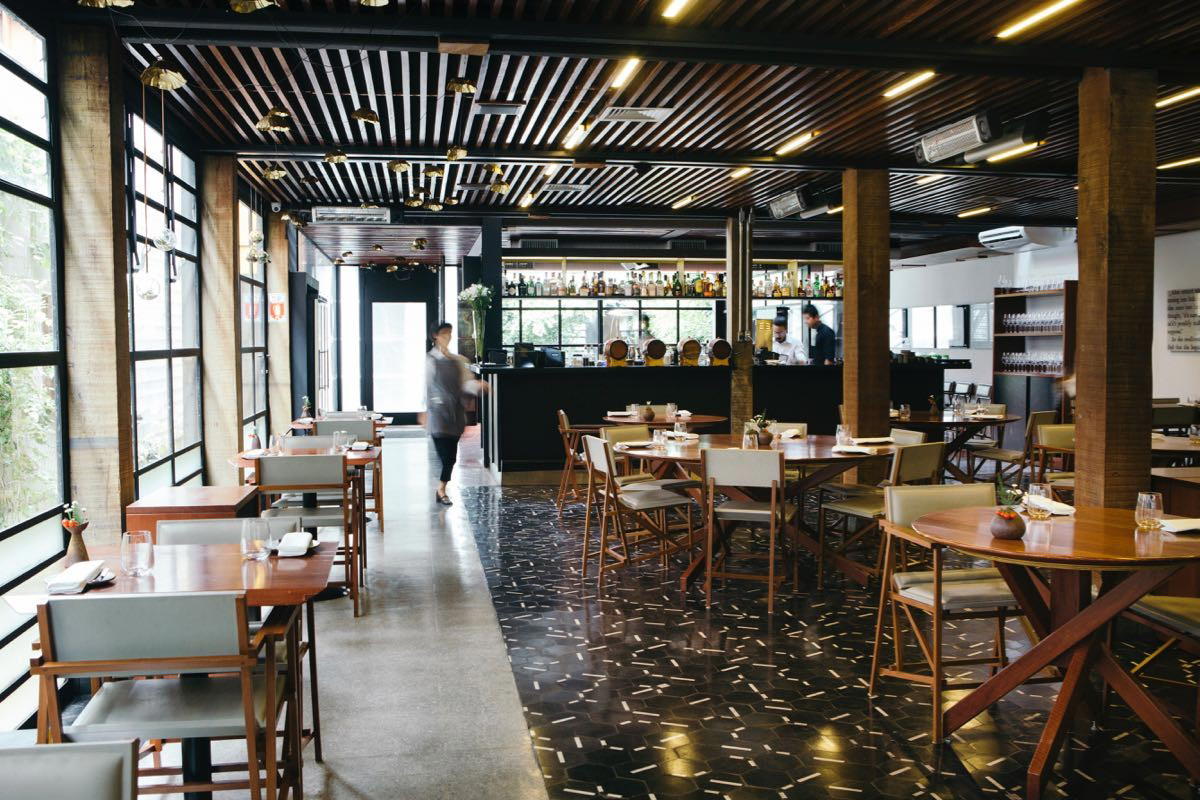
Bars in São Paulo
Browse all →
At a Glance
- Sophisticated
- Cozy
- Modern
- Elegant
- Date Night
- Business Dinner
- Special Occasion
- Celebration
- Open Kitchen
- Live Music
- Design Destination
- Extensive Wine List
- Beer Program
- Craft Cocktails
Current opening hours
- Monday
- 12–3 PM, 7–11 PM
- Tuesday
- 12–3 PM, 7 PM–12 AM
- Wednesday
- 12–3 PM, 7 PM–12 AM
- Thursday
- 12–3 PM, 7 PM–12 AM
- Friday
- 12–3 PM, 7 PM–12 AM
- Saturday
- 12:30–4 PM, 7 PM–12 AM
- Sunday
- 12:30–4 PM, 7–11 PM
Hours can change for holidays and private events. Last verified .
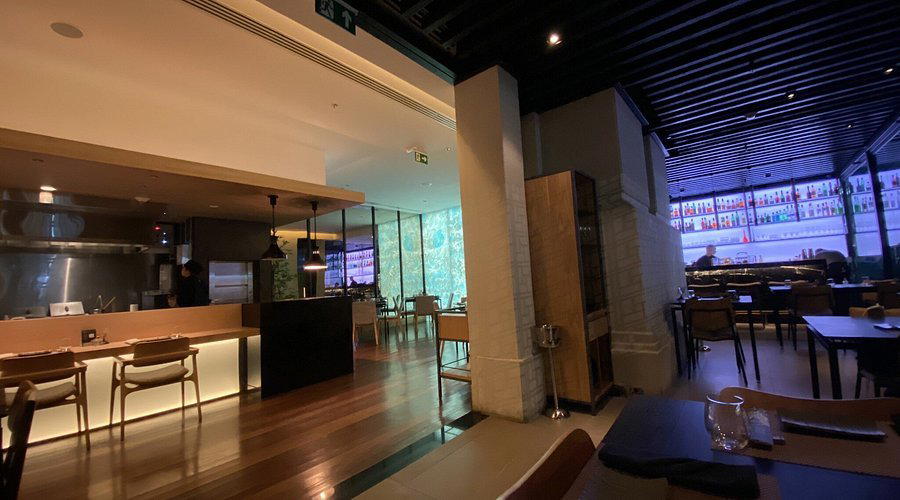
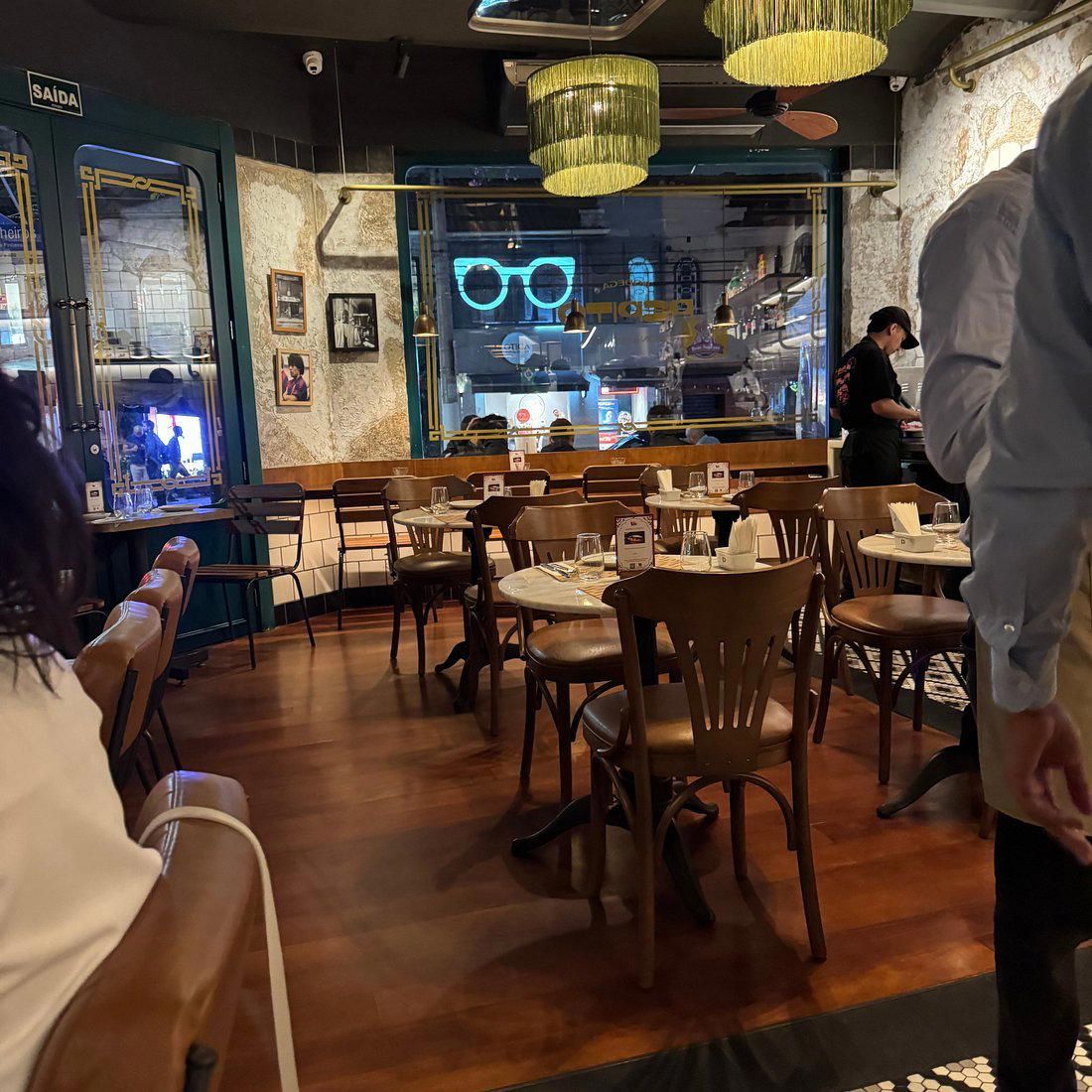
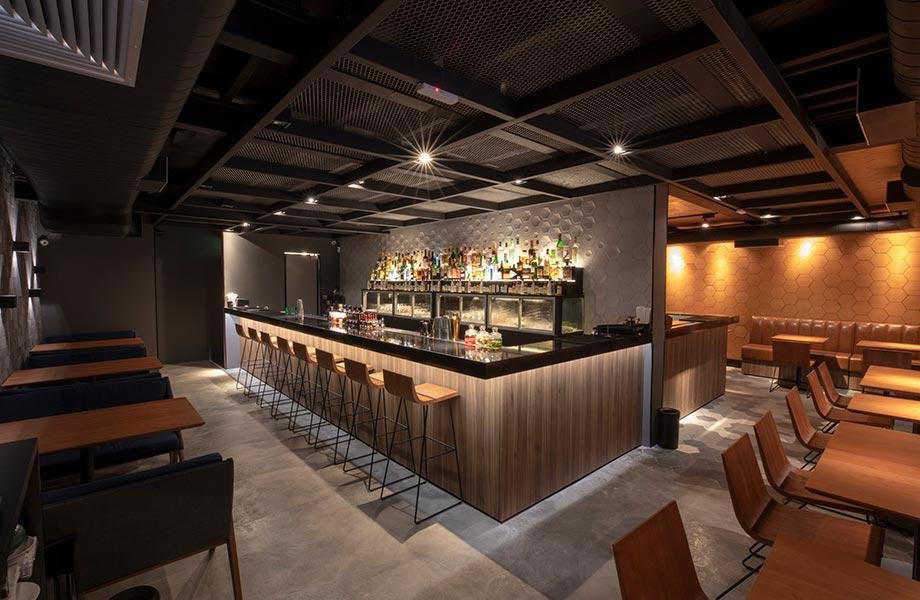
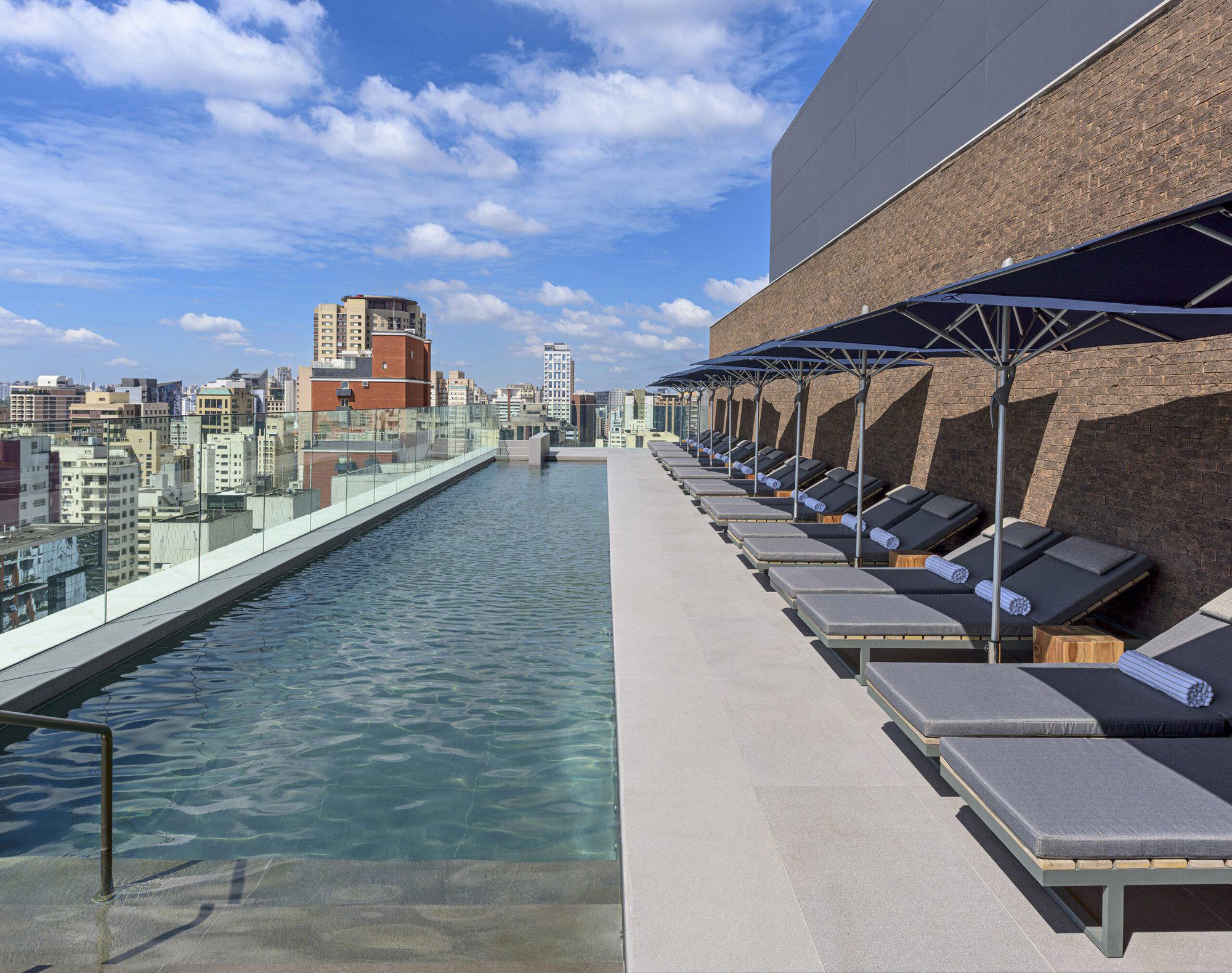
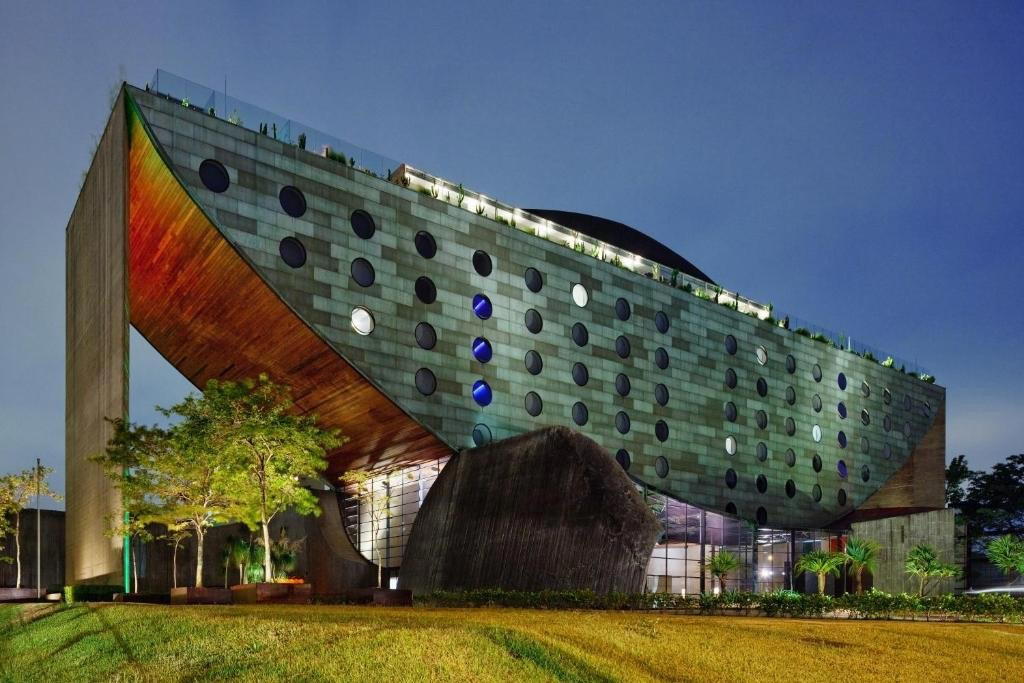
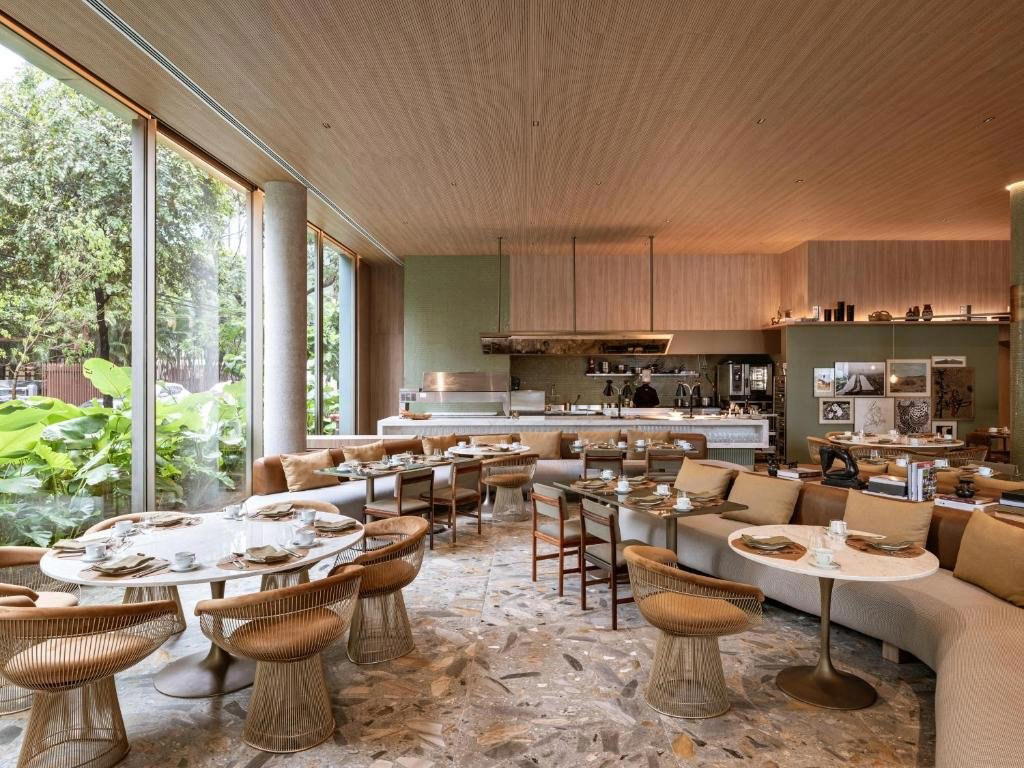
Cozy and modern with candlelit ambiance, art exhibitions on display, and live lounge music creating an upscale yet welcoming atmosphere.