Parigi occupies a quiet stretch of Rua Amauri in Itaim Bibi, one of São Paulo's most concentrated dining corridors. Positioned where European reference points meet Brazilian dining culture, it sits in a neighbourhood that rewards those who look past the obvious names. For visitors working through the city's serious restaurant tier, Parigi is a useful data point in understanding how São Paulo handles French-inflected dining traditions.
Pearl is the En Primeur Club membership app — saves, bookings, and concierge access live there. Same editors, same standards.
- Address
- R. Amauri, 275 - Itaim Bibi, São Paulo - SP, 01448-000, Brazil
- Phone
- +551131671575
- Website
- fasano.com.br
- Directions
- Get directions
 Saves & bookings on Pearl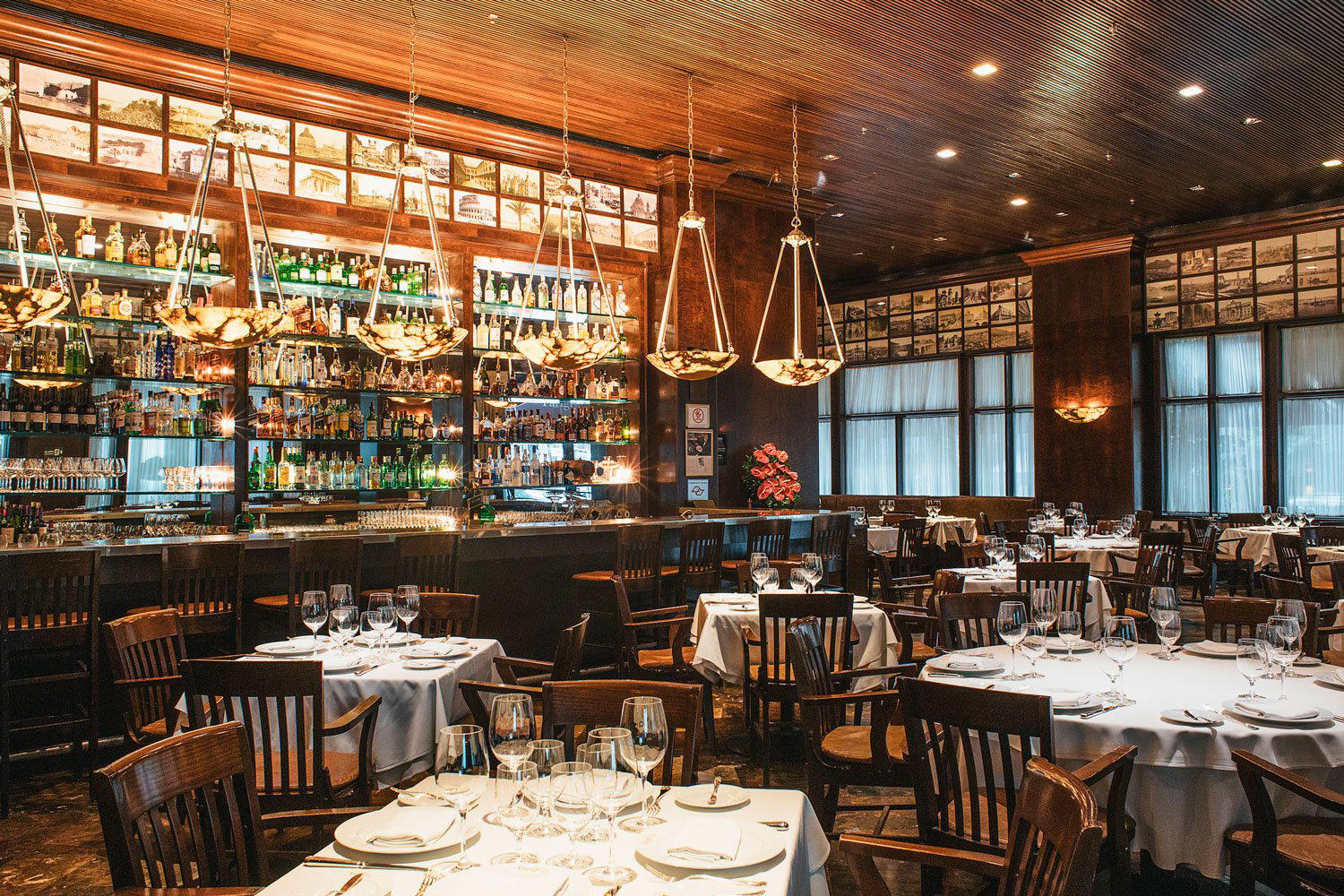
Itaim Bibi and the French Register in São Paulo Dining
São Paulo's relationship with European dining traditions has never been direct imitation. The city's most interesting restaurants working within a French or Italian register tend to adapt rather than replicate, absorbing local ingredients and Brazilian social rhythms into formats borrowed from abroad. Itaim Bibi, where Parigi sits on Rua Amauri 275, is one of the clearest places to observe this tension playing out at the neighbourhood level. The area holds a dense concentration of restaurants across price tiers, from the kind of high-investment contemporary Brazilian cooking found at D.O.M. and Tuju to Italian-influenced rooms like Evvai and Fame Osteria. Within that spread, a restaurant carrying a Parisian name stakes a clear position: it is operating in a European tradition, with all the expectations that implies.
The address on Rua Amauri places Parigi within easy reach of the Jardins border, in a stretch that has attracted the kind of restaurant that depends on a regular professional clientele rather than destination foot traffic. That customer profile shapes what a menu can do. Rooms in this part of Itaim Bibi tend toward the polished but not theatrical, the consistent rather than experimental. The dining culture here rewards reliability.
Reading the Menu as a Document
A restaurant's menu architecture tells you more about its self-understanding than almost any other signal. The choice of how to sequence courses, how many options to offer per category, whether to anchor dishes in classical technique or to push toward contemporary interpretation: these decisions reflect a position in the broader dining conversation, not just a list of food. In the French-inflected restaurant tradition, this is particularly legible. The question is always whether the kitchen treats classical structure as a constraint or as a foundation to build from.
São Paulo has seen both approaches play out across the last decade. At one end, restaurants that apply French technique to Brazilian ingredients in ways that make both more interesting, as Maní has done with its Brazilian-international creative format. At the other, rooms that use European framing as a mark of premium positioning without the cooking to justify it. The more serious addresses in the city's European-reference tier are those where the menu structure itself reflects considered decisions: portion calibration, sauce-to-protein relationships, the role of vegetables beyond garnish.
For a restaurant operating under a name as explicitly Parisian as Parigi, these questions arrive with particular weight. The name sets an expectation of European classical structure. How a kitchen meets or redirects that expectation defines whether the room is simply trading on an association or genuinely engaging with a tradition. The broader pattern across São Paulo's better European-reference restaurants suggests that the durable are those that build menus around what local suppliers can actually provide at the highest level, rather than those that import both the technique and its reference points wholesale.
Placing Parigi in the São Paulo comparable set
São Paulo operates at a scale that supports genuine specialisation across restaurant categories. The city's top tier includes restaurants that compete at a global level: D.O.M. and Tuju sit in the creative Brazilian upper bracket, while Evvai represents the contemporary Italian position at the serious end of that category. The European-inflected middle tier is broader and more varied, ranging from neighbourhood bistros to rooms with genuine ambition. For context on how that tier performs across Brazilian cities, it is worth noting how Lasai in Rio de Janeiro handles a similar European-meets-Brazilian brief, or how international fine dining standards are benchmarked at addresses like Le Bernardin in New York City and Atomix in New York City.
Within São Paulo itself, a French-named restaurant in Itaim Bibi competes primarily on consistency and room character rather than on avant-garde technique. That is not a limitation: the city's dining culture has appetite for rooms that do one thing well across many visits, not only for those pushing into new territory. The comparison set for Parigi is the cluster of polished European-reference restaurants in the Jardins and Itaim Bibi corridor that serve a regular professional audience. Across that set, differentiation tends to come from the quality of the wine list, the consistency of execution on classical preparations, and the warmth of the room's social atmosphere on a busy weekday evening.
Planning a Visit
Rua Amauri 275 is a direct address in Itaim Bibi, accessible by rideshare from anywhere in the Jardins or Vila Olímpia corridor in under ten minutes. The neighbourhood has a range of restaurants at adjacent addresses, making it viable to treat the area as a dining destination in itself rather than a single-stop evening. For those building a São Paulo itinerary that covers more ground across Brazilian dining categories, the contrast between a European-reference room like this one and the creative Brazilian cooking at Maní or the regional focus found at addresses across the country, from Cantina Pozzobon in Santa Maria to Bistro Fitz Carraldo in Manaus, provides a useful calibration of how widely Brazilian dining varies by region and register.
Specific booking arrangements, current hours, and pricing at Parigi are best confirmed directly with the restaurant. What holds across the Itaim Bibi tier generally is that midweek evenings tend to run more smoothly for first visits, giving a clearer sense of a room's baseline performance before testing it on a Saturday.
The Essentials
Comparable venues nearby, for context on price, style, and recognition.
| Venue | Cuisine | Price | Notes |
|---|---|---|---|
| ParigiThis venue — the venue you are viewing | Not listed | $$$$ | Not listed |
| Tre Bicchieri | Pinheiros, Authentic Tuscan Italian | $$$$ | Not listed |
| Corrientes 348 - Vila Olímpia | Itaim Bibi, Argentine Steakhouse | $$$$ | Not listed |
| Jardineira Grill | Not listed | $$$$ | Itaim Bibi, Brazilian Rodízio Churrascaria with Seafood |
| RUELLA Bistrô | Not listed | $$$ | Itaim Bibi, French-Brazilian Bistro with Oriental Touches |
| Vecchio Torino | Pinheiros, Classic Italian | $$$ | Not listed |
Continue exploring
More in São Paulo
Restaurants in São Paulo
Browse all →
Bars in São Paulo
Browse all →
At a Glance
- Elegant
- Sophisticated
- Classic
- Date Night
- Special Occasion
- Business Dinner
- Terrace
- Extensive Wine List
- Sommelier Led
- Skyline
Current opening hours
- Monday
- 12–3 PM, 7 PM–12 AM
- Tuesday
- 12–3 PM, 7 PM–12 AM
- Wednesday
- 12–3 PM, 7 PM–12 AM
- Thursday
- 12–3 PM, 7 PM–12 AM
- Friday
- 12–3 PM, 7 PM–12 AM
- Saturday
- 7 PM–12 AM
- Sunday
- 12–5 PM
Hours can change for holidays and private events. Last verified .
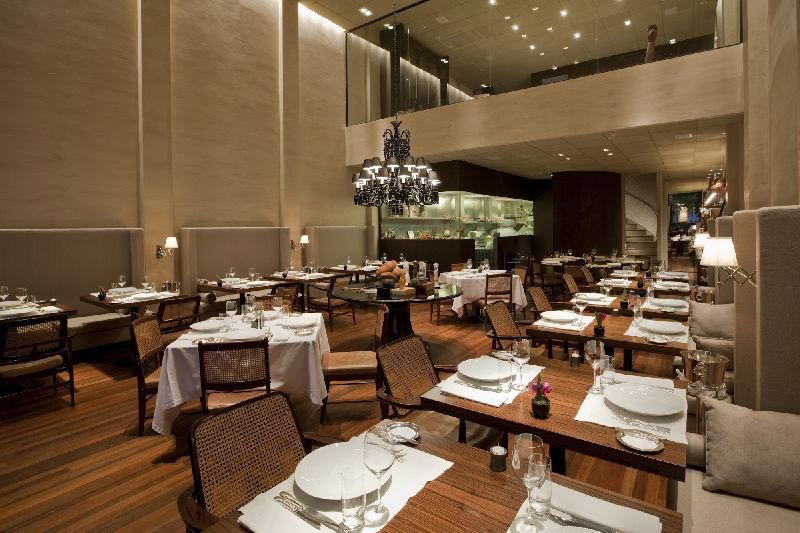
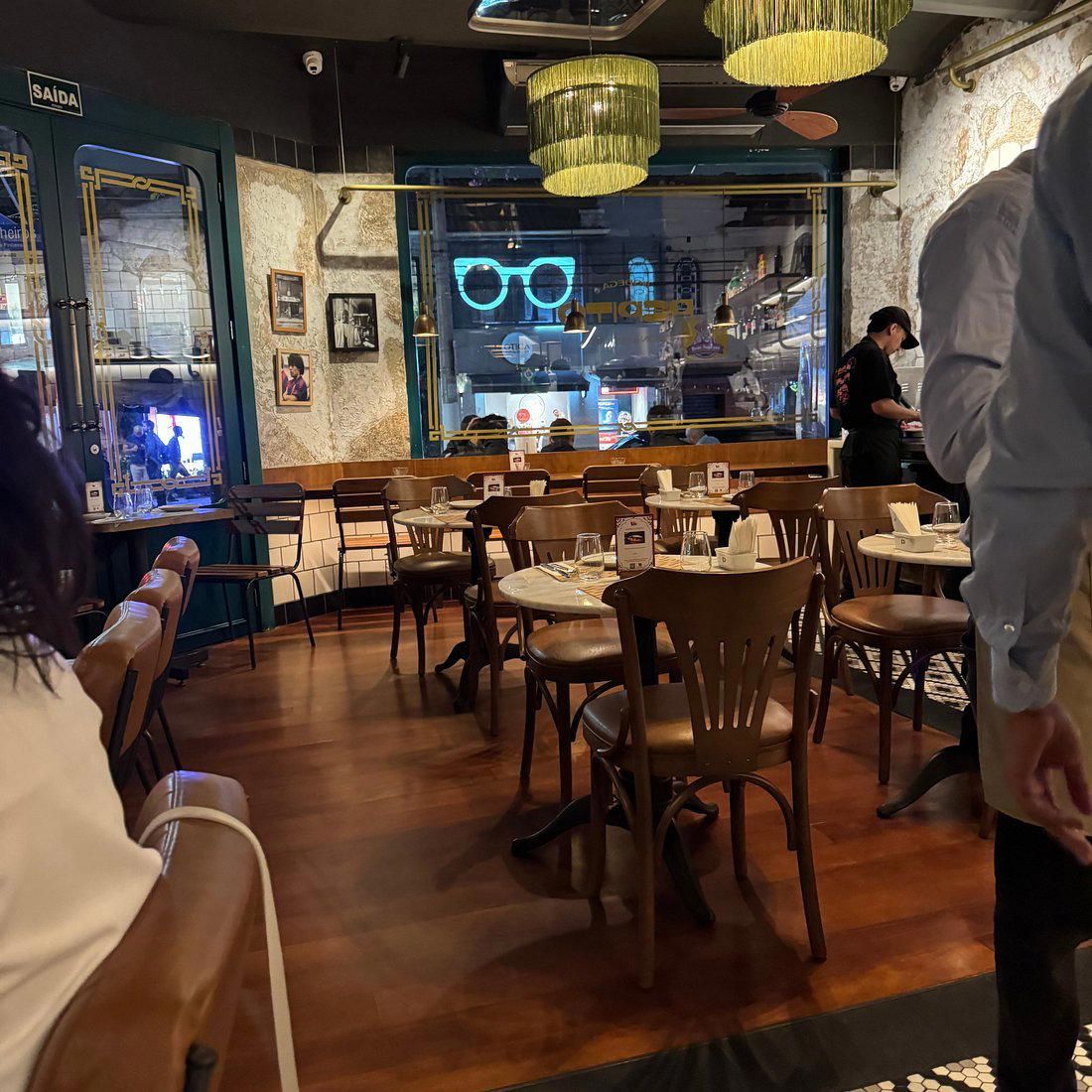
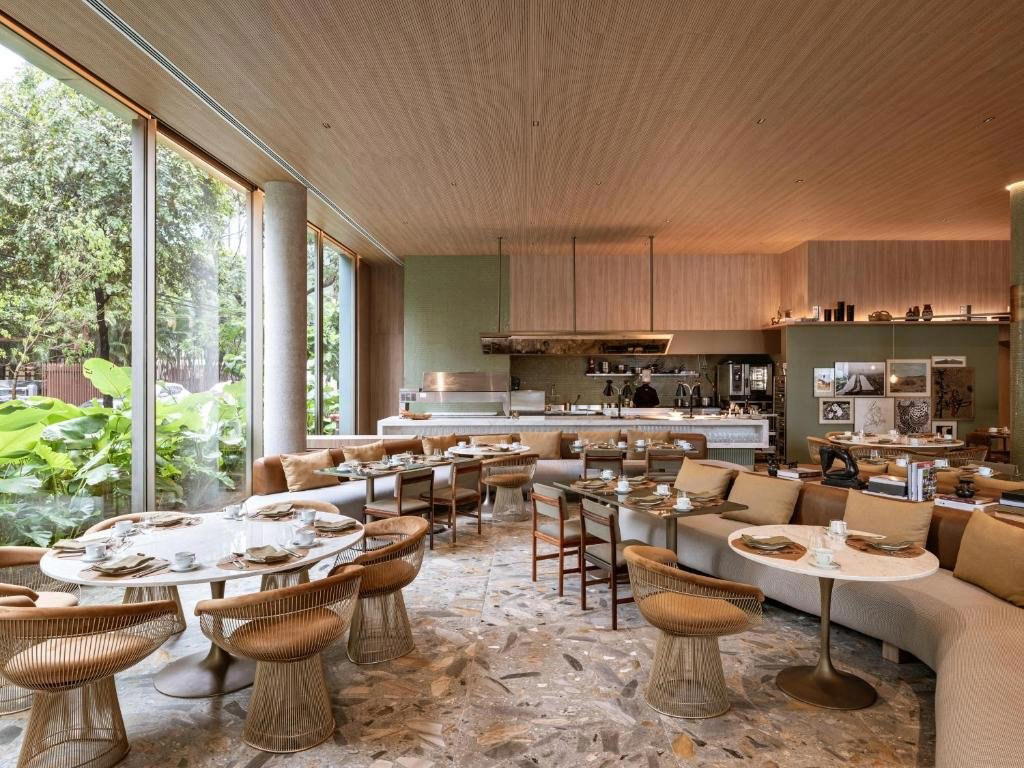
Bright bistro-style dining room with deep wood and marble textures evoking a traditional Parisian bistro.