

Michelin Plate · We're Smart World 1 Radish
Our verdict
ROSS sits on Het Dorp in Hasselt, where Glenn Ross and Nicole Schellekens bring structured Creative French cooking shaped by time at Hof Van Cleve and The Fat Duck. The kitchen operates with a clear logic: balance, texture, and vegetables given genuine weight rather than token inclusion.

Pearl is the En Primeur Club membership app, where members save venues, book tables and use the concierge.
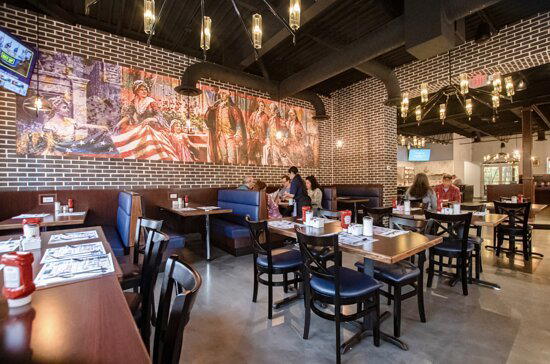
Hasselt's Creative French Tier and Where ROSS Sits Within It
Hasselt has accumulated a concentration of serious kitchens that sits somewhat out of proportion to the city's size. At the €€€ price point, Creative French operators compete against Modern French rooms like Ogst and Leeuw, alongside Modern Cuisine at JER and traditional anchors like Brasserie Rongese. Within that grouping, ROSS on Het Dorp, 34 occupies the Creative French niche alongside De Kwizien, a peer in format and ambition. What separates individual kitchens in this tier is not price, they are broadly aligned, but the internal logic of how a menu is constructed and what it chooses to foreground. At ROSS, that logic centres on the structured multi-course meal as a mechanism for demonstrating control rather than spectacle.
The Architecture of the Meal
Creative French menus in Belgium's mid-sized cities tend to follow one of two templates: the protein-forward sequence that uses vegetables as supporting structure, or the more technically demanding approach that treats vegetables as primary subjects in their own right. ROSS operates in the second mode, which is harder to execute at the level of a full prix fixe because vegetable preparations do not carry the same built-in richness as protein to anchor a course. The kitchen addresses this through texture and fermentation: pointed cabbage with green spelt, black garlic, and Jew's ear is one documented preparation that illustrates the method, a single vegetable worked through multiple textural and flavour registers, with fermented and dried fungi providing depth where fat might otherwise do the work.
The gyoza filled with umeboshi, bok choy, and chilli shows a different dimension of the same thinking. Japanese preserved plum inside a format borrowed from East Asian street cooking, placed within a French creative sequence, is not fusion as a stylistic gesture. It is an honest reflection of what contemporary Creative French cooking looks like when the kitchen's reference points include global technique without advertising that fact. The dish works or it does not on the basis of balance and sourness calibration, and the approach is consistent with training environments that reward precision over novelty.
Credentials as Context, Not Biography
The broader Creative French scene in Belgium is shaped significantly by the gravitational pull of a handful of kitchens that function as training institutions. Hof Van Cleve in Kruishoutem, three Michelin stars, has produced a documented lineage of alumni who now operate across the country. Glenn Ross and Nicole Schellekens both passed through that kitchen before working at The Fat Duck in Bray, a three-star British operation with a specific technical vocabulary around flavour science and texture manipulation. The two kitchens represent distinct but complementary technical traditions: classical Belgian rigour on one side, molecular-influenced British experimentation on the other. Kitchens formed in both environments tend to produce menus that are technically disciplined but not showy, with the complexity carried by the logic of each course rather than its visual presentation.
At ROSS, Glenn leads the kitchen and Nicole handles patisserie and service, a division that matters structurally because it means the end of the meal receives the same level of specialist attention as its opening. In Belgian fine dining, patisserie is sometimes where the coherence of an otherwise strong meal begins to slip. That risk is addressed structurally here. The pairing extends beyond the kitchen to the experience of the room, where service and cooking come from people with shared histories and complementary disciplines. This is a model seen at comparable Belgian operations: Boury in Roeselare and Zilte in Antwerp both reflect the influence of tightly coordinated kitchen-and-room partnerships on the coherence of the dining experience.
Recognition and Peer Positioning
ROSS holds a Michelin Plate in both 2024 and 2025, a recognition that denotes cooking of consistent quality without the star designation. Within the Michelin system, the Plate acknowledges kitchens that merit attention but either fall short of or are not yet measured against the full star criteria. In a city where no restaurant currently holds a Michelin star, the Plate is a meaningful differentiator. Among Creative French peers operating at this price point in Belgium, Willem Hiele in Oudenburg and Bartholomeus in Heist occupy a comparable creative register, though each operates within its own regional and produce-driven context. Internationally, the Creative French format at this tier finds parallels at Restaurant Haerlin in Hamburg and Gourmetrestaurant Dichter in Rottach-Egern, where the emphasis on controlled technique within a classical framework produces a similar kind of meal. For context on the Brussels end of the Belgian Creative French conversation, Bozar Restaurant operates within a distinct cultural setting but shares some of the same structural ambitions.
Planning a Visit
ROSS is at Het Dorp, 34 in Hasselt, a central address that sits within easy reach of the city's main hospitality infrastructure. The €€€ pricing places it squarely in the same bracket as its Creative French and Modern French neighbours in the city, which makes it comparable on value terms to Ogst and Leeuw, with the distinction lying in menu logic rather than spend. Hours and booking details are not currently listed, so the most direct approach is through available digital channels. For those building a broader visit around the restaurant, the EP Club guides to Hasselt hotels, bars, wineries, and experiences provide the surrounding context, and the full Hasselt restaurants guide maps the competitive field in full.
What do regulars order at ROSS?
The kitchen's documented strengths lie in its vegetable-led preparations, where the cooking is most distinctive. Dishes like pointed cabbage with green spelt, black garlic, and Jew's ear, and the gyoza filled with umeboshi, bok choy, and chilli, represent the most clearly articulated expression of how Glenn Ross and Nicole Schellekens approach Creative French cuisine, drawing on fermentation, preserved ingredients, and cross-cultural technique within a structured French sequence. Fish and meat courses are described as well-supported rather than centrepiece-driven, which means the menu's logic rewards those who read across the full sequence rather than selecting around a single protein anchor. For returning guests, the patisserie section handled by Nicole Schellekens is worth particular attention, given that it receives the same specialist focus as the savoury kitchen rather than being treated as a conclusion to be endured.
Frequently asked questions
Is ROSS Michelin-listed?
ROSS has received recognition including:
What do regulars order at ROSS?
The kitchen's most distinctive output is in its vegetable-led preparations. Documented examples include pointed cabbage with green spelt, black garlic, and Jew's ear, and gyoza filled with umeboshi, bok choy, and chilli, dishes where vegetables carry the plate rather than support a protein. Fish and meat courses also feature, but the vegetable work is where the cooking at this Michelin Plate-recognised address is most itself.
Where is ROSS in Hasselt?
ROSS is located at Het Dorp, 34, 3500 Hasselt, Belgium, Hasselt.
At-a-Glance Comparison
| Venue | Cuisine | Price | Awards | Notes |
|---|---|---|---|---|
| ROSSThis venue (the venue you are viewing) | Modern Creative French | $50–100 | Michelin Plate · We're Smart World 1 Radish | Not listed |
| JER | Modern French Fine Dining | $150–200 | 1 Michelin Star | Modern Cuisine |
| Ogst | Modern French Fine Dining | $50–100 | 1 Michelin Star · We're Smart World 1 Radish | Modern French |
| Brasserie Rongese | Traditional Belgian Brasserie | $50–100 | Michelin Plate | Traditional Cuisine |
| De Kwizien | Modern Belgian Seafood | $100–150 | Michelin Plate | Creative French |
| Otoro | French Contemporary Fine Dining | Not listed | Michelin Plate | French Contemporary |
Recognition history
Dated appearances from independent guides and award organizations, with the underlying list record or original source where available.
Michelin Plate
Michelin
We're Smart World 1 Radish
We're Smart World
Full recognition history (5 entries)
Michelin Plate
Michelin
We're Smart World 3 Radishes
We're Smart World
Michelin Plate
Michelin
Continue exploring
More in Hasselt
Restaurants in Hasselt
All restaurants in Hasselt →
Bars in Hasselt
All bars in Hasselt →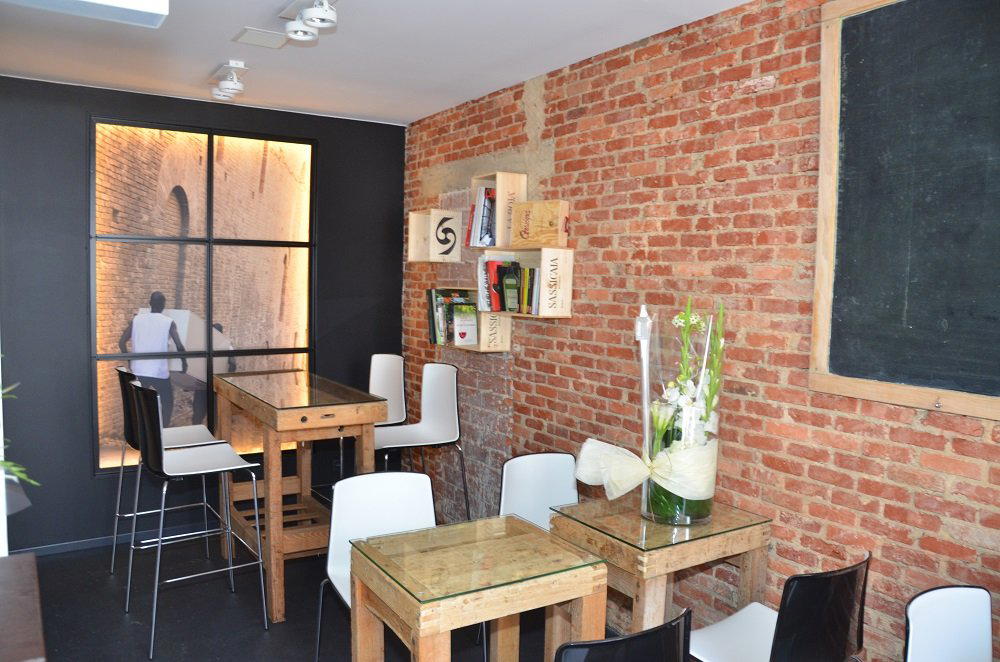

Details
- Cozy
- Trendy
- Intimate
- Modern
- Elegant
- Date Night
- Special Occasion
- Open Kitchen
- Natural Wine
- Street Scene
- A La Carte
- Vegetarian Friendly
- Vegan Options
Current opening hours
- Monday
- 12–1:15 PM, 6:30–9 PM
- Tuesday
- 12–1:15 PM, 6:30–9 PM
- Wednesday
- Closed
- Thursday
- 12–1:15 PM, 6:30–9 PM
- Friday
- 12–1:15 PM, 6:30–9 PM
- Saturday
- Closed
- Sunday
- Closed
Hours can change for holidays and private events. Hours as of .
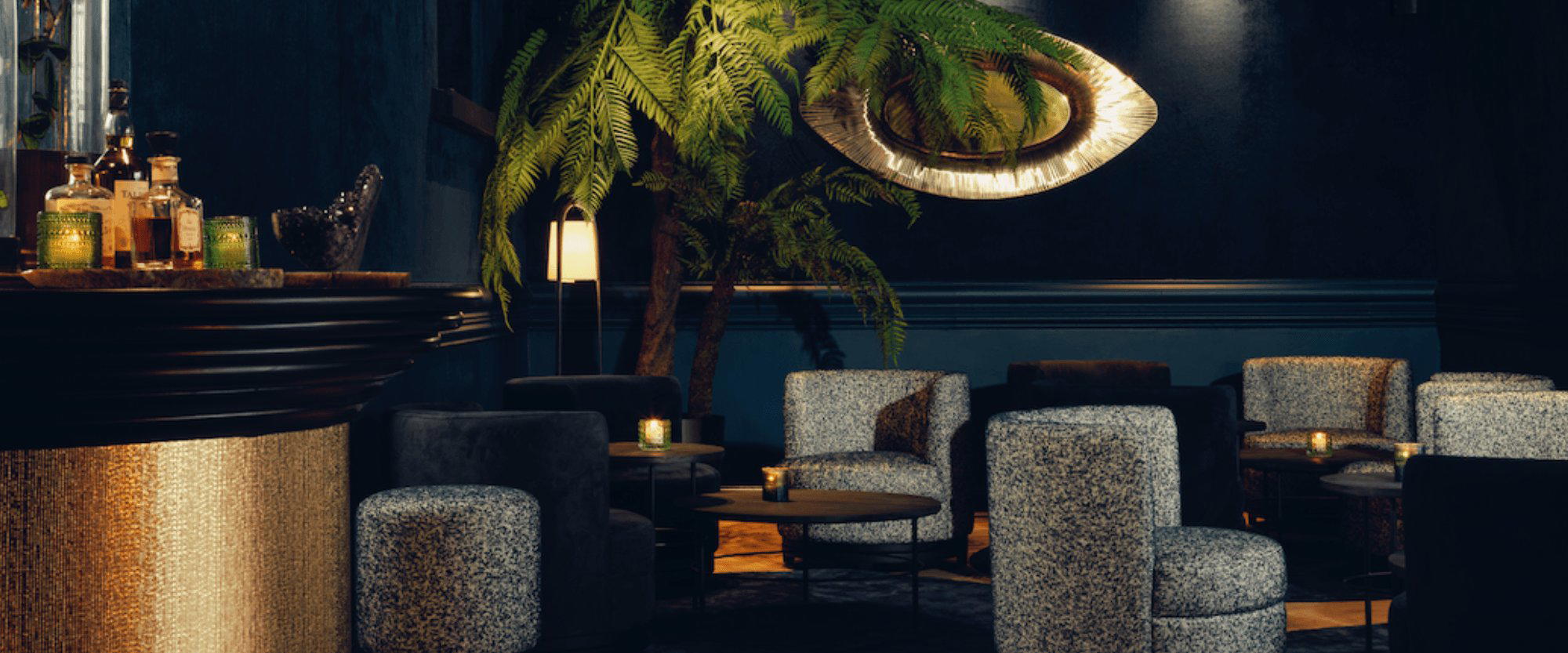
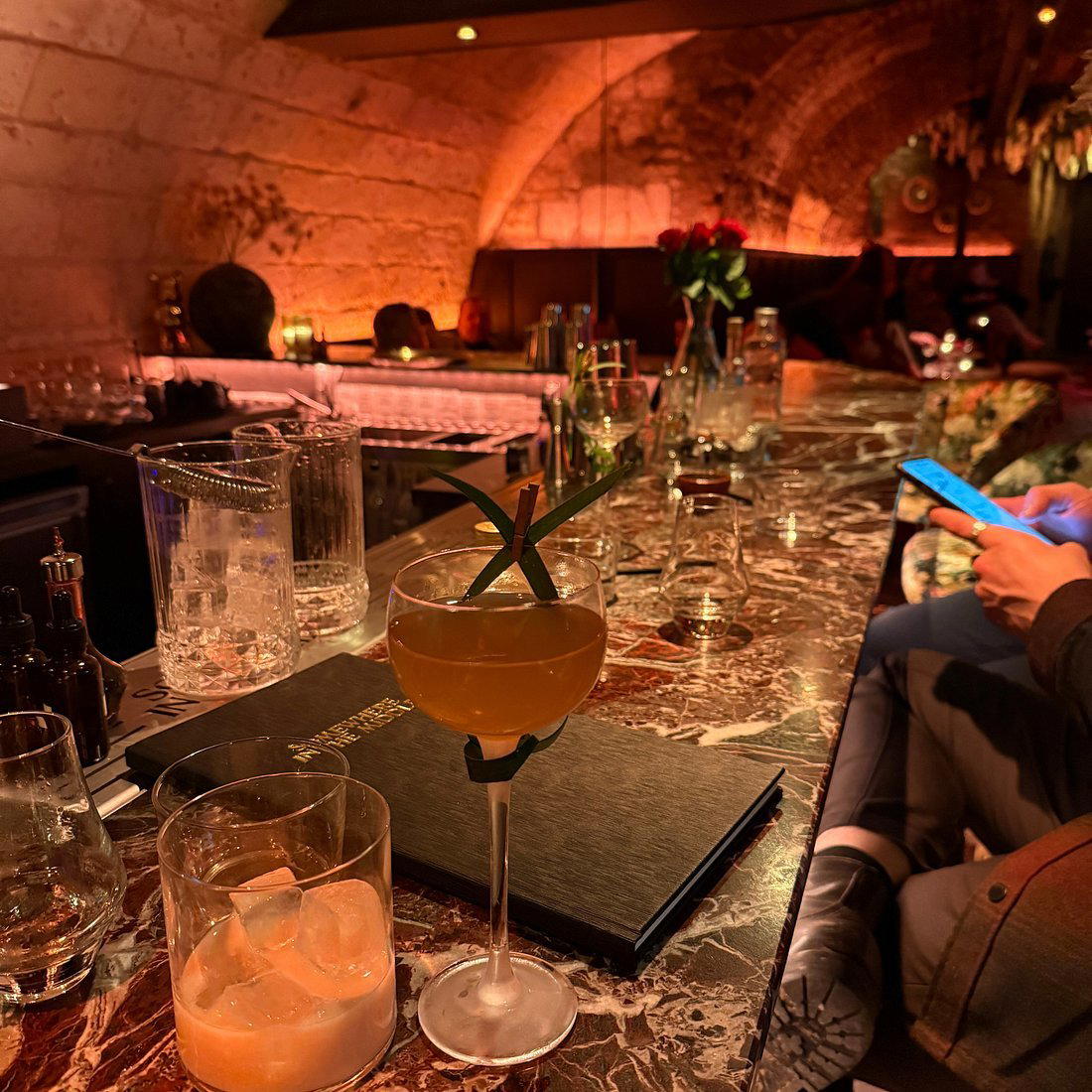
Cozy and trendy with a buzzy dining room, open kitchen, warm lighting, and welcoming atmosphere praised for its gezelligheid and stylish decor.