
Michelin Plate
Our verdict
Brasserie Rongese occupies a position within Hasselt's mid-to-upper dining tier that few traditional kitchens manage: consecutive Michelin Plate recognition in 2024 and 2025 signals a consistent standard rather than a one-season performance. Situated along Runkstersteenweg on the city's edge, it offers the kind of grounded, produce-led cooking that sits at the opposite end of the spectrum from Hasselt's growing cluster of modern-French tasting-menu restaurants.

Pearl is the En Primeur Club membership app, where members save venues, book tables and use the concierge.
The menu
What to order
- Entrecote steak
- Steak tartare
- Rundsstoverij
Where Traditional Cooking Holds Its Ground in Hasselt
There is a section of Runkstersteenweg that feels removed from Hasselt's tighter city-centre restaurant cluster, where newer modern-French and creative tasting-menu rooms have accumulated considerable critical attention over the past decade. Brasserie Rongese occupies this quieter stretch, and that physical remove is something of a signal: this is not a kitchen chasing the same audience as the city's Ogst or JER, both of which hold Michelin stars and operate within the tasting-menu format that has come to define upper-bracket dining in Belgian provincial cities. Brasserie Rongese's format, and its appeal, sits elsewhere.
The brasserie model, when executed with discipline, is one of the more demanding formats in European dining. It asks the kitchen to deliver consistency across a broader menu and a more variable service rhythm than a tightly controlled tasting-menu counter. The Michelin Plate, awarded here in both 2024 and 2025, is the Guide's signal that cooking quality at a venue clears a meaningful threshold. Two consecutive years of that recognition, at a traditional-cuisine address operating outside Hasselt's most competitive dining corridor, says something about operational steadiness that a single award year cannot.
Traditional Cuisine in the Belgian Context
Belgium's relationship with traditional cuisine is more layered than its northern European reputation sometimes suggests. The country sits at a cultural crossroads between French classical technique and Flemish ingredient culture, and the leading traditional-format kitchens in the region tend to draw on both. Flemish cooking has its own produce logic: the coastal supply chain that reaches inland through fish markets and wholesale distribution, the dense vegetable-growing belt of the Hageland and the Kempen plateau that surrounds Hasselt to the north and east, and the strong livestock tradition of the broader Limburg province.
A traditional-cuisine designation in this context is less about nostalgic formulas and more about a specific sourcing posture. The kitchen's relationship with its supply chain matters more than any single technique or dish format. What arrives on the plate reflects decisions made several steps back in the process: which farms supply the kitchen, how the fish is sourced, whether the kitchen is working with seasonal availability or against it. For comparison, the approach shares a philosophy with places like Auberge Grand'Maison in Mûr-de-Bretagne or Auga in Gijón, both traditional-cuisine addresses in their respective regions that treat produce origin as the primary editorial statement of the menu.
Where Brasserie Rongese Sits in Hasselt's Competitive Set
Hasselt has developed an unusually dense concentration of Michelin-recognised tables for a city of its size. The presence of starred rooms like Ogst and JER, alongside De Kwizien's creative-French approach and the city's Italian address at Moretti, means that diners in this price range have real choice across formats and registers. Brasserie Rongese shares the €€€ price tier with most of those addresses but operates on a different premise: the brasserie format, with its broader menu and typically less prescribed service sequence, appeals to a guest who wants serious cooking without the commitment architecture of a tasting menu.
That positioning is not a default or a fallback. Traditional brasserie cooking done well requires a kitchen that can hold a consistent standard across multiple service styles simultaneously. For context, that score at that volume is a reasonable proxy for guest satisfaction across the dining-room experience as a whole, not just the occasional exceptional meal.
Belgium's broader dining scene offers useful comparison points for understanding where Brasserie Rongese sits within the national picture. Restaurants like Hof van Cleve in Kruishoutem, Boury in Roeselare, and Zilte in Antwerp represent the country's leading starred tier. Willem Hiele in Oudenburg and Bartholomeus in Heist show how coastal ingredient sourcing can anchor a distinctive kitchen identity. Brasserie Rongese belongs to a different but equally necessary register: the well-executed traditional address that sustains quality year-over-year without reconfiguring its format around each guide cycle.
Sourcing as the Kitchen's Argument
The editorial angle of a traditional-cuisine kitchen is, at its core, an argument about ingredients. The format only justifies its place in the upper price tier if the sourcing relationships behind it are doing genuine work. Limburg province is not a region that lacks for good raw material: the Kempen's market gardens, the game tradition of the Ardennes supply chain that flows north, and Hasselt's own position as a city with strong wholesale infrastructure all give a kitchen in this location access to serious produce if it chooses to use it. The question a Michelin Plate address in this category has to answer is whether the supply chain is treated as a competitive advantage or simply as a procurement function. Consecutive Plate recognition suggests the former.
This matters because traditional cuisine, the designation itself, can cover a wide range of ambition levels. At its least demanding, it describes any kitchen serving recognisable national or regional dishes without creative intervention. At its most demanding, it describes a kitchen that treats the classic framework as a discipline requiring precision, and brings that precision to bear on the leading available raw material. The Michelin Plate, a signal that cooking quality is worth noting even in the absence of star recognition, implies the latter interpretation is the more accurate one here.
Planning a Visit
Brasserie Rongese is located at Runkstersteenweg 226, in the 3500 postal zone of Hasselt, which places it on the city's outer ring rather than the pedestrianised centre. Guests arriving by car will find the address direct to reach; those using public transport should account for the suburban location. The price range of €€€ aligns with the upper-middle band of Hasselt's dining market, comparable to the other Michelin-recognised addresses in the city. Those building a broader Hasselt itinerary can explore the city's full range of options through our full Hasselt restaurants guide, as well as our Hasselt hotels guide, bars guide, wineries guide, and experiences guide. For a contrasting angle on Belgian traditional cooking in a different urban context, Bozar Restaurant in Brussels offers a useful comparison point.
Frequently asked questions
What should I order at Brasserie Rongese?
The kitchen holds a Michelin Plate for traditional cuisine, which points toward the classic preparations rather than the brasserie staples that appear on every comparable menu in the region. In a Flemish-Limburg traditional kitchen, the strongest plates tend to be those built on locally sourced proteins and seasonal vegetables from the surrounding agricultural belt. Given the cuisine designation and the consecutive Michelin recognition, the dishes where the kitchen's sourcing relationships are most visible are likely to be its most authoritative. Ask the service team which preparations change with the season, in a produce-led traditional kitchen, that question usually surfaces the menu's most considered choices. Leeuw nearby offers modern-French comparison if you want to map the full range of Hasselt's €€€ tier before committing to a reservation.
At-a-Glance Comparison
| Venue | Cuisine | Price | Awards | Notes |
|---|---|---|---|---|
| Brasserie RongeseThis venue (the venue you are viewing) | Traditional Belgian Brasserie | $50–100 | Michelin Plate | Not listed |
| JER | Modern French Fine Dining | $150–200 | 1 Michelin Star | Modern Cuisine |
| Ogst | Modern French Fine Dining | $50–100 | 1 Michelin Star · We're Smart World 1 Radish | Modern French |
| De Kwizien | Modern Belgian Seafood | $100–150 | Michelin Plate | Creative French |
| Otoro | French Contemporary Fine Dining | Not listed | Michelin Plate | French Contemporary |
| Moretti | Modern Italian Osteria | $50–100 | Michelin Plate · Star Wine List | Italian |
Recognition history
Dated appearances from independent guides and award organizations, with the underlying list record or original source where available.
Michelin Plate
Michelin
Full recognition history (3 entries)
Michelin Plate
Michelin
Michelin Plate
Michelin
Continue exploring
More in Hasselt
Restaurants in Hasselt
All restaurants in Hasselt →
Bars in Hasselt
All bars in Hasselt →

Details
- Cozy
- Classic
- Elegant
- Date Night
- Family
- Group Dining
- Historic Building
- Extensive Wine List
- A La Carte
- Wine
- Vegetarian Friendly
Current opening hours
- Monday
- Closed
- Tuesday
- 6–11 PM
- Wednesday
- 6–11 PM
- Thursday
- 12–3:30 PM, 6–11 PM
- Friday
- 12–3:30 PM, 6–11:30 PM
- Saturday
- 6–11:30 PM
- Sunday
- Closed
Hours can change for holidays and private events. Hours as of .
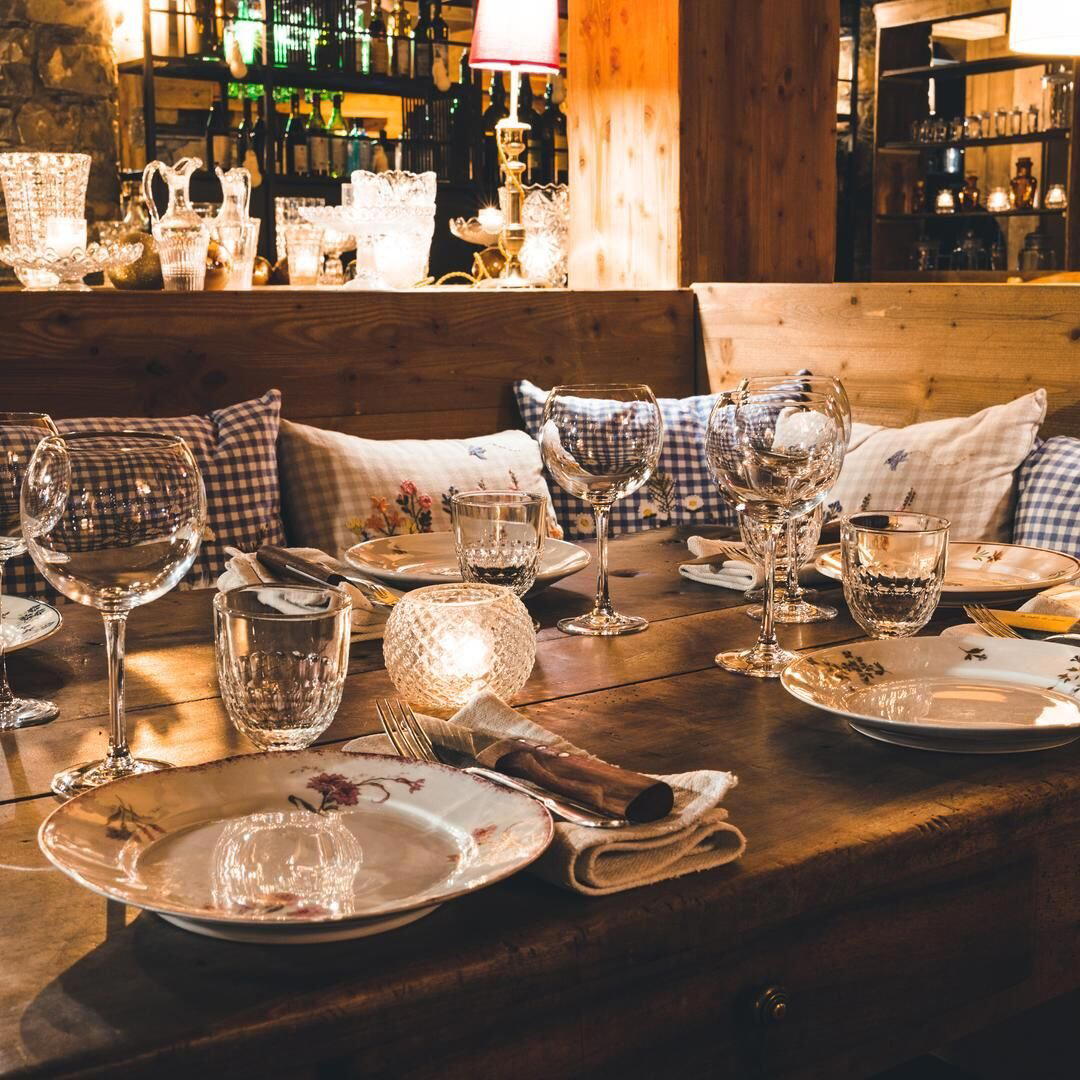
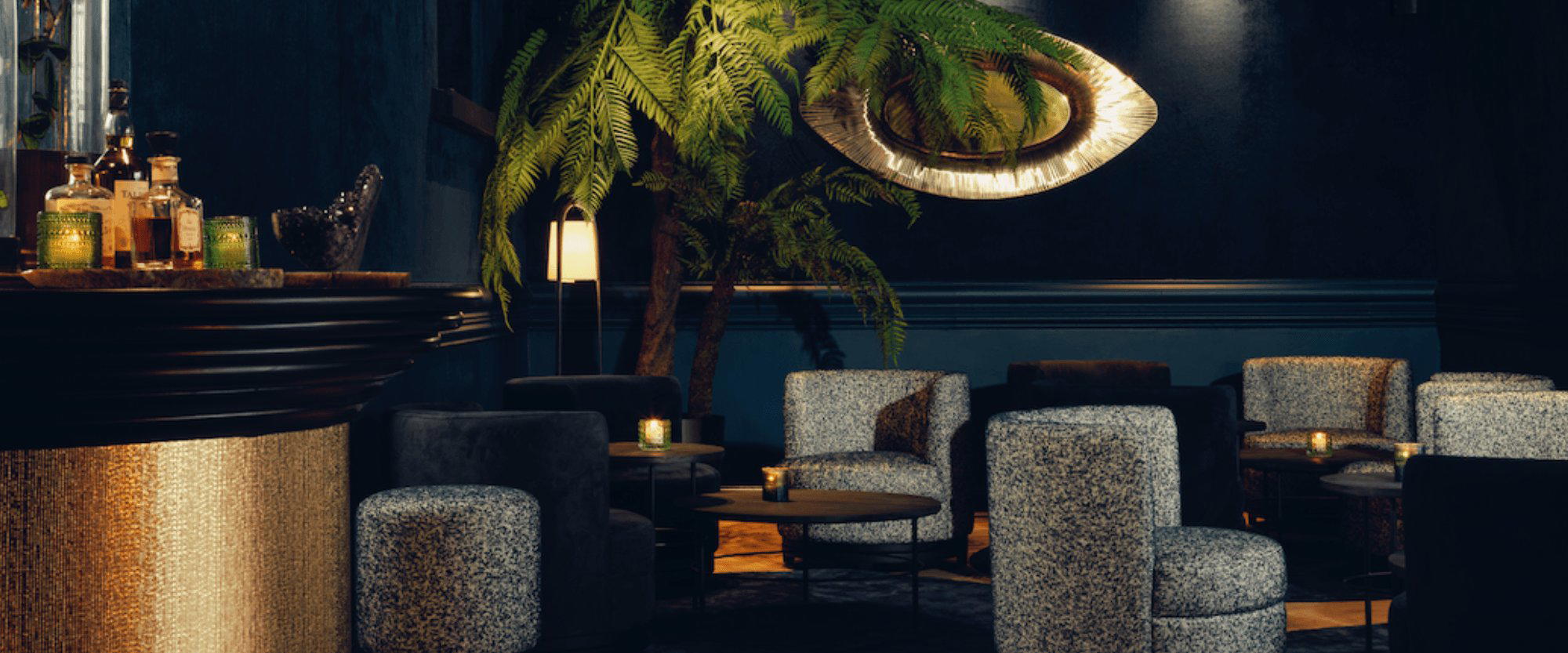
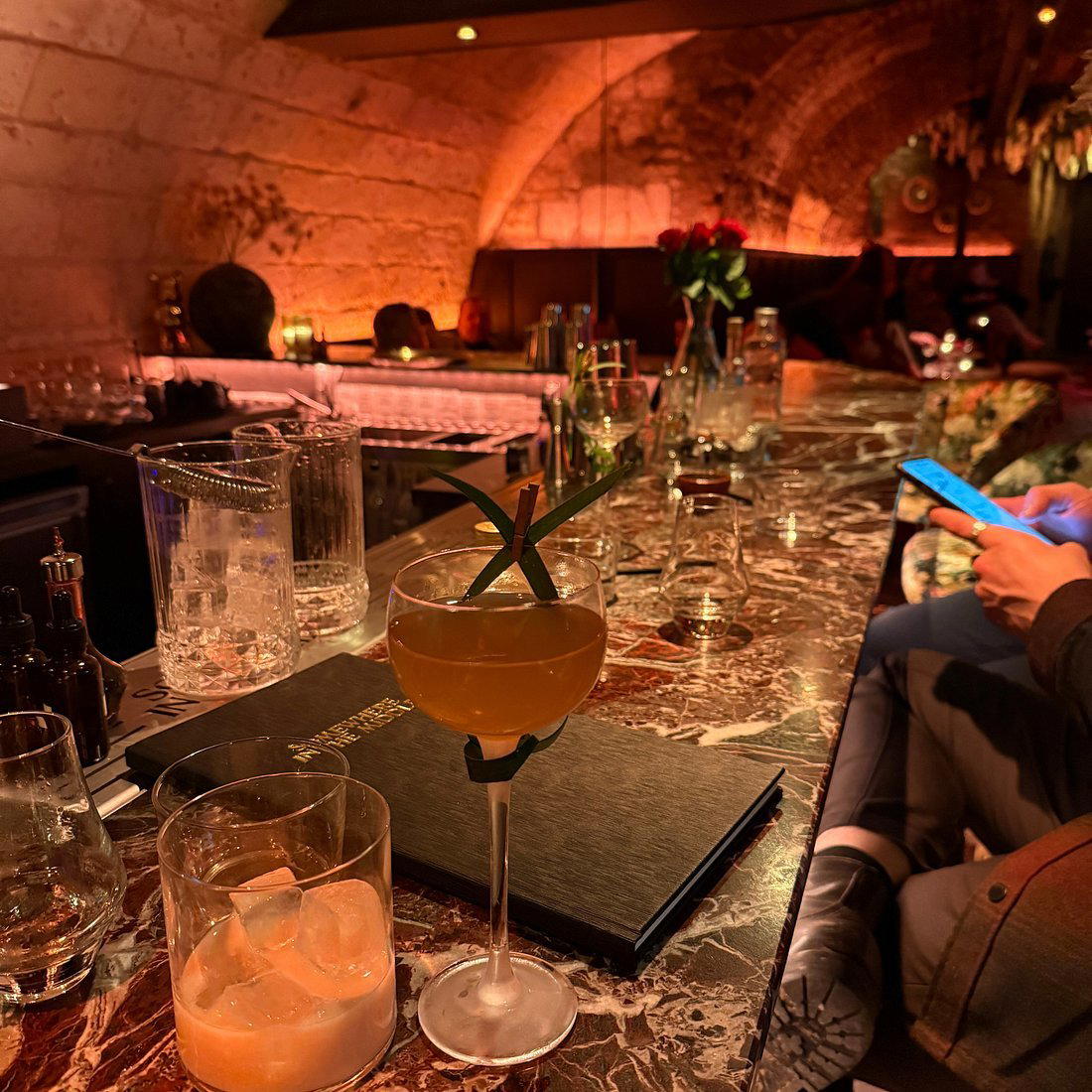
Cozy interior with a pleasant, characterful atmosphere that can become somewhat noisy during peak times.