Gourmetrestaurant Dichter




2 Michelin Stars · La Liste Top Restaurants · Falstaff Restaurant - 96 Falstaff Points
Our verdict
Among the two-Michelin-star houses operating in the German Alpine resort belt, Gourmetrestaurant Dichter in Rottach-Egern occupies a specific tier: creative French technique applied with the seriousness the La Liste scoring panel rewarded with 91 points in 2026. Chef Thomas Kellermann runs the kitchen at Aribostraße 19, and the room's reputation draws serious diners willing to travel the Tegernsee valley for a full tasting programme.

Pearl is the En Primeur Club membership app, where members save venues, book tables and use the concierge.
The menu
What to order
- Tegernsee char
- Langostino
- Mackerel
Where the Tegernsee Dining Scene Sets Its Ceiling
The Tegernsee valley is not a casual dining destination. Resort towns like Rottach-Egern attract a clientele willing to spend at the highest price points, and the local restaurant spectrum reflects that: from the lakeshore casualness of Fährhütte 14 and au lac 51 at the more accessible end, through the country cooking of Alois-Anton Kaminrestaurant and the one-Michelin-star international programme at Haubentaucher, to the formal upper bracket where Gourmetrestaurant Dichter and Restaurant Überfahrt compete for the same well-travelled diner. Within that upper bracket, the Dichter holds the sharper award position: two Michelin stars carried across both the 2024 and 2025 guides, plus a La Liste score that moved from 89.5 points in 2025 to 91 points in 2026, a trajectory that places it among the handful of German Alpine restaurants closing the gap on the country's metropolitan fine-dining flagships.
The address on Aribostraße sits at the €€€€ tier, the highest price band in Rottach-Egern's restaurant market. That positioning is not incidental. Two-star houses in German resort towns operate inside a different competitive logic than their urban peers: they need to justify a destination visit on top of the price itself, which means the experience has to carry the weight of the journey. The Dichter's sustained Michelin recognition and improving La Liste scores suggest it is meeting that standard, at least by the metrics that matter to the travelling diner planning a Tegernsee itinerary.
Creative French in an Alpine Setting
Creative French is a cuisine category that covers a wide spectrum in Germany, from broadly French-influenced tasting menus to more technically exacting kitchens that treat the French classical canon as a foundation rather than a destination. At the Dichter, the classification sits alongside two Michelin stars and an Opinionated About Dining ranking of 345th in Europe in the Classical category for 2024, a data point worth reading carefully. OAD's Classical list specifically tracks kitchens that the platform's contributor base regards as rigorously grounded in tradition, even when those kitchens are also operating creatively. A ranking on that list, at any position, signals something about the technical seriousness of the kitchen rather than merely its output volume or market recognition.
Chef Thomas Kellermann leads that kitchen. Within the editorial conventions of this platform, his biography is less instructive than the competitive context: a creative French kitchen with two Michelin stars and an OAD Classical placement in Rottach-Egern is a relatively rare configuration in Germany. Comparable kitchens operating at similar award levels and in a creative French register include Restaurant Haerlin in Hamburg and Atelier in Munich, both of which serve as useful reference points for a diner calibrating what to expect at the Dichter in terms of format discipline and technical ambition.
The Cellar as an Editorial Argument
For the kind of diner the Dichter is built around, the wine programme is not supplementary. Creative French kitchens at the two-star level are, almost by definition, pairing-led environments: the menu architecture is designed to be read alongside a sommelier's selections, and the quality of that relationship between plate and glass is part of what the Michelin inspectors are assessing when they award or retain stars at this level.
Germany's top-tier fine-dining wine programmes typically anchor in three directions: French classical (Burgundy and Bordeaux, with Champagne as aperitif infrastructure), German premium (Riesling across the Mosel, Rhine, and Nahe, plus increasingly serious Spatburgunder from Baden and the Pfalz), and broader European representation for kitchens that want to signal range. For a creative French kitchen in Bavaria, the interesting editorial tension is always the same: does the cellar follow the cuisine's French orientation, lean into the local Alpine wine culture of Austria and South Tyrol, or attempt both simultaneously? That balance defines the character of the pairing experience as much as any individual bottle selection.
What can be said with confidence at the Dichter's price tier and award level is that the wine programme carries real weight in the overall experience proposition. At €€€€ and with two Michelin stars, the expectation from the OAD and La Liste communities (both of which skew toward serious wine-aware diners) is a cellar with depth, a sommelier who can navigate it, and pairings that add analytical value to the food rather than simply accompanying it. For diners planning to engage the full pairing option, it is worth arriving with specific questions about the Burgundy and German premium sections, where the strongest programmes at this tier tend to concentrate their most interesting selections.
Comparable programmes in the German fine-dining tier to use as a calibration benchmark include Aqua in Wolfsburg and Vendôme in Bergisch Gladbach, both of which operate at three Michelin stars and represent the upper ceiling of German cellar programming. Within the two-star Bavarian corridor, JAN in Munich and ES:SENZ in Grassau (the last-named particularly relevant given its proximity to the Tegernsee valley) offer reference points for how the regional market approaches pairing at serious price points.
What the Award Trajectory Signals
La Liste's scoring methodology aggregates a wide range of restaurant guide data and applies a ranking algorithm that rewards consistency and upward momentum alongside raw score. A movement from 89.5 to 91 points between the 2025 and 2026 editions is not cosmetic. At that level of the ranking, single-point movements require concrete improvement signals in the underlying data sources. For Gourmetrestaurant Dichter, this trajectory reinforces the sustained two-star Michelin position and suggests the kitchen is moving with purpose rather than simply maintaining.
Within the broader German fine-dining map, this positions the Dichter well above the regional mid-market but below the three-star tier represented by Schwarzwaldstube in Baiersbronn, one of Germany's most-discussed rural fine-dining destinations. The more instructive comparison may be with CODA Dessert Dining in Berlin, which operates at the creative end of the German fine-dining spectrum at a different price and format register, illustrating how widely the category can stretch. The Dichter's OAD Classical placement suggests it is not stretching in that experimental direction, but rather consolidating in a technically grounded mode that builds on French culinary infrastructure.
Planning a Visit to Rottach-Egern
Rottach-Egern is accessible from Munich by road in roughly an hour depending on traffic and the route taken via the A8 and then south through Miesbach toward the lake, making it a viable day visit from the city for serious diners. The more natural format for the Dichter, given the price point and the depth of a full tasting programme with wine pairings, is an overnight stay: the town has a developed luxury hotel infrastructure, covered in more detail in our full Rottach-Egern hotels guide. For context on the full dining, drinking, and local experience picture around your visit, our full Rottach-Egern restaurants guide, bars guide, wineries guide, and experiences guide each cover the broader Tegernsee valley offer.
Frequently asked questions
What's the signature dish at Gourmetrestaurant Dichter?
No individual dish has been named publicly as a signature, and the Creative French format at the two-star level typically means a tasting menu that rotates with the season. What the kitchen's Michelin two-star status and La Liste score of 91 points (2026) confirm is a level of technical consistency that goes beyond single-dish showcase cooking. For current menu details, check the venue's official channels at Aribostraße 19, Rottach-Egern.
What's the pricing like at Gourmetrestaurant Dichter?
Pricing at Gourmetrestaurant Dichter is listed as €€€€.
The Essentials
| Venue | Cuisine | Price | Awards | Notes |
|---|---|---|---|---|
| Gourmetrestaurant DichterThis venue (the venue you are viewing) | Modern Creative French | $200–300 | 2 Michelin Stars · La Liste Top Restaurants | Not listed |
| Restaurant Überfahrt | Modern German Fine Dining | $300–500 | 1 Michelin Star · Falstaff Restaurant - 95 Falstaff Points | Classic Cuisine |
| Haubentaucher | Modern European Fine Dining | $100–150 | 1 Michelin Star | International |
| Alois-Anton Kaminrestaurant | Bavarian Country Cooking | Not listed | Michelin Plate | Country cooking |
| au lac 51 | Modern Euro-Asian Fusion | Not listed | Michelin Plate | International |
| Fährhütte 14 | Seasonal International Lakeside Dining | $100–150 | Michelin Plate | International |
Recognition history
Dated appearances from independent guides and award organizations, with the underlying list record or original source where available.
Michelin 2 Stars
Michelin
La Liste Top Restaurants
La Liste
Falstaff Restaurant - 96 Falstaff Points
Falstaff
Opinionated About Dining Classical in Europe Ranked #345
Opinionated About Dining
Full recognition history (7 entries)
La Liste Top Restaurants
La Liste
Michelin 2 Stars
Michelin
Michelin 2 Stars
Michelin
Continue exploring
More in Rottach-Egern
Restaurants in Rottach-Egern
All restaurants in Rottach-Egern →
Bars in Rottach-Egern
Browse all →
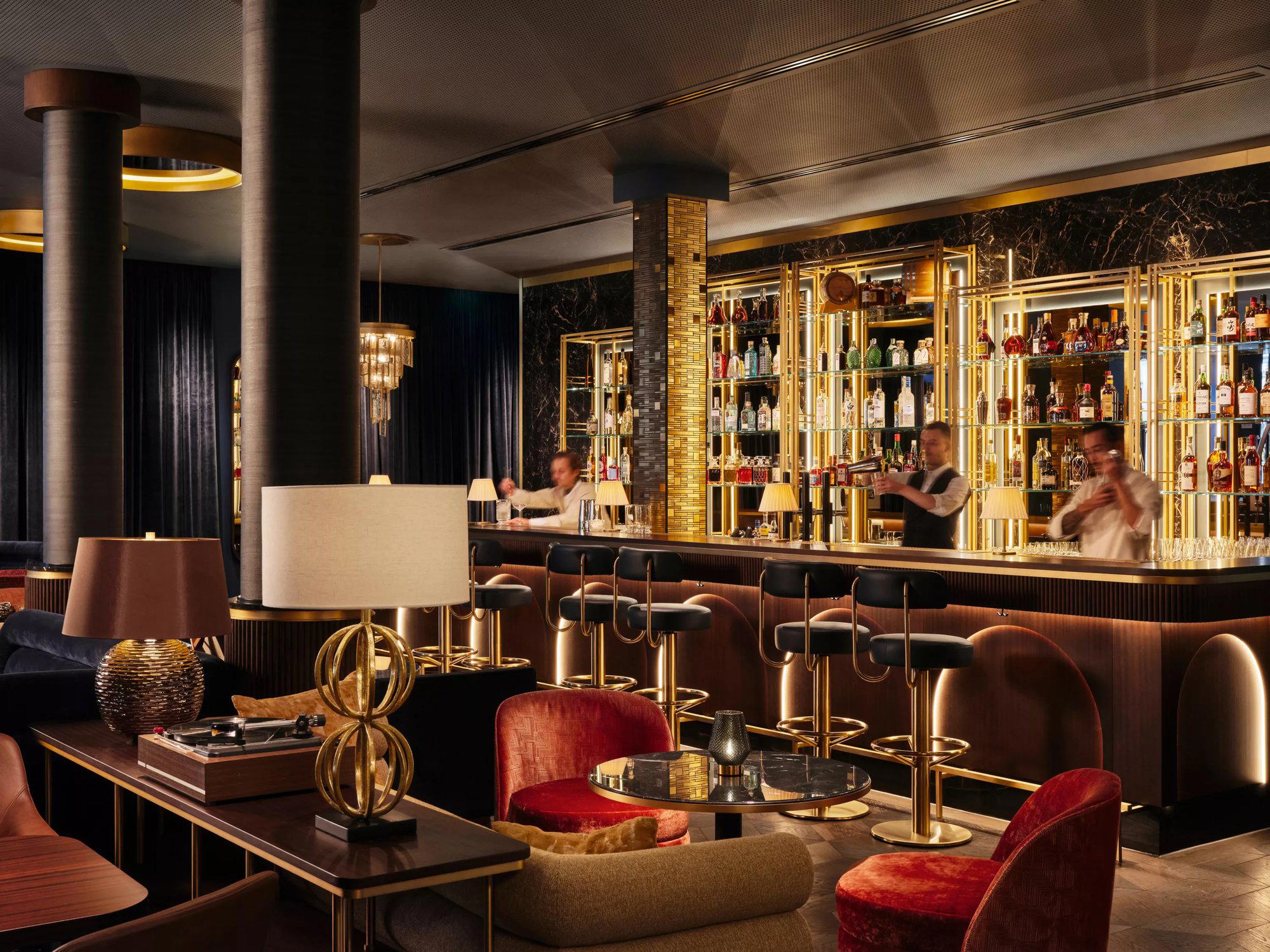
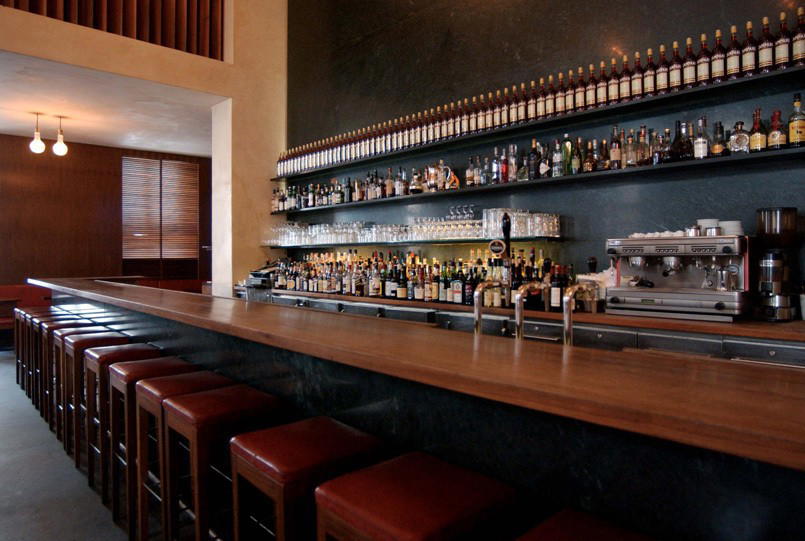
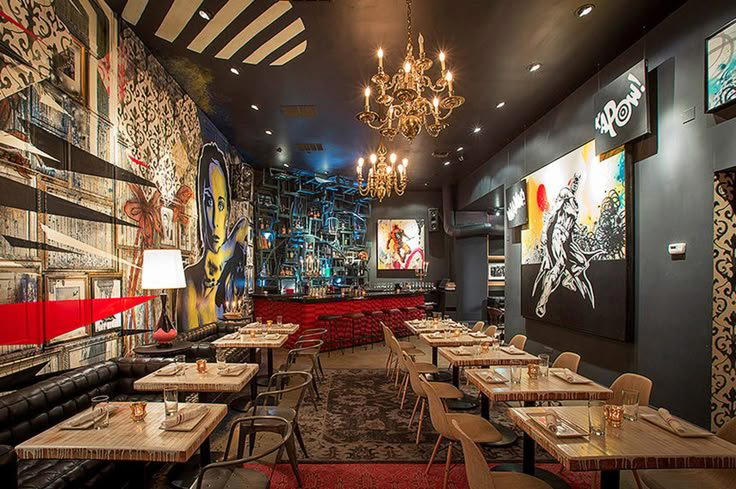
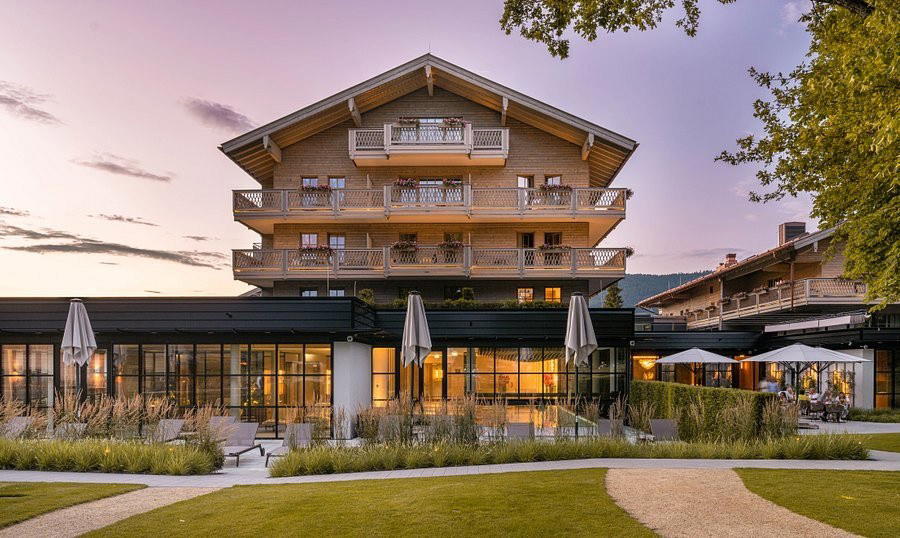
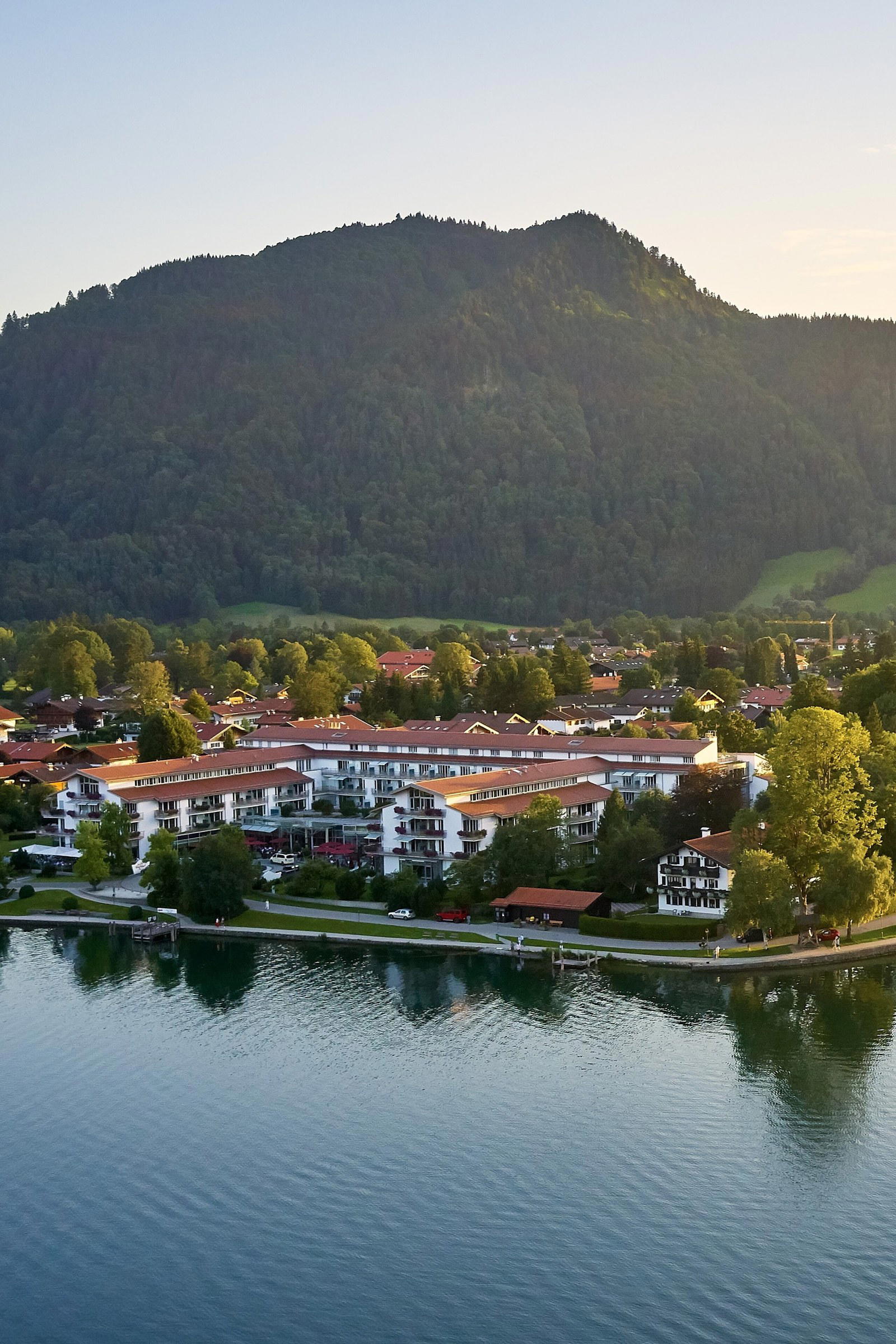
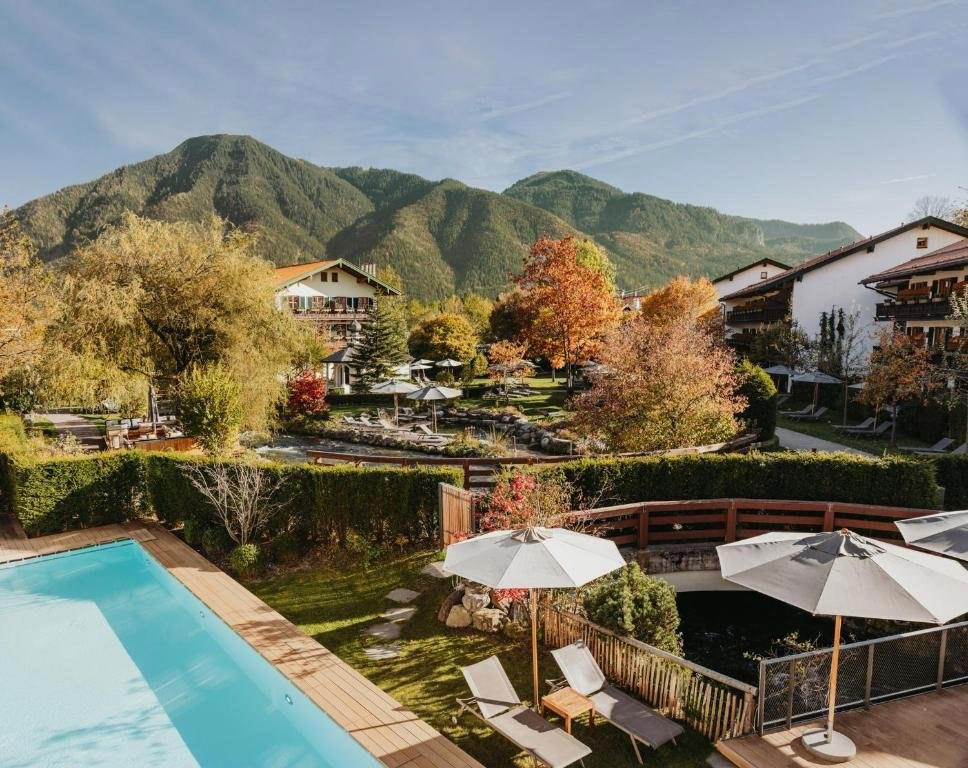
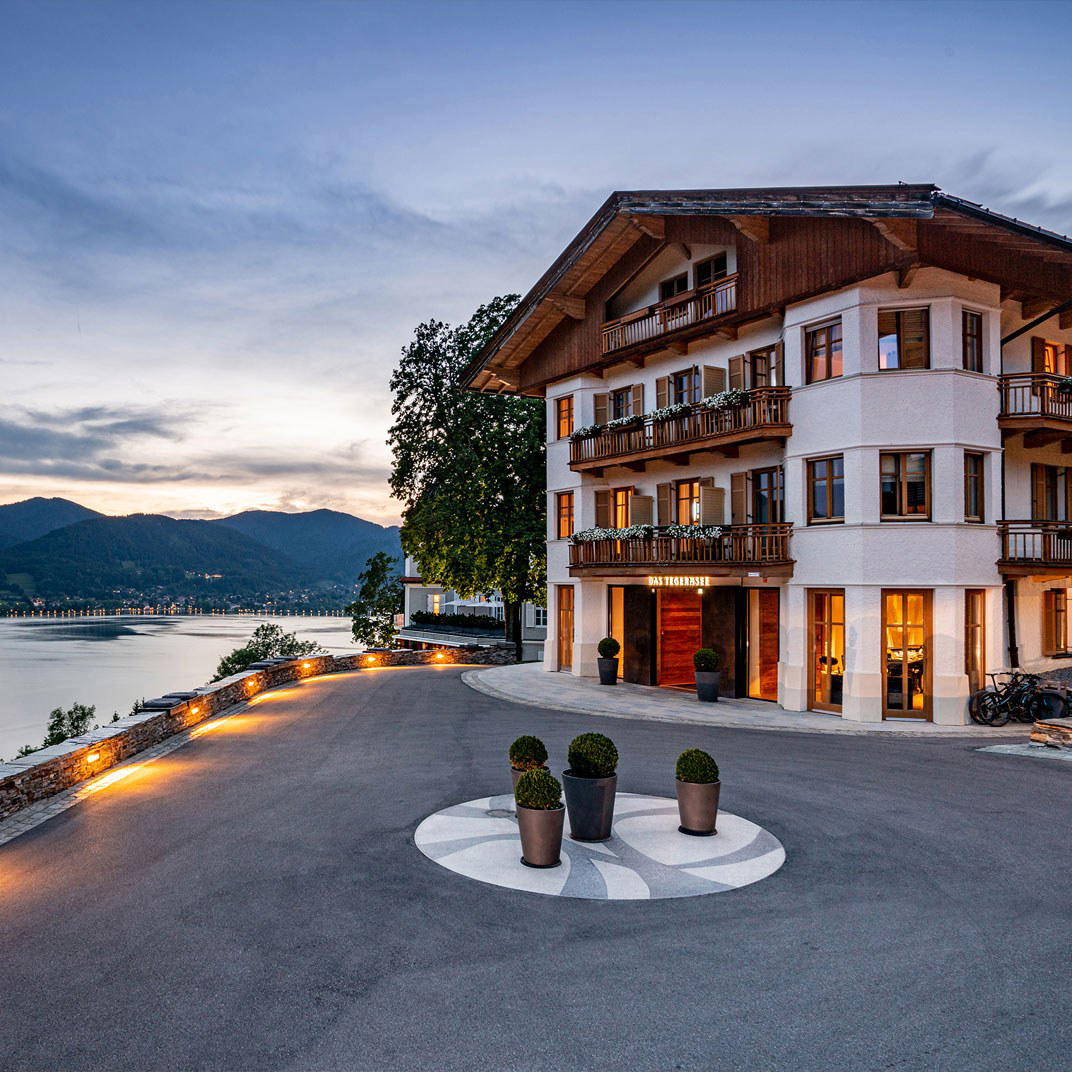
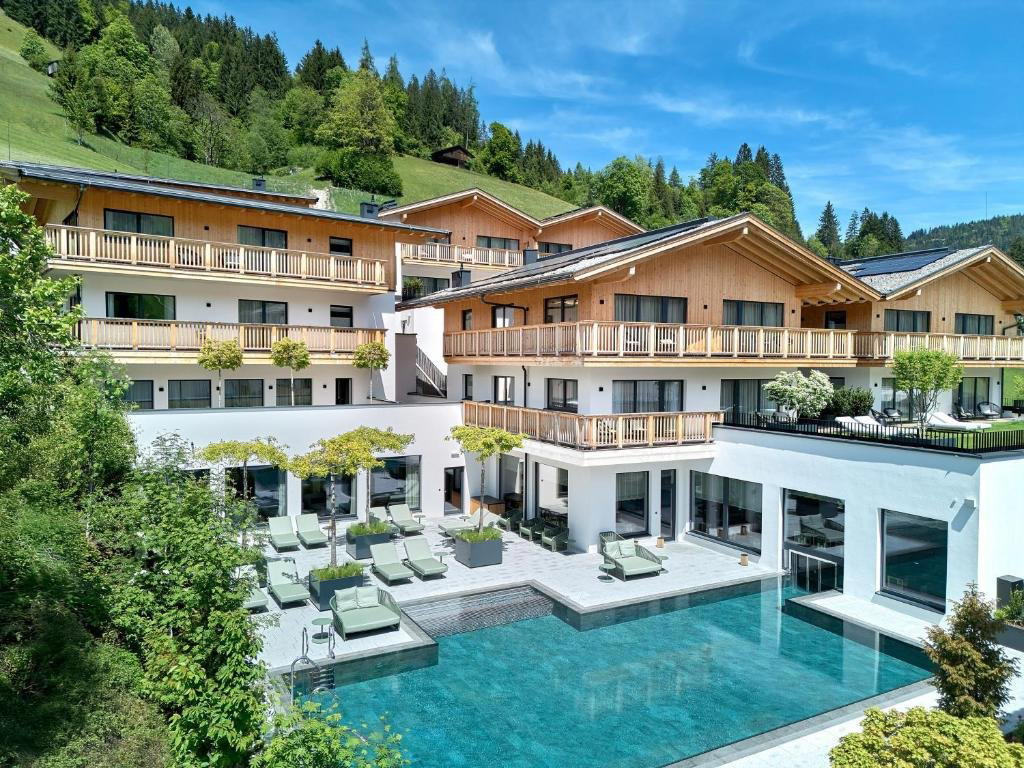

Gourmetrestaurant Dichter
The wine
- Wine program
- Deep wine list
- Extensive wine list
- Sommelier-led
Details
- Elegant
- Sophisticated
- Intimate
- Cozy
- Date Night
- Special Occasion
- Celebration
- Chefs Counter
- Open Kitchen
- Extensive Wine List
- Sommelier Led
- Local Sourcing
- Mountain
- Tasting Menu
- Set Menu
- Vegetarian Friendly
Current opening hours
- Monday
- Closed
- Tuesday
- Closed
- Wednesday
- 6:30–10:30 PM
- Thursday
- 6:30–10:30 PM
- Friday
- 6:30–10:30 PM
- Saturday
- 6:30–10:30 PM
- Sunday
- Closed
Hours can change for holidays and private events. Hours as of .
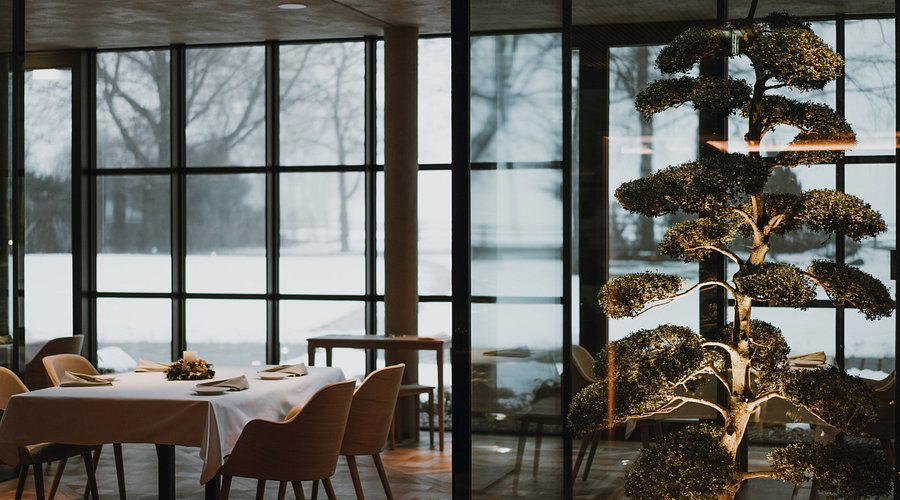
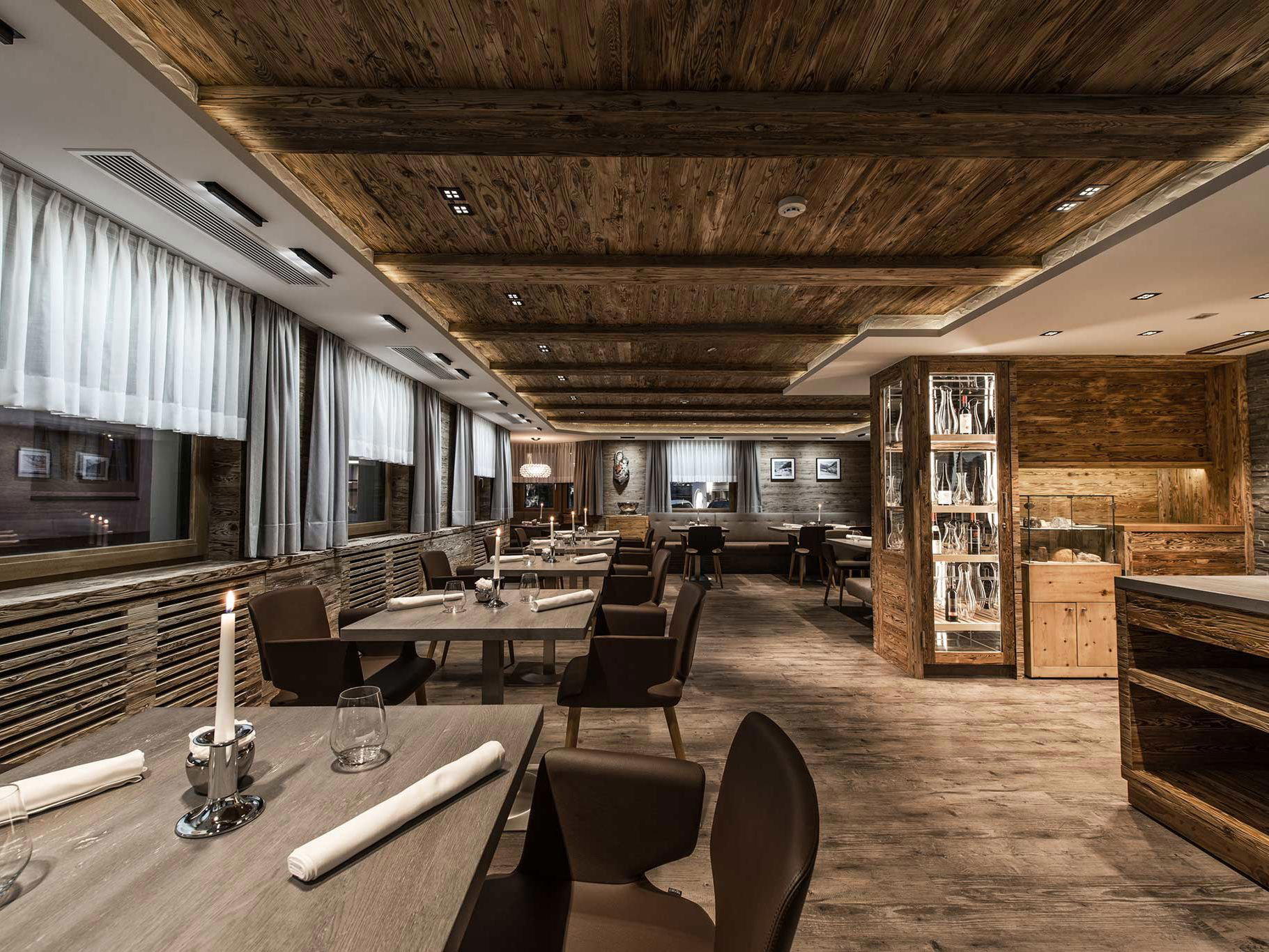
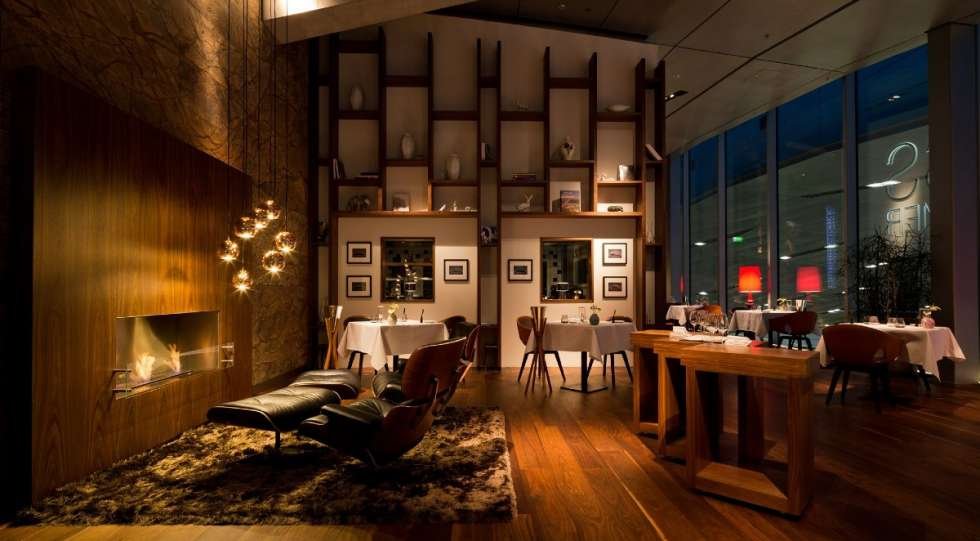
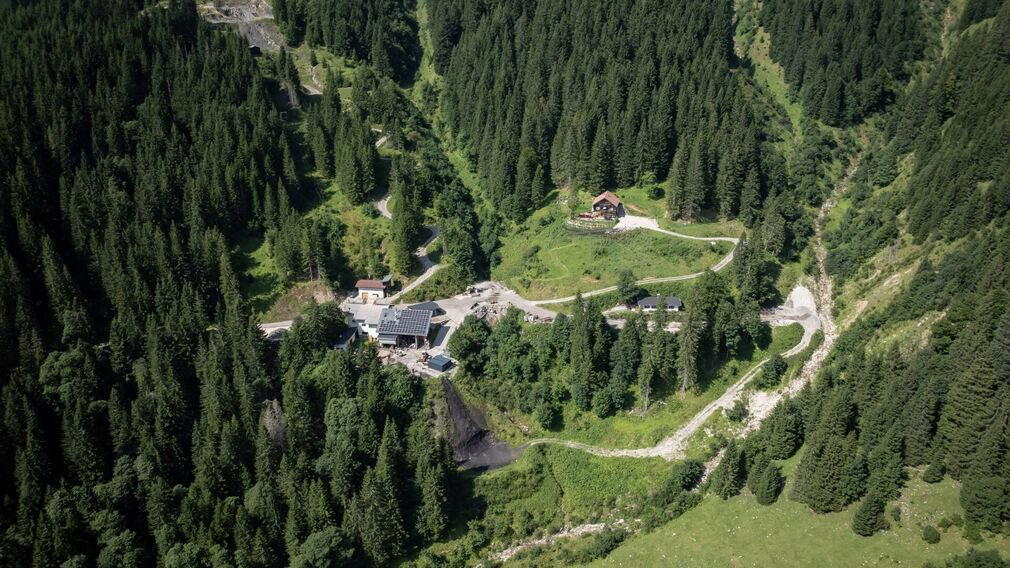
Pleasant, cozy, and elegant atmosphere with modern design, large windows offering mountain views, comfortable decor, and a warm, professional service.